Exploring Uppland

Exploring Uppland
Uppland, a historical province just north of Sweden’s capital, is the quintessential heart of Swedish history and learning. For millennia, this region has been a focal point. Ancient Viking settlements and monumental runestones tell tales of its past. It was the cradle of the Swedish monarchy. It also holds the nation’s oldest university. Uppland’s history is one of power, intellect, and profound cultural development. Here, the early Swedish state took shape. Its rich agricultural lands and strategic waterways have long supported its growth. Today, Uppland offers a unique blend of vibrant urban life, hallowed academic halls, and stunning natural landscapes. This includes a breathtaking archipelago. Its provincial flower is the unique Snake’s Head Fritillary (Kungsängslilja). This delicate checkerboard bloom thrives in spring. Its provincial animal is the majestic White-tailed Eagle (Havsörn). These symbols perfectly capture Uppland’s blend of subtle beauty and enduring strength.

Population
The historical province of Uppland has around 1.8 million people. This makes it one of Sweden’s most populous historical provinces. Its significant urban centers largely contribute to this figure. Its role as the capital region also plays a part. Population density is high in its southern parts, notably around Stockholm and Uppsala.
- Stockholm: While also extending into Södermanland, the northern and central parts of Stockholm city are historically Uppland. This includes the Old Town (Gamla Stan) and many central boroughs. As Sweden’s capital, Stockholm is Scandinavia’s largest city. It’s a global hub for culture, finance, and innovation. It is beautifully built across 14 islands.
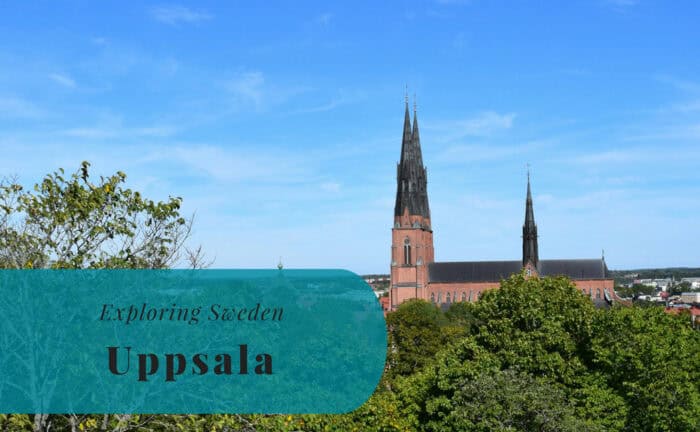
- Uppsala: This is Uppland’s second-largest city. It’s one of Sweden’s oldest and most historically significant. Uppsala is renowned for Uppsala University, founded in 1477. This is Scandinavia’s oldest and largest institution of higher education. Its magnificent Uppsala Cathedral is the largest in the Nordics. It’s a vibrant academic and ecclesiastical center. It blends ancient history with youthful energy.
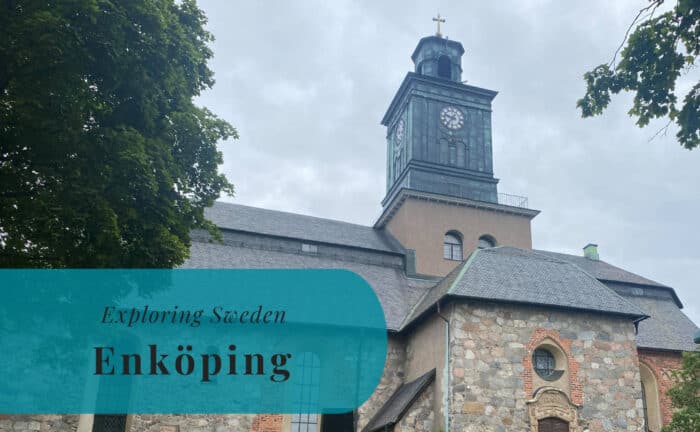
- Enköping: Situated on Lake Mälaren’s western shore, Enköping is known as “Sweden’s closest city.” It is particularly famous for its beautiful parks and garden artistry. The town has a long history as a trading post along the Mälaren waterways.
- Norrtälje: Located on Uppland’s northeastern coast, Norrtälje is a charming archipelago town. It’s a popular summer destination. It serves as a gateway to the northern Stockholm archipelago and Åland Islands. The town has a relaxed atmosphere and vibrant harbor life.
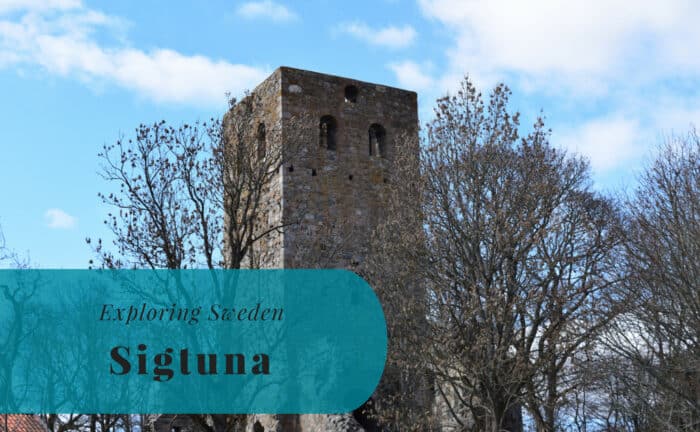
- Sigtuna: Sweden’s oldest town, Sigtuna was founded around 970 AD on Lake Mälaren. It offers a unique glimpse into Viking and early medieval history. It features charming wooden houses, ancient church ruins, and numerous runestones. It remains a picturesque and historically significant destination.
Location
Uppland is strategically located in east-central Sweden. Today, it mostly corresponds to Uppsala County, but the historical province is significantly larger. It also includes the northern part of the modern Stockholm County, crucially including the northern and central areas of the capital city. It borders the historical provinces of Västmanland and Gästrikland to the west. Södermanland lies to the south, and the Baltic Sea is to the east. Its extensive coastline is characterized by a vast archipelago. To the south and west, it borders Lake Mälaren, Sweden’s third-largest lake. This unique position, encompassing the capital and a large inland area, defines its historical, economic, and cultural significance.
Geography
Uppland’s geography is characterized by flat to gently undulating plains. These are in its central and southern parts. They are historically fertile agricultural lands. These plains are interspersed with significant forests and numerous small lakes. The eastern coastline features Sweden’s largest and most intricate archipelago. It’s part of the vast Stockholm archipelago. Thousands of islands and skerries form this. To the west and north, the landscape becomes more forested and slightly hillier. The province is crisscrossed by several rivers, including the Fyrisån in Uppsala. The terrain is generally low-lying, with its highest point, Tallmossen, reaching only 118 meters above sea level. This diverse landscape offers a mix of productive farmland, rich natural areas, and a unique coastal environment.
Entry Points to Uppland
Uppland is exceptionally well-connected by air, sea, and land. This is largely due to containing Sweden’s capital and its primary transport hubs.
By Air
Uppland is home to Sweden’s largest and most significant international airport. Stockholm Arlanda Airport (ARN) is Sweden’s main international gateway. Located in Uppland, north of Stockholm, Arlanda offers extensive direct flights worldwide. Frequent train services (Arlanda Express, commuter trains) and airport buses provide fast connections to Stockholm city center and Uppsala. Stockholm Bromma Airport (BMA) is situated just west of Stockholm city center. This airport primarily handles domestic flights. It offers convenient connections to other Swedish cities and is popular for business travelers. Västerås Airport (VST), located in neighboring Västmanland but serving western Uppland, is used by some low-cost airlines, offering European connections. These airports ensure excellent global and domestic accessibility to Uppland.
By Sea
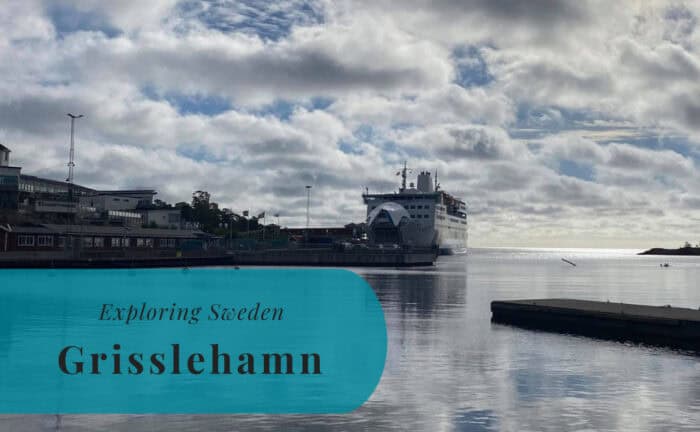
Uppland boasts an extensive Baltic Sea coastline and access to Lake Mälaren, offering various maritime entry points, particularly to Stockholm. Major international passenger ferry terminals like Värtahamnen, Frihamnen, and Stadsgården are located in Stockholm (historically Uppland). They offer regular ferry services to Finland, Estonia, and other Baltic Sea countries (e.g., Tallink Silja Line, Viking Line). Numerous smaller harbors and marinas along the Uppland coast and within the vast Stockholm archipelago cater to leisure boats and local island traffic, connecting towns like Norrtälje. Towns along Lake Mälaren, like Sigtuna and Enköping, have active harbors for local passenger boats and recreational vessels. Scenic boat tours operate on Lake Mälaren, connecting these towns to Stockholm. These sea routes are vital for both international travel and local exploration of the archipelago.
By Land
Land travel is exceptionally convenient due to Uppland’s central location and highly developed road and rail infrastructure, centered around Stockholm.
- By Car: Major national highways crisscross Uppland. The E4 highway, Sweden’s main north-south artery, runs directly through Uppland. It connects Stockholm, Arlanda, and Uppsala to regions further north. The E18 highway links Stockholm with Enköping and Västerås to the west. This extensive road network offers superb flexibility for exploring the province.
- By Train: SJ (Swedish Railways) operates frequent and reliable long-distance train services. Stockholm Central Station is Sweden’s main railway hub. It has direct connections to all major Swedish cities. Uppsala is also a key railway junction. Regional trains (SL commuter trains, Upptåget) provide extensive services within Uppland. They connect towns and enable easy travel.
- By Bus: Various long-distance bus companies offer comprehensive services to Uppland. These connect its cities and towns to other regions across Sweden. Regional bus networks (UL in Uppsala County part, SL in Stockholm County part) also provide excellent local coverage. They facilitate travel between smaller communities and attractions.
Join Us Exploring Uppland!
































Explore more of Sweden and Europe