Exploring Slovenia
Exploring Slovenia
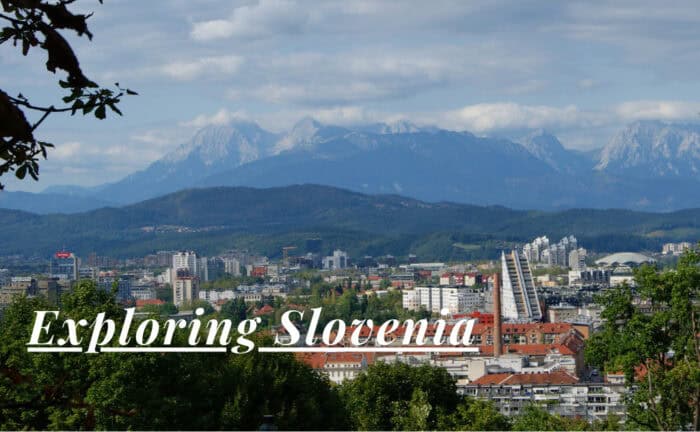
Slovenia, a small yet incredibly diverse nation, truly shines in Central Europe. It offers a stunning blend of Alpine peaks, Mediterranean coastlines, and Karst caves. Discover charming medieval towns. Explore lush forests and emerald rivers. Slovenia promises an unforgettable adventure. It perfectly combines natural beauty with a welcoming spirit. Join Us Exploring Slovenia!
Population of Slovenia
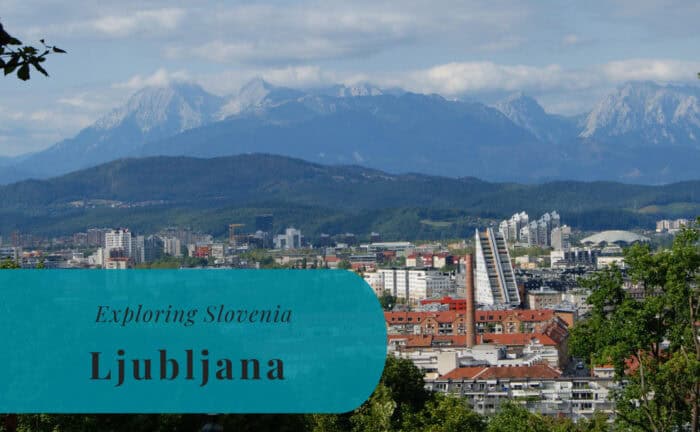
Slovenia’s population is approximately 2.1 million as of early 2025. This makes it one of Europe’s smaller countries. The majority of its people reside in urban areas. Ljubljana, the capital, is its largest city. It’s a charming hub of culture and innovation. Slovenes are known for their strong national pride. They have a deep appreciation for their natural environment. The official language is Slovene. English is widely spoken, especially among younger generations and in tourist areas.
Location of Slovenia
Slovenia holds a truly unique and strategic position in Central Europe. It is where the Alps, the Mediterranean, the Pannonian Plain, and the Dinaric Alps converge. It boasts a short but vital Adriatic Sea coastline to its southwest. This provides direct maritime access. To the north, Slovenia borders Austria. To the east, it shares a border with Hungary. Croatia is to the south and east. Italy lies to the west. This central location has profoundly shaped Slovenia’s history. It has been a crossroads of diverse cultures and empires. Today, it is a proud member of the European Union and NATO.
Geography of Slovenia
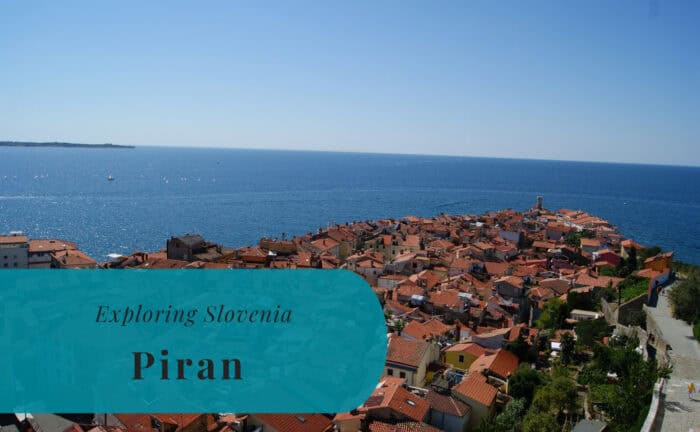
Slovenia’s geography is remarkably diverse for its size. The Julian Alps dominate its northwest. Mount Triglav (2,864 m) is its highest peak. It’s also a national symbol. These mountains feature dramatic valleys, glacial lakes, and dense forests. The famous Karst region is to the southwest. It is known for its incredible cave systems. Postojna Cave and Škocjan Caves (UNESCO) are prime examples. Slovenia boasts a beautiful Adriatic coastline. It includes charming towns like Piran. The Pannonian Plain extends into its eastern parts. This region is characterized by flat or rolling terrain. Numerous rivers, like the Soča and Sava, crisscross the country. Their waters are often emerald green.
Entry Points to Slovenia
Slovenia offers excellent international access by air, sea, and land. Its compact size means internal travel is also very efficient.
By Air: Ljubljana Jože Pučnik Airport (LJU) is Slovenia’s largest and main international airport. It serves as the primary gateway for most visitors. Numerous airlines connect Ljubljana to major European cities. It offers direct flights from destinations across Europe. This makes air travel the most common way to arrive. The airport is modern and well-connected to the capital.
By Sea: Slovenia has a short but important Adriatic coastline. The Port of Koper is its main commercial port. However, it also hosts some cruise ships during the season. Occasional passenger ferry services may operate from Italian ports, like Trieste or Venice, to destinations on the Slovenian coast, such as Piran or Izola. These routes are less frequent. They offer a scenic way to arrive from Italy.
By Land: Slovenia is exceptionally well-connected to its European neighbors by road and rail. By Train: An efficient railway network links major Slovenian cities. International train routes connect Ljubljana to Vienna, Zagreb, Trieste, and other European cities. This offers comfortable cross-border travel. By Car/Bus: A well-developed motorway network (Avtoceste) provides direct road access. They connect Slovenia to all its bordering countries. Major border crossings are generally efficient due to the Schengen Area. International bus services, like FlixBus, are also widely available. They offer budget-friendly options for travel across Europe.
Join Us in Exploring Slovenia
Exploring More of Europe?
Join us in exploring more of what Europe has to offer. It is not only Norway that we have been exploring.