Exploring Montenegro
Exploring Montenegro
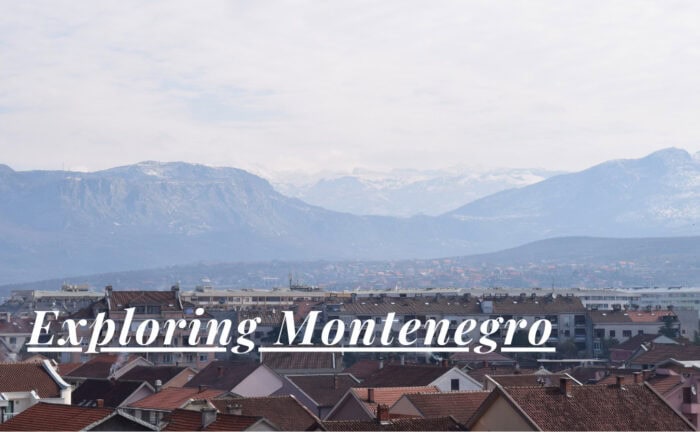
Montenegro, a small yet captivating nation, gleams on the Adriatic coast. It’s a land of dramatic mountains and serene medieval towns. Discover ancient fortresses. Explore pristine national parks. Montenegro promises an unforgettable journey. It blends Balkan charm with stunning natural grandeur. Join Us Exploring Montenegro!
Population of Montenegro
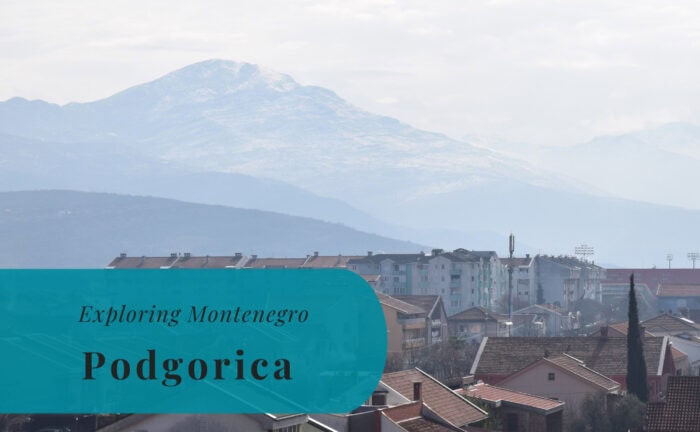
Montenegro’s population is approximately 633,000 as of early 2025. This makes it one of Europe’s smaller countries. The majority of its people live in urban areas. Podgorica, the capital, is its largest city. It serves as an administrative and economic hub. Montenegrins are known for their hospitality. They maintain strong ties to their cultural traditions. The official language is Montenegrin. Other languages like Serbian, Bosnian, and Albanian are also spoken. English is widely understood in tourist areas.
Location of Montenegro
Montenegro holds a strategic position in the Western Balkans. It boasts a beautiful Adriatic Sea coastline to its southwest. This makes it a highly desirable maritime destination. It shares land borders with several neighbors. Croatia lies to the west. Bosnia and Herzegovina is to the northwest. Serbia is to the north. Kosovo is to the northeast. Albania is to the southeast. This location has historically made Montenegro a land of strategic importance. It has seen various cultural influences over centuries. Today, it is a popular European tourist destination.
Geography of Montenegro
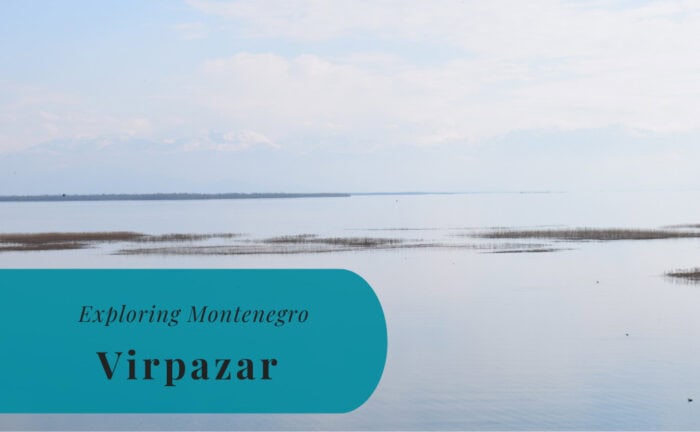
Montenegro’s geography is remarkably diverse. It lives up to its name, meaning “Black Mountain.” The Dinaric Alps dominate its interior. They feature rugged peaks and deep canyons. Durmitor National Park, a UNESCO site, showcases these mountains. It boasts glacial lakes and rich biodiversity. The Tara River Canyon is Europe’s deepest. It offers thrilling rafting opportunities. The country’s coastline is relatively narrow. It features the breathtaking Bay of Kotor. This fjord-like bay is surrounded by towering mountains. Further south, you find sandy beaches. Lake Skadar, the largest lake in the Balkans, is shared with Albania. It’s a vital wetland for birds.
Entry Points to Montenegro
Montenegro offers excellent international access by air, sea, and land. Its compact size means travel within the country is also efficient.
By Air: Montenegro has two international airports. Podgorica Airport (TGD) is the largest. It serves the capital region. Many European airlines offer direct flights here. Tivat Airport (TIV) is closer to the coast. It is very popular for beach and yachting tourism. It receives numerous seasonal and charter flights. Many visitors also use Dubrovnik Airport (DBV) in Croatia. It’s just a short drive to Montenegro’s border.
By Sea: Montenegro boasts an active maritime connection. The Port of Bar is its main passenger port. Regular ferry services connect Bar to Bari, Italy. This route is popular for travelers bringing vehicles. The Bay of Kotor is a major destination for cruise ships. Large vessels frequently dock in Kotor itself. Marinas like Porto Montenegro in Tivat accommodate luxury yachts. These sea routes offer scenic arrivals.
By Land: Montenegro is well-connected to its neighbors by road and rail. By Bus: International bus services are very popular. They connect major Montenegrin cities like Podgorica, Budva, and Kotor. Routes extend to cities across the Balkans (e.g., Serbia, Bosnia and Herzegovina, Albania, Croatia) and beyond. These services are often comfortable and affordable. By Car: Road networks are generally good. They link Montenegro to its surrounding countries. Major border crossings are efficient. By Train: A notable international train service connects Bar (Montenegro) to Belgrade (Serbia). This route is famous for its scenic mountain journey.
Join Us in Exploring Montenegro


Exploring More of Europe?
Join us in exploring more of what Europe has to offer. It is not only Norway that we have been exploring.