
Exploring Estonia
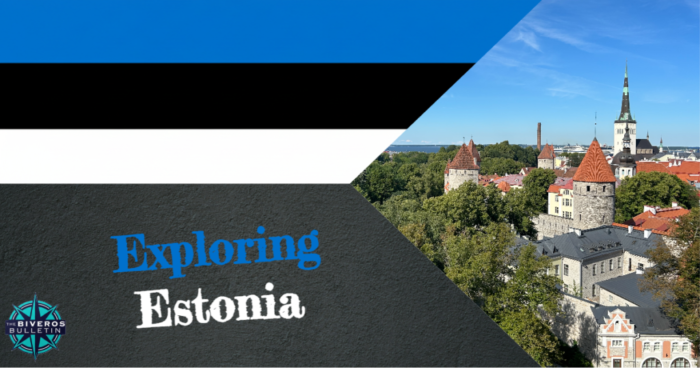
Exploring Estonia
Estonia, a captivating Baltic nation, gleams in Northern Europe. It offers a unique blend of medieval charm and cutting-edge digital innovation. This land of ancient forests and countless islands invites you to discover its rich history. Here, you will also experience its future-forward spirit, even though Tallinn’s old town feels like a fairytale setting. Join Us Exploring Estonia!
Population of Estonia
Estonia’s population is approximately 1.37 million as of early 2025. This makes it one of Europe’s less populated countries. Despite its modest size, Estonia stands out globally. It is a highly digital and technologically advanced society. Most Estonians (over 70%) live in urban areas. Tallinn, the capital, is its largest city. It serves as a vibrant center of innovation. The official language is Estonian. However, English is widely spoken, especially among younger generations. This makes communication easy for visitors. The population is predominantly ethnic Estonian, but significant Russian-speaking communities also reside here.
Location of Estonia
Estonia holds a profoundly strategic position in Northern Europe. It forms the northernmost part of the three Baltic States. The Baltic Sea broadly borders it to the north and west. This extensive coastline features many islands. It also connects directly to the Gulf of Finland. To the south, Estonia borders Latvia. To the east, it shares a long border with Russia. Across the narrow Gulf of Finland lies Finland. Sweden is also a close maritime neighbor. This pivotal location has deeply shaped its history. It has seen influences from various powerful empires. Today, Estonia firmly belongs to the European Union and NATO.
Geography of Estonia
Estonia’s geography is remarkably diverse for its size. The country is largely flat. Dense forests cover over half of its land area. These forests are home to varied wildlife. Extensive wetlands and bogs are also common. They form unique and serene natural landscapes. Estonia boasts a very long and intricate coastline. It stretches over 3,700 kilometers and includes more than 2,200 islands. Saaremaa and Hiiumaa are the largest islands and they offer unique cultural experiences and tranquil escapes. Many national parks, like Lahemaa and Soomaa, protect its pristine nature. Numerous rivers and lakes also dot the interior.
Entry Points to Estonia
Estonia offers excellent connections by air, sea, and land. Its modern infrastructure ensures smooth international travel for all visitors.
By Air: Tallinn Airport (TLL), also known as Lennart Meri Tallinn Airport, is Estonia’s largest and main international gateway. It’s renowned for being a remarkably modern and user-friendly airport. Many European airlines operate direct flights here. They connect Tallinn to major cities across the continent. This efficiency makes air travel the most common way to arrive in Estonia.
By Sea: Ferry services are vital for regional connections. Regular passenger ferries operate frequently. They link Tallinn to Helsinki, Finland, a highly popular route for both tourists and daily commuters. Ferries also connect Tallinn to Stockholm, Sweden, offering longer, scenic journeys. These sea routes provide a convenient and enjoyable way to arrive from Nordic countries, often with overnight options.
By Land: Estonia shares land borders with Latvia and Russia. Crossing the border with Latvia is very straightforward. Modern highways and rail links seamlessly connect Tallinn to Riga. International bus services are highly popular, too. Companies like Lux Express offer comfortable and efficient journeys. They connect Tallinn to cities across the Baltic States and beyond. The border with Russia is also accessible by land. However, crossings can be more complex and involve tighter security checks. Travelers should always ensure they have the correct visas and documentation before planning these crossings.
Join Us in Exploring Estonia
Exploring More of Europe?
Join us in exploring more of what Europe has to offer. It is not only Norway that we have been exploring.