
Exploring Hungary
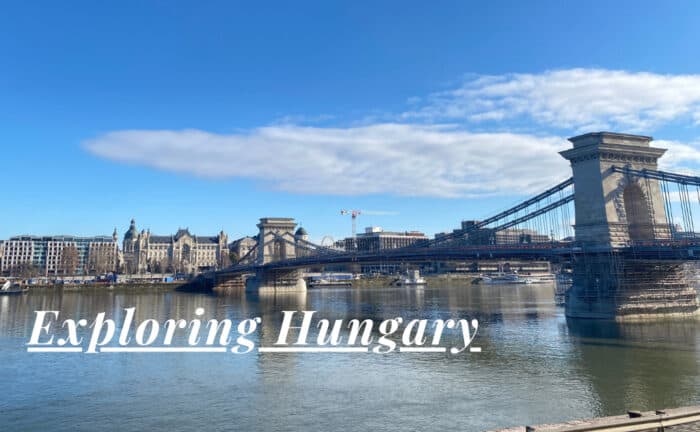
Exploring Hungary
Hungary, a landlocked nation, thrives in the heart of Central Europe. It offers a unique blend of grand imperial history and vibrant modern culture. From the thermal baths of Budapest to the vast Puszta plains, it captivates visitors. Discover delicious cuisine and lively folklore. Hungary promises an unforgettable journey. Join Us Exploring Hungary!
Population of Hungary
Hungary’s population stands at approximately 9.6 million as of early 2025. This makes it a medium-sized European nation. The majority of its people reside in urban areas. Budapest, the magnificent capital, is its largest city. It serves as the country’s economic and cultural center. Hungarians are proud of their distinctive language and rich cultural heritage. This includes famous music, vibrant folk traditions, and a unique cuisine. The population is largely ethnically Hungarian, with some recognized minorities.
Location of Hungary
Hungary holds a central and historically significant position in Central Europe. It is a landlocked country. It shares borders with seven other nations. Slovakia lies to its north. Ukraine and Romania are to its east. Serbia and Croatia are to the south. Slovenia and Austria border it to the west. This central location has made Hungary a crossroads for centuries. It has been a bridge between Eastern and Western Europe. Today, it remains a vital hub for trade and cultural exchange within the European Union.
Geography of Hungary
Hungary’s geography is largely characterized by its expansive plains. The Great Hungarian Plain (Nagyalföld) dominates the eastern and central regions. This fertile area is important for agriculture. The Danube River flows through the country. It carves a picturesque bend north of Budapest. The Tisza River is another major waterway. These rivers are vital for transport and ecology. To the west, you find the Transdanubian region. It features rolling hills and low mountains. Lake Balaton is a central feature. It is the largest freshwater lake in Central Europe. This “Hungarian Sea” is a popular tourist destination. Smaller hill ranges, like the Matra Mountains, are also present. They offer stunning natural beauty and hiking opportunities.
Entry Points to Hungary
Hungary offers excellent connections by air and land. Its central position in Europe ensures smooth international travel.
By Air: Budapest Ferenc Liszt International Airport (BUD) is Hungary’s largest and primary international gateway. It is a modern and efficient airport. Numerous airlines connect Budapest to destinations across Europe and beyond. This makes air travel the most common way to arrive. Other smaller regional airports exist. They handle some domestic and limited international flights.
By Sea: As a landlocked country, Hungary has no direct sea access. However, the Danube River is a significant waterway. It connects Hungary to neighboring countries by river. River cruises are popular for tourism. They connect Budapest to Vienna and other European cities along the Danube. These cruises offer a scenic and relaxing way to experience the region. However, they are generally not considered standard international “sea” entry points.
By Land: Hungary boasts an excellent network of roads and railways. This facilitates travel from all its neighbors. By Train: Hungarian State Railways (MÁV) operates extensive services. Direct international train routes connect Budapest to major cities. These include Vienna, Prague, Berlin, Warsaw, Bratislava, and Bucharest. This makes train travel very convenient. By Car/Bus: A well-developed motorway network (Autópálya) links Hungary to its surrounding countries. International bus services are also widely available. Companies like FlixBus connect Budapest to numerous European destinations. Key border crossings are efficient for road travel.
Join Us in Exploring Hungary
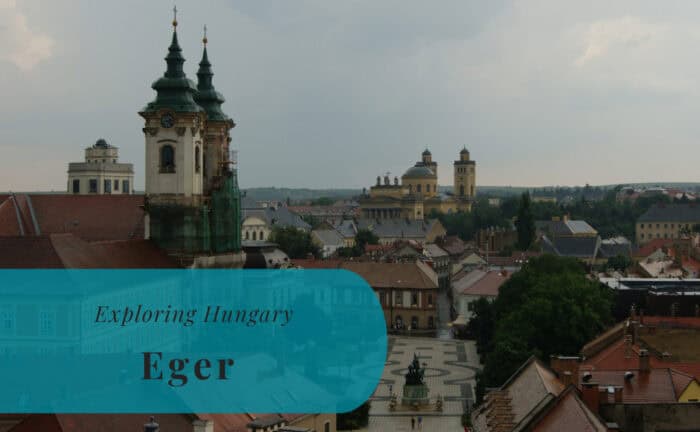
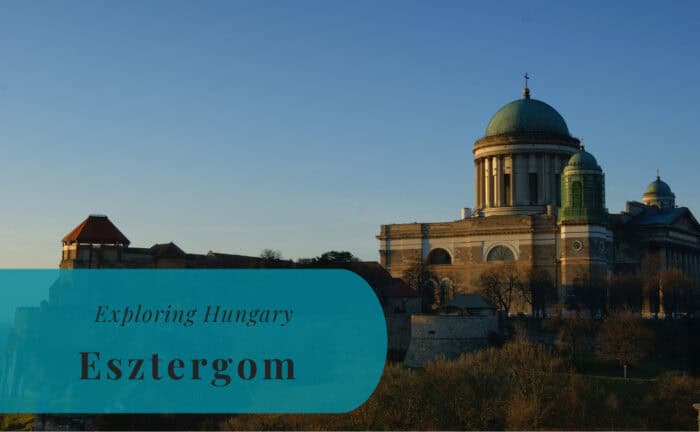
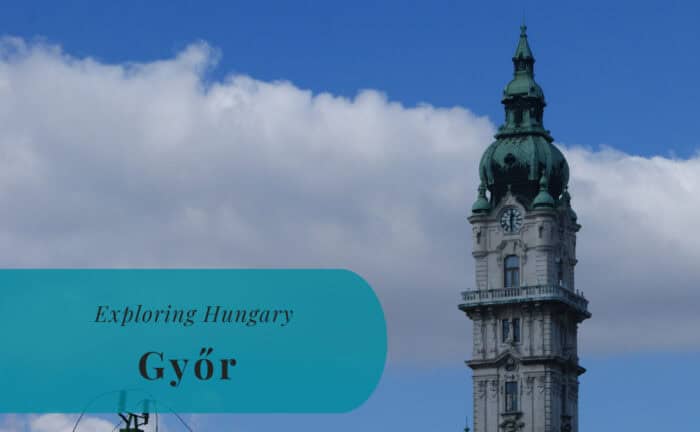

Exploring More of Europe?
Join us in exploring more of what Europe has to offer. It is not only Norway that we have been exploring.