Exploring Småland
Exploring Småland
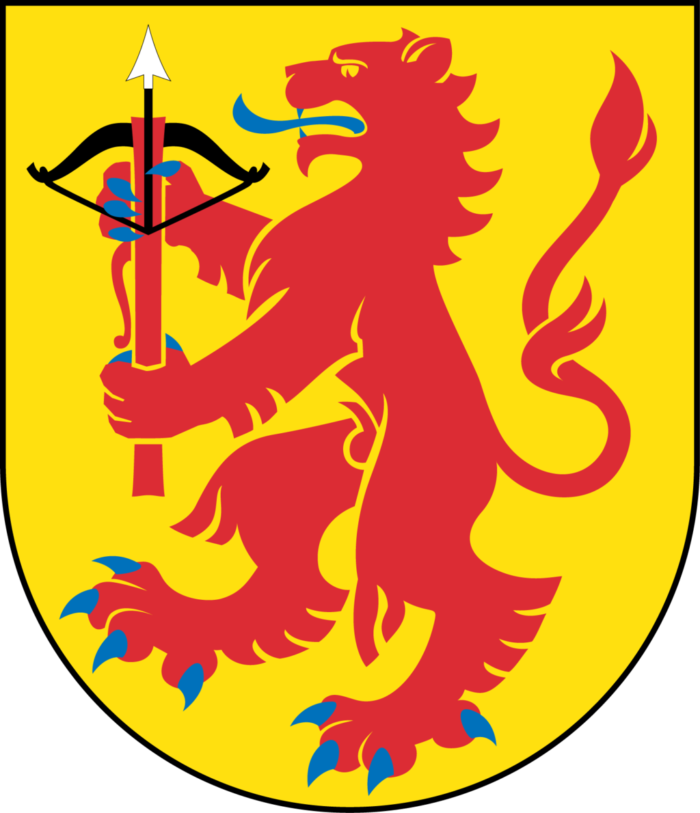
Småland is a vast historical province in southern Sweden, and it’s truly a land of captivating contrasts. It’s renowned for its deep, silent forests, and it boasts countless sparkling lakes. A unique entrepreneurial spirit thrives here, and this has given rise to global brands. Historically, Småland’s rugged terrain and dense woodlands fostered a strong sense of independence among its inhabitants. It was a region of small, self-sufficient farms, and later it became a hotbed for industries like glassmaking and furniture production; this legacy continues to thrive. Småland’s history is also marked by emigration, as many Swedes sought new opportunities abroad in past centuries. Today, it offers a harmonious blend of pristine nature, innovative craftsmanship, and deep cultural roots. Did you know its provincial flower is the humble yet beautiful Twinflower (Linnea), named after the famous botanist Carl Linnaeus, and its provincial animal is the elusive Eurasian Otter (Utter)? These symbols perfectly capture Småland’s natural charm and its vibrant, hidden life.
Population
Småland has a population of approximately 760,000 people, and this makes it one of Sweden’s more populous historical provinces. However, significant variations in density exist. Population centers are generally found around its industrial hubs, and they follow major transport routes. Vast areas remain forested and sparsely inhabited.
- Växjö: This is Småland’s largest city, and it’s also the county seat of Kronoberg County. Växjö is a vibrant university city, often recognized for its environmental leadership and sustainability efforts. It blends modern urban development with historical charm, and it includes a beautiful cathedral. The city serves as a regional center for education, commerce, and green innovation.
- Jönköping: It is strategically located at the southern tip of Lake Vättern, and Jönköping is a significant commercial and logistics hub. It’s known for its beautiful lakeside setting, the annual Elmia trade fairs, and its long history as a matchstick manufacturing center. Today, it’s a dynamic city with a university and diverse industries.
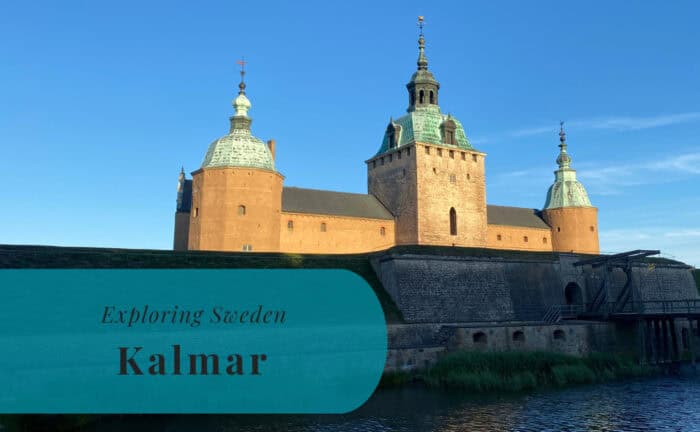
- Kalmar: Situated on the southeastern coast, Kalmar is a historic port city. It boasts the magnificent Kalmar Castle, a well-preserved Renaissance fortress that played a key role in Swedish history. The city offers a charming old town and a beautiful archipelago; it’s connected to Öland island by the impressive Öland Bridge.
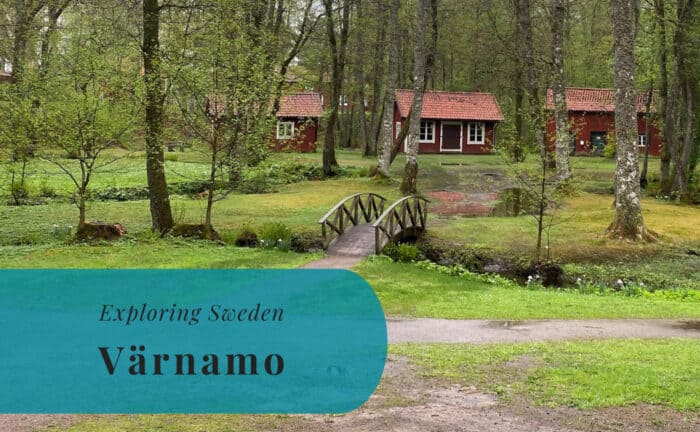
- Värnamo: Located in central Småland, Värnamo is a renowned center for furniture design and manufacturing. It’s a testament to Småland’s entrepreneurial spirit and craftsmanship. The town combines industrial strength with cultural offerings, including art and design exhibitions.
- Nässjö: This inland city is a crucial railway junction in southern Sweden. Nässjö’s economy is largely driven by its logistics and transport infrastructure. It serves as a vital hub for freight and passenger trains across the country.
Location
Småland is located in southern Sweden, and it forms a large, central part of the Götaland region. It borders Östergötland to the north, while Västergötland and Halland lie to the west. Skåne and Blekinge are to the south, and the Baltic Sea is to the east. Its extensive eastern coastline features a beautiful archipelago, and this inland-coastal mix defines its varied landscape.
Geography
Småland’s geography is famously characterized by its dense forests and innumerable lakes. It’s often referred to as “the land of lakes and forests.” While large parts are covered by coniferous trees, there are also areas of mixed forest and agricultural clearings. The terrain is generally hilly, and its bedrock is dominated by granite and gneiss, which contributes to its rugged beauty. The Småland Uplands cover much of the province, featuring higher elevations and many small hills. The province is crisscrossed by countless rivers and streams, connecting its myriad lakes. Along its eastern edge, Småland boasts a beautiful archipelago with thousands of islands and skerries stretching into the Baltic Sea. The highest point in Småland is Tomtabacken, at 377 meters (1,237 feet) above sea level.
Entry Points to Småland
Småland is well-connected by air, sea, and land, reflecting its importance as a central region in southern Sweden.
By Air
Småland is served by several regional airports.
- Jönköping Airport (JKG): This airport offers domestic flights to Stockholm Arlanda Airport (ARN), and it also provides seasonal international charter flights.
- Växjö Småland Airport (VXO): This airport offers domestic flights to Stockholm Bromma Airport (BMA), and it also has several international routes, including seasonal charters.
- Kalmar Airport (KLR): Located on the coast, it offers domestic flights to Stockholm Arlanda (ARN) and Stockholm Bromma (BMA), plus some international charters.
These airports offer convenient access to different parts of Småland, and taxis, rental cars, and local buses are available for onward travel. For broader international connections, Copenhagen Airport (CPH) in Denmark or Gothenburg Landvetter Airport (GOT) are often used, but these require onward land travel.
By Sea
Småland has an extensive eastern coastline along the Baltic Sea, and it features several significant ports.
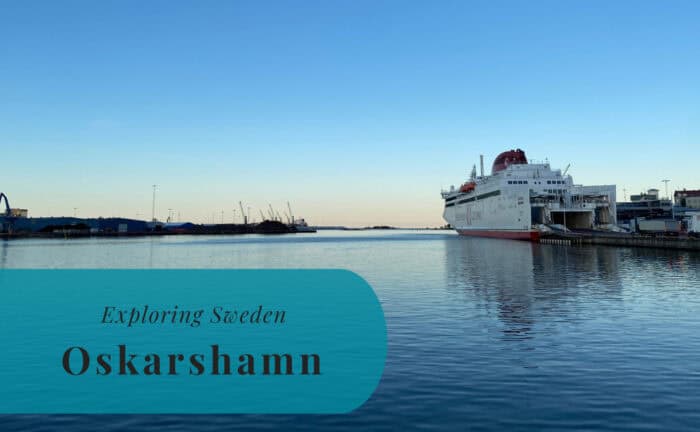
- Oskarshamn Port: This is a major ferry port, offering regular ferry services to Gotland island (Visby), and it also handles some cargo traffic.
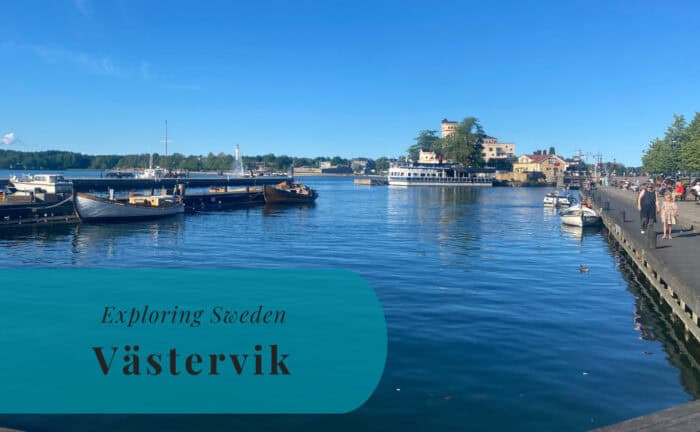
- Västervik Port: Known for its picturesque archipelago, Västervik offers ferry services to the island of Blå Jungfrun National Park (a mystical island in Kalmar Strait), and it provides local archipelago tours. It primarily caters to recreational boating.
- Kalmar Port: While not a major international passenger ferry hub, Kalmar Port handles cargo and local boat traffic, including access to the beautiful Kalmar archipelago.
These ports provide essential links for island access and local coastal exploration, though they are not major international passenger routes.
By Land
Land travel is the most common and convenient way to reach and explore Småland, thanks to Sweden’s excellent road and rail infrastructure.
- By Car: Major national highways crisscross Småland, offering excellent access. The E4 highway, Sweden’s main north-south artery, runs directly through the province, connecting Jönköping and Värnamo to Stockholm in the north (about a 3.5-4 hour drive to Jönköping) and to Skåne in the south. The E22 highway runs along the eastern coast, connecting Kalmar and other coastal towns. Driving offers superb flexibility for exploring the vast and diverse landscapes of Småland.
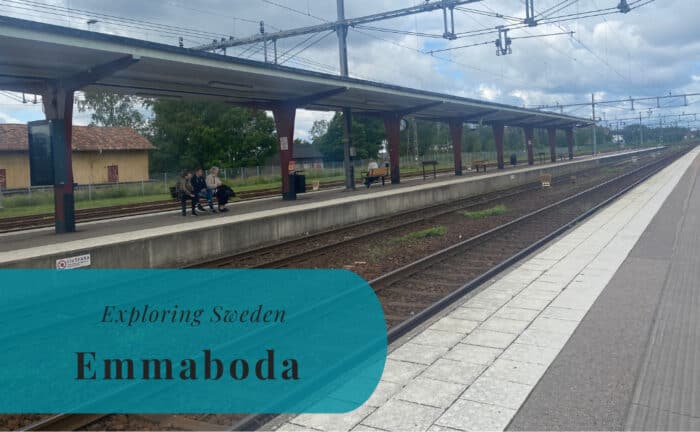
- By Train: SJ (Swedish Railways) operates frequent and reliable long-distance train services to Småland. Major cities like Jönköping, Växjö, and Kalmar are well-connected to Stockholm, Gothenburg, Malmö, and other key cities across Sweden. Regional trains also operate, connecting smaller towns within the province.
- By Bus: Various long-distance bus companies offer comprehensive services to Småland. These connect major towns to Stockholm and other regions across Sweden. Regional bus networks (e.g., Länstrafiken Kronoberg, Jönköpings Länstrafik, Kalmar Länstrafik) also provide good coverage within the province, facilitating travel between smaller communities and attractions.
Join Us Exploring Småland!











Explore more of Sweden and Europe