
Exploring Greece

Exploring Greece
Greece, a land bathed in sunlight and rich in ancient history, offers an unforgettable journey. From the iconic Acropolis to countless idyllic islands, it truly captivates. Experience the birthplace of democracy. Enjoy stunning Mediterranean landscapes. Greece promises a blend of profound heritage and vibrant modern life. Join us Exploring Greece!
Population of Greece
Greece has a population of approximately 10.3 million as of early 2025. This makes it a medium-sized European nation. The majority of its people reside in urban areas. Athens, the capital, is its largest city. It’s a bustling historical and cultural hub. Greeks are known for their warm hospitality. Their strong family ties are evident. The official language is Greek. English is widely understood in tourist areas. The population maintains a strong connection to its ancient past.
Location of Greece
Greece holds a unique position in Southeastern Europe. It forms the southernmost tip of the Balkan Peninsula. The Aegean Sea lies to its east. The Ionian Sea is to its west. The Mediterranean Sea stretches out to the south. It shares land borders with Albania, North Macedonia, and Bulgaria to the north. Turkey lies to the east. This maritime location has shaped its history. It led to its powerful naval traditions. Today, it remains a vital link between Europe, Asia, and Africa.
Geography of Greece
Greece’s geography is remarkably diverse. It features thousands of islands (over 2,000). Only about 170 are inhabited. They form iconic archipelagos like the Cyclades and Dodecanese. The mainland is highly mountainous. The Pindus Mountains form its spine. Mount Olympus (2,918 m) is its highest peak, the mythical home of the gods. Extensive coastlines define much of the country. They offer countless beaches and coves. Fertile plains exist in central and northern regions. Olive groves and vineyards dot the landscape. This varied terrain offers everything from ancient ruins to stunning beaches.
Entry Points to Greece
Greece offers excellent international access by air, sea, and land. Its well-developed infrastructure ensures smooth travel for all visitors.
By Air: Athens International Airport (ATH) is Greece’s largest and busiest airport. It serves as the primary international gateway. Numerous airlines connect Athens to destinations worldwide. Thessaloniki Airport (SKG) is another major international airport. It serves Northern Greece. Additionally, many island airports handle international flights, especially during summer. These include Heraklion (HER) in Crete, Rhodes (RHO), Corfu (CFU), and Santorini (JTR). They offer direct access to popular island destinations.
By Sea: Greece’s vast coastline and numerous islands make ferry travel extremely common. Passenger ferries connect the mainland ports, like Piraeus (Athens’ port), to almost every inhabited island. International ferries operate from Italy (e.g., Ancona, Bari, Brindisi) to Patras and Igoumenitsa on Greece’s west coast. These are popular routes for travelers with vehicles. Cruise ships frequently visit Greek islands and coastal cities. This provides a popular way to explore multiple destinations.
By Land: Greece shares land borders with Albania, North Macedonia, Bulgaria, and Turkey. Road connections are generally good. Modern highways facilitate travel from neighboring countries. International bus services are available. They connect Athens and Thessaloniki to cities across the Balkans and wider Europe. While limited, train connections also exist from neighboring countries to Thessaloniki. Key border crossings include Evzoni (North Macedonia), Kulata-Promachonas (Bulgaria), and Kakavia (Albania).
Join Us in Exploring Greece
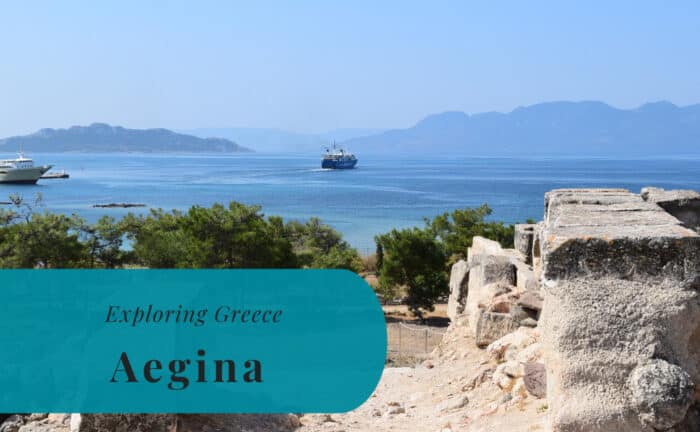
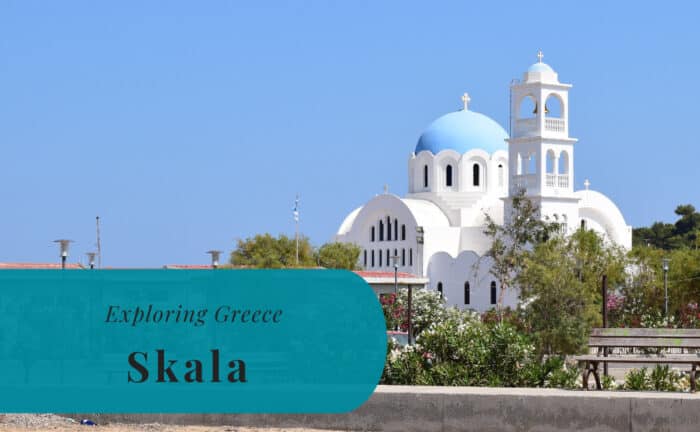
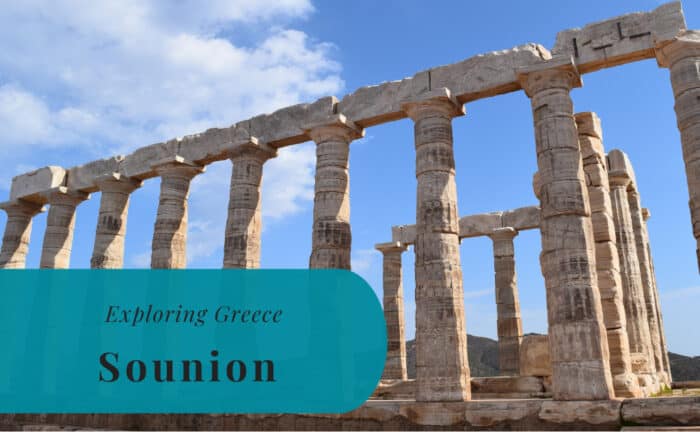
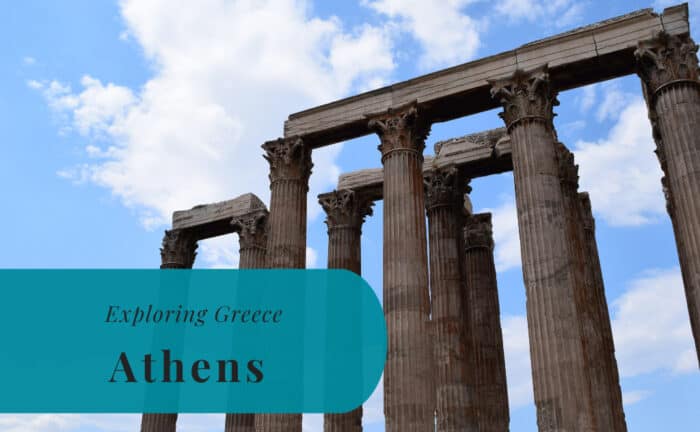
Exploring Attica

Exploring Kefalonia
Exploring Peloponnese


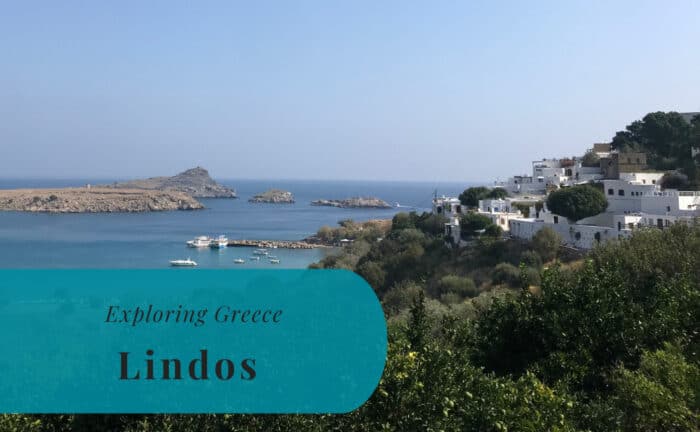
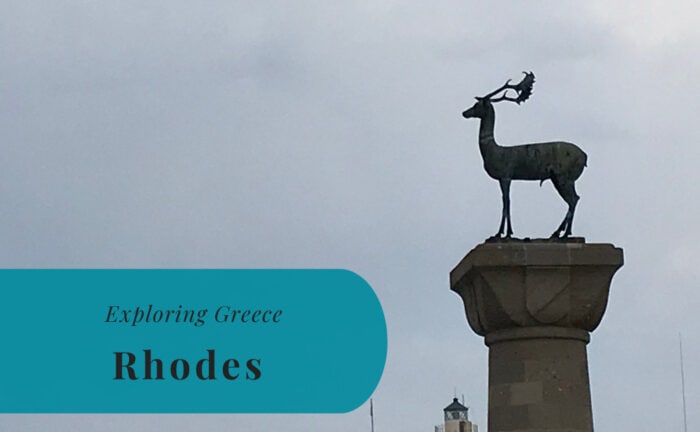
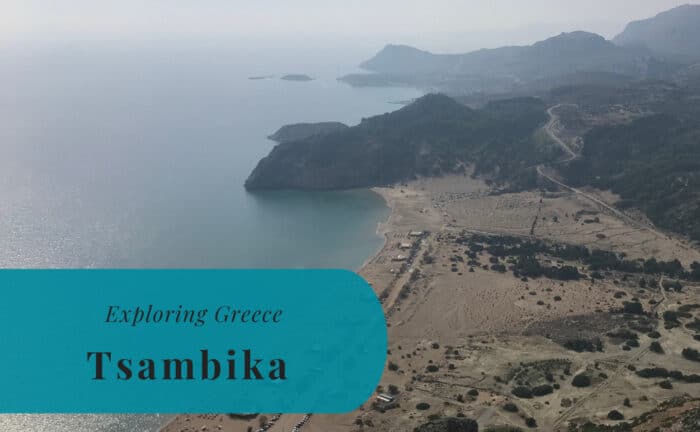
Exploring Rhodes

Exploring More of Europe?
Join us in exploring more of what Europe has to offer. It is not only Norway that we have been exploring.