Piraeus, Attica | Exploring Greece
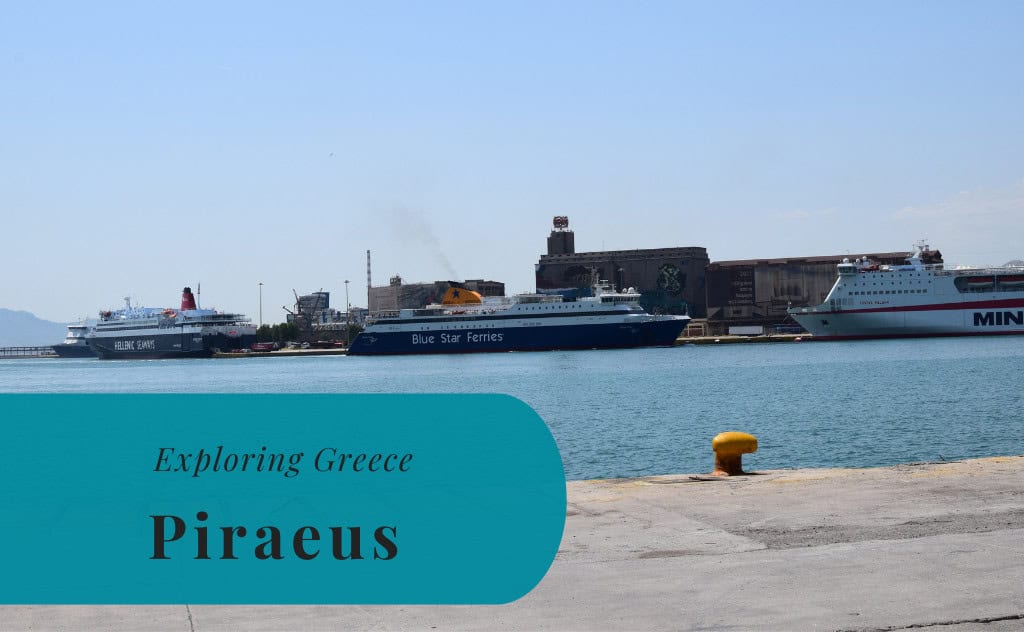
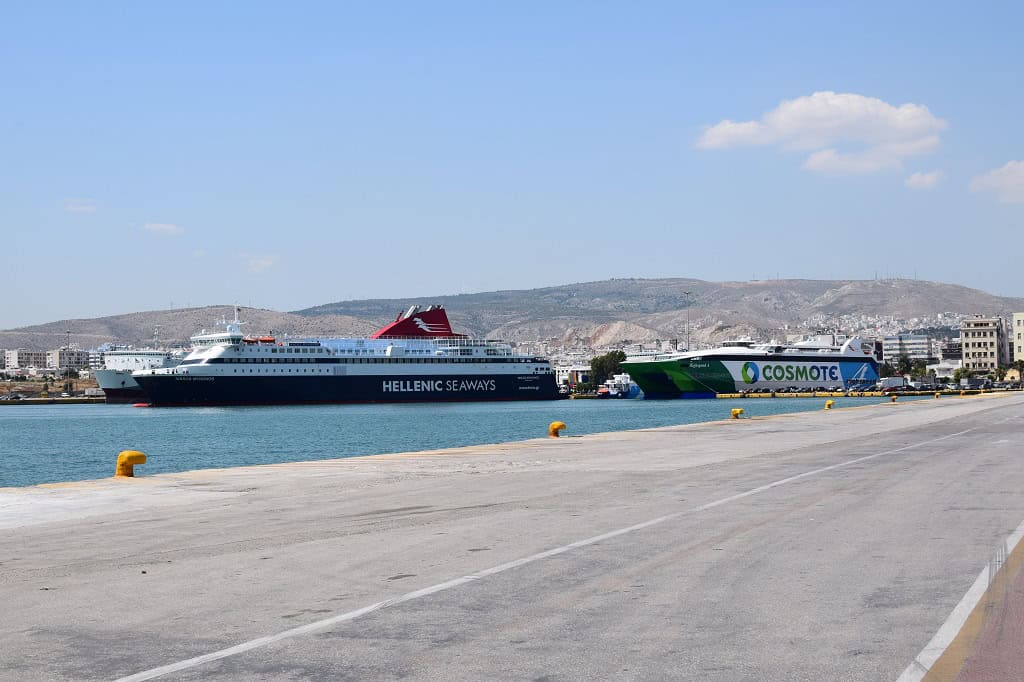
Piraeus is a port city located within the urban area of Athens, in the Attica region of Greece. It is situated along the east coast of the Saronic Gulf, approximately eight kilometers southwest of the Athens city center. With a population of around 168,000 inhabitants, Piraeus is the fourth-largest municipality in Greece. The city is home to the Port of Piraeus, which is the largest port in Greece and one of the most important in the entire Mediterranean.
The identity of Piraeus is defined by its role as the main seaport for Athens and for all of Greece. It is a bustling city of commerce, industry, and shipping, and it serves as the primary departure point for ferries traveling to the countless Aegean Islands. Piraeus has a long and storied history that dates back to ancient Greece, when it was developed as the main naval base for the powerful Athenian fleet. Today, the city is a vibrant and dynamic place, with its three natural harbors, its rich maritime heritage, and its lively waterfront districts.
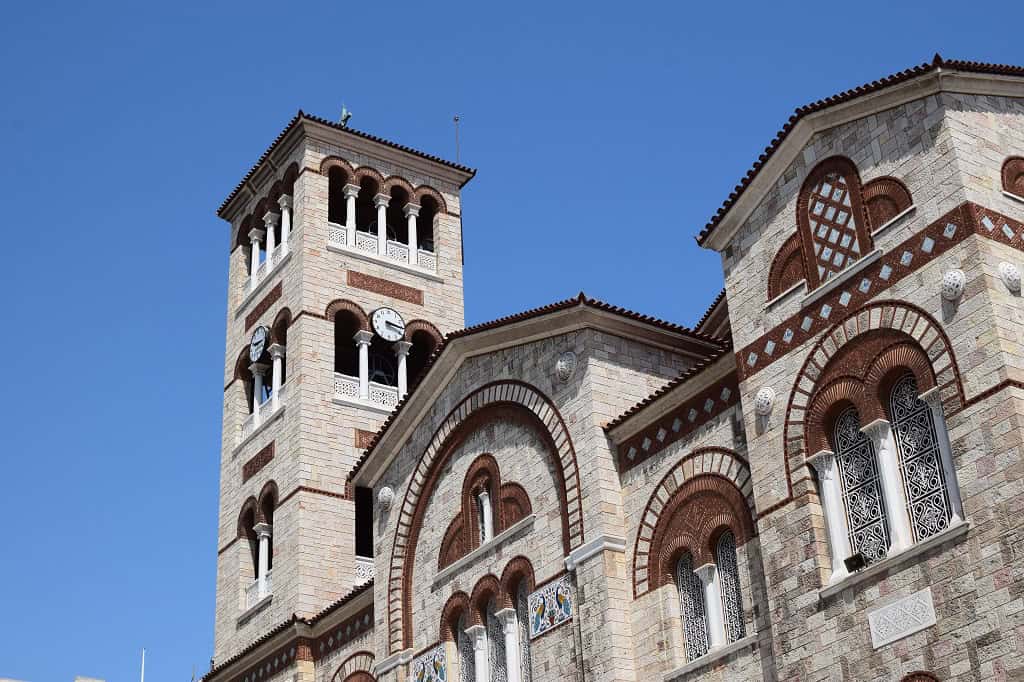
History of Piraeus
The history of Piraeus is the history of the port of Athens. The city was founded in the early 5th century BC when the Athenian statesman Themistocles initiated plans to make it the new port for Athens. It quickly grew into a major commercial and military harbor. The famous Long Walls were built to connect and protect the route between Athens and its vital seaport. After a long period of decline, Piraeus was revived in the 19th century after Athens was made the capital of the modern Greek state, and it has since grown into one of the busiest ports in the world.
The Ancient Port of Athens
Piraeus has a long recorded history, dating back to ancient Greece. The city was founded in the early 5th century BC, when plans to make it the new port of Athens were implemented. A prototype harbor was constructed, which resulted in concentrating all the import and transit trade of Athens in one location. This also included the navy’s base. During the Golden Age of Athens, the famous Long Walls were constructed to fortify the route from the main city of Athens to the port of Piraeus, ensuring that the city could not be cut off from its vital sea access.
Decline and Rebirth
The port went into a period of decline beginning in the 3rd century BC. It was eventually destroyed by the Roman general Sulla in 86 BC. For centuries, Piraeus was a small and insignificant fishing village. Its rebirth began in the 19th century, after Athens was declared the capital of the newly independent Kingdom of Greece in 1834. The port was rebuilt and modernized, and the city of Piraeus grew rapidly around it. It once again became the main commercial and industrial center for the nation.
A Modern Maritime Hub
Today, Piraeus is a large city bustling with activity, and it is a huge marine and commercial-industrial center. It is home to Greece’s largest harbor. The Port of Piraeus is the chief port in Greece, the fifth-largest passenger port in Europe, and one of the busiest in the world. With a massive throughput of containers, Piraeus is among the ten busiest ports in Europe in terms of container traffic. The city also hosted events in both the 1896 and 2004 Summer Olympics held in Athens.
Sights in Piraeus
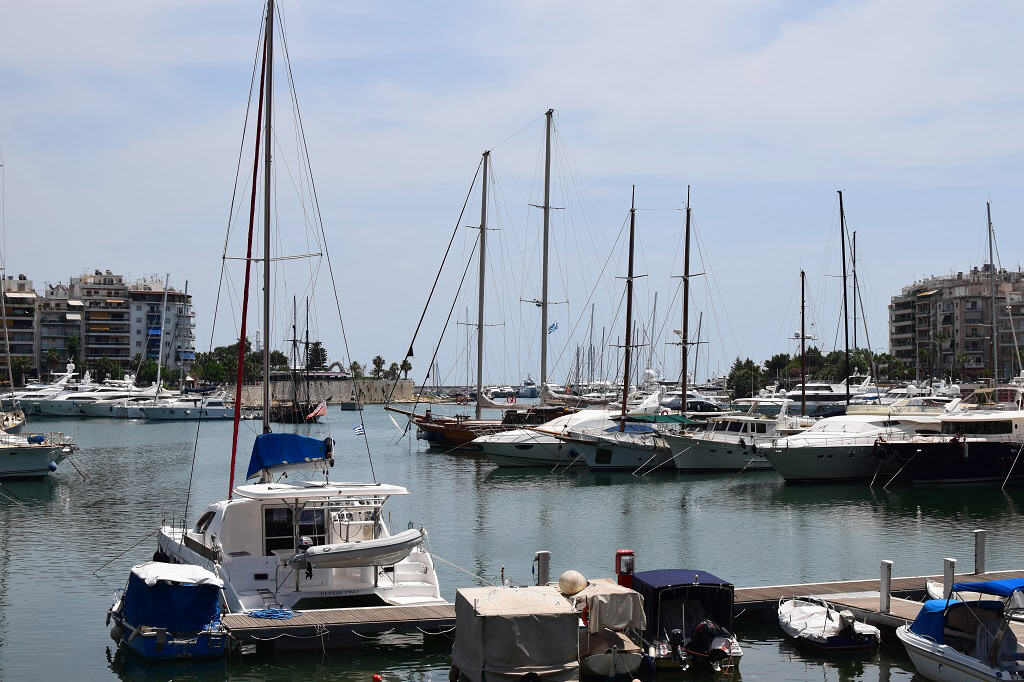
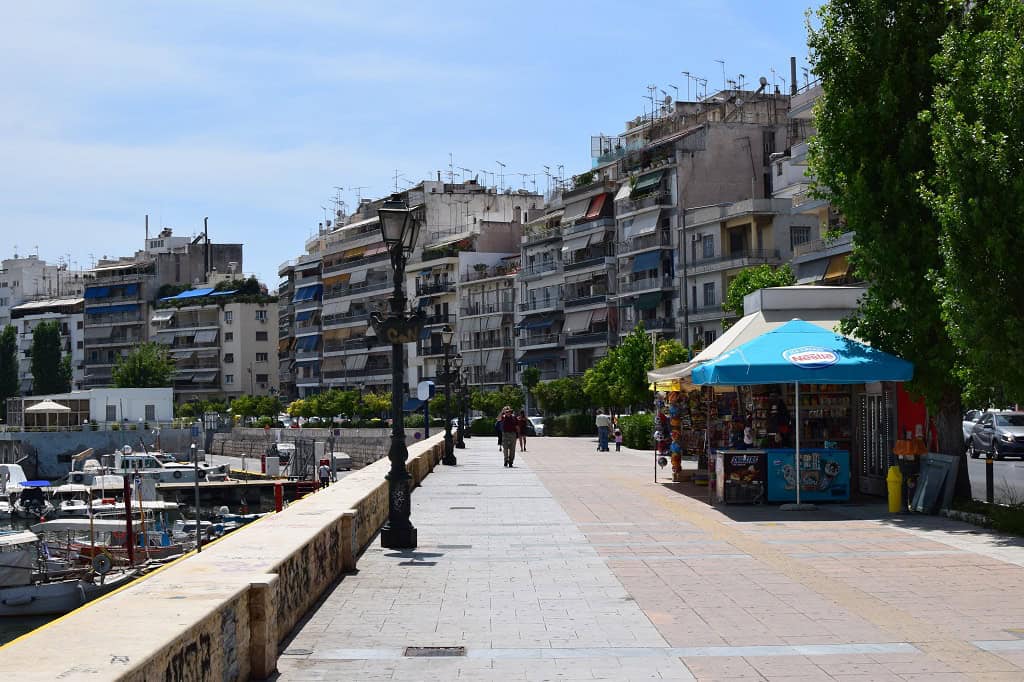
The sights in Piraeus are centered around its three beautiful natural harbors and its rich maritime history. The main port, Kantharos, is the bustling heart of the city, where the large ferries to the islands depart. The two smaller leisure harbors, Zea Marina and Mikrolimano, offer a more picturesque and relaxed atmosphere, with beautiful yachts and waterfront restaurants. The city is also home to several excellent museums that showcase its naval and archaeological heritage. The historic hill of Kastella provides panoramic views of the entire Saronic Gulf.
Zea Marina (Pasalimani)
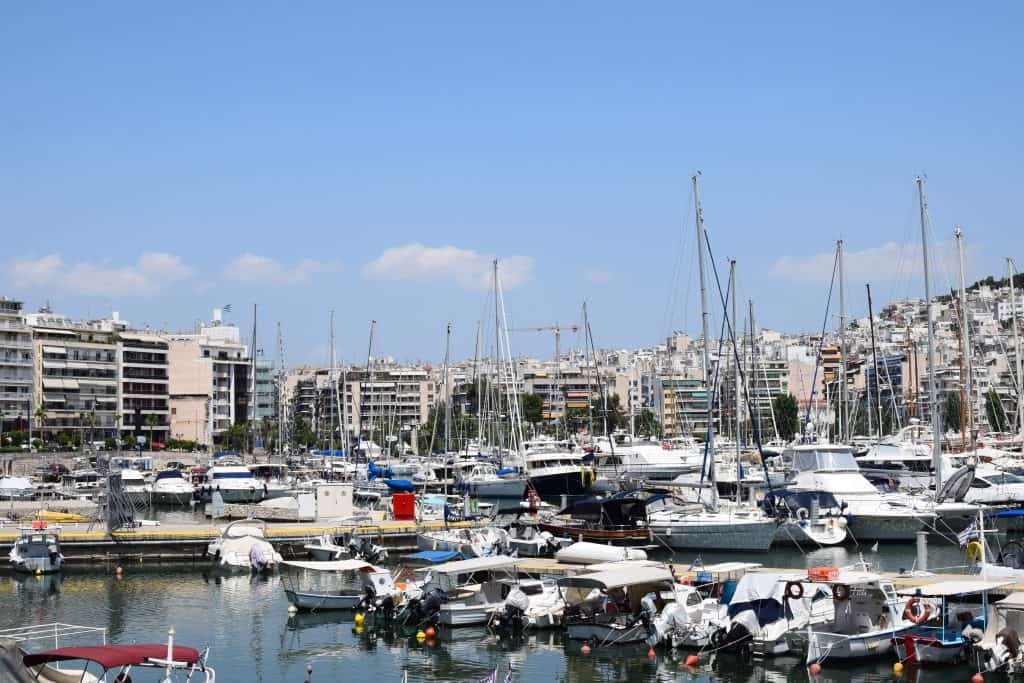
Zea Marina, also known as Pasalimani, is a large, circular natural harbor that is home to one of the most impressive collections of luxury yachts in the Mediterranean. The waterfront promenade that surrounds the marina is lined with a wide variety of cafes, bars, and restaurants, making it a popular and fashionable destination for both locals and tourists. The marina is a beautiful place for a walk, and it offers a glimpse into the modern, cosmopolitan side of Piraeus. The ancient ship sheds of the Athenian navy were also located in this harbor.
Mikrolimano
Mikrolimano, which means “little harbor,” is the most picturesque of the three harbors in Piraeus. It is a small, semi-circular harbor that is filled with traditional fishing boats and smaller yachts. The harbor is famous for its waterfront, which is lined with some of the best and most famous seafood tavernas in the entire Athens area. Dining at a table right on the water’s edge in Mikrolimano is a classic Piraeus experience. The harbor is situated at the foot of the historic Kastella hill.
Kastella
Kastella is a historic and charming neighborhood built on a hill overlooking Mikrolimano. The neighborhood is known for its beautiful neoclassical houses, which are painted in a variety of pastel colors. A walk through the steep, narrow streets of Kastella is a journey back in time. At the top of the hill is the Prophet Elias Church, and from here you can enjoy some of the most spectacular panoramic views of Piraeus, the Saronic Gulf, and the entire Athens basin.
Archaeological Museum of Piraeus
The Archaeological Museum of Piraeus is located near the Zea Marina. The museum houses a rich collection of artifacts that tell the story of the ancient city of Piraeus. Its most famous exhibits are the magnificent bronze statues that were discovered by chance in 1959. These include a famous statue of Apollo from the Archaic period and a beautiful statue of Athena. The museum also has extensive collections of pottery, sculptures, and other artifacts from the classical and Roman periods.
Hellenic Maritime Museum
The Hellenic Maritime Museum is the largest of its kind in Greece, and it is also located at the Zea Marina. The museum is dedicated to the long and proud naval history of the Greek nation, from antiquity to the present day. Its extensive collections include a large number of detailed ship models, paintings of famous sea battles, and a variety of naval artifacts, including flags, weapons, and uniforms. It is an essential visit for anyone interested in maritime history.
Traveling with Kids
Piraeus offers a surprising number of family-friendly activities, especially for children who are interested in ships and the sea. The main harbor itself is a fascinating place for kids, where they can watch the massive ferries and cruise ships coming and going. The two smaller leisure harbors, Zea Marina and Mikrolimano, are beautiful and safe places for a family walk. The Hellenic Maritime Museum is particularly engaging for children, with its large collection of model ships that can spark a young imagination.
The city also has several parks with playgrounds, and the nearby Stavros Niarchos Foundation Cultural Center in Faliro is a world-class destination for families, with vast green spaces and numerous activities. The easy access to the Saronic Islands via the ferry also makes Piraeus an excellent starting point for a family island-hopping adventure. This combination of maritime experiences and modern recreational facilities makes Piraeus a well-rounded destination for a family visit.

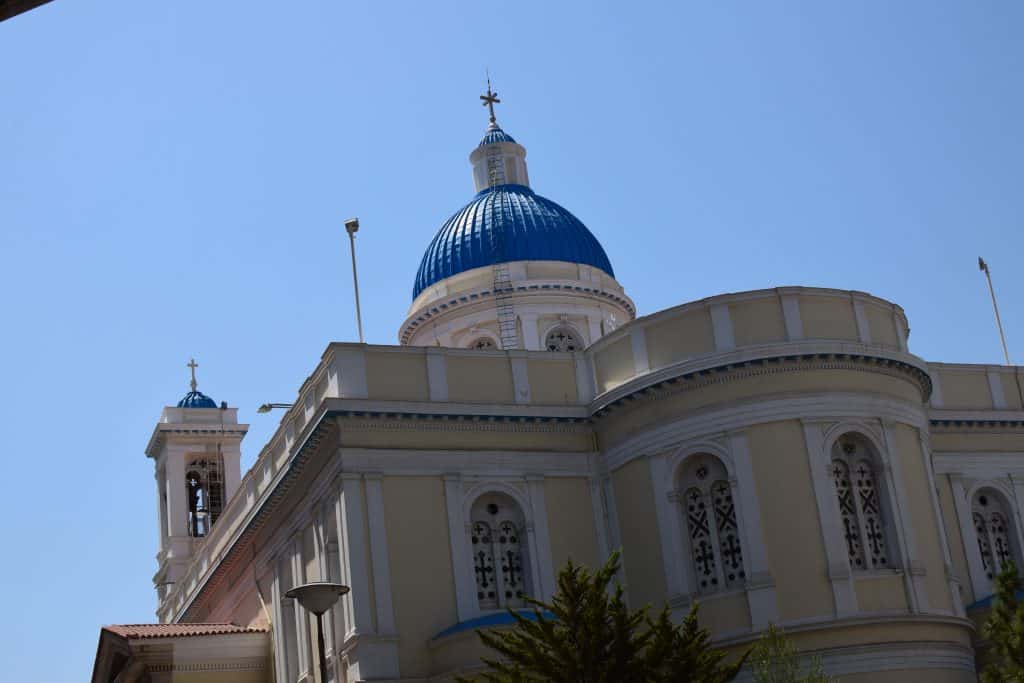
Sports in Piraeus
Piraeus has a rich and extremely passionate sports scene, and it is home to one of the most successful and famous multi-sport clubs in Europe, Olympiacos CFP. The city lives and breathes for its sports teams, and the entire community is united by a deep loyalty to the red and white colors of the club. Football is the most popular sport, but the city is also a European powerhouse in basketball, volleyball, and water polo. The city’s main stadiums, the Karaiskakis Stadium for football and the Peace and Friendship Stadium for basketball, are known for their intense and passionate atmospheres.
In addition to Olympiacos, Piraeus is also home to another historic multi-sport club, Ethnikos Piraeus, which has a long and proud history, especially in water polo. The city’s location on the Saronic Gulf also makes it a natural center for water-based sports, and sailing has a strong tradition in its leisure harbors. The city also hosts major individual sporting events, like the Piraeus Half Marathon, which brings together the local community and international runners in a celebration of athletics against a scenic maritime backdrop.
Olympiacos CFP
Olympiacos CFP (Olympiacos Club of Fans of Piraeus) is the dominant multi-sport club in the city, and it is the most successful in all of Greece. Founded in 1925, the club is a massive organization with successful sections in many different sports. Its name was inspired by the ancient Olympic Games, and its emblem, the laurel-crowned Olympic athlete, symbolizes the Olympic ideals. The club’s success across its main sports is a major source of pride for the city of Piraeus.
Football (Olympiacos F.C.)
Football is the most popular sport in Piraeus, and Olympiacos F.C. is the city’s premier professional club. The club is the most successful in the history of Greek football, having won the Greek Super League championship a record number of times. They have also won the Greek Cup more than any other team. In 2024, they became the first Greek club to win a major UEFA trophy when they won the UEFA Europa Conference League. They play their home matches at the Karaiskakis Stadium, which is known for its formidable and passionate atmosphere created by the club’s supporters, known as “Gate 7.”
Basketball (Olympiacos B.C.)
The basketball section of the club, Olympiacos B.C., is also one of the most successful and famous clubs in Europe. The team has won the EuroLeague, the premier international competition for basketball clubs in Europe, three times. They have also won the Greek Basketball League championship numerous times. They play their home games at the Peace and Friendship Stadium, a large indoor arena located in the Faliro coastal zone. The rivalry between Olympiacos and Panathinaikos from Athens is one of the most intense in all of European sport.
Water Polo (Olympiacos Water Polo Club)
The water polo section of Olympiacos is another of the club’s dominant and highly successful teams. The men’s team has won the LEN Champions League, the premier European competition for water polo clubs, multiple times. The women’s team has also won the top European title. The club is a true powerhouse in the sport at both the national and international levels. They play their home matches at the Papastrateio Swimming Pool in Piraeus, and their success has made the city a major center for the sport.
Volleyball (Olympiacos S.C.)
The volleyball section of Olympiacos is also a major force in Greek sport. Both the men’s and the women’s teams are among the most successful in the country. The men’s team has won the Greek Volleyball League a record number of times. They have also won the CEV Challenge Cup, a major European trophy. The women’s team has also dominated the national league in recent years. They play their home games at the Melina Merkouri Indoor Hall, and their matches are very well-attended.
Ethnikos Piraeus
While Olympiacos is the dominant club, Piraeus is also home to another historic multi-sport club, Ethnikos Piraeus. The club was founded in 1923. It has a long and proud history and maintains a dedicated local following. For decades, the club was a major competitor in several sports, and its rivalry with Olympiacos was a central feature of the city’s sporting life.
Water Polo (Ethnikos Piraeus Water Polo Club)
The water polo section of Ethnikos Piraeus is legendary in Greek sport. The club is known as the “Emperor” of Greek water polo, for it has won the Greek Championship a record number of times. For a period of several decades in the mid-20th century, the team was almost unbeatable, winning a remarkable number of consecutive titles. While Olympiacos has become the more dominant force in recent years, Ethnikos remains a historic and important club in the sport.
Football (Ethnikos Piraeus F.C.)
The football club Ethnikos Piraeus also has a long and significant history. The team has spent many seasons competing in the top tier of Greek football in the past, and it won the Greek Cup in 1933. While the club currently competes in the lower leagues, it maintains a loyal fanbase. The rivalry with Olympiacos F.C. is one of the oldest in Greek football, known as the “Derby of Piraeus,” although the teams do not meet often in the league today.
Piraeus Half Marathon
The Piraeus Half Marathon is a major annual running event that takes place in the city. The race attracts both elite and amateur runners from Greece and abroad. The course is very scenic, for it takes runners through the main streets of the city and along its beautiful waterfront. The route passes by the Zea Marina and Mikrolimano. The event is a major highlight of the city’s annual sporting calendar, and it promotes a healthy and active lifestyle among the residents of the community.
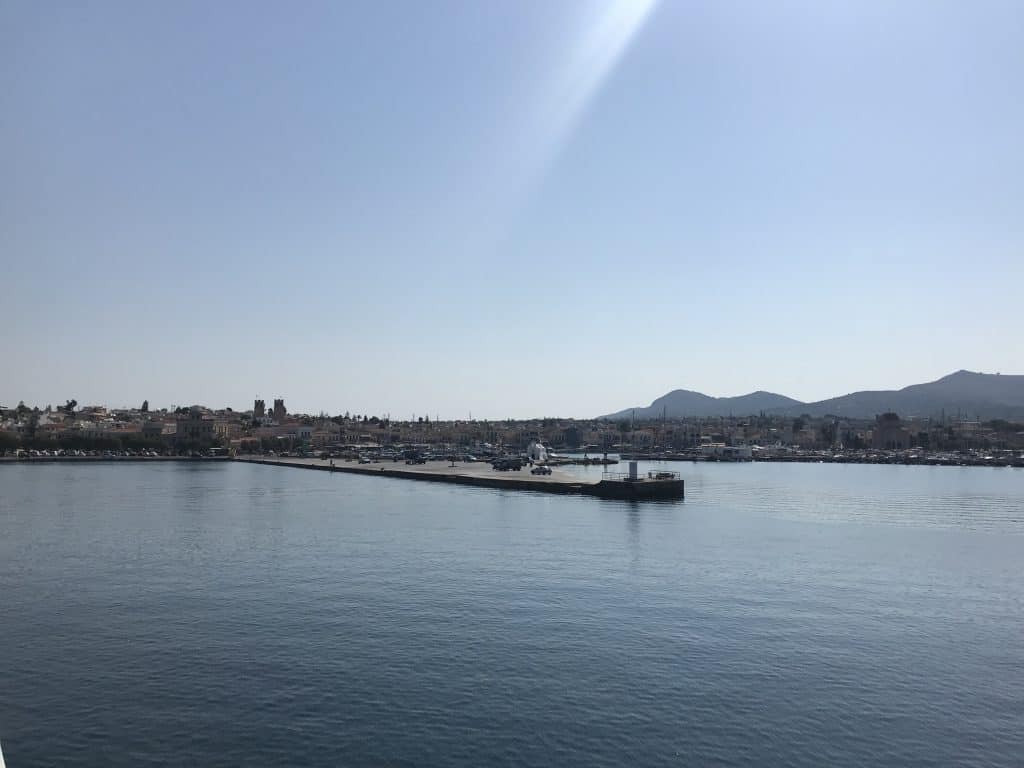

Getting Around in Piraeus
Navigating Piraeus and connecting to the center of Athens is very easy due to an excellent and fully integrated public transport system. The Athens Metro provides the fastest and most efficient link between the port and the capital’s center. The city of Piraeus itself is also served by an extensive network of buses, trolleybuses, and a modern tram line that runs along the coast. The historic districts like Kastella and the leisure harbors of Zea and Mikrolimano are best explored on foot.
The Athens Metro
The Athens Metro is the fastest and most convenient way to travel between Piraeus and the center of Athens. The Green Line (Line 1) of the metro terminates directly at the main ferry port in Piraeus. The journey from the port to the central stations of Monastiraki and Omonia in Athens takes about 20-25 minutes. The Blue Line (Line 3) also has a new station in the center of Piraeus, providing a direct link to Syntagma Square and the Athens International Airport.
Trams and Buses
Piraeus has an extensive network of buses and trolleybuses that serve all the different neighborhoods of the city. A modern tram line is another excellent option for traveling along the coast. The tram connects the center of Piraeus with the coastal districts of Faliro and continues all the way to Syntagma Square in the center of Athens and the southern suburb of Voula. The tram provides a scenic and relaxed way to travel along the waterfront.
Exploring by Foot
The central parts of Piraeus are very walkable. A long and pleasant walk can be taken along the waterfront, starting from the main ferry port and continuing all the way to Zea Marina and Mikrolimano. The charming and hilly neighborhood of Kastella is also best explored on foot, as its narrow, steep streets are not very suitable for cars. Walking is the best way to discover the hidden corners and the authentic atmosphere of this bustling port city.

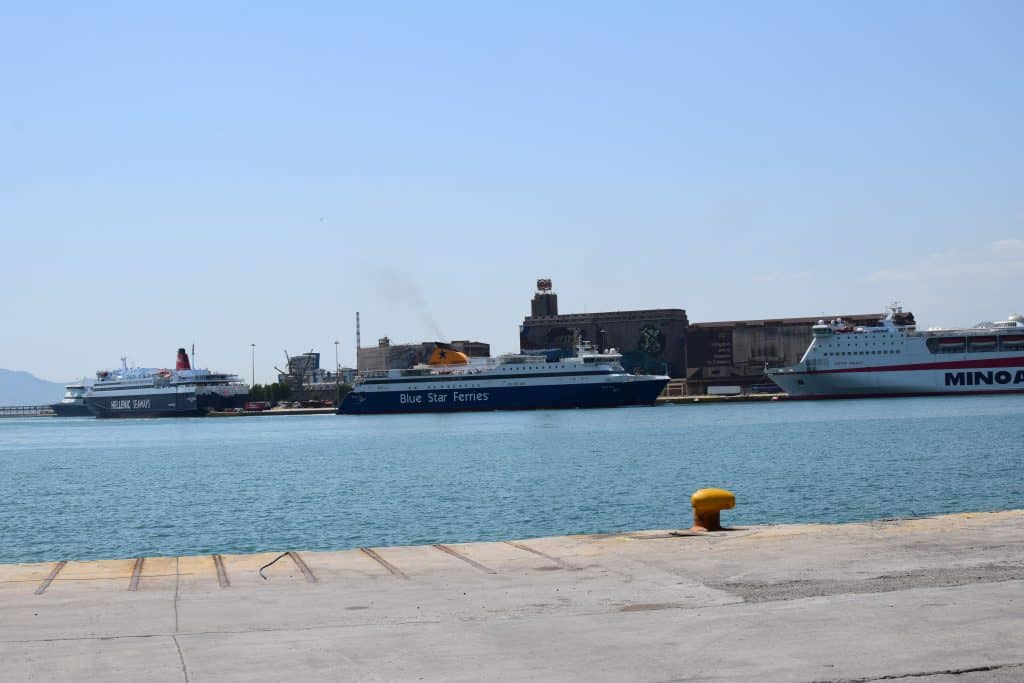
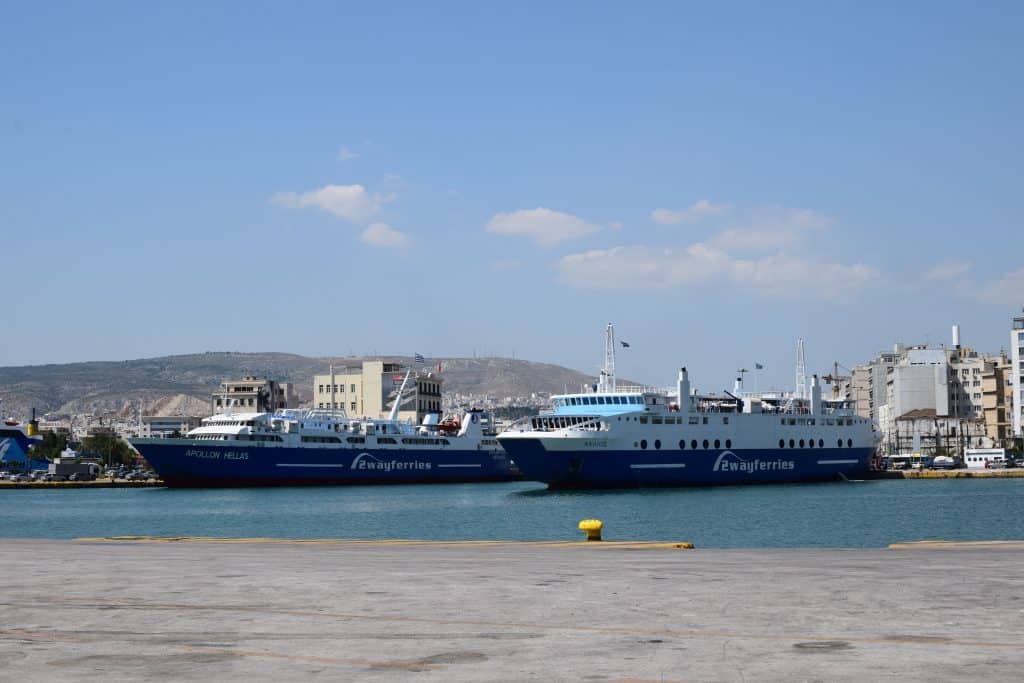
How to Get to Piraeus?
Piraeus is the main port of Athens and the largest in Greece, making it an exceptionally well-connected destination. It is the primary gateway to the Aegean Islands. The city is fully integrated into the Athens metropolitan area and is easily reached from Athens International Airport (ATH) and the city center by a variety of public transport options. For those arriving by road, Piraeus is connected to the main national highway network.
Arriving by Air
The main airport for the region is Athens International Airport (ATH). From the airport, there are several direct and convenient options for reaching Piraeus. The Blue Line (Line 3) of the Athens Metro provides a direct train service from the airport to the center of Piraeus, with a journey time of about one hour. The X96 express bus service also runs 24/7 from the airport directly to the main ferry port in Piraeus, a journey that takes about 90 minutes depending on traffic.
From Athens City Center
Piraeus is very easy to reach from the center of Athens. The Green Line (Line 1) of the metro connects central Athens stations like Omonia and Monastiraki directly with the main port in Piraeus. The Blue Line (Line 3) connects Syntagma Square directly with Piraeus. In addition to the metro, numerous city bus routes also run between Athens and Piraeus. A taxi or a ride-sharing service is another quick and convenient option, with a journey time of about 20-30 minutes.
Journey by Rail
The main train station for long-distance domestic and international rail services is the Larissa Station in the center of Athens. From Larissa Station, you can take the Red Line (Line 2) of the metro to connect with the Green Line at Omonia, which will then take you directly to Piraeus. The suburban railway, the Proastiakos, also connects the main train station with the port of Piraeus.
Arriving by Sea
As the largest passenger port in Europe, Piraeus is, of course, a major destination for ferry travel. The port has an extensive network of ferry connections to almost all of the Aegean Islands, including the Cyclades, the Dodecanese, the Saronic Islands, and the island of Crete. It is divided into several gates for different island groups, so it is important to know which gate your ferry departs from. The port is also a major hub for international cruise ships.
Driving Distances
The driving distance from 20 regional cities, according to Google Maps:
- Athens, Greece – 12 kilometers (0 h 25 min)
- Corinth, Greece – 75 kilometers (1 h 00 min)
- Nafplio, Greece – 140 kilometers (2 h 00 min)
- Patras, Greece – 220 kilometers (2 h 30 min)
- Ioannina, Greece – 415 kilometers (4 h 30 min)
- Thessaloniki, Greece – 510 kilometers (5 h 00 min)
- Tirana, Albania – 625 kilometers (7 h 30 min)
- Skopje, North Macedonia – 680 kilometers (7 h 00 min)
- Sofia, Bulgaria – 800 kilometers (8 h 00 min)
- Podgorica, Montenegro – 825 kilometers (11 h 00 min)
- Sarajevo, Bosnia and Herzegovina – 1025 kilometers (13 h 00 min)
- Belgrade, Serbia – 1060 kilometers (10 h 30 min)
- Istanbul, Turkey – 1100 kilometers (11 h 30 min)
- Rome, Italy – 1250 kilometers (plus ferry)
- Budapest, Hungary – 1280 kilometers (12 h 30 min)
- Vienna, Austria – 1300 kilometers (12 h 30 min)
- Zagreb, Croatia – 1325 kilometers (13 h 30 min)
- Ljubljana, Slovenia – 1475 kilometers (14 h 30 min)
- Prague, Czech Republic – 1800 kilometers (17 h 30 min)
- Munich, Germany – 1900 kilometers (18 h 00 min)
Looking to Explore more of Greece and Europe?