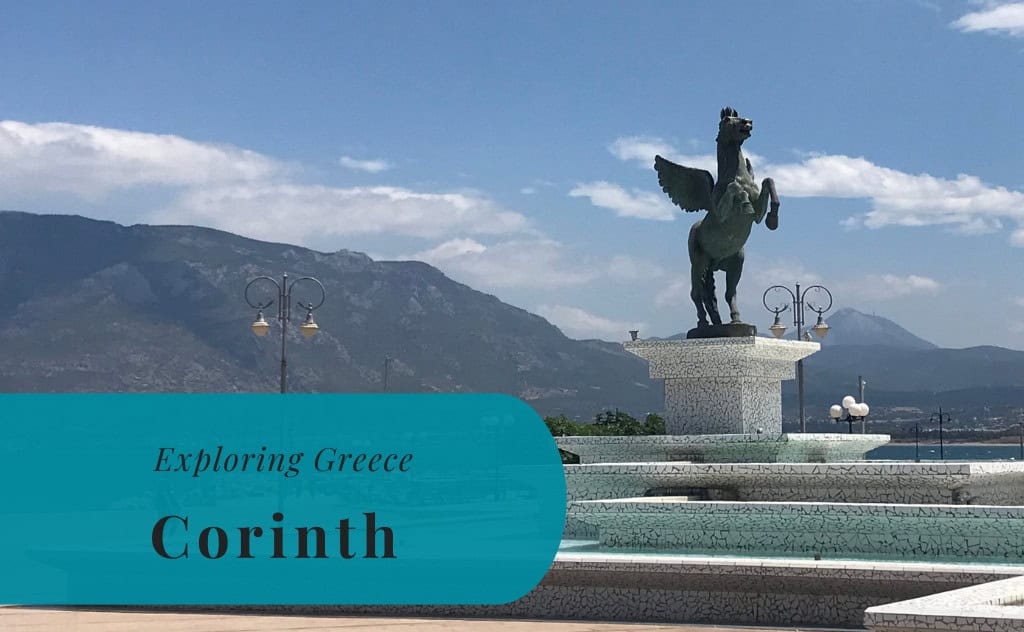
Corinth, Peloponnese | Exploring Greece
Corinth, or Korinthos in Greek, is a city in the Peloponnese region of Greece. It serves as the capital of the Corinthia regional unit. With a population of around 30,000 inhabitants, it is a modern city that was built after its predecessor was destroyed by an earthquake. The city is located on the coast of the Corinthian Gulf, at the eastern end of the famous Corinth Canal. This location makes it a significant commercial, industrial, and transportation hub for the entire region.
The city’s identity is shaped by its connection to its immense historical legacy and its role as a modern administrative center. The modern city itself is a functional hub, but it serves as the gateway to the world-famous archaeological site of Ancient Corinth and the magnificent fortress of Acrocorinth, which are located just a few kilometers away. Its position at the entrance to the Peloponnese peninsula, combined with the presence of the canal, has defined its strategic importance for centuries. Today, Corinth is a bustling port city that balances its modern life with its proximity to some of Greece’s most important historical sites.


History of Corinth
The history of modern Corinth is relatively short, but the history of the name is one of the longest and most significant in Greece. The ancient city-state of Corinth was one of the most powerful and wealthiest in the ancient world. It was famously destroyed by the Romans and then rebuilt as a grand provincial capital. The modern city was founded in the 19th century after a massive earthquake destroyed the settlement that existed at the ancient site, forcing the inhabitants to relocate to the coast.
The Ancient Metropolis
The site of Ancient Corinth, located a few kilometers from the modern city, was first inhabited in the Neolithic period. It grew into a major city-state in ancient Greece, and its wealth was derived from its strategic control over the Isthmus of Corinth. The city became a major commercial power, and it founded important colonies like Syracuse in Sicily. The city’s independence came to a violent end in 146 BC when it was completely destroyed by the Roman general Lucius Mummius.
Roman Rebirth and Decline
For a century, the site of Corinth lay in ruins. In 44 BC, Julius Caesar refounded the city as a Roman colony, and it quickly grew to become the prosperous capital of the Roman province of Achaea. It was to this bustling Roman city that the Apostle Paul came to preach Christianity. The city was later damaged by several earthquakes and invasions. It continued as an important city during the Byzantine period, but its importance gradually declined over the centuries.
The Modern City
A massive earthquake in 1858 completely destroyed the village that existed on the site of the ancient city. Following this disaster, the modern city of Corinth was founded on the coast of the Corinthian Gulf. The new city was built on a modern grid plan, and it developed as a major port and commercial center for the region. The opening of the Corinth Canal in 1893 further solidified its role as a key transportation hub. Today, modern Corinth is the administrative and economic heart of the Corinthia region.
Sights in Corinth
The sights in the modern city of Corinth are centered around its pleasant waterfront and its role as a regional hub. The city itself does not have many ancient ruins, as these are concentrated at the nearby archaeological site of Ancient Corinth. However, the modern city offers several interesting museums and landmarks. The most famous sight in the immediate vicinity is, of course, the magnificent Corinth Canal, which is a marvel of 19th-century engineering. For those seeking a break from the historical sights, the city’s main beach, Kalamia Beach, offers a place for relaxation.
Corinth Canal
The Corinth Canal is the most famous and impressive sight in the region. This 6.4-kilometer long canal cuts through the narrow Isthmus of Corinth, connecting the Ionian Sea with the Aegean Sea. The view from the bridges that cross the deep channel is spectacular. Visitors can watch as ships pass through the narrow waterway, with its towering limestone walls on either side. A boat trip through the canal is also a popular activity, and it offers a unique perspective from water level.
Kalamia Beach
Kalamia Beach is the main beach of the modern city of Corinth. It is a long, organized pebble beach that is lined with numerous cafes, bars, and restaurants. The beach is very popular with locals, especially during the summer months. It is a great place to go for a swim, relax on a sunbed, or enjoy a coffee with a view of the Corinthian Gulf. The water is generally clean and calm, making it a pleasant spot for a refreshing dip.
Statue of Pegasus
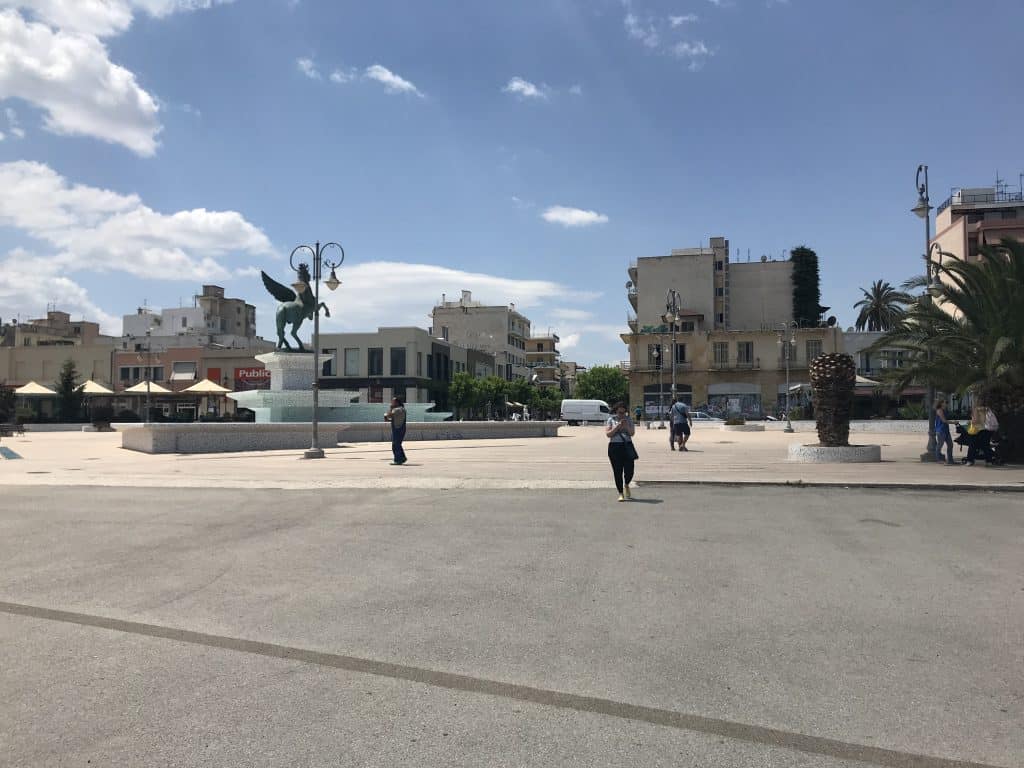
In one of the main squares in the center of modern Corinth, near the waterfront, stands a large and impressive modern statue of Pegasus. The winged horse from Greek mythology has a strong connection to the Corinth region. According to legend, the famous Fountain of Peirene at Acrocorinth was created by the hoof of Pegasus. This dynamic statue is a modern tribute to the rich mythological heritage of the area, and it has become a well-known landmark and a popular spot for photos.
Folklore Museum of Corinth
The Folklore Museum of Corinth is located in the center of the modern city. The museum is dedicated to preserving the traditional culture and way of life of the Corinthia region. Its collections include a wide variety of artifacts from the 19th and early 20th centuries. These include traditional costumes, textiles, agricultural tools, and reconstructed historical interiors. A visit to the museum provides a fascinating look into the rural heritage of the region before the modern era.
Ecclesiastical Museum of Corinth
The Ecclesiastical Museum of Corinth is another interesting museum in the modern city. The museum is dedicated to the rich religious history of the region, which has been an important center of Christianity since the time of the Apostle Paul. The museum’s collections include a variety of religious icons, vestments, and other liturgical objects from the churches and monasteries of the Corinthia region. The exhibits trace the development of religious art in the area from the Byzantine period to the modern era.
Traveling with Kids
The modern city of Corinth is a good base for families exploring the wider region, which is filled with exciting attractions for children. While the city itself is a functional hub, its pleasant waterfront and nearby beaches offer great opportunities for family fun. The main attractions for families are the world-class historical sites of Ancient Corinth and Acrocorinth, which can be an exciting adventure for kids. The famous Corinth Canal, with its sinking bridges, is another guaranteed highlight.
The region also offers other dedicated family attractions. A large water park is located nearby, providing a full day of thrilling fun. The combination of easy access to major historical sites and modern recreational facilities makes the Corinth area a well-rounded destination for a family vacation.
Activities for Kids Around Corinth
For families seeking memorable outings, the Corinth area offers unique experiences that blend history with adventure. A visit to the magnificent fortress of Acrocorinth offers a thrilling hike, while a trip to the nearby Splash Water Park provides a full day of aquatic fun.
Exploring Acrocorinth
A trip up to the fortress of Acrocorinth, which towers above the ancient city, is a must for families with adventurous kids. The massive fortress is one of the largest and most impressive in Greece. Children will love exploring the extensive ruins of the walls, towers, and gates. The hike up to the summit is a rewarding experience, and the panoramic views from the top are breathtaking. It is a perfect place for a family picnic and an exciting historical exploration that feels like a real adventure.
Splash Water Park Isthmos
The Splash Water Park is located at the Isthmus of Corinth, very close to the canal. This is a large and popular water park that offers a variety of pools and slides for all ages. It is a major attraction for families, especially during the hot summer months. The park provides a full day of energetic entertainment and is a perfect choice for families looking for a break from the historical sightseeing. It is a great way to cool off and have some fun.
Playgrounds in Corinth
The modern city of Corinth provides public playgrounds where children can enjoy free play in safe environments. These play areas are an important part of the city’s family-friendly offerings.
Playground at the Waterfront
The main public playground in Corinth is located in the park area along the city’s waterfront, near Kalamia Beach. This playground is modern, and it is well-equipped with a variety of play structures. The beautiful seaside setting makes it a particularly enjoyable place for a family break. After a walk along the promenade, it is a great place for kids to unwind and enjoy the sea breeze.
Playground in Ancient Corinth
The modern village of Ancient Corinth, located next to the archaeological site, also has a local public playground. This playground is a convenient stop for families who are visiting the ancient city. After a morning of exploring the historical ruins, the playground offers a chance for children to have some fun. It is a great place for them to play with local kids in a relaxed and informal setting.
Sports in Corinth
The area around Corinth is a fantastic destination for a variety of outdoor sports. The massive hill of Acrocorinth is a major destination for hikers and paragliders. The nearby coastline of the Corinthian Gulf offers opportunities for a variety of water sports. The modern city of Corinth is also home to local clubs for popular team sports like football and basketball. The region is also famous for hosting a major international running event that passes nearby, the Spartathlon.
Korinthos F.C. (Football)
Football is a very popular sport in the region, and the main football club for the area is Korinthos F.C. The club is based in the modern city of Corinth. The club has a long history, and it has spent several seasons competing in the top tier of Greek football in the past. They currently compete in the professional league system. They play their home matches at the Corinth Municipal Stadium, and their games are popular local events that draw a dedicated following of supporters.
K.A.O. Korinthou (Basketball)
Basketball is another popular sport in the region. The main club is K.A.O. Korinthou. This club is also based in the city of Corinth. The team competes in the national basketball league system of Greece. The club has a strong youth development program, and it is an important part of the local sporting community. They play their home games at the local indoor sports hall, and their matches are well-attended by local fans who are passionate about the sport.
The Spartathlon (Running)
The region of Corinth is famous for hosting a major international ultramarathon, the Spartathlon. This is a historic 246-kilometer race. It follows the route of Pheidippides, an ancient Athenian messenger. He ran from Athens to Sparta before the Battle of Marathon. The race passes through the Corinth region, with a major checkpoint at the canal. It is one of the most difficult and prestigious ultramarathons in the world, and it attracts top endurance athletes from all over the globe.

Getting Around in Corinth
Navigating the modern city of Corinth is best done on foot or by using local buses. The city center is relatively compact and easy to walk around. To travel to the nearby archaeological site of Ancient Corinth and the fortress of Acrocorinth, a local bus service is available, but a car or a taxi provides more flexibility. The city serves as a major transportation hub, so it is easy to travel from here to other parts of the Peloponnese.
Using Local Buses
A local bus service, operated by the regional KTEL bus company, connects the modern city of Corinth with the archaeological site of Ancient Corinth. The buses depart from the main bus station in the modern city. The journey is short, taking only about 15-20 minutes. This is a convenient and affordable option for those who are traveling by public transport. However, the buses may not be very frequent, so it is important to check the schedule in advance.
Exploring by Foot
The central part of the modern city of Corinth is very walkable. The main commercial streets, the central square, and the pleasant waterfront promenade are all easily explored on foot. A walk along the waterfront at Kalamia Beach is a popular activity for both locals and tourists. The archaeological site of Ancient Corinth itself is also a large, open area that is explored entirely on foot.
Navigating by Car
A car is the most convenient way to explore the entire Corinth region. Having your own vehicle allows you to easily travel between the modern city, the archaeological site of Ancient Corinth, and the fortress of Acrocorinth. A car also provides the most flexibility for exploring the other sights in the region, such as the Corinth Canal and the ancient sanctuary at Nemea. Parking is generally available in the modern city and at the archaeological sites.
How to Get to Corinth?
Corinth is located in the Peloponnese region of Greece and is very easy to reach. It is situated directly on the main motorway that connects the capital city, Athens, with the rest of the Peloponnese. The primary gateway for international visitors is Athens International Airport. From Athens, Corinth can be easily reached by car, bus, and train, making it a very accessible destination.
Arriving by Air
The closest and most convenient airport is Athens International Airport (ATH). This is the largest and busiest airport in Greece, and it is served by numerous airlines with connections to destinations all over the world. The airport is located about a 1.5-hour drive from Corinth. From the airport, you can rent a car and drive directly to the city. It is also possible to take a suburban train or a bus from the airport directly to Corinth.
Driving into the City
Driving to Corinth is very straightforward. The city is located directly on the main A8 motorway (Olympia Odos). This is the main highway that connects Athens with the city of Patras in the western Peloponnese. The drive from Athens is fast and scenic. The excellent motorway access makes Corinth a very convenient base for a road trip through the Peloponnese.
Journey by Rail
It is also very easy to reach the area by train. The suburban railway, the Proastiakos, runs from Athens International Airport and the main railway station in Athens to the city of Kiato. The train makes a stop at the modern city of Corinth. The journey from Athens is comfortable and takes about one and a half hours. The train station in Corinth is located a bit outside the city center, so you would need to take a short taxi ride to reach the main waterfront area.
Connecting by Bus
Long-distance buses, known as KTEL, are another excellent option for reaching the area. There are very frequent and comfortable bus services from the Kifissos Bus Terminal in Athens to the modern city of Corinth. The journey takes about one and a half hours. The bus station in Corinth is centrally located, making it a very convenient arrival point. The buses are a very reliable and affordable way to travel.
Arriving by Sea
While not a typical arrival method from international destinations, it is possible to reach Corinth by local waterways. The city has a small harbor that can accommodate private yachts and smaller cruise ships traveling through the Corinthian Gulf. The most scenic way to arrive is by transiting the famous Corinth Canal, and several local companies offer tourist cruises that pass by the city’s waterfront. Arriving by sea provides a unique perspective of the city’s coastal setting and its proximity to this major maritime shortcut.
Driving Distances
The driving distance from 20 regional cities, according to Google Maps:
- Nafplio, Greece – 60 kilometers (1 h 00 min)
- Athens, Greece – 83 kilometers (1 h 05 min)
- Tripoli, Greece – 85 kilometers (1 h 00 min)
- Patras, Greece – 130 kilometers (1 h 20 min)
- Sparta, Greece – 140 kilometers (1 h 50 min)
- Olympia, Greece – 190 kilometers (2 h 20 min)
- Ioannina, Greece – 340 kilometers (3 h 30 min)
- Tirana, Albania – 550 kilometers (6 h 30 min)
- Thessaloniki, Greece – 580 kilometers (5 h 40 min)
- Skopje, North Macedonia – 660 kilometers (6 h 40 min)
- Podgorica, Montenegro – 750 kilometers (10 h 00 min)
- Sofia, Bulgaria – 850 kilometers (8 h 30 min)
- Sarajevo, Bosnia and Herzegovina – 950 kilometers (12 h 00 min)
- Belgrade, Serbia – 1100 kilometers (11 h 00 min)
- Istanbul, Turkey – 1150 kilometers (12 h 00 min)
- Zagreb, Croatia – 1250 kilometers (12 h 30 min)
- Rome, Italy – 1300 kilometers (plus ferry)
- Budapest, Hungary – 1350 kilometers (13 h 30 min)
- Ljubljana, Slovenia – 1400 kilometers (14 h 00 min)
- Prague, Czech Republic – 1800 kilometers (17 h 30 min)
Looking to Explore more of Greece and Europe?