
Asos, Kefalonia | Exploring Greece
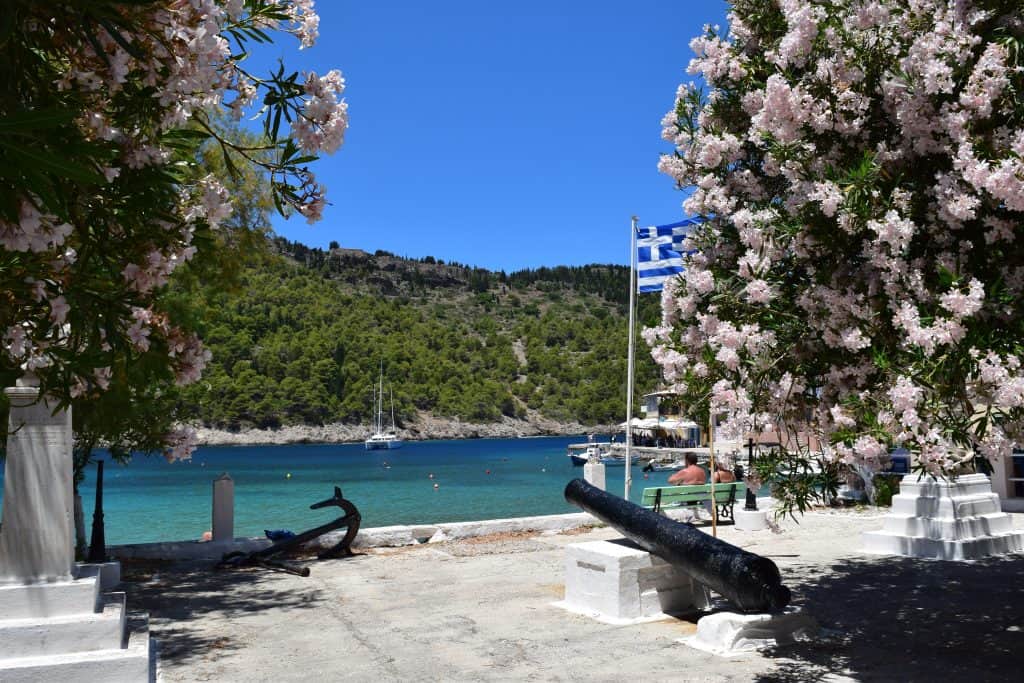
Asos, also spelled Assos, is a village located on the west coast of the island of Kefalonia, which is one of the Ionian Islands in Greece. The village is a part of the Erisos municipal unit. With a small permanent population of just over 100 inhabitants, Asos is known for its incredible scenic beauty. It is built on a narrow isthmus that connects a small, hilly peninsula to the main island. This unique location gives the village a sheltered harbor on one side and a dramatic, fortified hill on the other.
The identity of Asos is that of a picturesque and tranquil fishing village, and it is dominated by the ruins of a massive Venetian fortress. The village is characterized by its traditional Ionian architecture, with pastel-colored houses and beautiful bougainvillea flowers. For centuries, its history was defined by the strategic importance of its castle, which was built to protect the island from pirate raids. Today, Asos is a popular but peaceful tourist destination, offering visitors a glimpse into a more traditional and serene side of Kefalonia.

History of Asos
The history of Asos is primarily the history of its magnificent fortress, which was a key strategic point on the island of Kefalonia for centuries. The village itself grew up in the shadow of this massive fortification. The construction of the castle began in the 16th century during the period of Venetian rule over the Ionian Islands. It was designed to be a major defensive stronghold and a capital for the northern part of the island. The fortress played a role in the island’s defense for many years, but its importance eventually declined, and a devastating earthquake in the 20th century marked a major turning point for the village.
The Venetian Fortress
The construction of the Asos Castle began in the late 16th century, specifically in 1593. The project was initiated by the Venetian authorities who ruled the island at the time. The purpose of the fortress was to protect the local population and the western coastline of Kefalonia from frequent raids by pirates and the Ottoman navy. The castle was a massive undertaking, and it was one of the largest and most ambitious military projects of its time in the region. The village of Asos was founded and settled by people seeking the protection of the new fortress.
A Declining Stronghold
Although the castle was a formidable fortress, it never fully became the major urban center that the Venetians had envisioned. Other towns on the island, such as Argostoli and Lixouri, remained more important commercial centers. The castle’s military importance also declined over the centuries as naval warfare changed. It continued to be used as an administrative center and a garrison for a small number of soldiers. In the 20th century, the fortress was even used as a prison for a time.
The 1953 Earthquake and Modern Era
A major and tragic turning point in the history of Asos was the great Ionian earthquake of 1953. This massive earthquake devastated most of the islands of Kefalonia and Zakynthos. The village of Asos was also heavily damaged, and many of its historic buildings were destroyed. After the earthquake, many of the residents left the village and emigrated to other countries. The French government helped to rebuild the village, and a square in Asos is named Paris Square in gratitude. In the modern era, the village has been carefully restored and has become a premier destination for tourism, prized for its beauty and tranquility.

Sights in Asos
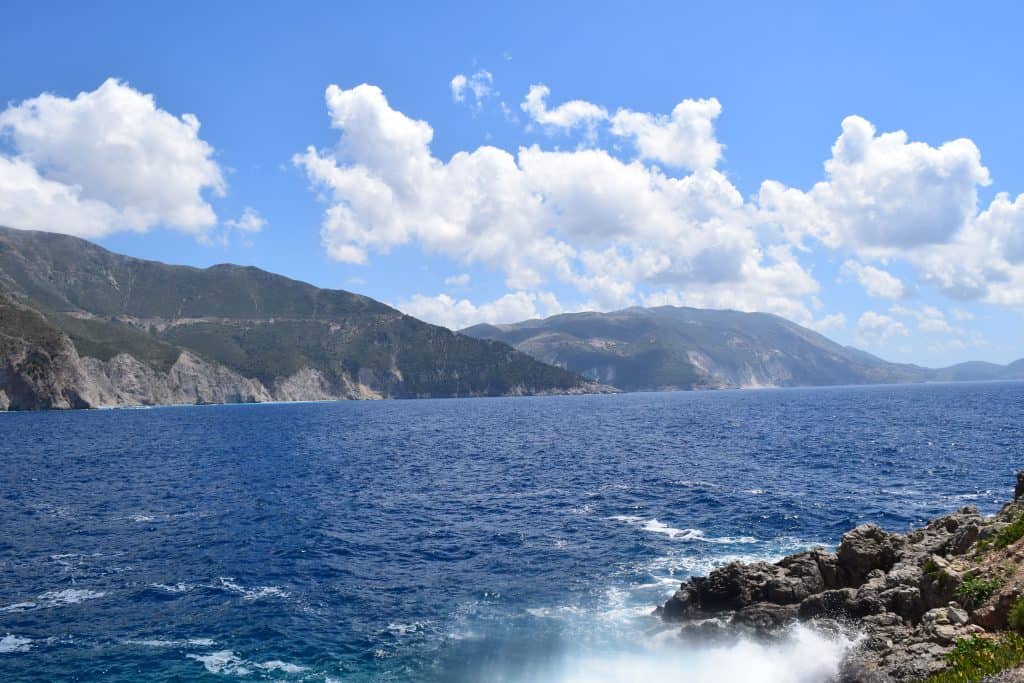
The sights in Asos are centered around its beautiful natural setting and its impressive historical fortress. The main attraction is the village itself, with its charming, colorful houses clustered around a picturesque harbor. The massive ruins of the Venetian Castle on the peninsula above the village are another major highlight, offering a journey back in time and spectacular panoramic views. The small, secluded beaches in and around the village provide beautiful spots for swimming and relaxation. A walk through the village and up to the castle is the best way to experience the unique charm and beauty of this Ionian gem.
The Village and Harbor
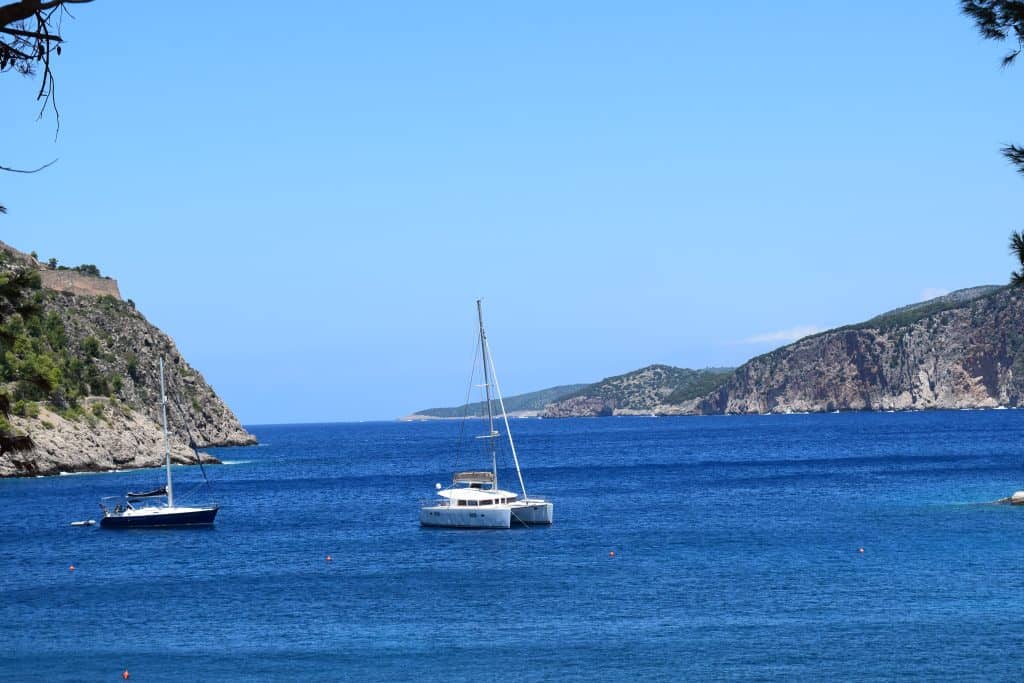
The village of Asos is the main sight. It is a beautiful and picturesque settlement built on a narrow isthmus. The houses are painted in a variety of pastel colors, and they are decorated with beautiful pink and purple bougainvillea flowers. The village has a small and charming harbor that is filled with traditional fishing boats and a few small yachts. The waterfront is lined with several excellent tavernas and cafes where you can enjoy a meal with a beautiful view of the bay. A walk through the narrow, cobbled streets of the village is a truly memorable experience.
Asos Castle
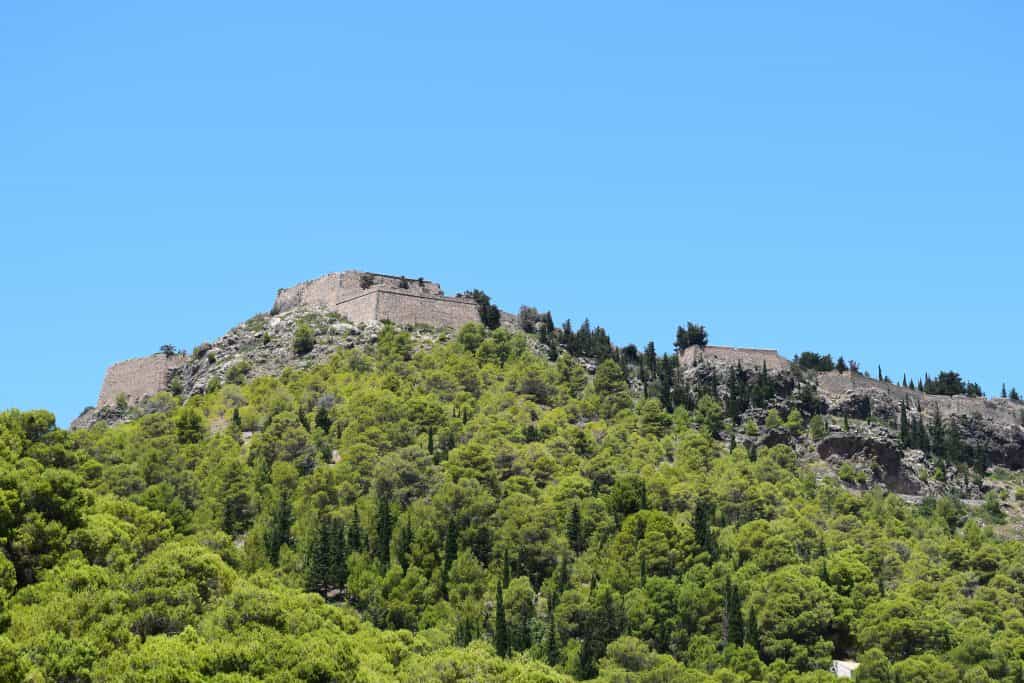
The Asos Castle is a massive Venetian fortress that is located on the hilly peninsula that is connected to the village by the isthmus. The castle was built in the late 16th century, and it is one of the largest castles in Greece. The impressive defensive walls stretch for two kilometers. To reach the castle, you must walk up a steep, winding cobblestone path from the village. Inside the walls, you can explore the extensive ruins of the governor’s house, the barracks, and a small church. The main reward for the climb is the spectacular panoramic view.
The View from the Castle
The main reason to make the climb up to the Asos Castle is for the breathtaking panoramic views. From the top of the fortress walls, you have a 360-degree view of the surrounding Ionian Sea and the coastline of Kefalonia. The view down to the picturesque village of Asos and its harbor, nestled on the narrow isthmus, is particularly famous and is one of the most photographed views on the entire island. It is an ideal spot to watch the sunset.
Myrtos Beach
Located just a short drive south of Asos is the world-famous Myrtos Beach. This is arguably the most famous and most spectacular beach in all of Greece. The beach is a long arc of dazzling white pebbles and sand, and it is backed by towering limestone cliffs. The water at Myrtos is a stunning shade of turquoise and is incredibly clear. A visit to Myrtos Beach is a must for anyone visiting Kefalonia, and its proximity to Asos makes it an easy and popular excursion.
Traveling with Kids
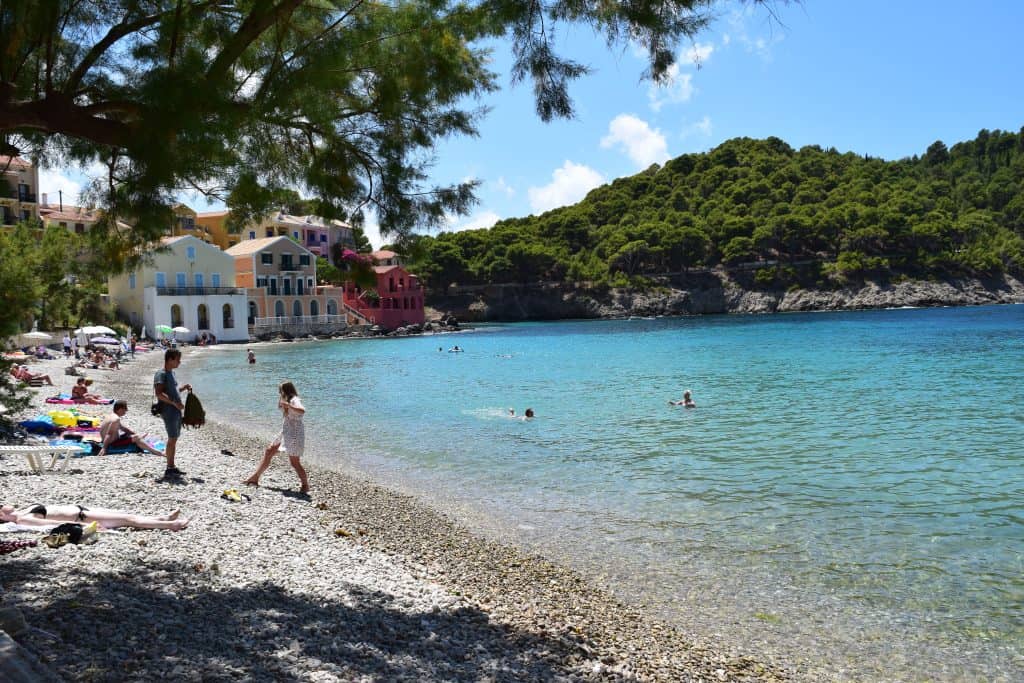
Asos is a wonderful and very safe destination for families with children. The village has a very relaxed and peaceful atmosphere, and its small size makes it easy to navigate with little ones. The main attraction for kids is often the beautiful and calm harbor, where they can watch the fishing boats and swim in the clear, sheltered water. The village beach is small and pebbly but is very safe for children to paddle in.
The main adventure for families is the walk up to the massive Asos Castle. While the path is steep, older children will love the feeling of exploring a real, ruined castle. The vast, open spaces within the fortress walls are a giant natural playground where kids can run around and let their imaginations run wild. This combination of a charming village, a safe swimming area, and an exciting castle to explore makes Asos a well-rounded destination for a family vacation.
Activities for Kids in Asos
For families seeking memorable outings, Asos offers unique experiences that blend history with seaside fun. An exploration of the vast Asos Castle provides a thrilling adventure, while a day of swimming and snorkeling in the calm bay offers classic summer relaxation.
Exploring Asos Castle
A visit to the Asos Castle is a fantastic adventure for families. The walk up the old cobblestone path is part of the fun. Once inside the massive fortress walls, children will have a huge area to explore. They can run along the ancient ramparts, discover the ruins of old buildings, and imagine what life was like for the Venetian soldiers who once lived here. The sheer scale of the fortress and the spectacular views are impressive for all ages. It is a perfect place for a family picnic and a day of historical exploration.
Swimming in the Bay
The bay at Asos is a beautiful and safe place for a family swim. The water in the harbor is very calm and sheltered, making it ideal for children. There is a small pebble beach in the center of the village. For a more secluded experience, there is another small and very picturesque beach located on the other side of the isthmus, just a short walk from the main village. The water is incredibly clear, and it is a great spot for snorkeling and looking for small fish.
Playgrounds in Asos
Asos is a very small, traditional village, so there seems to be no formal public playgrounds located within the village itself. The natural environment of the village, the beach, and the castle serve as a natural playground for exploration and play.

Getting Around in Asos
Navigating the small village of Asos is done entirely on foot. The village is very small and compact, and its charming streets and harbor front are largely pedestrian-oriented. To reach the village and to explore the rest of the island of Kefalonia, a car is the most convenient option, as public transport to this remote village can be limited. The winding road that leads down to the village is a scenic but challenging drive, so caution is advised.
Exploring by Foot
The best way to experience the unique atmosphere of Asos is by walking. The village is very small, and all the main points of interest are within a short and pleasant walking distance of each other. A leisurely stroll through the narrow streets, along the harbor, and out to the small beaches on the isthmus is the main activity. The steep cobblestone path that leads up to the Asos Castle is also explored on foot, and it is a key part of the visitor experience. Comfortable shoes are essential for this walk.
Navigating by Car
A car is the most practical way to reach Asos, but once you are in the village, it is best to park and walk. Parking within the small village itself is extremely limited, and the streets are very narrow. There is a designated public parking area located at the entrance to the village, at the top of the hill. Most visitors park here and then make the short walk down into the village. A car is, however, the best way to explore the rest of the island from your base in Asos.

How to Get to Asos?
Asos is located on the northwestern coast of the island of Kefalonia in Greece. The main gateway to the island is Kefalonia International Airport (EFL). The island is also connected by ferry to the Greek mainland and to other nearby islands. Once you are on the island, Asos is accessible via a scenic but winding coastal road. The village is located about halfway between the main port of Sami and the popular village of Fiskardo.
Arriving by Air
The main airport on the island is Kefalonia International Airport “Anna Pollatou” (EFL). The airport is located in the southern part of the island, near the capital city of Argostoli. It is served by numerous airlines, especially during the summer tourist season, with direct charter and scheduled flights from many cities across Europe. From the airport, you would need to rent a car or take a taxi for the approximately one-hour drive to Asos.
Arriving by Ferry
Kefalonia is well-connected by ferry to the Greek mainland and to other Ionian Islands. The main ports on the island are in Sami and Poros. There are frequent ferry services from the port of Patras and Kyllini on the Peloponnese peninsula to Kefalonia. There are also ferry connections from the island of Lefkada to the north and from the island of Zakynthos to the south. From the ports of Sami or Poros, it is about a 45-minute drive to Asos.
Driving to the Village
Driving to Asos is a scenic adventure in itself. The village is located about 36 kilometers from the capital, Argostoli. The main coastal road that runs along the western side of the island is famous for its spectacular views, especially the section that overlooks Myrtos Beach. The final approach to Asos is a steep and winding road with several hairpin turns that descends from the main road down to the village on the isthmus. The drive requires caution but is very rewarding.
Connecting by Bus
The public bus system on Kefalonia is operated by the KTEL bus company. There are bus services that connect the main towns on the island, such as Argostoli and Fiskardo. However, the bus service to the small and remote village of Asos is very limited. There may be only one or two buses per day, especially outside of the peak summer season. It is essential to check the current timetable in advance if you plan to rely on public transport, as it may not be a practical option for reaching Asos directly.
Driving Distances
The driving distance from 20 local places, according to Google Maps:
- Myrtos Beach, Kefalonia – 10 kilometers (0 h 20 min)
- Divarata, Kefalonia – 11 kilometers (0 h 20 min)
- Fiskardo, Kefalonia – 20 kilometers (0 h 30 min)
- Agia Efimia, Kefalonia – 20 kilometers (0 h 30 min)
- Zola, Kefalonia – 23 kilometers (0 h 40 min)
- Karavomylos, Kefalonia – 24 kilometers (0 h 40 min)
- Sami, Kefalonia – 25 kilometers (0 h 40 min)
- Agia Kyriaki Beach, Kefalonia – 28 kilometers (0 h 45 min)
- Antisamos Beach, Kefalonia – 30 kilometers (0 h 50 min)
- Petani Beach, Kefalonia – 35 kilometers (1 h 00 min)
- Argostoli, Kefalonia – 36 kilometers (1 h 00 min)
- Lixouri, Kefalonia – 38 kilometers (1 h 05 min)
- Lassi, Kefalonia – 38 kilometers (1 h 05 min)
- Kefalonia Airport (EFL) – 43 kilometers (1 h 10 min)
- Svoronata, Kefalonia – 44 kilometers (1 h 10 min)
- Xi Beach, Kefalonia – 46 kilometers (1 h 15 min)
- Lourdas, Kefalonia – 48 kilometers (1 h 15 min)
- Poros, Kefalonia – 50 kilometers (1 h 15 min)
- Katelios, Kefalonia – 55 kilometers (1 h 25 min)
- Skala, Kefalonia – 60 kilometers (1 h 30 min)
Looking to Explore more of Greece and Europe?