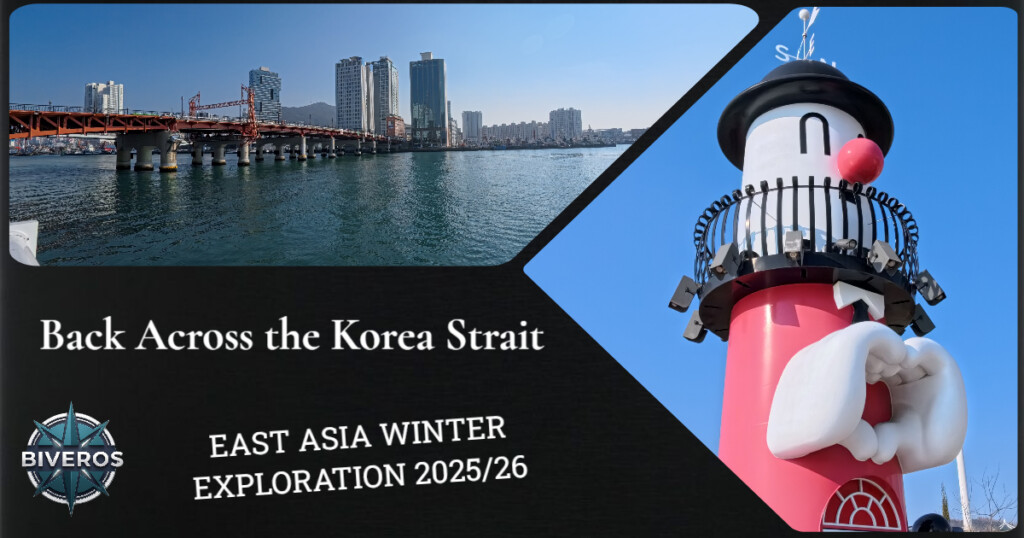
Back Across the Korea Strait | East Asia Winter Exploration 2025/26 [6/8]
After the heavy historical weight of Hiroshima, arriving in Fukuoka on the northern shore of Kyushu felt like stepping into a lighter, more relaxed chapter of our journey. As our final full day in Japan dawned, we were eager to take advantage of the sunny weather and explore a city known for its integration of green spaces, ancient temples, and modern waterfront districts. Our time in Japan was quickly drawing to a close, and the Korea Strait—the narrow body of water separating the Japanese archipelago from the Korean peninsula—was all that stood between us and the next phase of our trip.
The transition from the highly structured, long-distance rail travel of the past week to navigating a single city on foot and by local subway provided a comfortable change of pace. Our itinerary for these two days would bridge the gap between our Japanese winter adventure and our return to South Korea, taking us from the peaceful temple grounds of Hakata to the towering heights of Momochihama, before carrying us across the sea to drop us right into the bustling, coastal metropolis of Busan.
Morning Shrines and Pokémon Disappointments
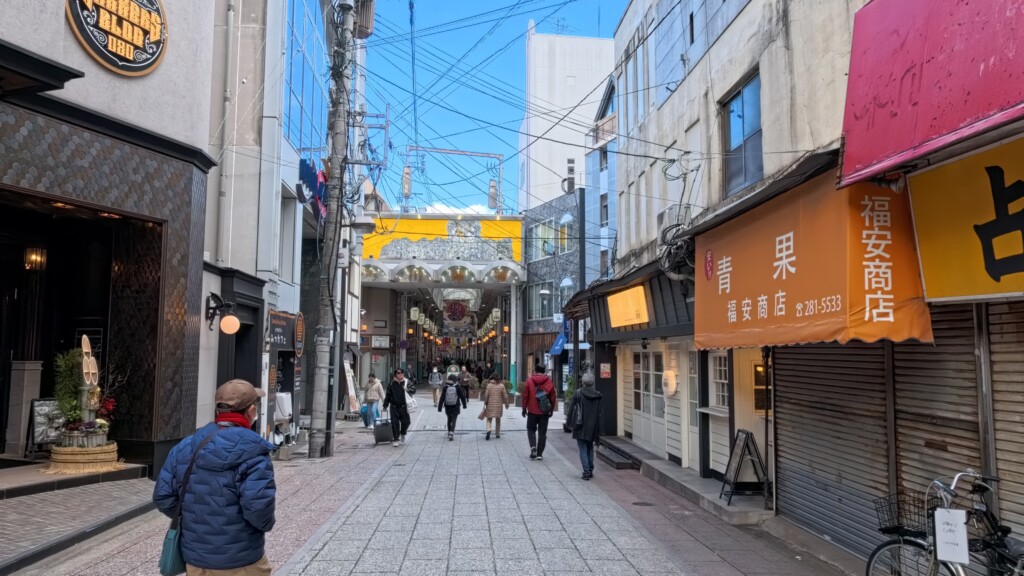
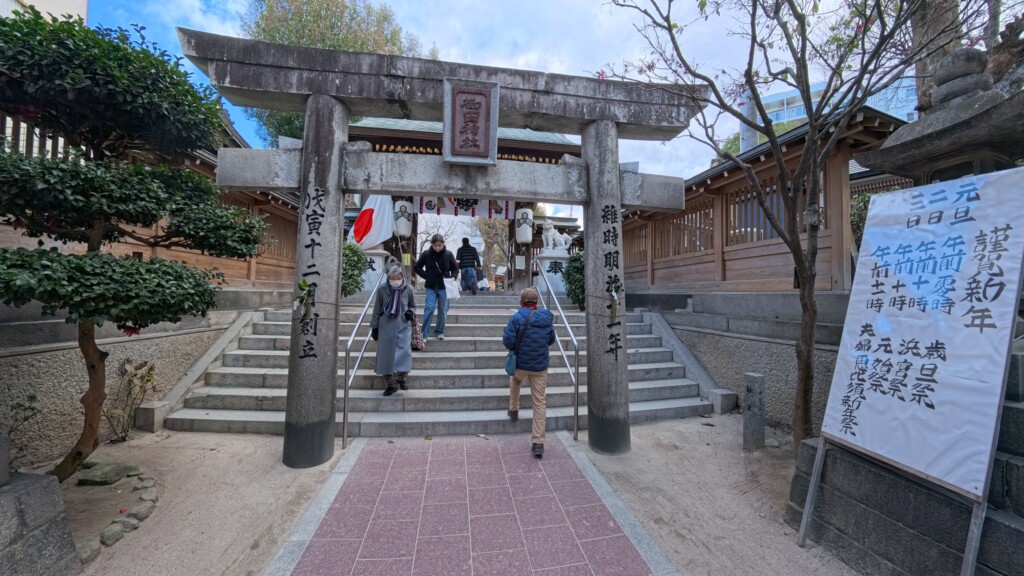
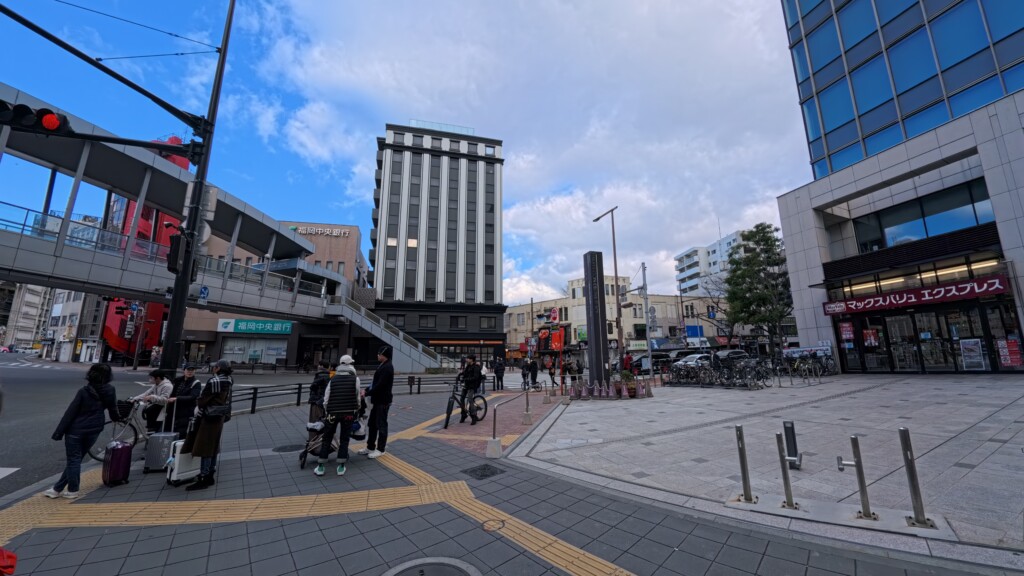
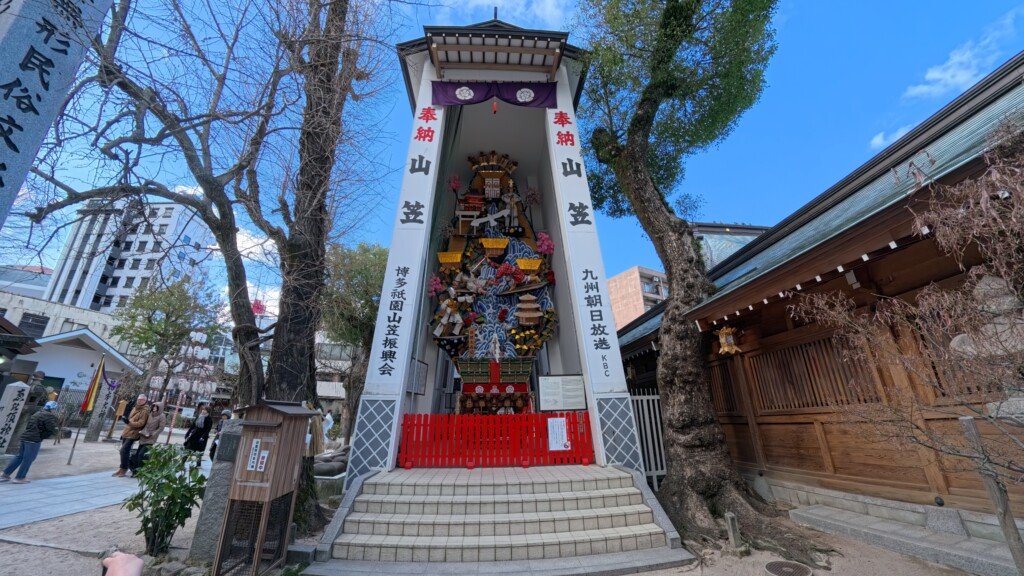
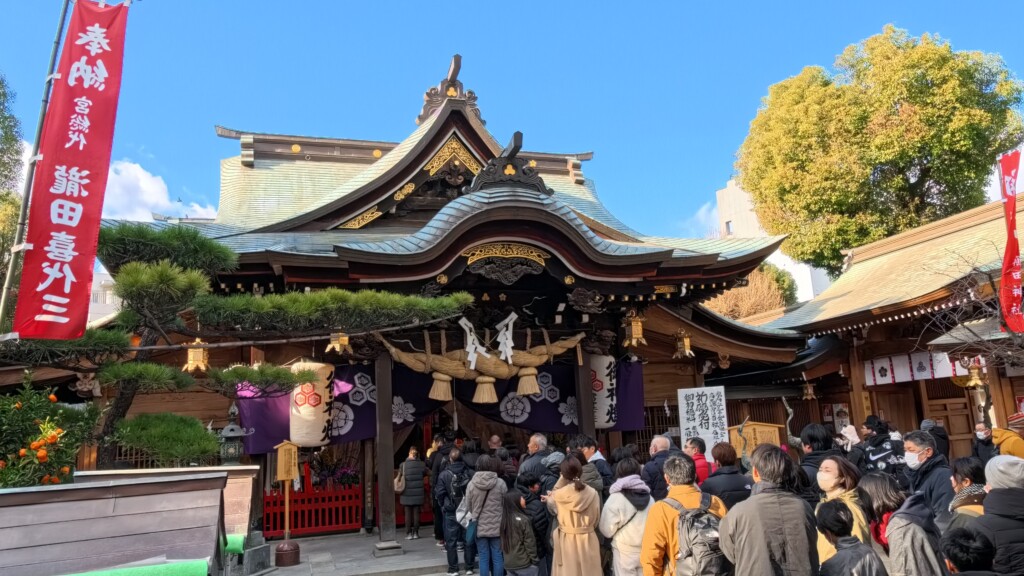
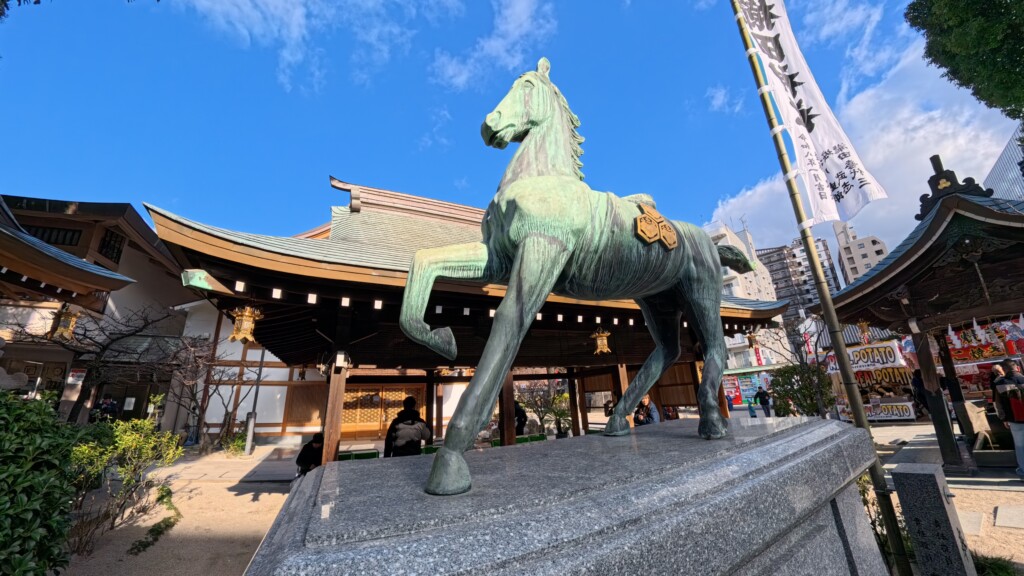
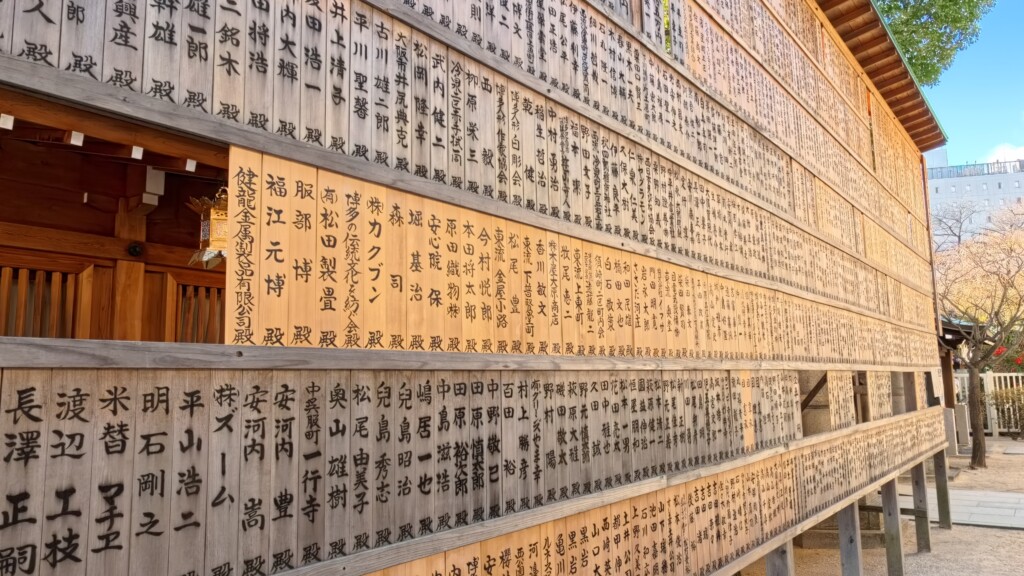
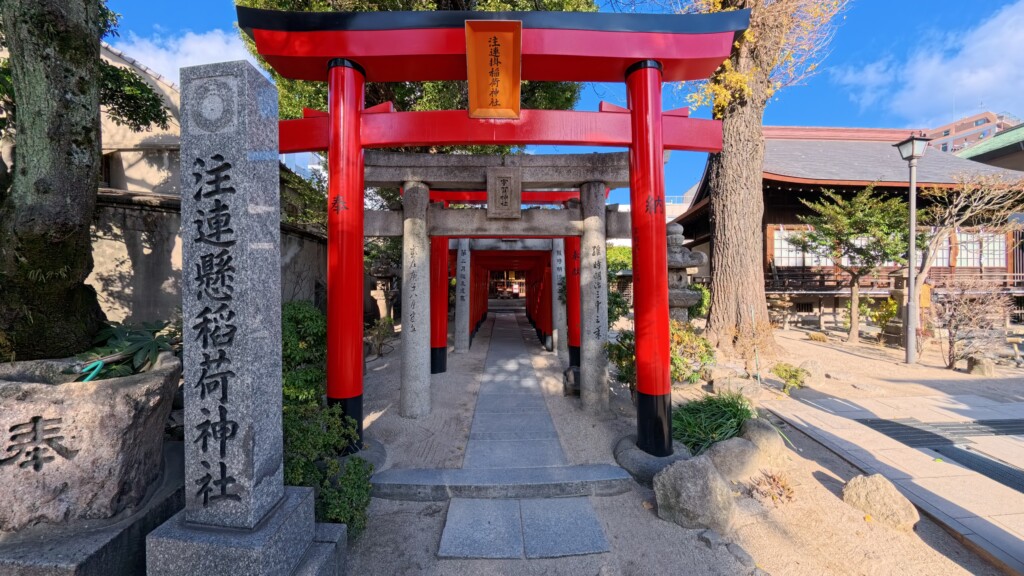
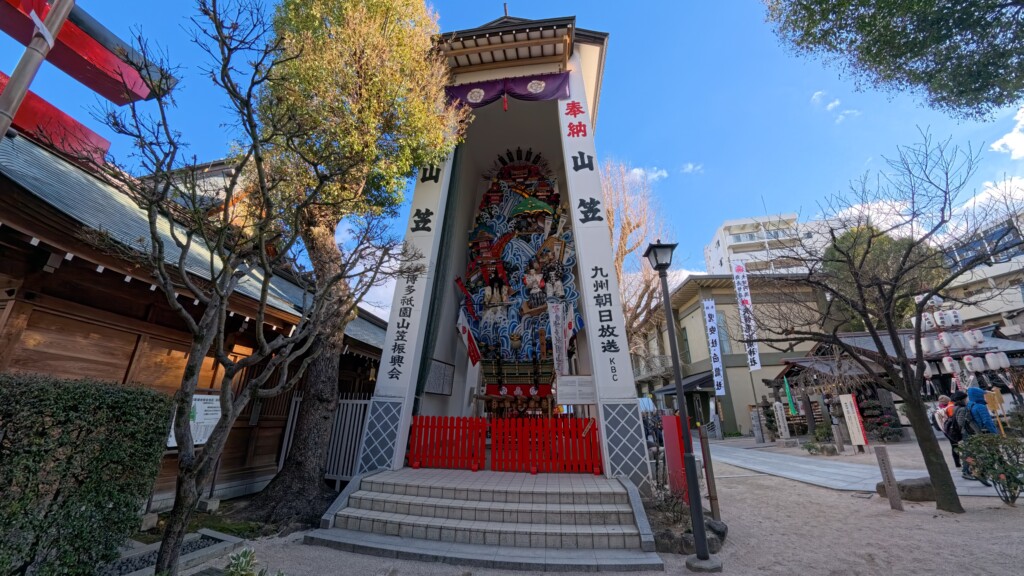
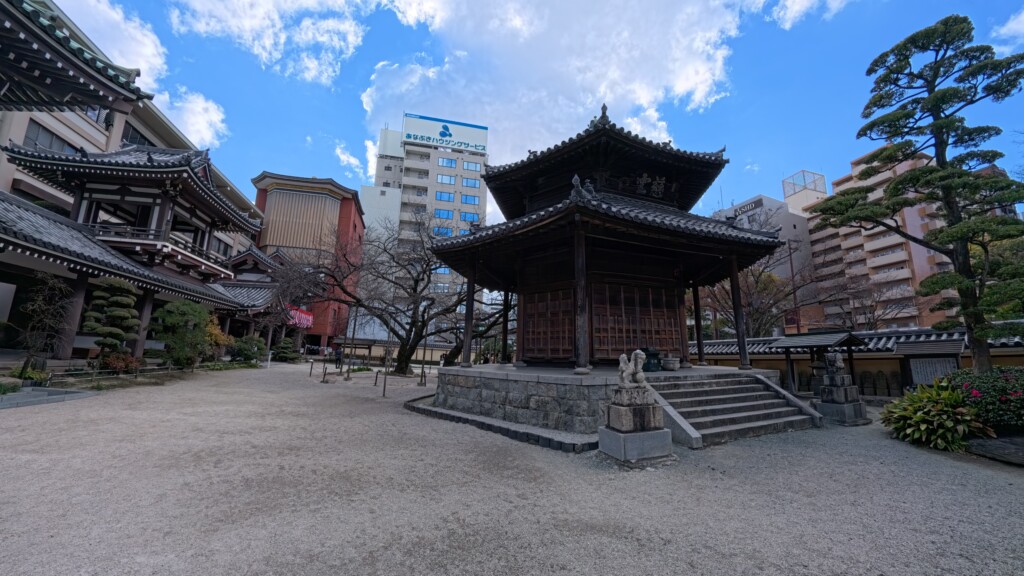
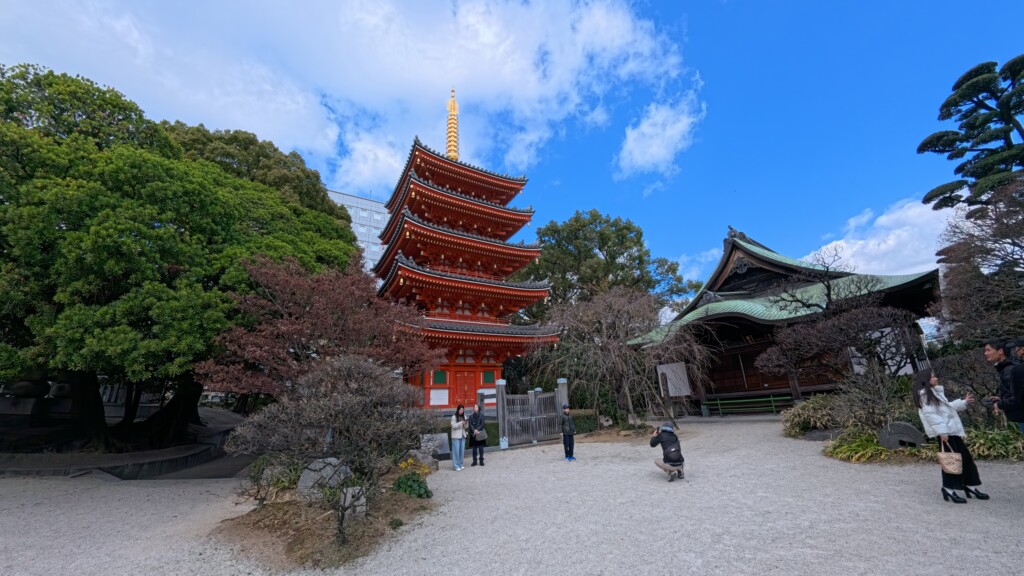
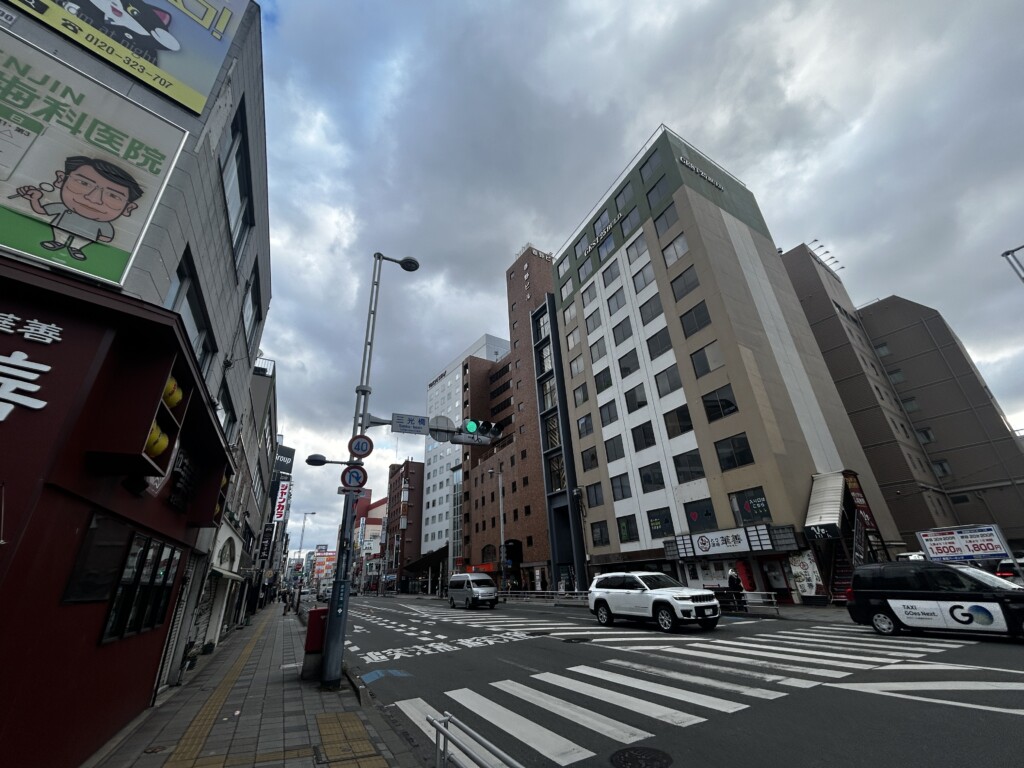
Our last full day in Japan, January 3, welcomed us with bright sunshine. We started our morning exploration in the historic Hakata district, visiting Kushida Shrine first. Founded in 757 AD, this important Shinto shrine is deeply intertwined with local culture and serves as the starting point for the famous Hakata Gion Yamakasa festival. From there, we walked a short distance to Tochoji Temple. Originally founded in 806 by the renowned Buddhist monk Kobo Daishi upon his return from studying in China, the temple grounds feature a striking red pagoda.
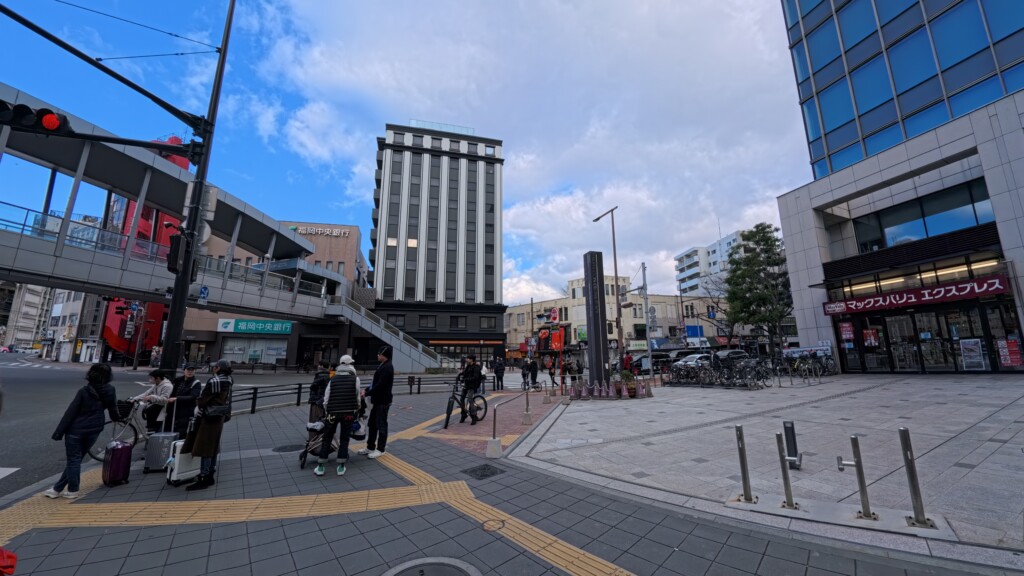
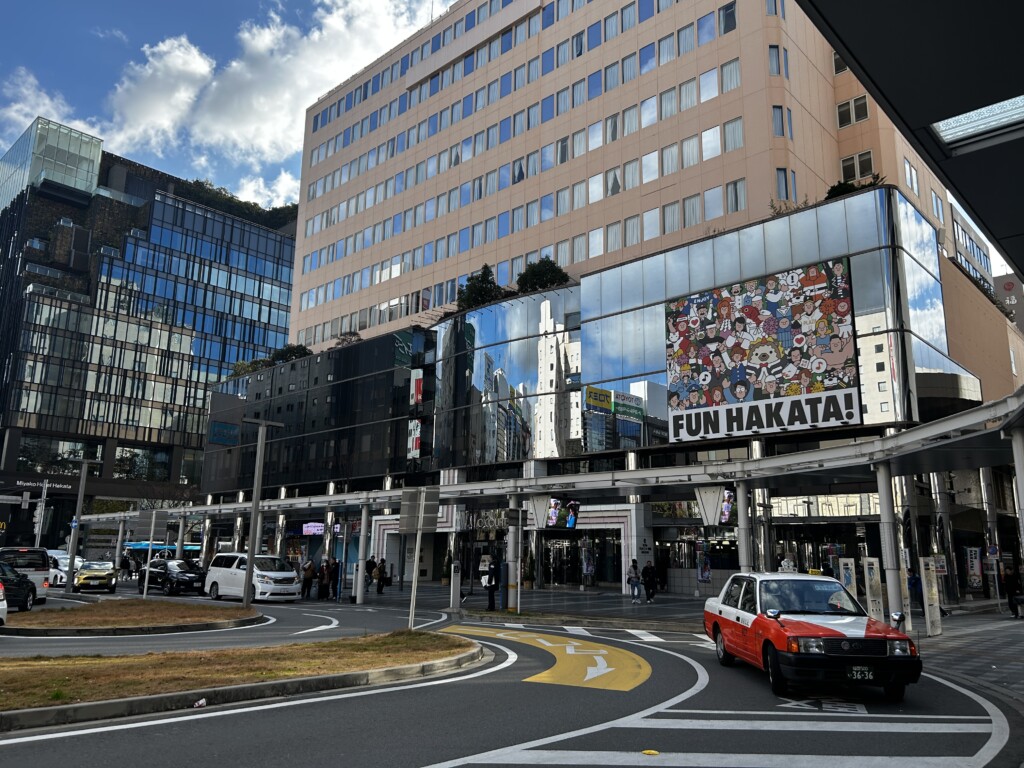
Following our temple visits, we made a quick stop at Hakata Station. We had planned to visit the local Pokémon Center, but we quickly realized that navigating popular character stores in Japan sometimes requires a substantial amount of patience or advance planning. The store demanded that visitors either queue or reserve a time slot roughly three hours in advance, and we simply had no desire to lock up our afternoon waiting around. We accepted the logistical defeat and moved on to keep our day’s momentum going.





Coastal Towers and Park Laps
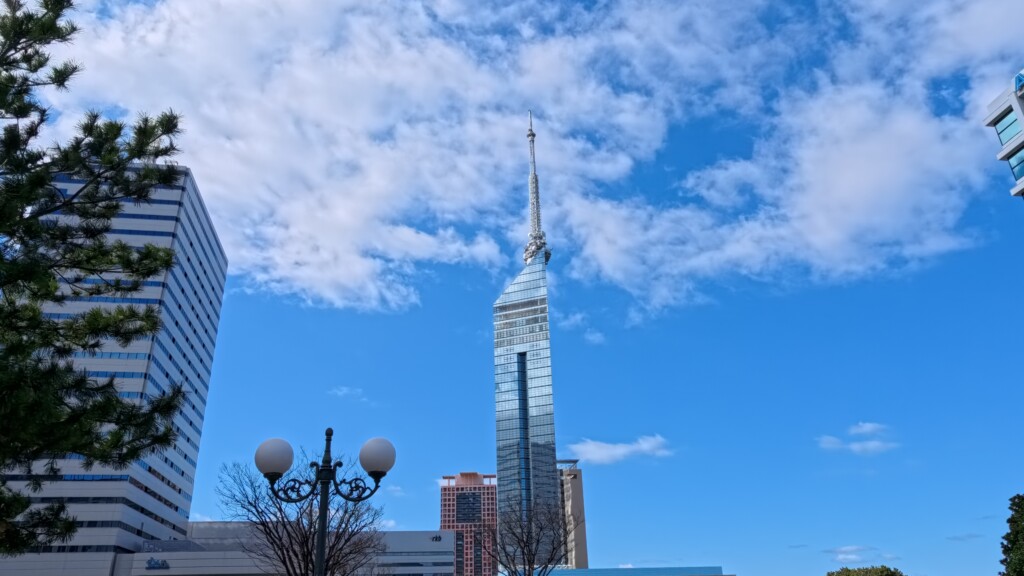
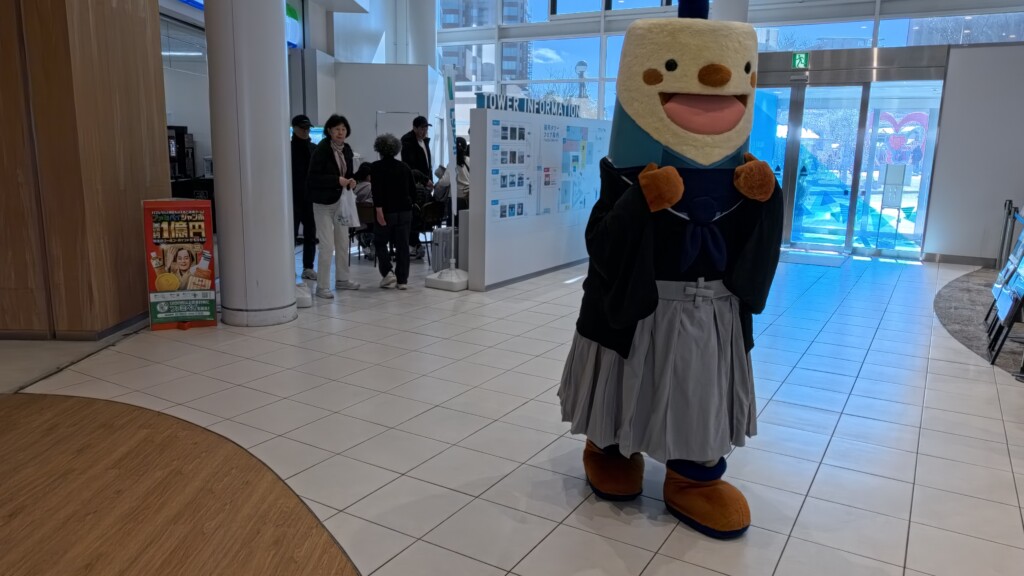
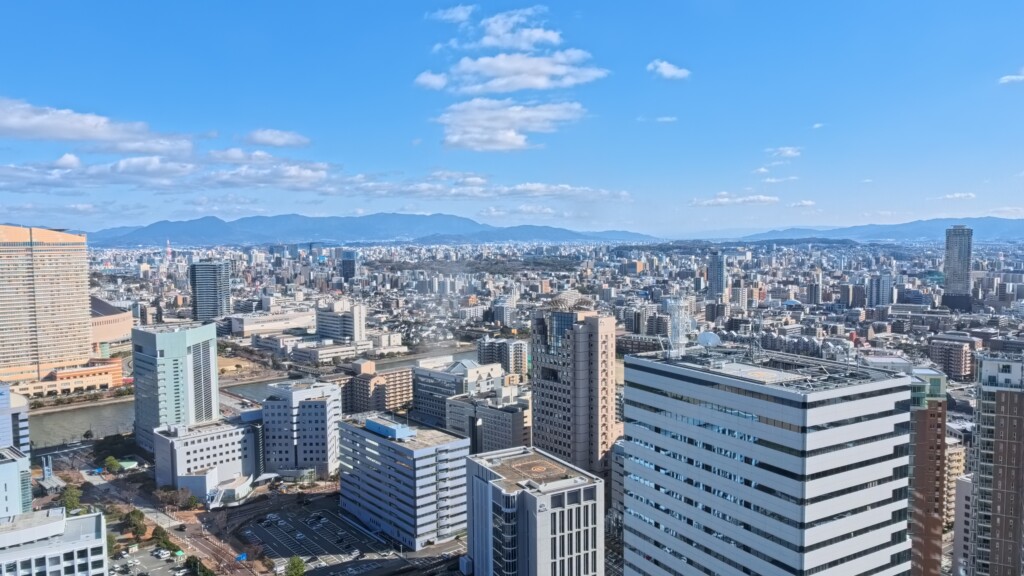
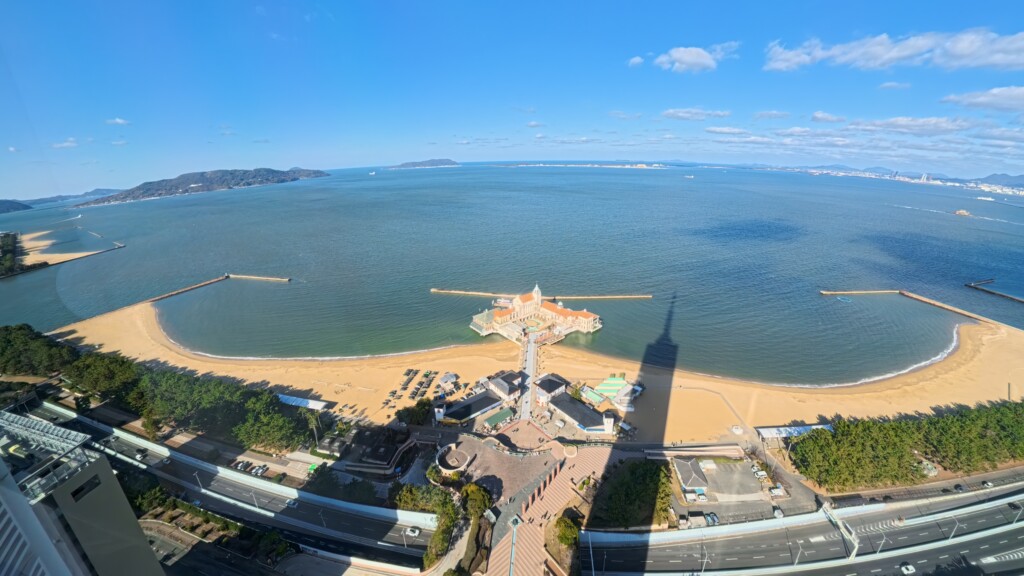
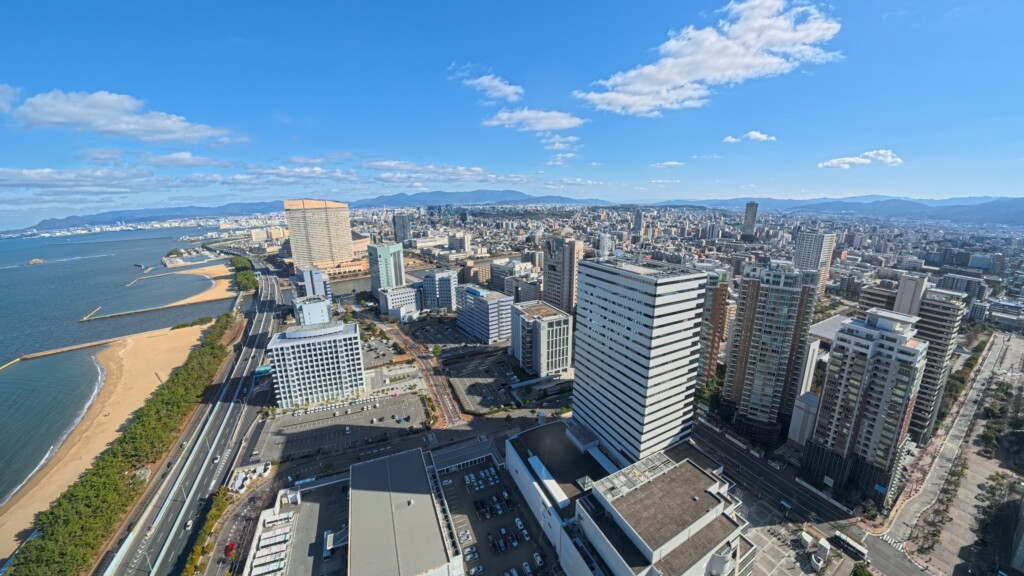
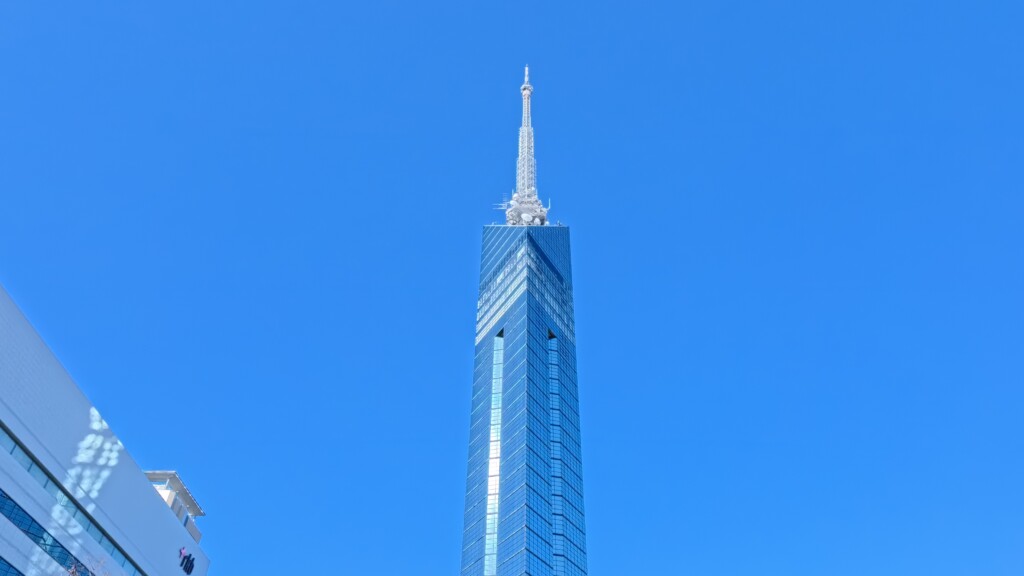
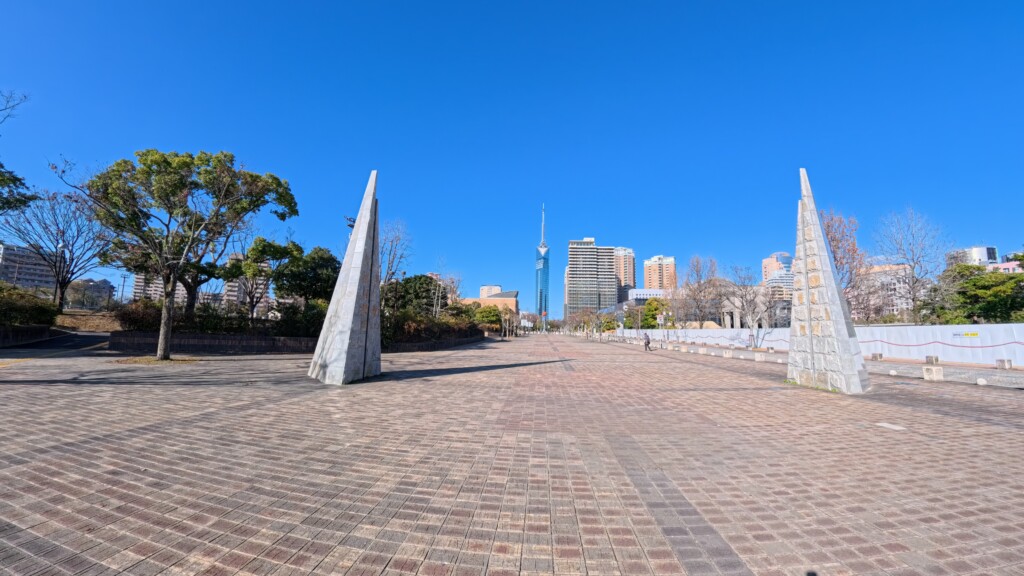
Shifting our sights toward the coast, we took the subway to the Nishijin area and walked toward Momochihama. This modern waterfront district is dominated by Fukuoka Tower, which rises prominently over the surrounding landscape. Built in 1989 and standing 234 meters tall, it is Japan’s tallest seaside tower and is uniquely covered in 8,000 half-mirrors that reflect the sky. We decided to stop for lunch at the tower before taking the elevator up to the top to enjoy the expansive views over Hakata Bay and the city.
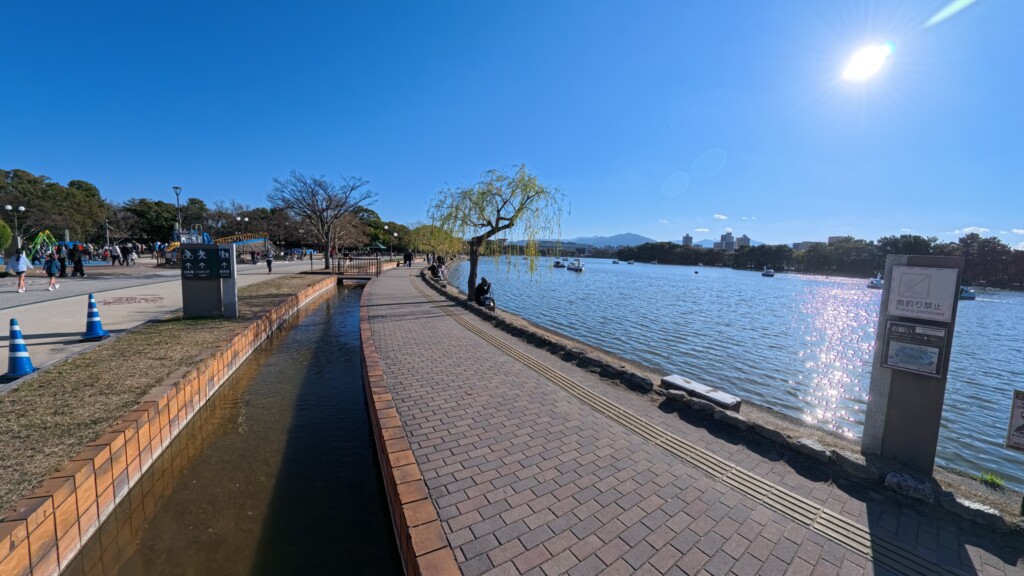
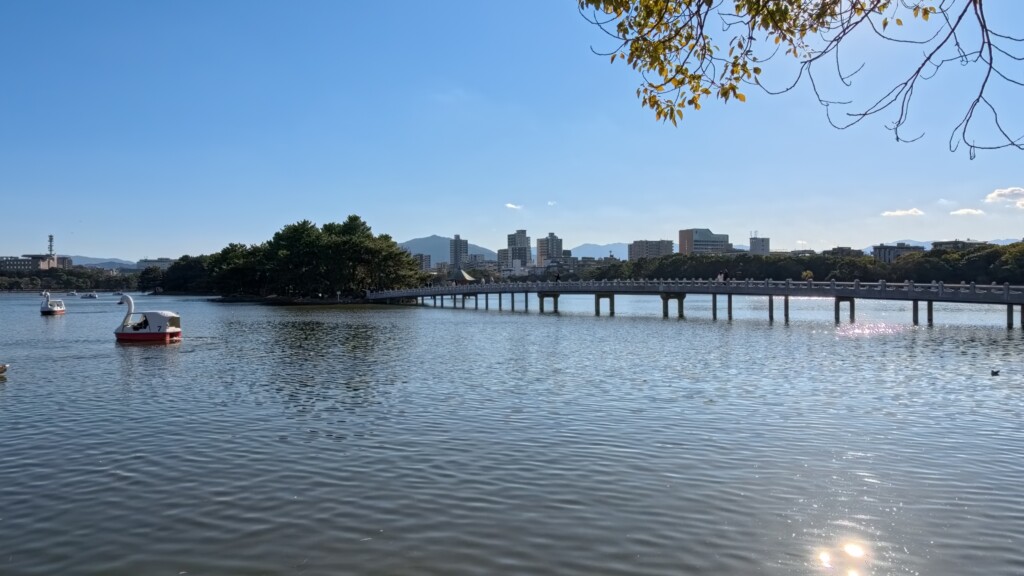
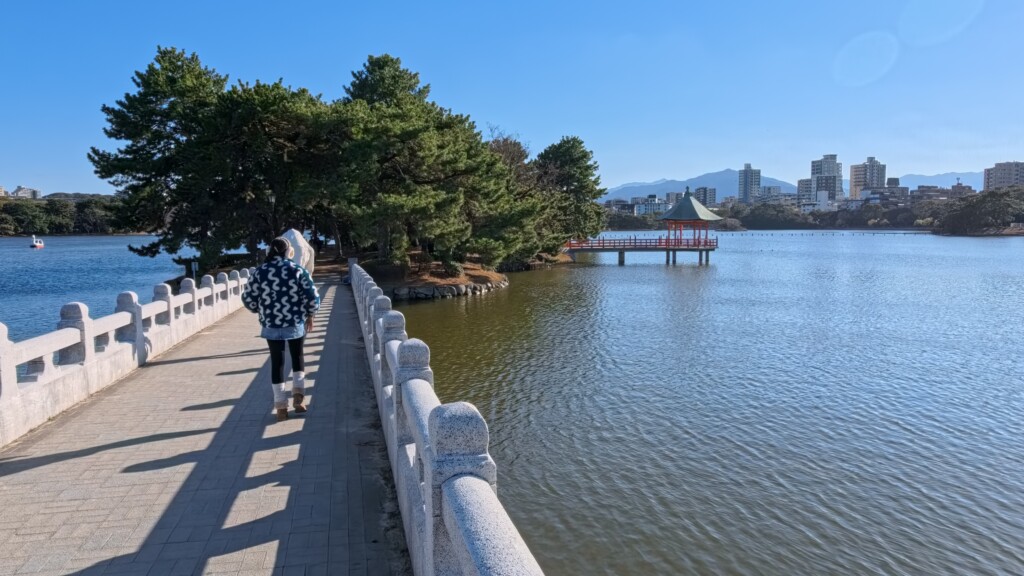
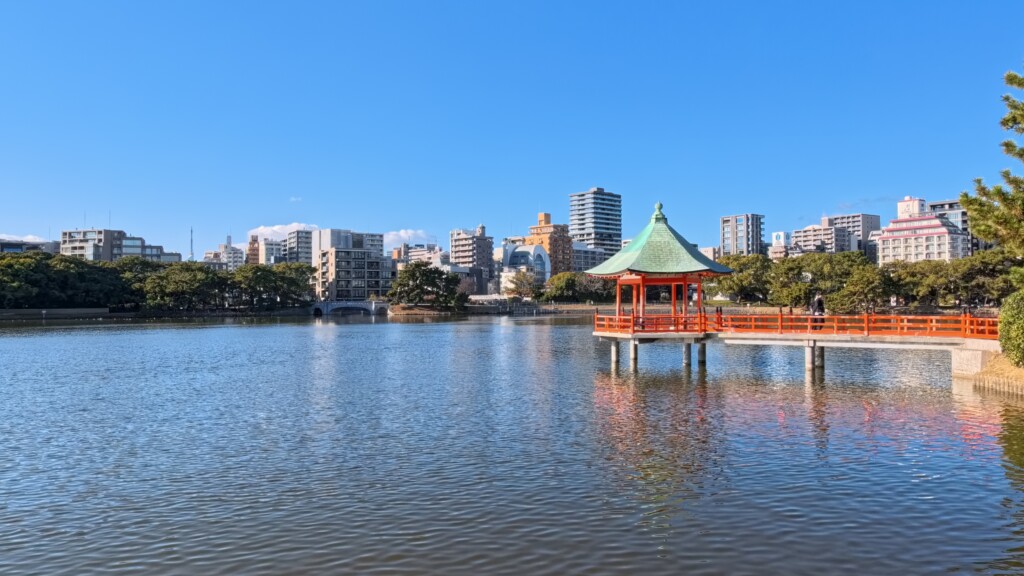
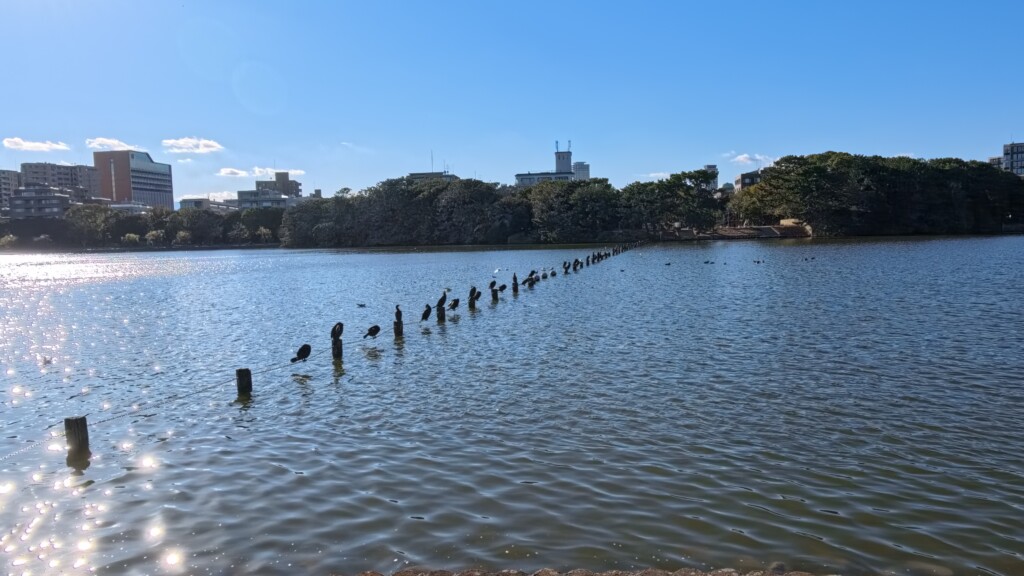
After descending, we caught a short subway ride over to Ohori Park. The park is a registered Place of Scenic Beauty, constructed around a large pond that once served as part of the moat system for Fukuoka Castle. It was here that Susann decided to embark on a personal athletic challenge: she has set a goal to run in ten different countries during 2026, and a lap around this scenic Japanese park officially marked country number one. While she completed her run, Little A and I took a leisurely walk across the classic stone bridges connecting the small islands in the center of the lake. We timed our walk perfectly, meeting Susann on the opposite side of the water just as she finished a lap and a half.
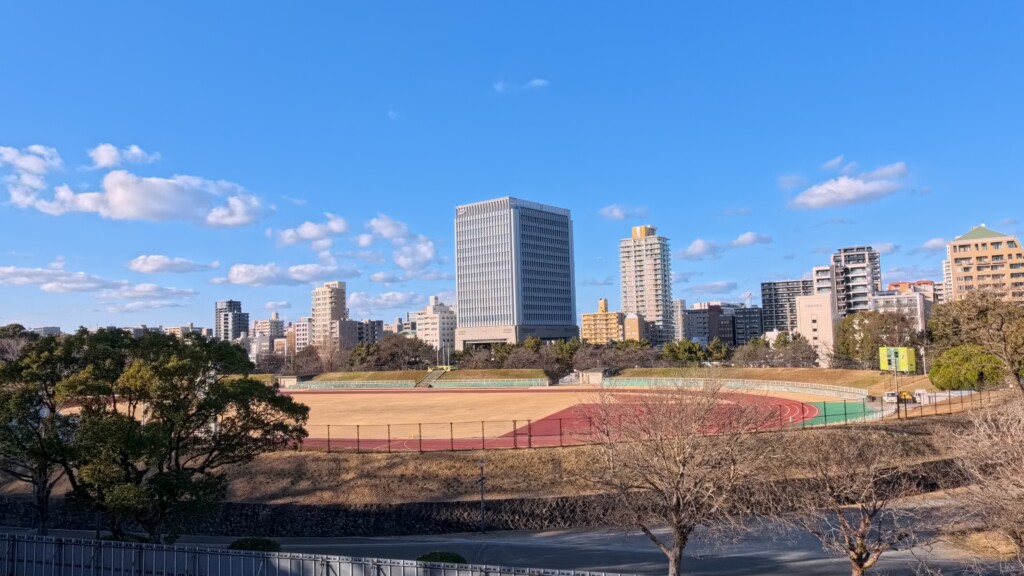
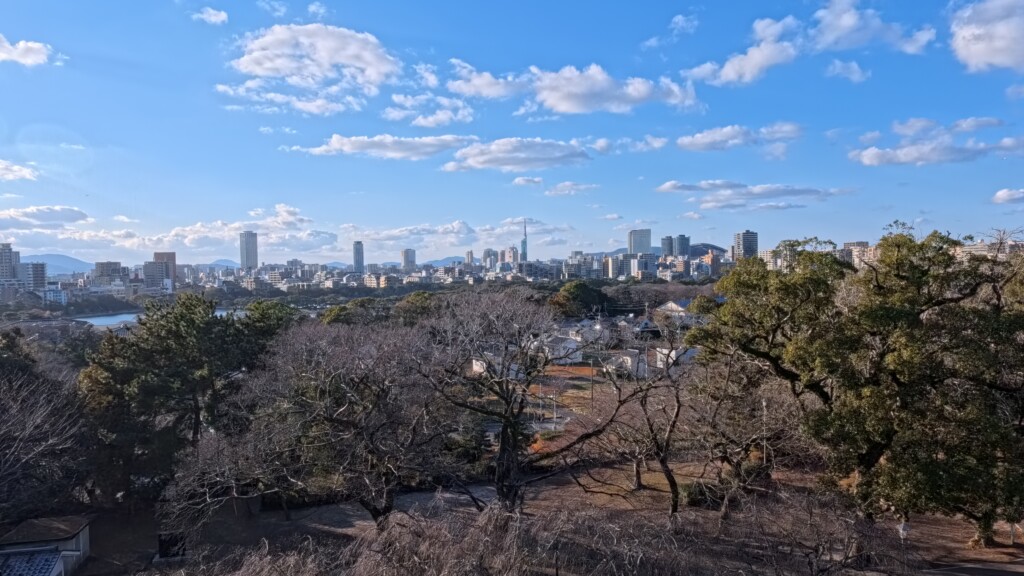
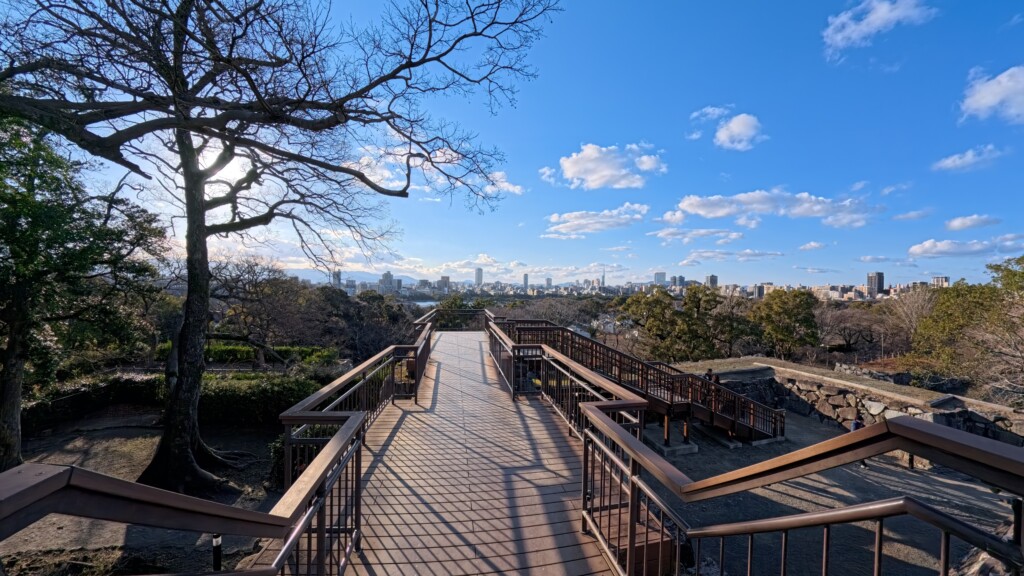
From Ohori Park, our walk continued seamlessly into the adjacent Maizuru Park, passing by several sports facilities. I left Susann and Little A for a brief moment to hike up to the Fukuoka Castle Ruins. Built in the early 17th century by Kuroda Nagamasa, the massive fortress was mostly dismantled after the Meiji Restoration, but the remaining, extensive stone foundations still offer a fantastic elevated vantage point over the city.
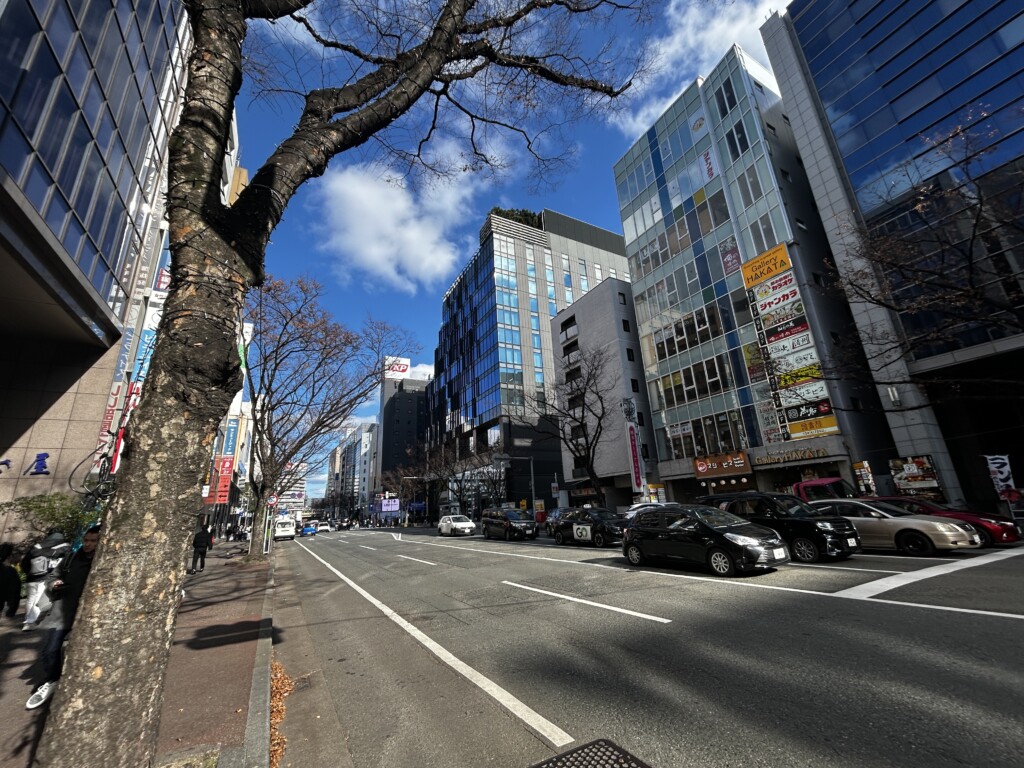
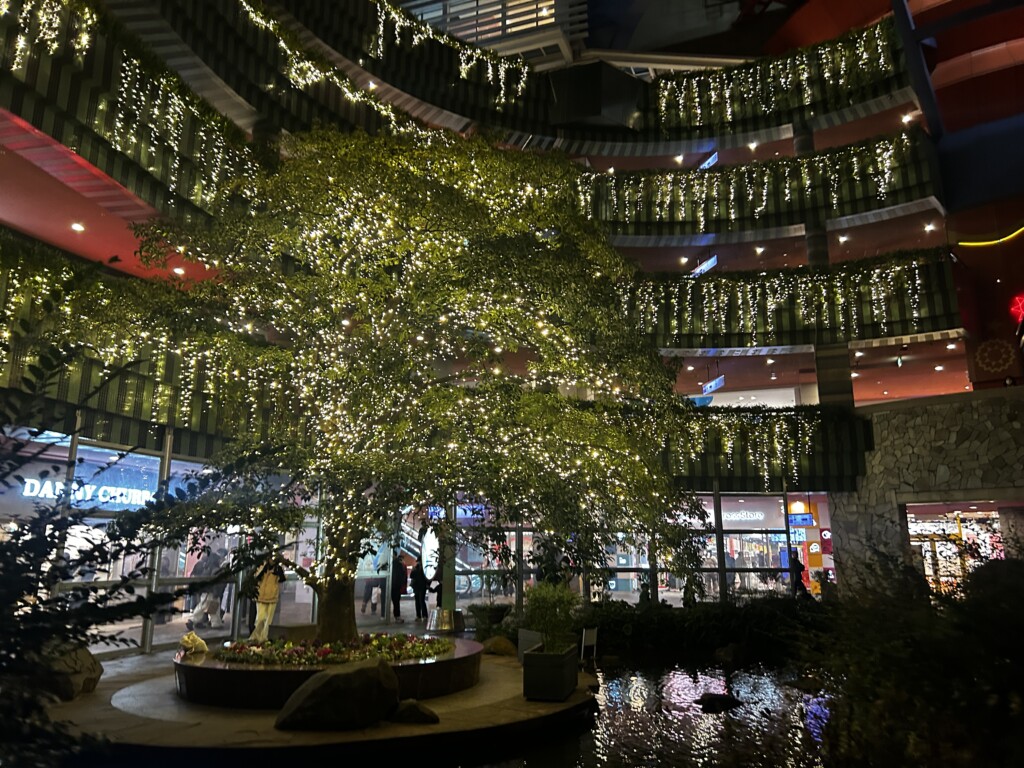
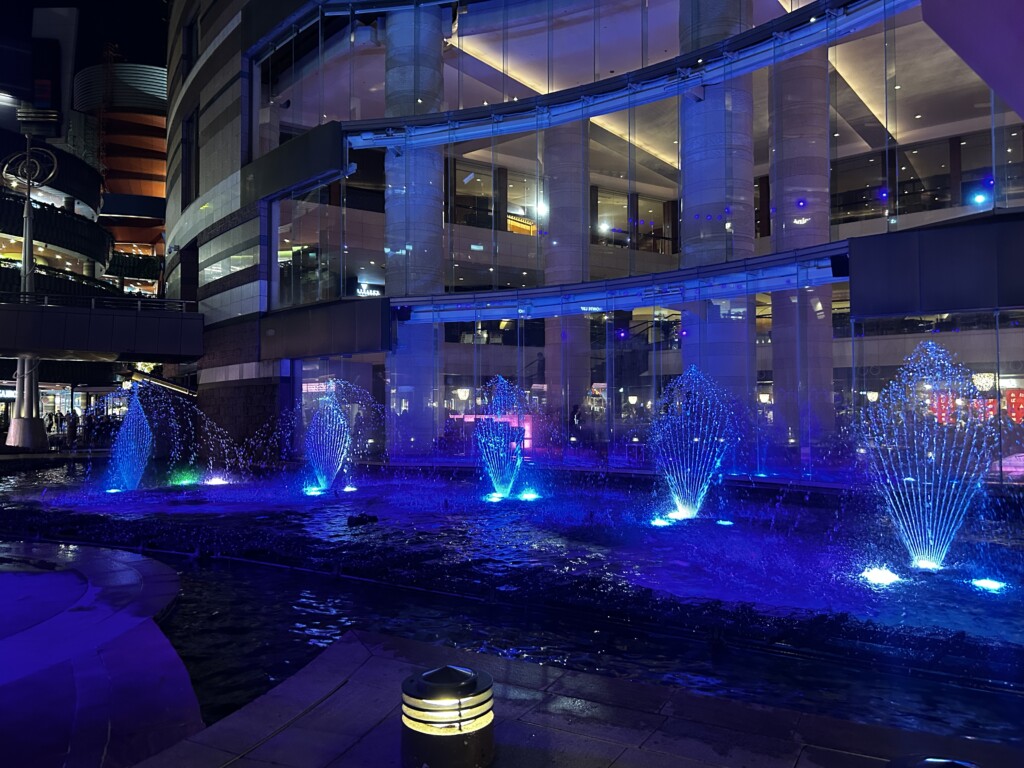
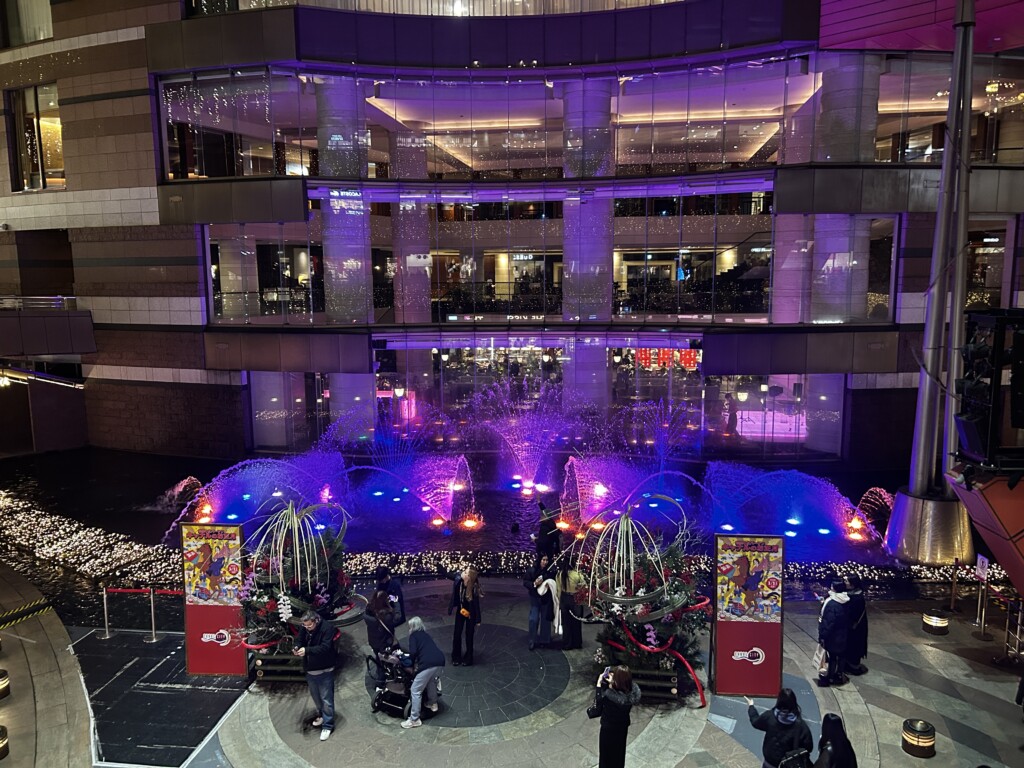
We circled back to our hotel to rest briefly before heading out again to the massive Canal City Hakata shopping complex. Susann and Little A went to enjoy their reserved time slot at the Cinnamoroll café, while I spent the time walking around and browsing the mall’s diverse shops. Once they were finished, we found a nice restaurant nearby to enjoy our final dinner in Japan.








A Polite Departure and Arriving in Busan
The morning of January 4 meant it was time to close the Japanese chapter of our winter exploration. We took a taxi to Fukuoka Airport, a remarkably central transport hub, for our JEJUair flight to Busan. While waiting at check-in, we witnessed a wonderful Japanese corporate tradition: right as the desks officially opened for the day, the airline employees stepped out, lined up in front of their stations, and bowed deeply to the waiting passengers. It was a fittingly polite and organized farewell.
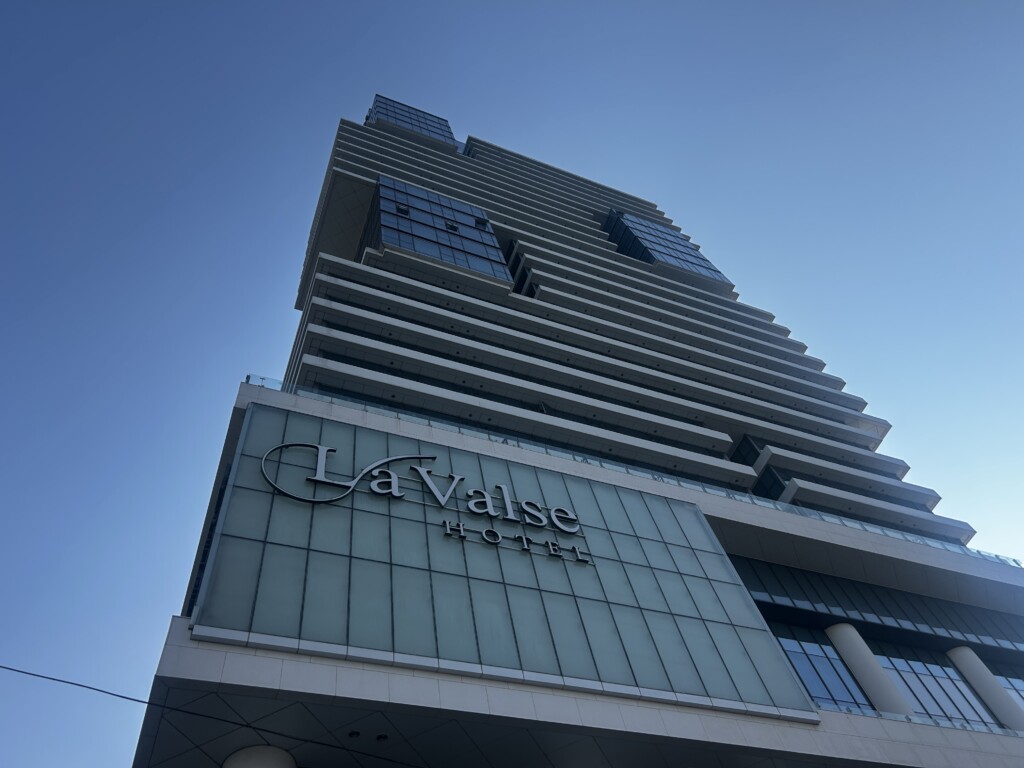
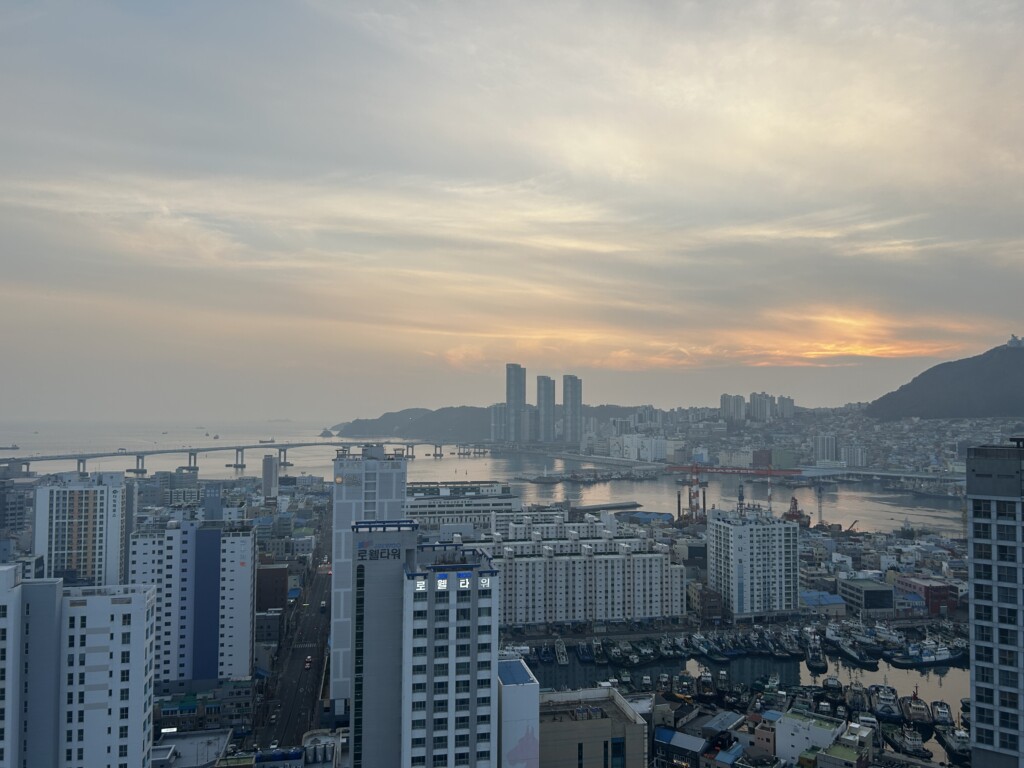
The flight across the Korea Strait to Busan was incredibly short, and upon landing, we grabbed a taxi to our accommodation for the next few nights, the Lavalse Hotel. Because we arrived well before our scheduled check-in time, we left our luggage at the reception and headed straight out to explore the immediate neighborhood.
Harbor Views and Market Streets
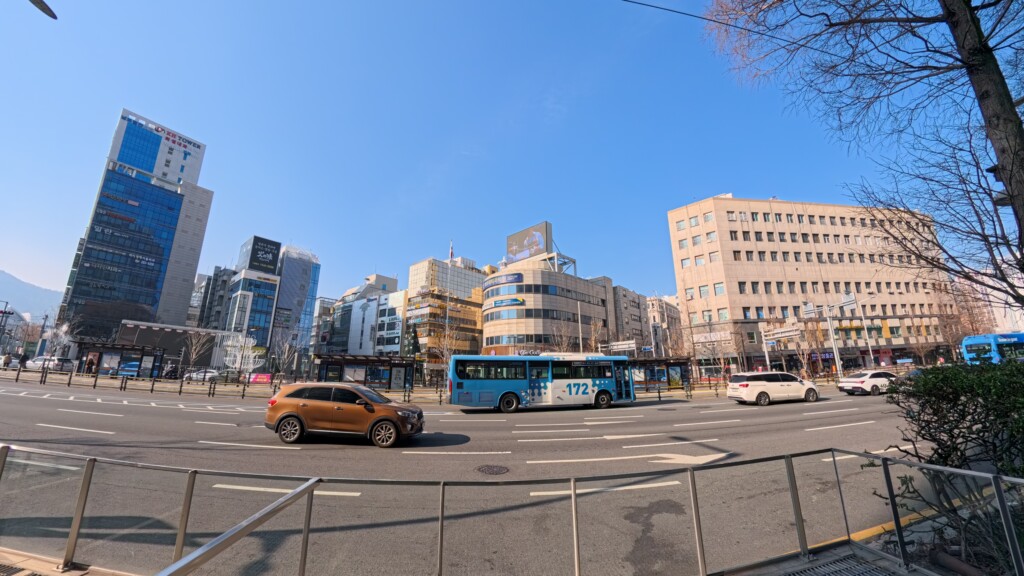
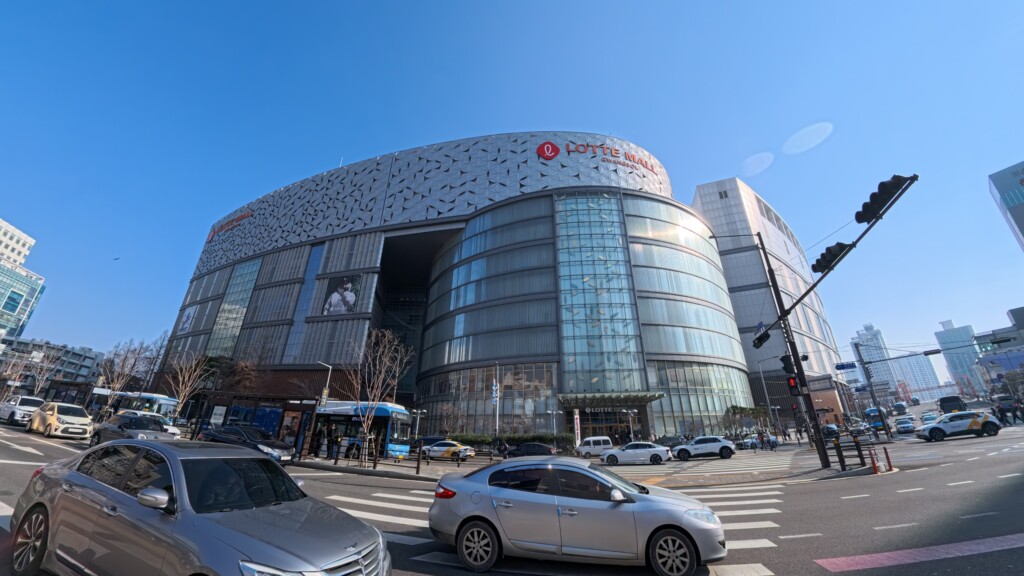
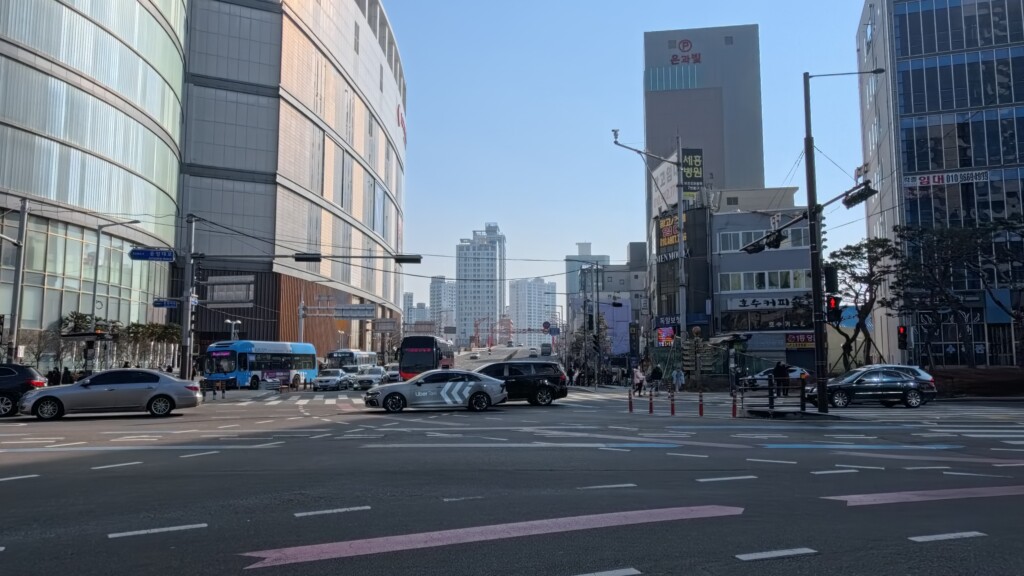
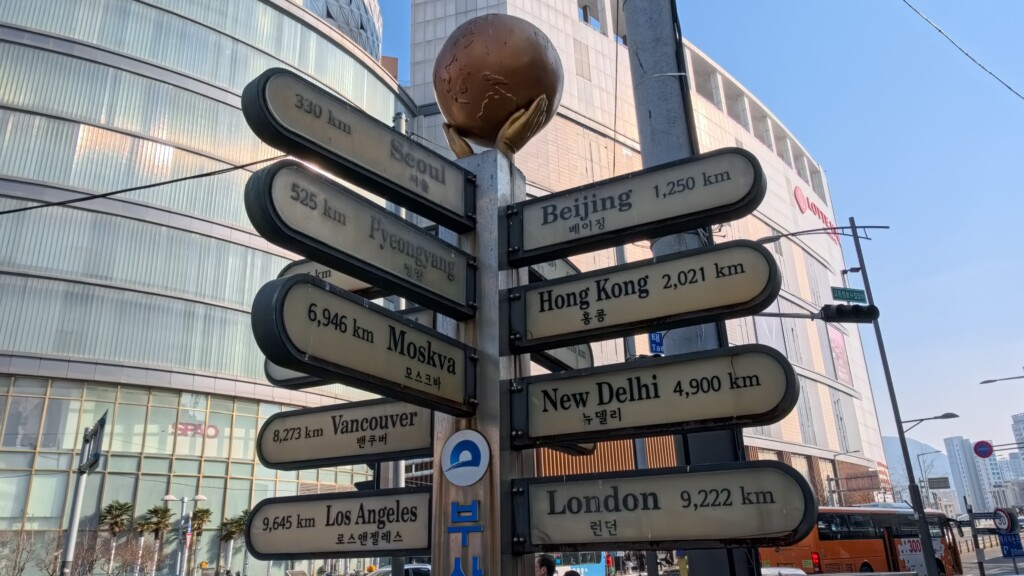
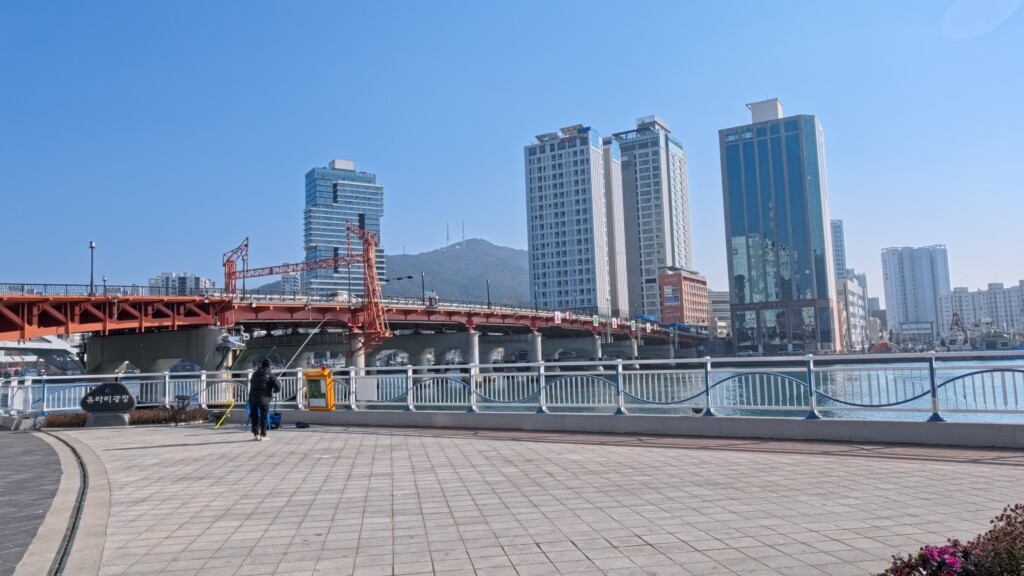
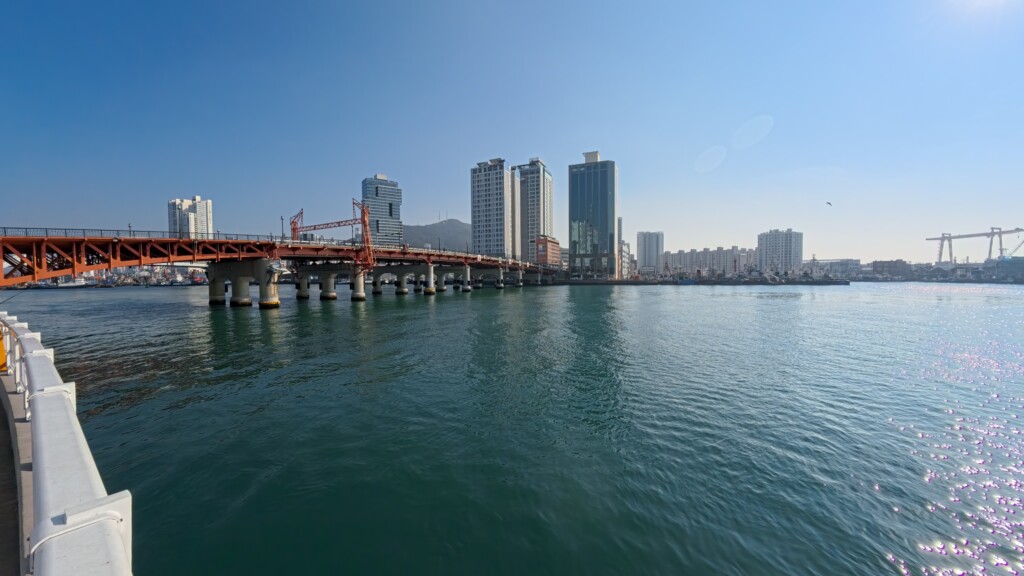
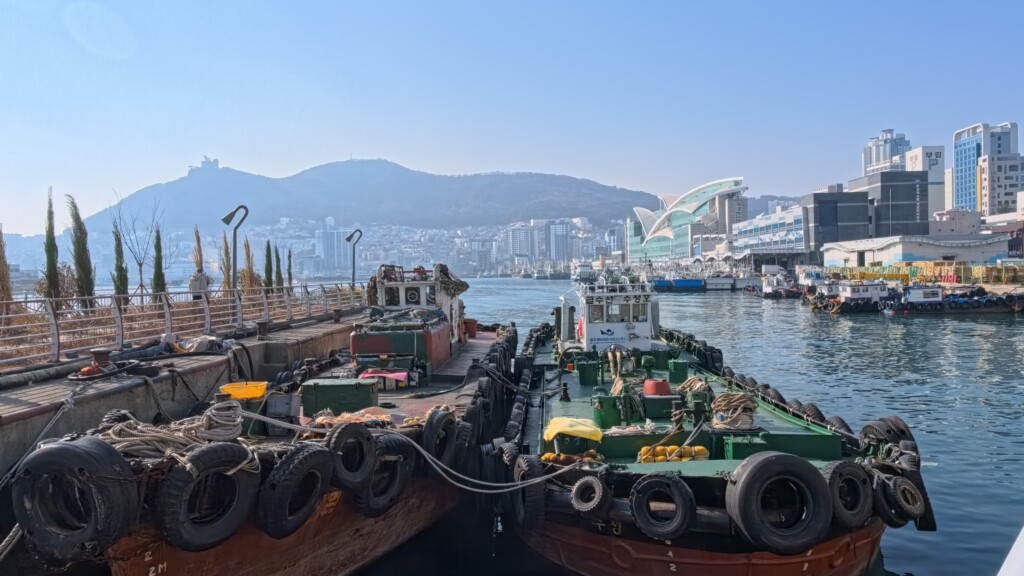
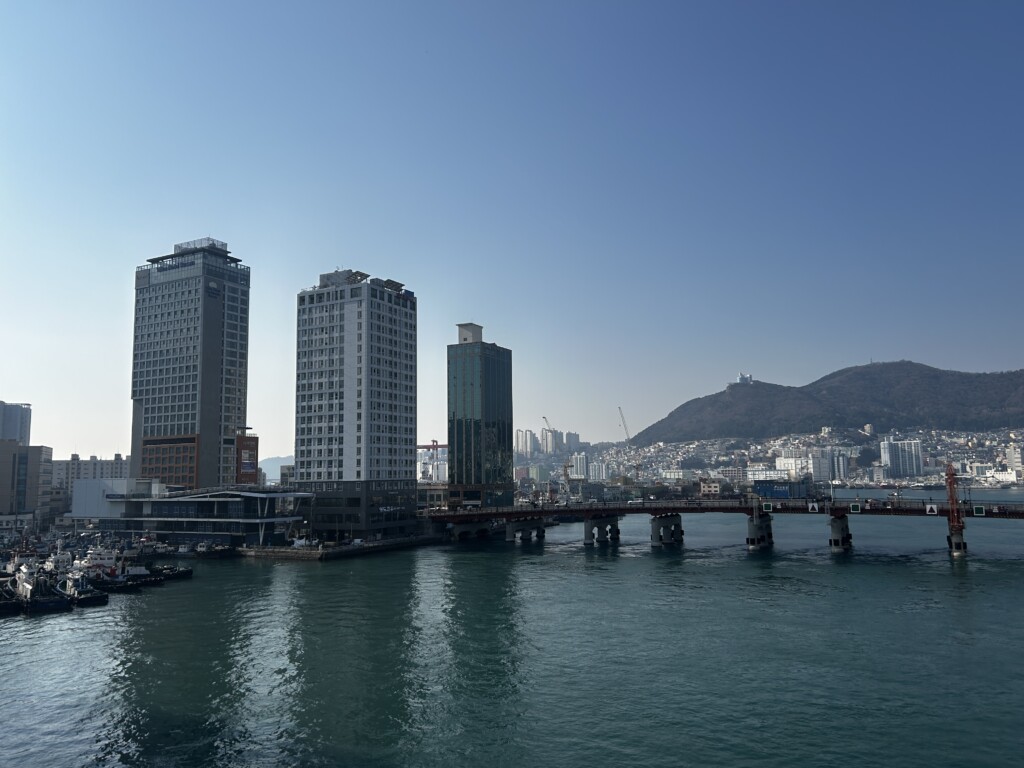
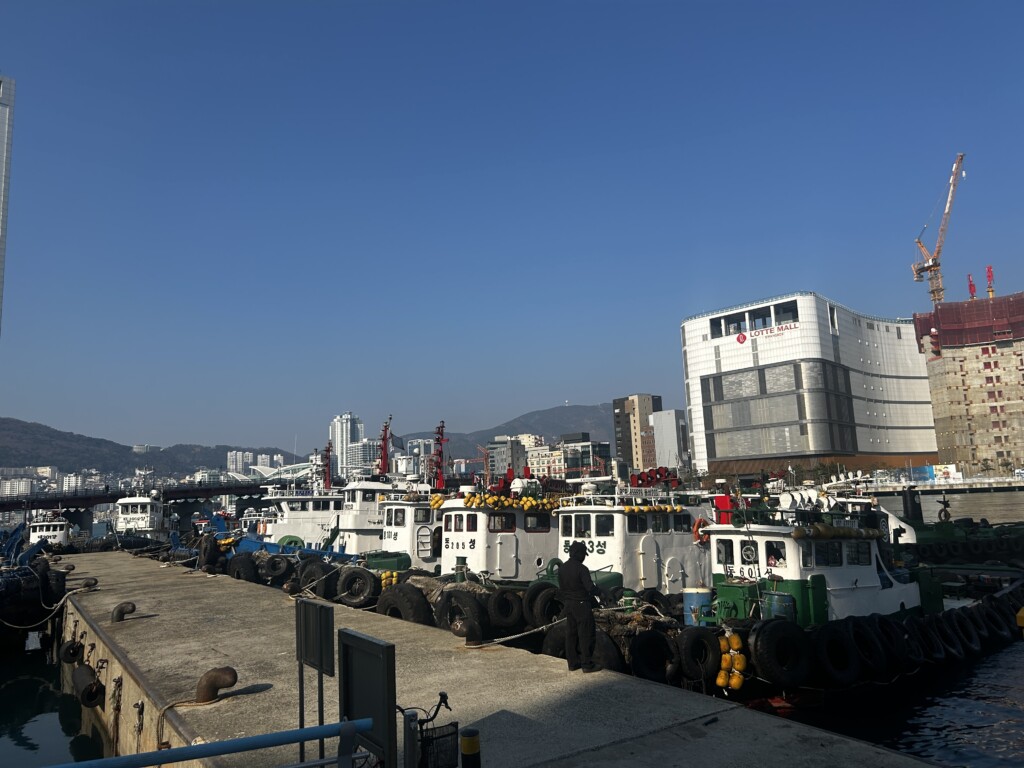
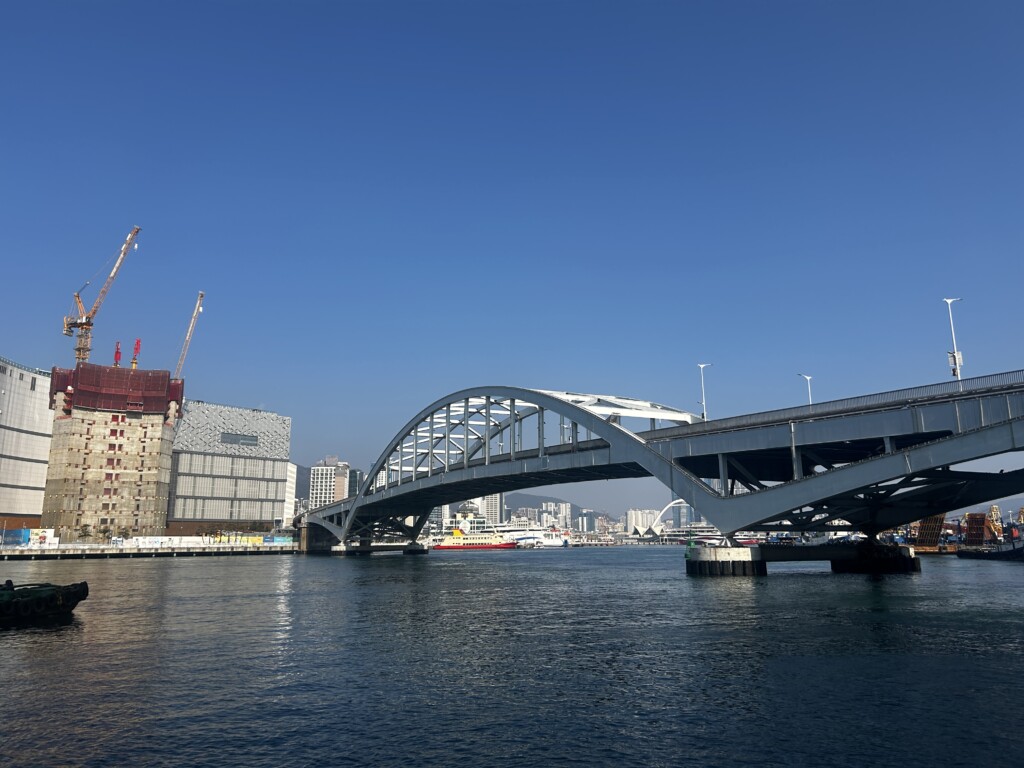
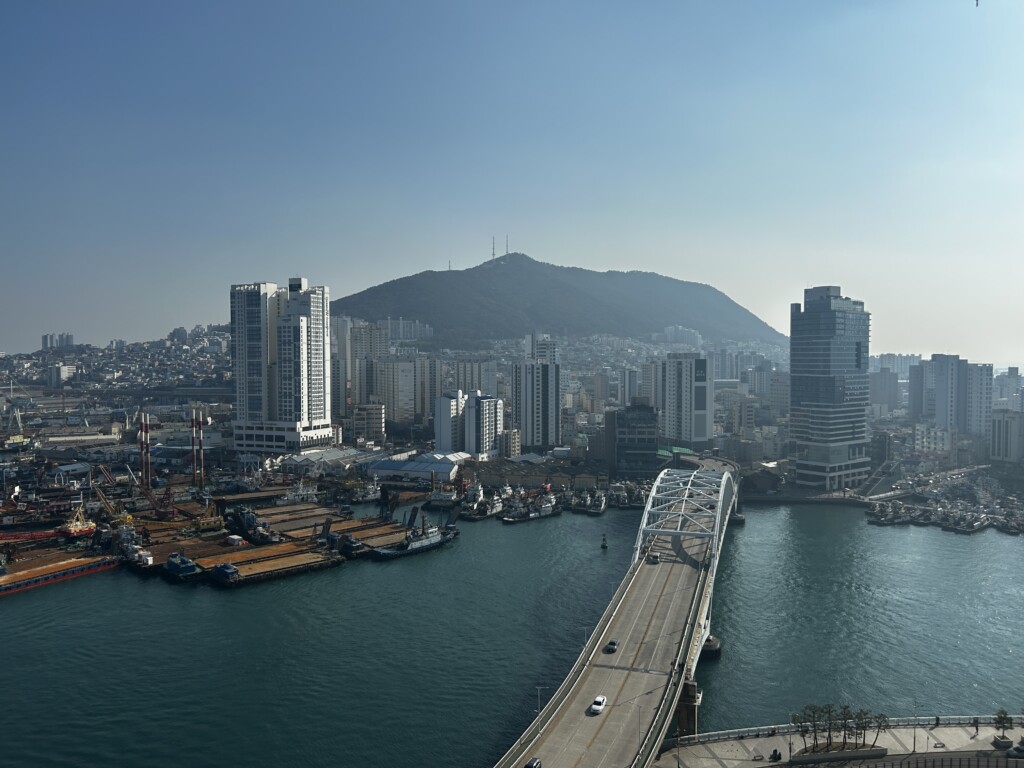
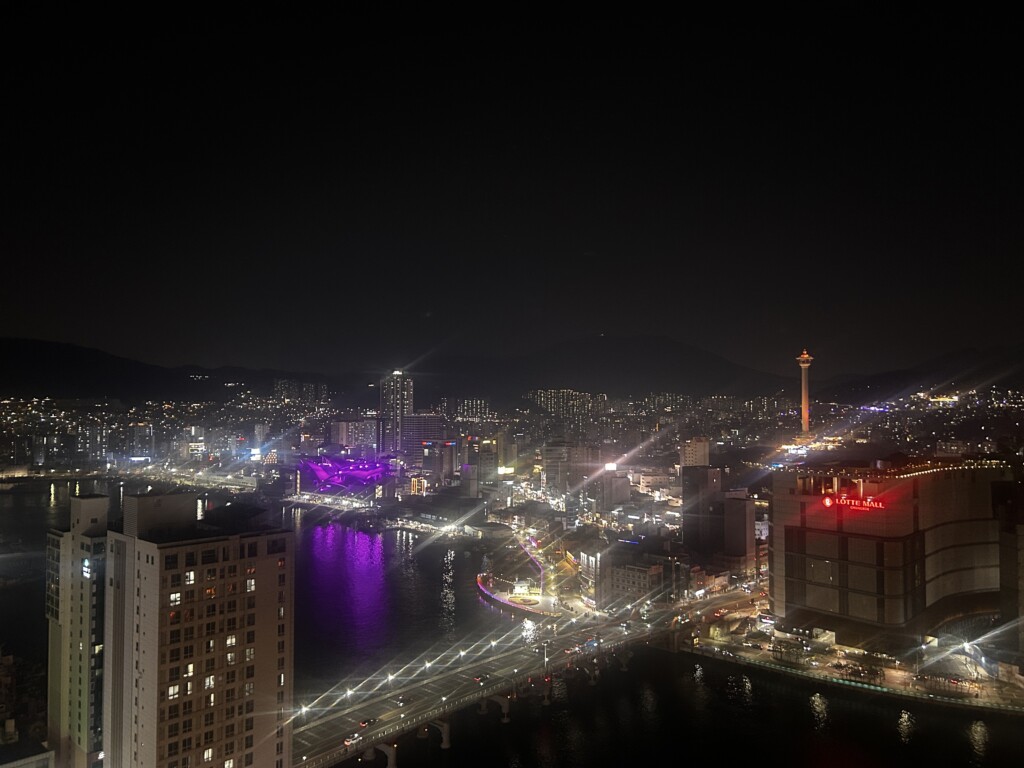
Our hotel was situated on Yeongdo Island, so our first walk took us across the Busan Bridge over to the LOTTE Department Store Gwangbok. We headed to the upper floors and found a buffet restaurant, which provided an excellent opportunity to sample a wide variety of Korean dishes for lunch. After eating, we took the escalators all the way up to the department store’s expansive roof garden. The elevated deck offered a truly fantastic panoramic view over the bustling port of Busan and looked directly back over the island where our hotel was located.
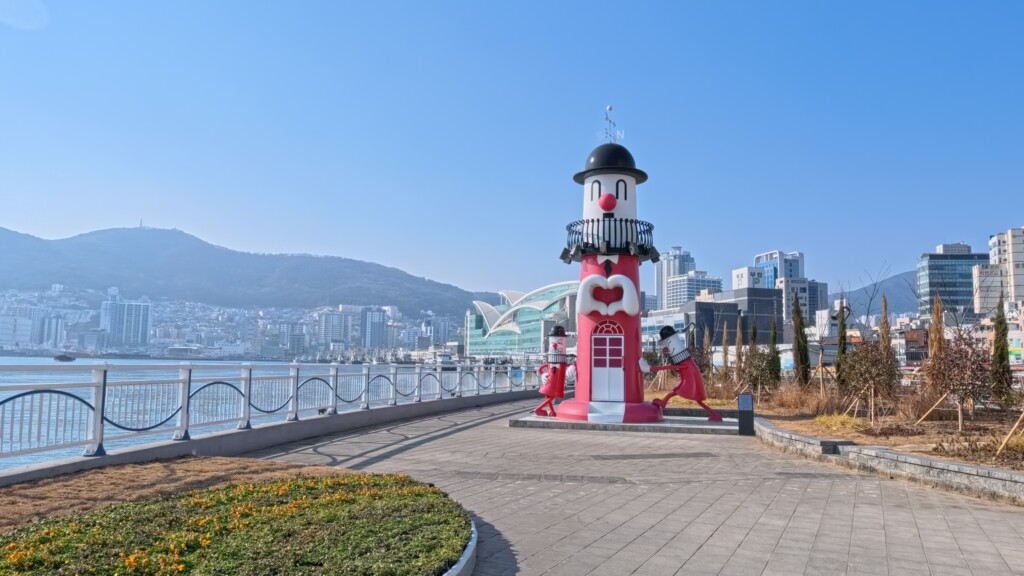
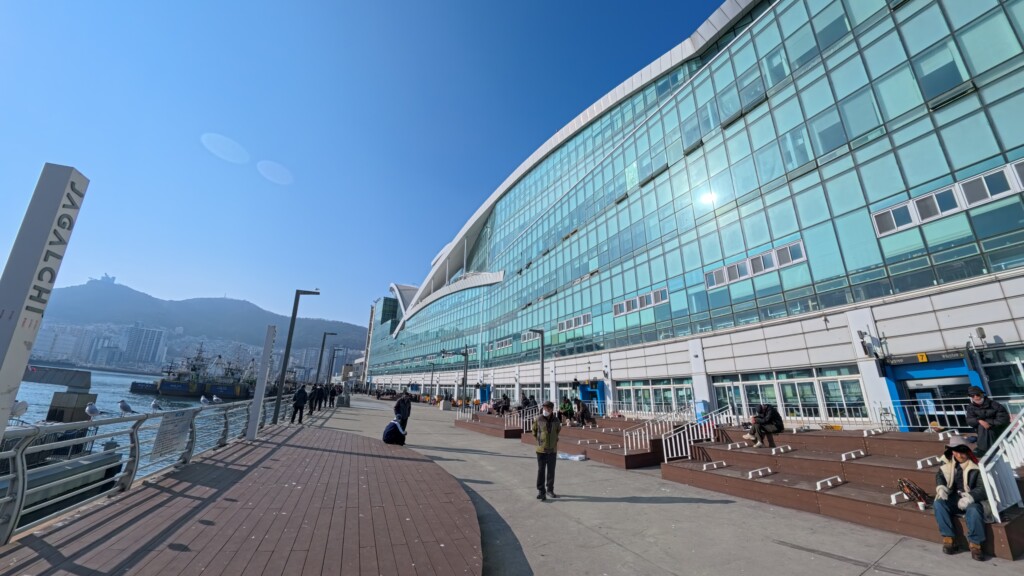
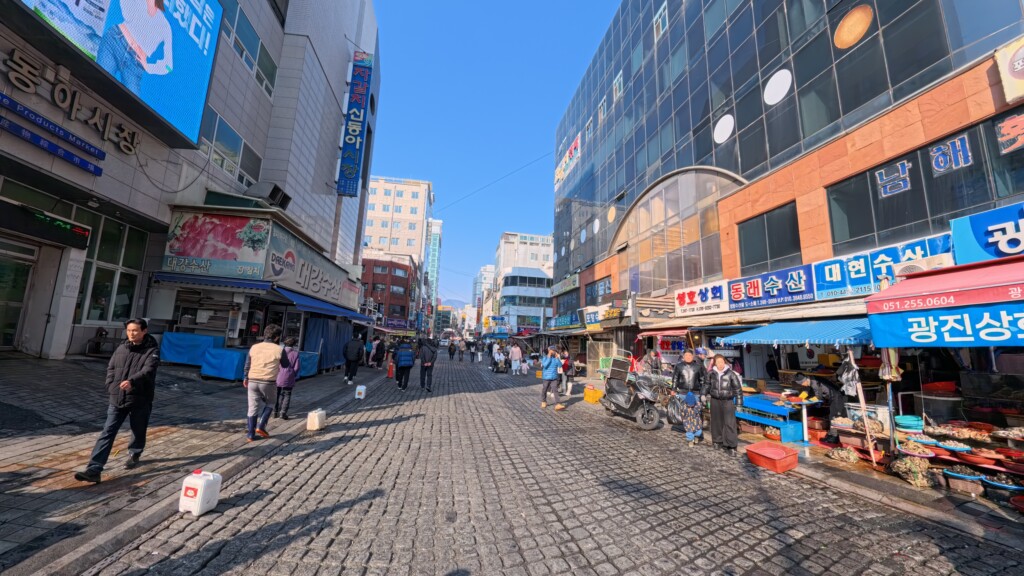
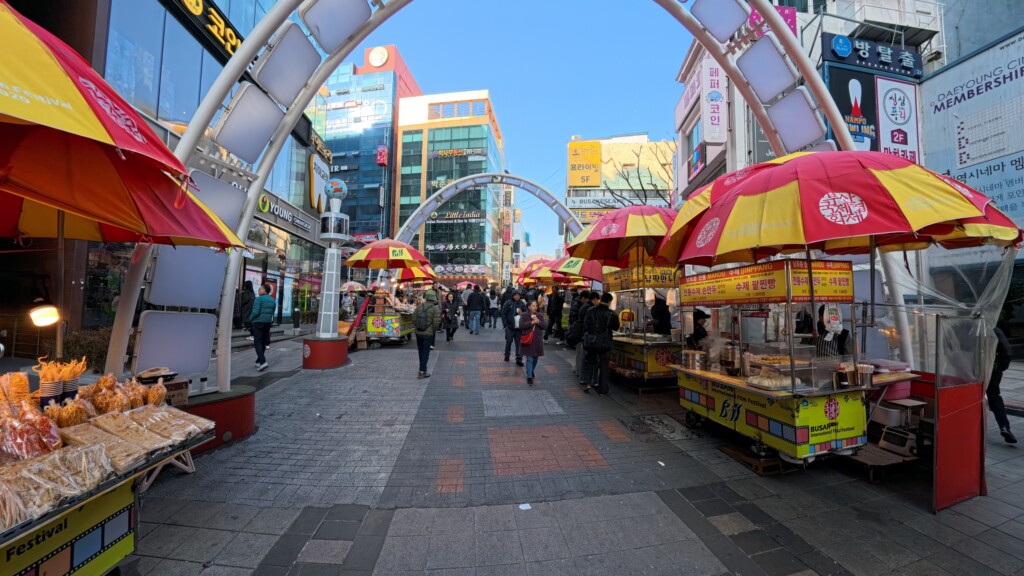
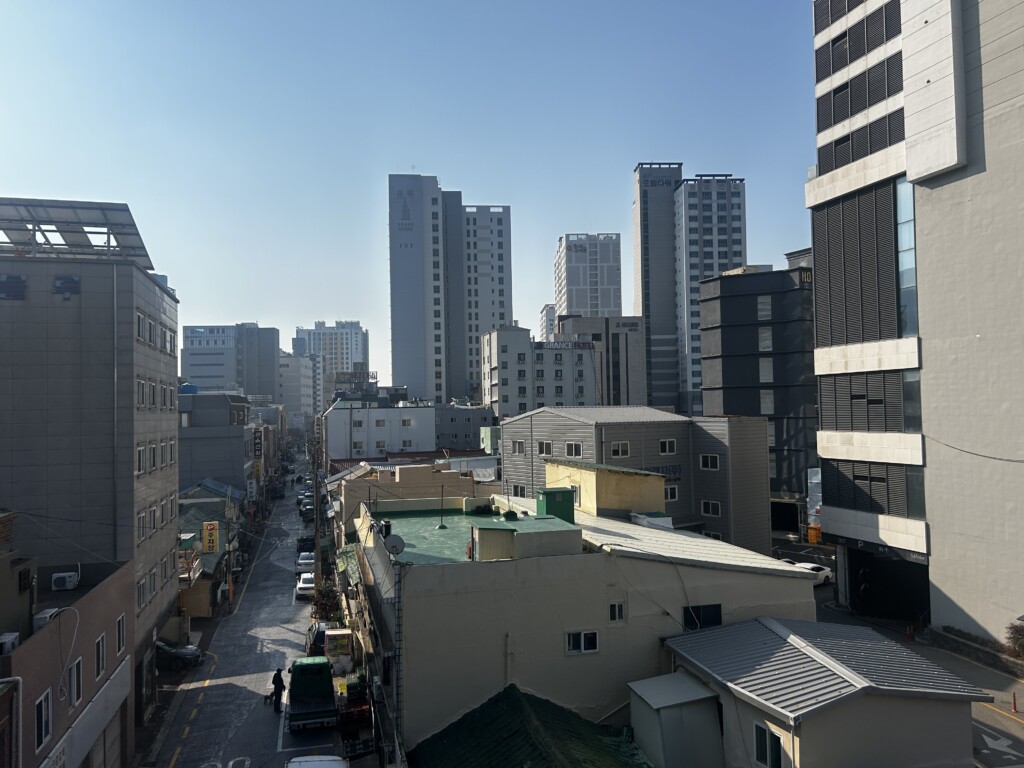
From the department store, we walked via Yurari Square down to the famous Jagalchi Market. As Korea’s largest seafood market, it is undoubtedly an iconic part of the city’s identity, but walking past the endless tanks of live fish and wet market stalls wasn’t exactly a highlight for us. We quickly pivoted and made our way back toward the wider streets lined with regular retail shops.
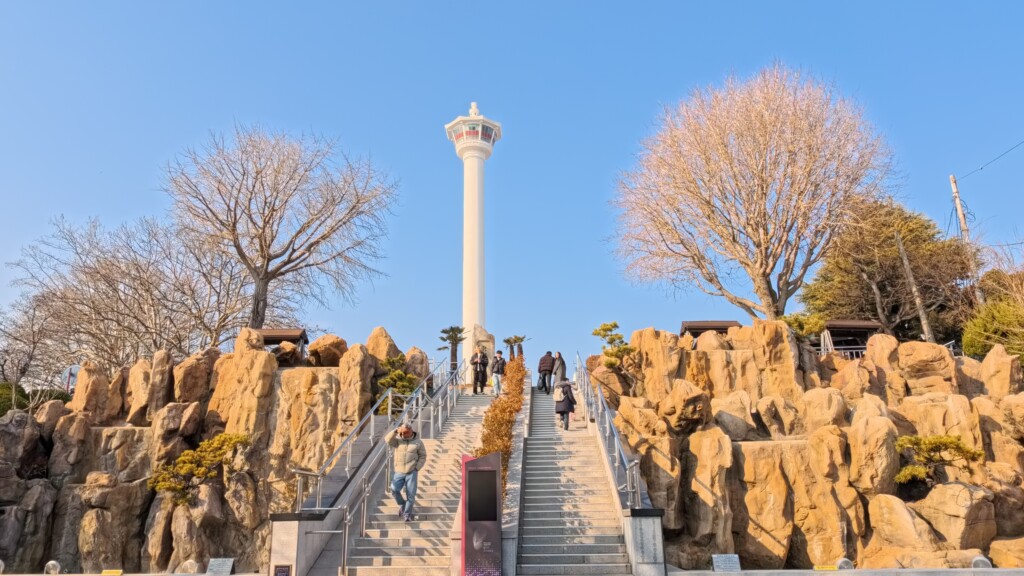
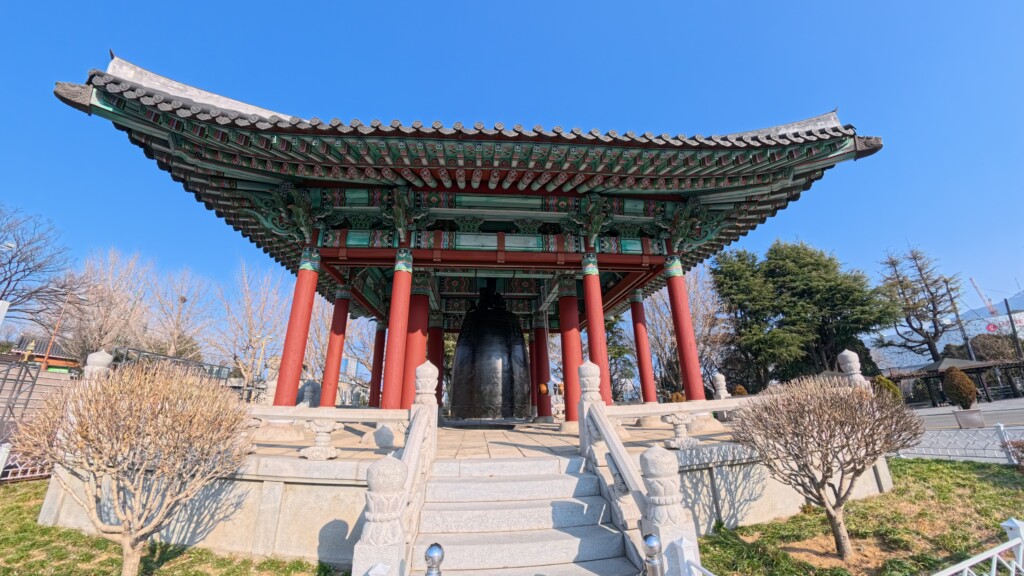
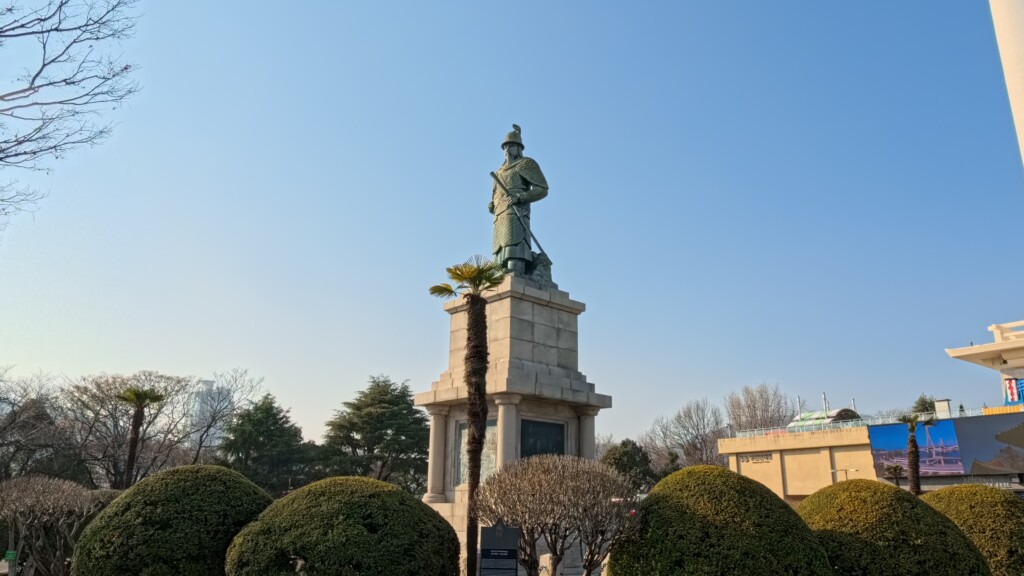
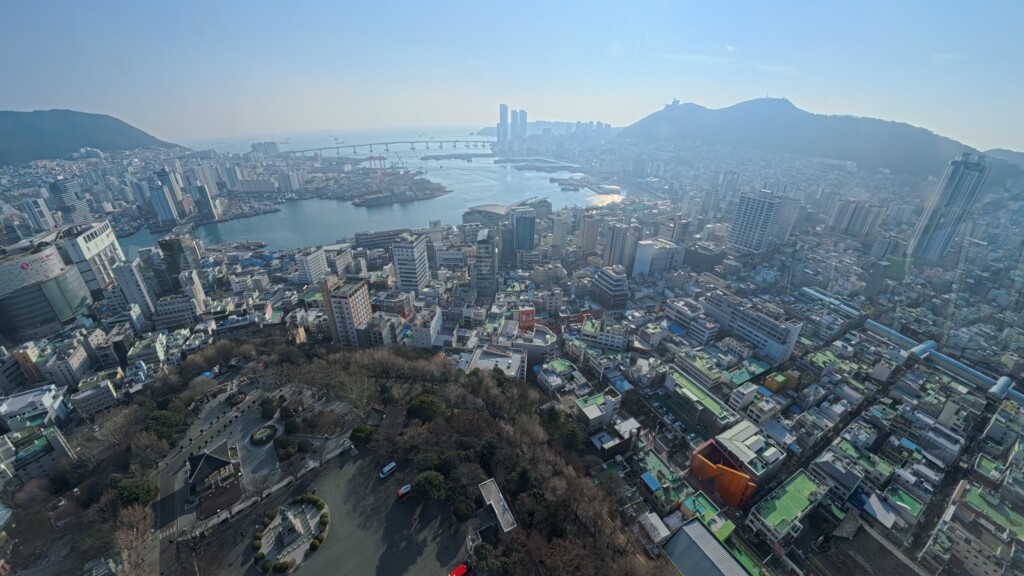
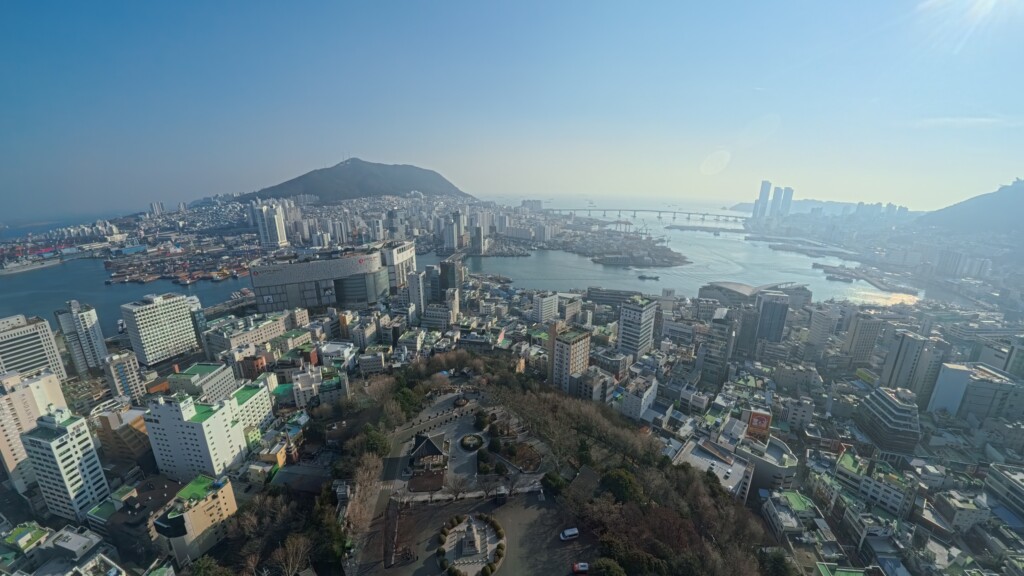
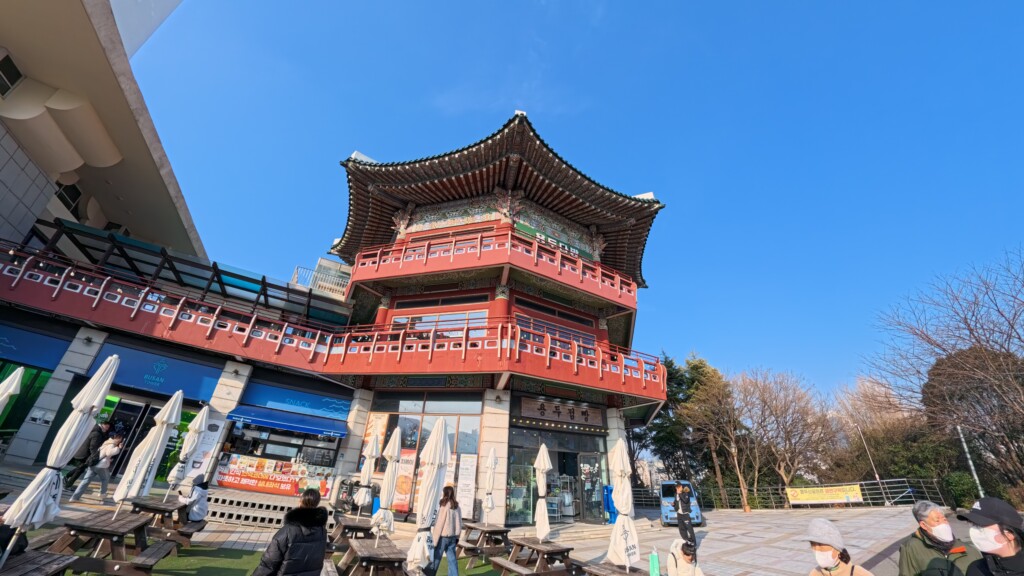
Continuing our afternoon walk, we headed up the slopes of Yongdusan Park to reach Busan Tower. Built in 1973, the 120-meter tower is a classic city landmark. By this point in the trip, however, “tower fatigue” had firmly set in. Having already visited or viewed Kyoto Tower, Tsutenkaku, Kobe Port Tower, and Fukuoka Tower in rapid succession, Susann and Little A had absolutely no interest in going up another one. I decided to take the elevator to the top by myself to see the view over Busan. Unfortunately, it turned out to be a rather disappointing experience; the awkward angle of the observation deck windows combined with the bright sunshine created intense glare, making it very difficult to get a clear view or take proper photos.
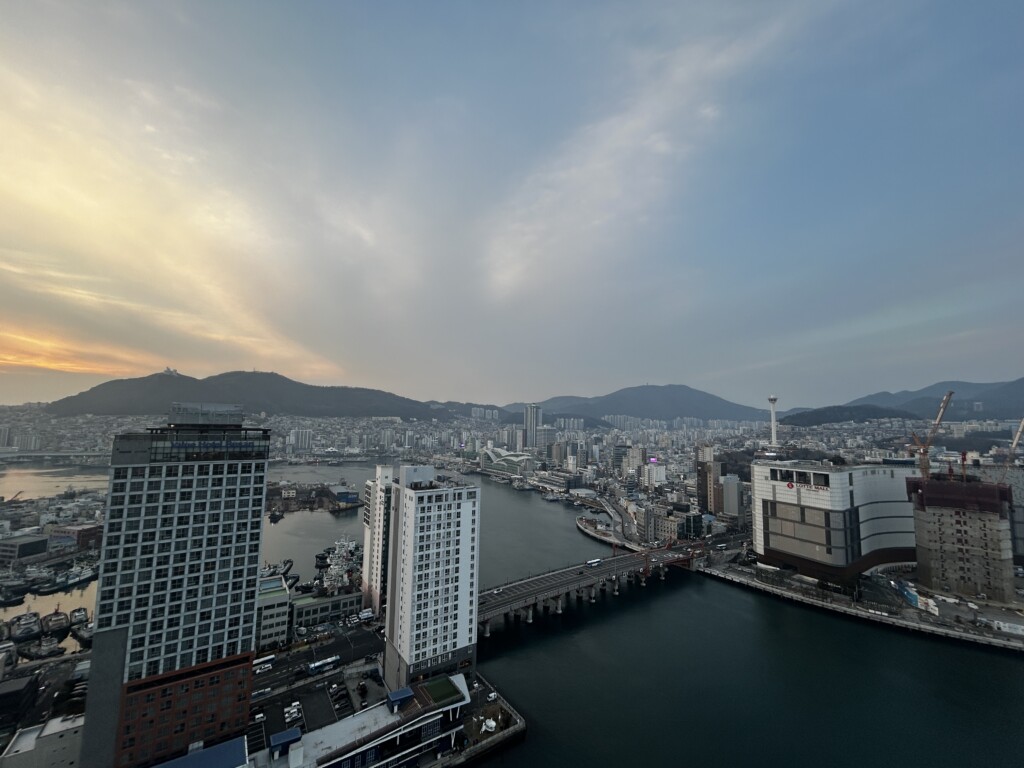
The evening concluded on a much higher note back at the Lavalse Hotel. Little A and I visited the hotel’s skybar, where we each ordered a drink and spent the evening looking out over the illuminated Busan harbor—a perfect, quiet ending to a busy day of international transit.