Regional Rail Pass in Kansai | East Asia Winter Exploration 2025/26 [3/8]
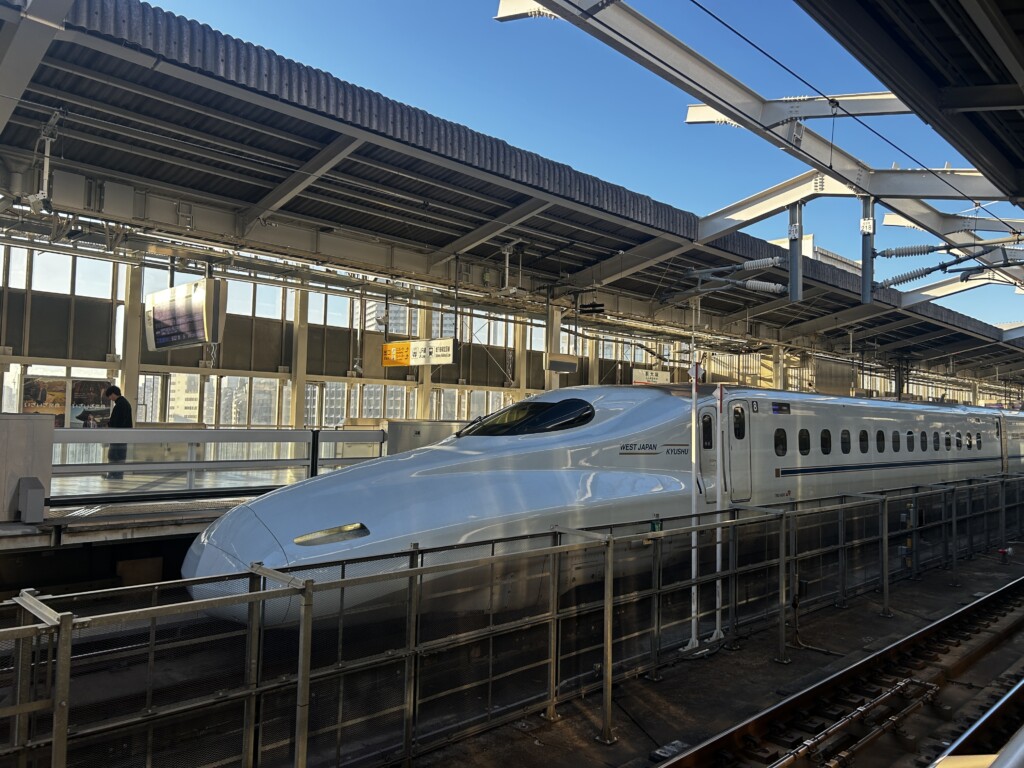
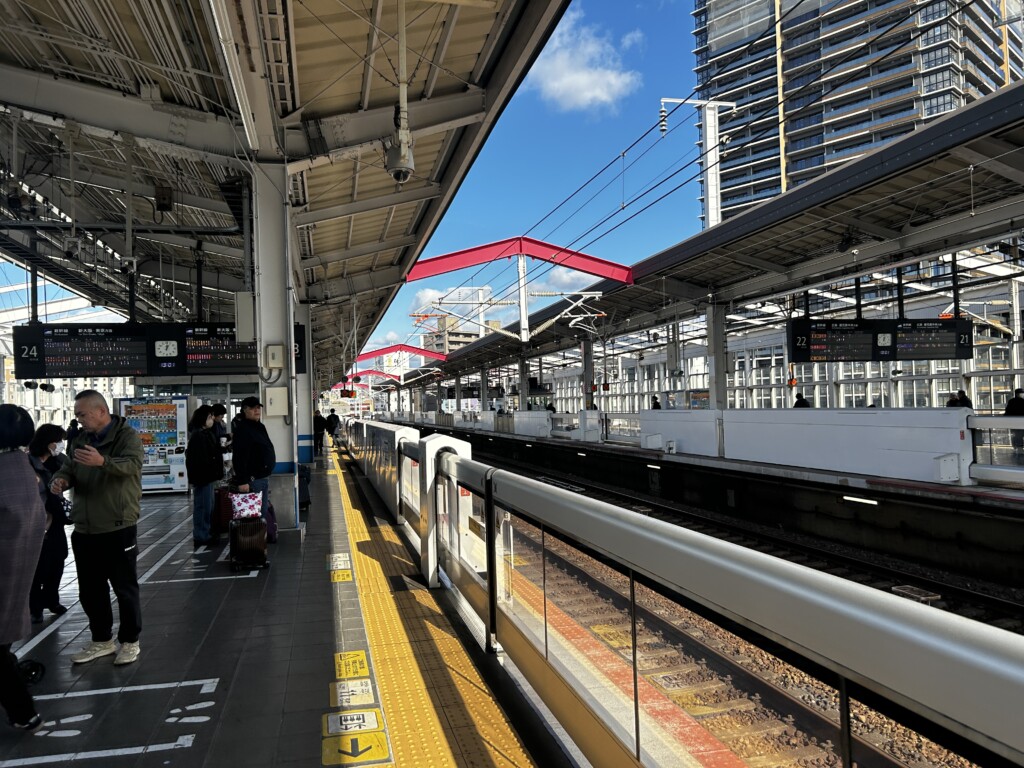
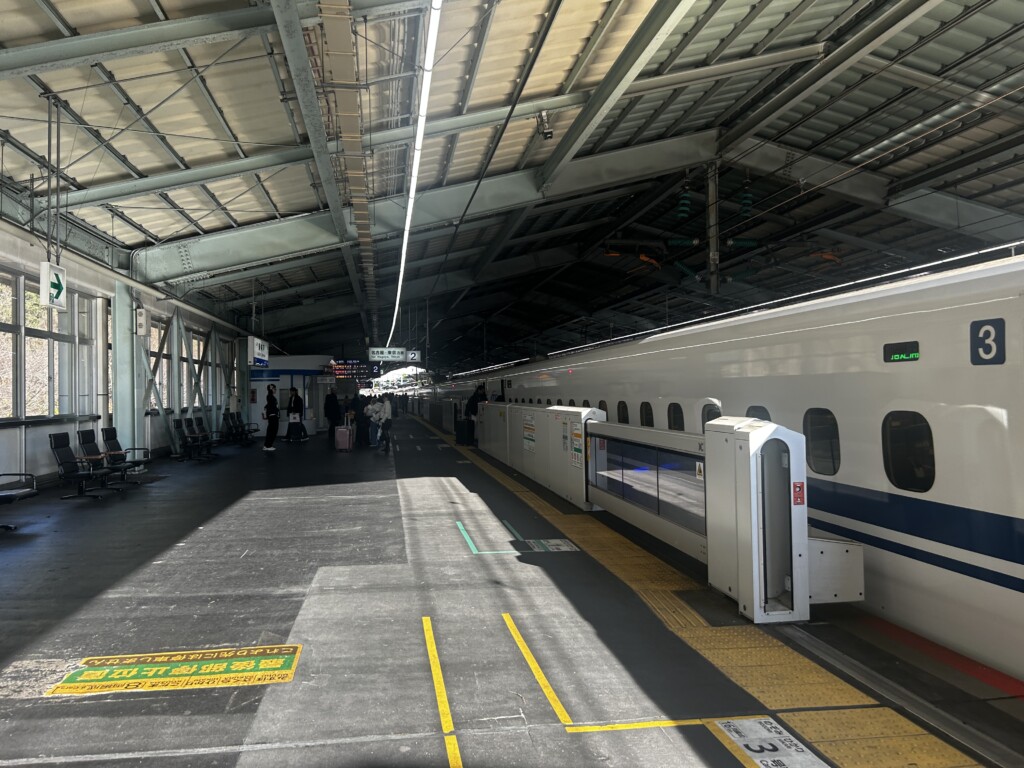
After spending our first few days settling into the rhythm of Osaka and Kyoto, December 27 marked a shift in our travel strategy. It was finally time to pick up and activate our week-long regional train passes. During the early planning stages, we had carefully evaluated the famous nationwide Japan Rail Pass. However, after mapping out our itinerary, we quickly concluded it would not provide enough value, given how dense the concentration of historical sights and cities is in the immediate Kansai and surrounding areas. Instead, we opted for the significantly more affordable JR-WEST All Area Pass.
This specific ticket would serve as the logistical foundation for our upcoming days of adventure, granting us unlimited access to a vast network of both local commuter lines and the high-speed Shinkansen across western Japan. Using our apartment in Osaka as a stationary base, this pass allowed us to embark on daily excursions across the region without the constant hassle of moving our luggage. Over the next week, our plan was to cast a wide net: we would travel west to the gardens of Okayama, hike the mountains above the port city of Kobe, and venture out to the ancient temples of Nara, before eventually looping back to Kyoto and Wakayama. It was an ambitious travel schedule for a family of three, but having the freedom to seamlessly hop on and off trains as we pleased made the logistics entirely manageable.
A Spontaneous Stop in Okayama
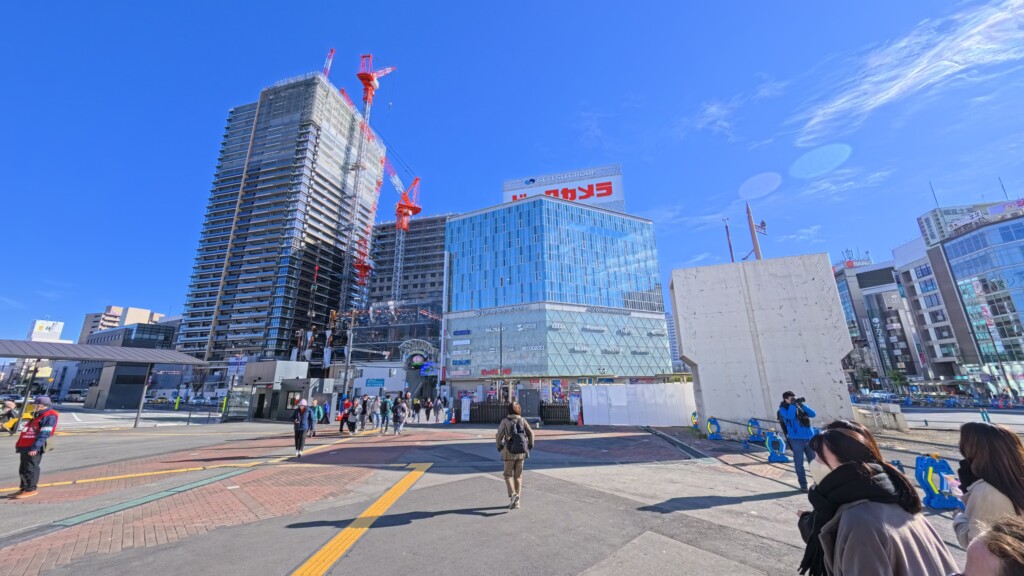
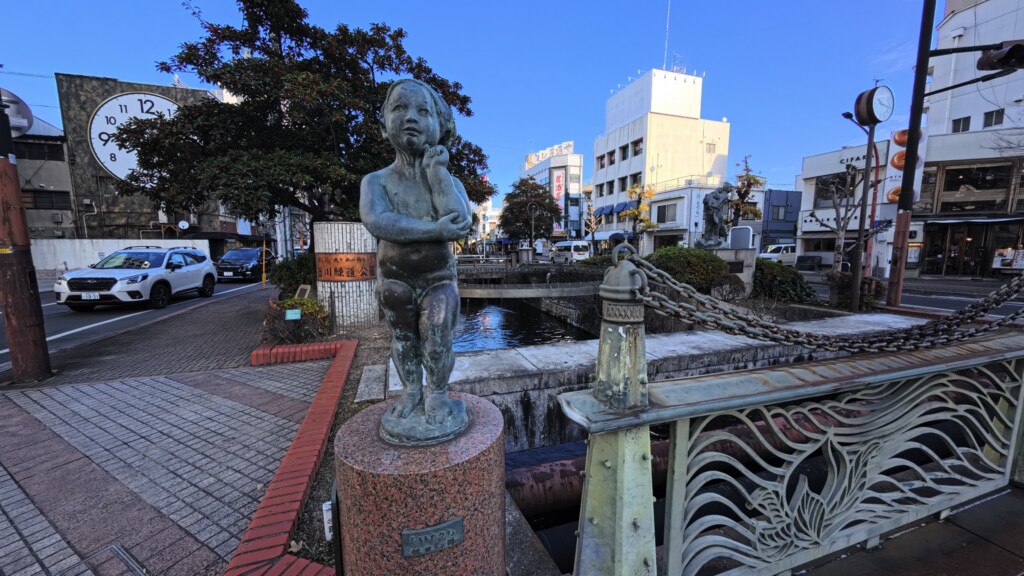
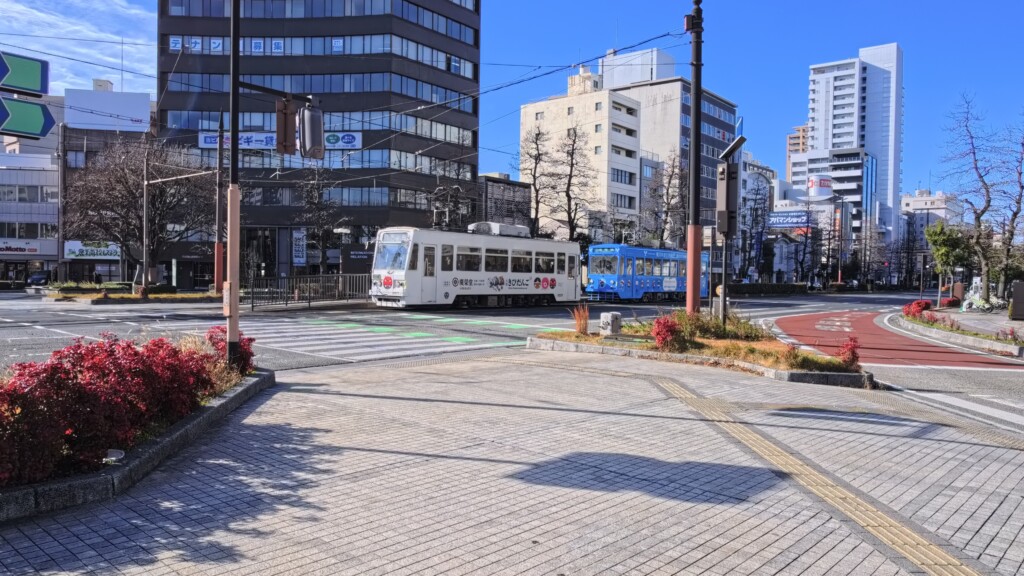
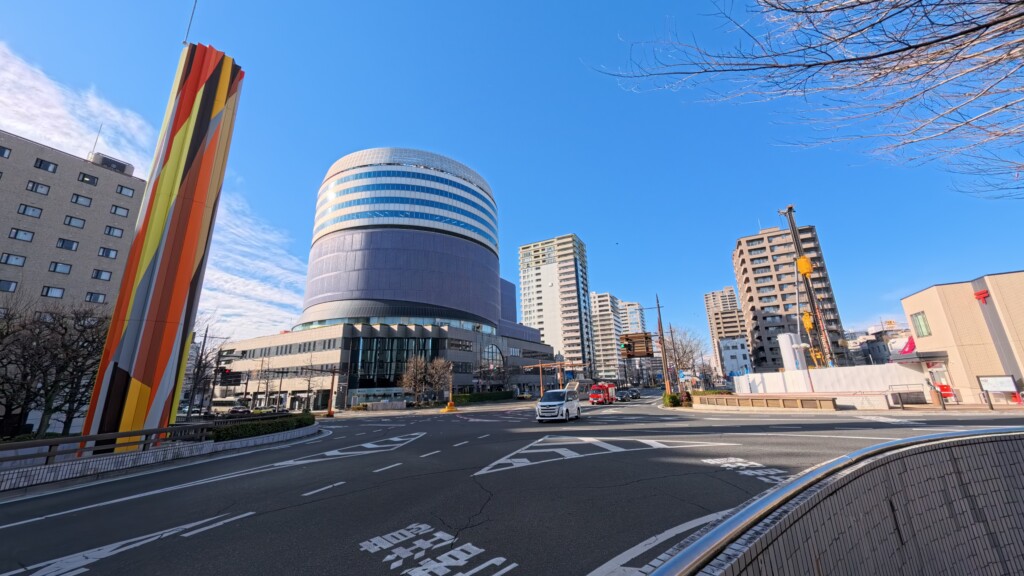
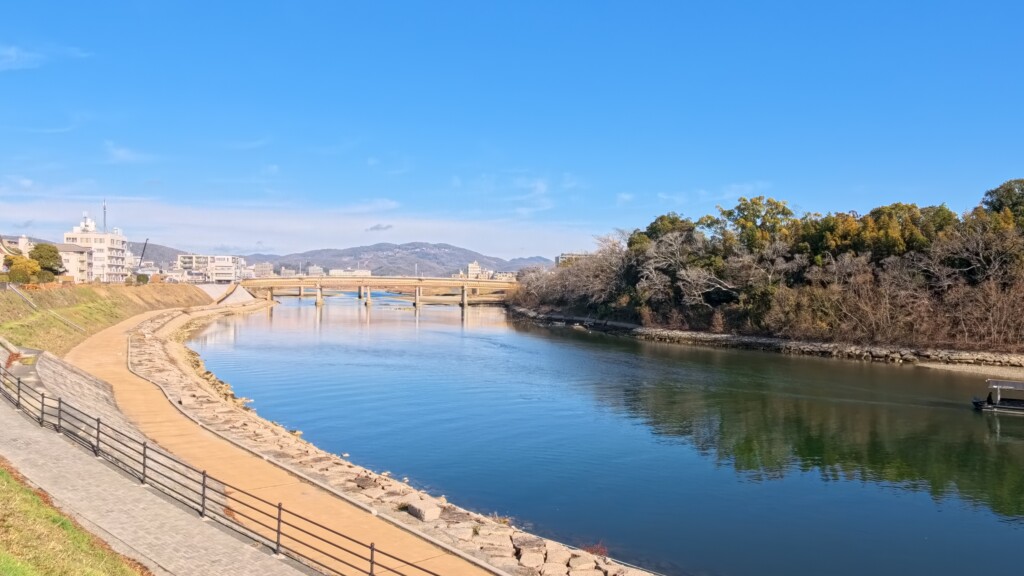
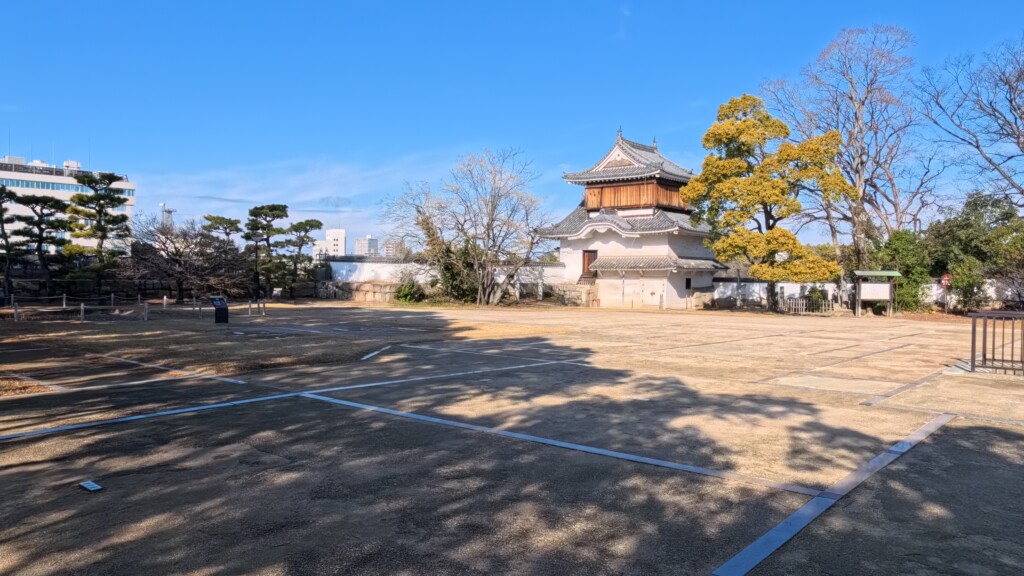
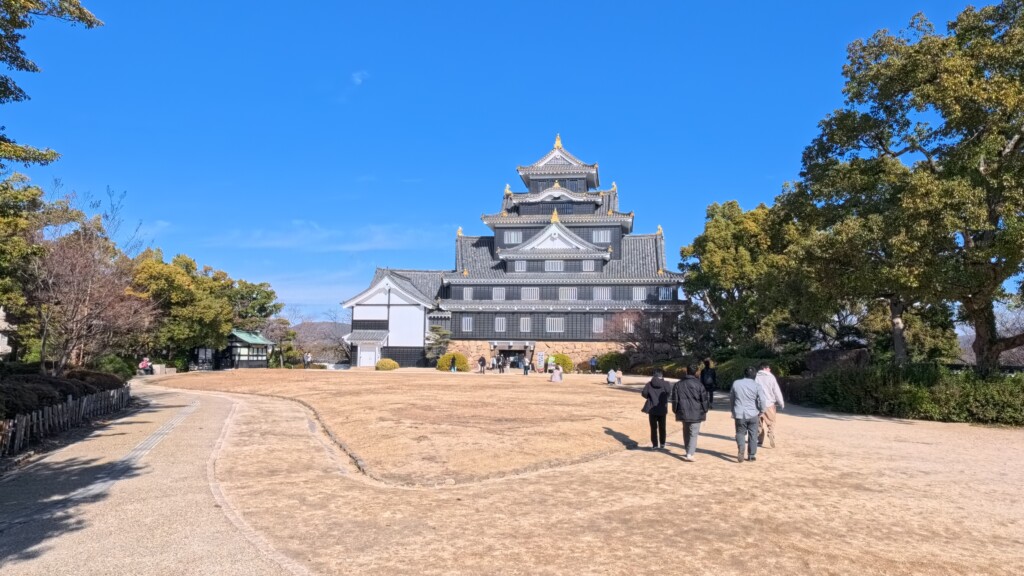
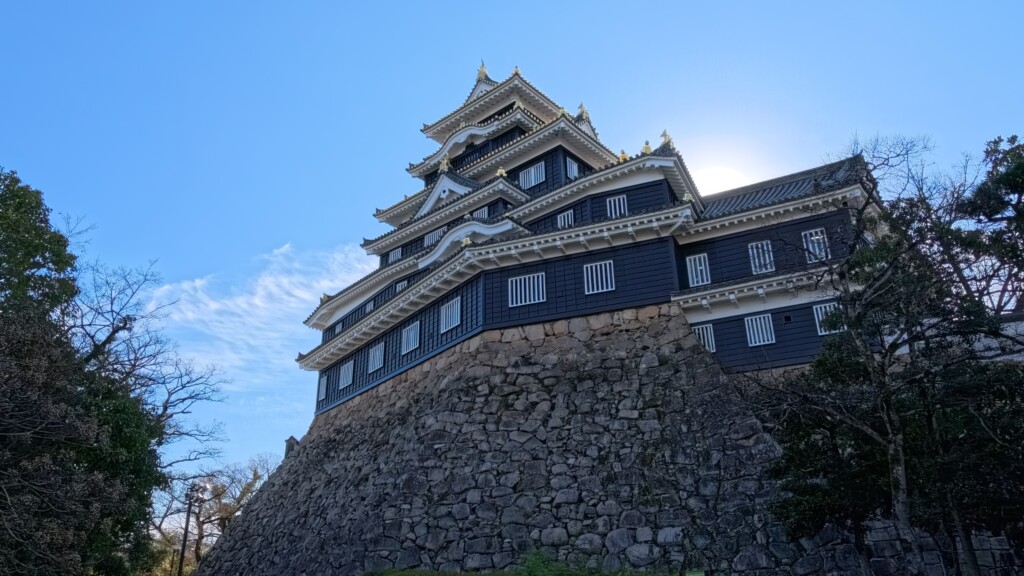
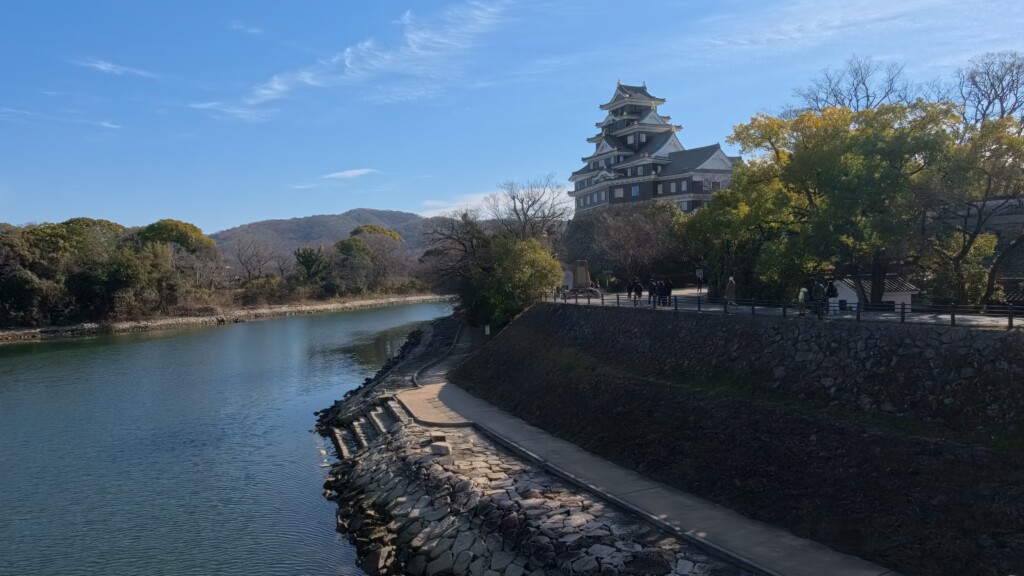
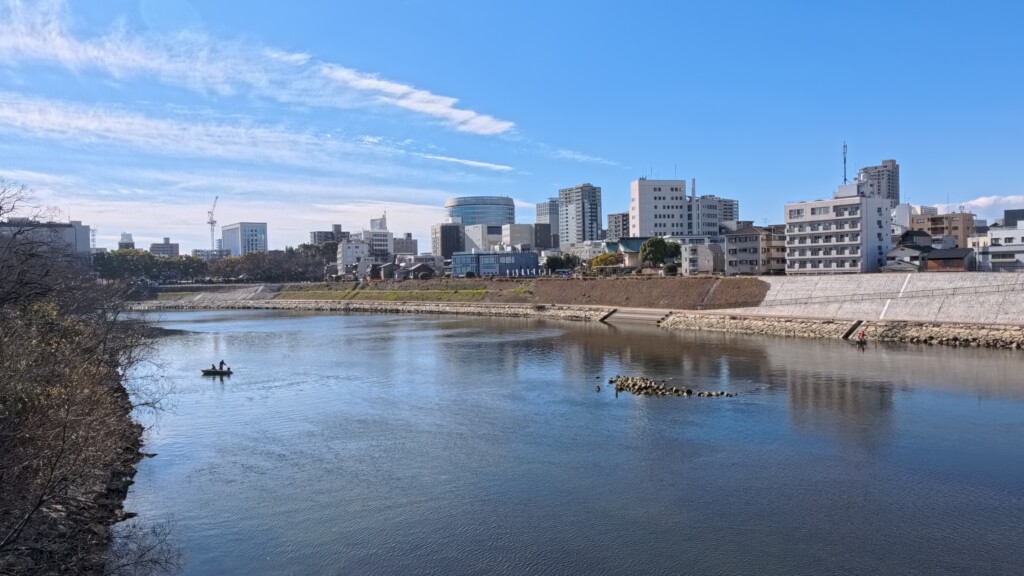
Our very first destination utilizing the new rail passes was Okayama. This was purely a spontaneous gamble on our part; we had seen pictures during our planning phase and thought the city looked cozy. Arriving at the station, we began with a long walk through the city streets toward Okayama Castle, beautifully situated along the banks of the Asahi River. Completed in 1597, it is famously known as the “Crow Castle” due to its striking black-lacquered wooden exterior. While the main keep is a 1966 concrete reconstruction following its destruction in World War II, the fortress complex creates a dramatic and picturesque historical silhouette against the water.
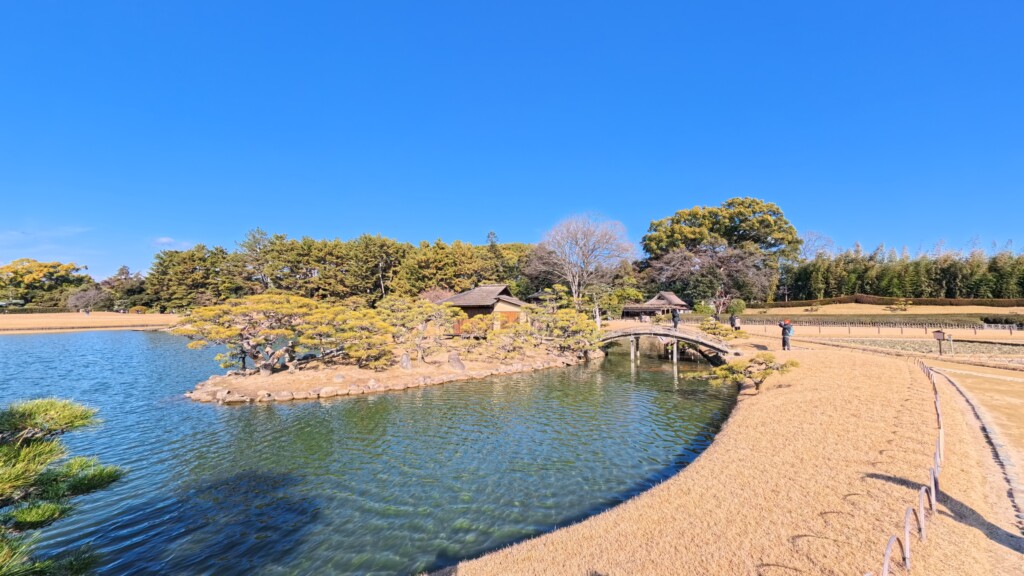
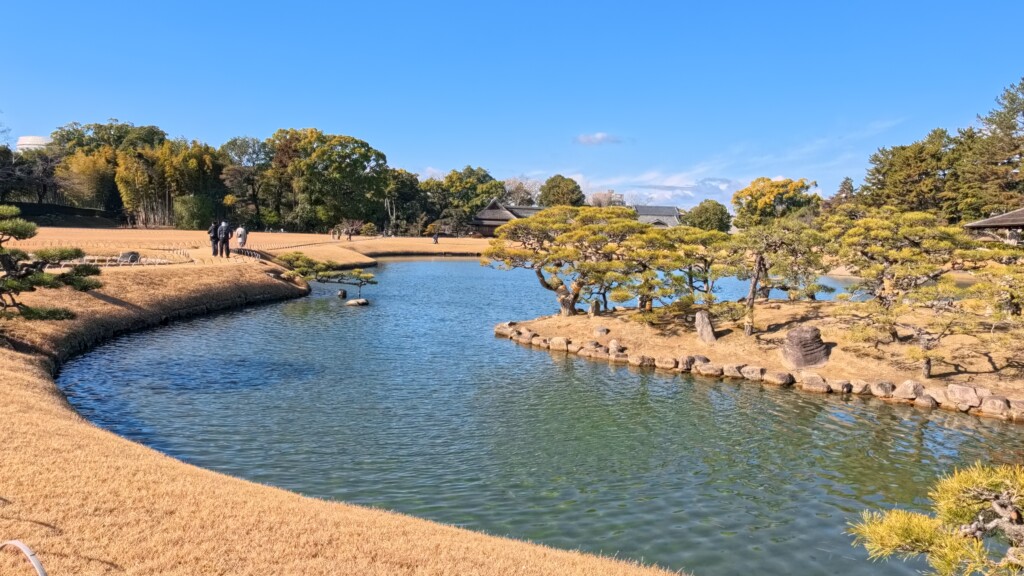
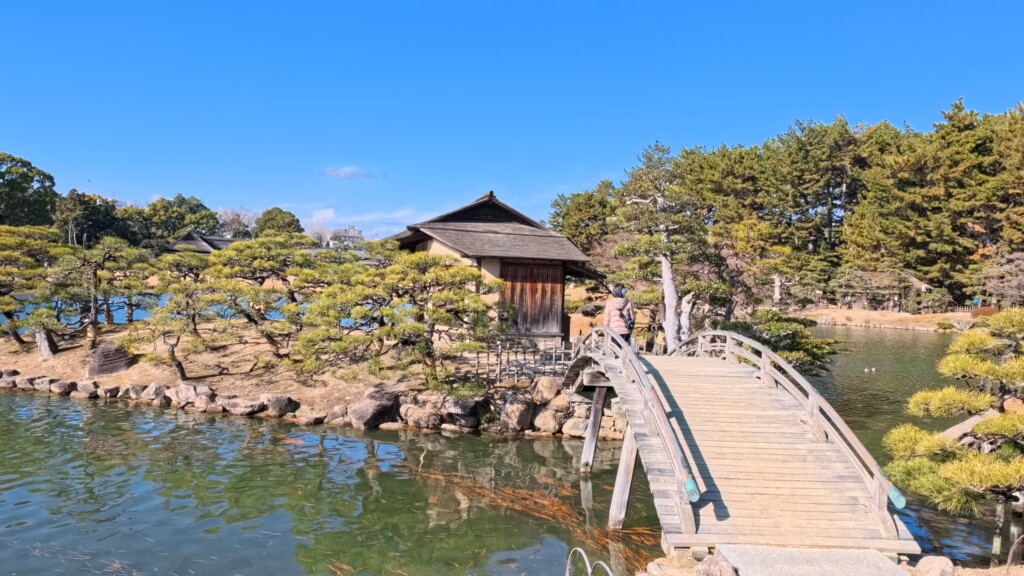
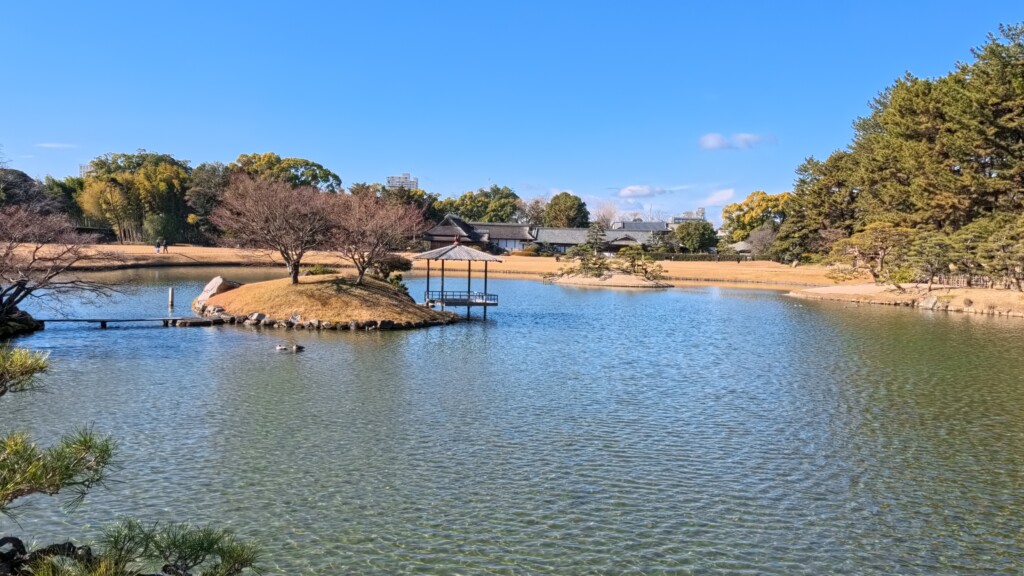
However, the castle itself did not end up being the highlight of our visit. By crossing the nearby Yuejian Bridge over the river, we entered Okayama Korakuen. Commissioned in 1687 by the local feudal lord and completed in 1700, it is traditionally ranked as one of Japan’s Three Great Gardens. It fully lived up to that prestigious reputation. The expansive landscape garden features meticulously maintained walking paths that wind alongside open meadows, calm lakes, and carefully placed stones. It offered a deeply tranquil atmosphere, providing a sharp contrast to the dense urban environments we had navigated in Seoul and Osaka. After thoroughly exploring the grounds, we walked back through the city’s smaller streets toward the station and stopped for a simple, comforting lunch at a local udon restaurant.



Hiking and Harbor Views in Kobe
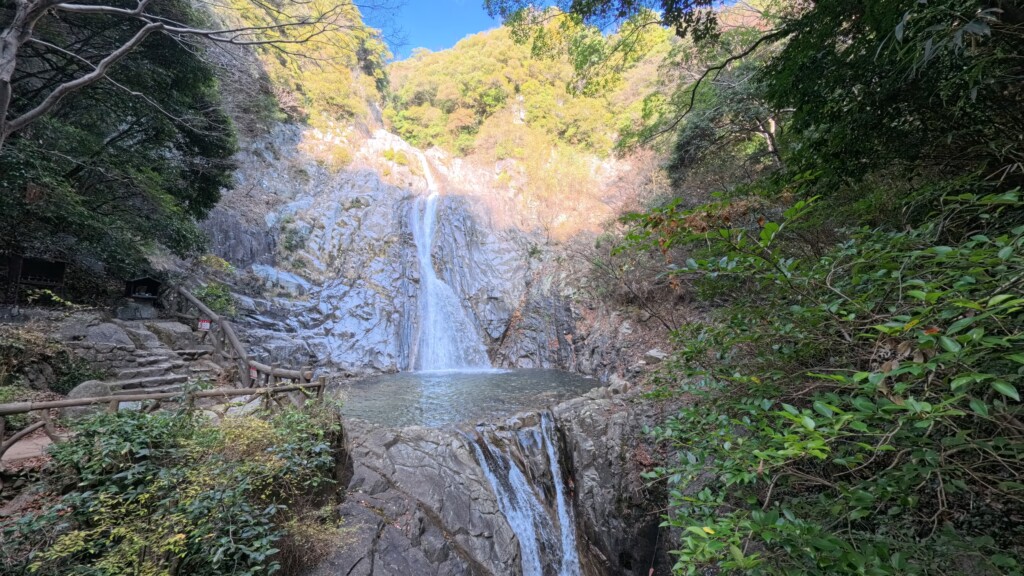
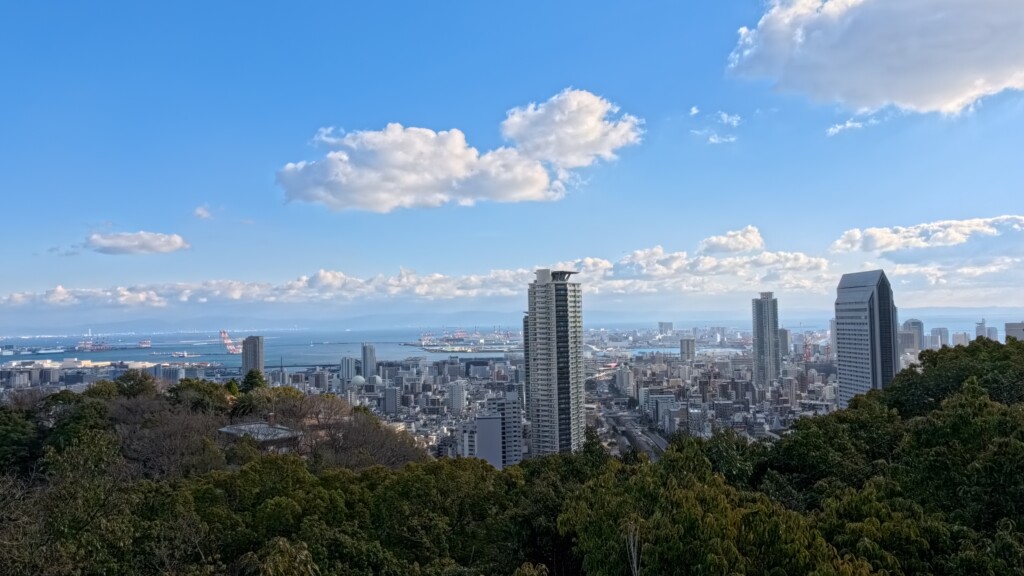
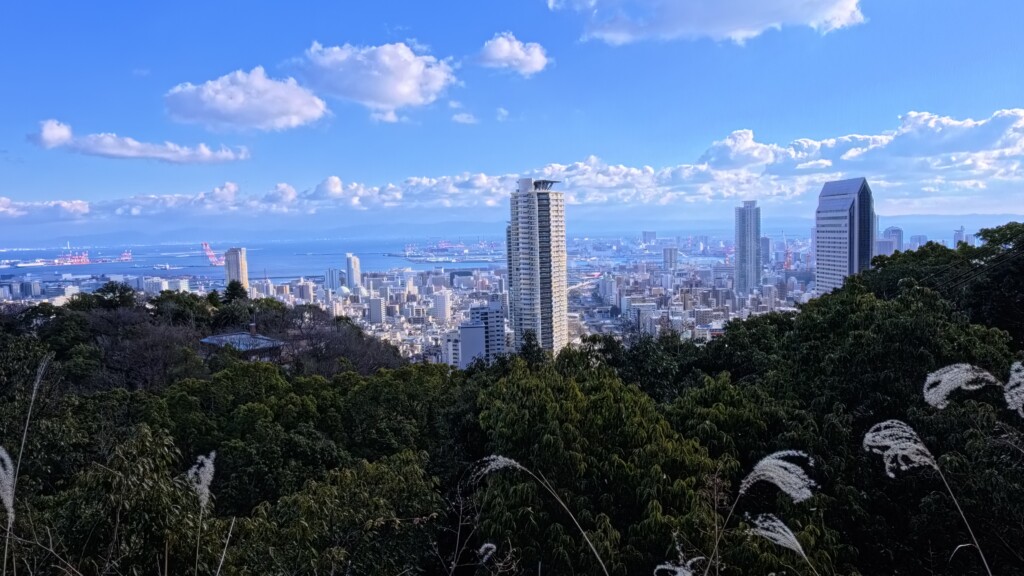
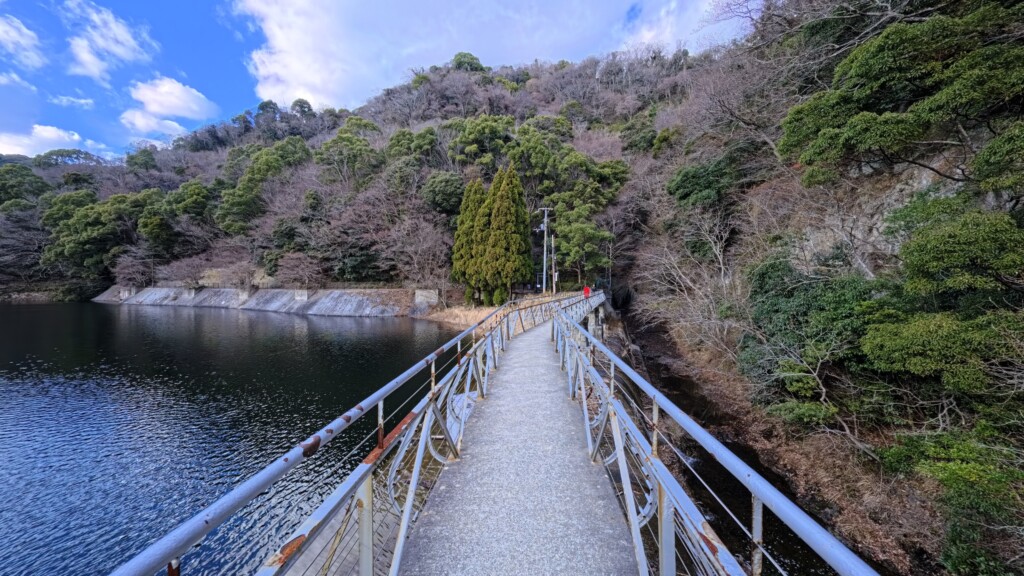
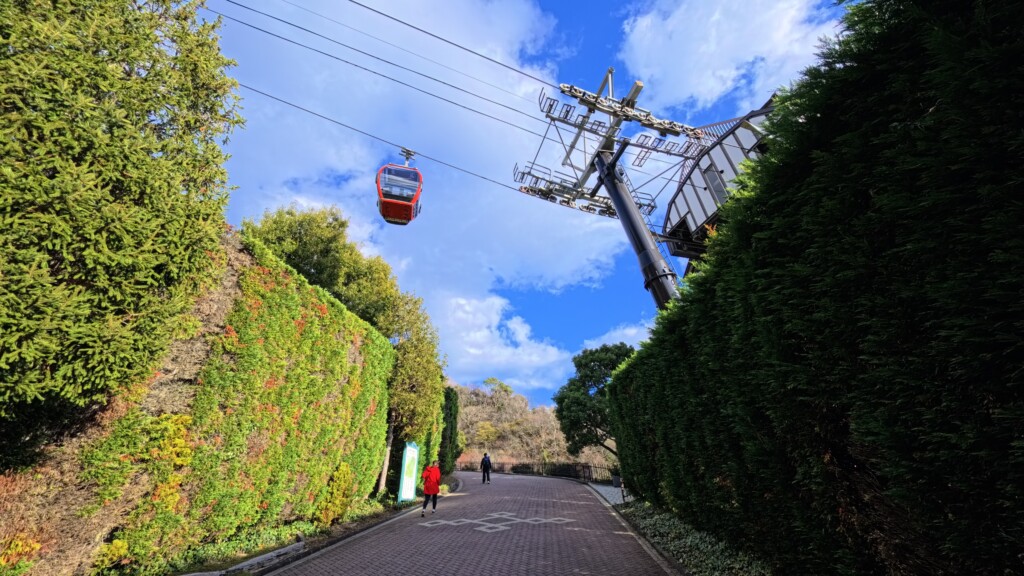
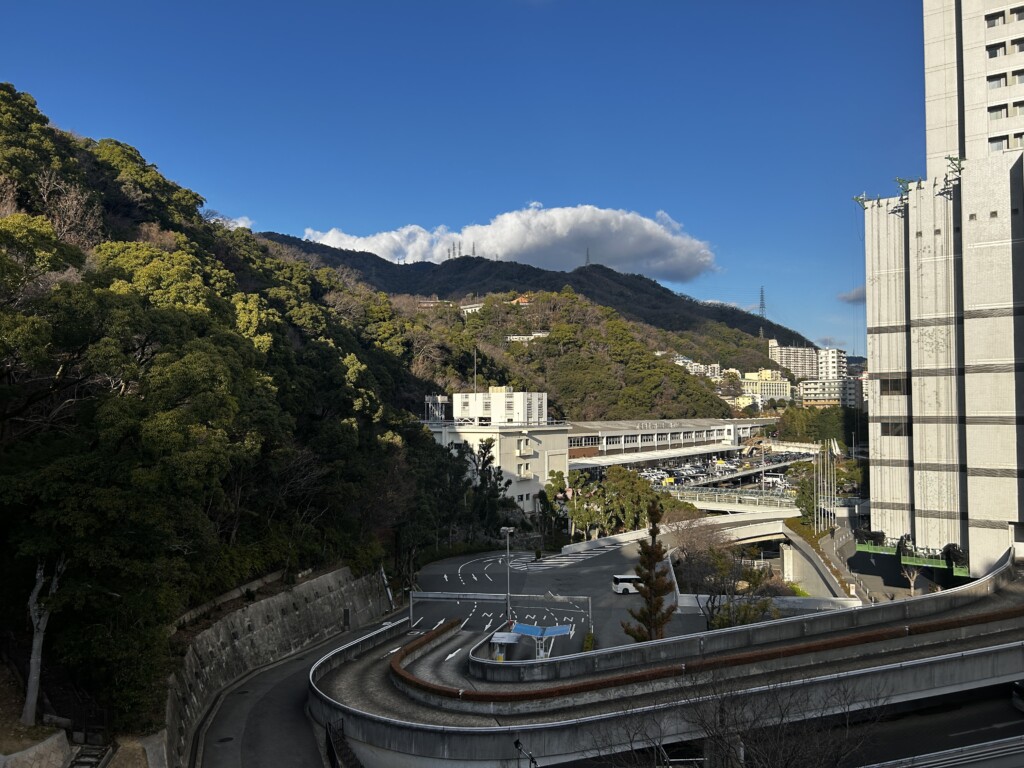
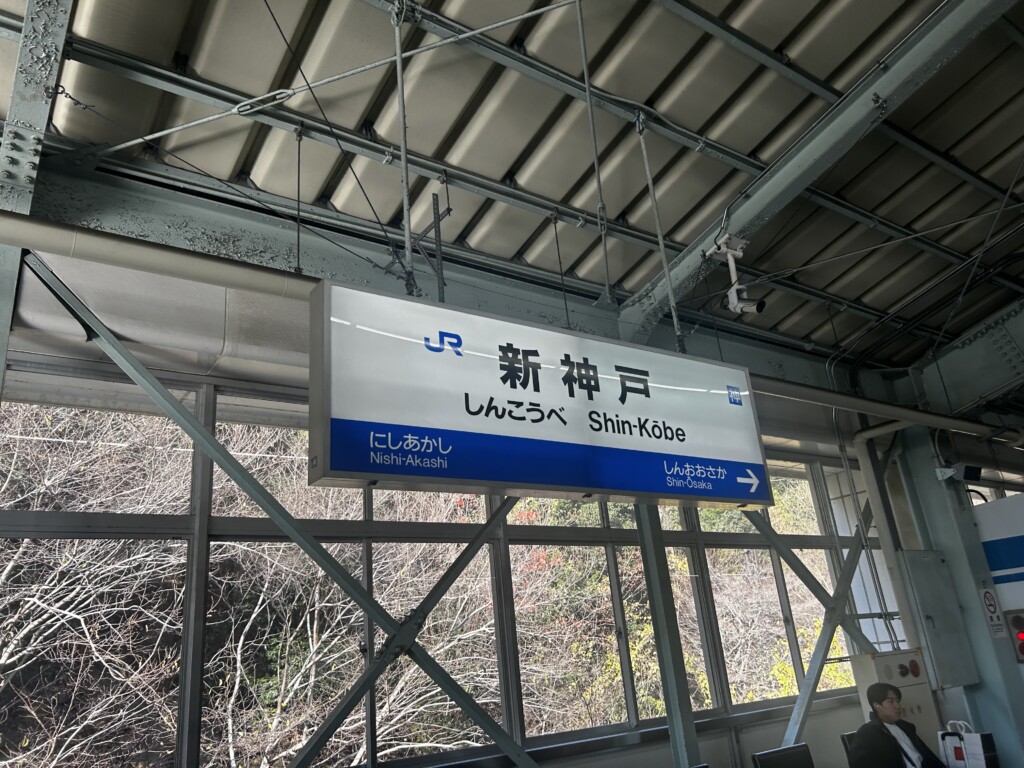
Following lunch, we boarded a train heading back toward Osaka, but we decided to jump off early to spend the afternoon in Kobe. At Shin-Kobe Station, there is a ropeway gondola that transports visitors up the steep mountain wall, but we opted to hike up the trails on foot instead. This turned out to be a highly successful choice. The trail rewarded us with beautiful natural scenery, including the rushing waterfalls of the Nunobiki area and fantastic viewpoints looking out over the city below. We also reached the historic Nunobiki Dam. Completed in 1900, it is Japan’s first concrete gravity dam, representing a fascinating piece of civil engineering nestled seamlessly into the mountain landscape.
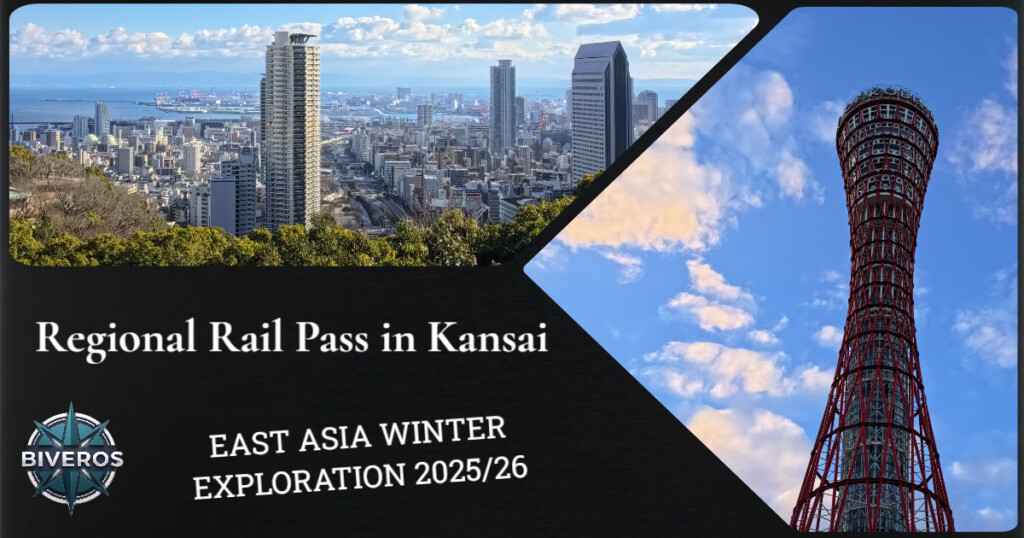
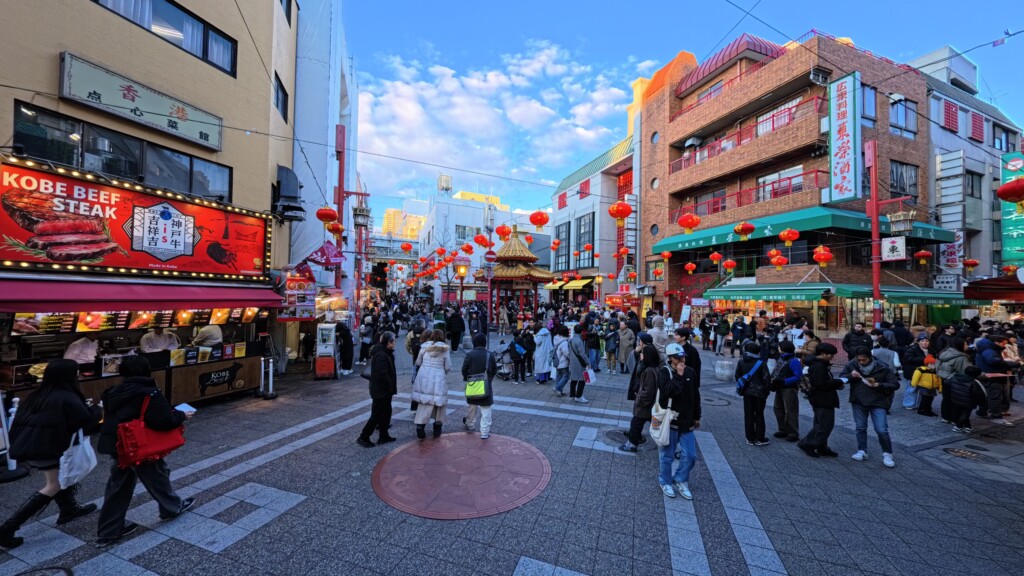
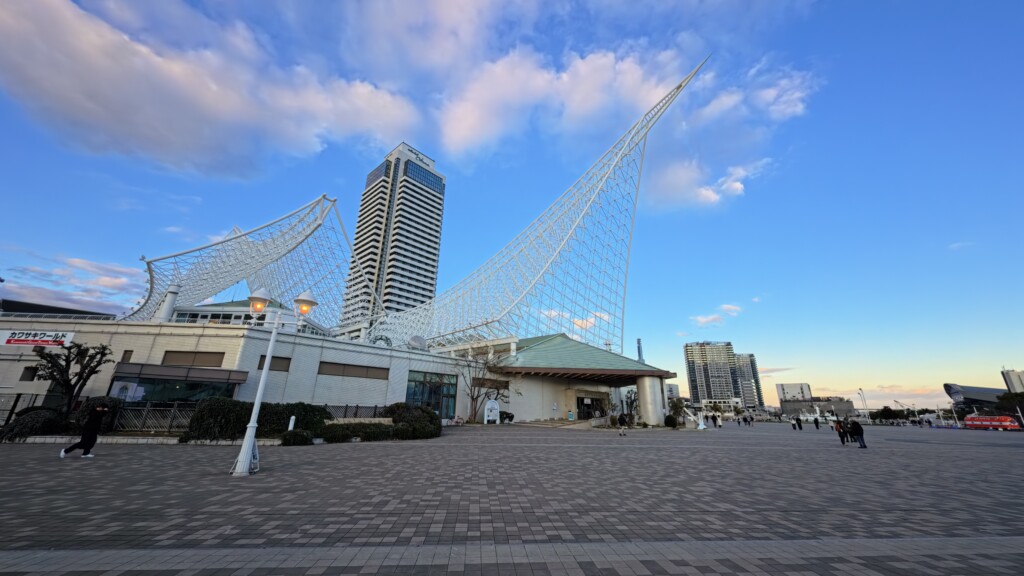
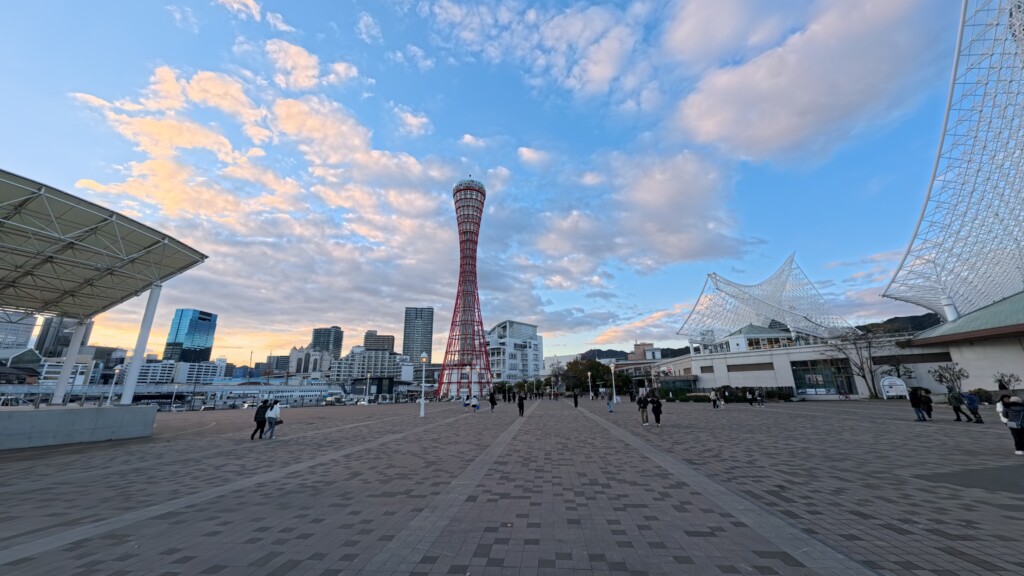
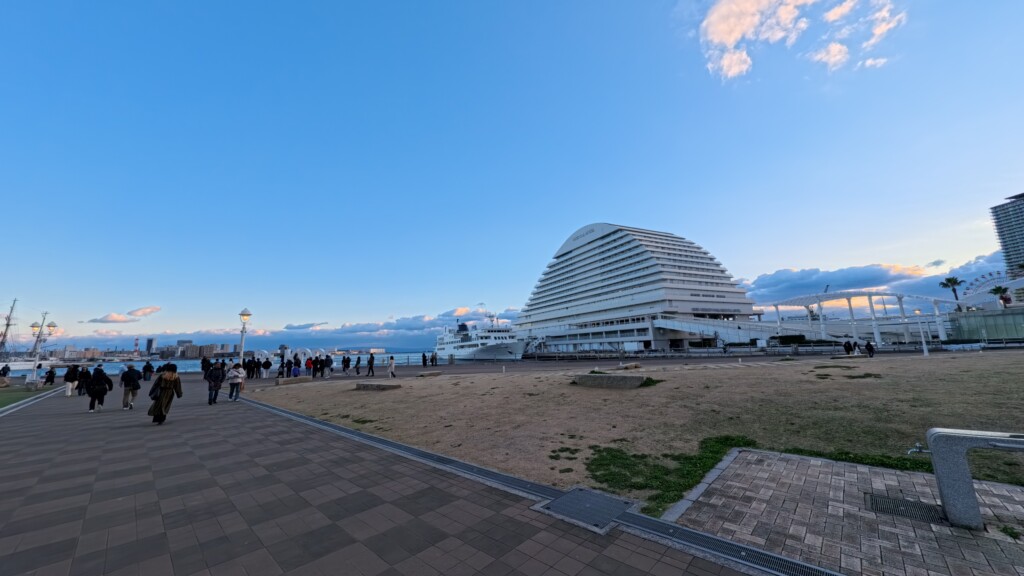
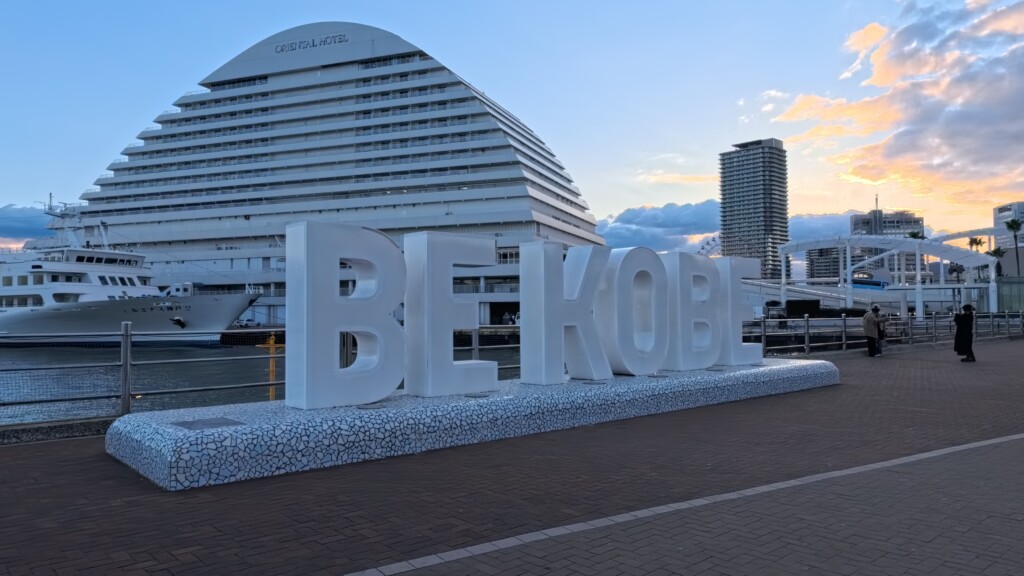
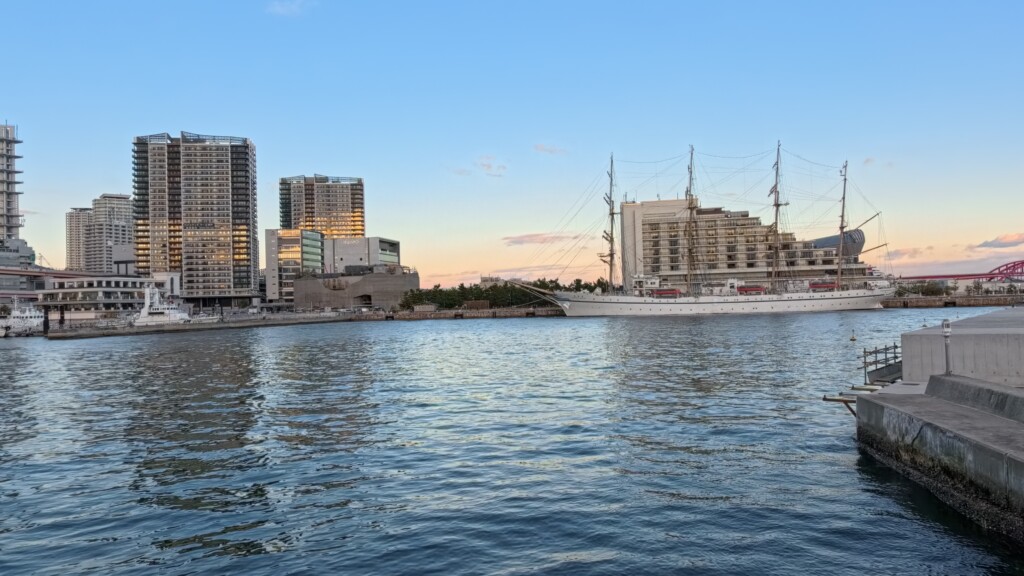
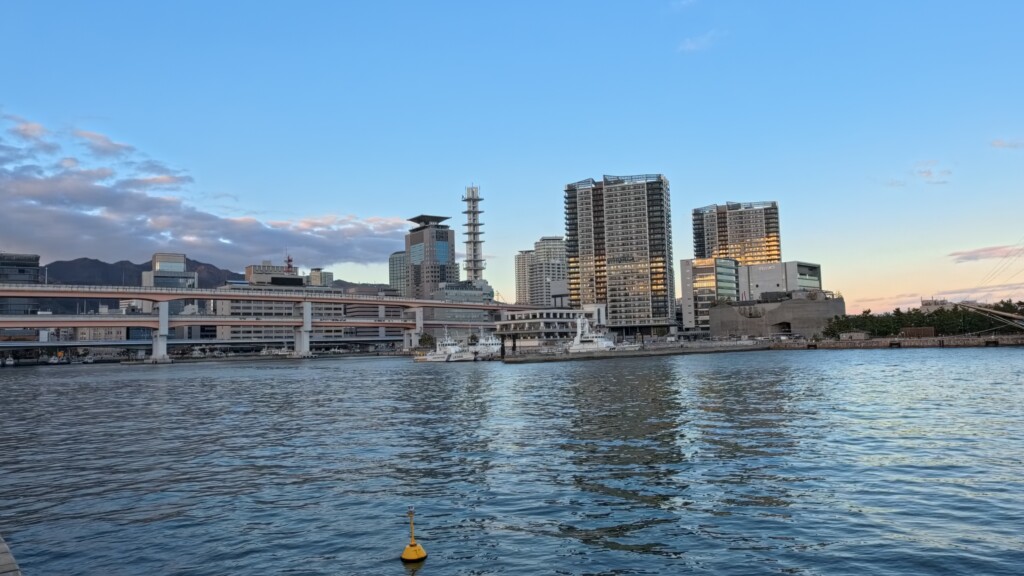
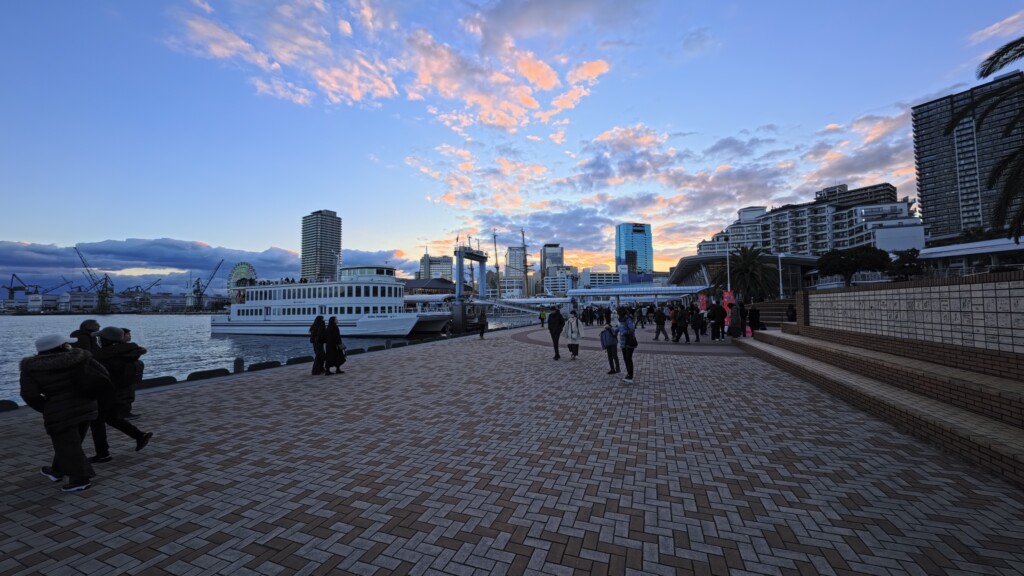
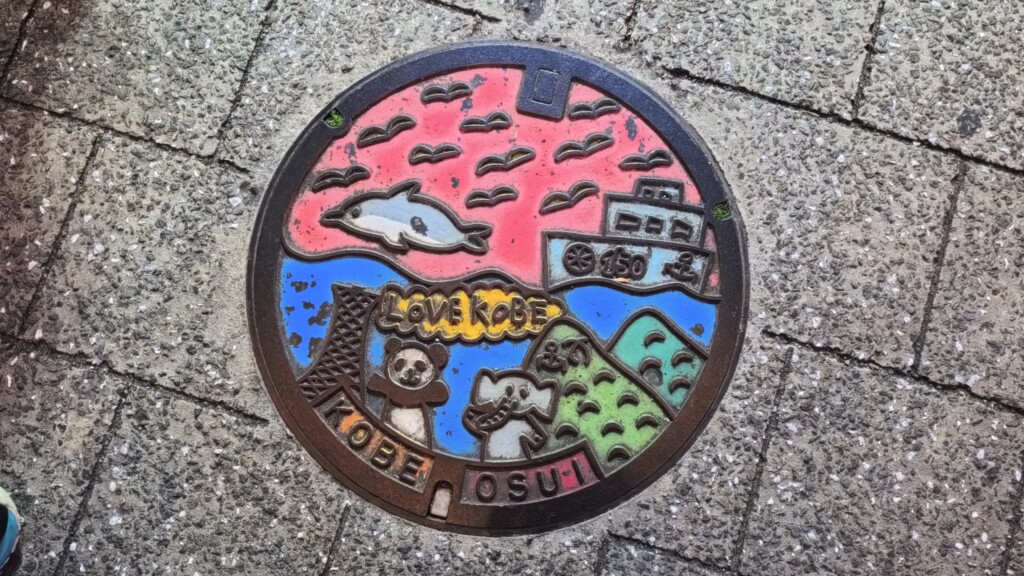
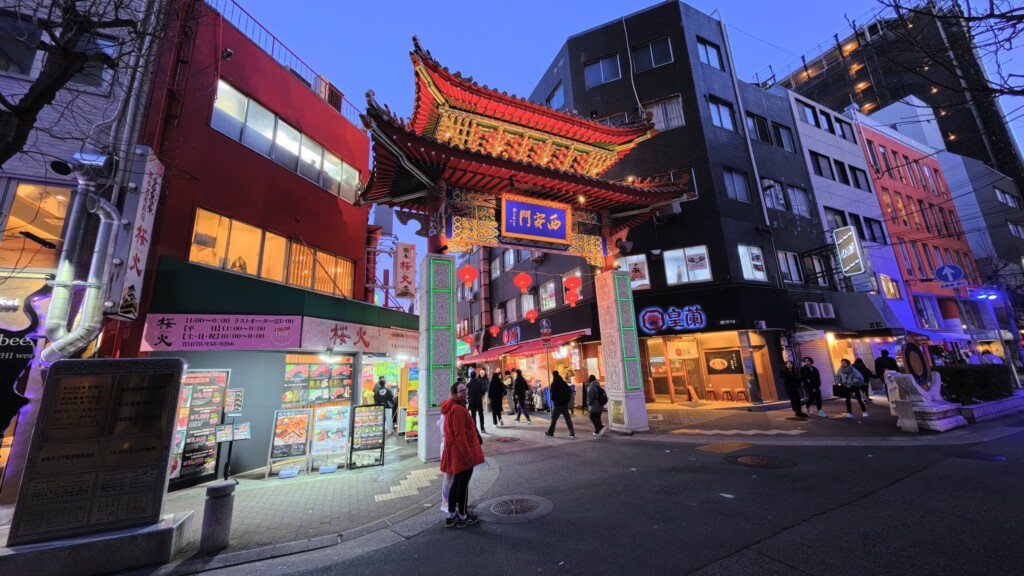
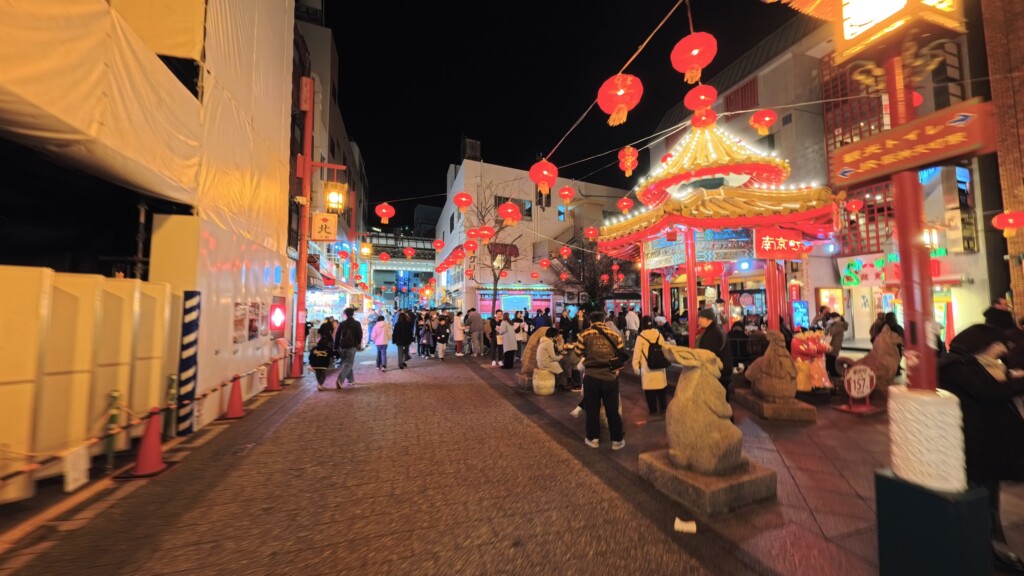
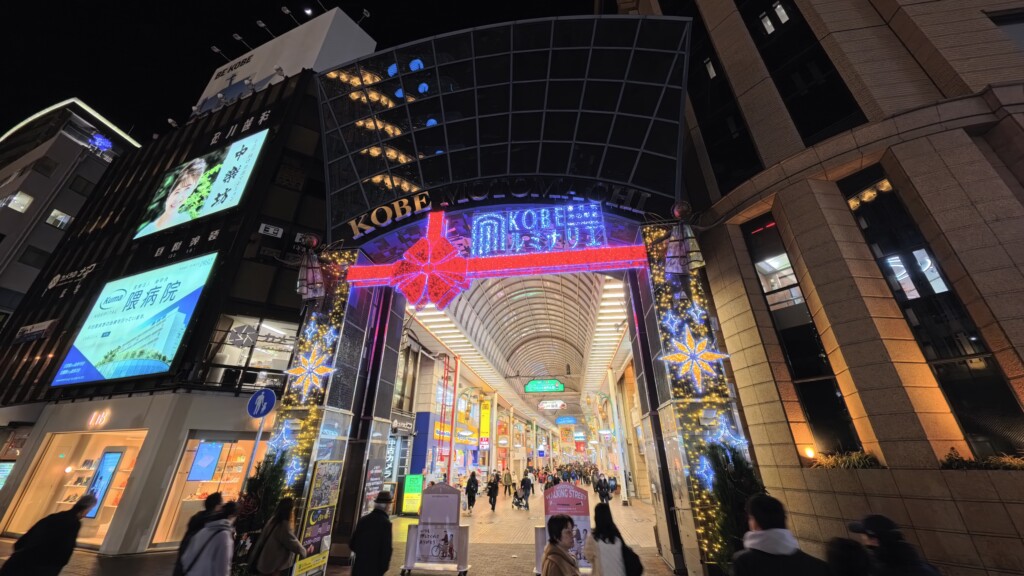
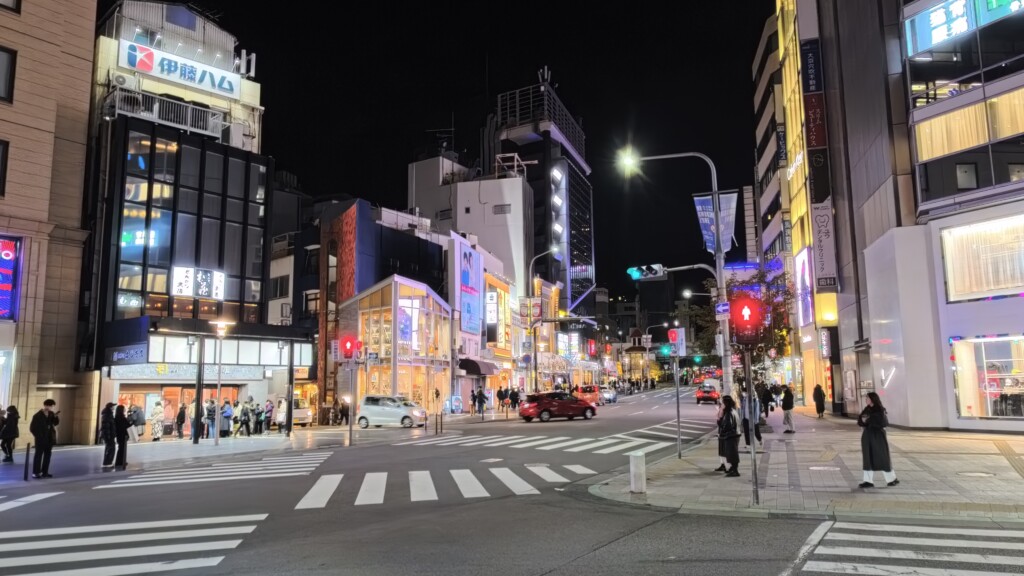
We eventually reached the first gondola station and, wanting to save our legs, decided to ride it back down into the city. We knew there was a larger botanical garden further up the mountain, but we chose to skip it to ensure we had enough time left to explore downtown Kobe. From the base, we took the subway into the central districts and walked past the Chinatown area, Nankinmachi, making our way all the way out to Kobe Harborland. We had initially considered going up the iconic red lattice steel structure of the Kobe Port Tower, but the long queues deterred us. We were quite content to admire the tower from the ground and enjoy a leisurely walk along the waterfront.
Reaching the harbor was a notable milestone for us, as it was the first time we had made it to the coast during this trip. More significantly, looking out over the water meant it was the first time we had seen the Pacific Ocean since our family trip to San Francisco back in 2019. We concluded our visit to Kobe by heading back to Nankinmachi. As one of Japan’s three designated Chinatowns, its streets were vibrant and bustling. We enjoyed a great dinner at a Chinese restaurant there before catching a regular train back to Osaka for the night.








Mixed Feelings in Nara
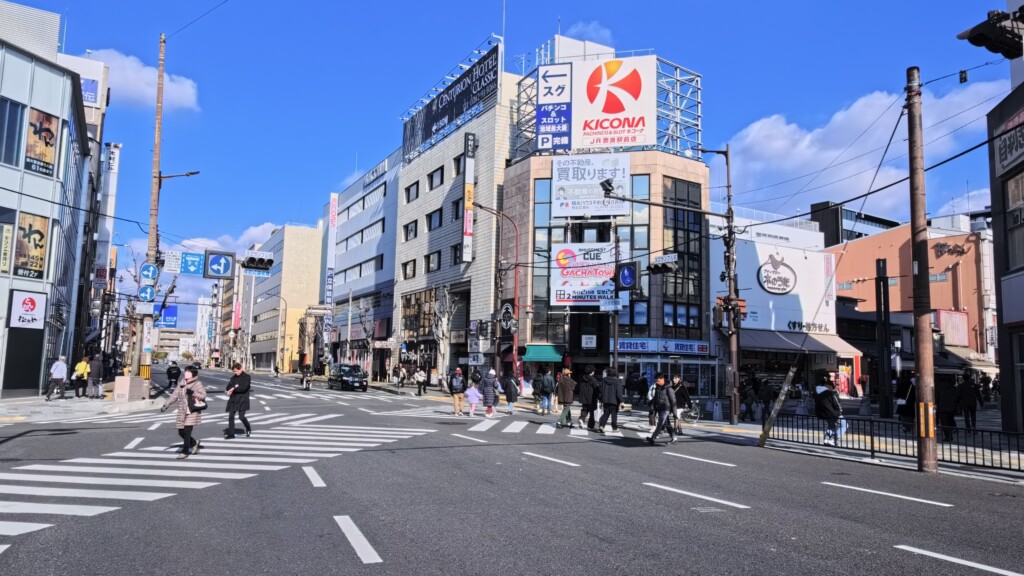
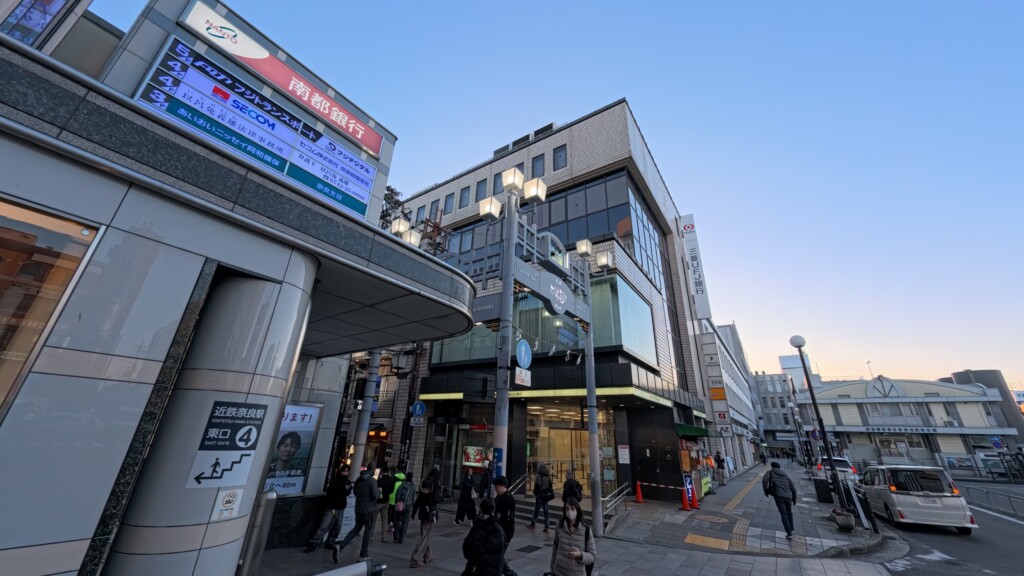
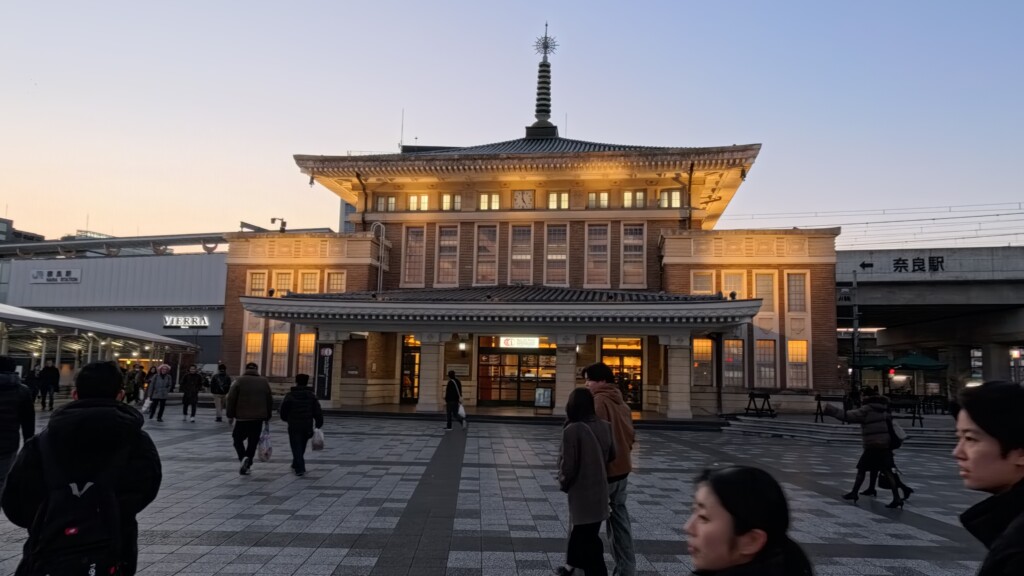
The following day, December 28, started with a bit of a sleep-in before we made our way back to Umeda and caught a train to Nara. Established in 710 AD as Japan’s first permanent capital, Nara holds immense historical significance, but to be completely honest, it was a city we never really came to fully understand or connect with.
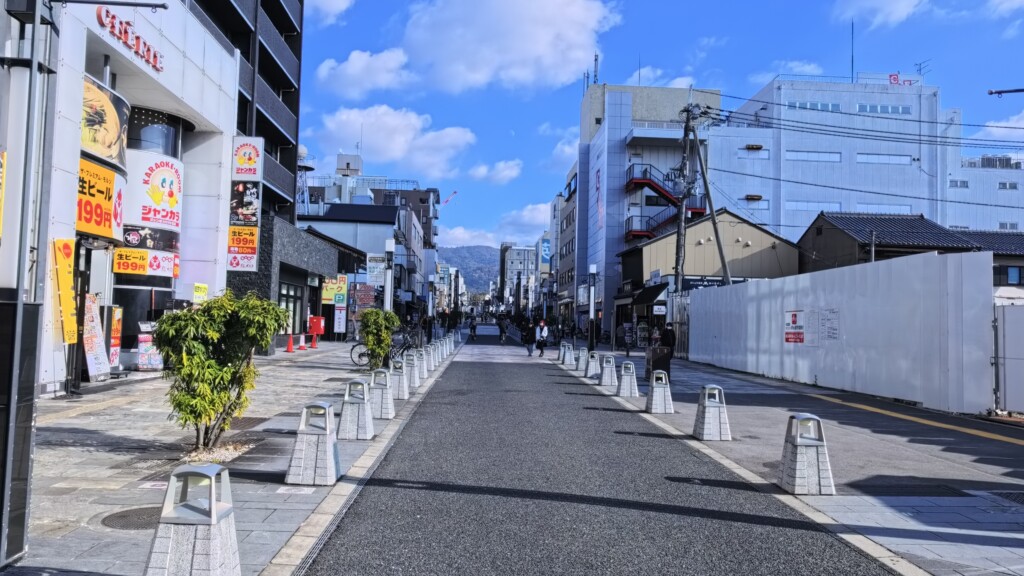
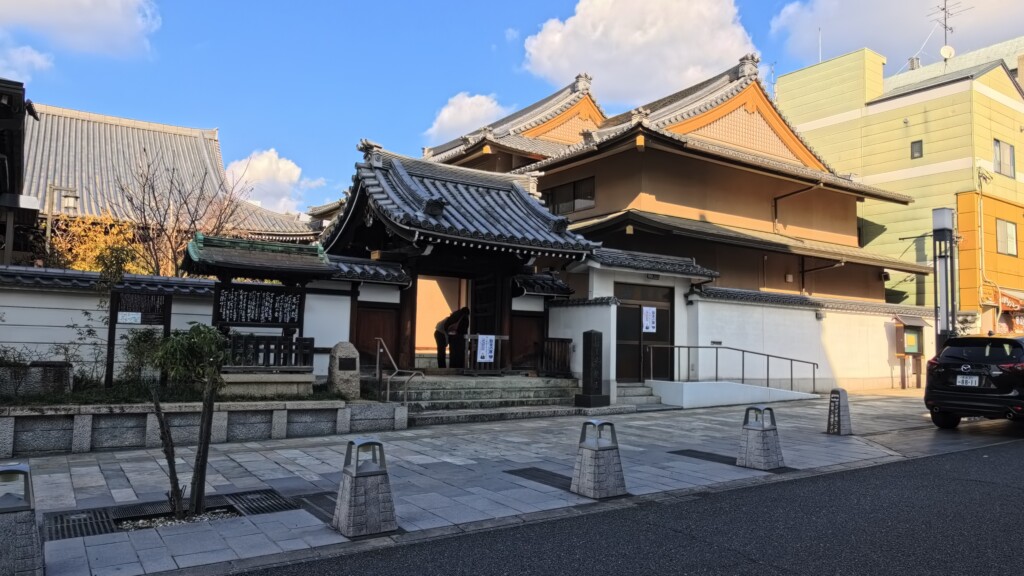
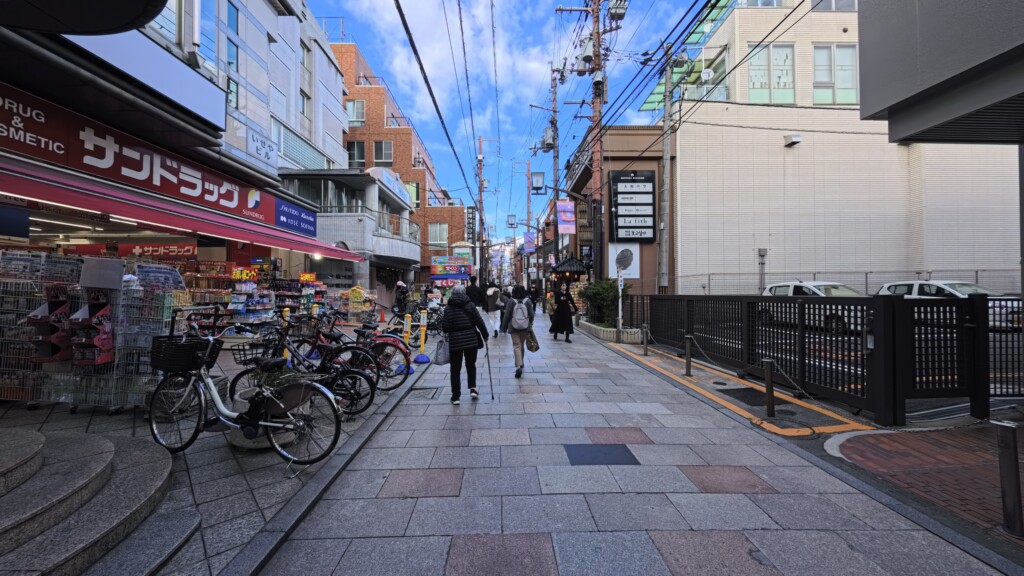
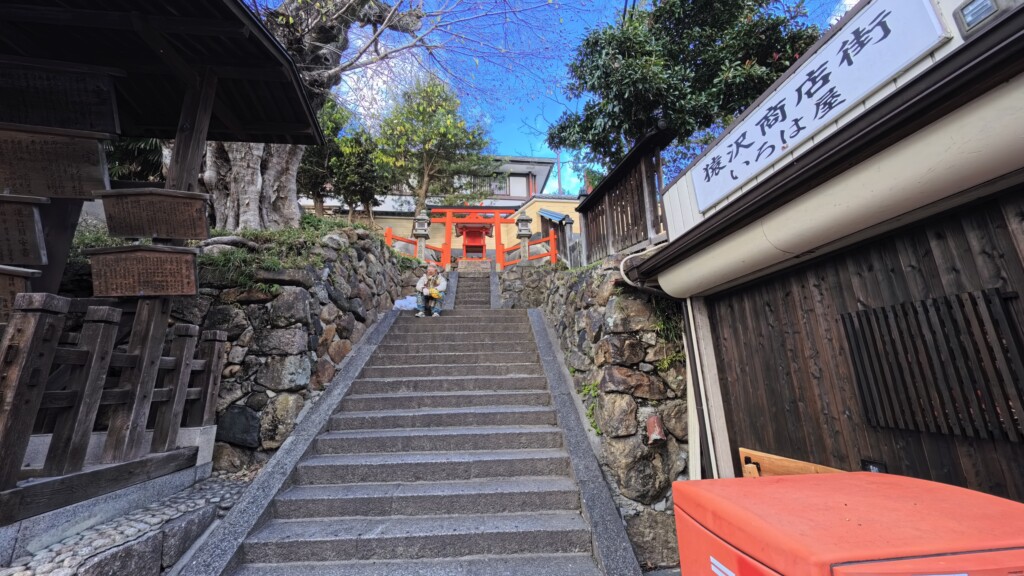
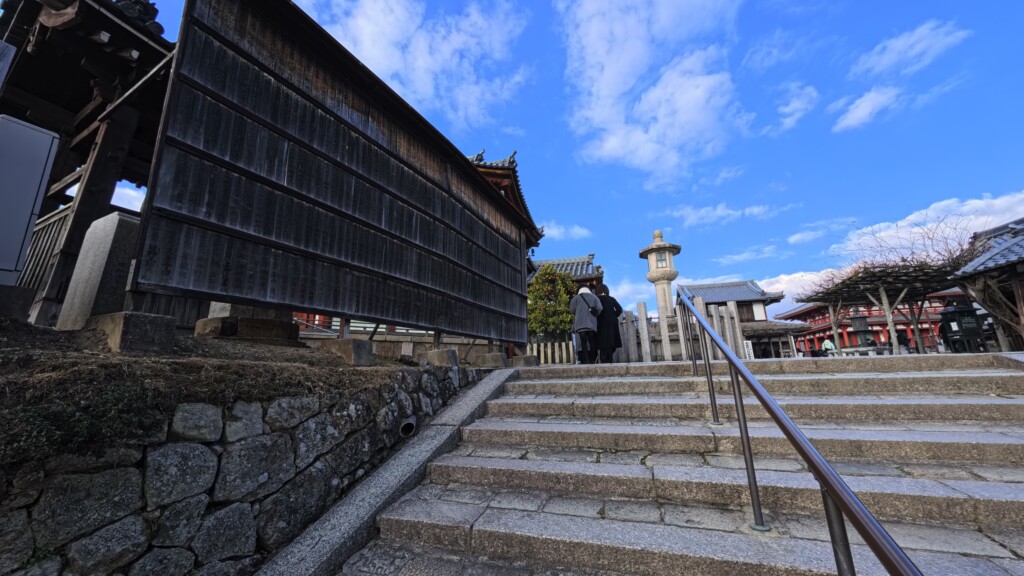
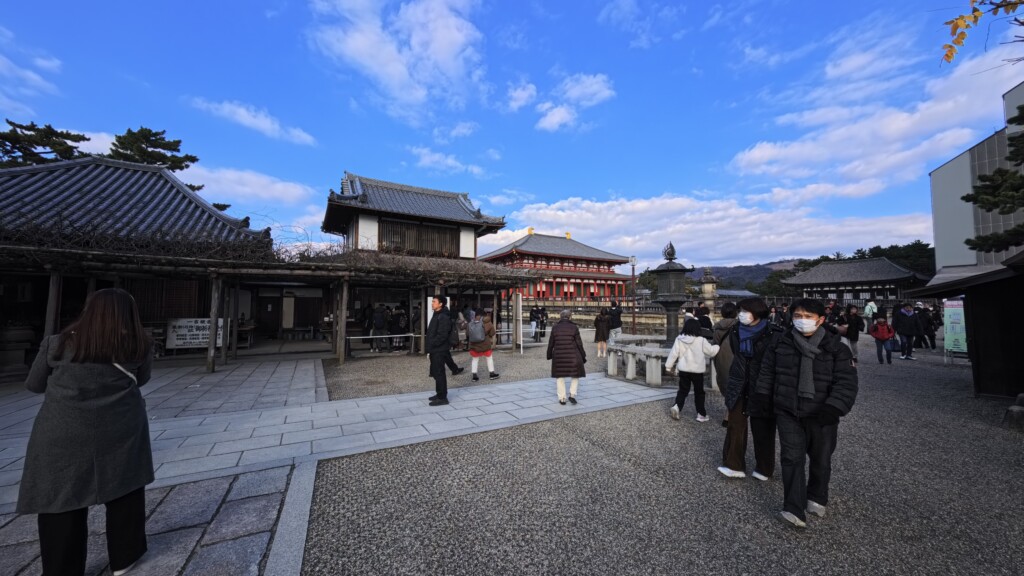
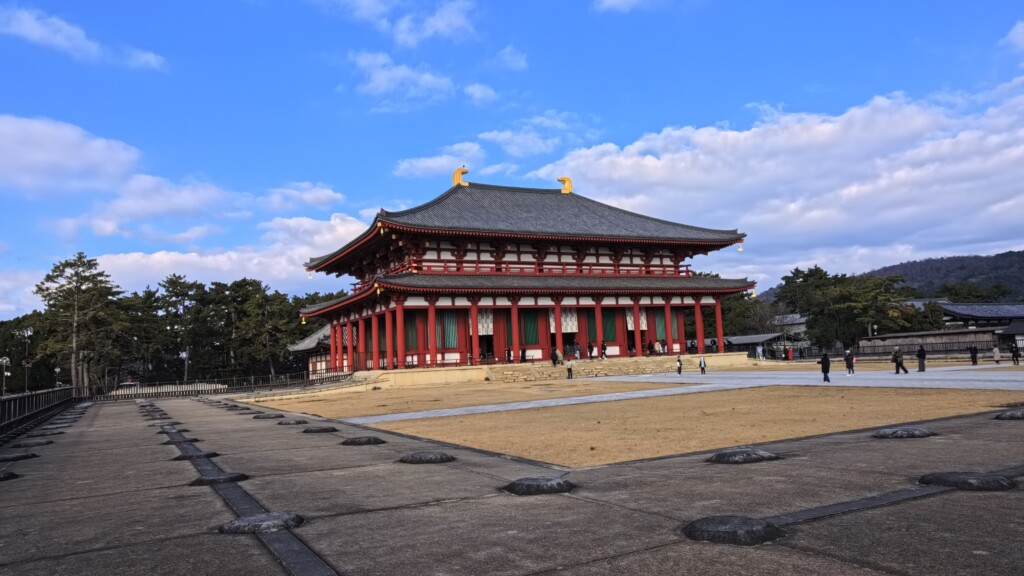
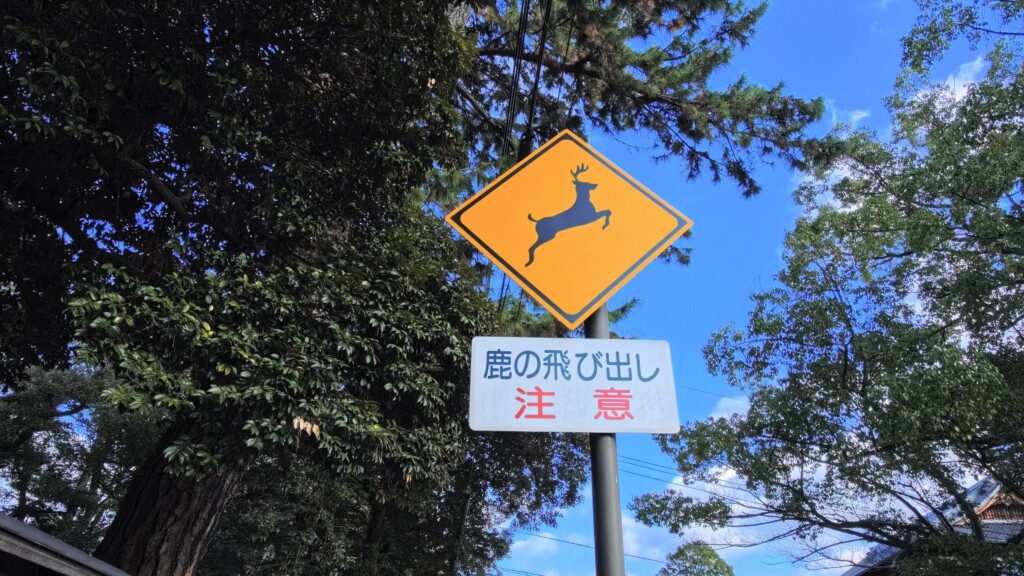
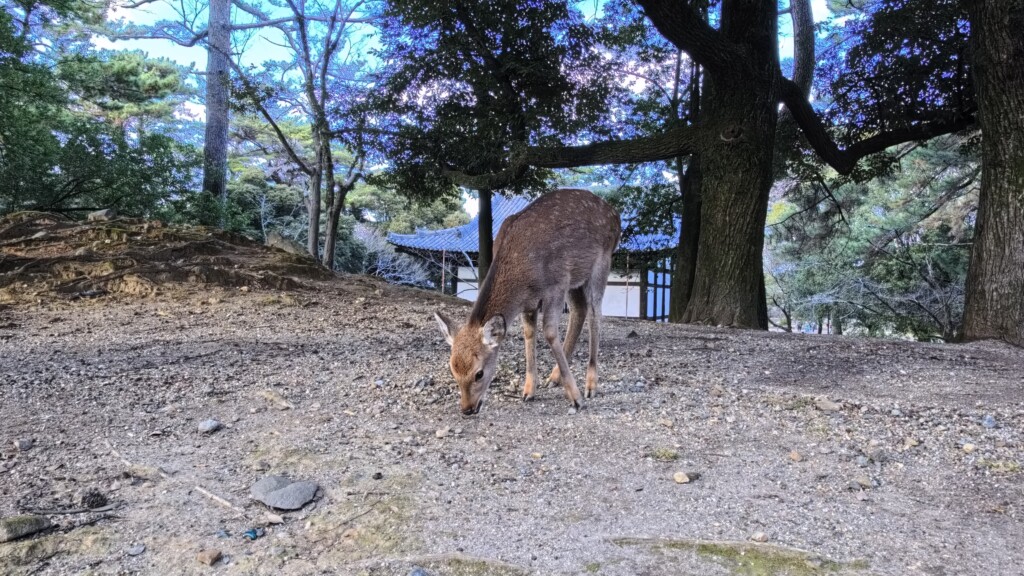
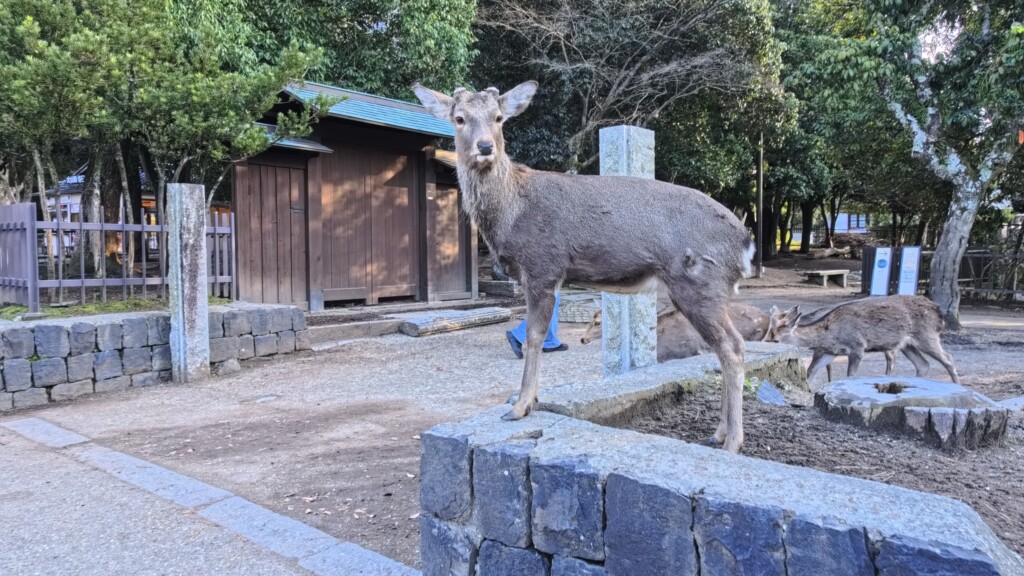
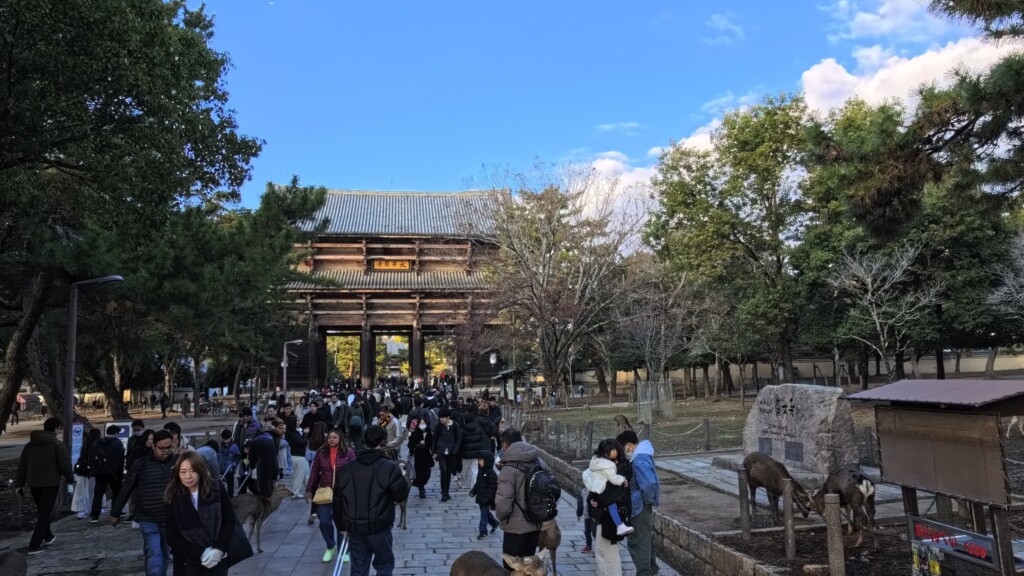
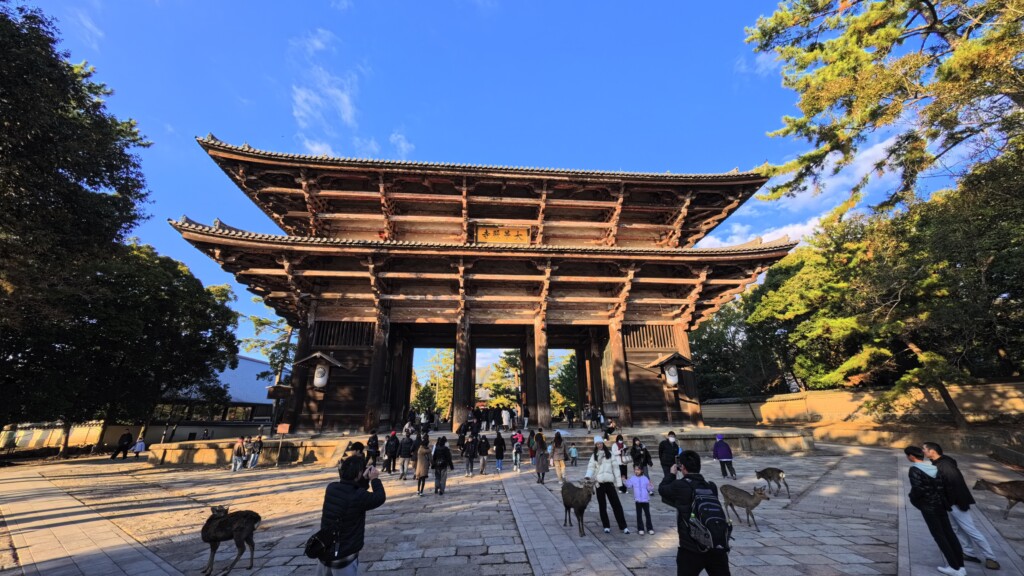
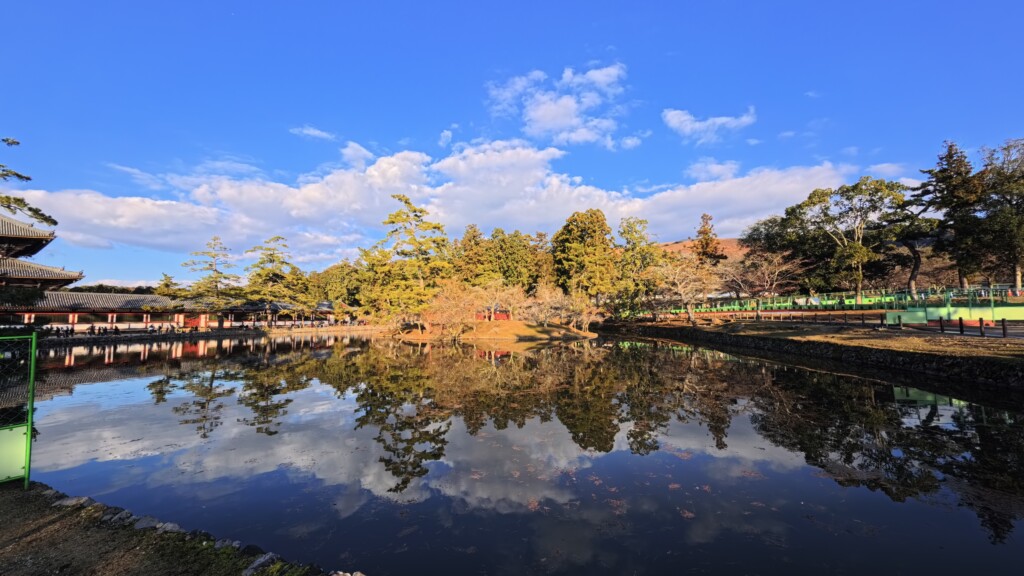
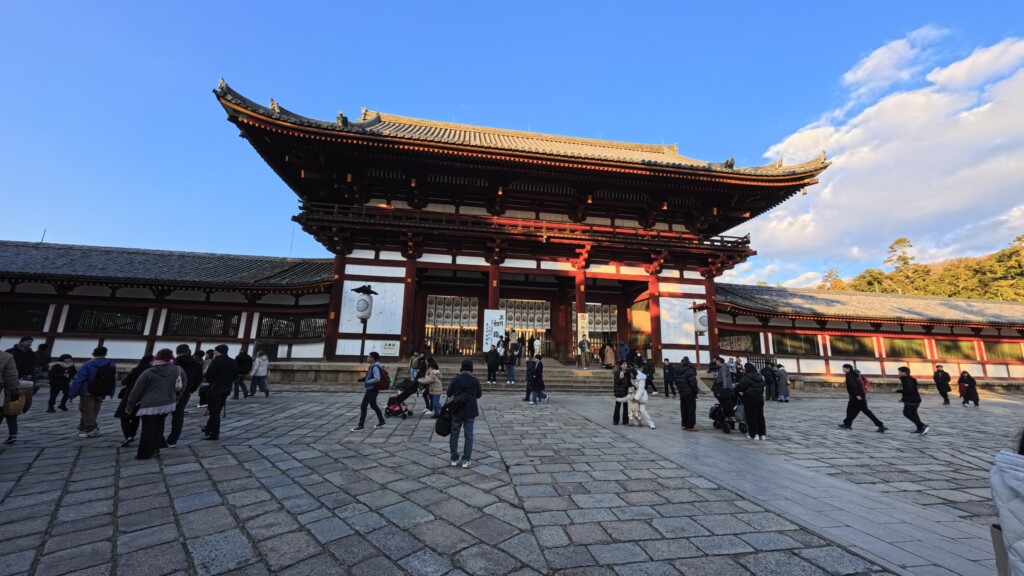
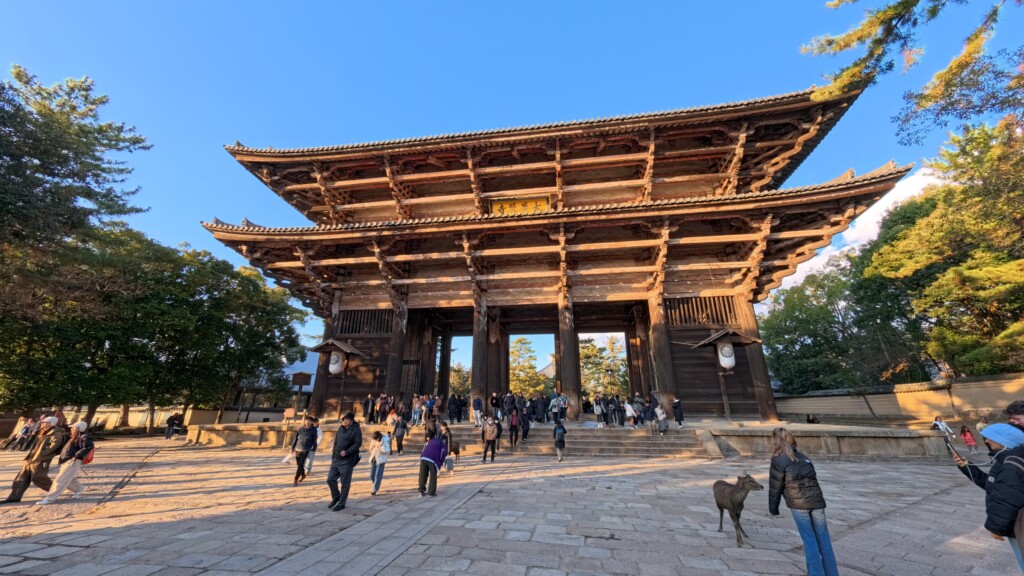
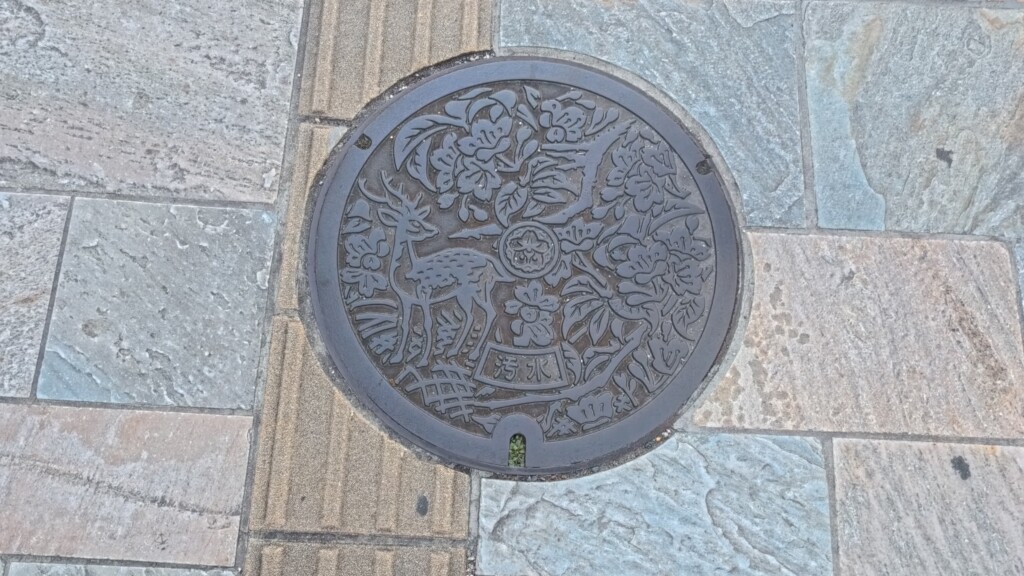
We did what we almost always do when arriving in a new place: we started walking. We navigated from the train station through the central parts of the city, taking a short stop for a simple lunch along the way. Eventually, we reached the famous temple grounds and encountered the area’s well-known bowing sika deer. The massive wooden portals and ancient temples in Nara Park are undeniably impressive, reflecting a scale of traditional architecture that dominates the landscape, and the presence of the free-roaming animals certainly adds a unique charm.
However, the experience felt somewhat artificial to us. Over the centuries, the deer have learned to bow to tourists in exchange for special crackers, creating an interaction that felt quite similar to a dog begging for food. While the animals appeared to be healthy and well taken care of, we generally prefer seeing wildlife in its natural habitat rather than performing amidst huge crowds of tourists. We still had a pleasant walk through the area, but we did not end up spending a huge amount of time in the park. Ultimately, it turned into a rather quiet, easygoing day, and we soon found ourselves heading back to the station for the return trip to Osaka.
With our regional rail passes now thoroughly tested, we felt much more comfortable navigating the rail network. Our upcoming days would bring us back to Kyoto to explore its towering hillside temples and vibrant shrines before celebrating a very quiet New Year’s Eve back in Osaka.