Athens, Attica | Exploring Greece
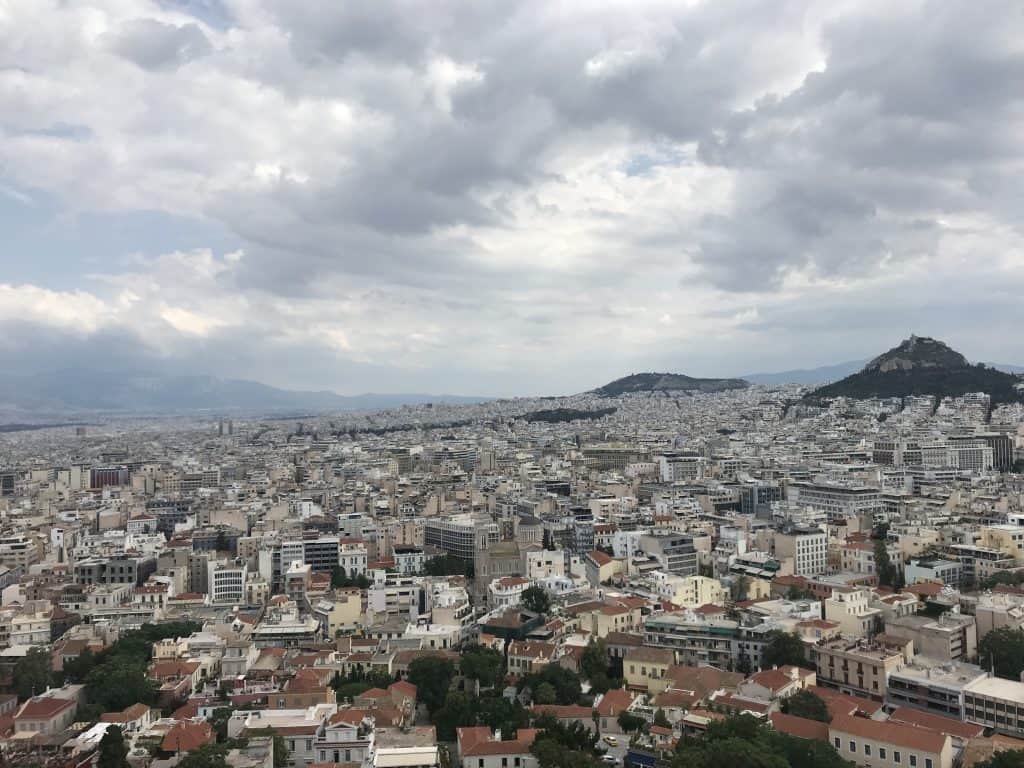
Athens is the capital and largest city of Greece, and it is one of the world’s oldest cities, with a recorded history spanning over 3,400 years. The city is located in the Attica region of southeastern Greece, and it is surrounded by mountains and the Aegean Sea. With a population of around 3.1 million in its metropolitan area, Athens is the political, economic, financial, industrial, and cultural heart of the nation. It is a sprawling, modern metropolis that is also home to some of the most important landmarks of the ancient world, most notably the magnificent Acropolis.
The city’s identity is inextricably linked to its role as the cradle of Western civilization. It was the birthplace of democracy, Western philosophy, the Olympic Games, and Western literature and drama. This incredible historical legacy is visible everywhere, from the ancient ruins that are scattered throughout the city to the world-class museums that house its treasures. The city’s ancient past stands in stark contrast to its modern reality as a bustling, vibrant, and contemporary European capital.
Today, Athens is a major destination for tourists from all over the world, who come to experience its unique blend of ancient history and modern life. The city was the host of the first modern Olympic Games in 1896 and again in 2004. Its vibrant street life, its excellent cuisine, and its lively neighborhoods, such as Plaka and Psiri, make it a city with a unique and dynamic character. It is a place where the monuments of a glorious past are an integral part of a modern, forward-looking city.


Good to Know When Visiting Athens
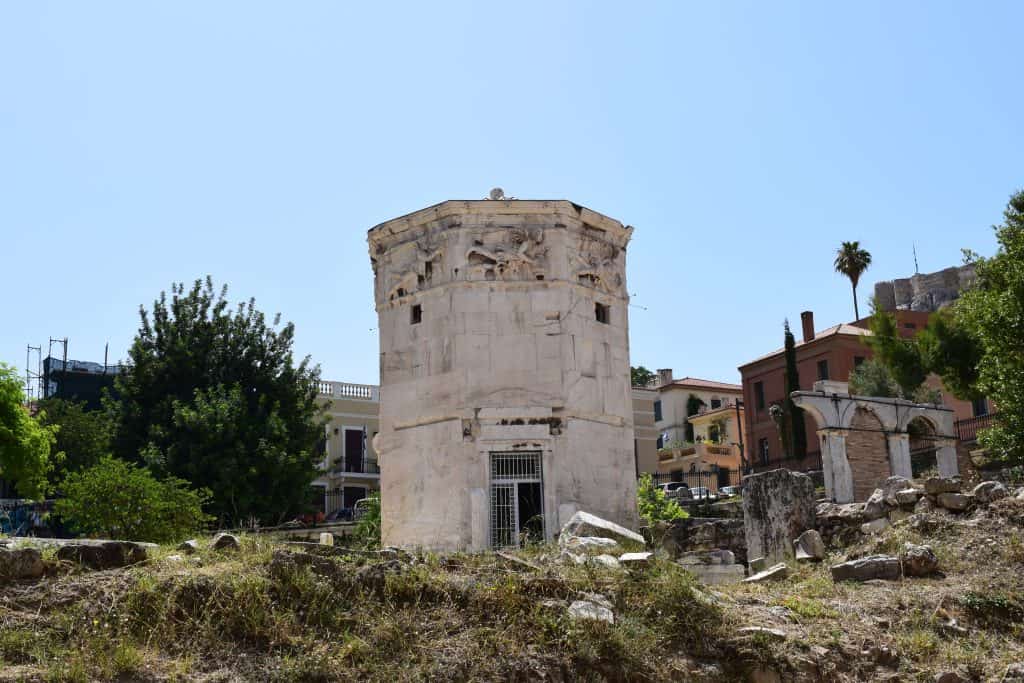
To fully appreciate a visit to Athens, it is useful to understand some of the unique cultural and practical aspects that define the city’s character. The city’s historic heart is the charming neighborhood of Plaka, which offers a village-like atmosphere at the foot of the Acropolis. For a different kind of experience, the Monastiraki Flea Market provides a bustling and chaotic glimpse into the city’s commercial life. Finally, the neighborhood of Psiri is the center of the city’s modern nightlife and creative scene.
Plaka: The Neighborhood of the Gods
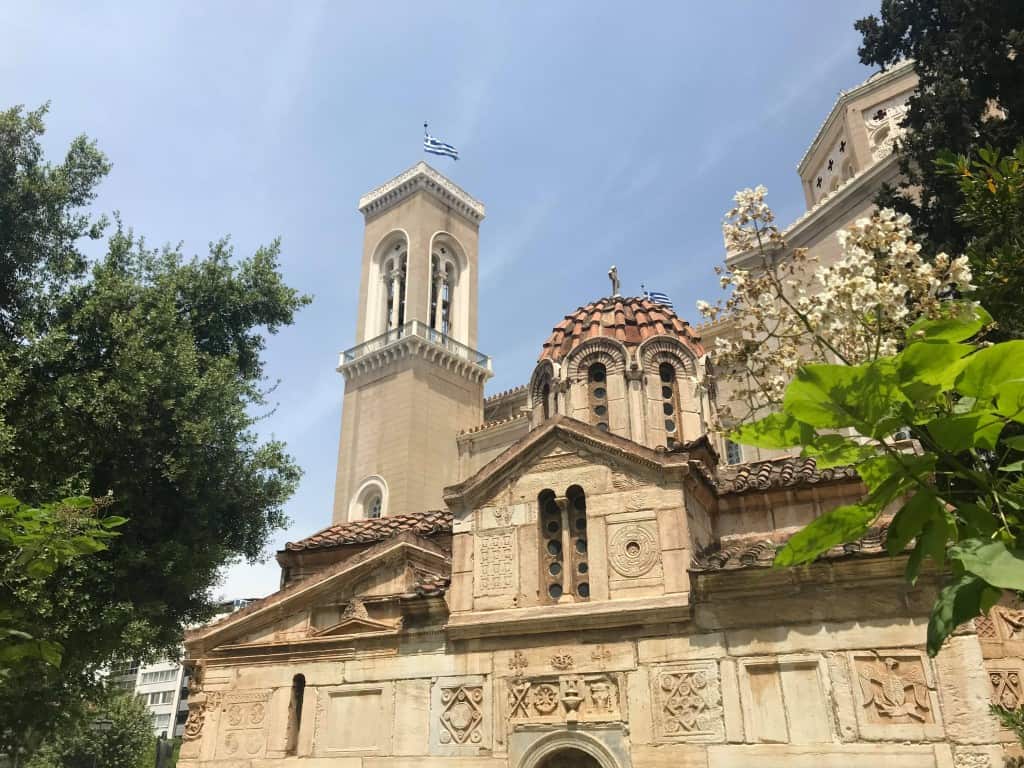
The Plaka district is the oldest and most beautiful neighborhood in Athens. It is located on the northeastern slope of the Acropolis. The area is a labyrinth of narrow, cobblestone streets, and it is filled with beautiful neoclassical houses, small squares, and Byzantine churches. Plaka is built on top of the residential part of ancient Athens, and it is often called the “Neighborhood of the Gods” because of its proximity to the Acropolis. A particularly charming part of Plaka is Anafiotika, a tiny cluster of whitewashed, Cycladic-style houses that makes you feel like you are on a Greek island.
Monastiraki Flea Market
The Monastiraki Flea Market, located in the heart of Athens, is not just a shopping destination but a historical landmark. The market has roots that stretch back centuries. It is a bustling and eclectic marketplace where you can find a vast array of goods, from antiques and collectibles to handmade jewelry and souvenirs. The market is open every day, but the best time to visit is on Sunday morning when the area transforms into a massive flea market, with vendors spreading their wares out on the ground. Haggling is part of the experience, and it is a great place to soak up the local atmosphere.
Psiri: The Center of Nightlife
The neighborhood of Psiri is located just north of Monastiraki, and it is the vibrant heart of Athens’ modern nightlife and creative scene. During the day, it is a quiet area known for its artisan workshops and street art. At night, the neighborhood comes alive as its many bars, live music venues, and modern tavernas open their doors. The area has a bohemian and alternative atmosphere, and it is a popular gathering place for the city’s younger population. A night out in Psiri offers a look into the contemporary and creative soul of modern Athens.





History of Athens
The history of Athens is one of the longest and most influential in the world, and it has a recorded history that spans over 3,400 years. The city flourished during the Classical Period, when it excelled in culture, politics, philosophy, and art. This was the era when the magnificent buildings on the Acropolis were constructed, and it was the birthplace of democracy. After this golden age, Athens underwent changes under Roman and Byzantine rule, preserving its cultural heritage. This was followed by a long period of Ottoman rule. In the 19th century, Athens was chosen as the capital of the newly independent Greek state, and it began its transformation into the modern metropolis it is today.
The Golden Age of Athens
Athens was one of the most influential cities of Western civilization, and it reached its peak during the Classical Period in the 5th century BC. This was the era of the great statesman Pericles, and under his leadership, the city entered a golden age of prosperity and cultural achievement. He initiated the ambitious construction program on the Acropolis, which included the magnificent Parthenon, the Erechtheion, and the Propylaea. The city also became the preeminent center of Western philosophy. It was here that Socrates, Plato, and Aristotle taught, and their work laid the foundations for much of Western thought.
During this period, Athens was also the birthplace of democracy, and its system of government allowed for the active participation of its citizens. The city stood out in the arts as well, for it was home to the great playwrights Aeschylus, Sophocles, and Euripides, whose tragedies are still performed today. Militarily, Athens played a significant role in the Persian Wars, and its naval power was crucial in the Greek victory. This golden age eventually came to an end after the long and devastating Peloponnesian War, in which Athens was defeated by its rival, Sparta.
Roman and Byzantine Athens
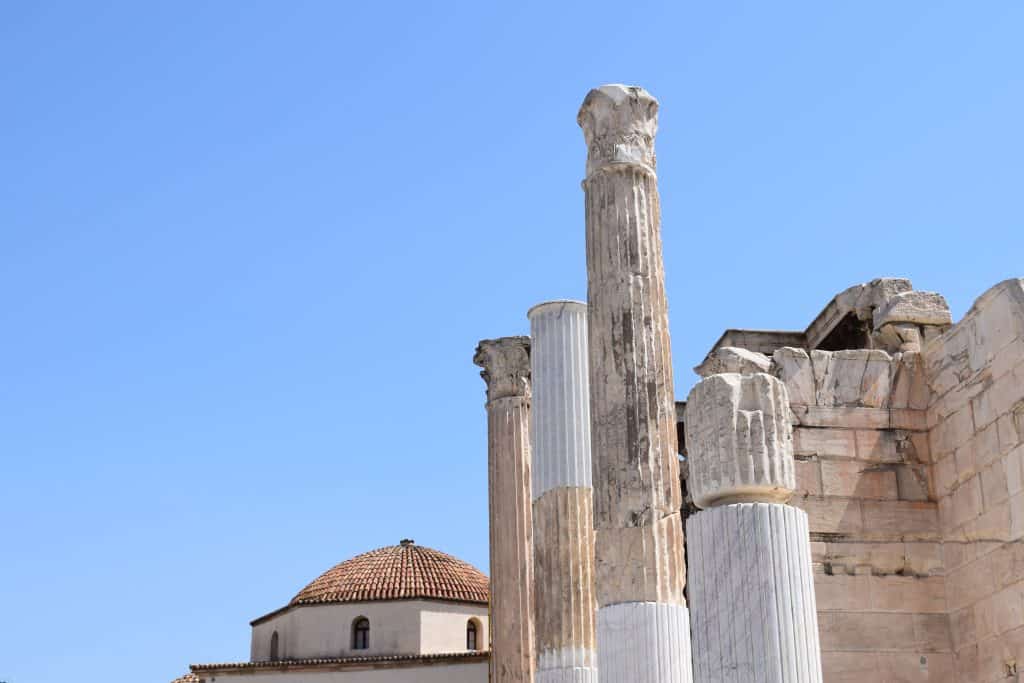
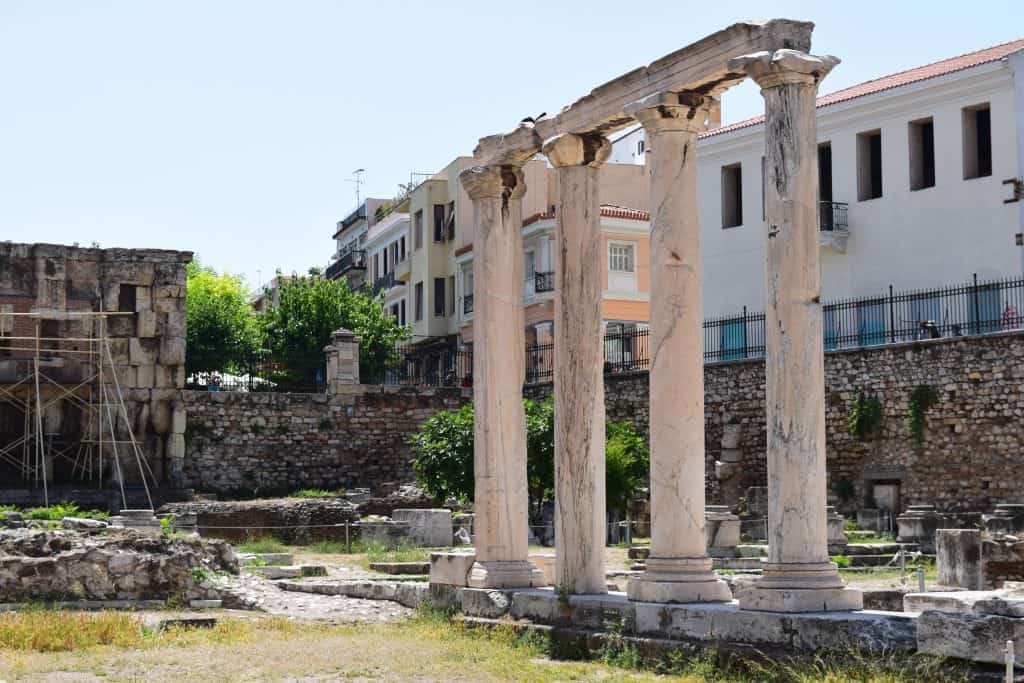
After the decline of its classical power, Athens was conquered by the Romans in the 2nd century BC. Under Roman rule, the city continued to be an important cultural and intellectual center, and it was highly respected by the Romans for its prestigious philosophical schools. Several Roman emperors were great benefactors of the city, and they built grand new buildings. The Roman Emperor Hadrian was particularly fond of Athens, and he completed the colossal Temple of Olympian Zeus. He also built Hadrian’s Library and the arch that bears his name.
After the division of the Roman Empire, Athens became a provincial town within the Byzantine Empire. The city’s importance declined significantly during this long period. A major transformation occurred as Christianity became the dominant religion. Many of the ancient temples, including the Parthenon, were converted into Christian churches. The philosophical schools were eventually closed down by Emperor Justinian in the 6th century. The city became a quiet, provincial town, a shadow of its former glorious self.
Ottoman Rule and the Modern Capital
In the 15th century, Athens was conquered by the Ottoman Empire, and it remained under Ottoman rule for nearly 400 years. During this period, the Parthenon was converted from a church into a mosque, and a minaret was added. The city further declined in population and importance, and it was little more than a small town with a rich collection of ancient ruins. A major catastrophe occurred in the 17th century when a Venetian army besieged the Acropolis, and a gunpowder store that the Ottomans had placed inside the Parthenon exploded, causing immense damage to the ancient temple.
After the Greek War of Independence in the early 19th century, Athens was chosen as the capital of the newly independent Kingdom of Greece in 1834. The city at that time was very small and largely in ruins. A massive reconstruction effort began, and the city was completely rebuilt in a grand neoclassical style, inspired by its classical past. This period of construction created many of the grand avenues and public buildings that define the city center today, such as the Parliament Building and the University of Athens. The city began its rapid transformation from a small town back into a major European capital.


Sights in Athens
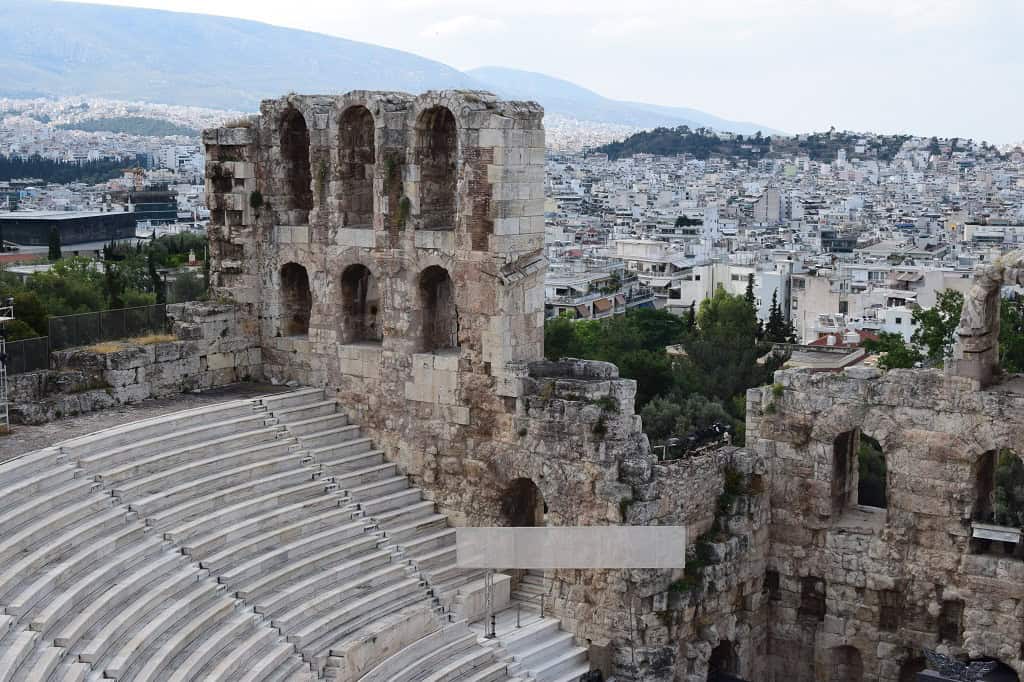
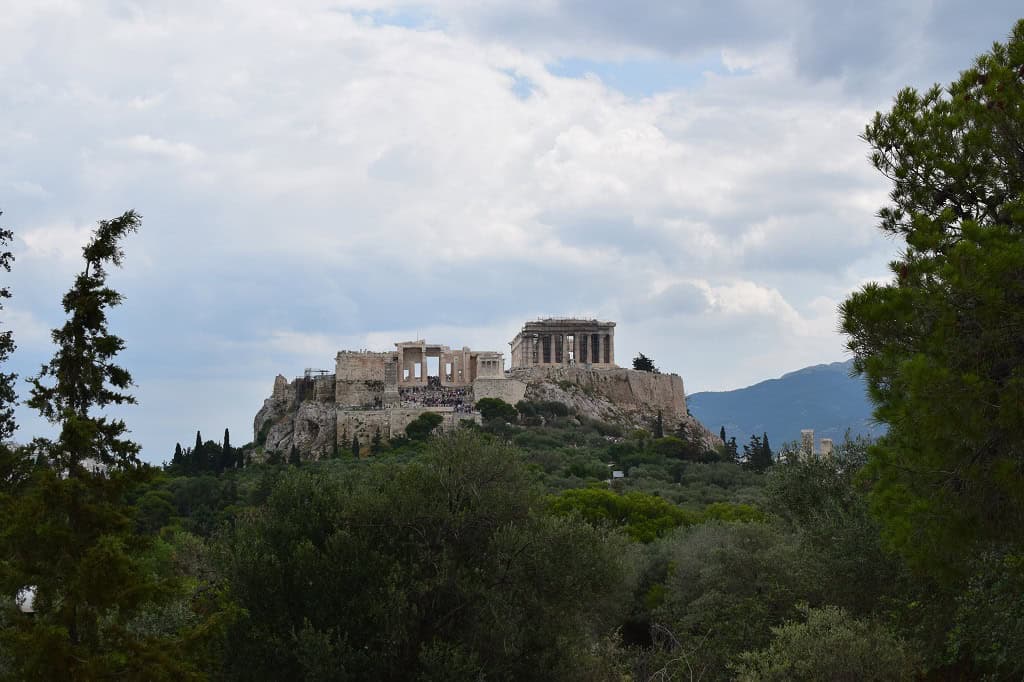
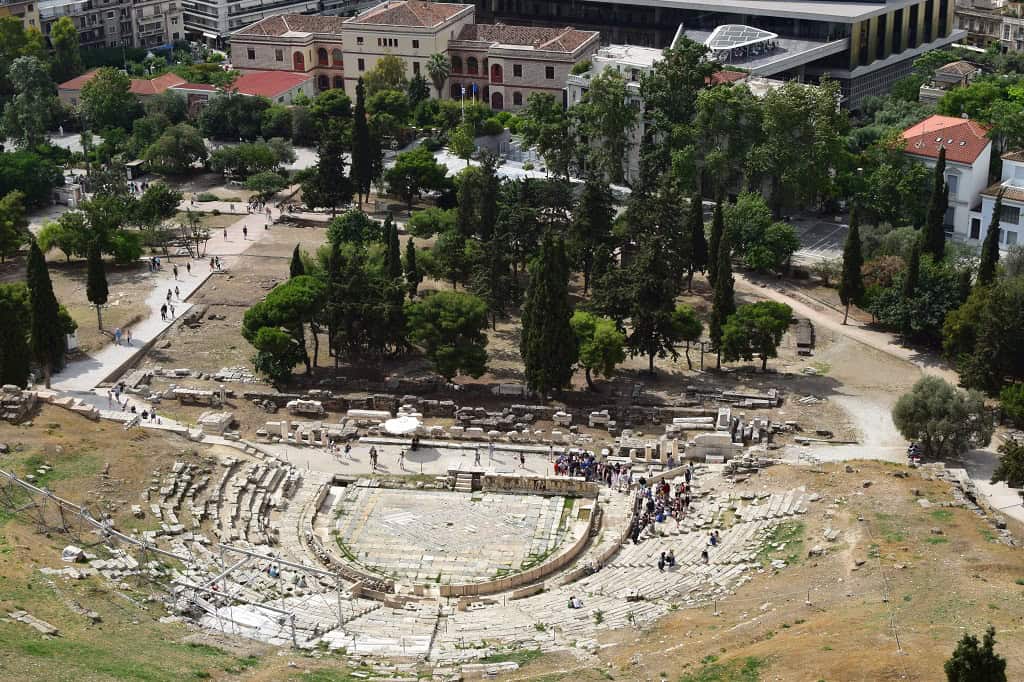
The sights in Athens are a captivating mix of world-famous ancient landmarks, magnificent museums, historic neighborhoods, and vibrant modern squares. The undisputed centerpiece of the city is the Acropolis, the ancient citadel that towers over the city and is crowned by the magnificent Parthenon. The nearby Acropolis Museum is a world-class institution that showcases the treasures from this sacred rock. The ancient heart of the city’s civic life was the Ancient Agora, which lies at the foot of the Acropolis.
Beyond the main archaeological sites, Athens offers a wealth of other experiences. The National Archaeological Museum houses one of the most important collections of Greek antiquities in the world. The historic neighborhood of Plaka, with its charming streets, is a destination in itself. Syntagma Square is the political heart of modern Greece, where you can watch the ceremonial changing of the guard. For spectacular panoramic views, a trip up to the top of Lycabettus Hill is a must.
The Acropolis of Athens
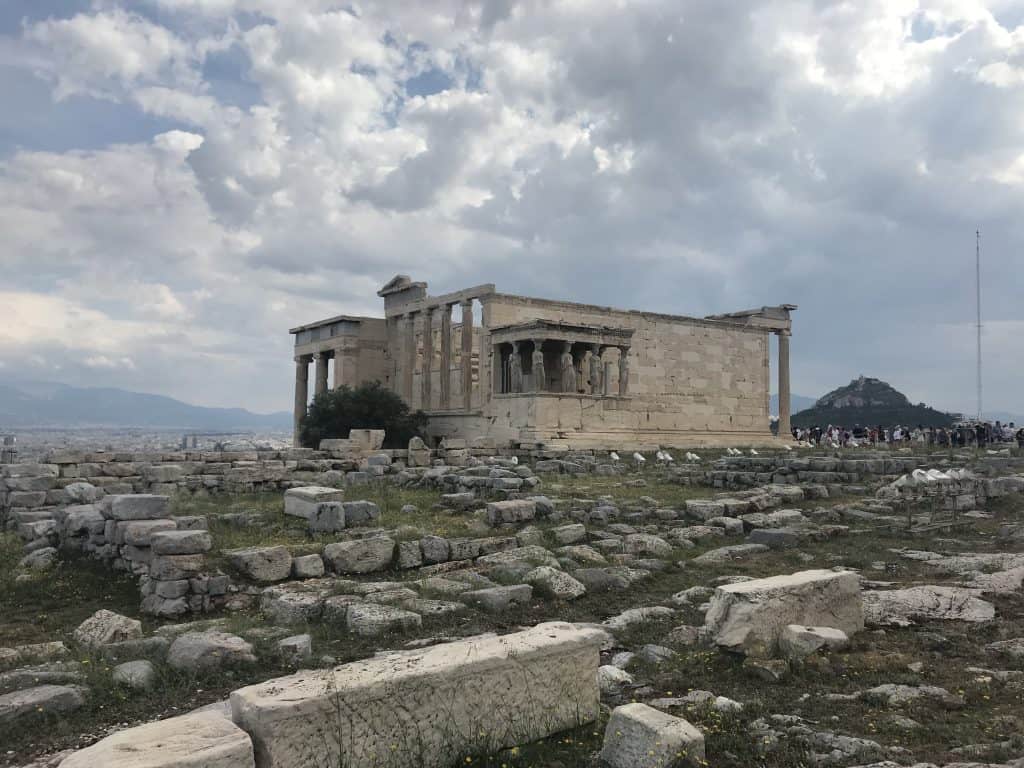
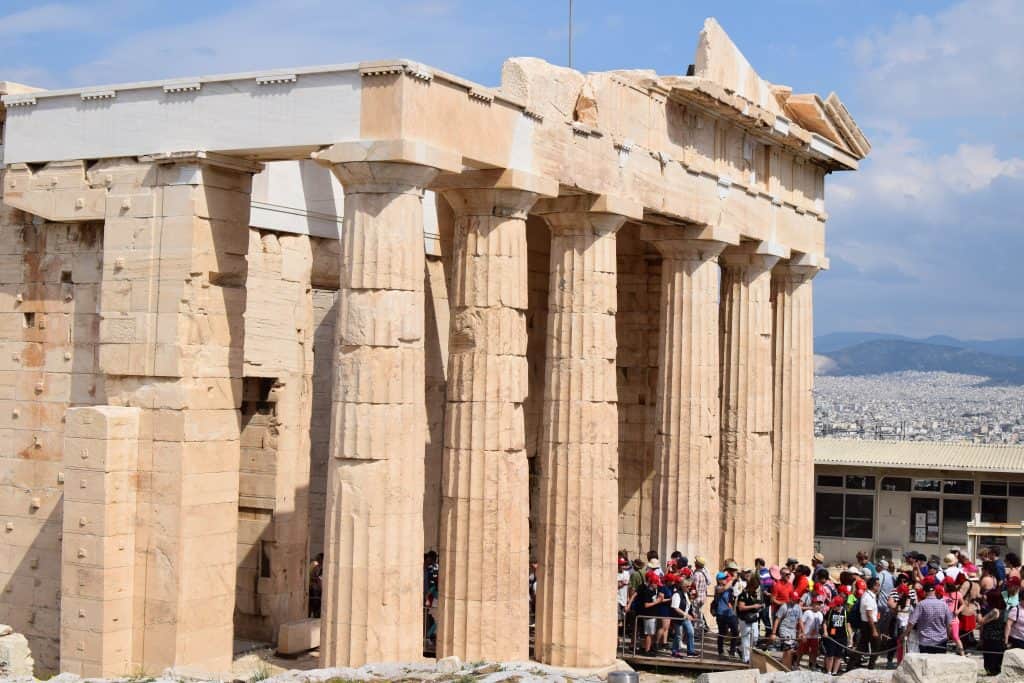
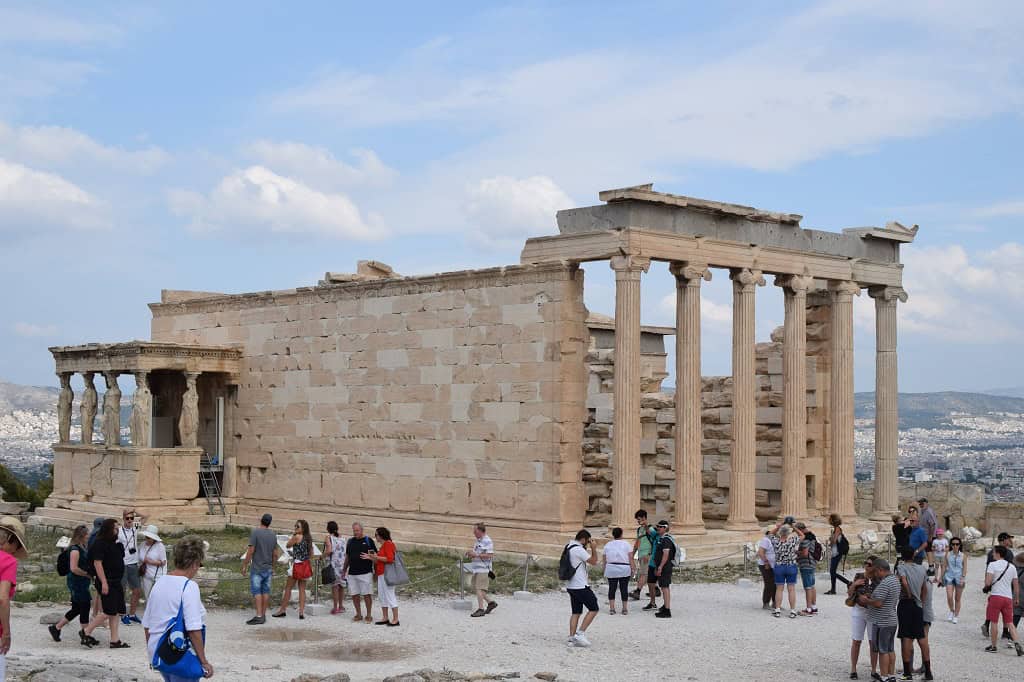
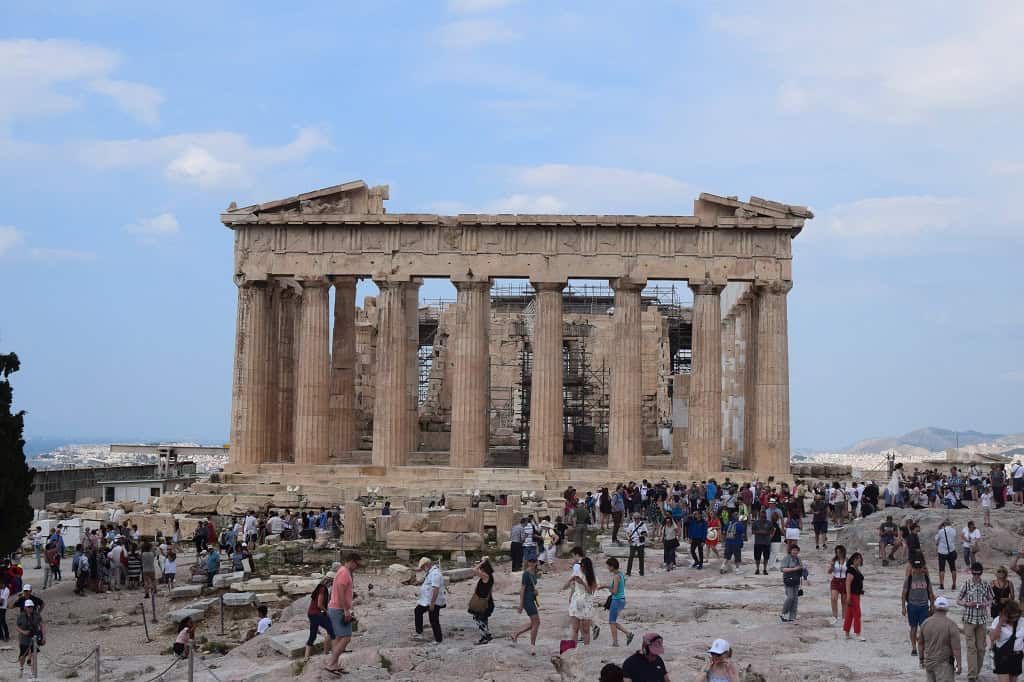
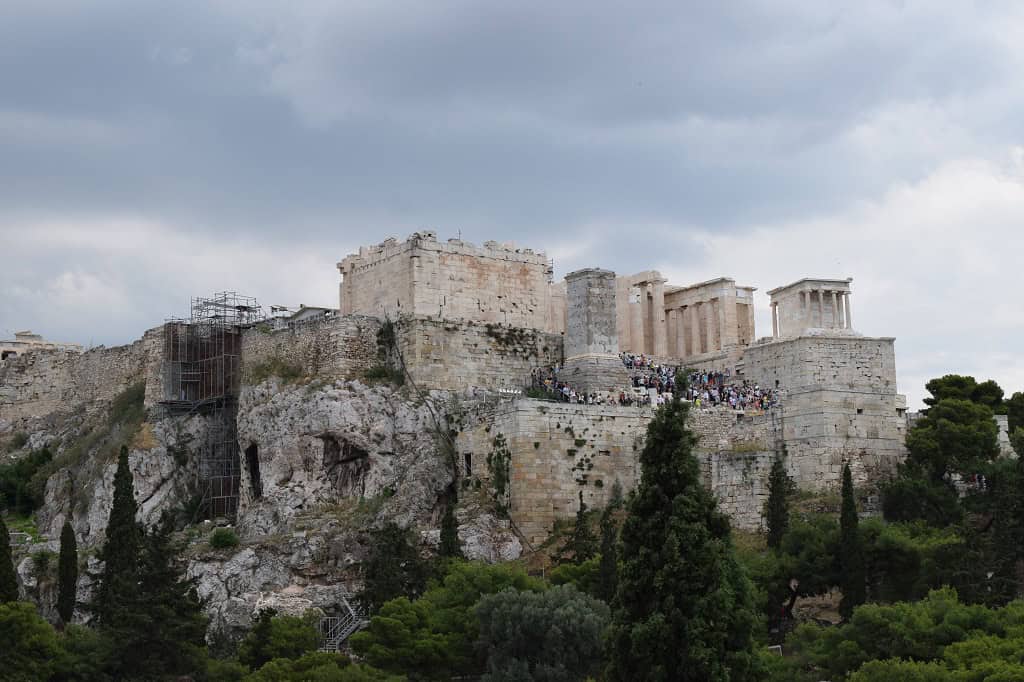
The Acropolis of Athens is the most famous and important ancient monument in the Western world. This rocky citadel stands high above the modern city, and it is crowned by a collection of magnificent temples from the 5th century BC. The largest and most famous of these is the Parthenon, a temple dedicated to the goddess Athena. Other key buildings on the Acropolis include the Erechtheion, with its famous porch of the Caryatids, and the Propylaea, the monumental gateway to the site. The Acropolis is a UNESCO World Heritage Site and the enduring symbol of ancient Greece.
The Parthenon
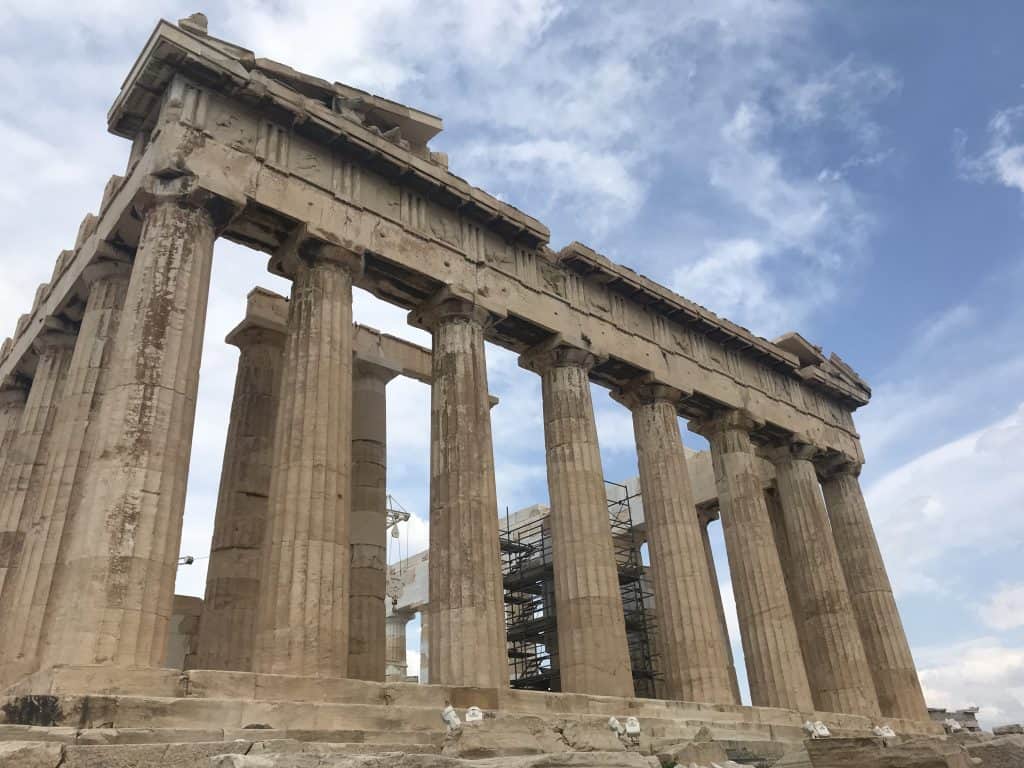
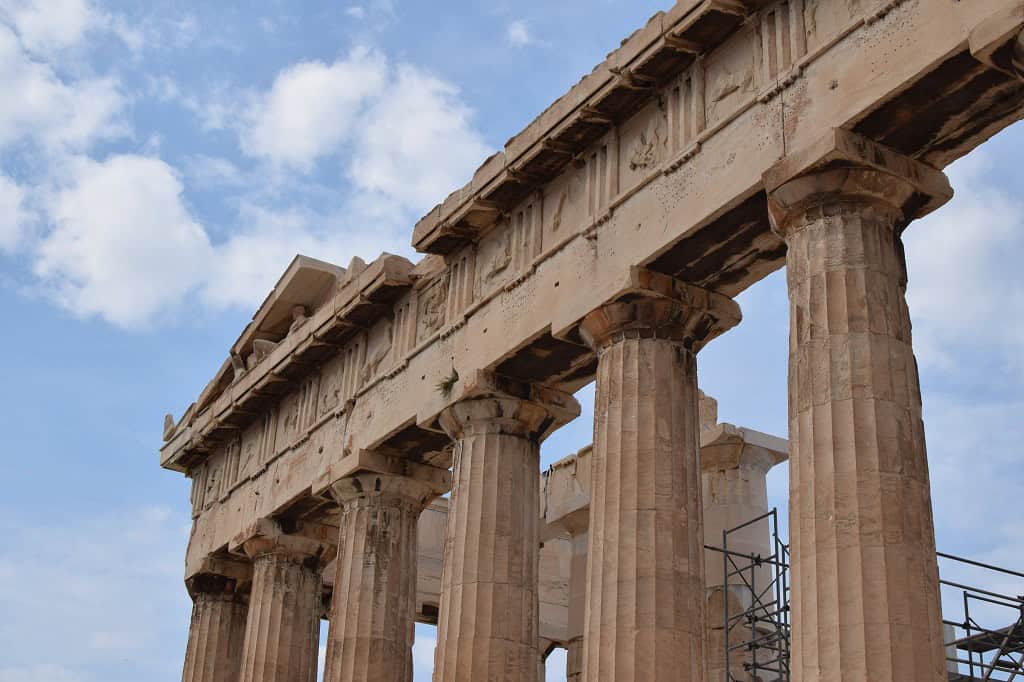
The Parthenon is the most famous building on the Acropolis and a global icon of classical architecture. It was built between 447 and 438 BC during the golden age of Athens. The temple was dedicated to the goddess Athena Parthenos (Athena the Virgin), the patron goddess of the city. It is a masterpiece of the Doric architectural order, and it is famous for its perfect proportions and the sophisticated optical refinements that were used in its design. The temple was originally decorated with magnificent sculptural friezes and metopes, many of which are now housed in the Acropolis Museum and the British Museum.
The Acropolis Museum
The Acropolis Museum is a modern architectural masterpiece located at the foot of the Acropolis. It is consistently ranked as one of the best museums in the world. The museum houses the extensive collection of artifacts that have been found on the Acropolis, from the Archaic period to the Roman era. The highlight of the museum is the Parthenon Gallery on the top floor. This magnificent glass-walled gallery has the same dimensions and orientation as the Parthenon itself, and it displays the original surviving sculptural friezes from the temple, with stunning views of the Parthenon in the background.
The Ancient Agora of Athens
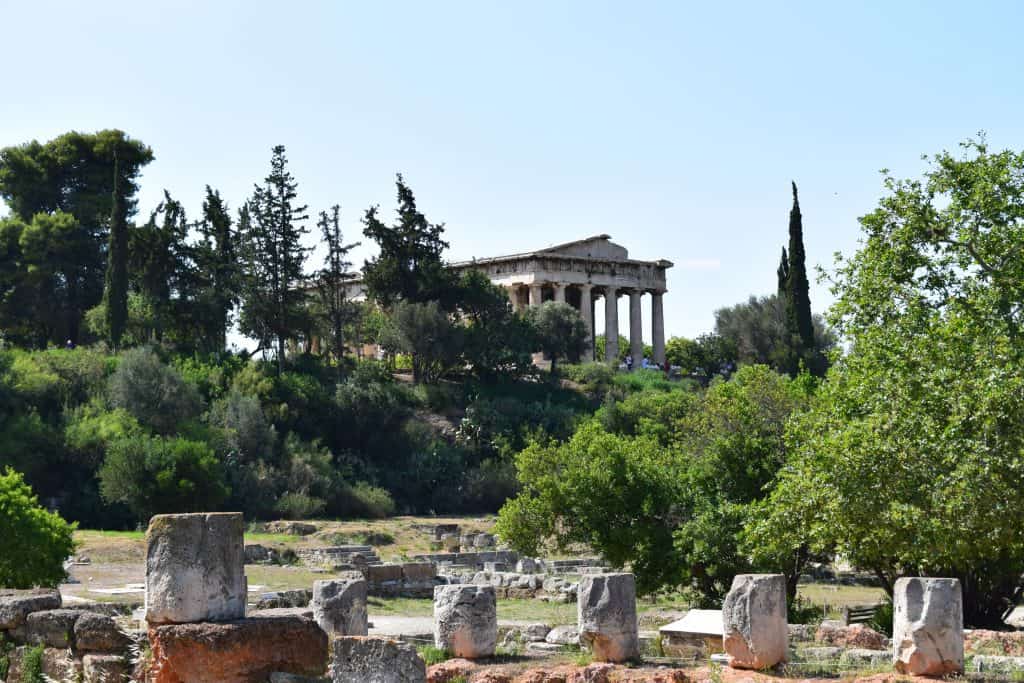
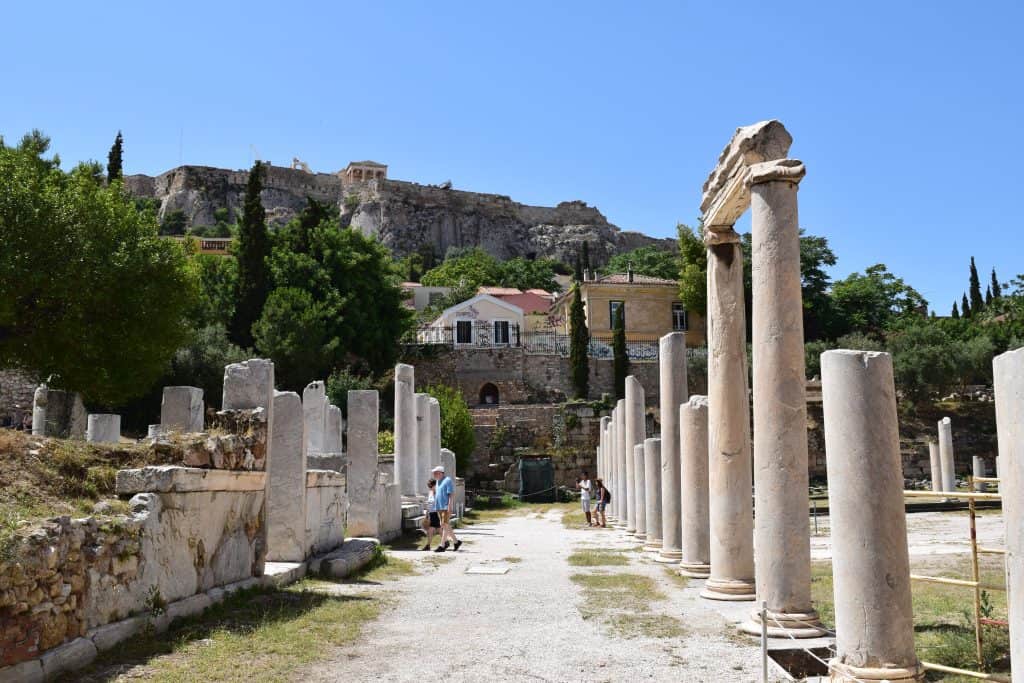
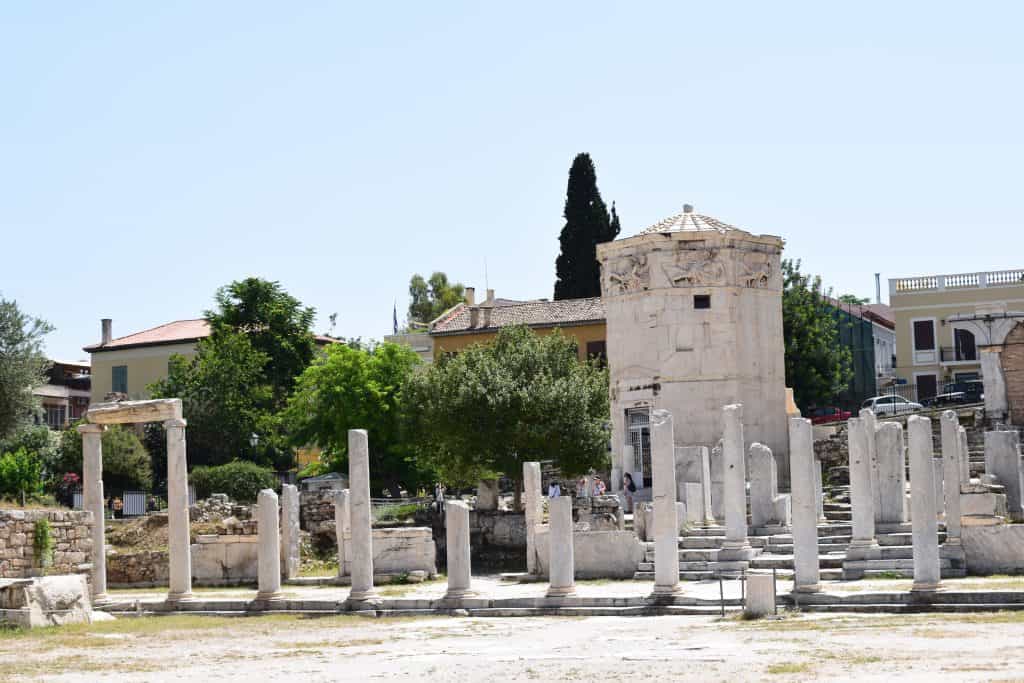
The Ancient Agora of Athens was the heart of the ancient city. It was the center of political, commercial, administrative, and social activity. It was here that Socrates and Plato once walked and taught. The archaeological site is located to the northwest of the Acropolis. The most impressive and best-preserved building in the Agora is the magnificent Temple of Hephaestus, which is one of the best-preserved ancient Greek temples in the world. The site also includes the reconstructed Stoa of Attalos, which now houses the Museum of the Ancient Agora.
The National Archaeological Museum
The National Archaeological Museum in Athens is the largest archaeological museum in Greece and one of the most important in the world. It is housed in an imposing neoclassical building. The museum’s rich collections, with more than 11,000 exhibits, offer a panorama of ancient Greek civilization from early prehistory to late antiquity. The collections include world-famous treasures such as the Mask of Agamemnon from Mycenae, the bronze statue of the Artemision Jockey, and the mysterious Antikythera Mechanism.
Temple of Olympian Zeus
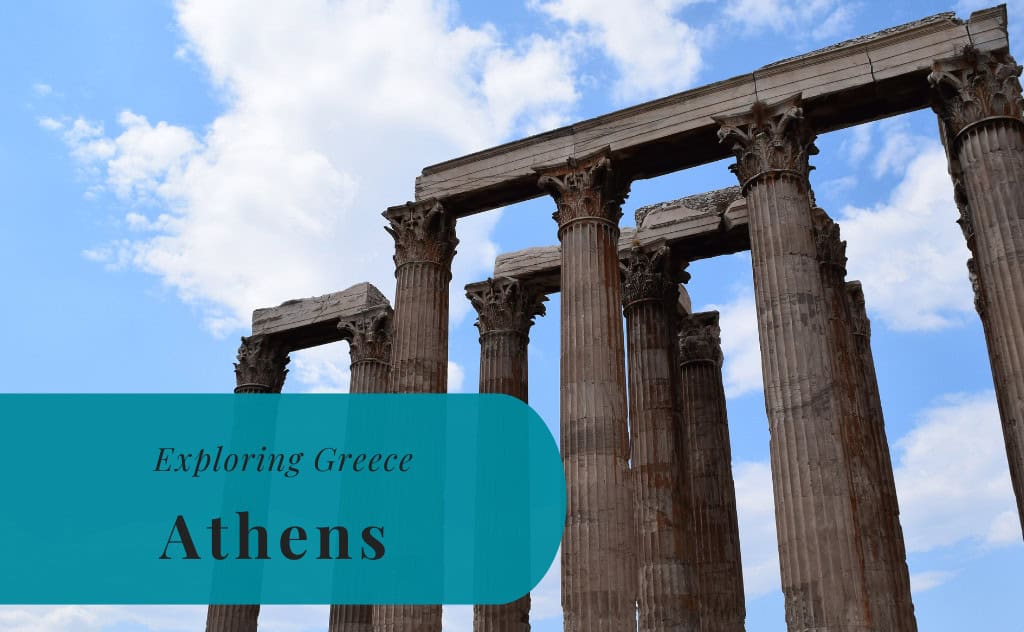
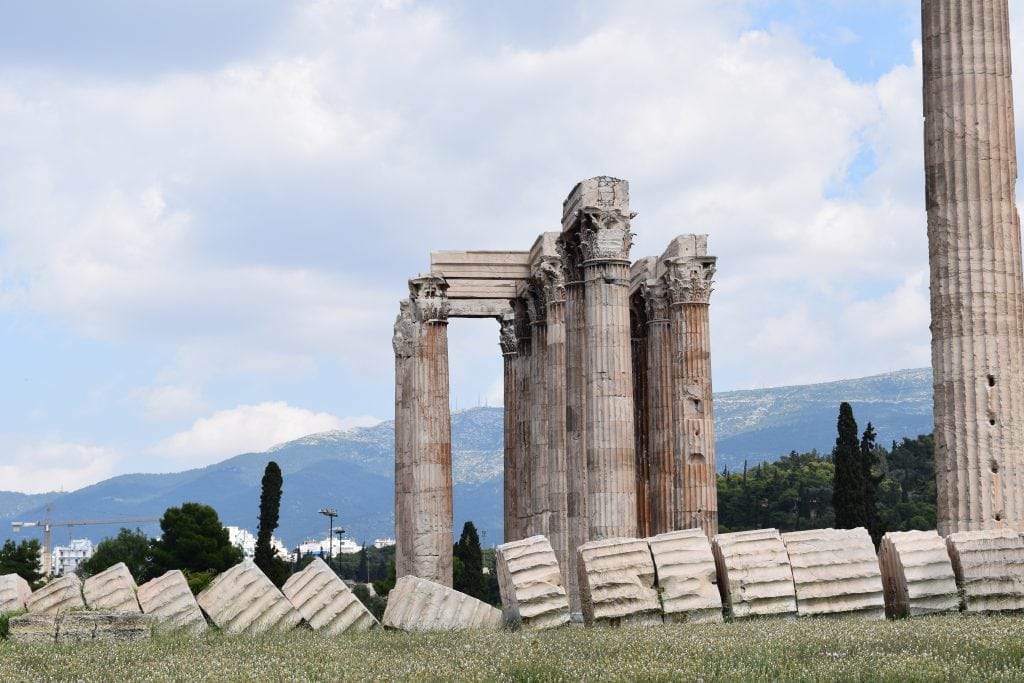
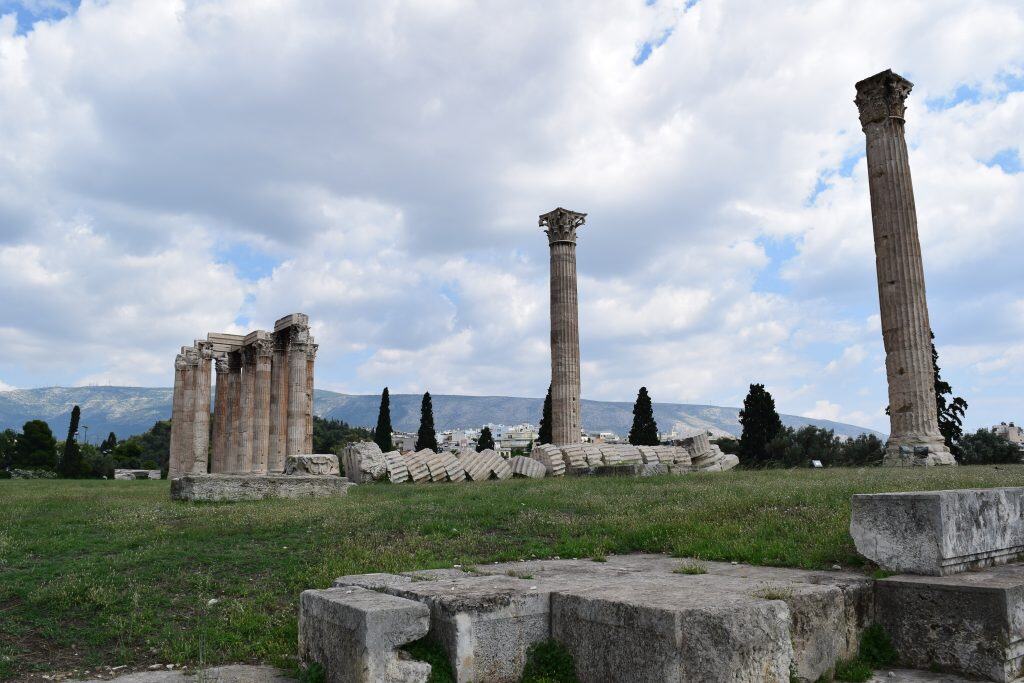
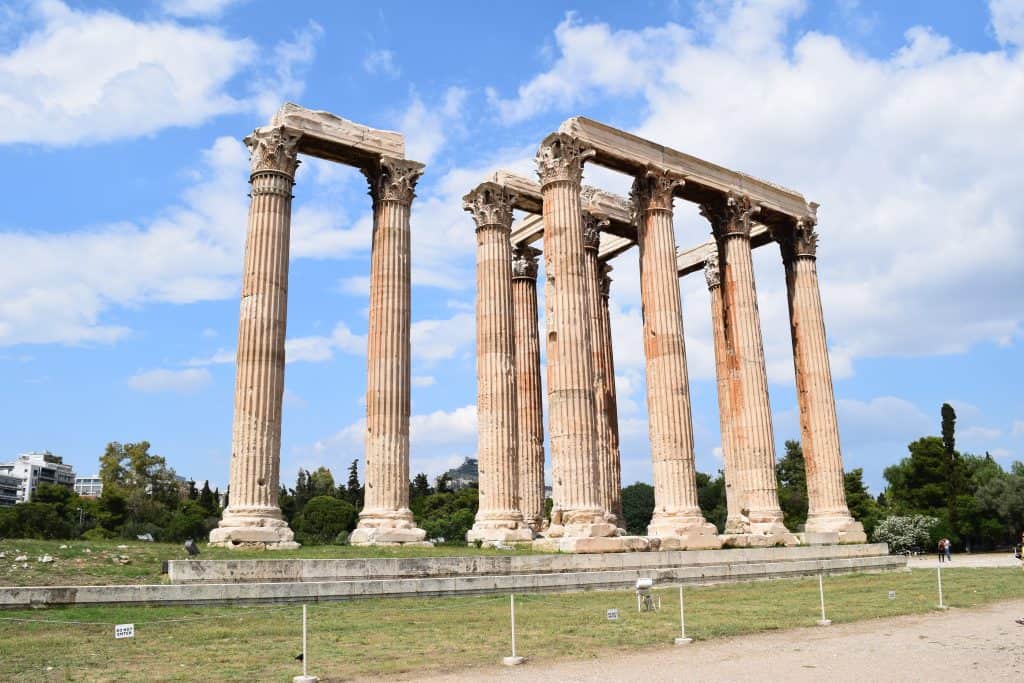
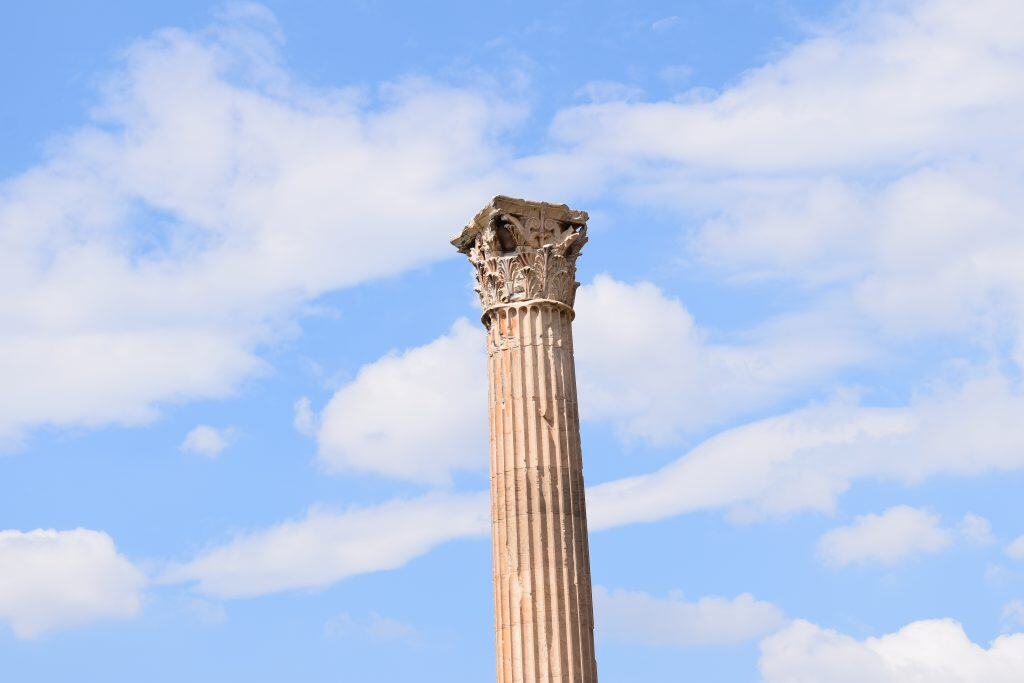
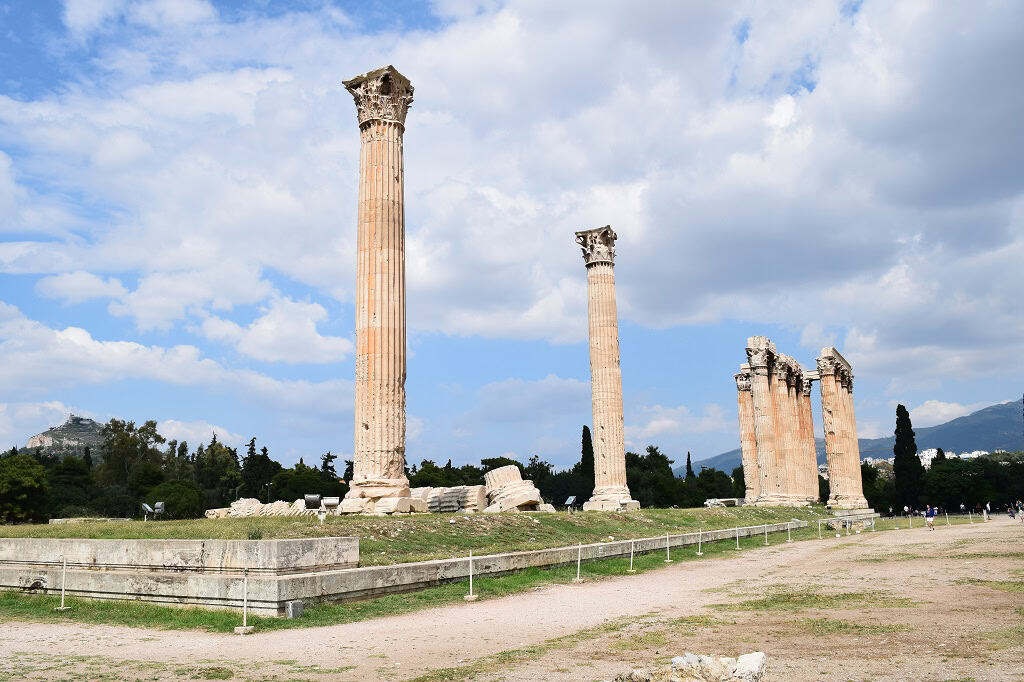
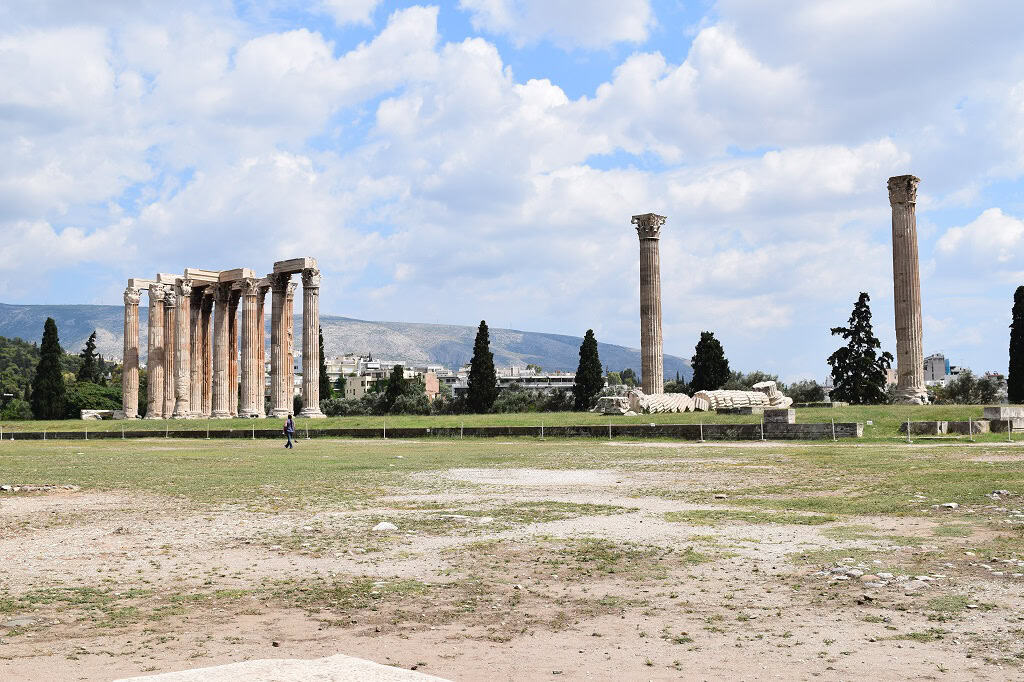
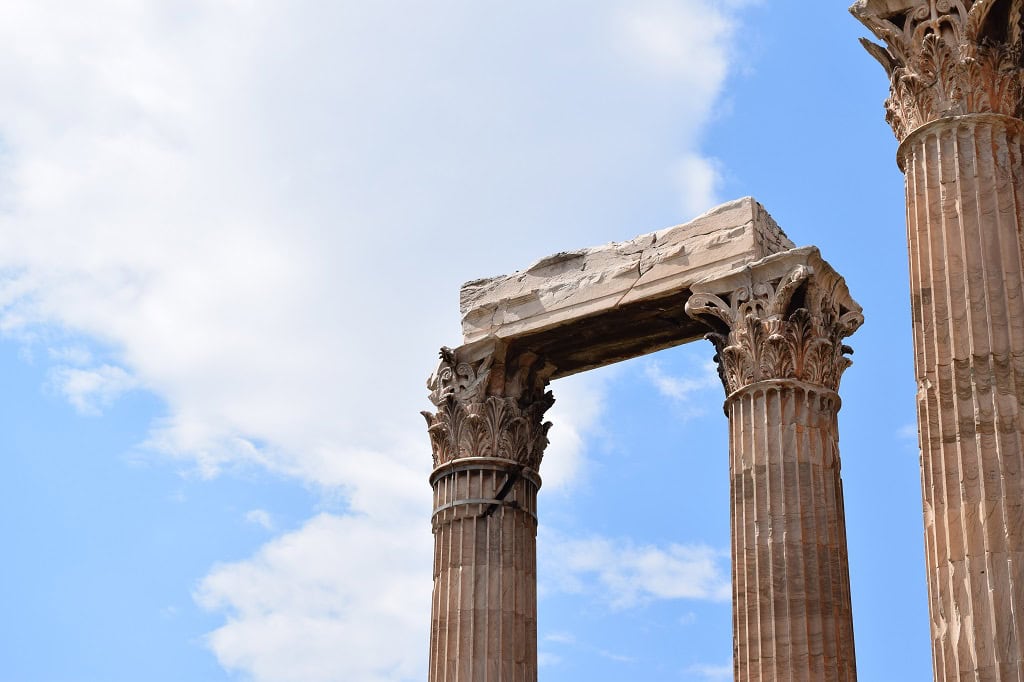
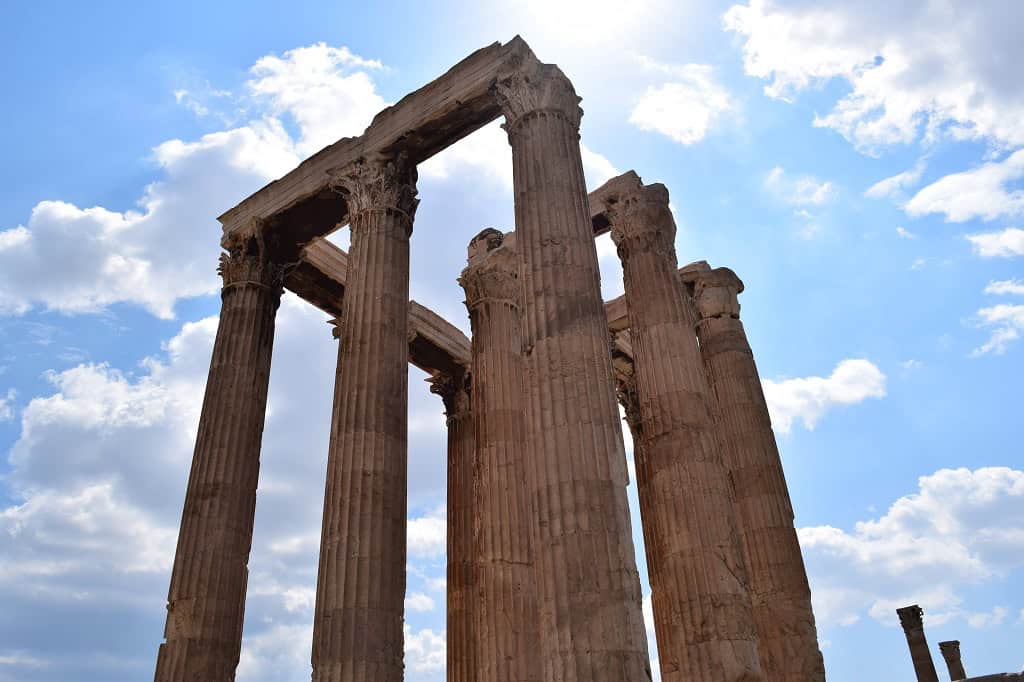
The Temple of Olympian Zeus, also known as the Olympieion, was a colossal temple in the center of Athens. The temple was dedicated to Zeus, the king of the Olympian gods. Its construction began in the 6th century BC, but it was not completed until the 2nd century AD by the Roman Emperor Hadrian. It was one of the largest temples ever built in the ancient world, with massive columns. Today, only 15 of the original 104 colossal Corinthian columns remain standing, but they still give a powerful impression of the immense scale of the original building.
The Panathenaic Stadium (Kallimarmaro)
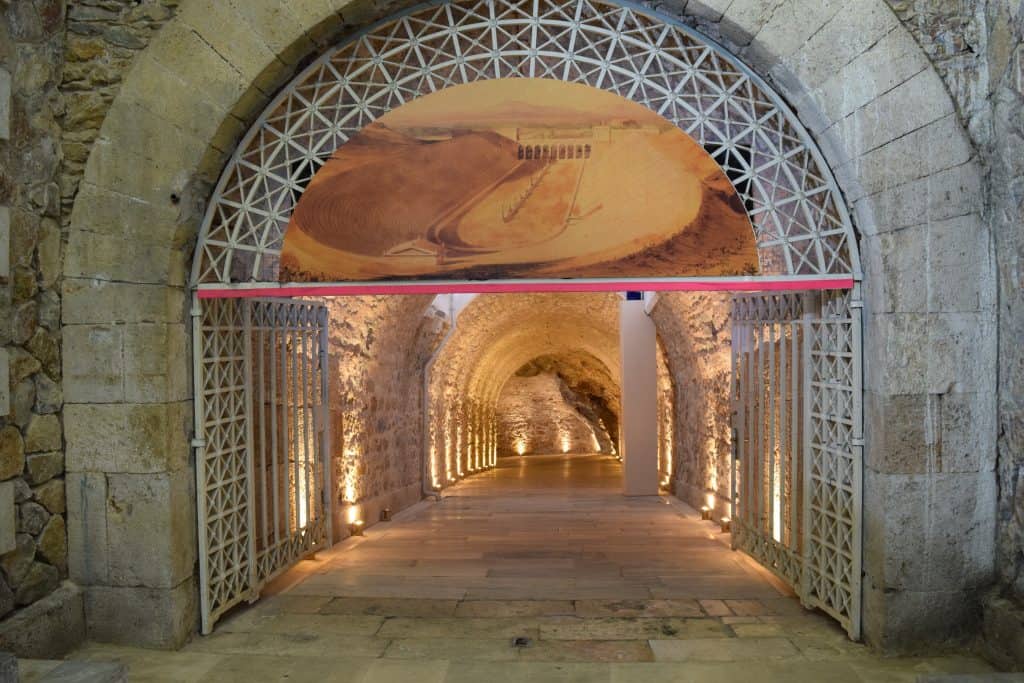
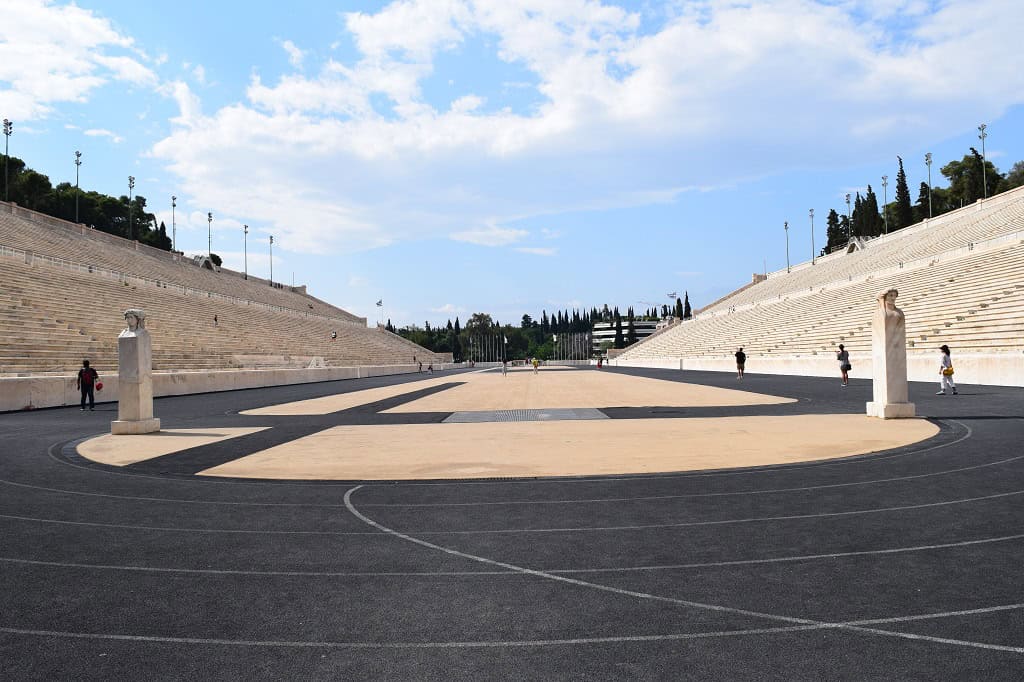
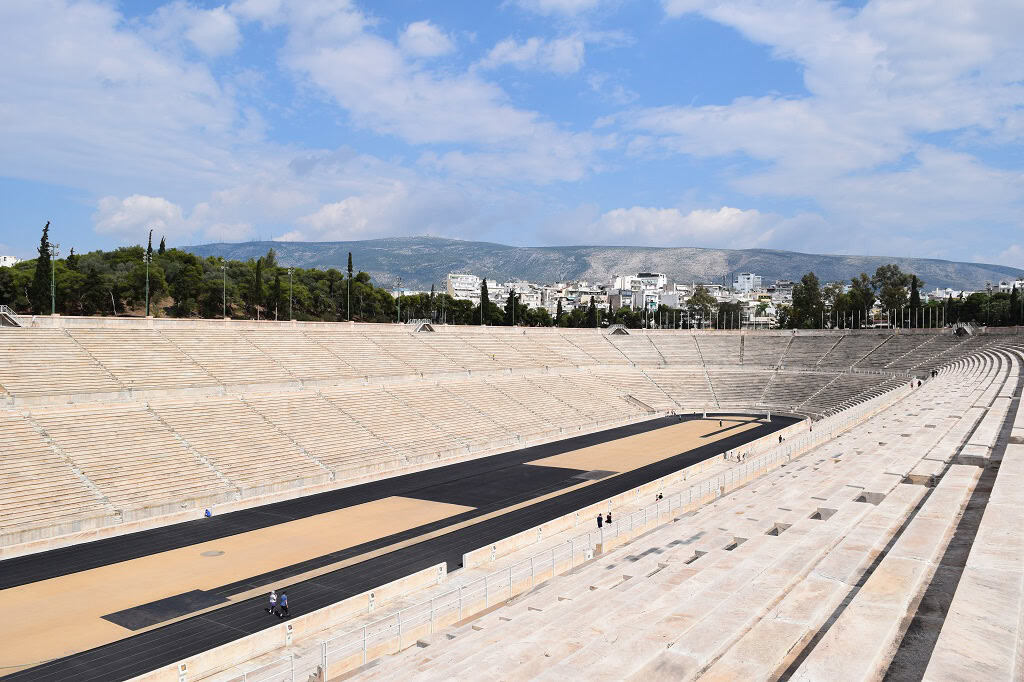
The Panathenaic Stadium, also known as the Kallimarmaro, is a multi-purpose stadium in Athens and one of the main historic attractions of the city. It is the only stadium in the world built entirely of marble. An ancient stadium was originally built here in the 4th century BC for the Panathenaic Games. The stadium was excavated and rebuilt to host the first modern Olympic Games in 1896. It was also used as a venue during the 2004 Athens Olympics. It is the finishing point for the annual Athens Classic Marathon.
Plaka and Anafiotika
The Plaka district is the oldest and most beautiful neighborhood in Athens. It is a labyrinth of narrow, cobblestone streets located on the northeastern slope of the Acropolis. The area is filled with beautiful neoclassical houses, small squares, and Byzantine churches. A particularly charming part of Plaka is Anafiotika. This is a tiny cluster of whitewashed, Cycladic-style houses that makes you feel like you are on a Greek island. The area is a popular and picturesque place for a stroll.
Syntagma Square and the Parliament
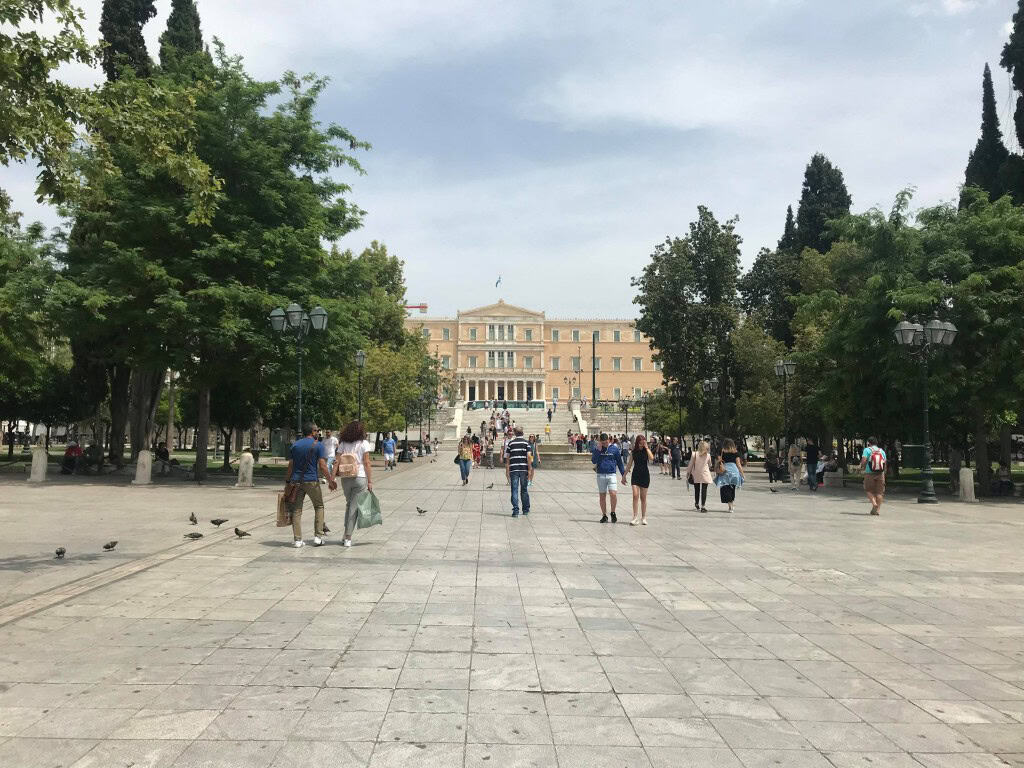
Syntagma Square is the central square of Athens and the political heart of modern Greece. The square is dominated by the imposing building of the Hellenic Parliament, which was the former Royal Palace. In front of the parliament building is the Tomb of the Unknown Soldier. This monument is guarded by the elite presidential guard, known as the Evzones, who are famous for their traditional, distinctive uniforms. The ceremonial Changing of the Guard takes place in front of the tomb every hour on the hour and is a major attraction for visitors.
Lycabettus Hill
Mount Lycabettus is a prominent limestone hill that rises high above the center of Athens. At 277 meters, its summit is the highest point in the central part of the city. The top of the hill offers a spectacular 360-degree panoramic view of the entire city of Athens, from the Acropolis to the port of Piraeus and the Aegean Sea. At the top, there is the small, whitewashed Chapel of St. George, a restaurant, and a cafe. To reach the summit, you can either take a scenic walk up through the pine forest or ride the funicular railway.





Traveling with Kids
Athens is a surprisingly family-friendly city with a wealth of attractions that can be highly engaging for children. The city’s famous ancient sites, like the Acropolis and the Ancient Agora, can be giant playgrounds for the imagination, especially when the stories of the Greek gods and heroes are brought to life. A visit to the Panathenaic Stadium allows kids to run on the track of the first modern Olympics. For a different kind of fun, the ceremonial Changing of the Guard at Syntagma Square is a spectacle that captivates children.
Beyond the main historical sights, Athens offers several excellent museums and parks that are designed for a family audience. The Hellenic Children’s Museum provides a fully interactive experience. For a day of thrilling modern fun, the large Allou Fun Park is a classic amusement park. The city’s many green spaces, like the National Garden, provide a welcome escape from the bustling city streets, and they are often equipped with playgrounds. This combination of ancient wonders, interactive museums, and recreational spaces makes Athens a well-rounded and exciting destination for a family vacation.
Activities for Kids in Athens
For families seeking memorable outings, Athens offers world-class experiences that blend education with pure fun. A visit to the magnificent Acropolis Museum is designed to be engaging for all ages, while a day at the Allou Fun Park provides classic amusement park thrills. These activities are designed to captivate children and adults alike.
The Acropolis Museum
The Acropolis Museum is a fantastic destination for families. The museum is very well-designed for a family audience. It offers special family backpacks with games and activities that make exploring the exhibits a fun and interactive experience for children. The museum’s most famous highlight is the glass floor on the lower level, which allows you to walk over the ruins of an ancient Athenian neighborhood. The magnificent Parthenon Gallery on the top floor, with its stunning views of the real Parthenon, is impressive for all ages.
Allou Fun Park
For a day of pure fun and entertainment, the Allou Fun Park is the largest and most famous amusement park in Greece. The park is located in a suburb of Athens. It is divided into two sections: a larger park with thrilling rides for teenagers and adults, and a smaller section called Kidom that is designed specifically for younger children. The park features a wide variety of attractions, including roller coasters, a giant Ferris wheel, and carousels. It is a perfect destination for a full day of energetic family fun.
The Hellenic Children’s Museum
The Hellenic Children’s Museum is located in the Plaka district and is a fantastic indoor activity for families with younger children. The museum is a fully interactive, “hands-on” museum that is designed to be a playful learning environment. The exhibits are set up as a series of play spaces, such as a supermarket, a kitchen, and a construction site, where children can learn through role-playing. The museum’s purpose is to help children develop their creativity and understanding of the world around them through play.
A Ride on the Happy Train
A fun and relaxing way to see the main sights of the historic center of Athens with children is to take a ride on the Happy Train. This is a small, open-sided tourist train that runs on a fixed route through the main tourist areas. The train passes by many of the most famous landmarks, including the Temple of Olympian Zeus, Plaka, and the Roman Agora. It is a great way to get an overview of the city without having to walk long distances, which can be a great option for families with tired little legs.
Playgrounds in Athens
Athens has numerous public playgrounds located throughout its many parks and residential areas. These play areas are generally modern, well-maintained, and offer a variety of equipment for children of all ages. They are important social spots for local families.
Playground in the National Garden
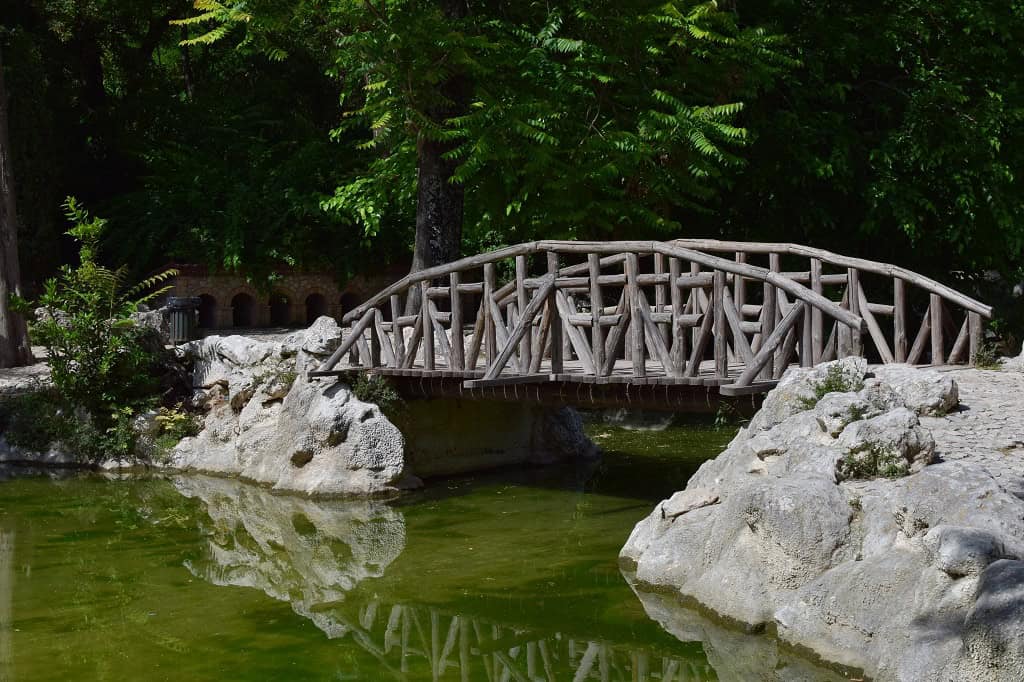
The National Garden, located right next to the Hellenic Parliament in the center of Athens, has a large and very popular public playground. This playground is a green oasis in the heart of the city. It is extensive and features a wide variety of play equipment suitable for different age groups. The garden itself is a beautiful and shady place for a family walk, with a small zoo and a botanical museum. The combination of a great playground and the beautiful park surroundings makes it a top destination for families.
Playground at Flisvos Marina
The playground at Flisvos Marina, located in the coastal suburb of Paleo Faliro, is one of the best and most popular in all of Athens. This massive playground has a fun pirate ship theme and is located in a beautiful park right next to the sea and a large marina filled with luxury yachts. The playground is very creative and is designed to look like a small village. It is a fantastic destination for a full day of family fun. The area also has a long promenade that is perfect for a family walk or bike ride.
Playground at the Stavros Niarchos Foundation Cultural Center
The Stavros Niarchos Park at the SNFCC has several excellent and very creative playgrounds. These play areas are designed to be integrated with the natural landscape of the park. They feature unique play structures made from natural materials. The park is a paradise for children, offering not only playgrounds but also fountains to play in, large lawns to run on, and a variety of family-friendly events and workshops. It is a world-class destination for families.
Playground on Lycabettus Hill
There is a small but pleasant public playground located on the slopes of Lycabettus Hill, near the lower station of the funicular railway. This playground is set in a peaceful, wooded environment. It provides a great opportunity for a play break before or after a trip up to the top of the hill to enjoy the spectacular views. The playground offers a more tranquil and nature-oriented play experience compared to the more bustling playgrounds in the city center.





Sports in Athens
Athens has a rich and extremely passionate sports scene, and it is the home of several of Europe’s most famous multi-sport clubs. Football is the most popular sport, and the city is the stage for one of the most intense rivalries in world football, the derby between Olympiacos (from the neighboring port city of Piraeus) and Panathinaikos. Basketball is also incredibly popular, with the same two clubs being major powerhouses in European basketball. The city also has a deep connection to the Olympic Games, having hosted both the first modern games in 1896 and the games of 2004.
The city is equipped with world-class venues to support this passion for sport. The main stadium is the magnificent Olympic Athletic Center of Athens (OAKA), which was the main venue for the 2004 Olympics. This complex includes the main Olympic Stadium, an indoor arena for basketball, and an aquatics center. The historic Panathenaic Stadium is another key venue. Individual sports are also very popular, with the Athens Classic Marathon being a major international event that follows the historic route from Marathon to Athens.
Football
Football is the most popular sport in the city. Athens is home to several of the country’s top professional clubs. The local derbies between the main Athens teams are some of the most passionate and fiercely contested in all of European sport.
Panathinaikos F.C.
Panathinaikos F.C. is one of the oldest and most successful football clubs in Greece. Founded in 1908, the club has won the Greek Super League championship numerous times. They are most famous for their run to the European Cup Final in 1971, making them the only Greek team to have ever reached the final of the premier European competition. They play their home matches at the historic Apostolos Nikolaidis Stadium. The rivalry with Olympiacos is known as the “Derby of the eternal enemies” and is one of the most intense in the world.
AEK Athens F.C.
AEK Athens F.C. is another of the major football clubs in the city. The club was founded in 1924 by Greek refugees from Constantinople. They have also won the Greek Super League championship multiple times and have had success in European competitions. They play their home matches at the new and modern Agia Sophia Stadium, which is located in the suburb of Nea Filadelfeia. The rivalry between AEK and Panathinaikos is another of the major Athens derbies.
Basketball
Basketball is an extremely popular sport in Greece, and the Athens clubs are among the most successful in all of Europe. The city has a rich history in the sport and has produced many world-class players. The rivalry between the main Athens clubs is just as intense in basketball as it is in football.
Panathinaikos B.C.
The basketball section of the club, Panathinaikos B.C., is the most successful basketball club in the history of Greece and one of the most successful in all of Europe. The team has won the EuroLeague, the premier international competition for basketball clubs in Europe, a record seven times. They have also won the Greek Basketball League championship more times than any other team. They play their home games at the OAKA Olympic Indoor Hall.
AEK B.C.
The basketball section of AEK Athens, AEK B.C., is another historic and successful club. The team has won the Greek Basketball League championship multiple times. They have also had success in European competitions, winning the FIBA Saporta Cup twice and the Basketball Champions League. They also play their home games at a large indoor arena in the city. The club has a very passionate and dedicated fanbase.
Marathon
The city of Athens is the birthplace of the marathon race. The event is named after the legend of the Greek soldier Pheidippides, who ran from the town of Marathon to Athens to announce the Greek victory over the Persians. The marathon race was a main event at the first modern Olympic Games in 1896.
The Athens Classic Marathon
The Athens Classic Marathon is a major annual running event that follows the original, historic course from the town of Marathon to the Panathenaic Stadium in Athens. The race is held every November and attracts thousands of participants from all over the world. It is considered one of the most difficult major marathons due to its hilly course. Finishing the race in the historic marble stadium is a unique and emotional experience for runners.
Olympic Games
Athens is a city with a deep and unique connection to the Olympic Games. It was the site of the ancient Panathenaic Games, and it was the host city for the first modern Olympic Games in 1896. In 2004, the city once again hosted the Summer Olympics, which led to a major modernization of its infrastructure.
The Olympic Athletic Center of Athens (OAKA)
The OAKA is a massive sports complex located in the suburb of Marousi. It was the main venue for the 2004 Summer Olympics. The complex includes the magnificent Olympic Stadium, which is known for its iconic roof designed by the architect Santiago Calatrava. It also includes the Olympic Indoor Hall for basketball and gymnastics, the Olympic Aquatic Centre, and the Olympic Velodrome. Today, the complex continues to host major sporting and cultural events.


Getting Around in Athens
Navigating Athens and its sprawling metropolitan area is facilitated by a comprehensive and modern public transportation system. The backbone of this system is the Athens Metro, which is one of the most efficient and user-friendly in Europe. This is complemented by an extensive network of city buses, trolleybuses, and a modern tram line that runs along the coast. For exploring the historic heart of the city, including Plaka and the Acropolis, walking is by far the best option.
The Athens Metro
The Athens Metro is the fastest and most convenient way to get around the city. The system consists of three lines that cover most of the city and its suburbs. The metro is modern, clean, and efficient, and many of the central stations are like small museums, with displays of the archaeological artifacts that were discovered during their construction. The metro provides a direct link between the city center, the port of Piraeus, and the Athens International Airport.
Trams and Buses
Athens has an extensive network of buses and electric trolleybuses that serve all parts of the city. The network is very comprehensive and provides access to areas not served by the metro. A modern tram line is another excellent option for traveling along the coast. The tram connects the center of Athens at Syntagma Square with the coastal suburbs of Faliro, Glyfada, and Voula, as well as the port of Piraeus. The tram provides a scenic and relaxed way to travel to the beaches of the Athens Riviera.
Exploring by Foot
The historic and commercial heart of Athens is very walkable, and exploring on foot is the best way to experience its unique atmosphere. The main tourist area, which includes the Acropolis, Plaka, Monastiraki, and Syntagma Square, is a large and largely pedestrianized zone. A walk along the magnificent Grand Promenade, a pedestrian street that encircles the base of the Acropolis, connects most of the main archaeological sites. Walking is the most immersive way to experience the beauty and history of the ancient city.






How to Get to Athens?
As the capital and largest city of Greece, Athens is the country’s primary transportation hub and is exceptionally well-connected. It is easily accessible by air, road, rail, and sea from destinations all across Europe and the world. The city is served by a major international airport, which is the main gateway to the country. The port of Piraeus, which is a part of the Athens urban area, is the largest passenger port in Europe and provides ferry connections to all the Greek islands.
Arriving by Air
The main airport for the city is Athens International Airport “Eleftherios Venizelos” (ATH). The airport is located about 35 kilometers east of the city center. It is the largest and busiest airport in Greece and is the main hub for the national carrier, Aegean Airlines. It is served by numerous international airlines with connections to destinations all over the world. The airport is very well-connected to the city center by a direct metro line, a suburban railway, several express bus services, and taxis.
Journey by Rail
Athens’ main railway station is the Larissa Station, located in the central part of the city. The national rail operator, Hellenic Train, operates intercity services that connect Athens with other major cities in Greece, including Thessaloniki and Patras. The suburban railway, the Proastiakos, also runs from Larissa Station and provides connections to the airport, the port of Piraeus, and the city of Corinth.
Connecting by Bus
Athens has two main long-distance bus terminals. The Kifissos Bus Terminal is the larger of the two, and it serves routes to the Peloponnese, western, and northern Greece. The Liosion Bus Terminal serves destinations in central Greece. The regional bus company, KTEL, operates a vast network of routes connecting Athens with almost every town and village in the country. Bus travel is often the most economical option for reaching many destinations.
Arriving by Sea
The port of Piraeus, located about 12 kilometers from the center of Athens, is the main seaport for the capital and the largest in Greece. It is the primary gateway to the Aegean Islands. An extensive network of ferries, from large conventional ferries to high-speed catamarans, departs from Piraeus for all the major island groups, including the Cyclades, the Dodecanese, Crete, and the Saronic Islands. The port is easily reached from the center of Athens by the metro.
Driving Distances
The driving distance from 50 regional cities, according to Google Maps:
- Piraeus, Greece – 12 kilometers (0 h 25 min)
- Chalkida, Greece – 78 kilometers (1 h 00 min)
- Corinth, Greece – 83 kilometers (1 h 00 min)
- Nafplio, Greece – 138 kilometers (2 h 00 min)
- Patras, Greece – 212 kilometers (2 h 20 min)
- Ioannina, Greece – 410 kilometers (4 h 20 min)
- Thessaloniki, Greece – 502 kilometers (5 h 00 min)
- Tirana, Albania – 620 kilometers (7 h 30 min)
- Skopje, North Macedonia – 685 kilometers (7 h 00 min)
- Sofia, Bulgaria – 795 kilometers (7 h 50 min)
- Podgorica, Montenegro – 823 kilometers (11 h 00 min)
- Naples, Italy – 860 kilometers (11 h 00 min, via ferry route)
- Sarajevo, Bosnia – 1023 kilometers (13 h 00 min)
- Belgrade, Serbia – 1058 kilometers (10 h 30 min)
- Istanbul, Turkey – 1098 kilometers (11 h 30 min)
- Bucharest, Romania – 1200 kilometers (14 h 00 min)
- Budapest, Hungary – 1278 kilometers (12 h 30 min)
- Zagreb, Croatia – 1323 kilometers (13 h 30 min)
- Chișinău, Moldova – 1350 kilometers (17 h 00 min)
- San Marino – 1400 kilometers (14 h 00 min)
- Ljubljana, Slovenia – 1473 kilometers (14 h 30 min)
- Vienna, Austria – 1495 kilometers (14 h 30 min)
- Florence, Italy – 1500 kilometers (15 h 00 min)
- Venice, Italy – 1600 kilometers (16 h 00 min)
- Prague, Czech Republic – 1795 kilometers (17 h 30 min)
- Milan, Italy – 1860 kilometers (18 h 00 min)
- Munich, Germany – 1900 kilometers (18 h 00 min)
- Vaduz, Liechtenstein – 2000 kilometers (19 h 30 min)
- Kyiv, Ukraine – 2000 kilometers (24 h 00 min)
- Monaco – 2000 kilometers (19 h 30 min)
- Stuttgart, Germany – 2050 kilometers (19 h 30 min)
- Zurich, Switzerland – 2100 kilometers (20 h 30 min)
- Berlin, Germany – 2160 kilometers (21 h 00 min)
- Frankfurt, Germany – 2200 kilometers (21 h 30 min)
- Warsaw, Poland – 2200 kilometers (22 h 00 min)
- Geneva, Switzerland – 2200 kilometers (21 h 30 min)
- Marseille, France – 2300 kilometers (22 h 30 min)
- Cologne, Germany – 2350 kilometers (23 h 00 min)
- Luxembourg – 2400 kilometers (24 h 00 min)
- Hamburg, Germany – 2600 kilometers (25 h 00 min)
- Brussels, Belgium – 2600 kilometers (26 h 00 min)
- Amsterdam, Netherlands – 2800 kilometers (28 h 00 min)
- Paris, France – 2800 kilometers (27 h 00 min)
- Copenhagen, Denmark – 2800 kilometers (28 h 00 min)
- London, United Kingdom – 2900 kilometers (29 h 00 min)
- Barcelona, Spain – 3000 kilometers (29 h 00 min)
- Andorra la Vella, Andorra – 3100 kilometers (30 h 00 min)
- Stockholm, Sweden – 3400 kilometers (35 h 00 min)
- Oslo, Norway – 3500 kilometers (36 h 00 min)
- Madrid, Spain – 3700 kilometers (36 h 00 min)
Looking to Explore more of Greece and Europe?