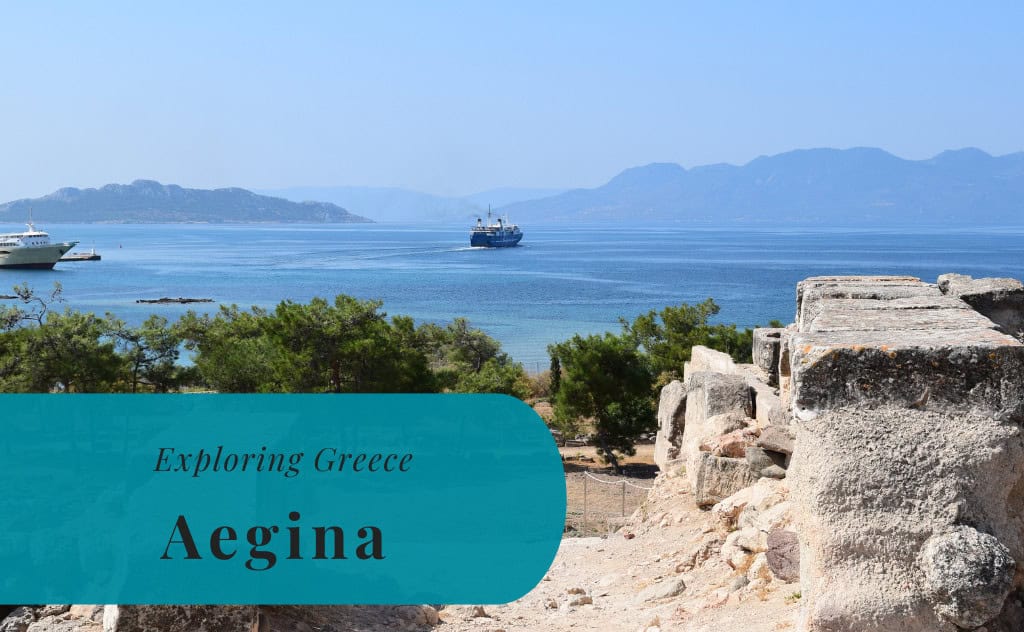
Aegina | Exploring Greece
Aegina Town is the main port and the largest town on the island of Aegina, one of the Saronic Islands of Greece. It is located on the western coast of the island. With a population of around 7,000 inhabitants, the town is the administrative and commercial center of the entire island. It is known for its picturesque and lively harbor, its beautiful neoclassical buildings, and its rich history. The town offers a vibrant yet relaxed atmosphere, making it a popular destination for both day-trippers from Athens and for longer stays.
The town’s identity is defined by its history as a major maritime power and as the first temporary capital of modern Greece. This legacy is visible in its architecture and its many historical sights. For a short period, between 1827 and 1829, Aegina town served as the first capital of the newly founded Greek state, and the impressive buildings from this era are key landmarks. Today, the town is also famous for its production of high-quality pistachios, which are sold at many stalls along the harbor front. Its combination of neoclassical elegance, ancient history, and a bustling harbor life makes it a unique and compelling destination.


History of Aegina
The history of Aegina is long and rich, with the island playing a significant role in Greek history since antiquity. The town itself is built on the site of the ancient city. For a long period, Aegina was a major maritime power that rivaled Athens. A pivotal moment in its modern history was when it was chosen as the first capital of the newly independent Greek state in the early 19th century. This short but important period left a lasting legacy on the town’s architecture and its character.
An Ancient Maritime Power
The island of Aegina has been inhabited since the Neolithic period. It rose to prominence in the ancient world as a major maritime power in the 7th century BC. The Aeginetans were famous sailors and traders, and their silver coins, which featured the image of a sea turtle, were the first to be minted in Europe and became a standard currency in much of the Greek world. The island’s economic rivalry with the nearby city-state of Athens led to several wars. Despite this rivalry, the Aeginetan fleet played a crucial role in the Battle of Salamis in 480 BC, where the Greeks defeated the Persians.
The First Capital of Modern Greece
Aegina Town played a key role in the birth of the modern Greek state. After the Greek War of Independence, Aegina was chosen as the temporary capital of the newly founded nation from 1827 to 1829. The first governor of Greece, Ioannis Kapodistrias, established his government here. During this period, several impressive neoclassical buildings were constructed to house the new state’s institutions, including the Governor’s Residence, an orphanage, and the first national mint. Although the capital was soon moved to Nafplio and then Athens, this period as the first capital is a major point of pride in the town’s history.
A Modern Resort Town
In the late 19th and early 20th centuries, Aegina became a popular summer resort for wealthy Athenians. They were drawn by its beautiful neoclassical architecture, its pleasant climate, and its close proximity to the capital. The town developed a reputation as a center for artists and intellectuals. In the modern era, Aegina has continued to be a popular destination for both Greek and international tourists. It has managed to retain its historic charm while developing a modern tourism infrastructure, with a bustling harbor and a wide range of restaurants and cafes.


Sights in Aegina
The sights in Aegina Town are a captivating blend of ancient history, neoclassical elegance, and a lively harbor atmosphere. The main attraction for many is simply the picturesque waterfront, with its colorful fishing boats, horse-drawn carriages, and numerous cafes. Just a short walk from the harbor is the archaeological site of Kolona, where a single column from an ancient temple still stands. The town is also home to several important buildings from its time as the first capital of Greece. For a deeper look into the island’s past, the Archaeological Museum is an essential visit.
Kolona (Temple of Apollo)
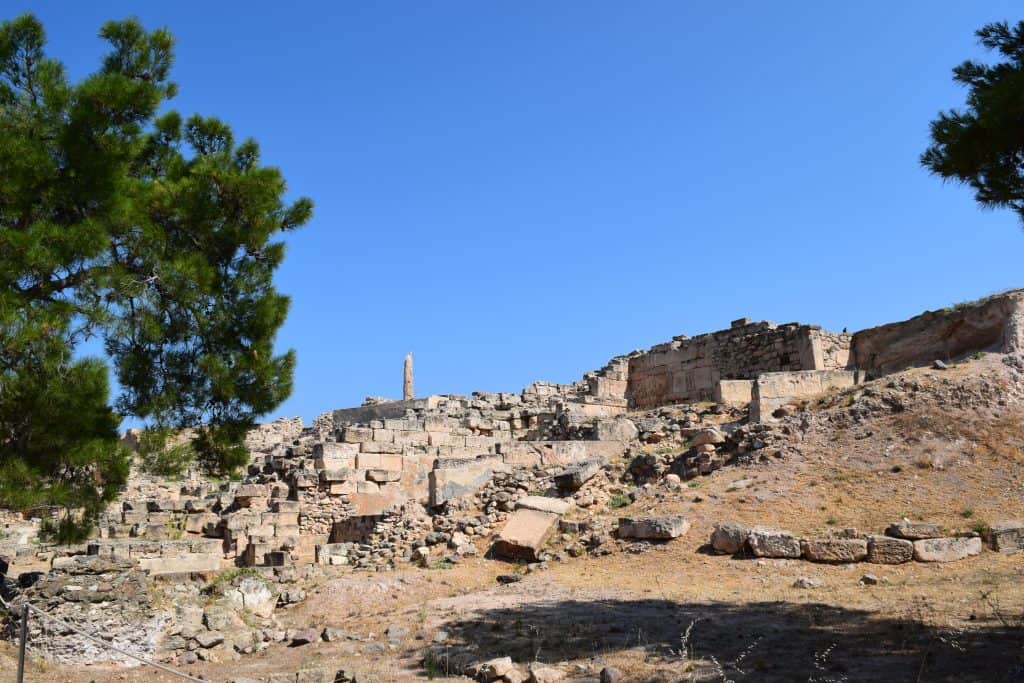
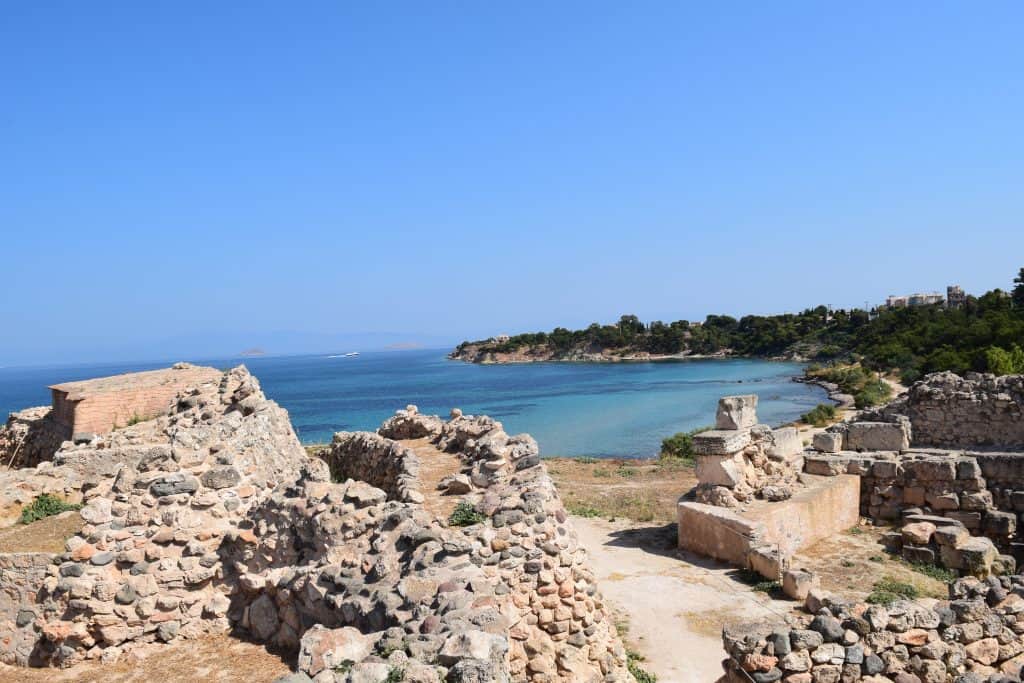
The archaeological site of Kolona is located on a small hill just a short walk from the main harbor of Aegina Town. The site was the location of the ancient acropolis of the city. The name “Kolona,” which means “column” in Greek, comes from the single, solitary Doric column that is all that remains of a 6th-century BC Temple of Apollo. The column has been a landmark for sailors for centuries. The site also includes the remains of the prehistoric and ancient city walls, as well as the Archaeological Museum of Aegina.
The Harbor Front
The harbor front of Aegina Town is the vibrant heart of the city. This long, crescent-shaped promenade is lined with beautiful neoclassical buildings, many of which now house cafes, restaurants, and shops. The harbor is always a hub of activity, with ferries arriving and departing, local fishermen selling their daily catch, and colorful horse-drawn carriages waiting to take tourists on a tour of the town. A walk along the harbor front is the best way to soak in the lively and picturesque atmosphere of the island’s capital.
Tower of Markellos
The Tower of Markellos is a prominent historical landmark located in the center of Aegina Town. This pink-colored tower was built in the early 19th century, likely as part of the town’s fortifications. During the period when Aegina was the capital of Greece, the tower served as a meeting place for the government and as a residence for some of its members, including the governor Ioannis Kapodistrias. Today, the historic tower is used as a cultural center and hosts various art exhibitions and other events.
The Kapodistrian Buildings
Aegina Town is home to several important public buildings that were constructed during the short period when it was the first capital of modern Greece. These are known as the Kapodistrian buildings, named after the first governor, Ioannis Kapodistrias. The most significant of these is the Eunardeio, which was the first teacher-training school in Greece. Another is the large Orphanage, which was built to house the many children who were left without families after the War of Independence. These neoclassical buildings are a testament to the efforts to build a modern state.
Archaeological Museum of Aegina
The Archaeological Museum of Aegina is located at the archaeological site of Kolona. It was the first national museum to be founded in modern Greece. The museum houses an extensive collection of artifacts that have been unearthed on the island, covering the entire history of Aegina from the prehistoric period to the Roman era. The collections include a wide variety of pottery, sculptures, and jewelry. The museum provides a comprehensive overview of the island’s rich and significant ancient past.
Traveling with Kids
Aegina Town is a very family-friendly destination, offering a relaxed and safe environment for a family holiday. The town’s main harbor front is a great place for a family walk, and children will love watching the ferries and the fishing boats. The horse-drawn carriages that offer tours of the town are another major highlight for kids. The town has several small, sandy beaches that are suitable for children, and the calm waters of the Saronic Gulf are perfect for swimming.
The wider island of Aegina also offers numerous attractions for families. The famous Temple of Aphaia can be an exciting historical adventure for older children. The small fishing village of Perdika is another charming destination, from where you can take a short boat trip to the uninhabited island of Moni, which is home to a population of friendly deer and peacocks. This combination of a lively town, beautiful beaches, and easy excursions makes Aegina a well-rounded and convenient family destination.

Sports in Aegina
The sports scene in Aegina Town and on the island is centered around a variety of outdoor and water-based activities that take advantage of its beautiful natural setting. The calm waters of the Saronic Gulf make it an ideal venue for sports like sailing, kayaking, and swimming. The island’s hilly and forested interior is a paradise for hikers and cyclists. The town is also home to several local clubs for popular team sports like football and basketball, which are central to the community. The annual Pistachio Festival also includes sporting events.
A.O. Aiginaikos (Football)
Football is a popular sport on the island. The main football club for the town is A.O. Aiginaikos. The club has a long history and is a central institution in the local community. The team competes in the regional divisions of the Greek football league system. They play their home matches at the Municipal Stadium of Aegina, which is located in the town. The club has a strong focus on youth development, providing opportunities for children from the island to play the sport.
A.O.K. Saronikos Aiginas (Basketball)
Basketball is another popular sport in the town. The main local club is A.O.K. Saronikos Aiginas. The club has sections for both men and women and an extensive youth program. The teams compete in the regional basketball leagues of the Attica region. The club is a key part of the local sporting community and provides an important outlet for the sport on the island. They play their home games at the local indoor sports hall.
Aegina Yacht Club (Sailing)
Sailing is a major sport in Aegina, and the Aegina Yacht Club is one of the most important in the Saronic Gulf. The club organizes major international and national sailing regattas throughout the year, including the famous “Ioannis Kapodistrias” regatta. The harbor of Aegina is a popular destination for private yachts and charter boats that are cruising the Saronic Islands. The club also has a sailing school for children and adults.
Ioannis Kapodistrias Run (Running)
The Ioannis Kapodistrias Run is a major annual road running event that is held in Aegina Town. The race is named in honor of the first governor of Greece, who had his capital on the island. The event includes a 10k race and a 5k race, as well as races for children. The course takes runners through the historic streets of the town and along the scenic waterfront. The event attracts both local runners and participants from all over Greece.

Getting Around in Aegina
Navigating Aegina Town is best done on foot. The town is very compact, and its charming harbor front and narrow backstreets are largely pedestrian-oriented. For travel to the other villages and beaches on the island, a local bus system provides public transport. Renting a bicycle or a scooter is also a very popular and practical option for exploring the island. Water taxis provide another convenient way to travel to some of the more remote beaches.
Exploring by Foot
The best way to experience the unique atmosphere of Aegina Town is by walking. The entire harbor front, from the main ferry port to the Kolona archaeological site, is a beautiful and pleasant walk. The narrow, winding streets of the old town, located just behind the harbor, are also best explored on foot. All the main sights, shops, and restaurants within the town are within a short and easy walking distance of each other.
Using Local Buses
The public bus system on Aegina is operated by the KTEL bus company. The main bus station is located in Aegina Town, near the main port. From here, a network of bus routes connects the capital with all the other major villages and beaches on the island. There are frequent services to the popular resort of Agia Marina, the ancient Temple of Aphaia, and the fishing village of Perdika. The bus is a reliable and affordable way to get around the island.
Renting a Bicycle or Scooter
Renting a bicycle or a scooter is one of the best and most popular ways to explore the island of Aegina. There are several rental shops located in Aegina Town, near the port. A bike or a scooter gives you the freedom to explore the island’s many beaches and its beautiful interior at your own pace. The island is relatively small, so it is easy to get around. The coastal roads offer beautiful scenery and are perfect for a leisurely ride.
How to Get to Aegina?
Aegina Town is located on the island of Aegina in the Saronic Gulf of Greece. The only way to reach the island is by ferry from the port of Piraeus in Athens. The primary gateway for international visitors is Athens International Airport (ATH). From the airport, you must first travel to the port of Piraeus to catch the ferry. The journey to Aegina is short and frequent, making it a very popular and easy-to-reach island destination from the capital.
Arriving by Air
The closest and most convenient airport is Athens International Airport (ATH). This is the largest and busiest airport in Greece, and it is served by numerous airlines with connections to destinations all over the world. From the airport, you can take a direct express bus (the X96) or the metro to the port of Piraeus. The journey from the airport to the port takes about one to one and a half hours.
Arriving by Ferry
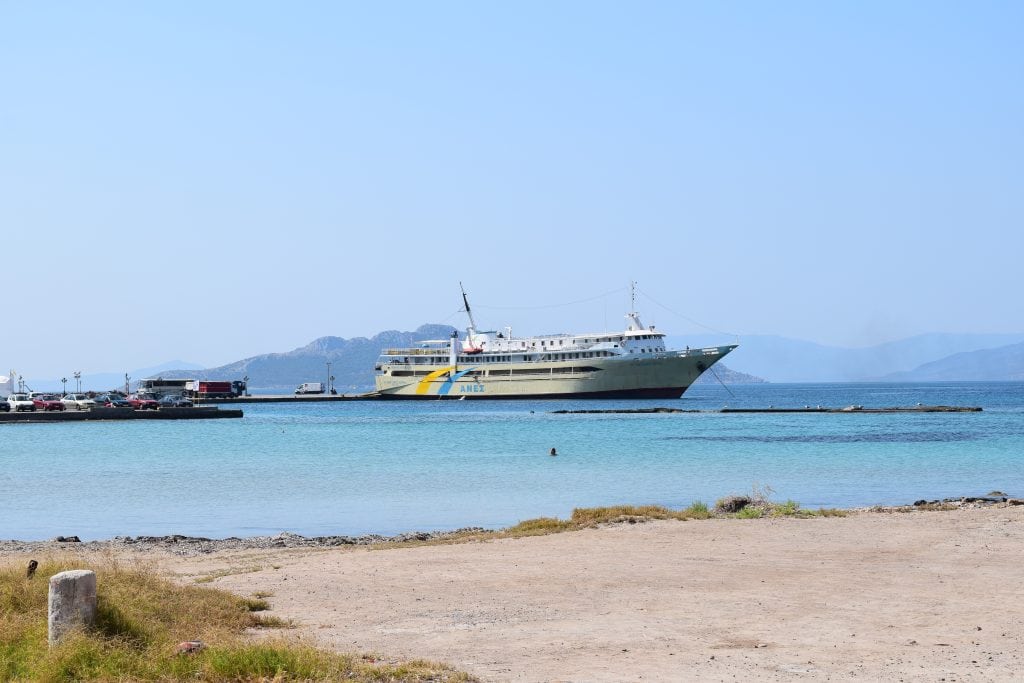
There are two types of ferry services that run very frequently from the port of Piraeus in Athens to Aegina. The conventional car ferry is the larger and slower option, and it arrives at the main port in Aegina Town. The journey takes about one to one and a half hours. The faster, passenger-only hydrofoils, known as “Flying Dolphins,” also arrive at the main port, and the journey takes only about 40 minutes. There are numerous departures throughout the day, especially during the summer.
From Piraeus Port
All ferries to Aegina depart from Gate E8 at the port of Piraeus. The port of Piraeus is very large, so it is important to know which gate you need to go to. Gate E8 is the dedicated gate for ferries to the Saronic Islands. The port is easily reached from the center of Athens by the metro. The Piraeus metro station is located directly opposite the port, making it a very convenient connection.
Looking to Explore more of Greece and Europe?