Sounion, Attica | Exploring Greece
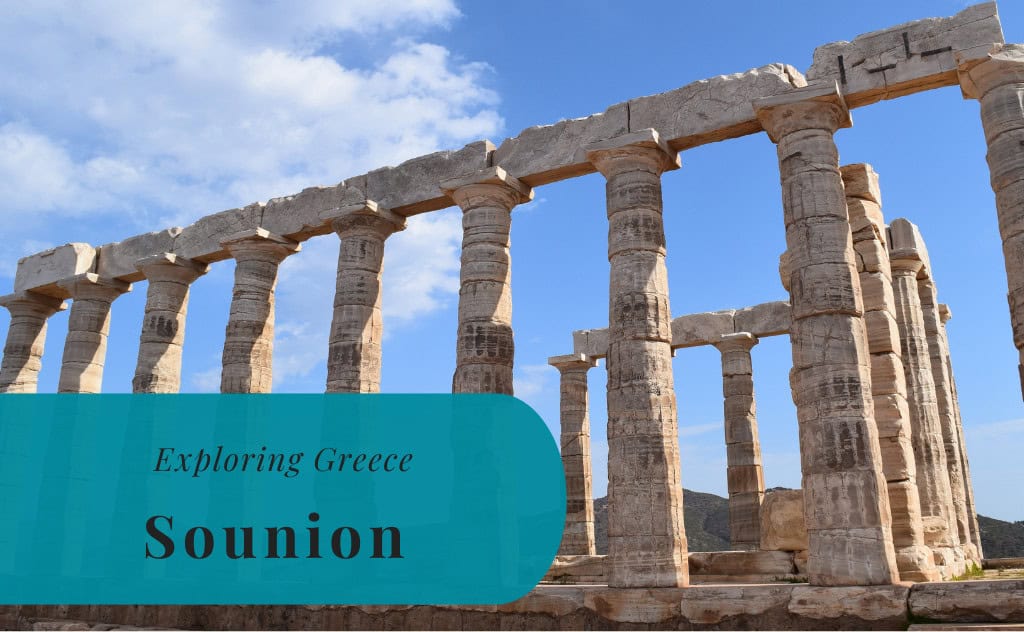
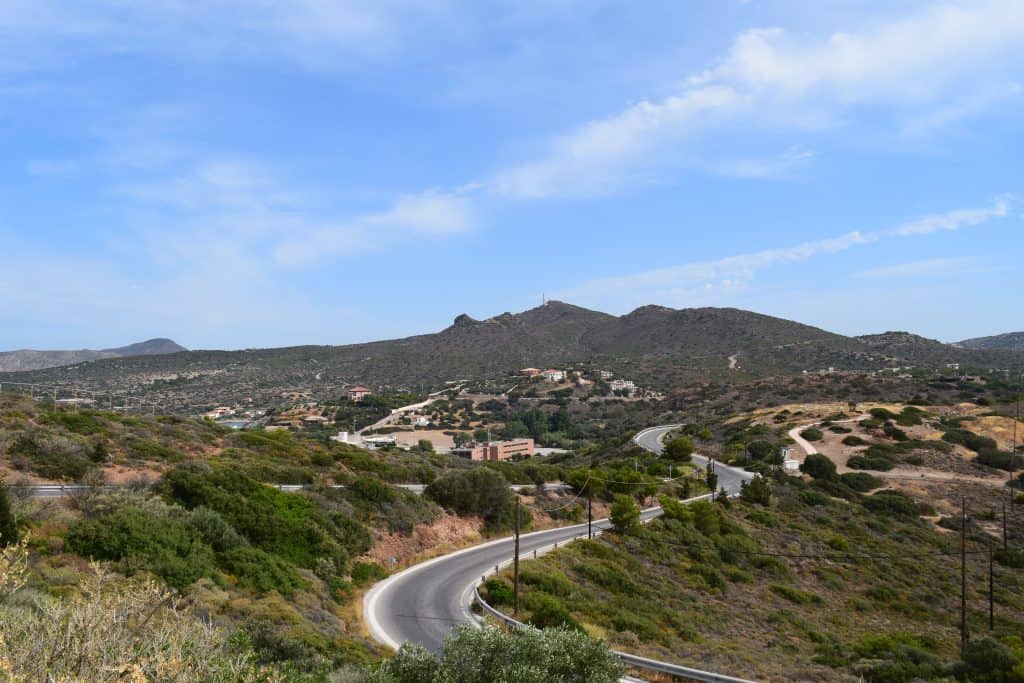
Sounion, or Sounio, is a cape located at the southernmost tip of the Attica peninsula in Greece. It is a part of the East Attica regional unit. Sounion is not a town but a world-famous archaeological site, renowned for the magnificent ruins of the ancient Temple of Poseidon, which stands on a dramatic cliff overlooking the Aegean Sea. The site is known for its spectacular panoramic views, especially at sunset, making it one of the most popular and picturesque destinations in all of Greece.
The identity of Sounion is defined by this ancient temple and its connection to the sea. For centuries, it was a sacred place for sailors and a key strategic point guarding the sea lanes to Athens. The temple was a beacon for ships returning to the port of Piraeus. Today, Sounion is a major tourist attraction, and its combination of world-class ancient history and stunning natural beauty makes it an essential excursion for visitors to the Attica region.


History of Sounion
The history of Sounion is the history of a sacred site that has been important since antiquity. Its strategic location at the tip of the Attica peninsula gave it immense significance for the ancient city-state of Athens. The site was fortified to protect the valuable silver mines in the nearby region of Laurion and to control the sea route to the capital. The main temple was dedicated to Poseidon, the powerful god of the sea, a fitting choice for this dramatic coastal promontory.
A Sacred Site in Antiquity
The site of Sounion has been a place of religious importance since at least the Archaic period of ancient Greece. The first temple here was built in the 7th century BC. This earlier temple was destroyed by the Persians during their invasion of Greece in 480 BC. The magnificent temple whose ruins we see today was built in the mid-5th century BC, during the golden age of Athens under the leadership of Pericles. It was built at the same time as the Parthenon on the Acropolis in Athens.
A Strategic Fortress
In addition to its religious importance, Sounion was also a major military fortress. During the Peloponnesian War in the late 5th century BC, the Athenians built a massive fortified wall around the temple precinct. This was done to protect the vital grain shipments that came by sea to the port of Piraeus. The fortress at Sounion was a key part of the defensive system of Athens, and it served as a watch post for the Athenian navy. The remains of these ancient fortifications are still visible at the site today.
A Famous Landmark
The Temple of Poseidon at Sounion has been a famous landmark for travelers for centuries. The English poet Lord Byron was particularly enchanted by the site, and he famously carved his name on one of the temple’s columns in the early 19th century. The temple’s romantic and dramatic setting has inspired countless artists and writers. In the modern era, the site has been carefully excavated and preserved, and it has become one of the most visited archaeological sites in Greece.



Sights in Sounion
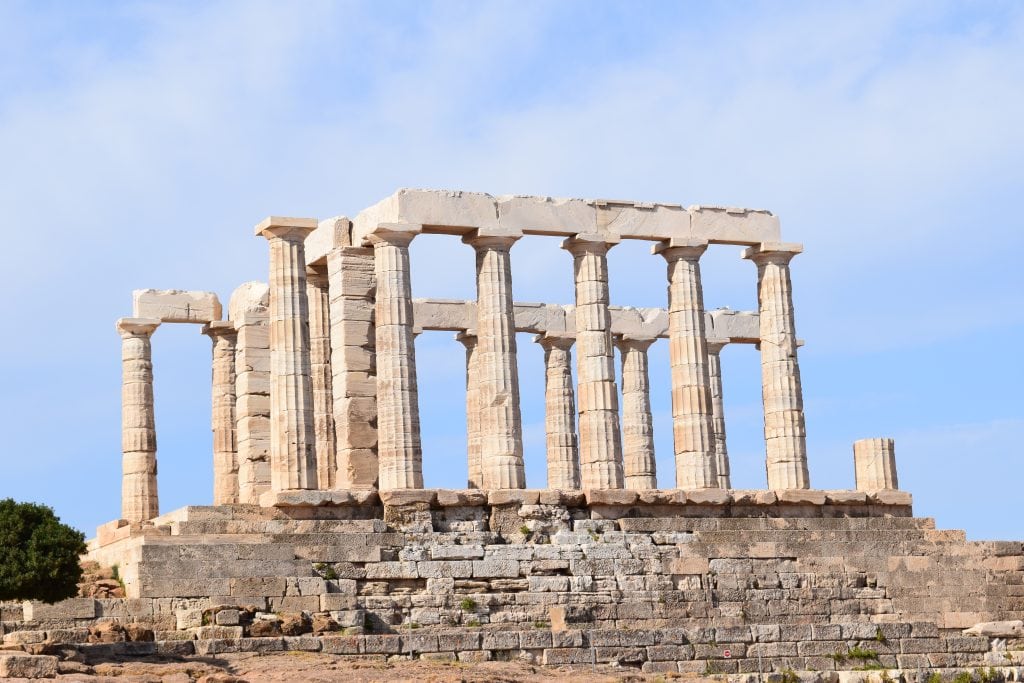
The sights at Sounion are centered around the magnificent archaeological site of the Temple of Poseidon. The main attraction is, of course, the temple itself, with its beautiful Doric columns standing against the backdrop of the blue Aegean Sea. The entire archaeological park is a beautiful place to explore, with the remains of the ancient fortifications and other buildings. The panoramic views from the site are a major highlight, especially at sunset, which is a famous and very popular experience.
Temple of Poseidon
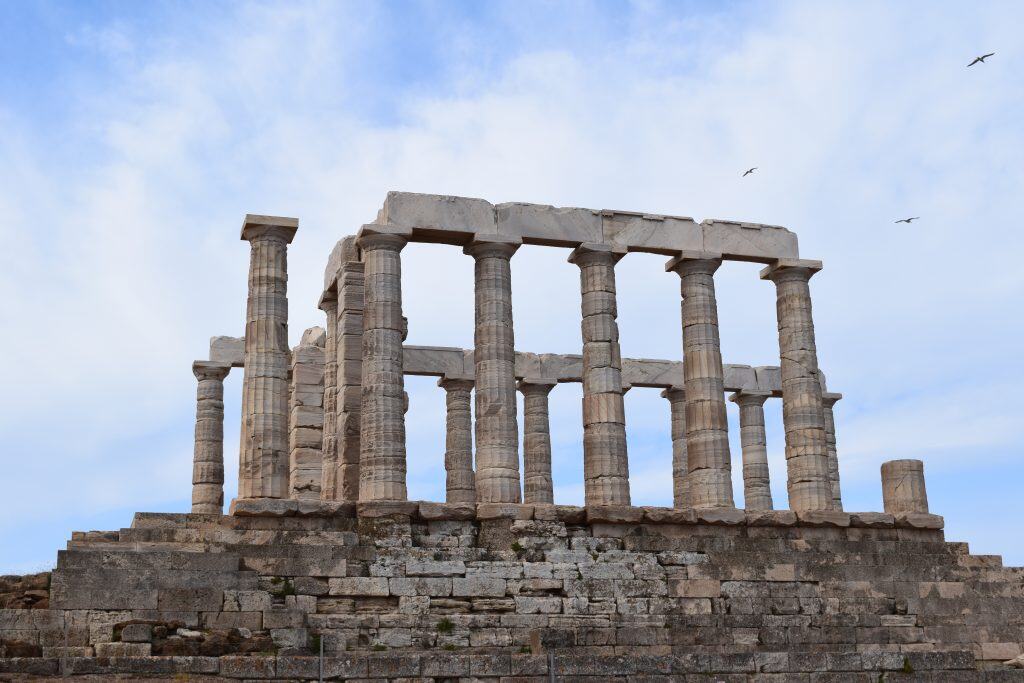
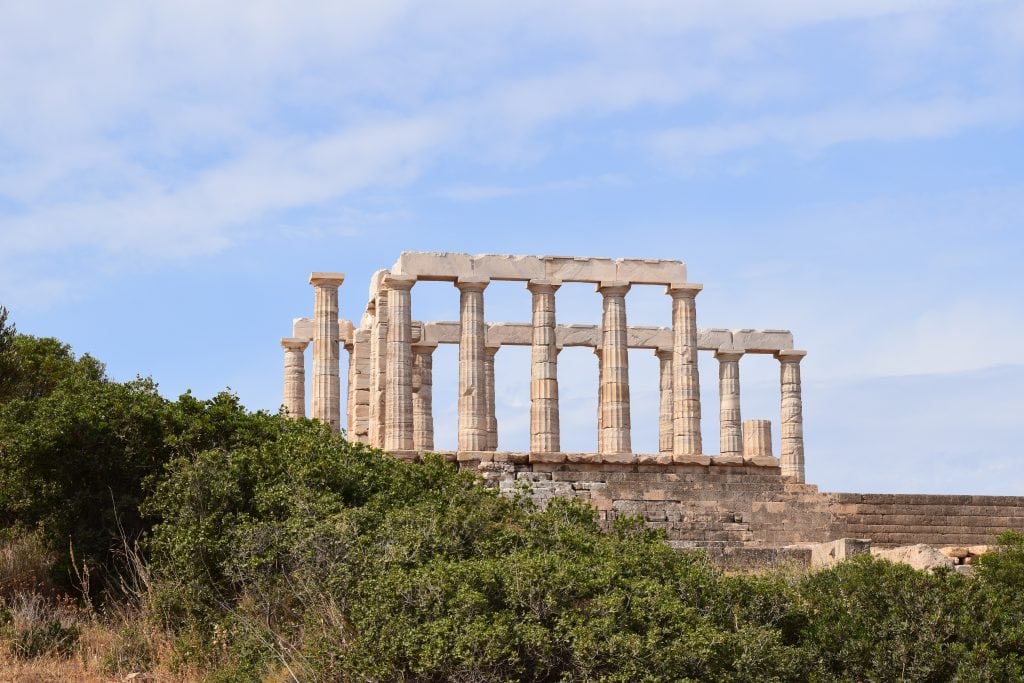
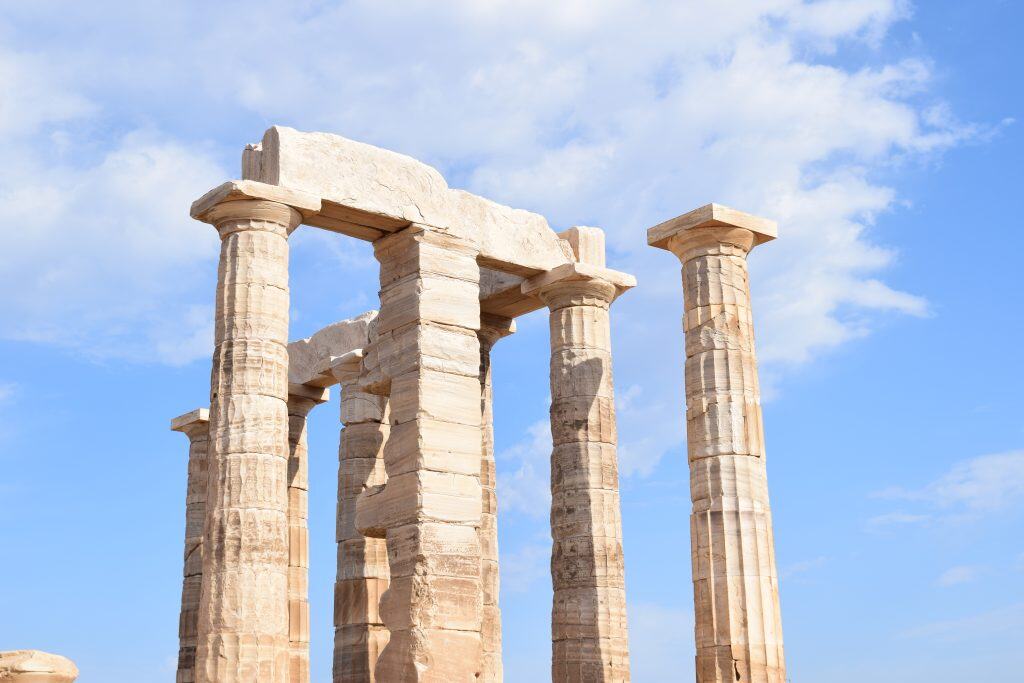
The Temple of Poseidon is the undisputed centerpiece of the site. It was built around 444 BC in the classical Doric style, and it is made of white marble from the nearby region of Agrileza. The temple was originally surrounded by 34 slender columns. Today, 16 of these columns are still standing, and they create a powerful and iconic image. The temple was dedicated to Poseidon, the Greek god of the sea, and sailors would leave offerings here to ensure a safe voyage.
The View and the Sunset
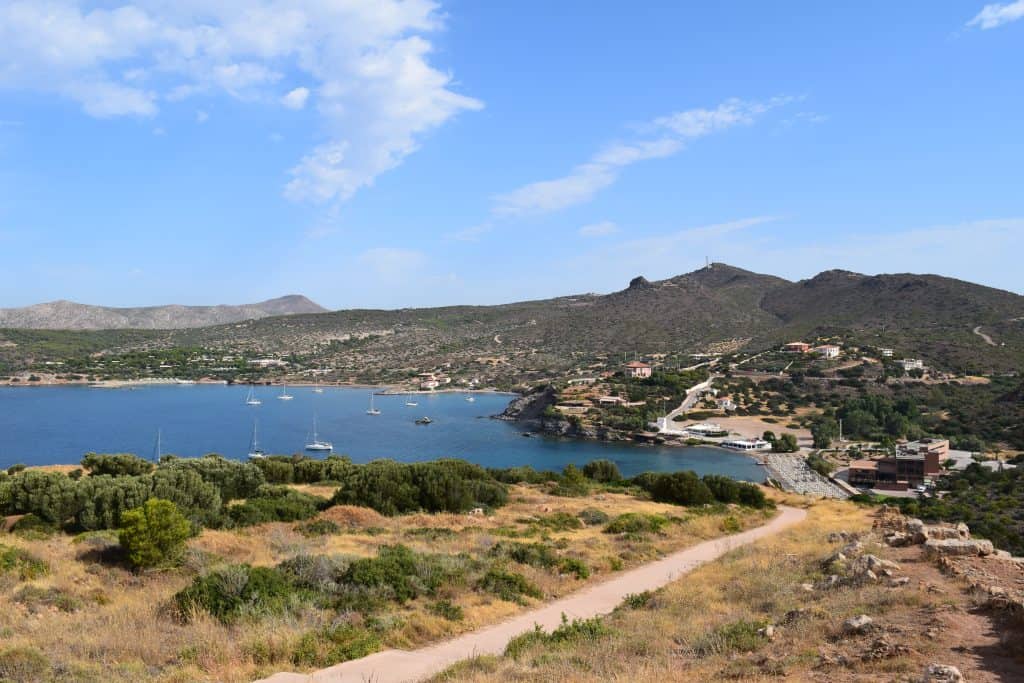
One of the main reasons to visit Sounion is for the spectacular panoramic view. The temple is located on a cliff that drops 60 meters down to the sea. From the site, you have an uninterrupted view of the Aegean Sea and the nearby islands. The view is particularly famous at sunset. Watching the sun go down behind the ancient marble columns is a truly magical and unforgettable experience. It is one of the most famous and romantic sunsets in all of Greece.
The Fortifications
In addition to the temple, the archaeological site at Sounion also includes the remains of the ancient fortifications. Visitors can see large sections of the massive stone wall that was built by the Athenians during the Peloponnesian War. The remains of the ancient naval ship sheds can also be seen at the base of the cliff. These fortifications are a testament to the strategic military importance of the site in ancient times.
Temple of Athena
On a lower hill near the main site, there are also the foundations of another temple, the Temple of Athena Sounias. This temple was built at the same time as the Temple of Poseidon. It was a smaller temple in the Ionic style. While very little of this temple remains today, its presence shows that the entire promontory was a major sacred area with multiple sanctuaries.
Traveling with Kids
A visit to Sounion can be a fantastic and educational experience for families with children. The archaeological site is a vast, open area where kids can run around and explore in a safe environment. The magnificent ruins of the Temple of Poseidon can spark a child’s imagination about ancient Greece and its myths. The story of Poseidon, the god of the sea, and the tales of ancient sailors can be a fun way to bring history to life for children.
The main highlight for many families is the spectacular sunset view from the temple. The nearby beaches below the temple also provide a great opportunity for a family swim before or after visiting the archaeological site. The combination of a world-class historical site, stunning natural beauty, and nearby beaches makes Sounion a well-rounded and memorable destination for a family day trip from Athens.


How to Get to Sounion?
Sounion is located at the southernmost tip of the Attica peninsula in Greece, approximately 70 kilometers from the center of the capital city, Athens. The site is very easy to reach, and the journey itself is a major part of the experience. The primary gateway for international visitors is Athens International Airport. From Athens, Sounion can be easily reached by car, by a frequent and scenic public bus service, or by organized boat tours along the coast.
Arriving by Air
The closest and most convenient airport is Athens International Airport (ATH). This is the largest and busiest airport in Greece, and it is served by numerous airlines with connections to destinations all over the world. The airport is located on the eastern side of the Attica peninsula. From the airport, you can rent a car and drive directly to Sounion, a journey of about 45 minutes. It is also possible to take a bus from the airport to a nearby town and then connect to the Sounion bus.
Driving to the Site
Driving to Sounion is a fantastic experience. The most beautiful route is the coastal road that follows the shoreline of the Athens Riviera. This scenic road takes you past a series of beautiful beaches, coves, and resort towns. The drive from the center of Athens takes about one and a half hours. Alternatively, you can take the main inland motorway for a faster journey. There is a large public parking area located directly at the entrance to the archaeological site.
Connecting by Bus
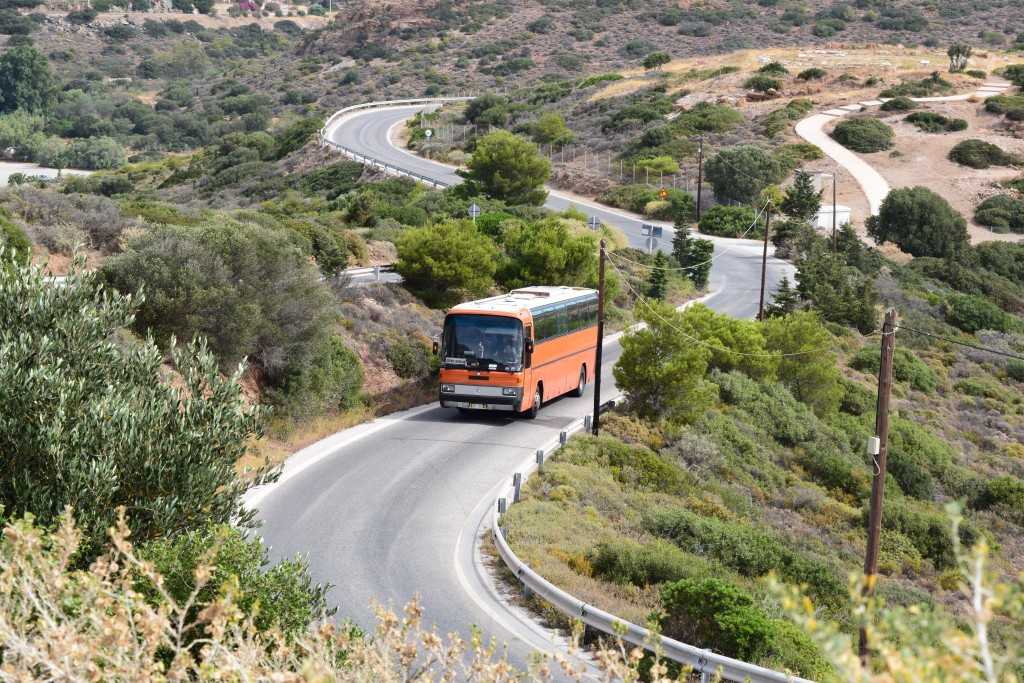
Long-distance buses, known as KTEL, are an excellent and affordable option for reaching Sounion. The KTEL Attikis bus company operates a very frequent and reliable service from the Pedion tou Areos bus terminal in Athens, which is located near the Victoria metro station. The buses run approximately every hour throughout the day. The journey is very scenic and takes about two hours. The final bus stop is located right outside the entrance to the Sounion archaeological site.
Arriving by Sea
While there are no public ferries to Sounion, arriving by sea is a popular option for tourists. Many private companies offer organized day cruises and sailing trips from the marinas along the Athens Riviera, such as Alimos and Glyfada. These boat trips provide a unique and beautiful perspective of the Attica coastline. The journey culminates in the spectacular view of the Temple of Poseidon from the water. The boats typically anchor in the bay below the temple, and visitors are then able to go ashore to visit the archaeological site.
Driving Distances
The driving distance from 20 regional cities, according to Google Maps:
- Lavrio, Greece – 10 kilometers (0 h 15 min)
- Athens Airport (ATH) – 45 kilometers (0 h 40 min)
- Athens, Greece – 70 kilometers (1 h 15 min)
- Piraeus, Greece – 75 kilometers (1 h 15 min)
- Corinth, Greece – 125 kilometers (1 h 40 min)
- Chalkida, Greece – 140 kilometers (1 h 50 min)
- Nafplio, Greece – 180 kilometers (2 h 30 min)
- Patras, Greece – 280 kilometers (3 h 10 min)
- Ioannina, Greece – 480 kilometers (5 h 00 min)
- Thessaloniki, Greece – 570 kilometers (5 h 40 min)
- Tirana, Albania – 620 kilometers (7 h 30 min)
- Skopje, North Macedonia – 650 kilometers (6 h 40 min)
- Podgorica, Montenegro – 820 kilometers (11 h 00 min)
- Sofia, Bulgaria – 840 kilometers (8 h 30 min)
- Sarajevo, Bosnia and Herzegovina – 1020 kilometers (13 h 00 min)
- Belgrade, Serbia – 1100 kilometers (11 h 00 min)
- Istanbul, Turkey – 1140 kilometers (12 h 00 min)
- Zagreb, Croatia – 1320 kilometers (13 h 30 min)
- Budapest, Hungary – 1340 kilometers (13 h 30 min)
- Ljubljana, Slovenia – 1470 kilometers (14 h 30 min)
Looking to Explore more of Greece and Europe?