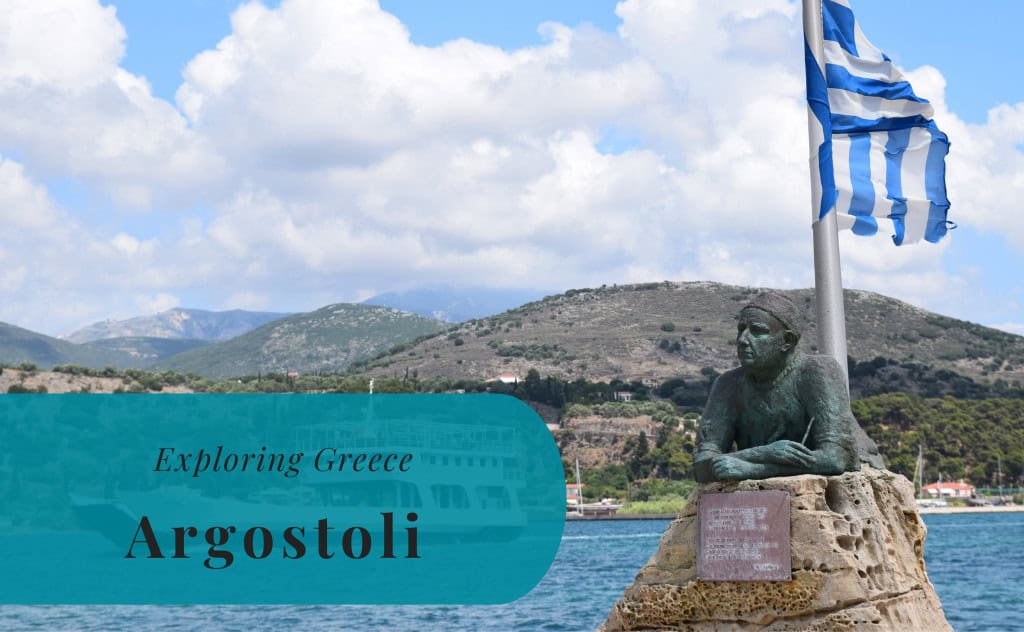
Argostoli, Kefalonia | Exploring Greece
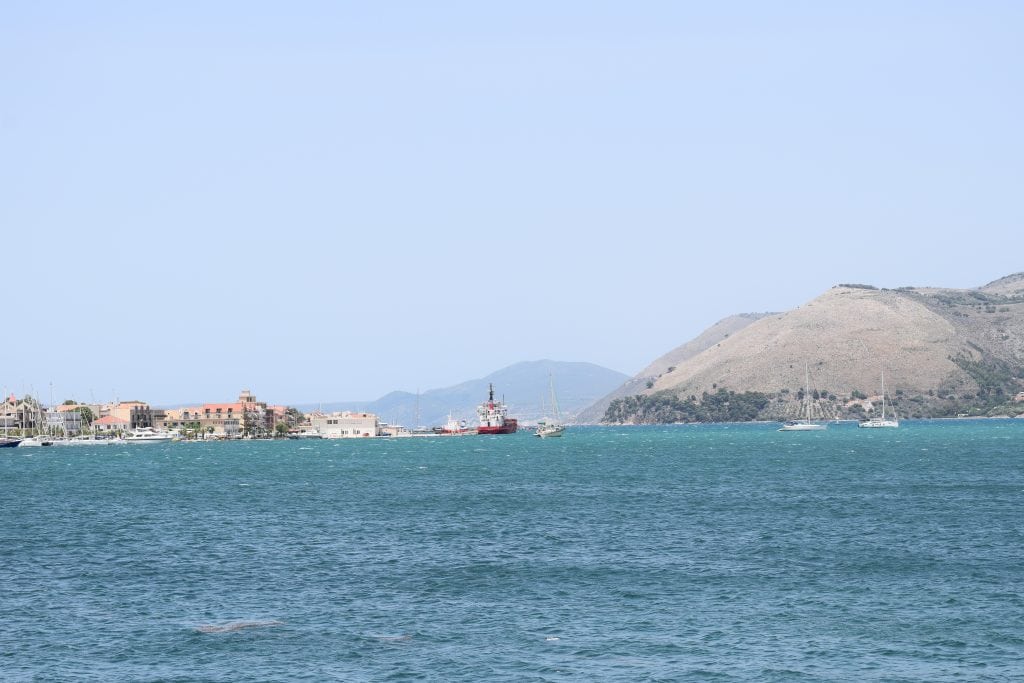
Argostoli is the capital of Kefalonia, and it is the island’s largest city. With a population of around 10,000 inhabitants, it is the main administrative, commercial, and cultural center of the island. The city is located on a peninsula within a sheltered bay, and it is a picturesque town built on hills surrounding the lagoon of Koutavos. The area has been inhabited since the 17th century, and it became the capital of the island in 1757 when the Venetians moved the administration from the old castle of St. George.
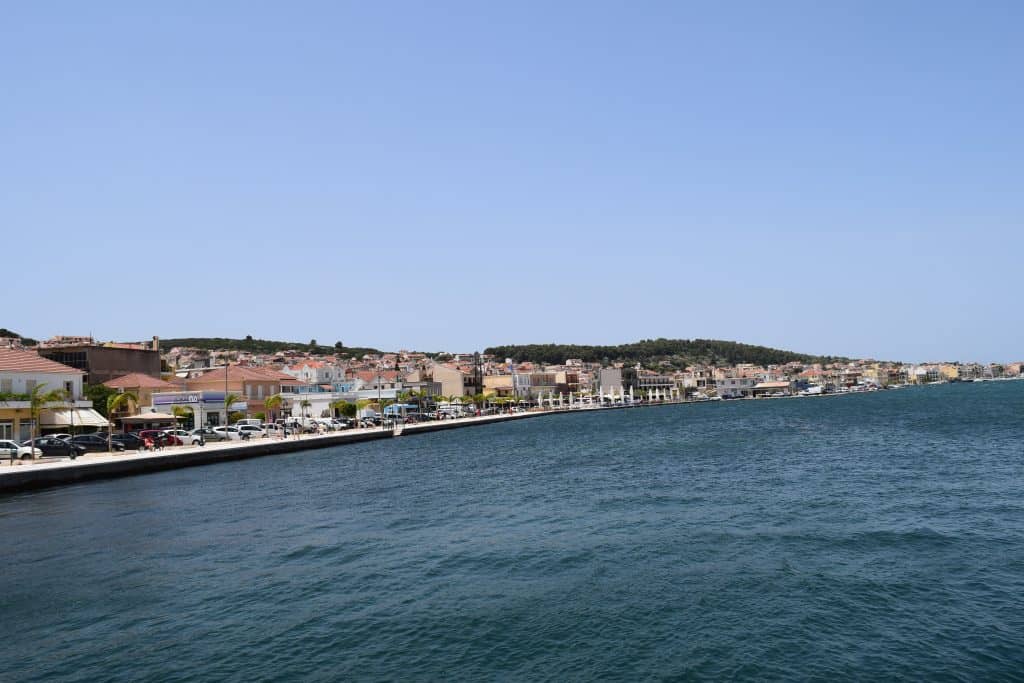
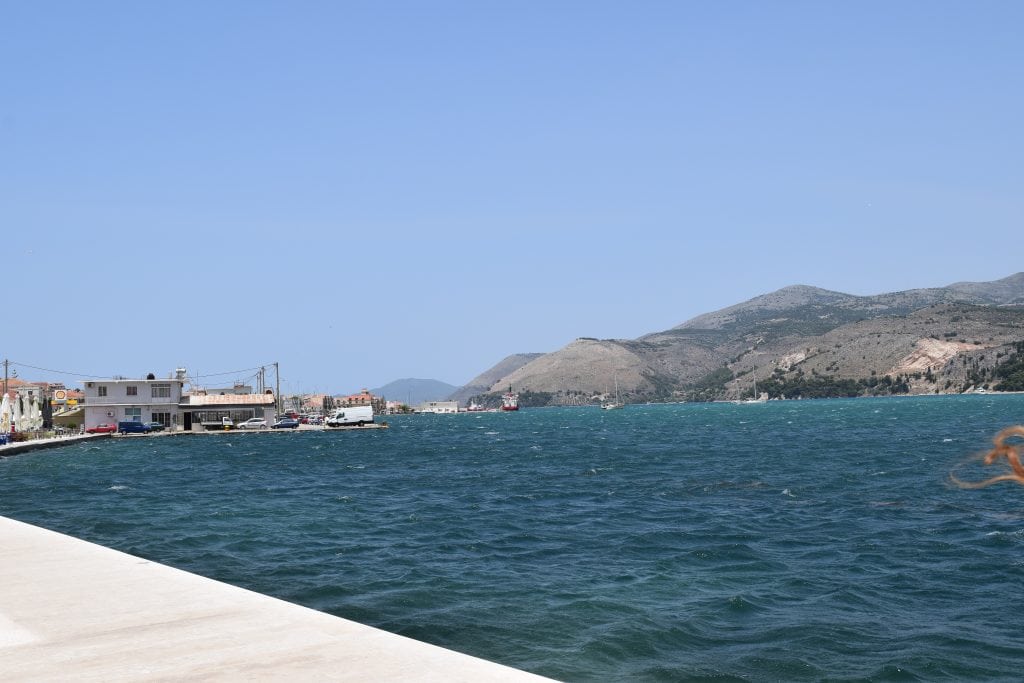
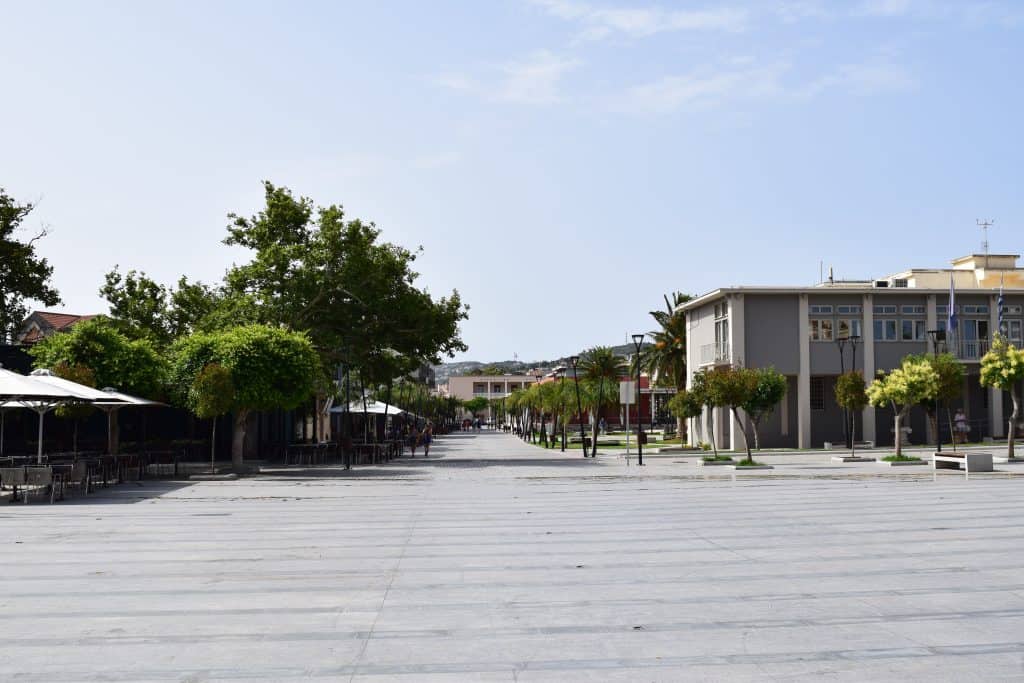
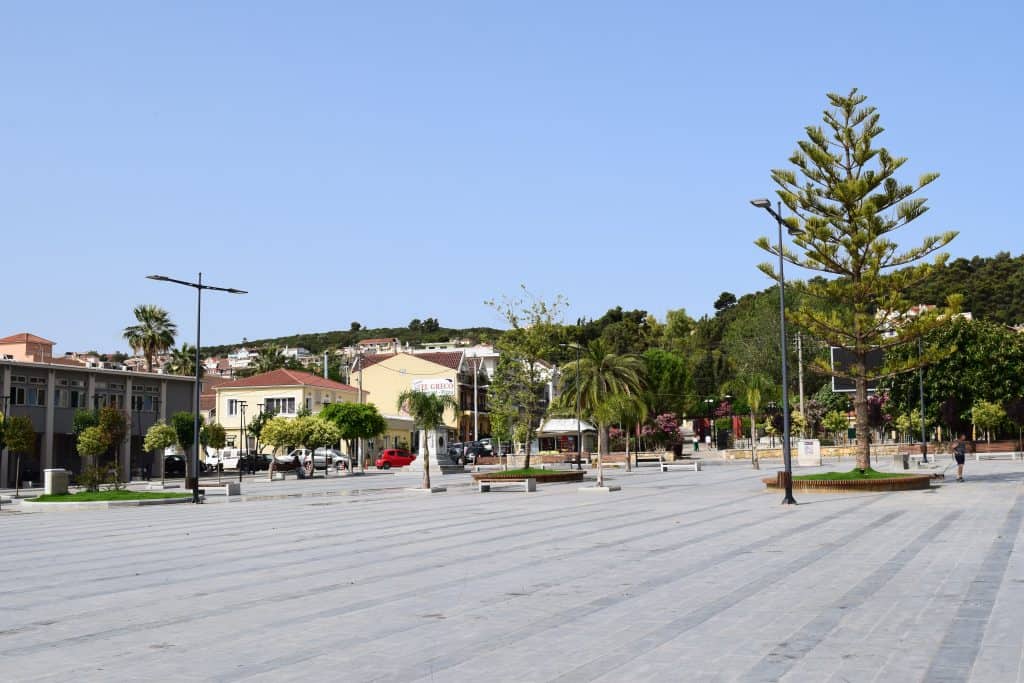
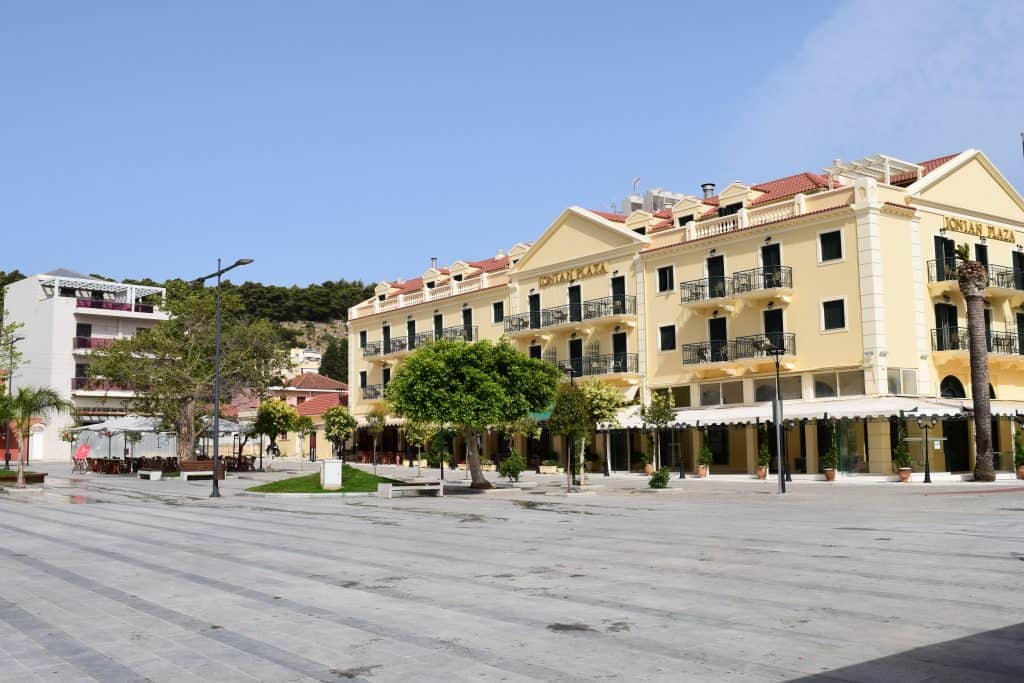
The city’s identity is defined by its history as a major Ionian port and its remarkable rebirth after near-total destruction. The original town was picturesque, and it had buildings of great architectural value with many western influences. However, a massive earthquake in 1953 destroyed almost the entire city. Argostoli was completely rebuilt in a modern style, so it lacks the traditional Venetian architecture of other Ionian towns. Today, it is a bustling, modern city with a beautiful waterfront promenade, a lively central square, and a range of cultural attractions.



History of Argostoli
The history of Argostoli is a story of Venetian ambition, periods of prosperity, and a catastrophic natural disaster that completely reshaped the city. The city was founded in the 18th century as the new capital of the island, and it quickly grew into a major center for trade and shipping. This period of growth was brought to an abrupt and tragic end by the devastating Ionian earthquake of 1953. The subsequent rebuilding of the city in a modern style is the defining feature of its recent history.
The Venetian Capital
The area of Argostoli has been inhabited since the 17th century, but its main development began in 1757. It was in this year that the ruling Venetians decided to move the capital of Kefalonia from the inland fortress of St. George’s Castle to the more strategically and commercially advantageous location of Argostoli. The new capital was built on the shore of a large, sheltered natural harbor. It quickly developed into one of the busiest ports in the Ionian Islands. Which led to a period of great prosperity and cultural growth for the city.
The 1953 Ionian Earthquake
A pivotal and tragic moment in the history of Argostoli was the great Ionian earthquake of 1953. This massive earthquake, with a magnitude of 6.8, struck the southern Ionian Islands on August 12. The earthquake and the subsequent fires devastated the islands of Kefalonia and Zakynthos. The city of Argostoli was almost completely flattened, with very few of its historic Venetian-era buildings left standing. This catastrophic event changed the face of the city forever. Most notably, it led to a large wave of emigration from the island.
Rebuilding and the Modern Era
In the years following the 1953 earthquake, a massive reconstruction effort began. The city of Argostoli was completely rebuilt from scratch. The new city was built on a modern grid plan, with new, earthquake-resistant buildings. While this meant that the city lost most of its historic architectural character, it also allowed for the creation of a modern and functional capital. In the modern era, Argostoli has continued to develop as the main commercial and administrative hub of the island, and it is a lively and bustling city.


Sights in Argostoli
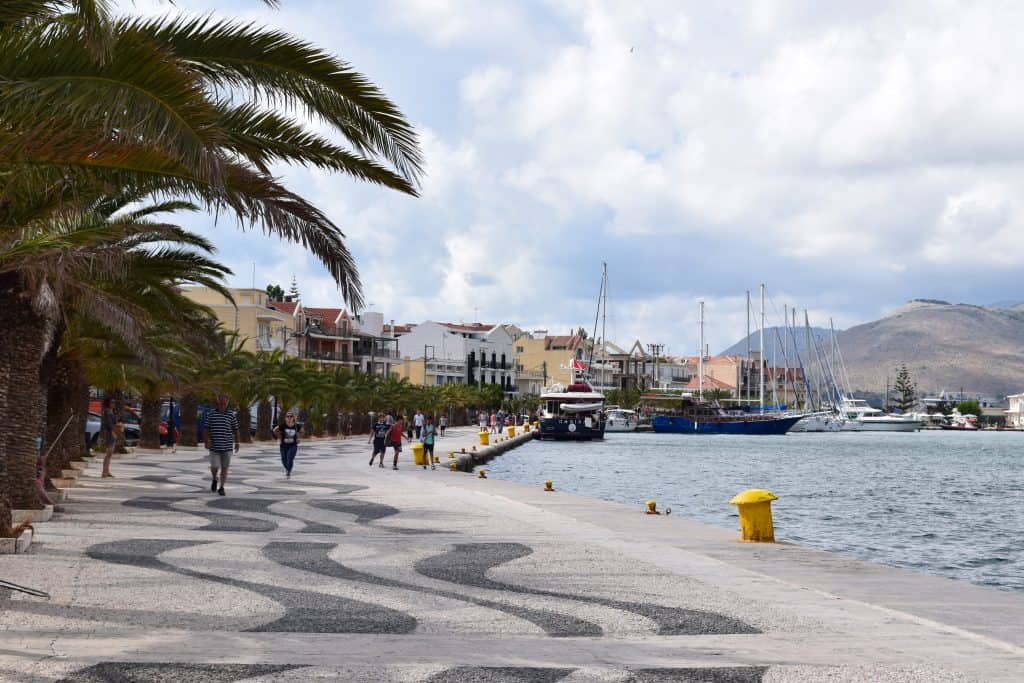
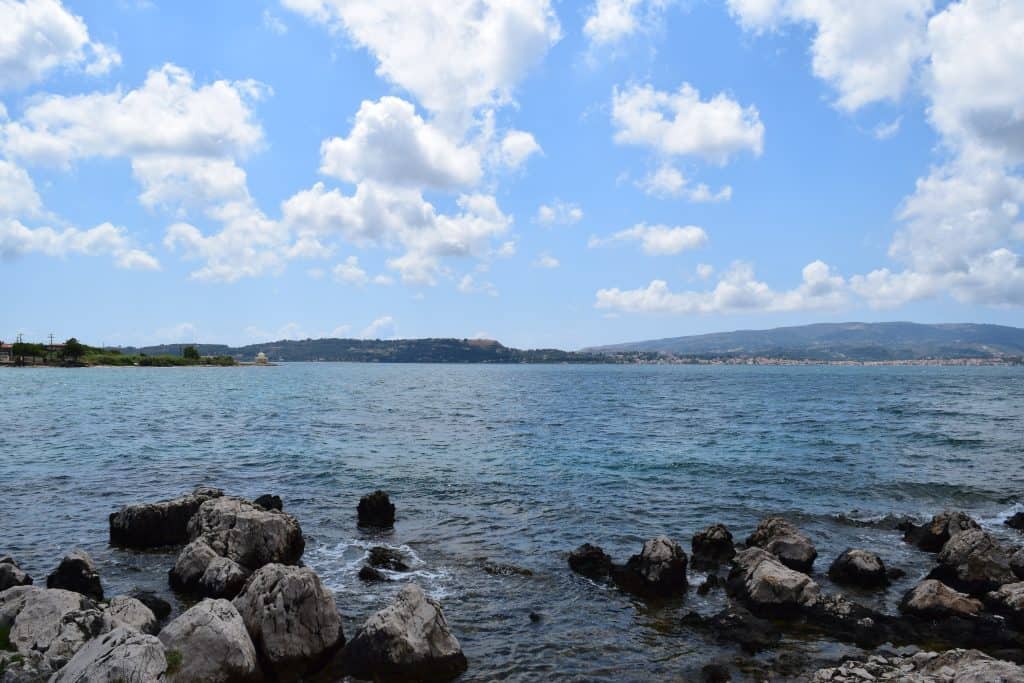
The sights in Argostoli are a mix of beautiful natural phenomena, interesting museums, and landmarks that reflect the city’s pre-earthquake history and its modern reconstruction. The most famous and pleasant area is the city’s long waterfront promenade, where you can watch for sea turtles and enjoy the view of the bay. The historic De Bosset Bridge is a major landmark, and the nearby Lighthouse of Saint Theodoron is a picturesque spot, especially at sunset. The unique geological phenomenon of Katavothres is another must-see natural attraction.
De Bosset Bridge
The historic De Bosset Bridge, also known as the Drapano Bridge, is the largest stone bridge over the sea in Europe, with a length of 690 meters. The bridge was built in 1813 by the Swiss engineer Charles Philip de Bosset, who was in the service of the British Army. It crosses the Koutavos Lagoon at the entrance to Argostoli. In the middle of the bridge stands a four-sided obelisk, which was erected to commemorate its construction. The bridge is now a pedestrian-only zone, and a walk across it offers beautiful panoramic views of the city and the lagoon.
Katavothres
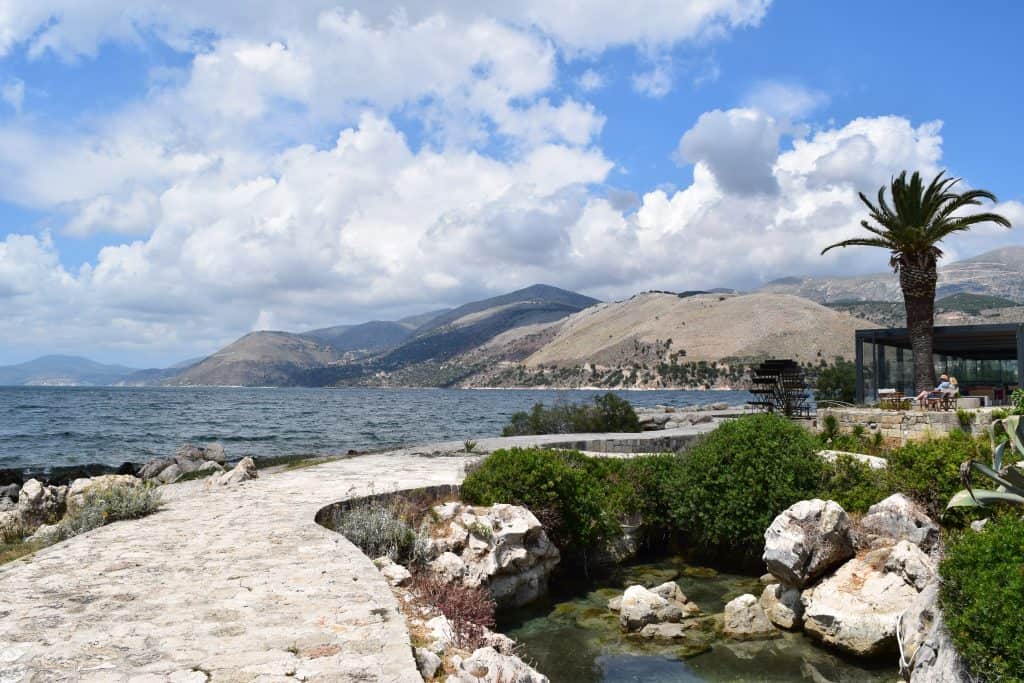
The Katavothres are a fascinating and unique geological phenomenon located on the tip of the peninsula, just outside of Argostoli. At this spot, seawater flows into cracks and sinkholes in the limestone rock and disappears underground. For many years, it was a mystery where this water went. In 1963, Austrian geologists used a green dye to trace the water’s path. They discovered that the seawater travels underground across the entire island, re-emerging about 14 days later in the Melissani Lake and the village of Karavomylos on the other side of the island.
Lighthouse of Saint Theodoron
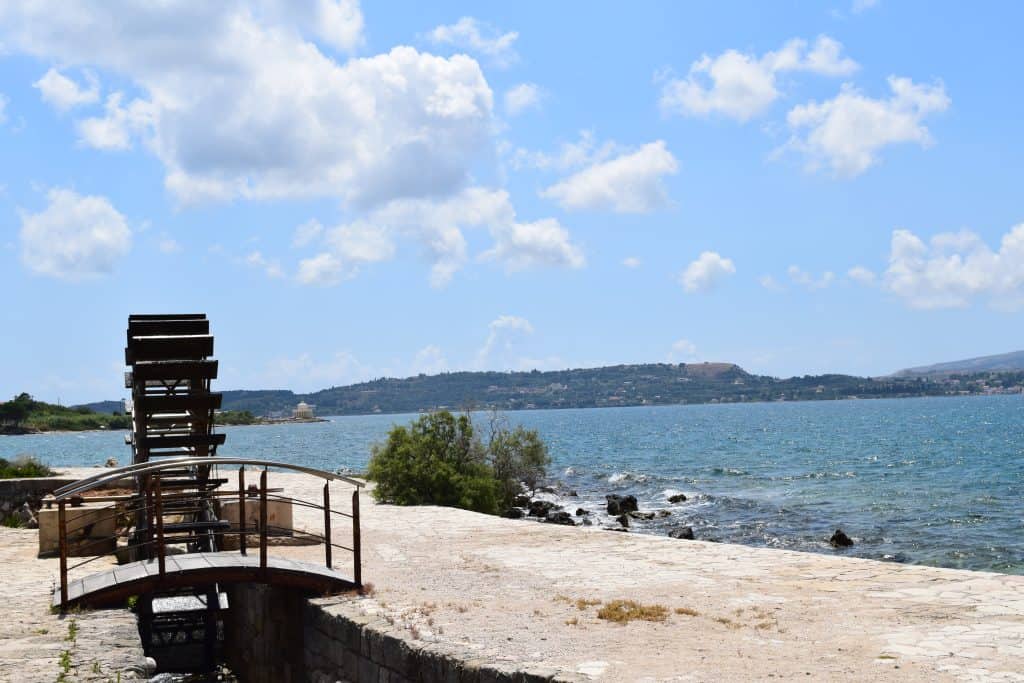
The Lighthouse of Saint Theodoron is one of the most romantic and picturesque landmarks in the Argostoli area. It is a unique circular structure with 20 white Doric columns, and its tower is eight meters tall. The original lighthouse was built in 1828 during the period of British rule. It was destroyed during the 1953 earthquake but was carefully rebuilt in 1964 according to its original architectural design. It is located on a man-made peninsula and is a very popular spot for watching the sunset.
Lithostroto
The Lithostroto is the main pedestrian and shopping street in the center of Argostoli. The name means “cobblestone street.” This bustling street is lined with a variety of shops, from small boutiques to international brands. It is also home to numerous cafes, bakeries, and the historic Catholic Church of St. Nicholas. At the southern end of the street is the main town square, Plateia Vallianou, and the historic bell tower. The Lithostroto is the commercial and social heart of the city and a great place for a stroll.
Korgialenio Historic and Folklore Museum
The Korgialenio Historic and Folklore Museum is located in the center of Argostoli. The museum was founded in 1962 for the purpose of preserving the memory of the historical and social conditions that prevailed on the island before the devastating 1953 earthquake. Its extensive folklore exhibits depict the daily life and culture of the island’s rural and urban centers. The collections include traditional costumes, furniture, and tools, and they provide a fascinating look into the pre-earthquake way of life on Kefalonia.
Archaeological Museum of Argostoli
The Archaeological Museum of Argostoli is dedicated to the rich ancient history of the island of Kefalonia. The original museum was destroyed in the 1953 earthquake. The new building was constructed in the 1960s. The museum showcases a rich collection of artifacts from the Mycenaean, Hellenistic, and Roman periods, which have been unearthed at various archaeological sites across the island. The collections include pottery, sculptures, and jewelry. The building was damaged in a later earthquake in 2014, and a new museum is planned.
Traveling with Kids
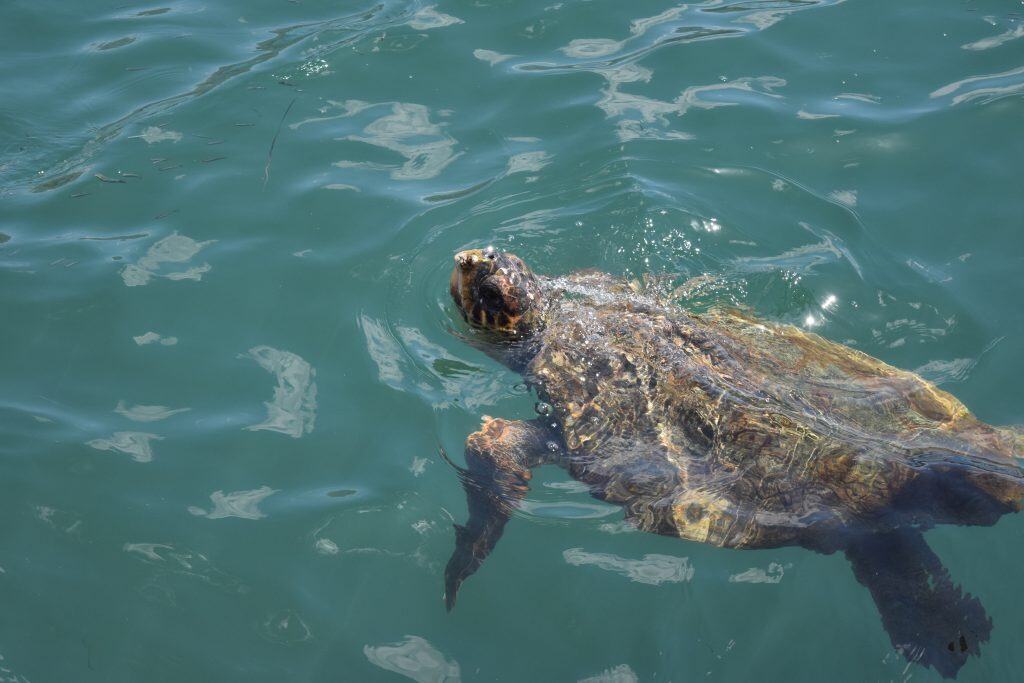
Argostoli is a very family-friendly town and an excellent base for a family vacation on Kefalonia. The town’s main attraction for children is often the simple pleasure of watching the large loggerhead sea turtles (Caretta caretta) that swim in the harbor. These turtles are a common sight along the waterfront, especially in the morning when the fishing boats return. The town’s large, pedestrianized main square and the waterfront promenade are safe and spacious areas for children to run around and play.
The wider Argostoli area also offers several excellent and very family-friendly sandy beaches, such as Makris Gialos and Platis Gialos. These beaches have calm, shallow water that is perfect for young children. The town also has public playgrounds and a variety of restaurants that are welcoming to families. This combination of unique wildlife encounters, beautiful beaches, and family-friendly amenities makes Argostoli a top destination for a family holiday.
Activities for Kids in Argostoli
For families seeking memorable outings, Argostoli offers unique experiences. A morning spent watching the famous sea turtles is a must-do activity, while a day at one of the nearby sandy beaches provides classic summer fun.
Turtle Watching at the Harbor
One of the most special and memorable activities for families in Argostoli is watching the loggerhead sea turtles in the harbor. These large and beautiful creatures swim along the waterfront, and they are particularly active in the morning when the local fishing boats return and clean their nets. It is a fantastic opportunity for children to see these amazing animals up close in their natural habitat. The turtles are a protected species, and it is important to watch them from a respectful distance.
A Day at Makris Gialos Beach
Just a short drive or bus ride from Argostoli is the magnificent Makris Gialos Beach, which is one of the most popular and family-friendly beaches on the island. The beach is a long and wide stretch of soft, golden sand, and it has crystal-clear, shallow water that is perfect for children. The beach is very well-organized, with sunbeds, umbrellas, water sports, and several beach bars. The combination of beautiful sand and calm, safe water makes it an ideal destination for a full day of family fun by the sea.
Playgrounds in Argostoli
Argostoli provides public playgrounds where children can enjoy free play in safe environments. These play areas are an important part of the town’s family-friendly atmosphere.
Playground at the Main Square
There is a large and popular public playground located directly on the main square of Argostoli, Plateia Vallianou. The playground is modern and features a variety of equipment for different age groups. Its central location is very convenient for families who are exploring the town center. After a meal or a coffee at one of the square’s many cafes, children can enjoy some dedicated playtime in a safe, car-free environment.
Playground at the Koutavos Lagoon
There is another playground located in the park area at the edge of the Koutavos Lagoon, near the De Bosset Bridge. This playground has a beautiful setting, with views of the lagoon and the bridge. In addition to the play equipment, the area has pedal boats for rent on the lagoon, which is another fun family activity. The combination of a playground and the other recreational activities makes this a top spot for families.


Sports in Argostoli
The sports scene in Argostoli and the surrounding area is centered on a variety of both team and individual sports. Football is very popular on the island, with several local clubs competing in the regional leagues. The town’s location on the sea also makes it a major center for a wide range of water sports, with the local nautical club being a key institution. The mountainous terrain of the island also provides a fantastic venue for sports like hiking and trail running.
A.O. Keffallinos (Football)
Football is a popular sport on the island, and the main club for the Argostoli area is A.O. Keffallinos. The club has a long history and is a central part of the local sporting community. The team competes in the local football league of Kefalonia and Ithaca. They play their home matches at the Municipal Stadium of Argostoli. The club has a strong focus on youth development, providing opportunities for children from the entire region to play the sport.
Argostoli Nautical Club (Water Sports)
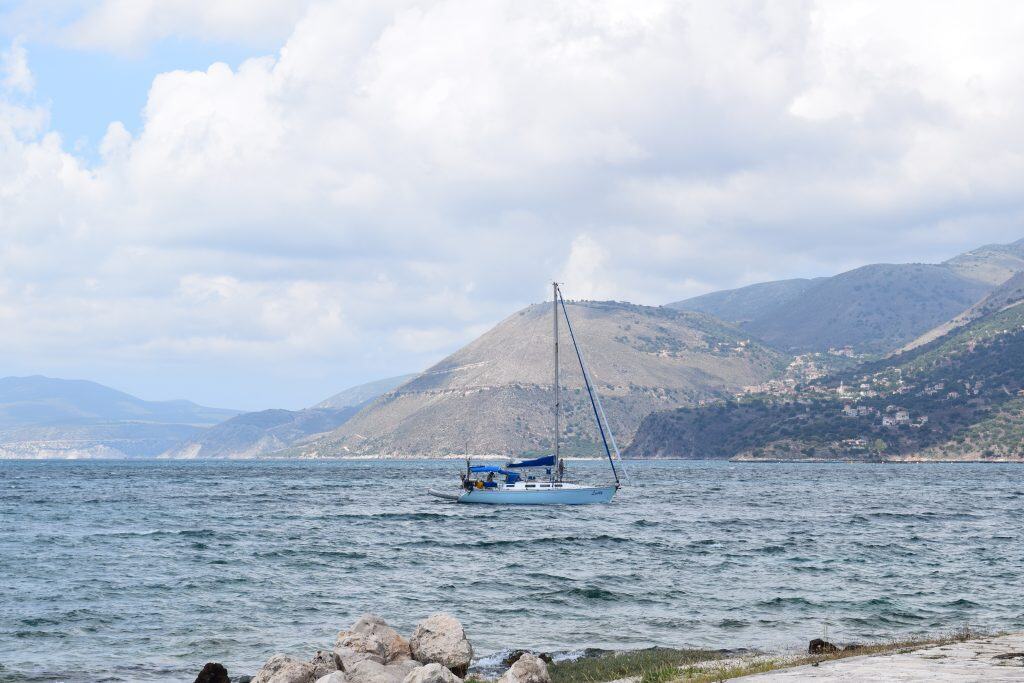
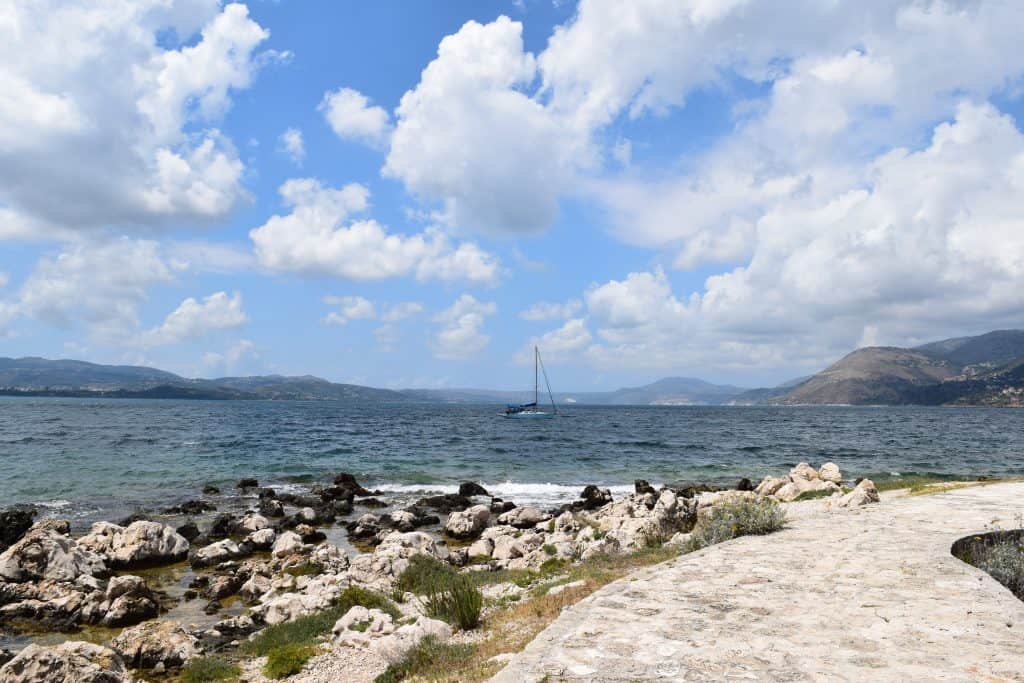
The Argostoli Nautical Club (Nautikos Omilos Argostoliou) is a major sports club in the city and a key center for a wide range of water sports. The club has successful sections for swimming, water polo, and sailing. The club’s swimming and water polo teams compete at the national level. The sailing section organizes races and training in the beautiful Bay of Argostoli. The club is a central institution in the local community, promoting a strong connection to the sea.


Getting Around in Argostoli
Navigating the town of Argostoli is best done on foot, especially in the central area. The main commercial street, the waterfront, and the main square are all part of a pleasant and easily walkable pedestrian zone. For travel to the nearby beaches and other parts of the island, a local bus system provides public transport. A car or a scooter is the most convenient option for exploring the entire island of Kefalonia at your own pace. A small passenger ferry also connects Argostoli with the town of Lixouri.
Exploring by Foot
The central part of Argostoli is very walkable. A leisurely stroll along the long, palm-lined waterfront promenade is the main activity for both locals and tourists. From here, you can easily walk to the main pedestrian shopping street, the Lithostroto, and the main town square, Plateia Vallianou. All the main museums, shops, and restaurants in the town center are within a short and pleasant walking distance of each other. Comfortable shoes are all you need to explore the heart of the city.
Using Local Buses
The public bus system on Kefalonia is operated by the KTEL bus company. The main bus station for the entire island is located in Argostoli. From here, a network of bus routes connects the capital with all the other major towns, villages, and beaches on the island. The buses are a reliable and affordable way to get around. There are frequent services to the popular resort of Lassi and to the airport.
Navigating by Car or Scooter
A car or a scooter provides the most flexibility for exploring the entire island of Kefalonia from a base in Argostoli. Having your own vehicle makes it easy to take day trips to famous beaches like Myrtos and Antisamos, and to charming villages like Asos and Fiskardo. There are numerous car and scooter rental agencies located in Argostoli and at the airport. Parking in the center of Argostoli can be challenging during the peak summer season, but there are several large public parking lots.
The Lixouri Ferry
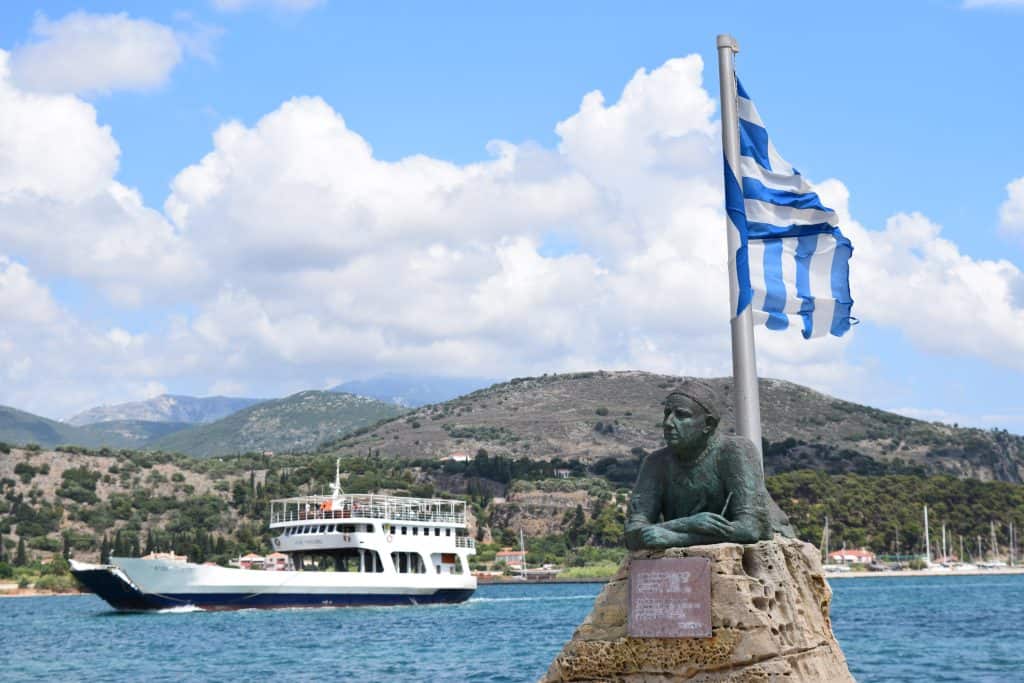
A small but important part of the local transport system is the car ferry that connects Argostoli with the town of Lixouri, which is located on the opposite side of the bay. The ferry provides a frequent and scenic shortcut, saving a long drive around the bay. The journey takes about 25 minutes and offers beautiful views of the coastline. The ferry is used by both vehicles and foot passengers and is a key part of the daily life and transportation network of the island.


How to Get to Argostoli?
Argostoli is the capital city of the island of Kefalonia in Greece. The main gateway to the island for international visitors is Kefalonia International Airport (EFL), which is located very close to the city. The island is also well-connected by ferry to the Greek mainland. Once you are on the island, Argostoli is the main transportation hub, and it is easily accessible from all other parts of the island by a network of well-maintained roads.
Arriving by Air
The main airport on the island is Kefalonia International Airport “Anna Pollatou” (EFL). The airport is located in the southern part of the island, just 8 kilometers from the center of Argostoli. It is served by numerous airlines, especially during the summer tourist season, with direct charter and scheduled flights from many cities across Europe. From the airport, the easiest way to reach the center of Argostoli is by taxi or by one of the frequent local bus services. The journey is very short, taking only about 15 minutes.
Arriving by Ferry
Kefalonia is well-connected by ferry to the Greek mainland and to other Ionian Islands. The main ports on the island are in Sami and Poros, which are located on the eastern coast of the island. There are frequent ferry services from the port of Patras and Kyllini on the Peloponnese peninsula to Kefalonia. From the ports of Sami or Poros, it is about a 45-minute drive across the island to Argostoli. There are also smaller ferry connections to the neighboring islands of Ithaca and Zakynthos.
Driving into the City
Argostoli is the main road hub of the island, and all the main roads on Kefalonia lead to the capital. The island has a network of well-maintained asphalt roads, although they can be very narrow and winding in the mountainous interior. Driving from the main ports of Sami or Poros to Argostoli is a scenic journey that takes you through the heart of the island. A car is the most convenient way to explore the island, and having one makes it easy to travel between Argostoli and the many other attractions.
Driving Distances
The driving distance from 20 local places, according to Google Maps:
- Lassi, Kefalonia – 2 kilometers (0 h 05 min)
- Kefalonia Airport (EFL) – 8 kilometers (0 h 15 min)
- Svoronata, Kefalonia – 9 kilometers (0 h 15 min)
- Lourdas, Kefalonia – 16 kilometers (0 h 25 min)
- Zola, Kefalonia – 24 kilometers (0 h 40 min)
- Sami, Kefalonia – 25 kilometers (0 h 40 min)
- Agia Kyriaki Beach, Kefalonia – 26 kilometers (0 h 45 min)
- Divarata, Kefalonia – 27 kilometers (0 h 45 min)
- Myrtos Beach, Kefalonia – 29 kilometers (0 h 50 min)
- Antisamos Beach, Kefalonia – 29 kilometers (0 h 45 min)
- Katelios, Kefalonia – 30 kilometers (0 h 45 min)
- Mount Ainos Summit, Kefalonia – 32 kilometers (1 h 00 min)
- Agia Efimia, Kefalonia – 33 kilometers (0 h 50 min)
- Petani Beach, Kefalonia – 35 kilometers (1 h 00 min)
- Asos, Kefalonia – 36 kilometers (1 h 00 min)
- Skala, Kefalonia – 37 kilometers (0 h 55 min)
- Lixouri, Kefalonia – 38 kilometers (1 h 05 min)
- Poros, Kefalonia – 40 kilometers (1 h 00 min)
- Xi Beach, Kefalonia – 46 kilometers (1 h 15 min)
- Fiskardo, Kefalonia – 50 kilometers (1 h 20 min)
Looking to Explore more of Greece and Europe?