New Year in Osaka | East Asia Winter Exploration 2025/26 [4/8]
As our time in the Kansai region drew toward its close and the final days of 2025 approached, we shifted our focus from the wider regional rail network back to the cultural heartland of Kyoto and the vibrant local neighborhoods of Osaka. After dedicating the previous days to day trips reaching as far as Okayama and Kobe, we were ready to dive back into the dense urban centers. Over the coming days, our itinerary would take us from the seemingly endless torii gates of Fushimi Inari and the towering wooden stages of Kiyomizu-dera to the retro, neon-lit streets of Shinsekai. We would balance the chaotic crowds of ancient temple districts with the practical realities of a long family trip—like hiking across the city in the morning sun just to buy an extra suitcase to hold our growing collection of souvenirs.
Looming at the end of this busy stretch of exploration was New Year’s Eve, an event that naturally brings certain expectations. Coming from Europe, we are entirely accustomed to loud firework displays, bustling street parties, and a general sense of midnight chaos to ring in the new year. As our schedule intensified with packed trains and a somewhat bizarre solo excursion to Wakayama, the contrast between Japan’s famously bustling tourist sights and the impending holiday grew more apparent. We wondered how the massive metropolis of Osaka would handle the countdown, steadily building up to a midnight transition that would turn out to be completely different from anything we could have anticipated.
Torii Gates and the Chaos of Sannenzaka
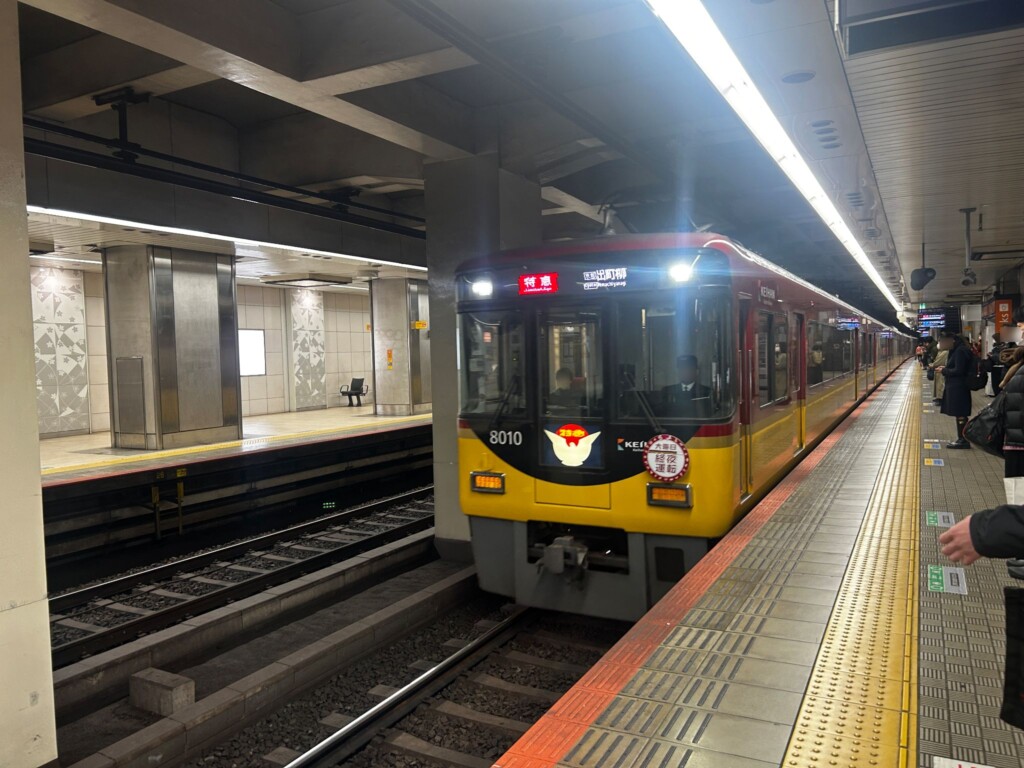
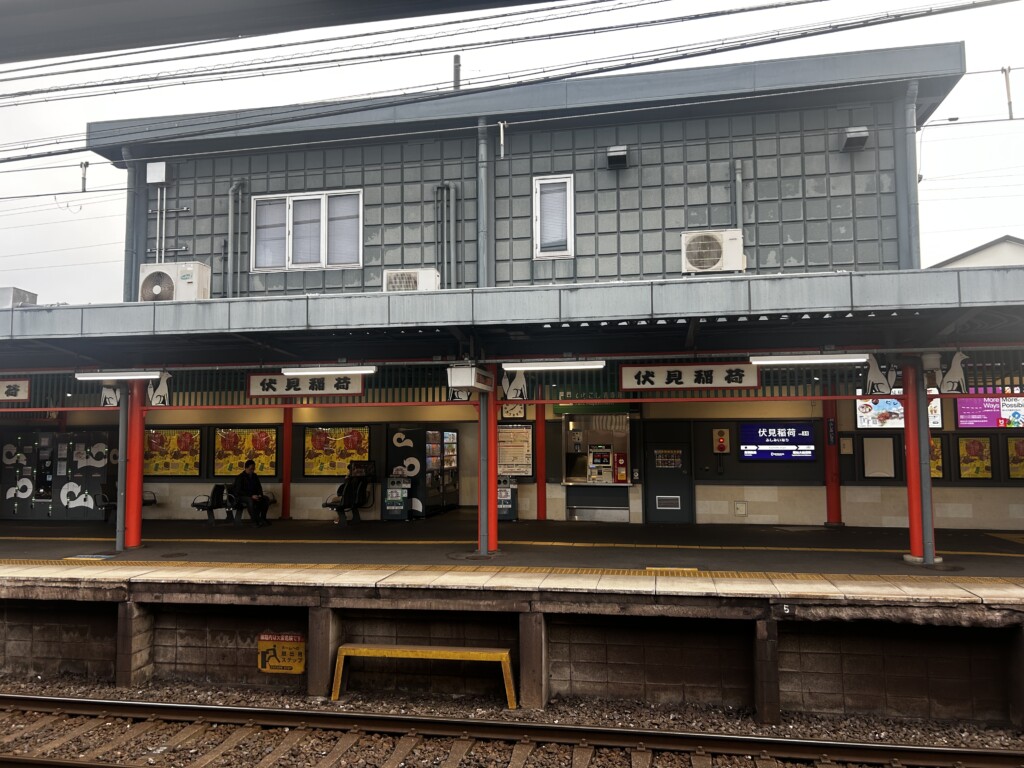
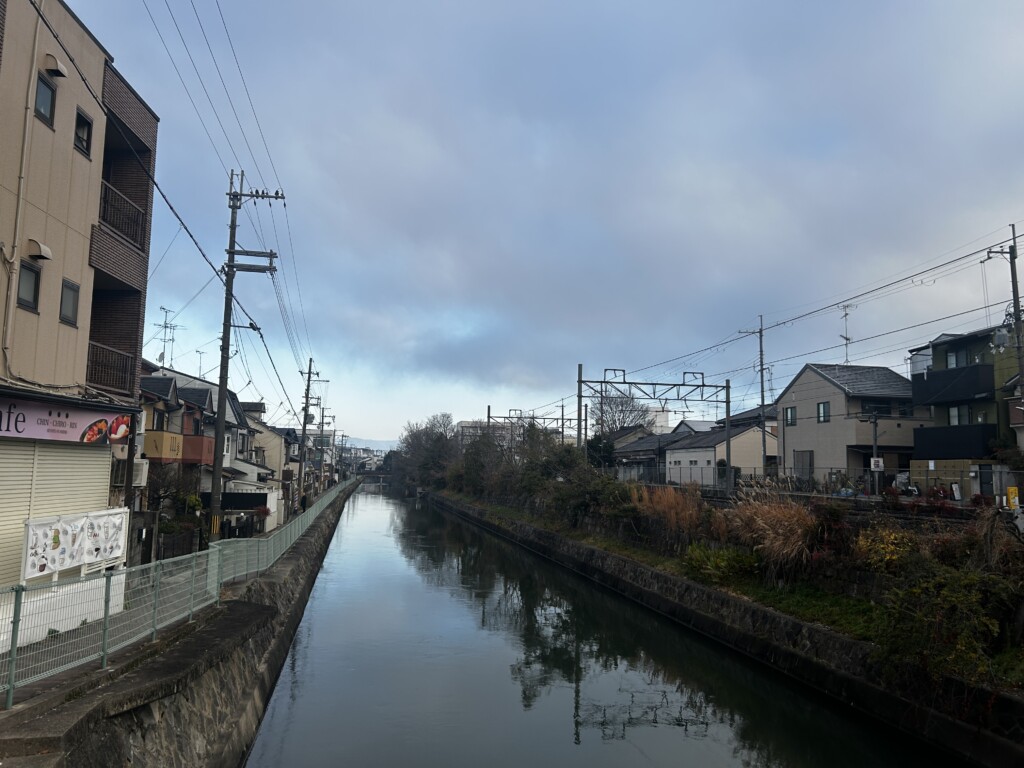
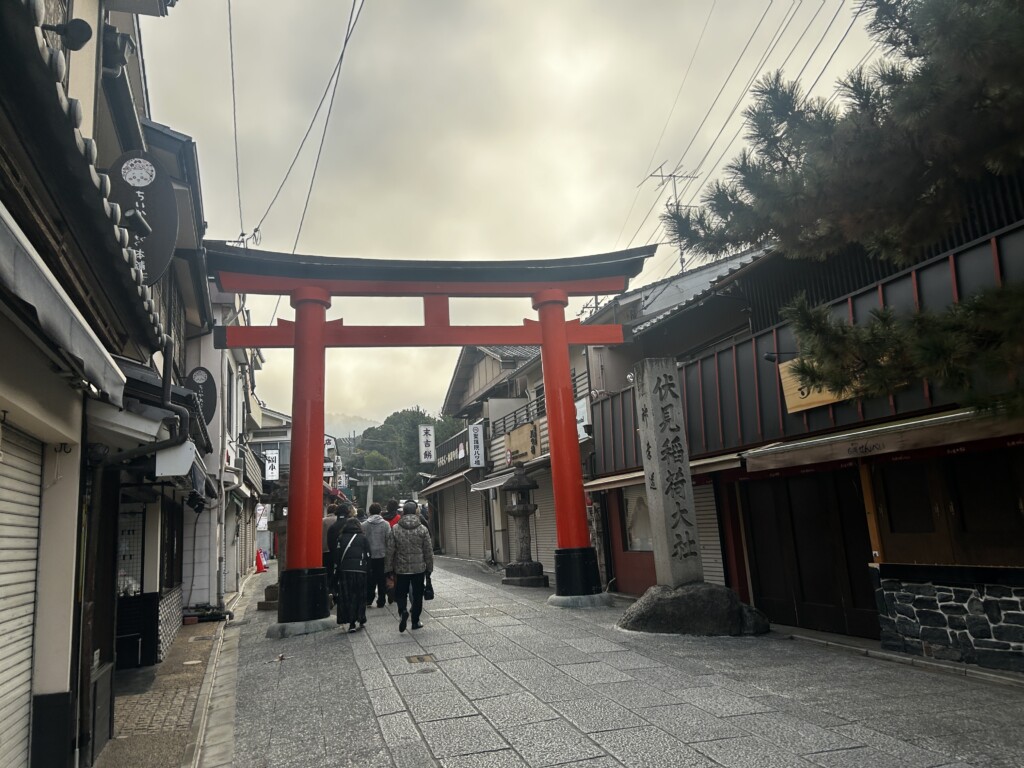
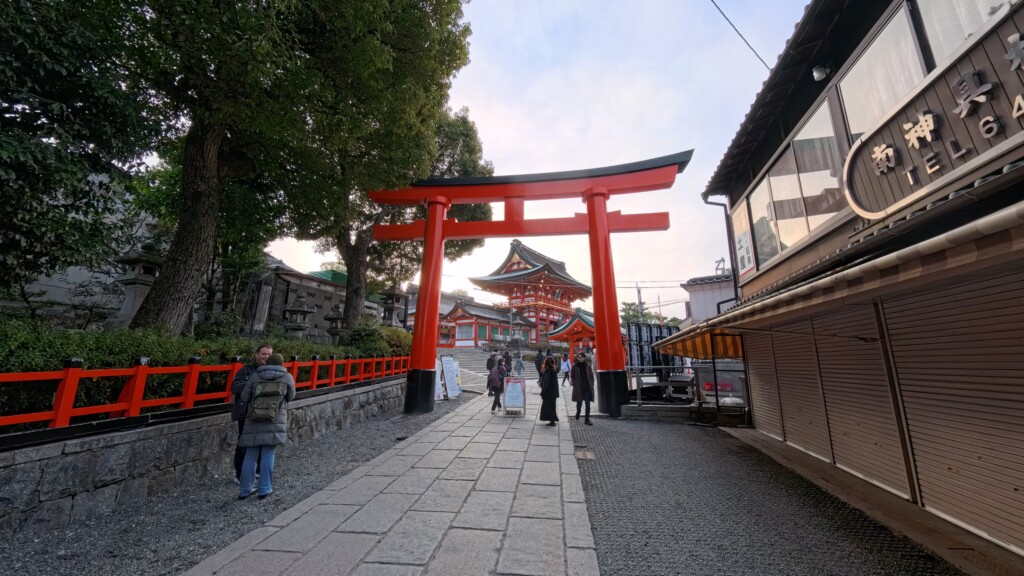
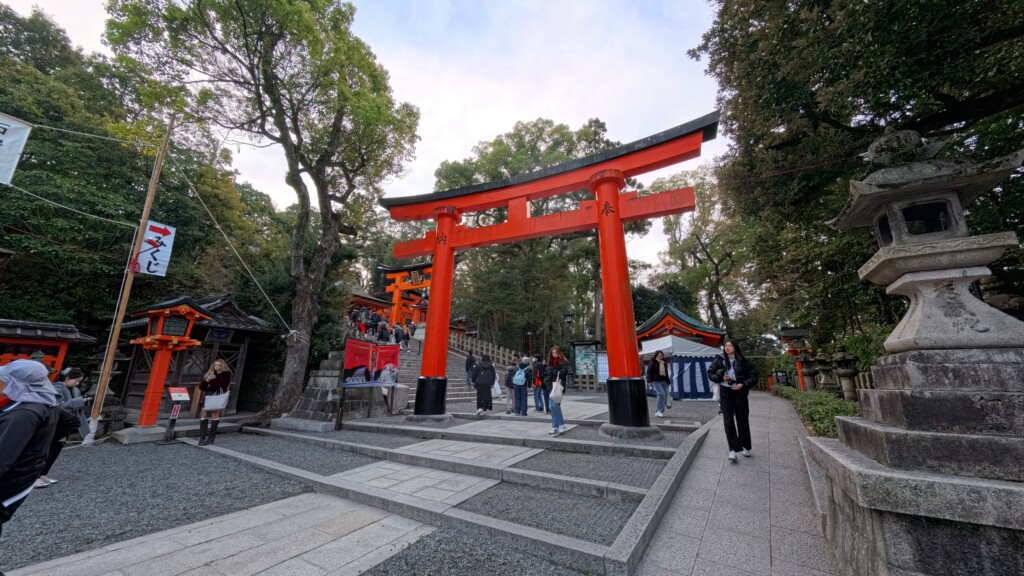
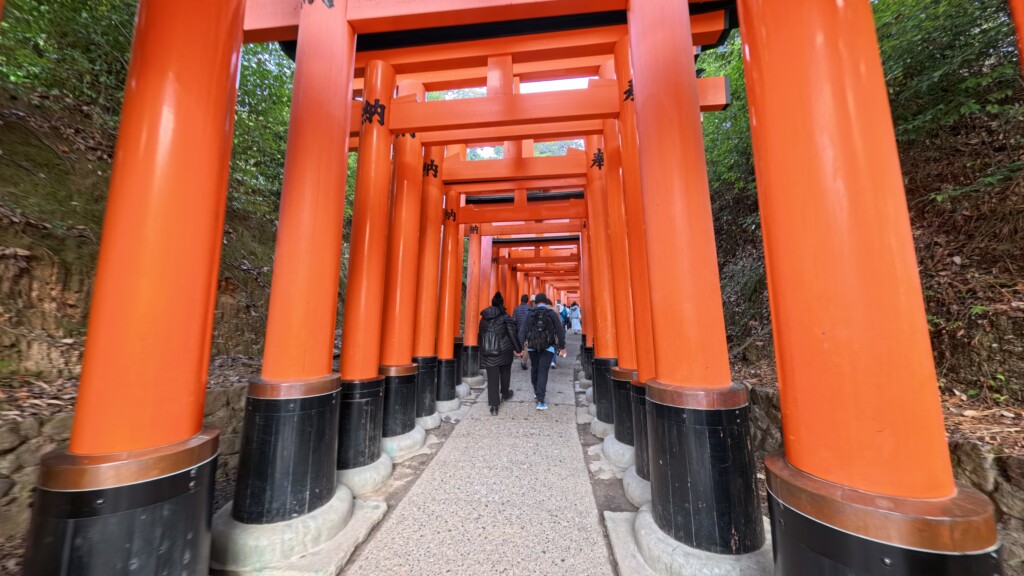
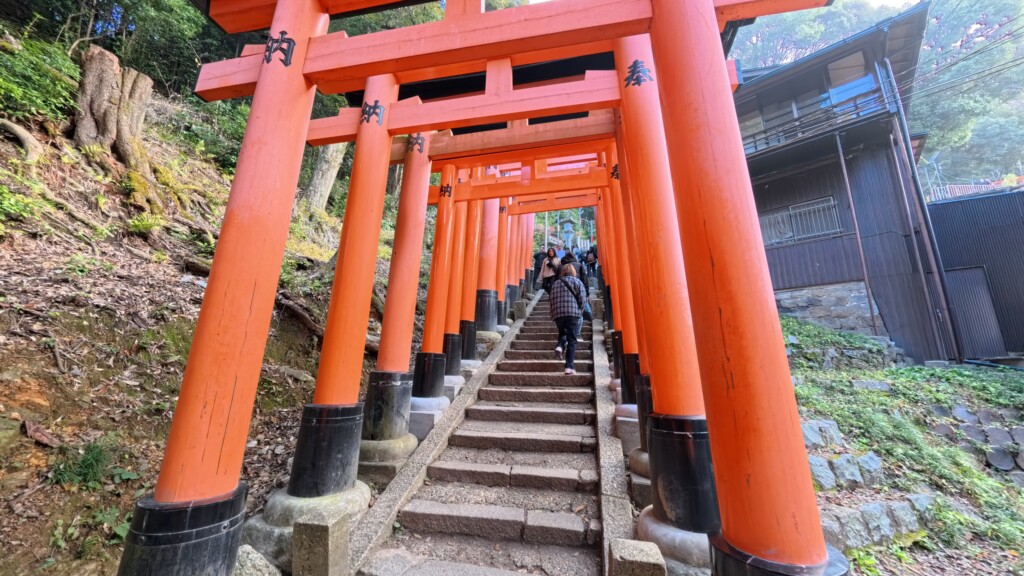
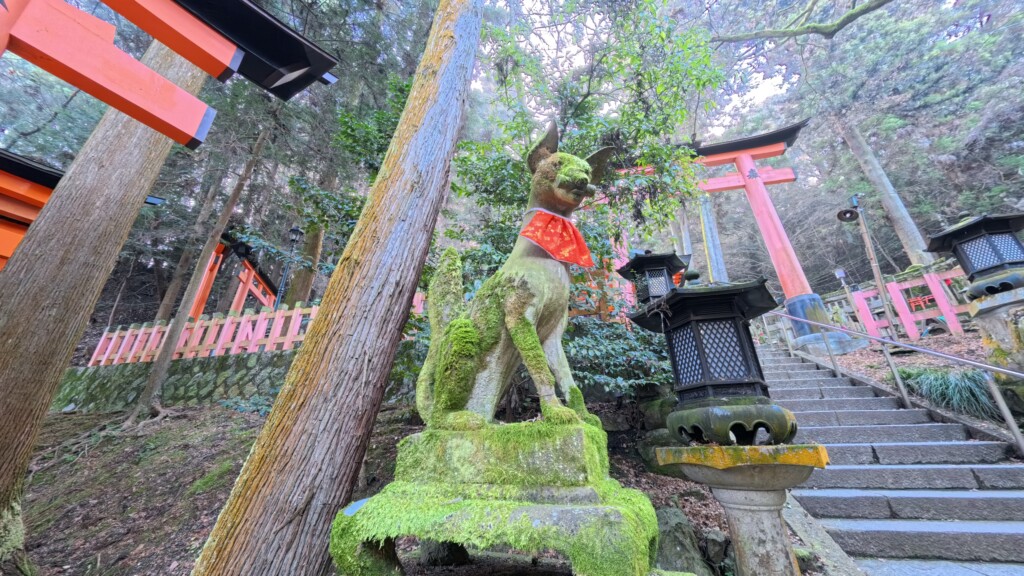
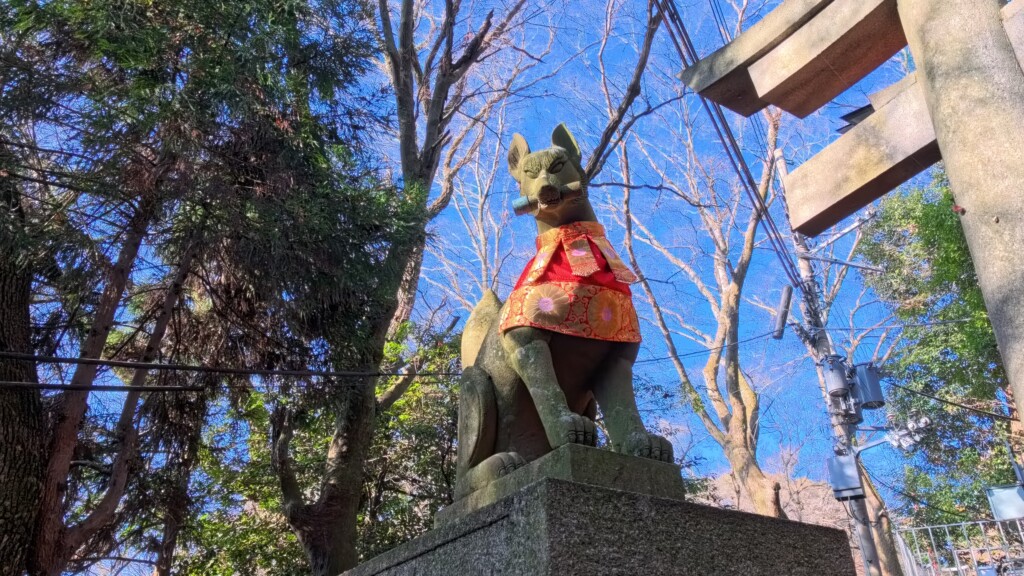
We returned to Kyoto on the morning of December 29, this time opting for the Keihan Main Line. While it took slightly longer than the high-speed options, it delivered us directly to Fushimi-Inari Station. Our destination was Fushimi Inari Taisha, the head shrine of the Shinto god of rice and agriculture, founded in 711 AD. The shrine is globally famous for its thousands of vermilion torii gates, and walking through these seemingly endless portals was a spectacular sensation. Because we arrived early, we were incredibly lucky to beat the heaviest crowds. This allowed us to hike all the way up to the top of Mount Inari, where we were rewarded with a sweeping view of Kyoto spreading out beneath the treetops.
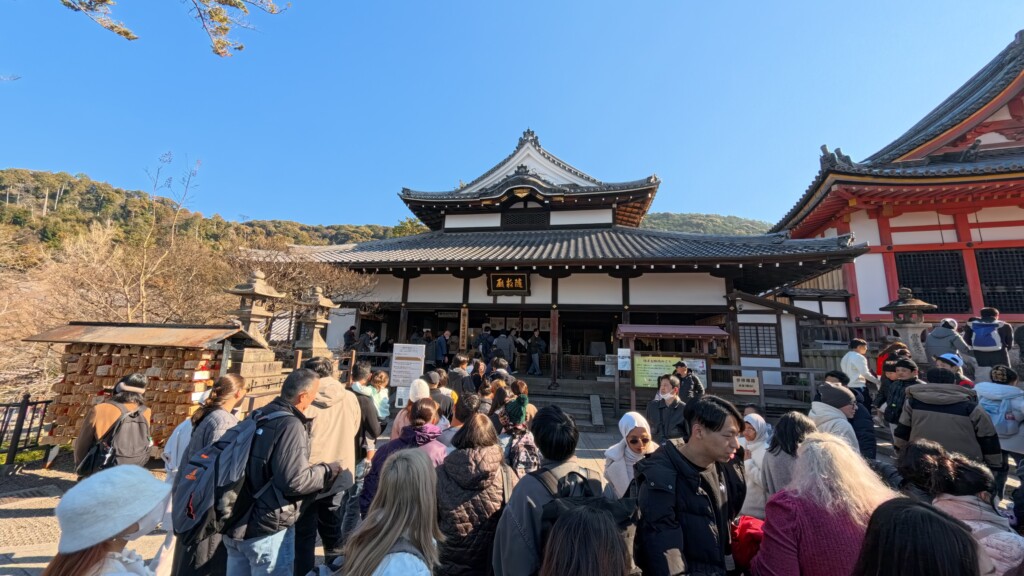
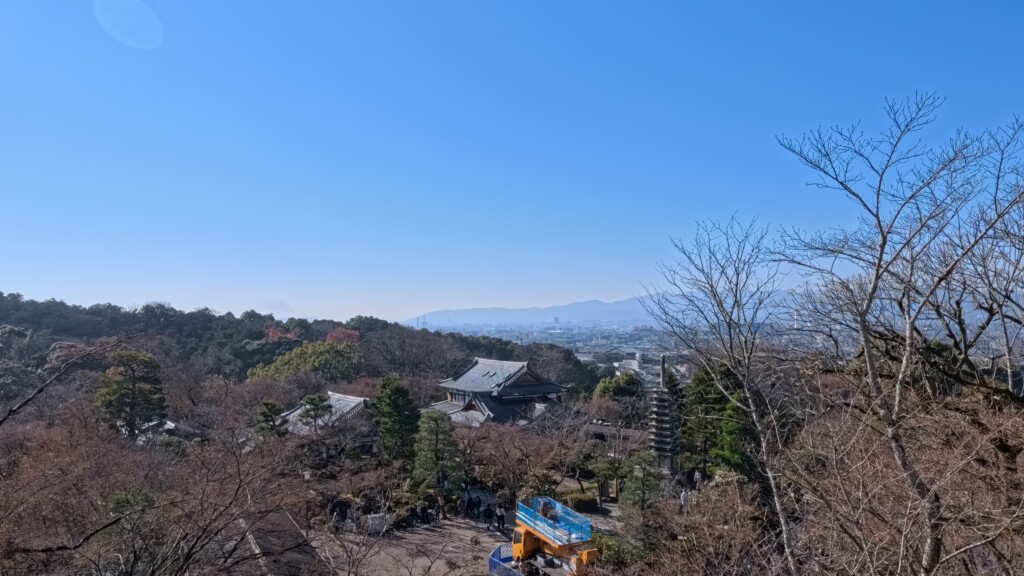
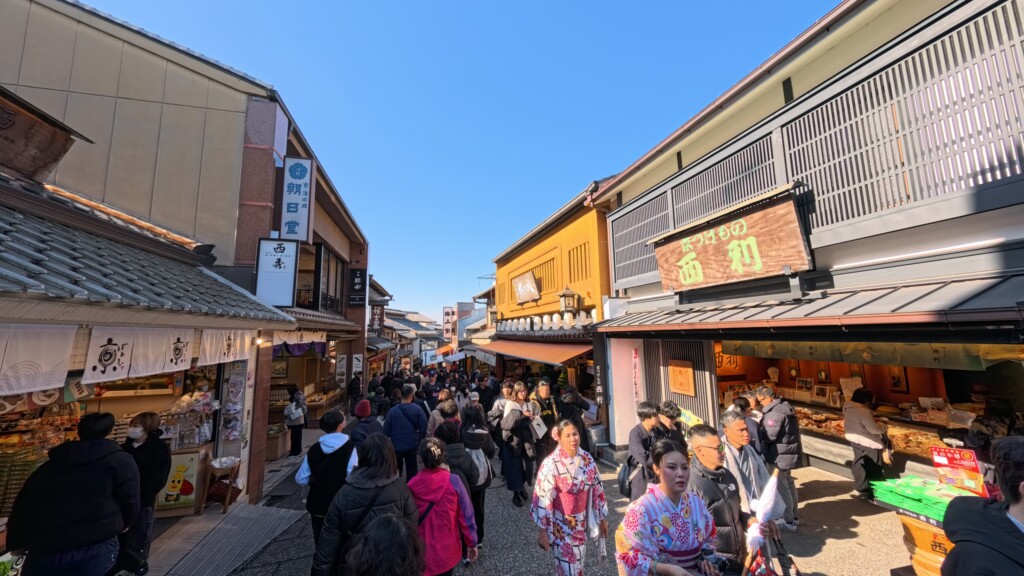
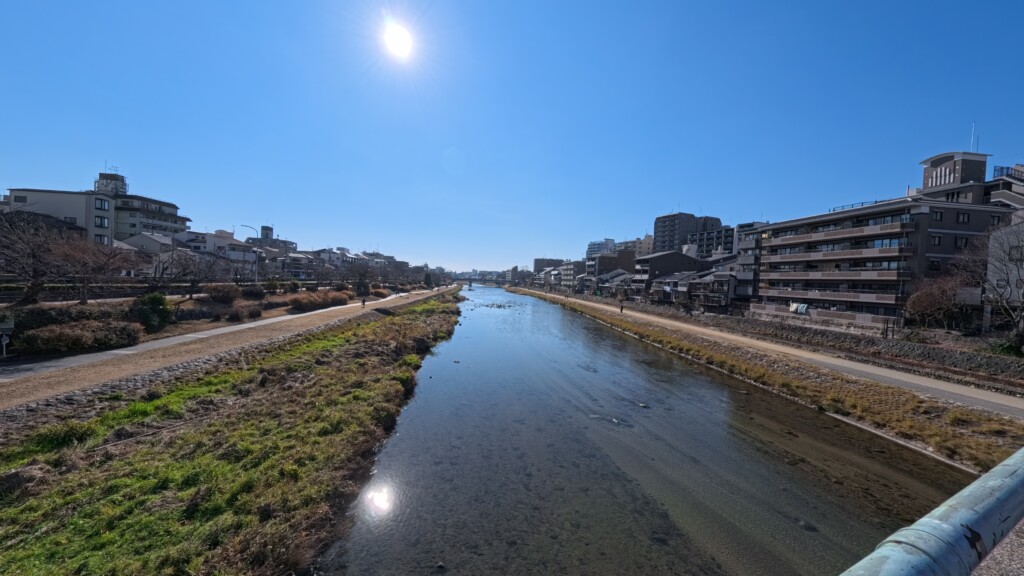
After descending the mountain, we took the train a few stops to Kiyomizu-Gojō Station to visit another of the city’s most renowned attractions: the Buddhist temple Kiyomizu-dera. Founded in 778, the temple is celebrated for its massive wooden stage built out over the hillside without the use of a single nail. We joined the dense stream of people heading up toward the temple, enjoying the winter sunshine and the impressive views from the top. The descent, however, was made via the historic Sannenzaka street, which required us to navigate the sheer chaos of the crowds packing the narrow, sloping pathways.
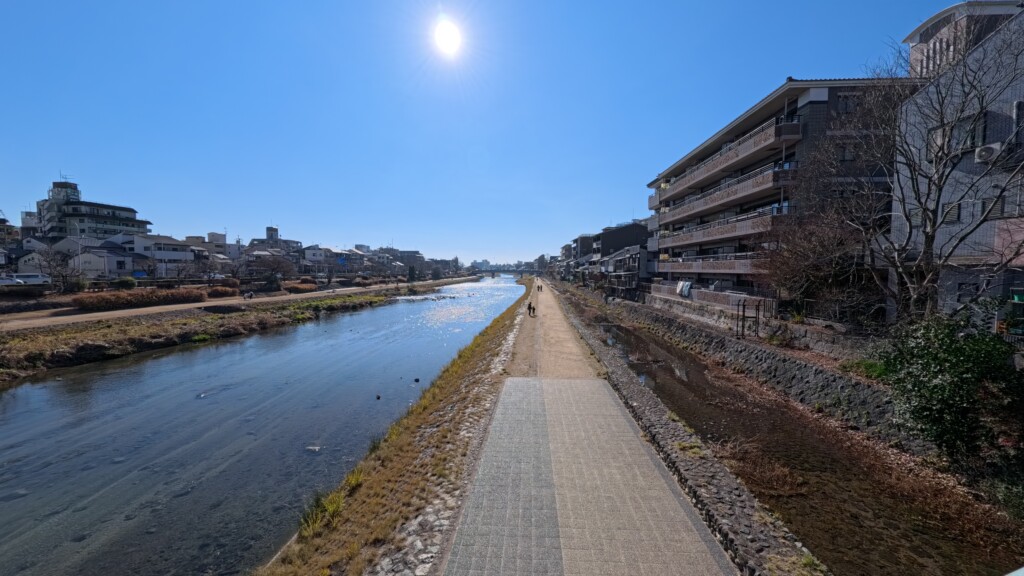
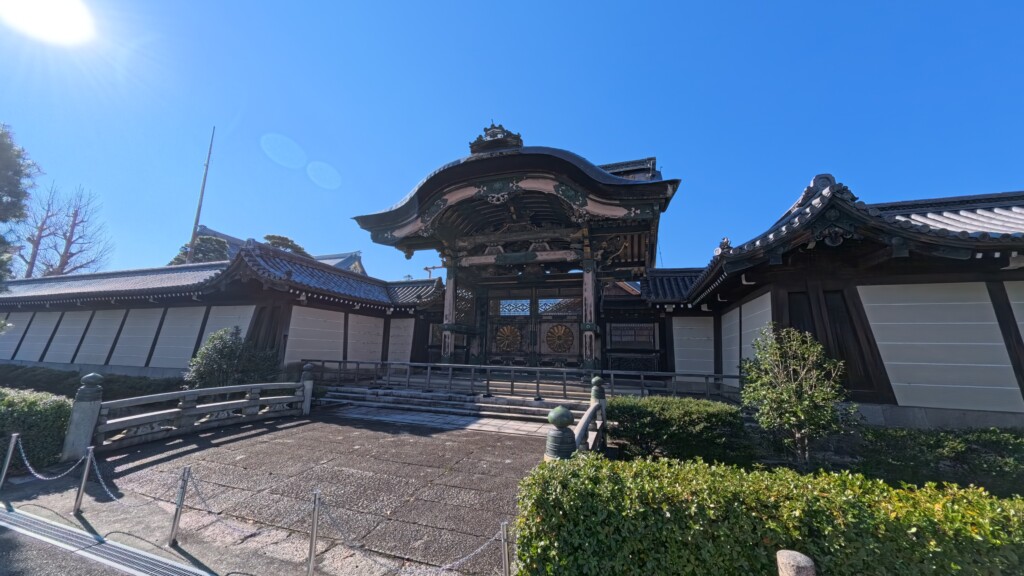
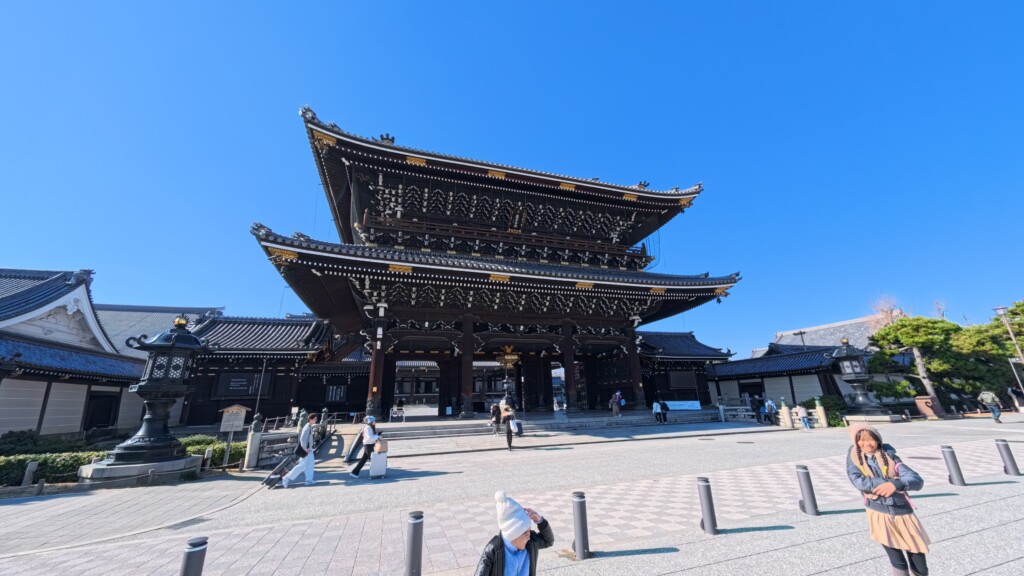
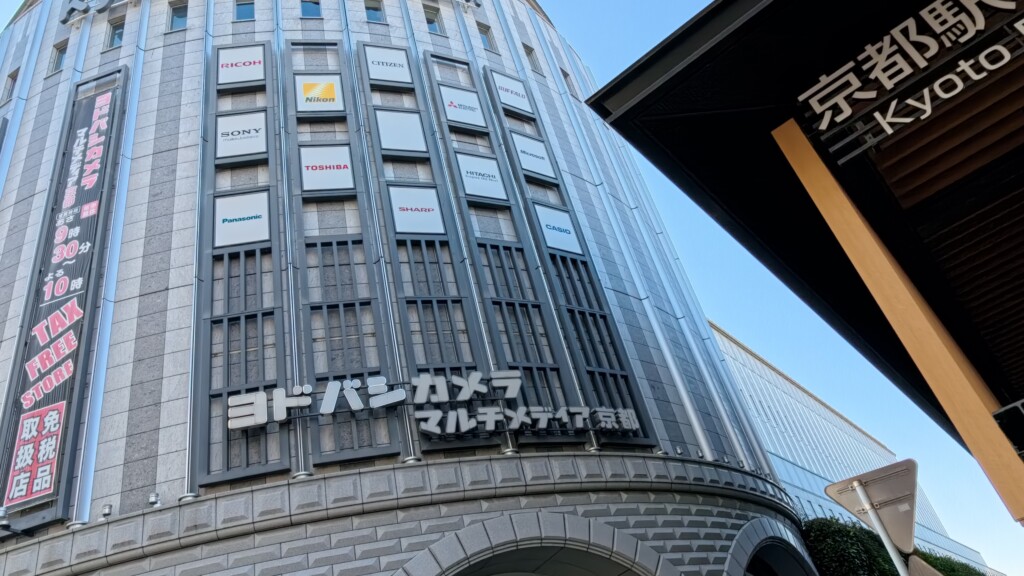
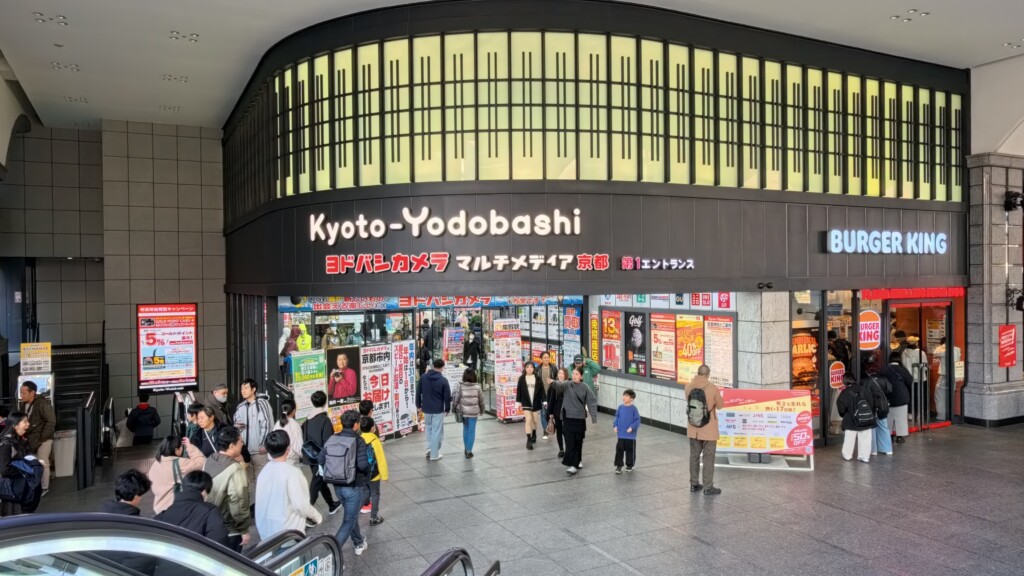
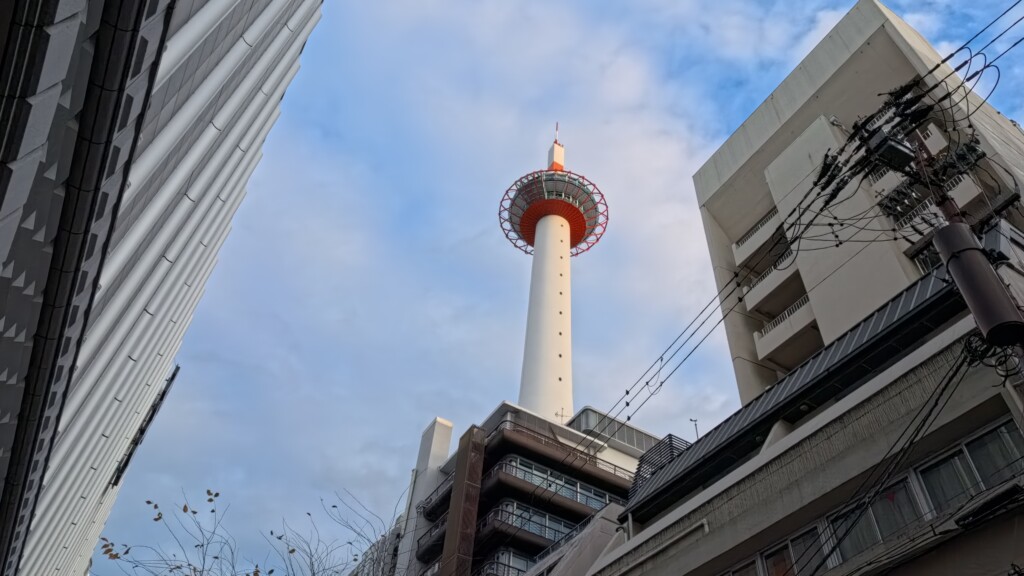
Instead of heading straight to the nearest station, we decided to walk toward Kyoto Station, passing the imposing wooden structures of the Higashi Hongan-ji temple and catching sight of Kyoto Tower along the way. Hunger eventually caught up with us, and we stopped at the Yodobashi complex to find an interesting restaurant for dinner before taking the train back to Osaka. Back in the city, we spent some time shopping in the Umeda district. While Susann took the opportunity to enjoy some peace and quiet, Little A and I visited the Sesame Street Market, where we ate waffles and drank brightly colored drinks, fully embracing the fun, themed café culture that Japan executes so well.





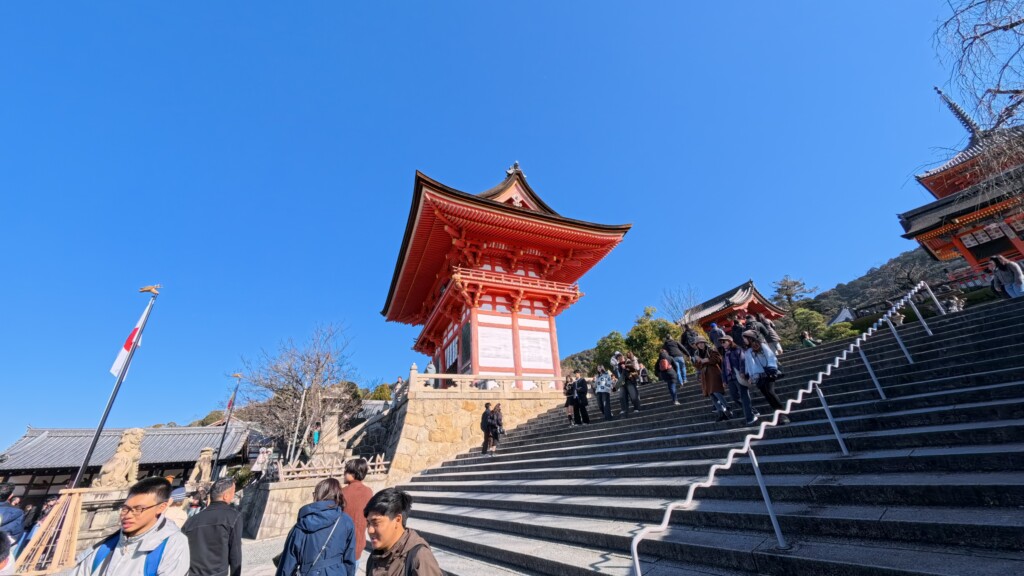
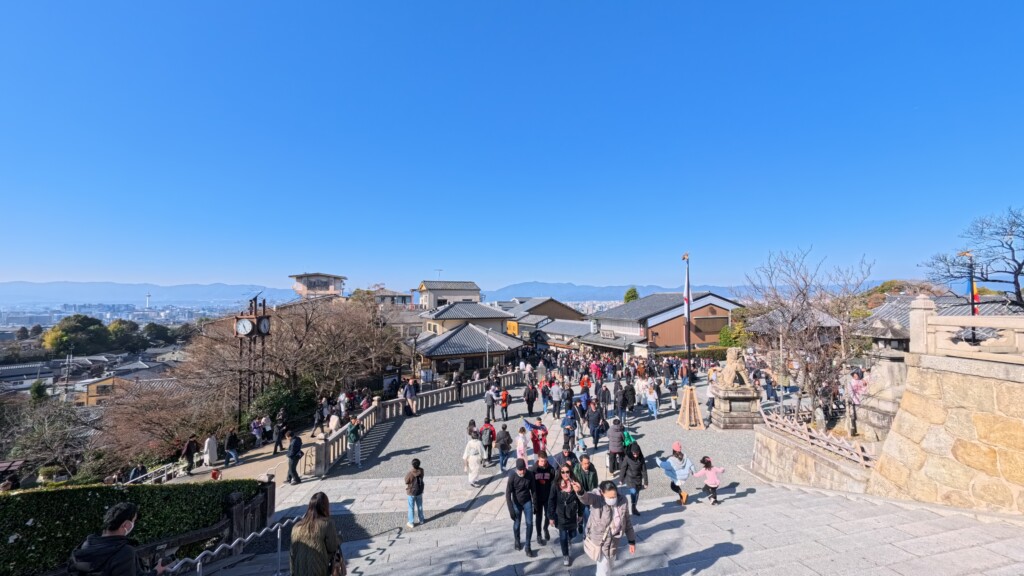
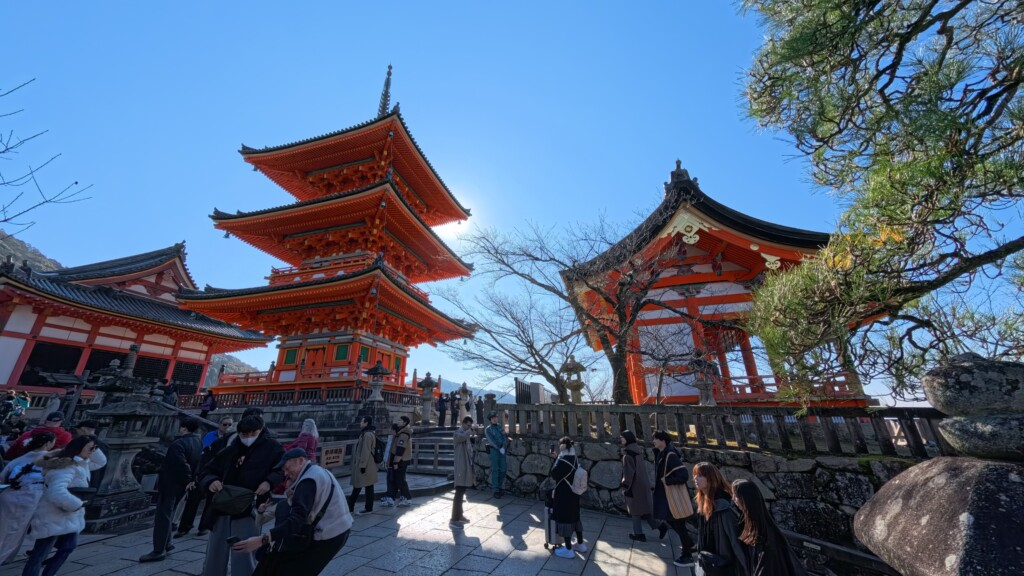
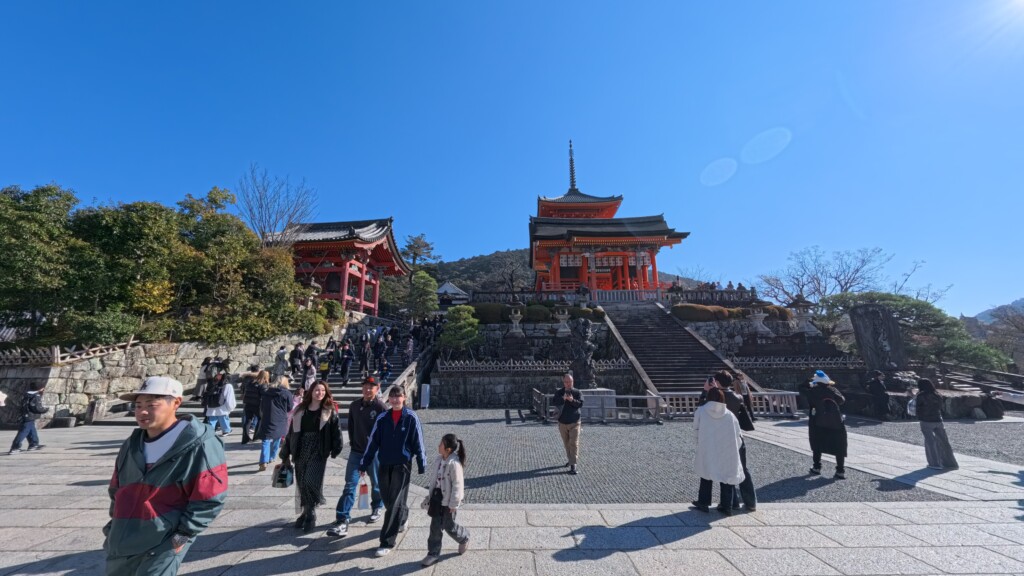




A New Suitcase and Exploring Shinsekai
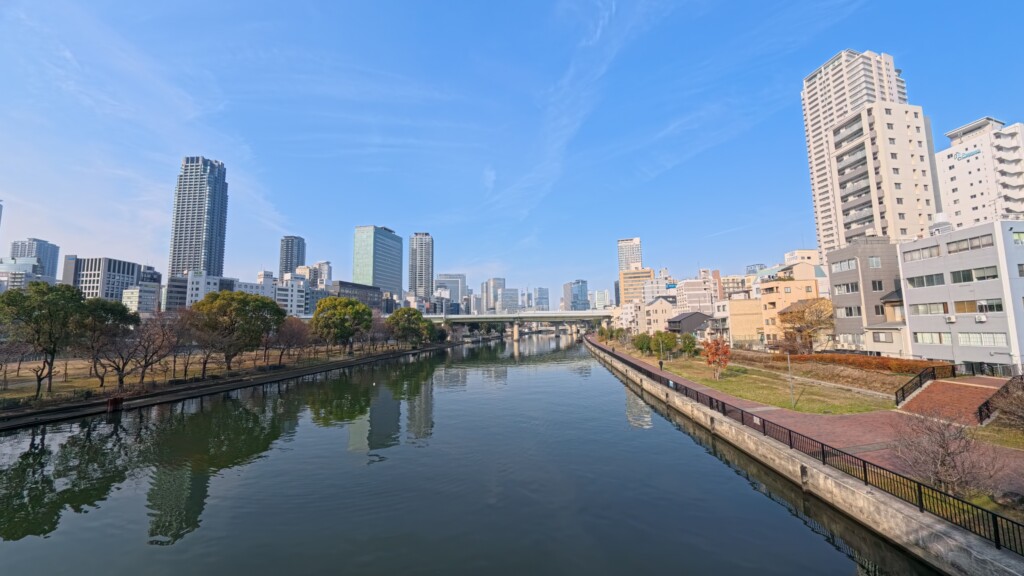
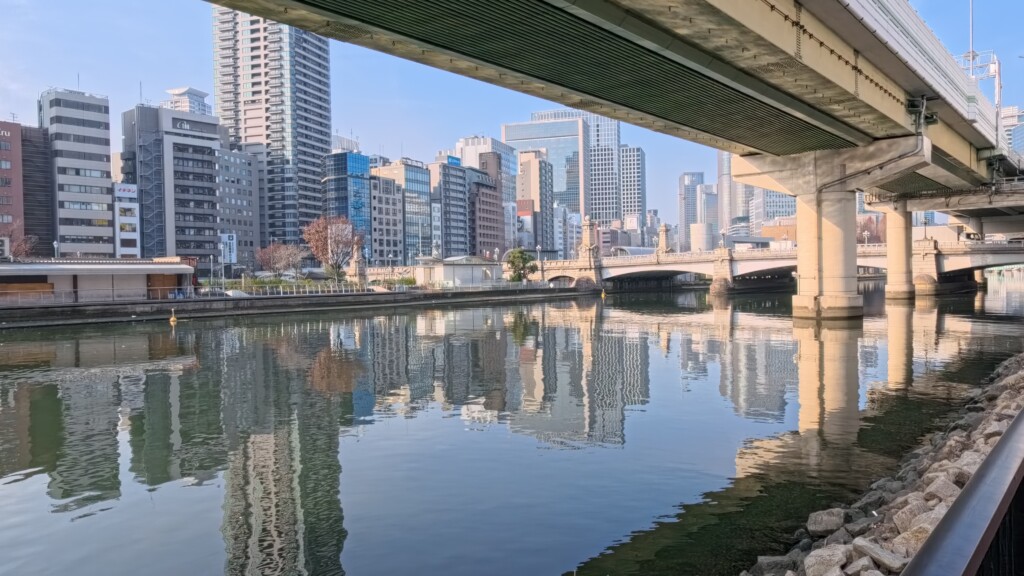
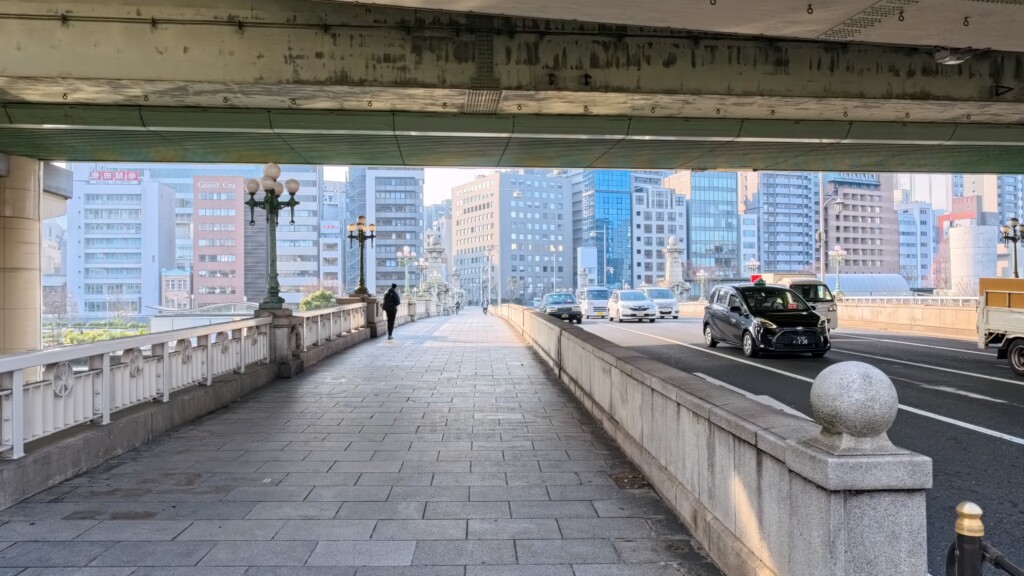
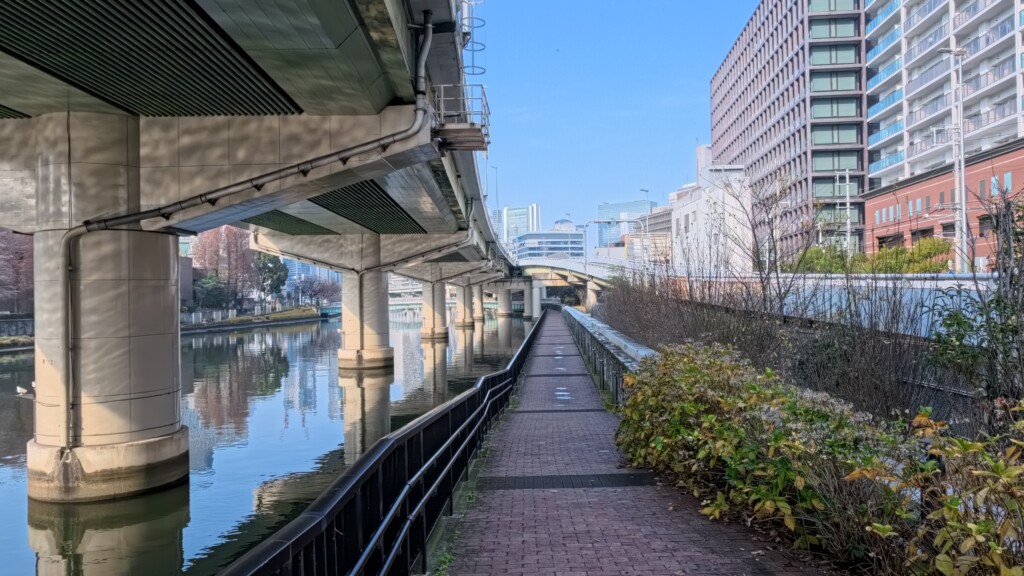
While Susann and Little A slept in the next morning, I took a walk in the beautiful morning sun all the way from Temmabashi to Umeda to purchase a new suitcase. We had traveled from Sweden with just one checked bag, but we needed another to accommodate the items we had purchased during our week in Osaka.
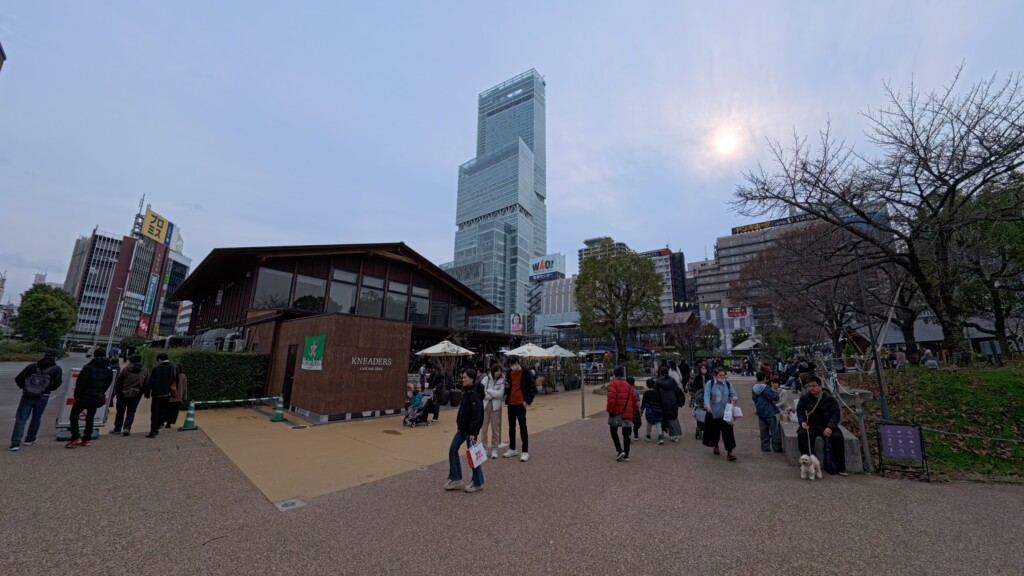
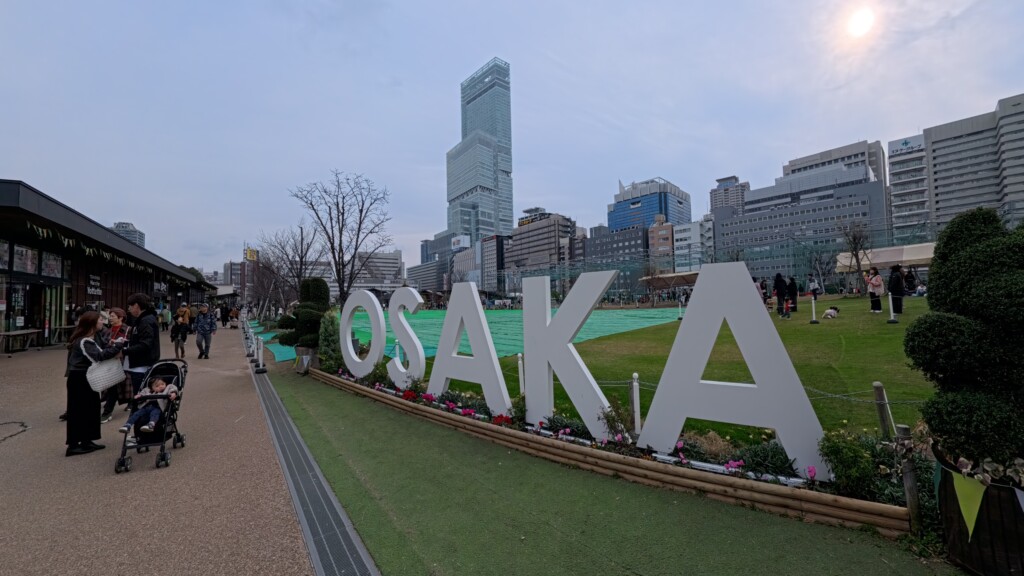
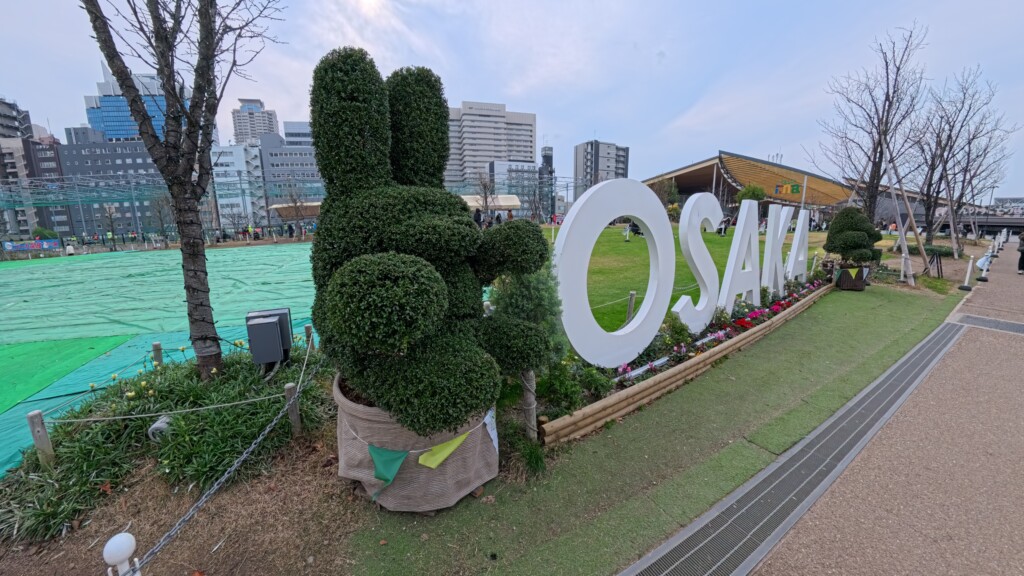
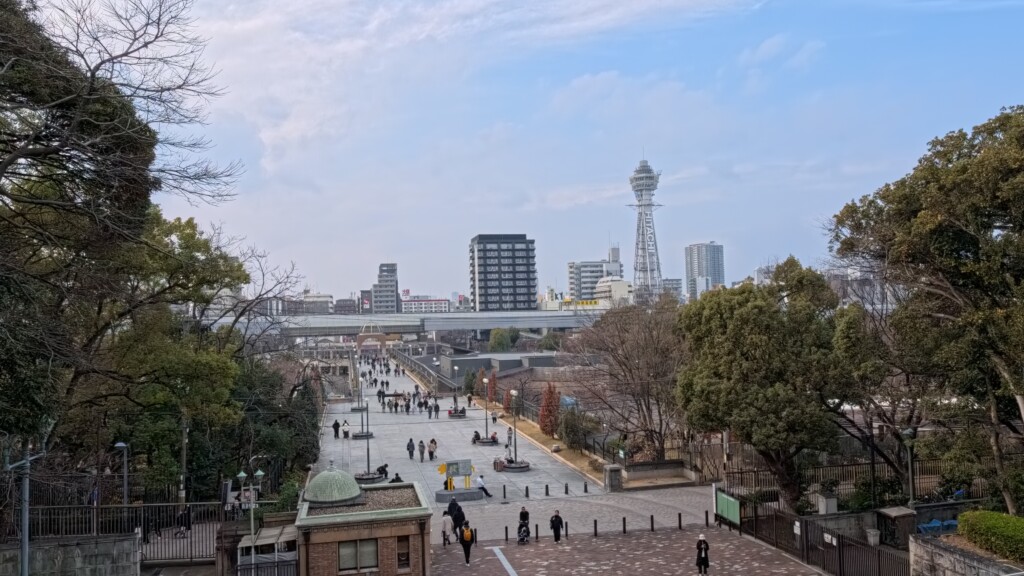
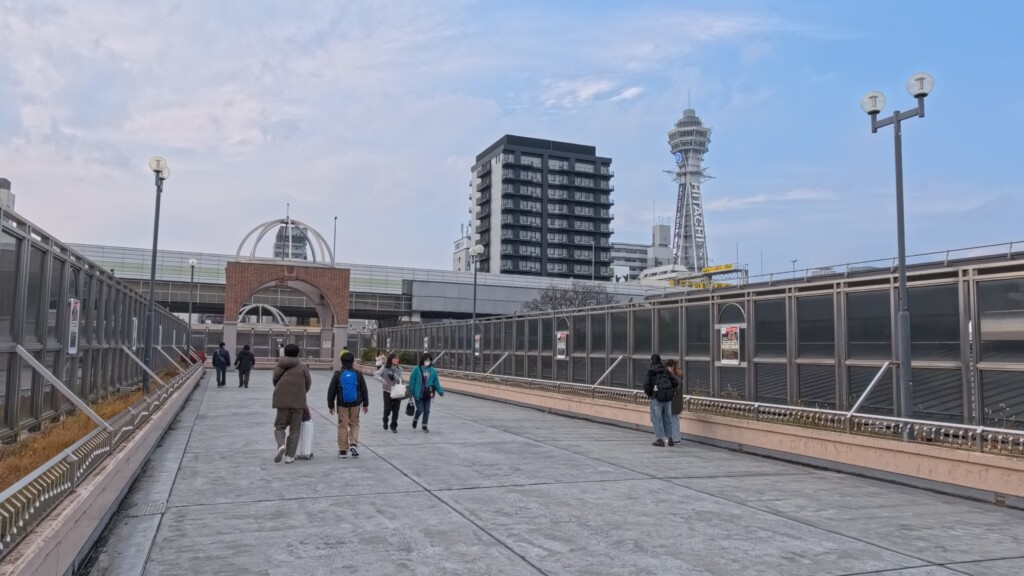
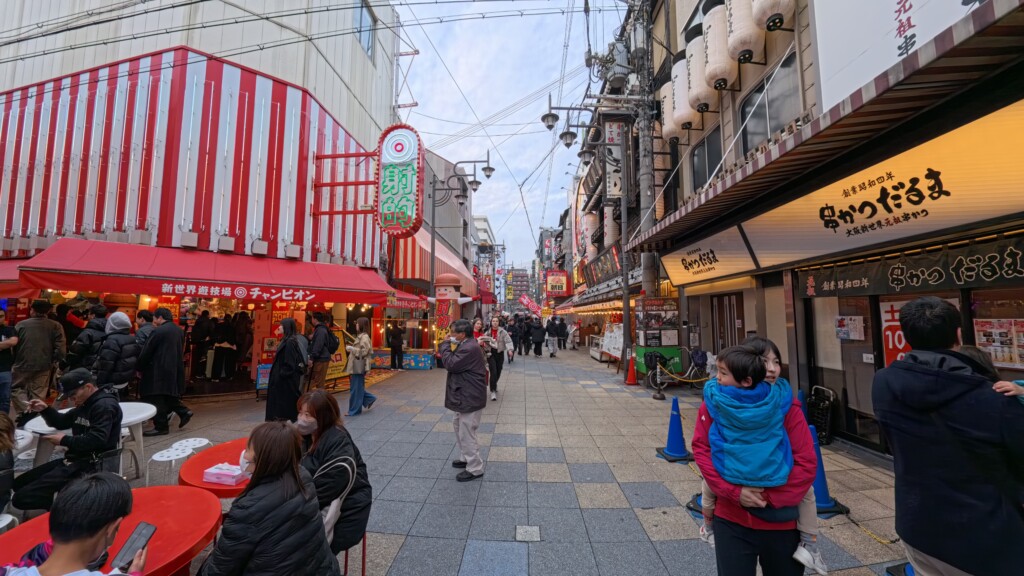
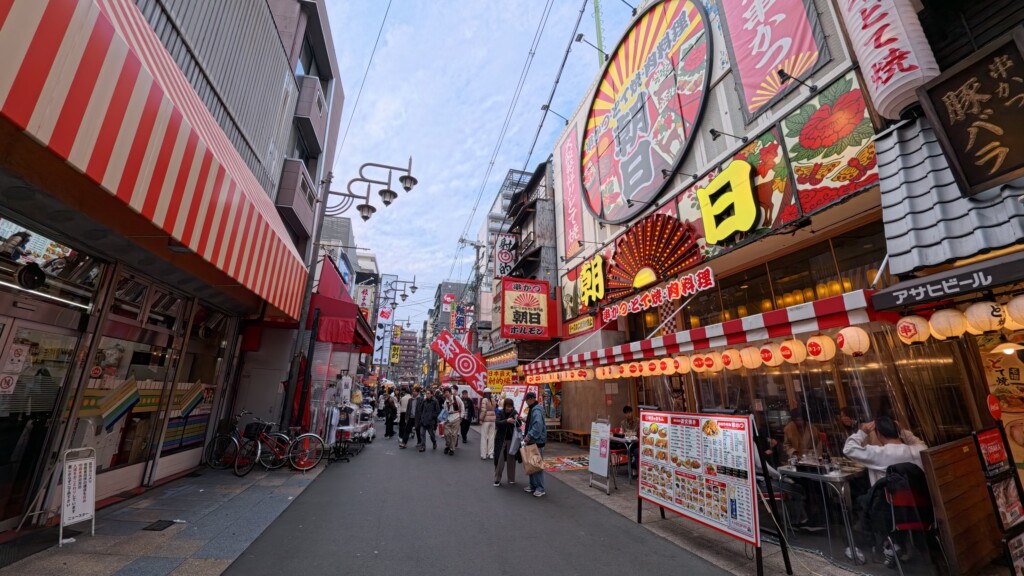
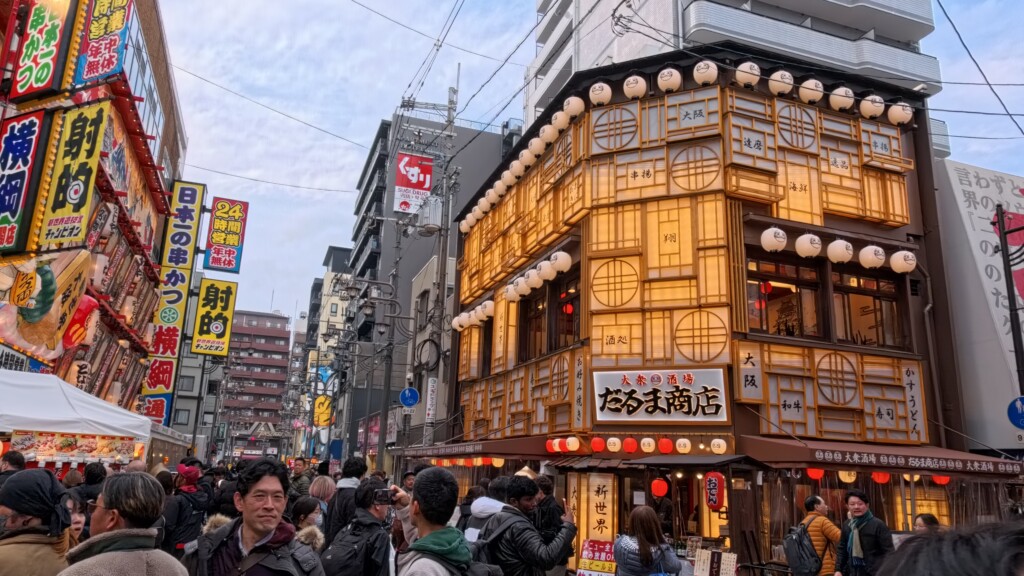
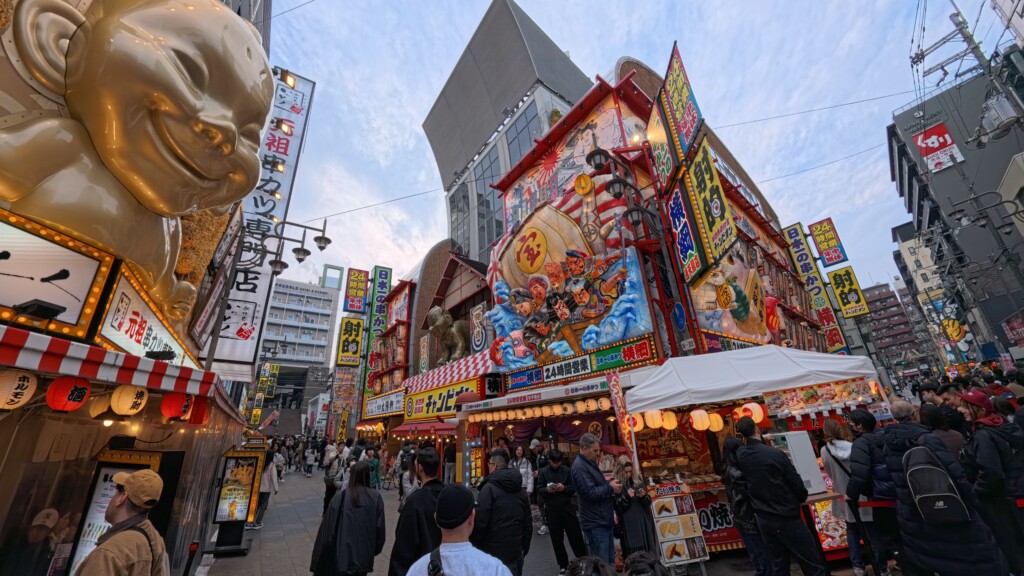
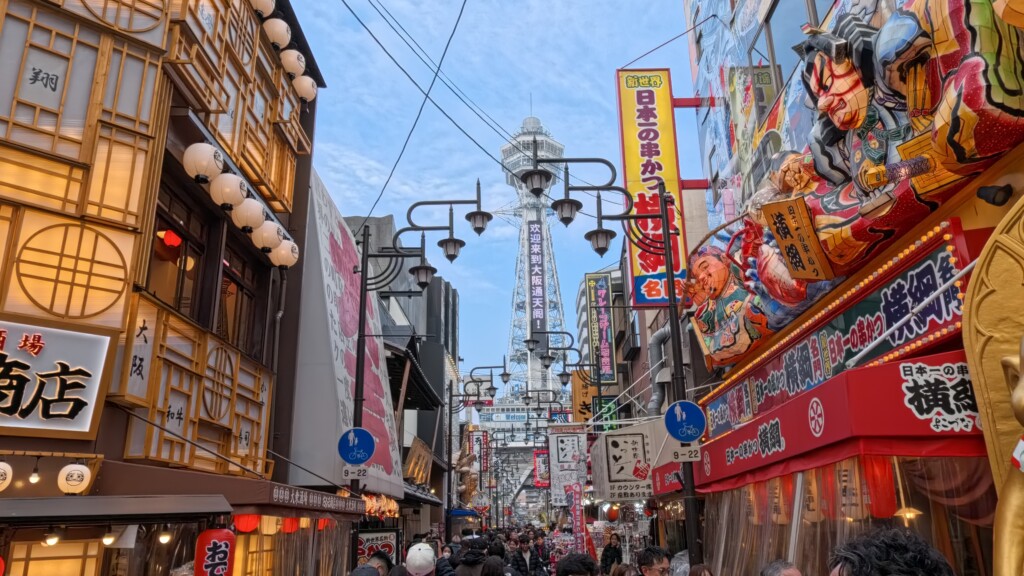
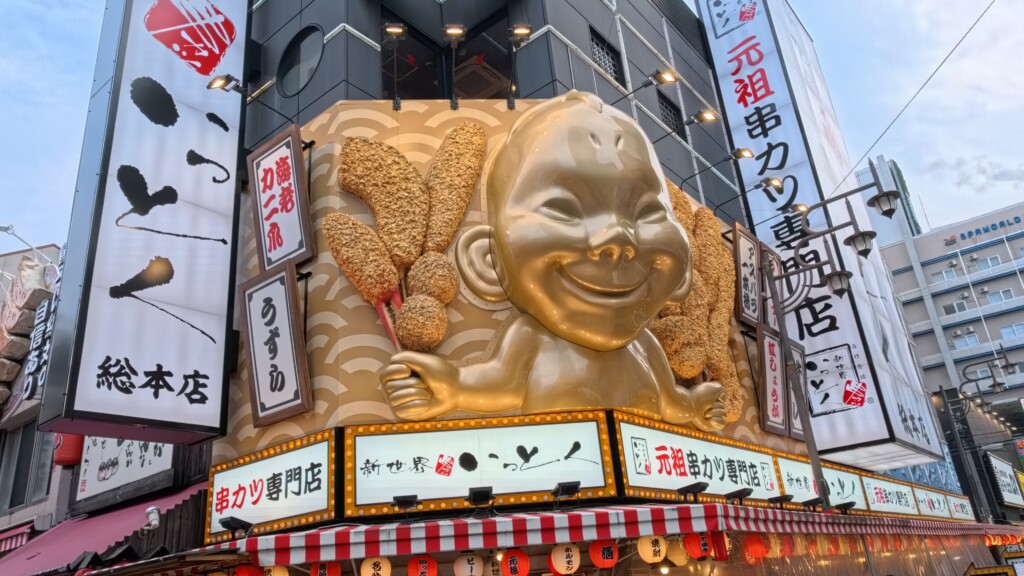
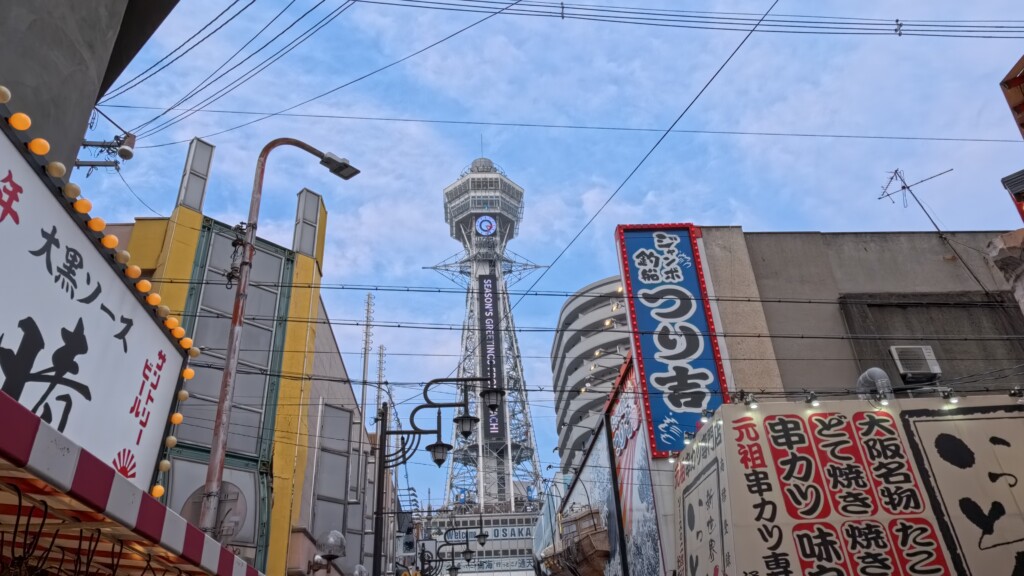
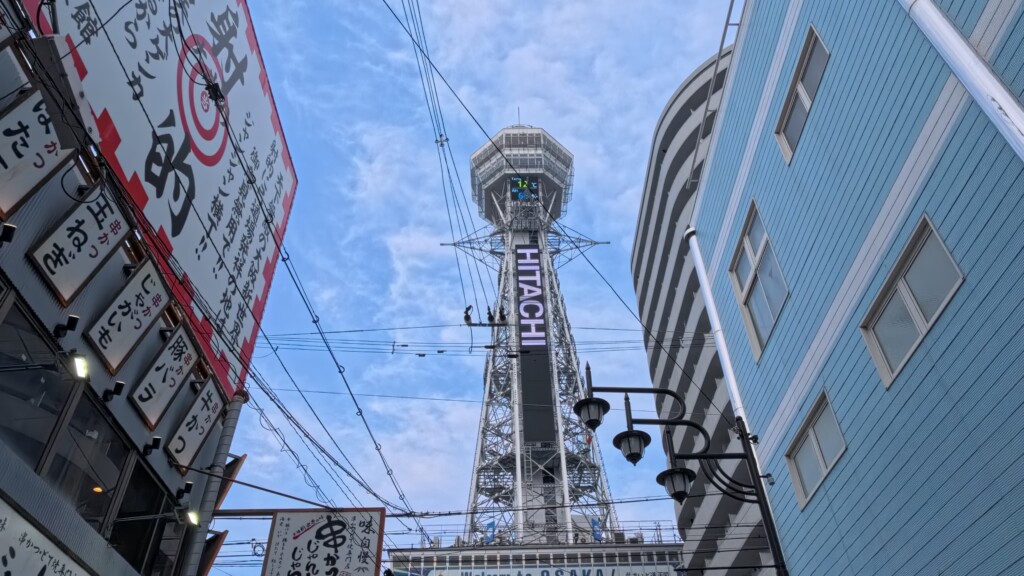
Once I returned and the family was ready, we headed straight to the Tenshiba area. After grabbing hamburgers for lunch, we set out to explore the surrounding neighborhood. Our main goal for the day was Tsutenkaku, the iconic tower in the Shinsekai district. Originally built in 1912 and later reconstructed in 1956, the tower stands as a retro, steel-framed symbol of Osaka. Our walk took us through Tennoji Park, passing both the Osaka City Museum of Fine Arts and the Tennoji Zoo. However, when we finally reached the tower, we quickly realized we simply did not have the energy to stand in the long queues to go up to the observation deck. Instead, we continued our walk through Shinsekai Market, enjoying the highly decorative and colorful streets. The day’s adventure concluded with a walk all the way over to the Namba Parks shopping complex before we eventually headed back to our apartment.







A Solo Trip to Wakayama
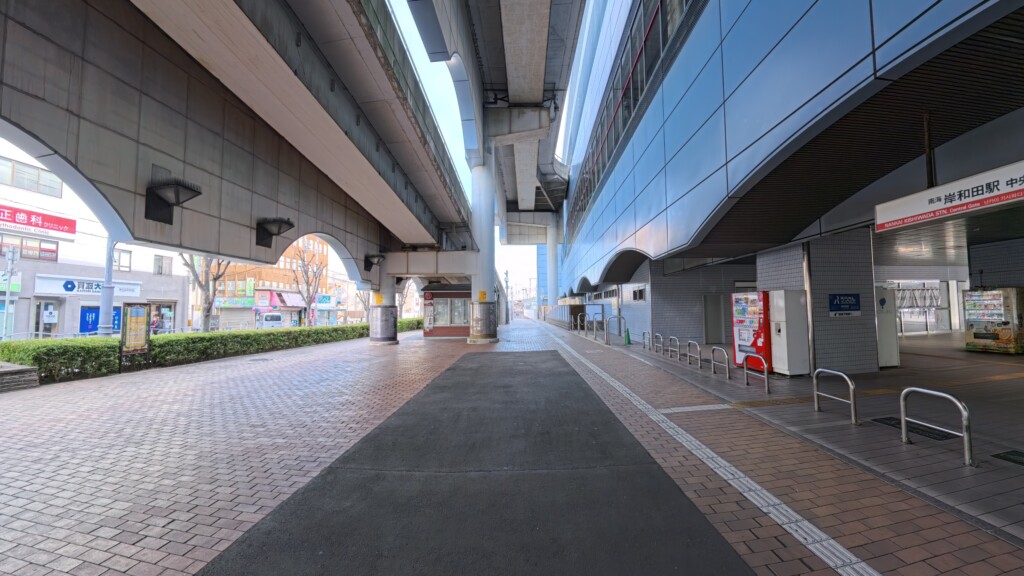
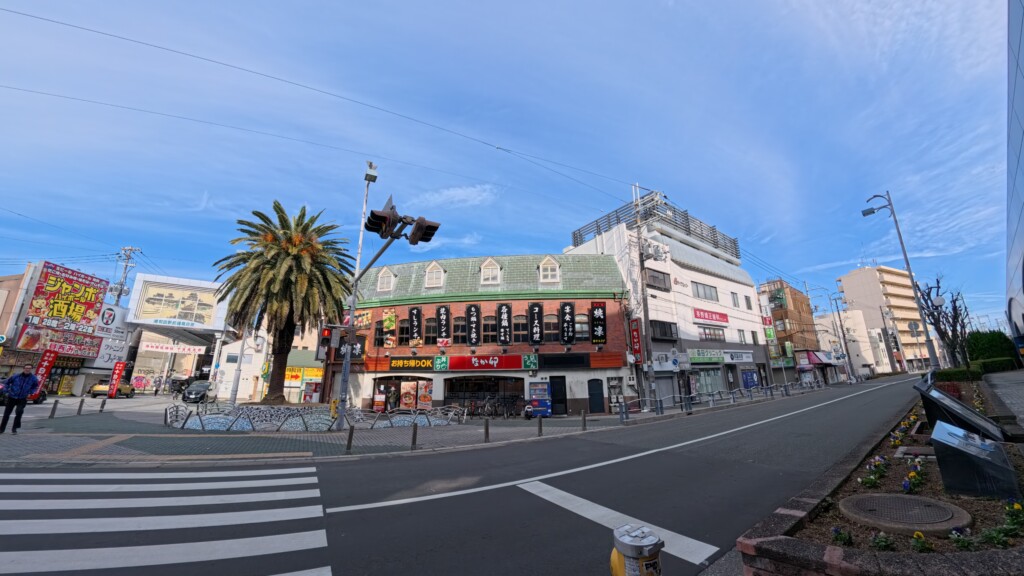
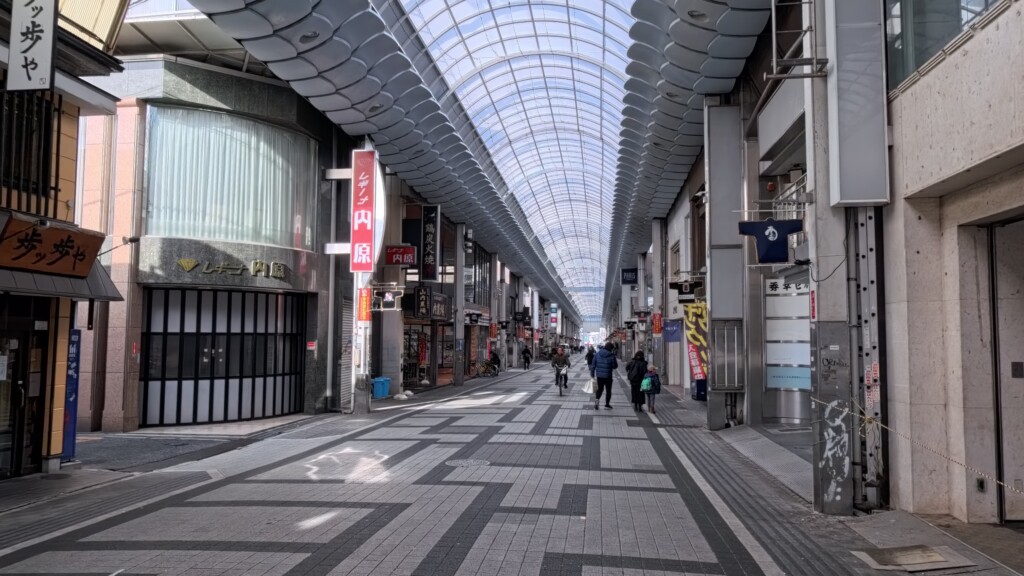
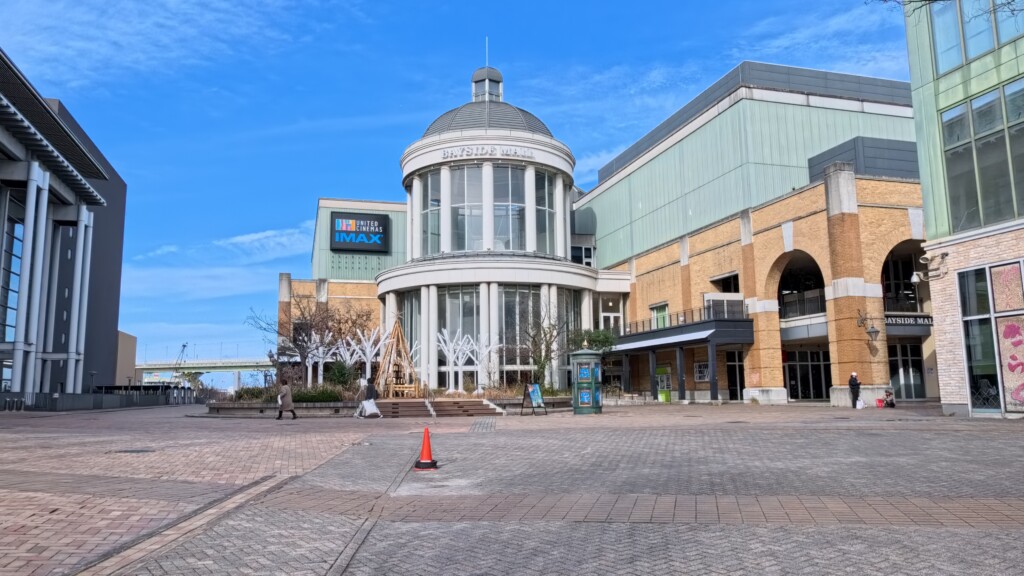
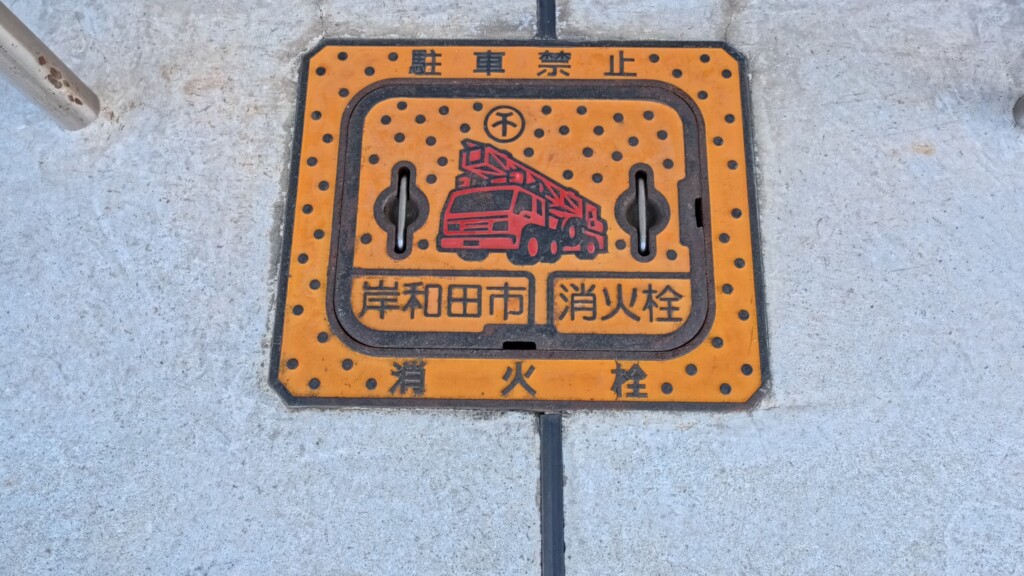
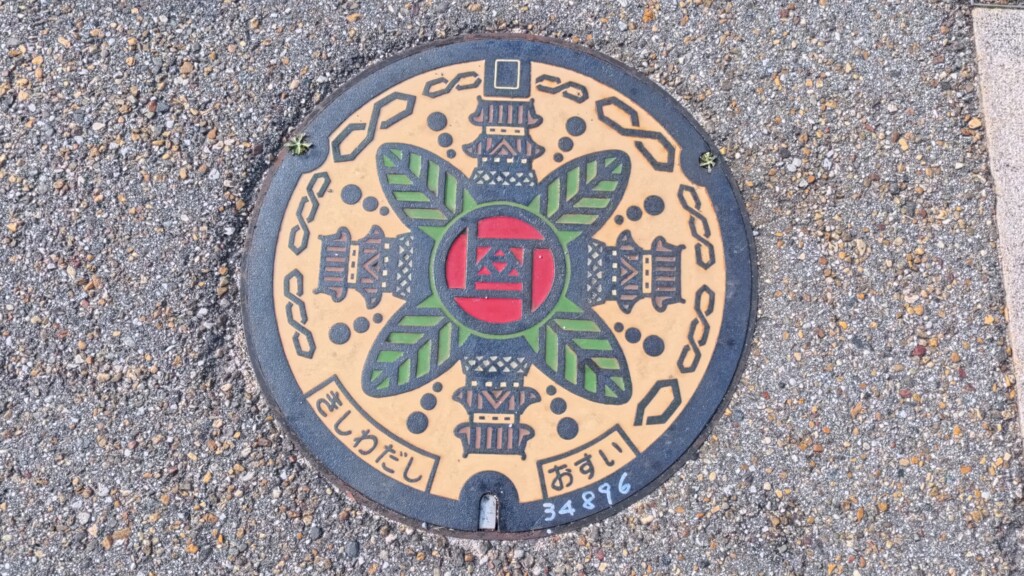
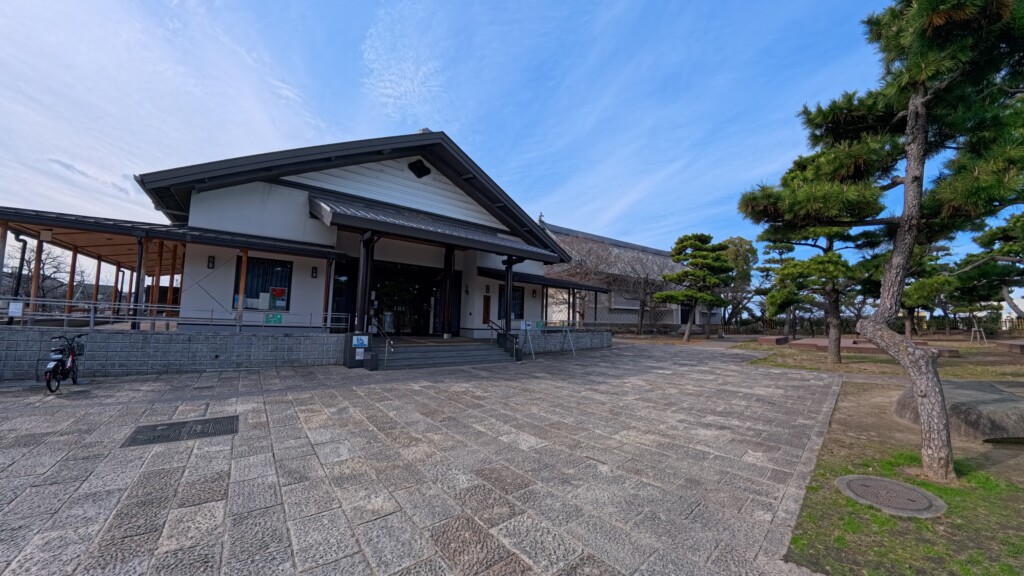
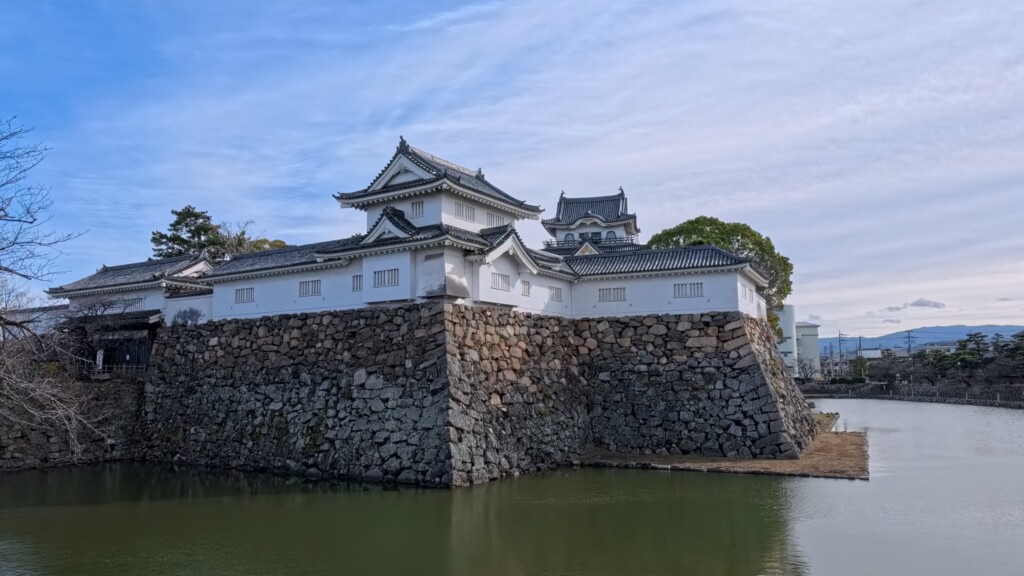
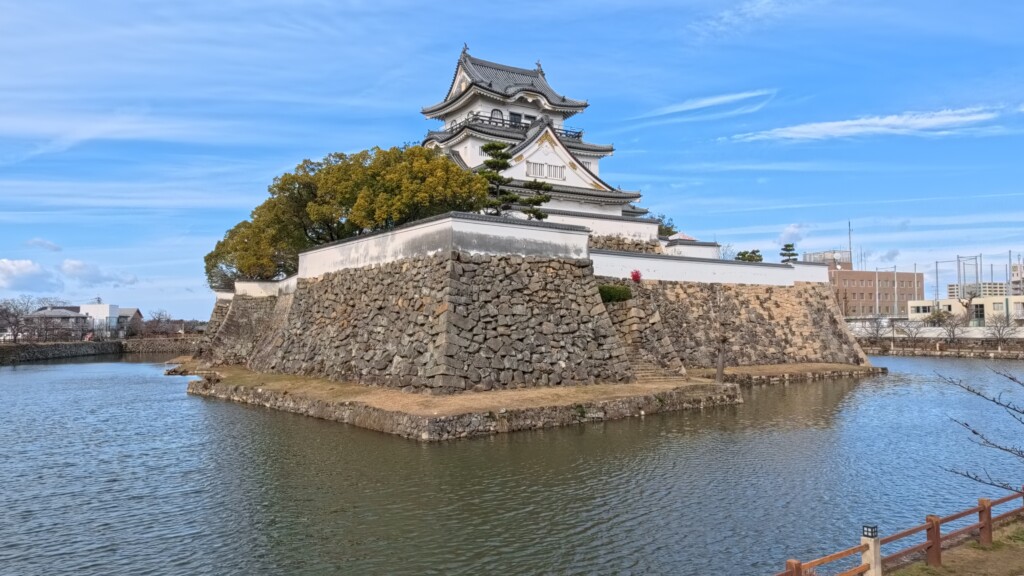
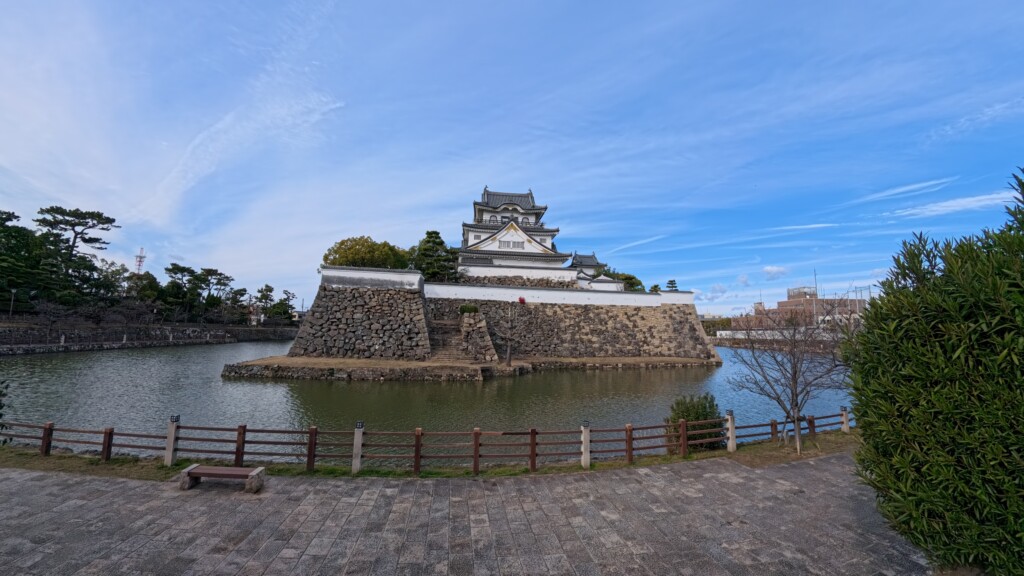
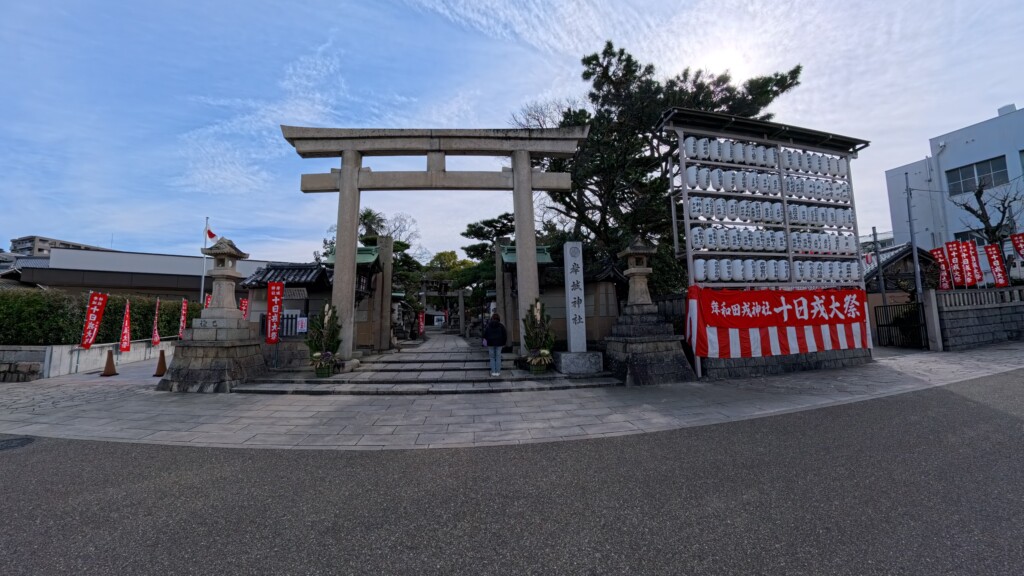
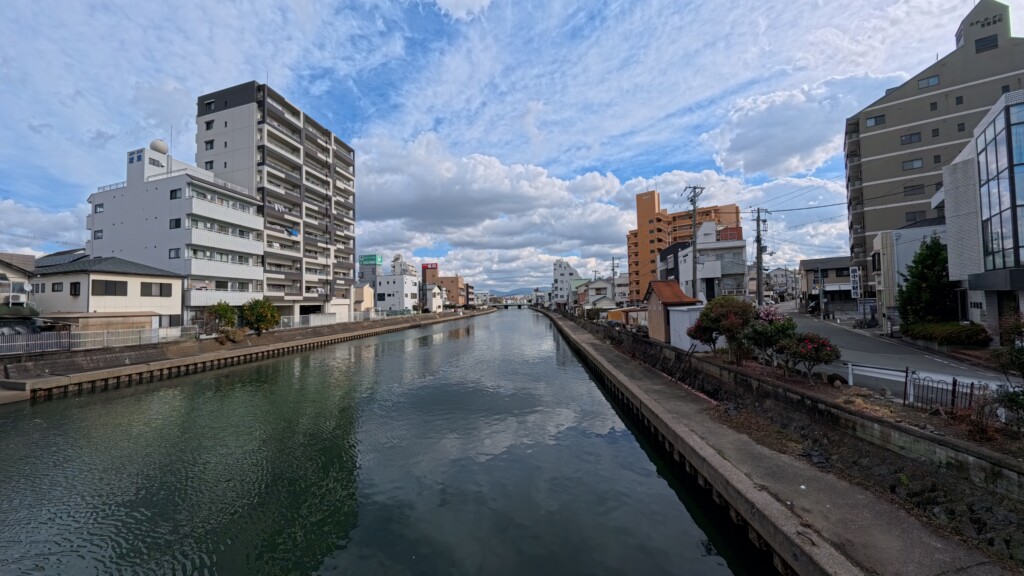
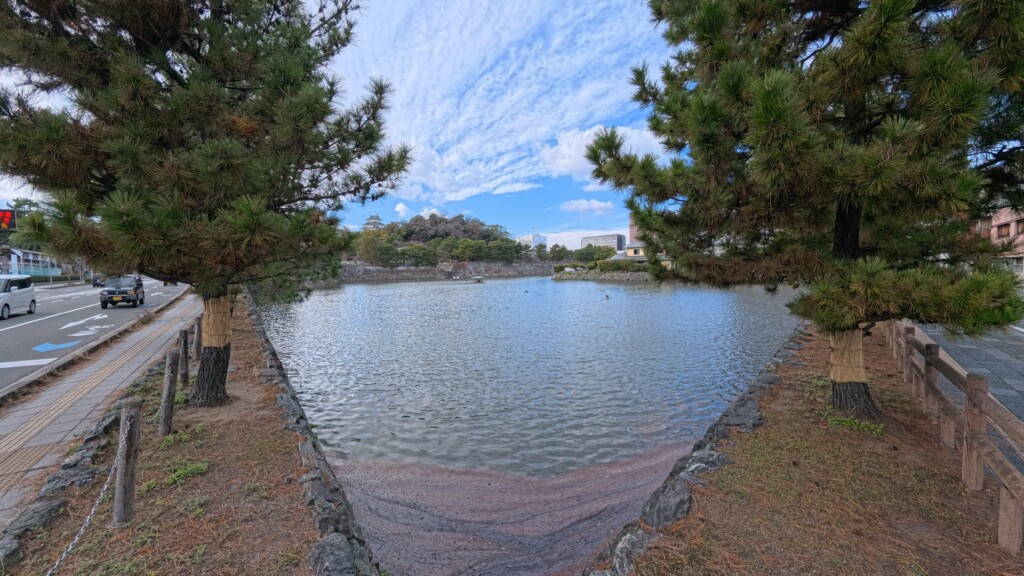
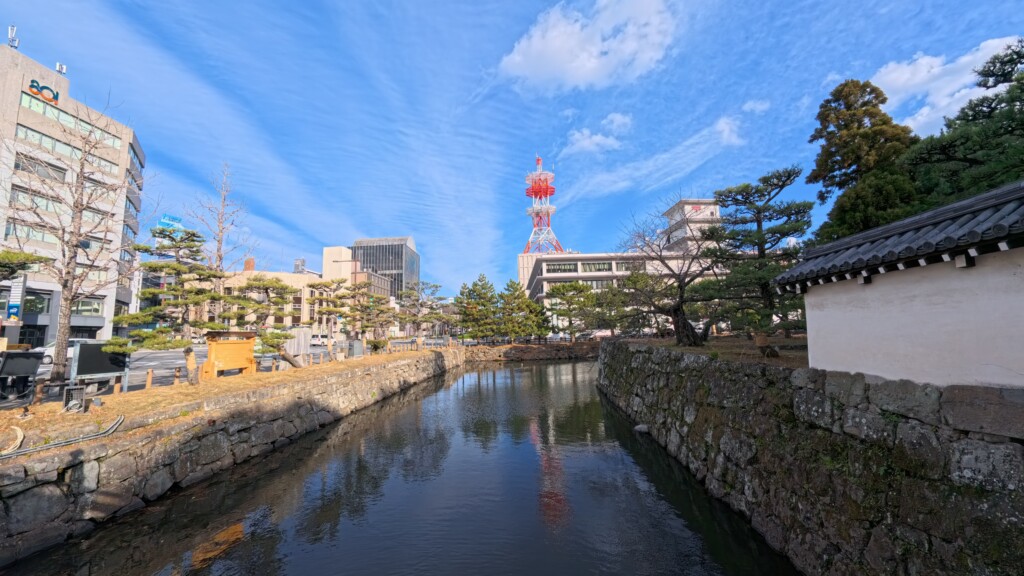
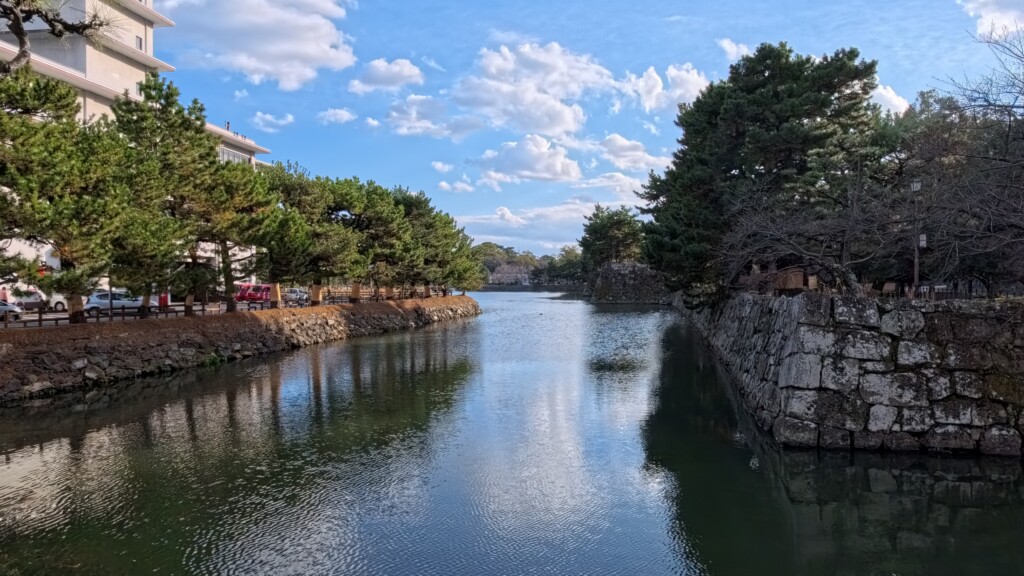
By New Year’s Eve, Susann and Little A wanted a quiet, relaxing day, so I left them to rest and set out on a solo trip to Wakayama to satisfy my need for a bit more chaotic exploration. My first stop was Kishiwada, a city easily accessible via the Nankai Line from Tengachaya Station. I walked down to the Kishiwada Cancan Bayside Mall WEST hoping to get a good look at the coast, but I failed to find a compelling vantage point over the water. Instead, I walked over to Kishiwada Castle, a 16th-century fortress known for its unique defensive moat.
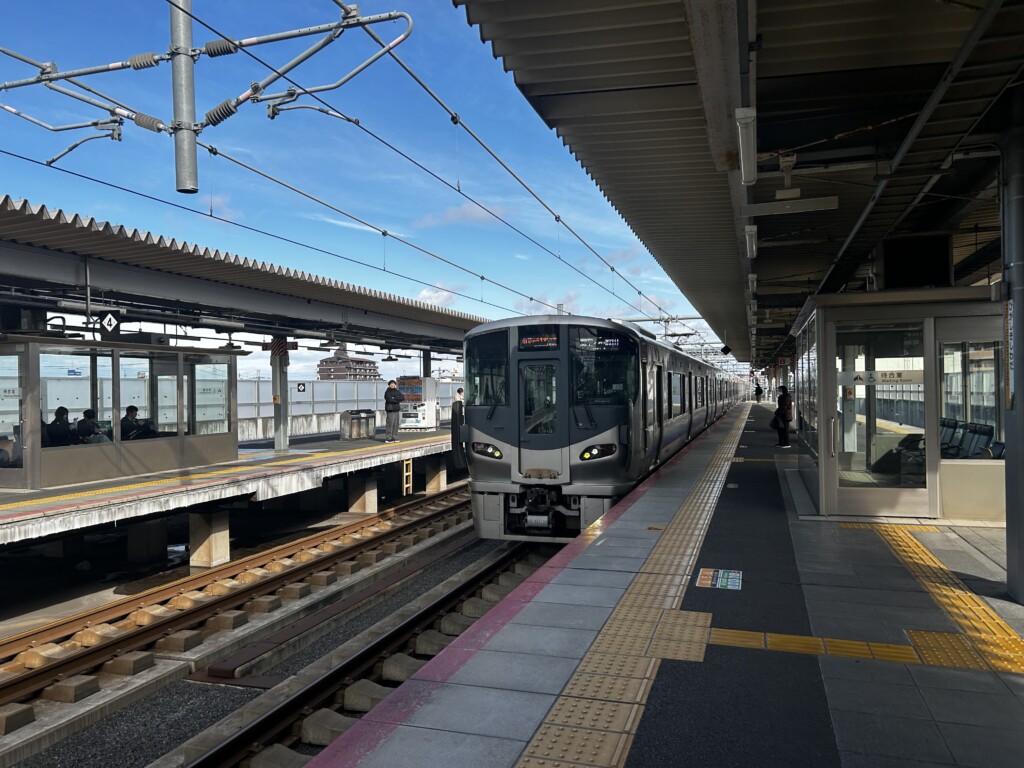
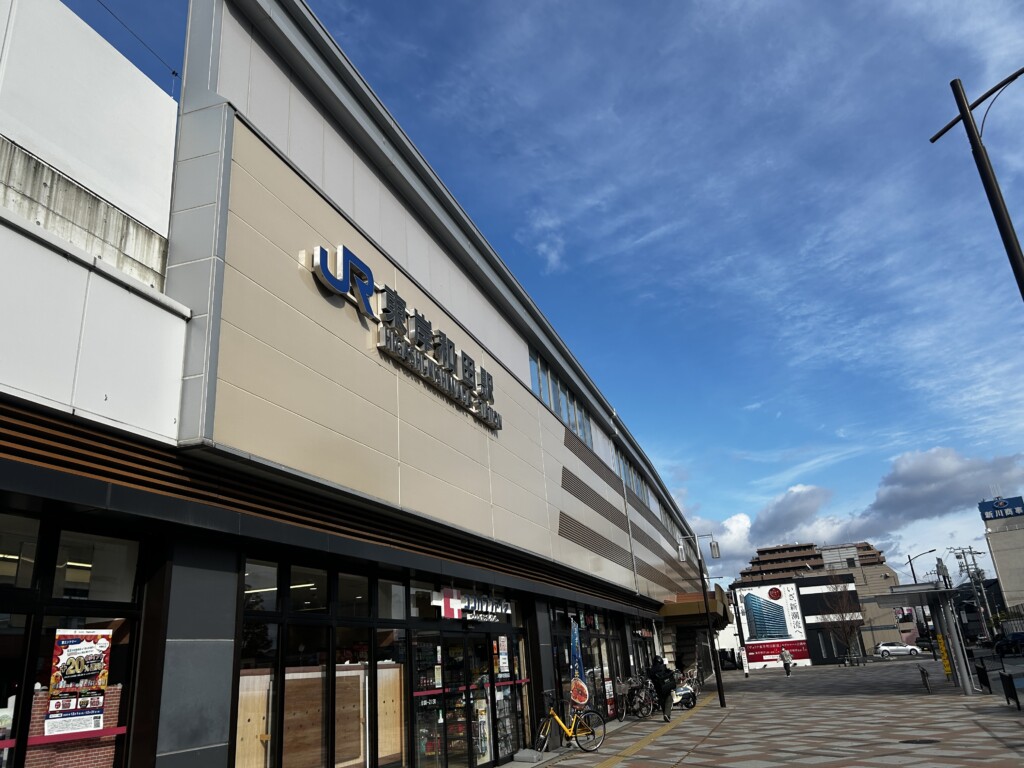
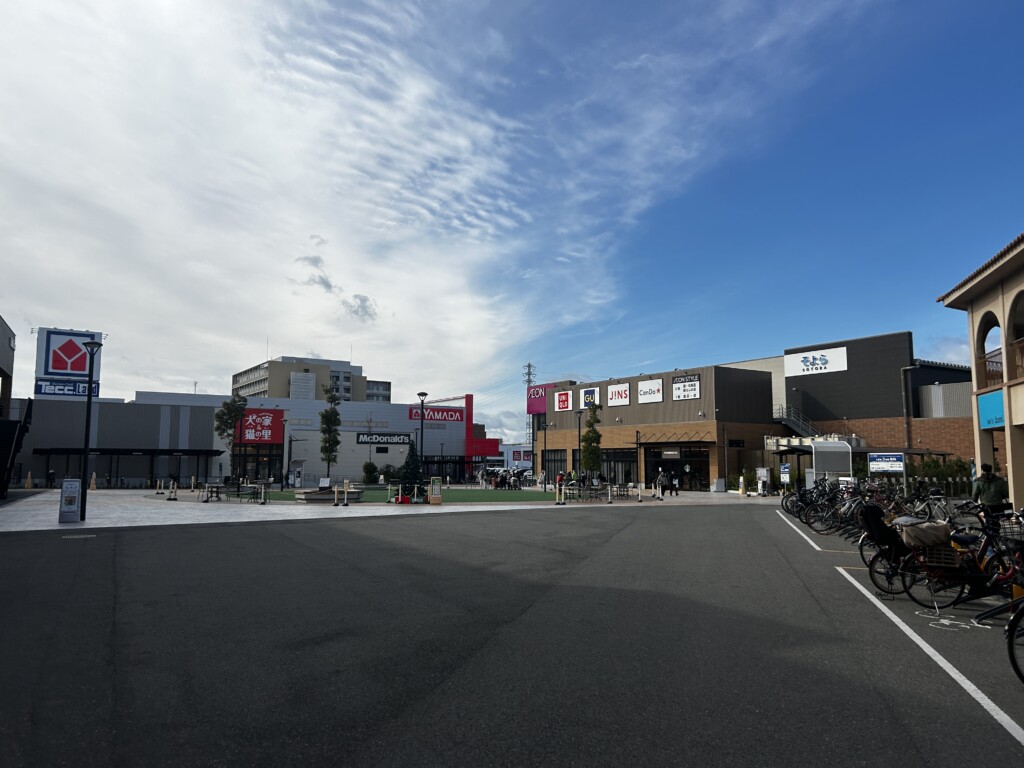
To continue to Wakayama, I had to walk up to the larger Higashi-Kishiwada Station to catch a JR line train. Having a bit of time to spare, I explored the nearby shopping area, as it is always interesting to see what local electronics stores carry. The train ride to Wakayama was smooth, and upon arrival, I set off at a brisk pace toward Wakayama Castle.
My walk, however, featured a rather bizarre distraction. An older lady began talking to me constantly and ended up following me for over a kilometer. I thought my fast walking pace might give her a heart attack, but she eventually came to her senses and stopped following me. I still do not understand what she was trying to convey, though the Google Translate app caught fragments about the city’s history and something regarding Russia.
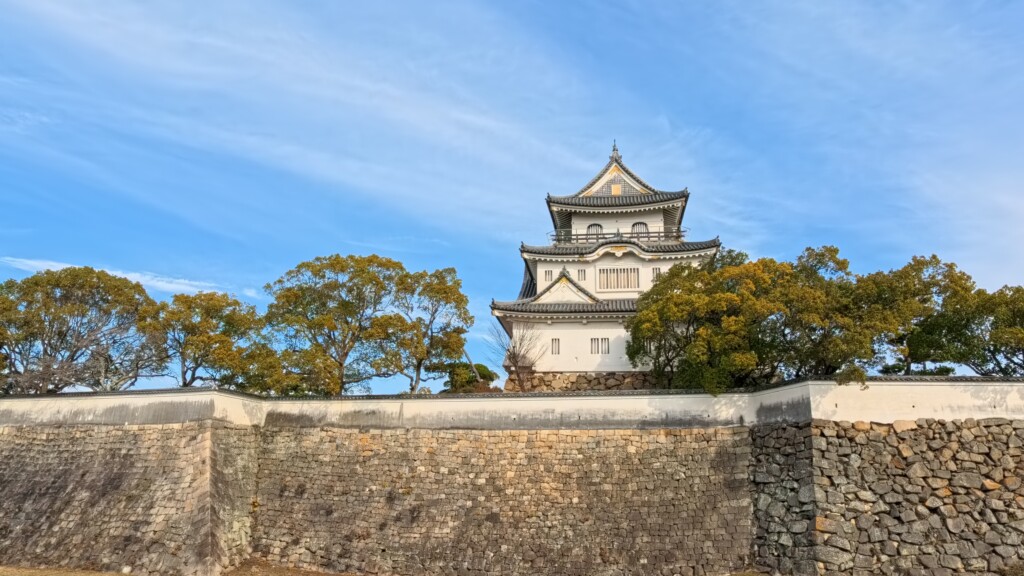
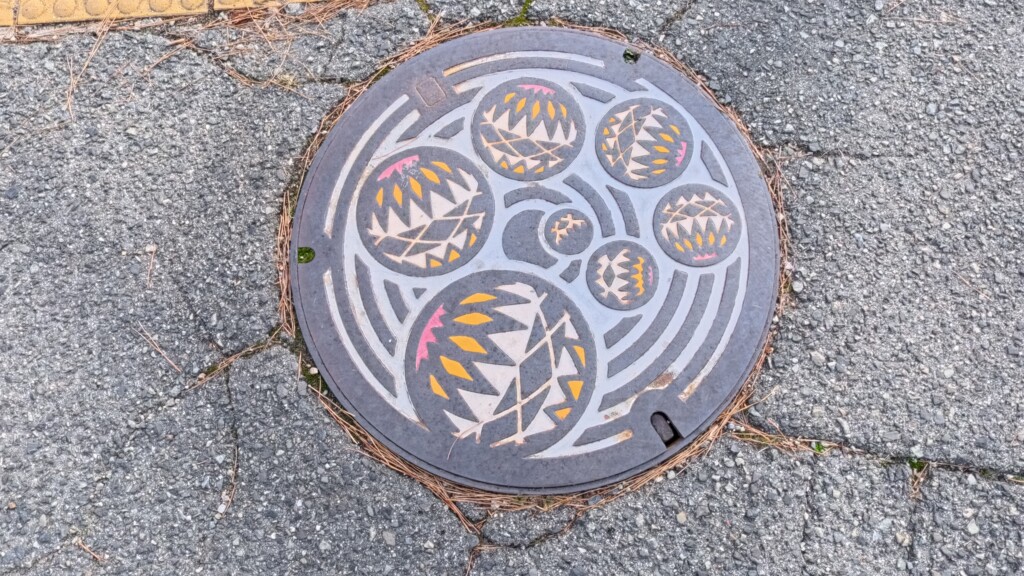
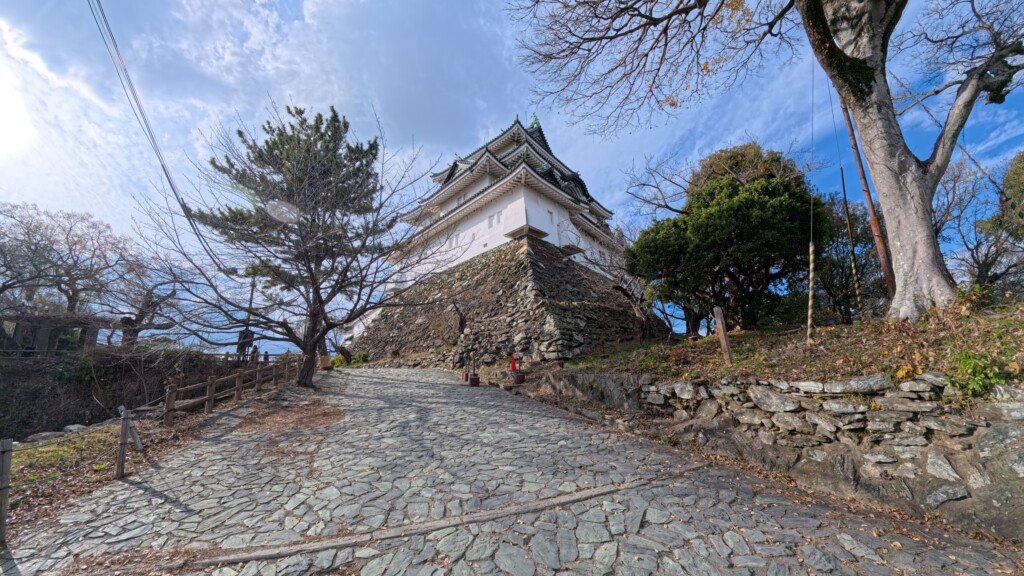
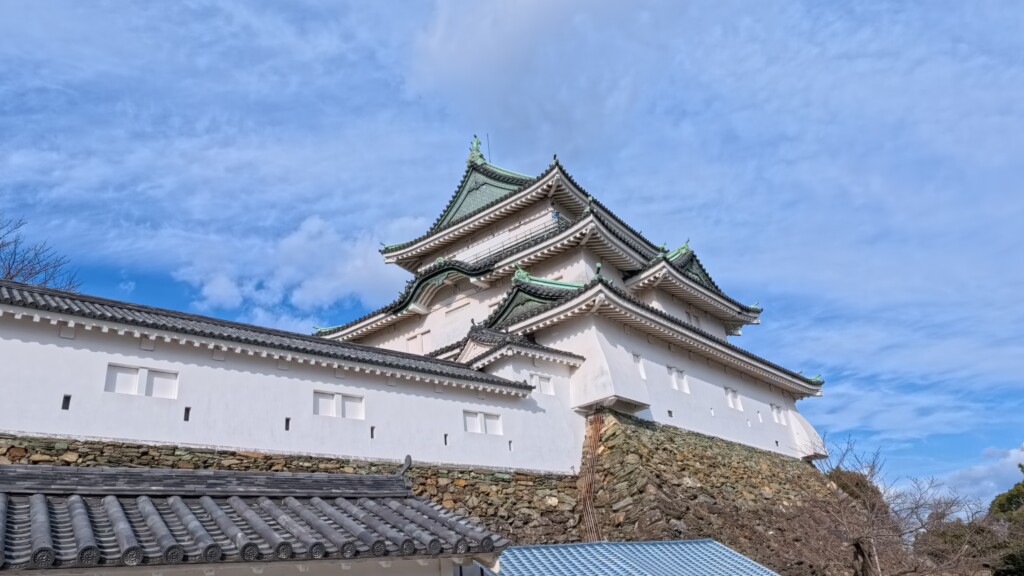
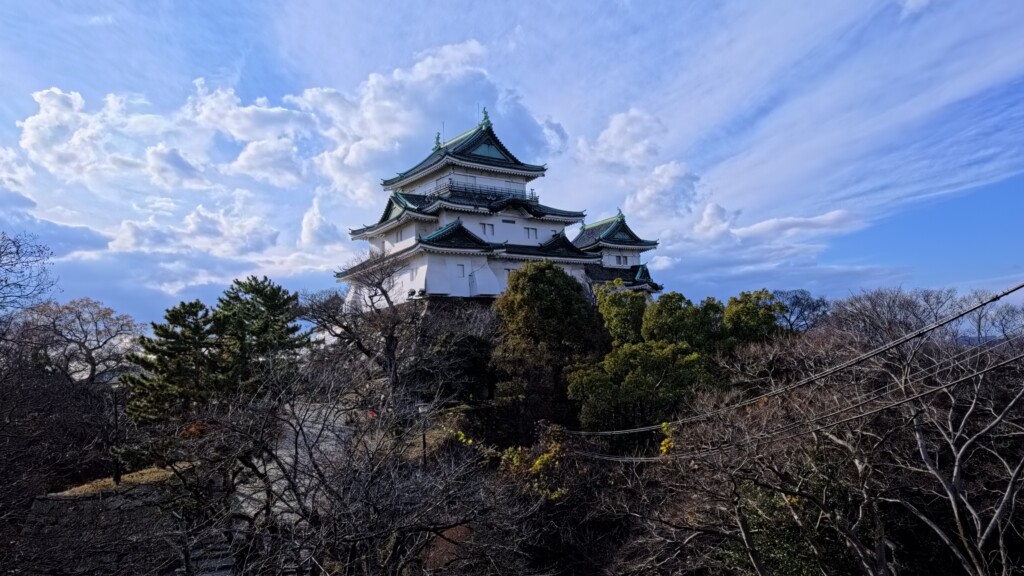
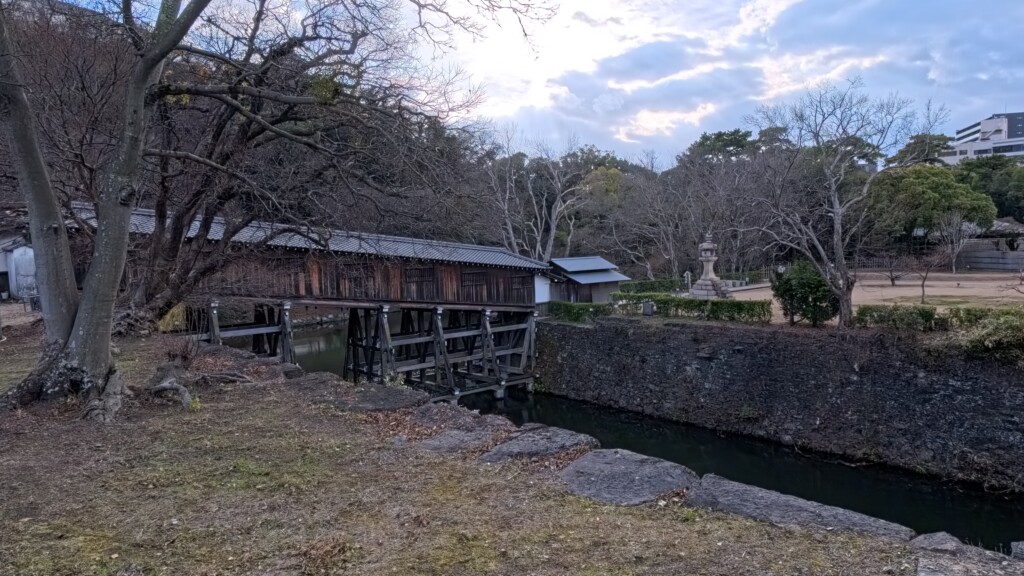
Wakayama Castle, constructed in 1585 under the orders of Toyotomi Hideyoshi, offered yet another beautiful historical setting with its expansive park area. Unfortunately, the unique, slanted Ohashiroka Bridge was closed during my visit, but I still enjoyed a thorough walk through the castle grounds before heading back to the station.






A Very Quiet New Year’s Eve
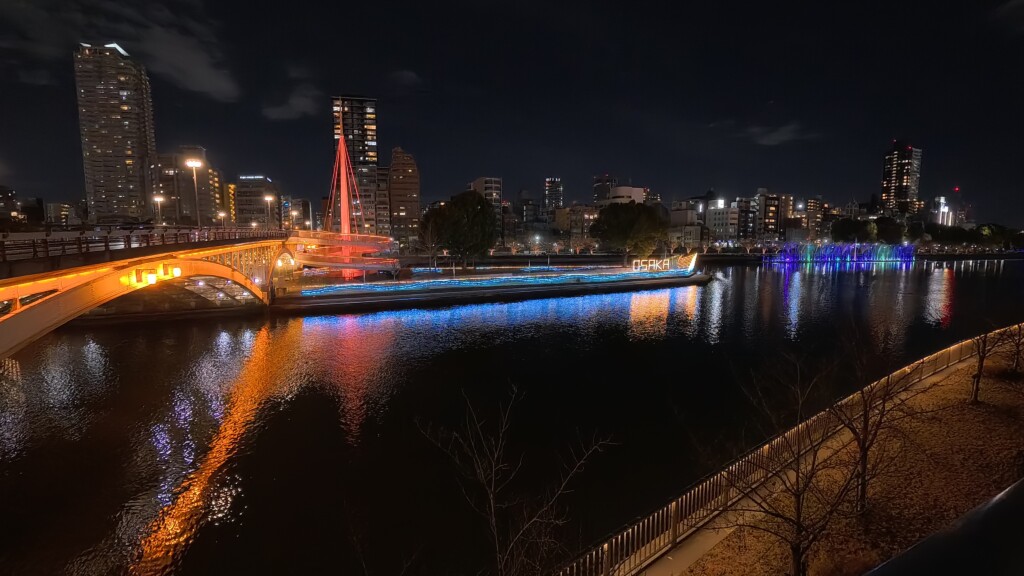
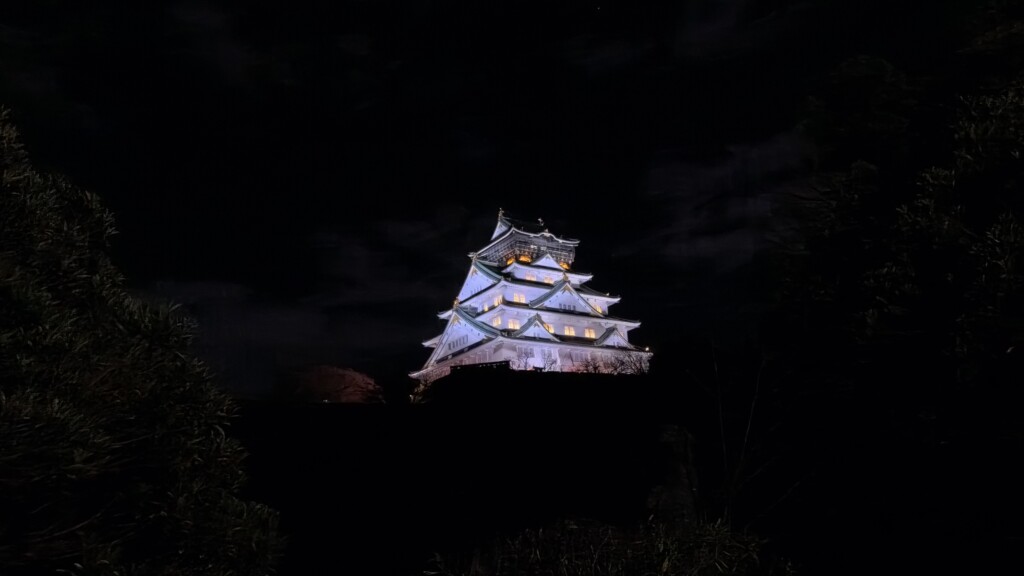
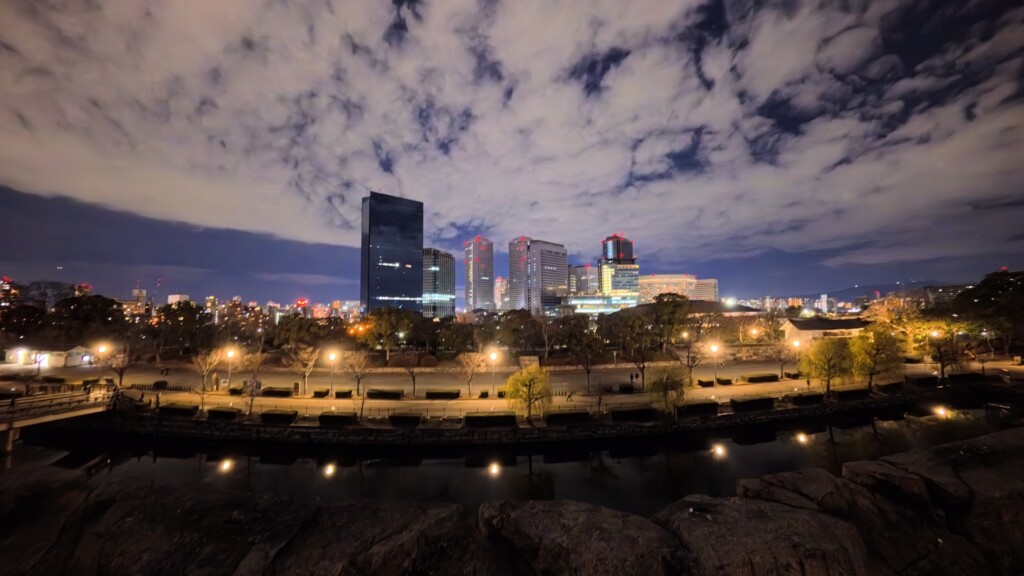
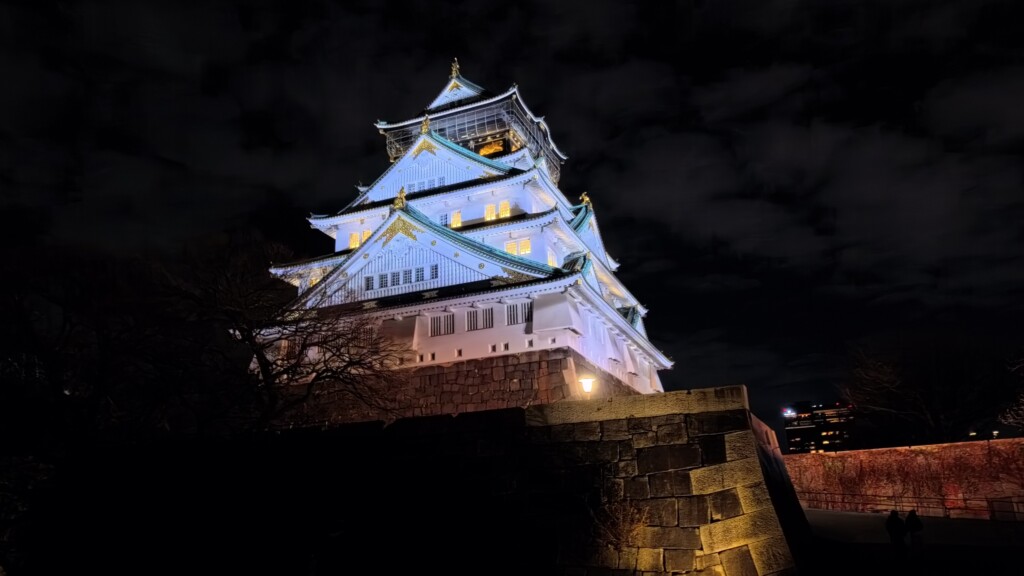
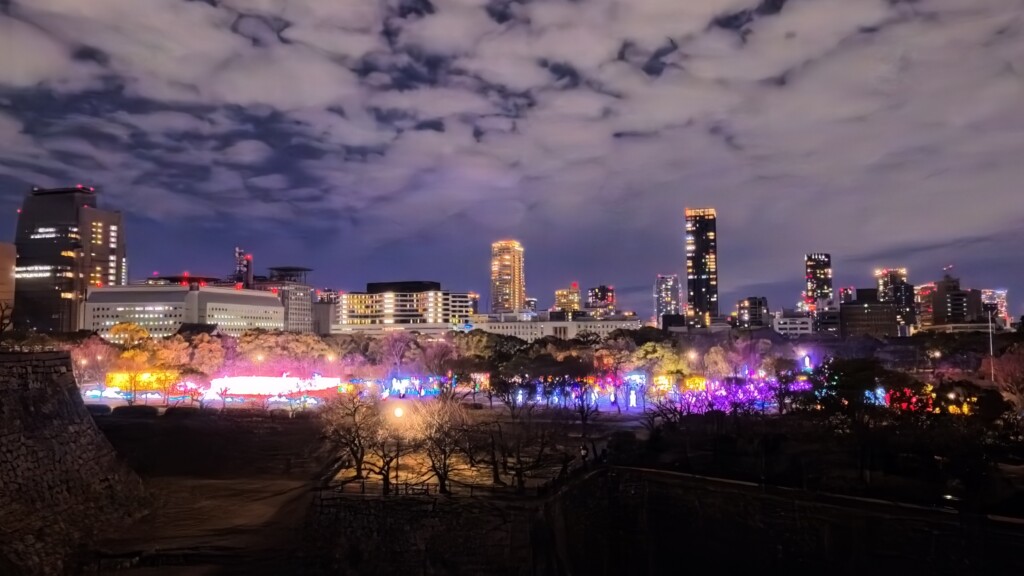
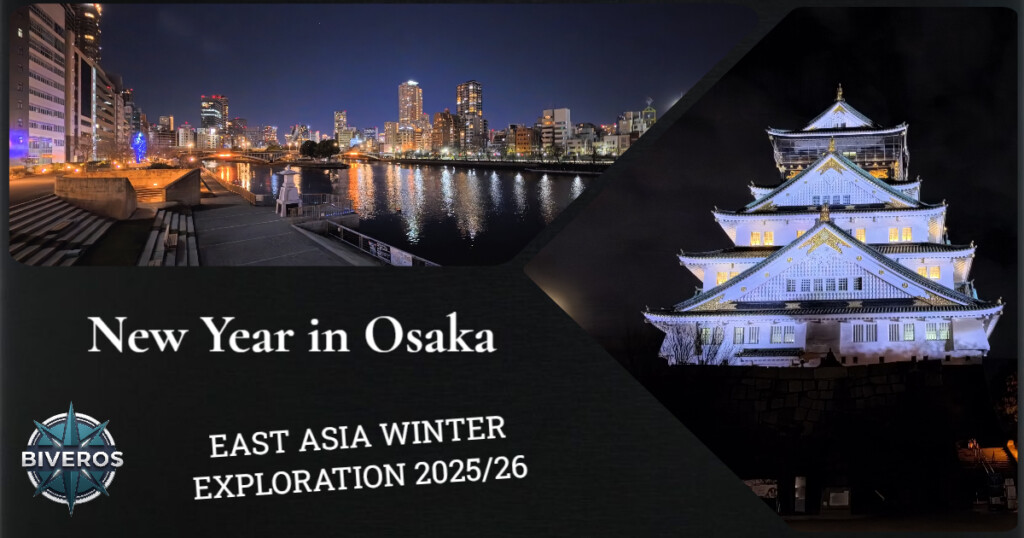
I wanted to ensure I returned to Osaka in good time so that Susann and Little A would not get impatient on New Year’s Eve. Reunited, we went out for a pleasant dinner at a teppanyaki restaurant, where we ordered several different small dishes and enjoyed a great evening together. After dinner, we took a stroll around Osaka Castle, which was beautifully illuminated against the night sky, just as it always is.
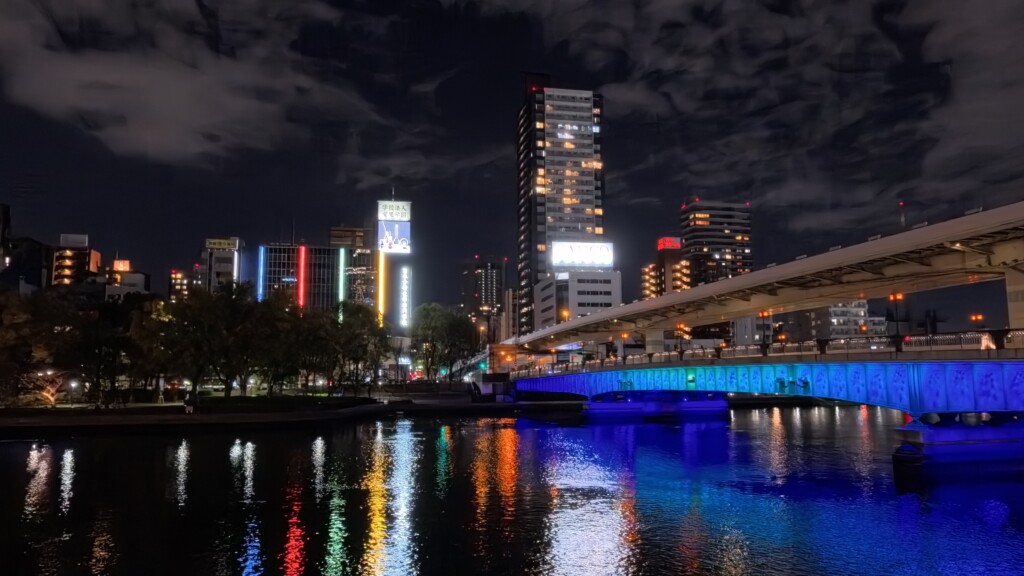
Back at the apartment, we opened some sake we had purchased, only to quickly realize it was not suited to our palates at all. It was not long before both Susann and Little A fell asleep, with about an hour to go until midnight. I decided to step out for a walk just before the clock struck twelve, and it turned out to be the quietest transition into a new year I have ever experienced. There was almost no one else outside, no visible signs of celebration, and certainly no fireworks. While Japan has its own deeply rooted New Year traditions centered around shrine visits rather than loud street parties, I was still surprised by the absolute stillness. I even popped into a 7-Eleven to see if they had acknowledged the new year, but it was business as usual with just a single customer inside, and no indication that a new year had begun. It was a remarkably peaceful end to an eventful year, preparing us for the next leg of our journey westward to Hiroshima.