Exploring Västmanland
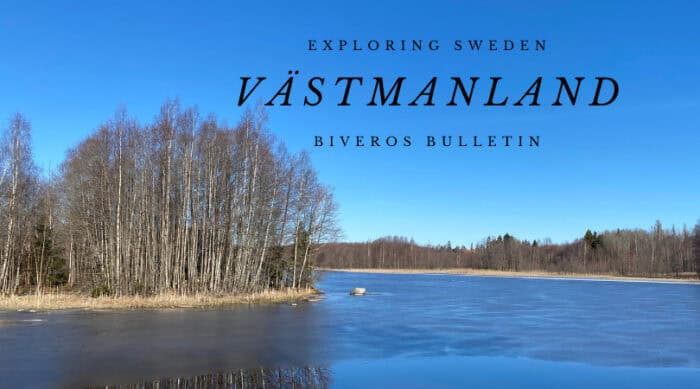
Exploring Västmanland
Västmanland, a historical province nestled in central Sweden, is a land deeply rooted in the nation’s industrial past and rich natural beauty. For centuries, this region was the very heart of Sweden’s mining industry. It was particularly renowned for its iron and copper extraction. The Bergslagen mining district, a significant part of Västmanland, fueled the Swedish economy. It also shaped its social fabric from the Middle Ages onwards. Here, ancient mines and traditional ironworks stand as testaments to generations of skilled labor. Beyond its industrial heritage, Västmanland offers a landscape of deep forests, shimmering lakes, and tranquil waterways. Its provincial flower is the vibrant Mistletoe (Mistel), a beloved evergreen often found in its deciduous trees. Its provincial animal is the nimble Roe Deer (Rådjur). These symbols perfectly capture Västmanland’s blend of unique natural charm and its enduring wild spirit.

Population
Västmanland has a population of approximately 325,000 people. This makes it one of Sweden’s moderately populated provinces. Most residents live in its larger urban centers and surrounding areas, often influenced by its industrial history.
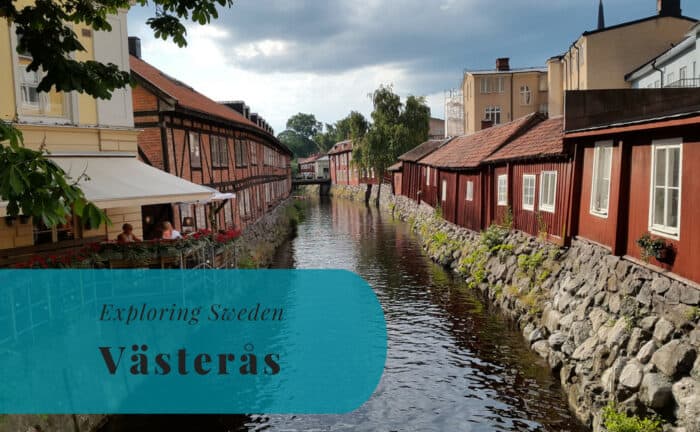
- Västerås: This is Västmanland’s largest city and the county seat of Västmanland County. Västerås is beautifully situated on the shore of Lake Mälaren. It’s a major industrial and technological hub, known for its long history in power generation and robotics (ABB). The city blends its industrial heritage with a vibrant city center, a university, and charming historical areas like “Gamla Stan.” It’s also a popular destination for lake activities.
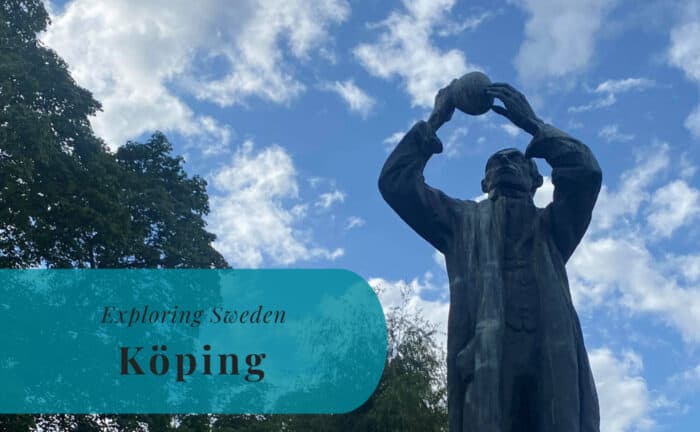
- Köping: Located west of Västerås, Köping is a historic industrial town. It has a long tradition in mechanical engineering and heavy industry. The town features a well-preserved old town center and a harbor on Lake Mälaren, reflecting its past as a significant trading port.
- Fagersta: Situated in the northern part of Västmanland, Fagersta is another important industrial town. It is deeply connected to steel production and metallurgy, continuing the province’s mining and industrial legacy. The town is surrounded by forests and lakes, offering outdoor recreational opportunities.
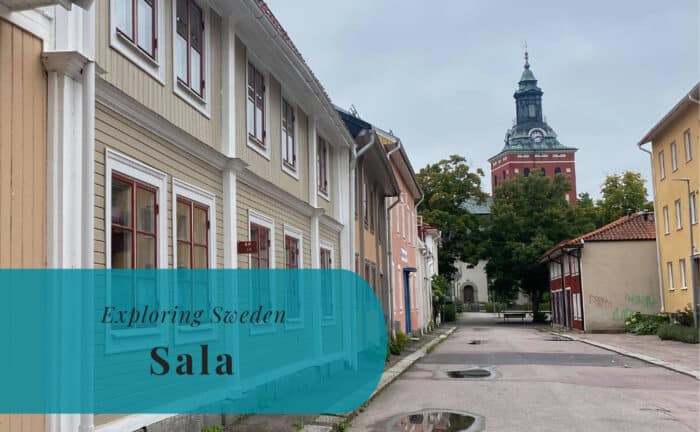
- Sala: This town is renowned for its historic Sala Silver Mine. This was one of Sweden’s most important silver producers for centuries. Today, the mine is a popular tourist attraction. Sala itself is a charming town with a rich cultural heritage.
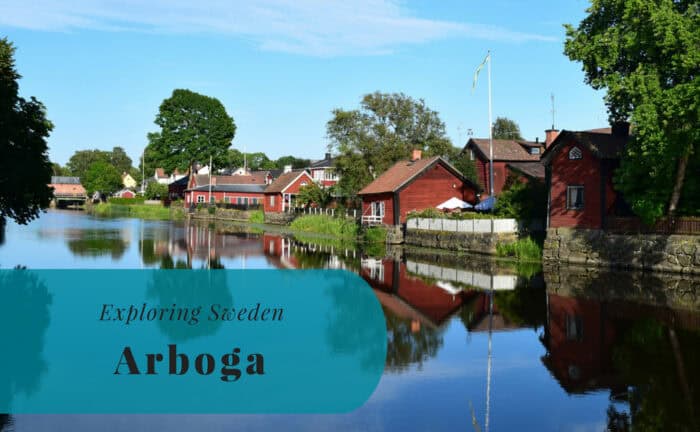
- Arboga: One of Sweden’s oldest cities, Arboga boasts a well-preserved medieval town center with charming wooden houses. It’s strategically located where the Arboga River flows into Lake Mälaren, historically making it an important trading and assembly point.
Location
Västmanland is strategically located in central Sweden. It borders Dalarna and Gästrikland to the north, Uppland to the east, Södermanland and Närke to the south, and Värmland to the west. To its southeast, it shares a significant border with Lake Mälaren, Sweden’s third-largest lake. This inland position, combined with its vital waterways and central location, has always defined its historical and economic importance.
Geography
Västmanland’s geography is characterized by a mix of dense forests, agricultural plains, and numerous lakes. The western and northern parts of the province are dominated by vast coniferous forests, forming part of the historical Bergslagen mining district. Here, the terrain is hilly, interspersed with many small lakes and rivers. Towards the east and south, the landscape flattens into more open agricultural plains, particularly around Lake Mälaren. The province is rich in waterways, with many rivers flowing into Lake Mälaren. The shores of Lake Mälaren form a significant part of its southeastern border, featuring bays, inlets, and islands. The terrain is generally low-lying, with its highest point, Bastberget, reaching 402 meters above sea level, primarily within the forested, hilly regions.
Entry Points to Blekinge
Västmanland is exceptionally well-connected by land and air, reflecting its central location in Sweden.
By Air
The primary airport serving Västmanland is Västerås Airport (VST), also known as Stockholm Västerås Airport. Located just outside Västerås city, this airport primarily handles flights from low-cost airlines. It offers direct international connections to various European cities, serving as a convenient gateway for budget-conscious travelers. For broader connections, Stockholm Arlanda Airport (ARN), Sweden’s largest international airport, is approximately 100 km east of Västerås. Arlanda offers extensive global connections. Direct train and bus connections from Arlanda efficiently reach Västerås and other towns in Västmanland.
By Sea
As an inland province, Västmanland has no direct access to the ocean. However, it shares a significant border with Lake Mälaren, Sweden’s third-largest lake. This provides important waterway connections. Towns like Västerås, Köping, and Arboga on Lake Mälaren have active harbors. These primarily cater to leisure boats and local passenger traffic. Scenic boat tours operate on Lake Mälaren, connecting these towns to other Mälaren destinations and occasionally to Stockholm (via locks). Travelers arriving by major international ferries to Sweden would typically land in coastal ports like Stockholm, Gothenburg, or Malmö, which would then require onward land travel to Västmanland.
By Land
Land travel is the most common and convenient way to reach and explore Västmanland, thanks to Sweden’s excellent road and rail infrastructure.
- By Car: Major national highways crisscross Västmanland. The E18 highway runs east-west directly through the province. It connects Västerås and Köping to Stockholm in the east and Örebro and Karlstad in the west. Road 56 connects Västerås northward. Driving offers superb flexibility for exploring its industrial heritage, numerous lakes, and rural areas.
- By Train: SJ (Swedish Railways) operates frequent and reliable long-distance train services to Västmanland. Västerås Central Station is a major railway hub. It has direct connections to Stockholm, Örebro, and other key cities across Sweden. Regional trains (Mälartåg) also operate extensively within the province, connecting smaller towns efficiently.
- By Bus: Various long-distance bus companies offer comprehensive services to Västmanland. These connect its major towns to Stockholm and other regions across Sweden. Regional bus networks (VL in Västmanland County) also provide good local coverage within the province, facilitating travel between smaller communities and attractions.
Join Us Exploring Västmanland!













Explore more of Sweden and Europe