Exploring Öland
Exploring Öland
Öland, Sweden’s second-largest island, is also a distinctive historical province. It lies just off the southeastern coast. This narrow island is famous for its abundant sunshine, unique limestone landscape, and incredibly rich history. That history dates back millennia. From ancient burial grounds to Iron Age settlements and Viking-era strongholds, Öland has been continuously inhabited. It was strategically important for thousands of years. It served as a royal hunting ground. It was also a crucial coastal defense point. Today, Öland remains a beloved summer destination. It’s cherished for its unique natural beauty, mild climate, and vibrant cultural traditions. Its provincial flower is the vibrant Öland Rockrose (Ölandssolvända). This species is endemic to the island. Its provincial animal is the delightful European Nightingale (Näktergal). These symbols perfectly embody Öland’s singular charm and ancient lineage.

Population
Öland has a population of about 27,000 people. This makes it one of Sweden’s smaller provinces by population. The population density varies across the island. More residents live in the southern parts. They also concentrate along the coastal strip. The island’s population swells significantly during the summer due to tourism.
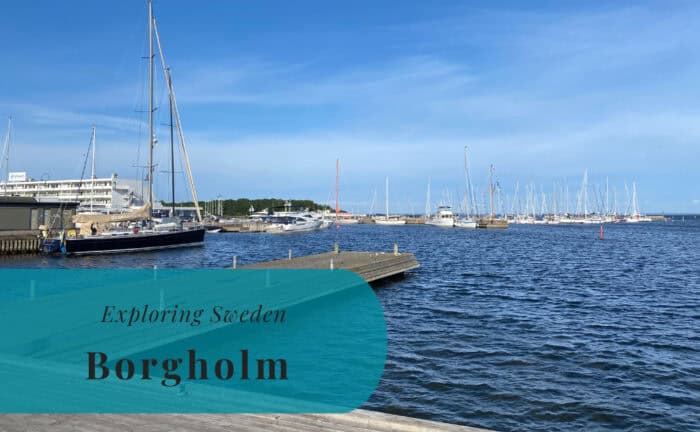
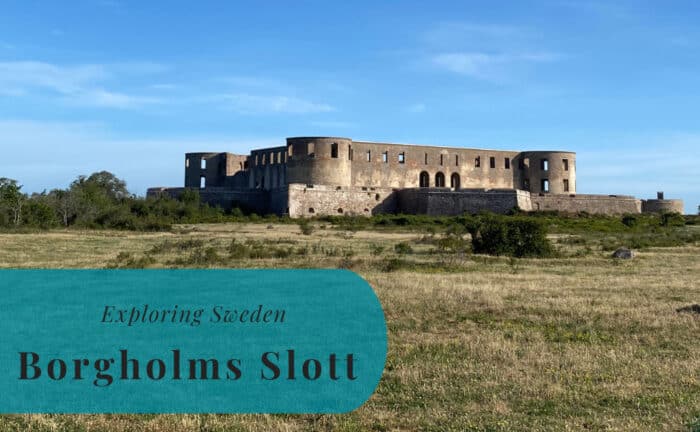
- Borgholm: This is Öland’s largest town and its primary tourist center. Borgholm is beautifully situated on the western coast. It’s famous for the imposing ruins of Borgholm Castle. This was a former royal palace with a dramatic history. The town offers a lively harbor, charming shops, and numerous restaurants. This makes it a bustling summer resort.
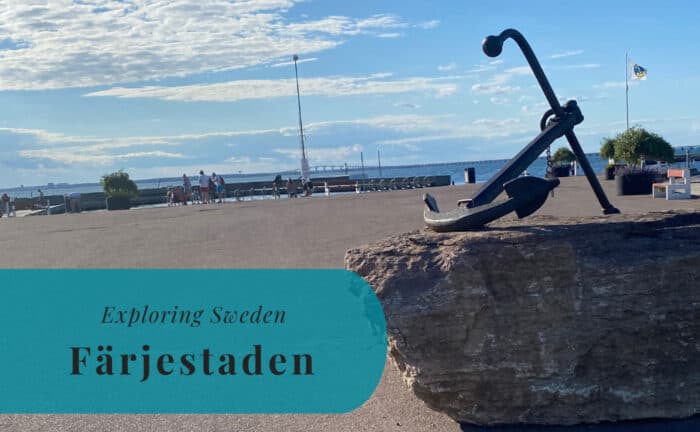
- Färjestaden: Located on the western coast, Färjestaden is a key gateway to Öland. It sits just opposite Kalmar on the mainland. It’s connected via the Öland Bridge. It’s a significant commercial and residential hub. It has a ferry port and popular beaches. It serves as a vital service center for the southern island.
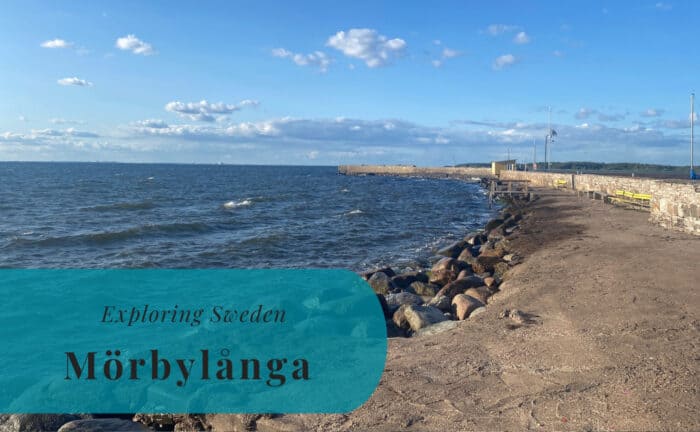
- Mörbylånga: This is the administrative center for Öland’s southern municipality. Mörbylånga is a charming coastal town. It’s known for its picturesque harbor and historic buildings. It offers a quieter atmosphere than Borgholm, with good access to the island’s southern natural areas.
Location
Öland is an island province located in the Baltic Sea. It lies just off the southeastern coast of mainland Sweden. It connects to the mainland city of Kalmar (in Småland province) by the impressive Öland Bridge (Ölandsbron). This makes it easily accessible by road. The island itself is long and narrow. It stretches about 137 kilometers (85 miles) from north to south. It’s only 16 kilometers (10 miles) at its widest point.
Geography
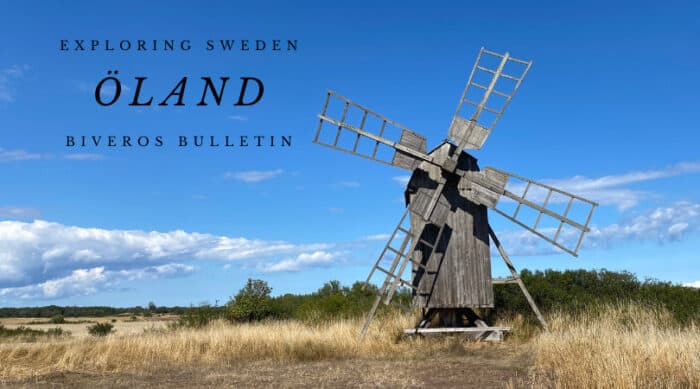
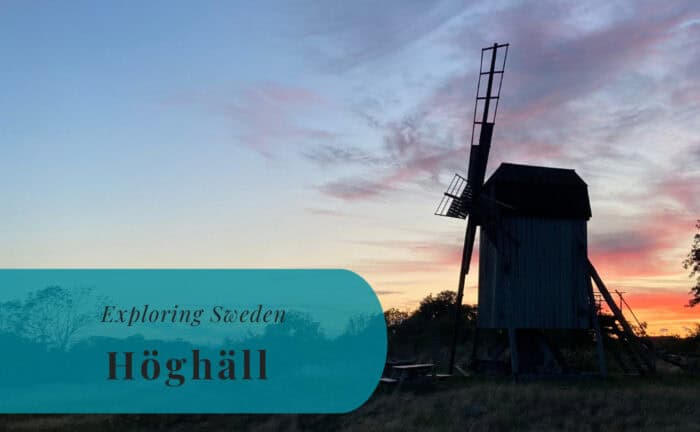
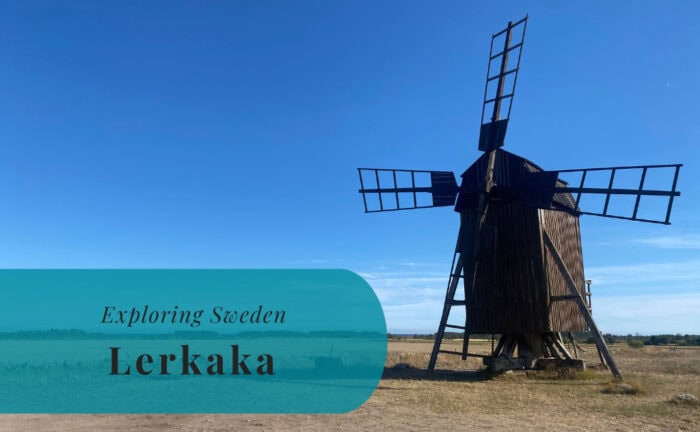
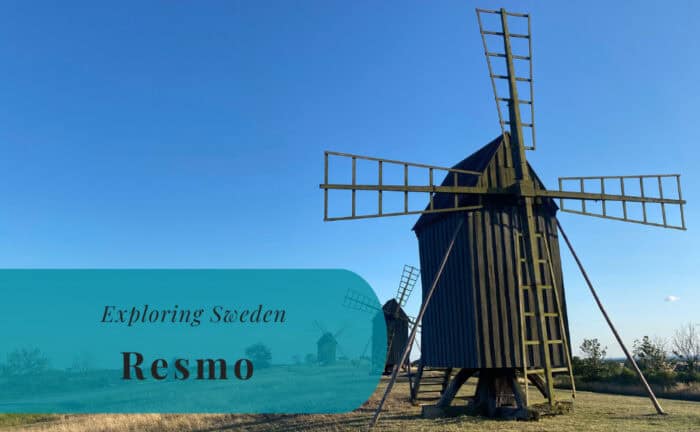
Öland’s geography is uniquely defined by its limestone bedrock. This creates a relatively flat landscape. It’s rich in unique geological formations. The island features impressive sea stacks. These are called “raukar” (limestone columns). They stand along its coasts. Centuries of erosion sculpted them. Long, sandy beaches stretch for miles. These are particularly on the western and northern shores. The eastern coast is often rockier. Inland, you’ll find forests, open agricultural fields, and wetlands. A lower, flatter satellite island is to its north, Fårö. It connects by a small car ferry. It shares many of Öland’s unique features. The highest point on Öland is Lojsta Hed. It’s just 82 meters (269 feet) above sea level. This contributes to its flat character. Ancient windmills dot the coastline.
Entry Points to Öland
Öland’s island nature means access. It’s primarily by road via the bridge or by air.
By Air
The closest airport to Öland is Kalmar Airport (KLR). It’s on the mainland, just west of the Öland Bridge. Kalmar Airport offers regular domestic flights. These connect to Stockholm Arlanda Airport (ARN) and Stockholm Bromma Airport (BMA). These provide convenient access for international travelers. During peak summer, additional charter flights might operate. No commercial airports are directly on Öland itself. From Kalmar Airport, travelers can easily rent a car. Or take a taxi across the Öland Bridge.
By Sea
Öland is an island. But no regular international passenger ferry services directly connect it. Historically, ferries connected Öland to the mainland before the bridge. Today, the main sea access is through local ferry services. They go to the small island of Blå Jungfrun National Park. This is a mystical granite island. These are primarily tourist excursions. The island’s harbors, like Borgholm and Färjestaden, mainly cater to leisure boats.
By Land
Land travel is the most common way to reach Öland. It’s also the most convenient. It’s primarily via the bridge.
- By Car: The iconic Öland Bridge is the main land connection. It connects Öland directly to Kalmar on the mainland. The E22 highway provides excellent road access to Kalmar. It links to major cities like Malmö and Gothenburg. Driving is highly recommended for exploring Öland’s length. It’s also best for its diverse attractions. Public transport is less frequent.
- By Train: No train lines exist directly on Öland. However, SJ (Swedish Railways) offers frequent train services. They go to Kalmar Central Station on the mainland. From Kalmar, local buses connect across the Öland Bridge. They go to various towns on the island.
- By Bus: Regional bus networks provide extensive services on Öland. Kalmar Länstrafik operates these. These buses connect towns like Borgholm to Kalmar. Long-distance buses also go to Kalmar. This allows onward connections to the island.
Joing Us Exploring Öland!














Explore more of Sweden and Europe