

Marsaxlokk | Exploring Malta
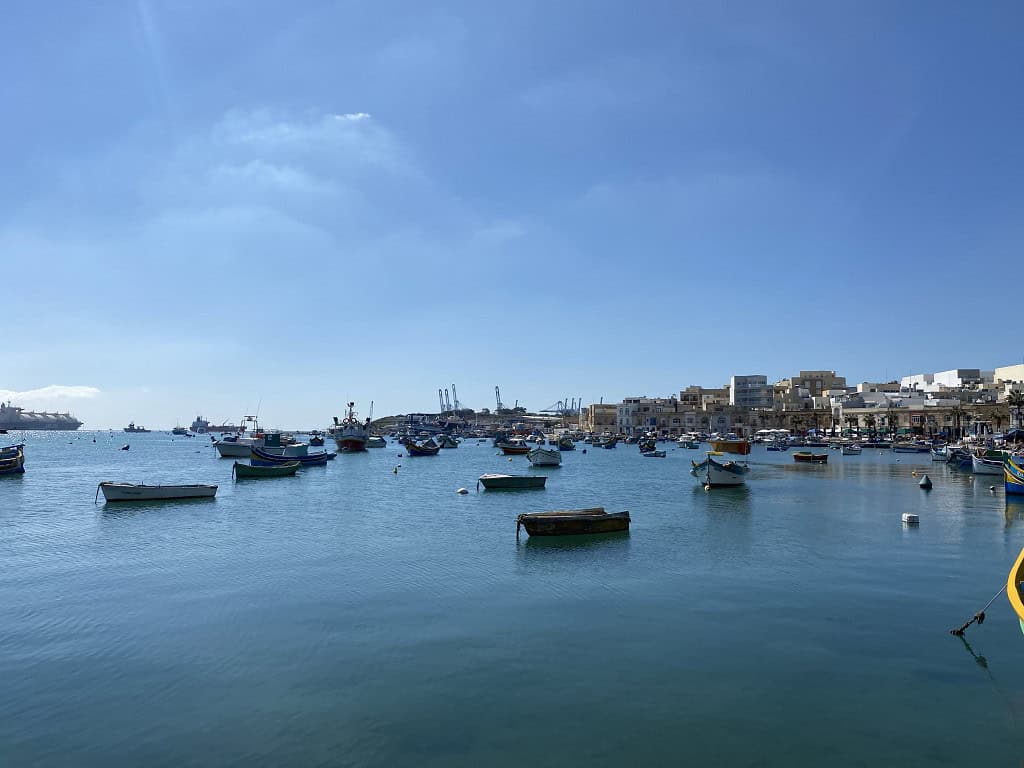
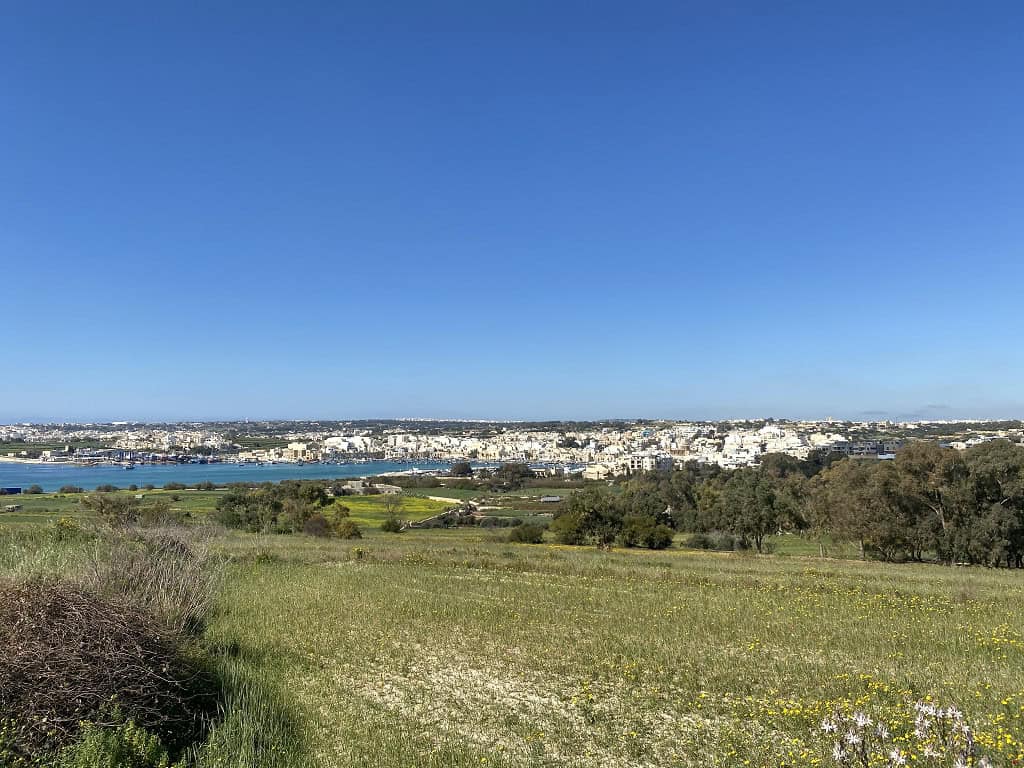
Marsaxlokk is a traditional fishing village located in the South Eastern Region of Malta. The village is situated in the large, natural harbor of Marsaxlokk Bay. With a population of approximately 3,600 residents, Marsaxlokk is one of the main tourist attractions in the southern part of Malta. It is famous for its large daily market and its extensive fleet of traditional Maltese fishing boats, known as the Luzzu. The village’s name is a combination of “Marsa,” the Arabic word for port, and “Xlokk,” the Maltese word for the south-east sirocco wind.
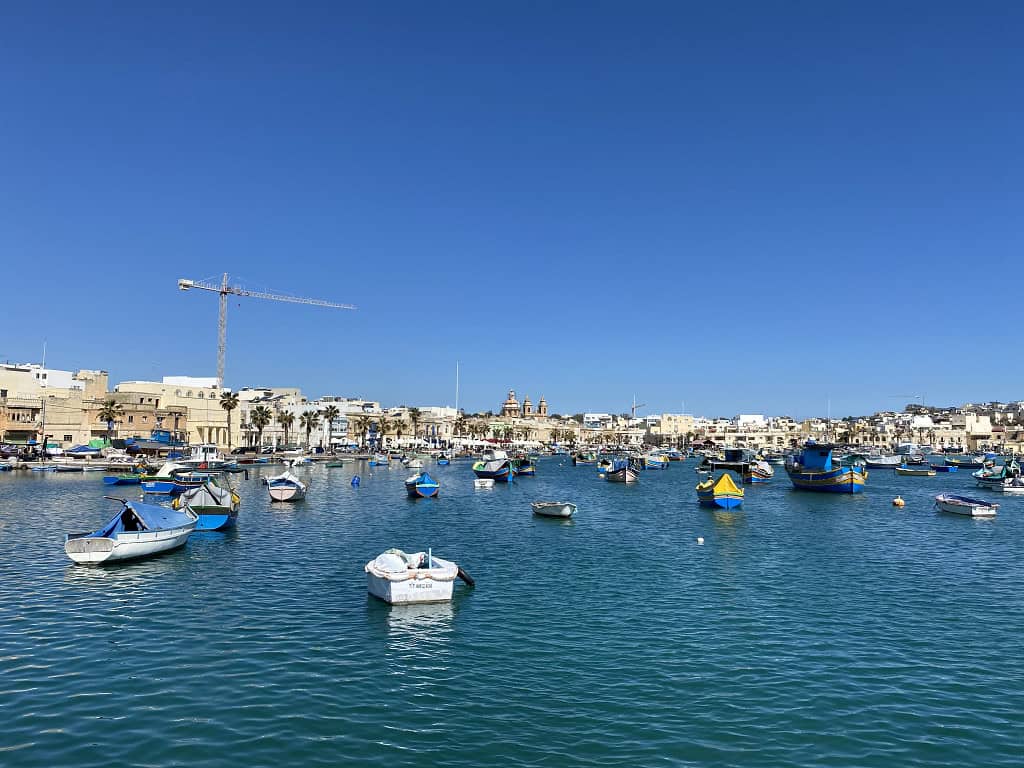
The character of Marsaxlokk is defined by its picturesque and colorful harbor. The waterfront is the heart of the village and is a hub of constant activity, with fishermen mending their nets, a daily market, and numerous seafood restaurants. This authentic, working fishing village atmosphere is the primary draw for visitors. This exists alongside its history as a strategic harbor that has been the site of major historical events, from the Great Siege to modern political summits. The village offers a look into the traditional maritime life of the Maltese Islands.
As a key part of Malta’s tourism industry, Marsaxlokk attracts a large number of visitors, especially on Sundays when the famous fish market takes place. The village’s identity is deeply connected to the Luzzu boats, with their bright primary colors and the mythical Eye of Osiris painted on the bow to ward off evil. This combination of a vibrant, working harbor, a rich history, and a strong cultural identity makes Marsaxlokk one of the most well-known and visited locations in Malta.
Blog Posts From our visits to Marsaxlokk
- Marsaskala, Malta – A Week When the Coronavirus Strikes
- Birżebbuġa, Malta – A Walk from Marsaskala
- Marsaskala, Malta – A Hike to Marsaxlokk


The History of Marsaxlokk
The history of Marsaxlokk is that of a large, strategic harbor that has been used since antiquity but was only settled as a permanent village in modern times. Its story is one of a vulnerable landing point that was later heavily fortified by the Knights of St. John and the British. The bay has been the stage for major historical events, from the landing of the Ottoman fleet to a key Cold War summit. The modern village’s history is one of its growth as the primary fishing harbor for the entire island of Malta.
Ancient Harbour and the Great Siege
The area around Marsaxlokk Bay has a history of settlement that dates back to the prehistoric period, with the remains of a megalithic temple located at Tas-Silġ. The large, sheltered harbor was used by the Phoenicians and later by the Romans as a port. For centuries, however, the bay’s size and accessibility made it a weak point in the island’s defenses and a favored landing spot for pirate raids and invasions.
The most significant event in its early history occurred in 1565 during the Great Siege of Malta. The entire Ottoman Turkish fleet anchored in Marsaxlokk Bay before launching their massive assault on the Knights of St. John in the Grand Harbour. The unprotected bay provided the perfect landing point for the Ottoman army. This event highlighted the urgent need to fortify the area to prevent future invasions from using it as a staging ground.
A Fortified Bay
In the centuries following the Great Siege, the Knights of St. John began a major project to fortify Marsaxlokk Bay. A network of forts, watchtowers, and batteries was constructed on the headlands and strategic points around the bay. The first of these was Fort San Lucian, which was built in the early 17th century at the narrowest point of the bay. Several other towers and batteries were added over the next century.
The process of fortification was continued and expanded by the British military in the 19th and early 20th centuries. The British built several major new forts, including Fort Delimara and Fort Tas-Silġ, to protect the harbor from modern naval attacks. This turned Marsaxlokk Bay into one of the most heavily fortified areas in Malta, second only to the Grand Harbour. These fortifications are still major landmarks in the area today.
A Fishing Village Parish
Despite the long history of the harbor, a permanent village at Marsaxlokk did not develop until relatively recently. For centuries, the fishermen who used the bay lived in the nearby inland town of Żejtun. They would commute to the coast each day to go to sea. It was only in the second half of the 19th century that fishermen began to build houses and settle permanently in the village.
The village grew rapidly during this period. The Parish Church of Our Lady of Pompei was built in the late 19th century. The village was officially established as its own parish in 1897. In the 20th century, Marsaxlokk grew to become the primary fishing base for the entire island of Malta. Today, a large percentage of all fish caught in Malta is landed at the harbor here. This has cemented its identity as the country’s most important fishing village.


Sights in Marsaxlokk
The sights in and around Marsaxlokk are a mix of its vibrant harbor life, its historic fortifications, and its significant archaeological sites. The main points of interest are concentrated around the waterfront and on the peninsulas that form the bay. These sights offer a look into the different layers of the area’s history, from the Neolithic period to the present day.
A visit to Marsaxlokk provides a journey through the maritime and historical heritage of southeastern Malta. The harbor itself, with its colorful boats and bustling market, is the primary attraction. The surrounding headlands are home to a collection of impressive forts from the time of the Knights and the British. The nearby hilltop of Tas-Silġ is one of the most important archaeological sites on the island, with a history of continuous worship that spans thousands of years.
Marsaxlokk Harbour and the Luzzu Boats
The Marsaxlokk Harbour is the heart of the village and its most famous sight. The harbor is the home port for about 70% of the Maltese fishing fleet. The bay is usually filled with a large number of the colorful, traditional fishing boats known as the Luzzu. These boats are a key symbol of Malta. They are known for their bright primary colors and the mythical Eye of Osiris that is painted on the bow, which is an ancient tradition intended to protect the fishermen at sea. The view of the harbor filled with these iconic boats is one of the most picturesque in all of Malta.
Marsaxlokk Market
The Marsaxlokk Market is one of Malta’s most famous open-air markets. The market takes place every day along the harbor front. The market is at its largest and most active on Sundays, when the daily catch of fish and seafood is sold. The Sunday fish market is a major attraction that draws large crowds of both locals and tourists. On other days of the week, the market is smaller and primarily sells souvenirs, local produce, and other goods for tourists. It is a key part of the village’s lively atmosphere.
Parish Church of Our Lady of Pompei
The Parish Church of Our Lady of Pompei is the most prominent building on the waterfront in Marsaxlokk. The church is a large, Roman Catholic church that was built in the late 19th century. It is dedicated to Our Lady of Pompei, which reflects the historical connection between Malta and southern Italy. The church was built to serve the growing community of fishermen who had settled in the village. Its dome and twin bell towers are a key landmark, and its interior is decorated in the Baroque style.
Fort San Lucian
Fort San Lucian is a large watchtower and fort located on the headland that separates Marsaxlokk Bay and Birżebbuġa. The original tower was built by the Order of Saint John in the early 17th century. Several additions were made to the fort in the 18th and 19th centuries, turning it into a major polygonal fortress. It is the second-largest watchtower in Malta after Saint Thomas Tower in Marsaskala. Today, the fort is used by the Malta Aquaculture Research Centre.
Fort Delimara
Fort Delimara is a large polygonal fort located on the Delimara peninsula, on the northeastern side of the bay. The fort was built by the British military between 1876 and 1888. Its purpose was to defend the port of Marsaxlokk from naval attack. The fort was in use by the military until 1956. It has since been mostly abandoned and has fallen into a state of disrepair. The fort is a key example of 19th-century British military architecture. It is currently under the care of the national heritage trust.
Tas-Silġ Archaeological Complex
Tas-Silġ is a rounded hilltop located to the north of Marsaxlokk. The site is one of the most important archaeological complexes in Malta. It contains the remains of a megalithic temple from the Neolithic period. The site is unique because it was used for religious worship continuously for thousands of years by different civilizations. After the temple-builders, the site was used by the Phoenicians as a sanctuary to the goddess Astarte, and later by the Romans as a temple to the goddess Juno.
Xrobb l-Għaġin Nature Park
The Xrobb l-Għaġin Nature Park is located on the peninsula of the same name. The park is a protected reserve for local fauna and flora. It also includes the remains of a megalithic temple. The park is focused on promoting environmental sustainability and education. It has walking trails that offer scenic views of the sea and the coastline. It is a peaceful area for experiencing the natural landscape of the Maltese islands.
St. Peter’s Pool
St. Peter’s Pool is a popular natural swimming spot located on the Delimara peninsula. It is a natural inlet in the limestone coastline that has formed a pool-like area. The area is known for its clear, deep turquoise water and its flat, white rocks, which are ideal for sunbathing. It is a popular spot for jumping from the low cliffs into the sea. St. Peter’s Pool is not a sandy beach and is more suited to confident swimmers. It is one of the most famous natural swimming spots in Malta.
Sports in Marsaxlokk
The sporting life in Marsaxlokk is focused on football and water polo, both of which are popular sports in the town. The local clubs are a key part of the community and represent the town in the Maltese national league systems. The town has facilities for these sports.
Football
Football is a major sport in Marsaxlokk, as it is throughout Malta. The local professional club has had periods of major success and has a strong and dedicated following from the town and the surrounding areas. The club is a key part of the local identity.
Marsaxlokk F.C.
The main football club is Marsaxlokk F.C. The club was founded in 1949. They have had a history of major success, having won the Maltese Premier League championship in the 2006-07 season. The team is known as the “Southseasiders.” They play their home games at a local sports ground. The club’s colors are blue and white.
Water Polo
Water polo is another very popular sport in Marsaxlokk, which is common for coastal towns in Malta. The local club is a central part of the summer life in the village. The sport has a dedicated following, with home games attracting enthusiastic crowds to the local water polo pitch.
Marsaxlokk Aquatic Sports Club
The Marsaxlokk Aquatic Sports Club is the main club for water polo in the town. The club’s team competes in the Maltese Water Polo league. They play their home games at their own water polo pitch, which is located in the harbor. The club is a key social hub for the community during the summer months.
Marsaxlokk Activities
The area around Marsaxlokk offers a range of activities that are focused on its coastal location. The main pursuits are enjoying the local swimming spots and hiking along the scenic coastline. These activities allow visitors to experience the natural beauty of the southeastern part of the island.
Beaches in Marsaxlokk
The coastline around Marsaxlokk is mostly rocky, but it contains several popular and scenic swimming spots. These are not large, sandy beaches, but rather natural inlets in the limestone cliffs. These spots are very popular with both locals and tourists during the hot summer months. They are known for their clear, deep water and their natural, undeveloped settings.
Il-Ħofra l-Kbira & Il-Ħofra ż-Żgħira
Il-Ħofra l-Kbira (The Large Cove) and Il-Ħofra ż-Żgħira (The Small Cove) are two twin bays located on the Delimara peninsula. They are natural inlets that offer easier access to the water than the high cliffs that are common along this part of the coast. The coves are popular spots for swimming and snorkeling. They are located in a more remote area and are reached via a rural road.
Kalanka Bay
Kalanka Bay (Il-Kalanka) is another small bay located near Fort Delimara. The bay is a beautiful, sheltered inlet surrounded by cliffs. It is a popular spot for swimming and for sunbathing on the flat rocks. It is often considered a quieter alternative to the more famous St. Peter’s Pool, which is located nearby. The bay’s clear, deep water makes it an excellent location for snorkeling.
Hiking to and from Marsaxlokk
The easiest way to go hiking from Marsaxlokk is to do so along the coast. The cliffs and paths in the area offer scenic routes with constant views of the Mediterranean Sea. It is along these routes that most of the sights, especially the coastal fortifications, are located. These hikes provide a way to explore the natural and historical landscape of the region.
To Marsaskala
Heading north along the coast from Marsaxlokk will take you towards the town of Marsaskala. The hike will take you past sights such as the Tas-Silġ archaeological complex and the St. Paul’s Battery. The main part of the route is over the Munxar Hill peninsula, which has a well-marked path along its white cliffs. Once in Marsaskala, there is also the possibility to extend the hike further north towards the Three Cities.
To Birżebbuġa
If you instead head south along the coast from Marsaxlokk, you will soon reach the town of Birżebbuġa. The path will most likely take you past Fort San Lucian and other sights along the shore of Marsaxlokk Bay. The route also provides close-up views of the large Malta Freeport container terminal, which is located in the bay. This hike combines natural scenery with a look at modern industrial activity.
Stories from Our Hikes
Marsaxlokk with Kids
Marsaxlokk is a good destination to visit with children. The fascinating colors of the many luzzu boats in the harbor and the smells and products at the daily market can for some kids be the highlight of the day. The large, open waterfront promenade also provides space for children to run around. There are also many places along the harbor front that serve the ever-so-popular ice cream.
Read more: Malta with a Toddler
Playgrounds in Marsaxlokk
The town has a large, modern playground that is a key attraction for local families and visitors with children. This provides a dedicated space for play away from the busy market area. The playground is well-equipped and serves as a social hub for the community.
Marsaxlokk Playground
The main playground in Marsaxlokk is located in the center of the town, at the edge of the waterfront promenade. It is a decently sized playground with many attractions and modern equipment suitable for children of different ages. It has a dedicated section for smaller children. The playground is located next to a cafe, which makes it a convenient spot for families.

Getting Around in Marsaxlokk
Navigating the village of Marsaxlokk and its immediate surroundings is best done on foot or by local bus. The village is small, and its main points of interest are located close to each other in the harbor area.
On Foot: The Village and Harbour
Walking is the best way to explore the central part of Marsaxlokk. The entire waterfront promenade, the market, the parish church, and the main streets of the village are all located within a compact, walkable area. Comfortable shoes are recommended for exploring the area. A walk out along the Delimara peninsula is also a popular activity.
Local Buses
The public transport in Malta is based on an extensive network of buses operated by Malta Public Transport. Several bus routes connect Marsaxlokk with the main bus terminal at Valletta and with the airport. The buses are the primary mode of public transport for traveling around the island. The bus stop in Marsaxlokk is located in the center of the village.
How to Get to Marsaxlokk
Reaching the village of Marsaxlokk is straightforward, as it is located in the southeastern part of the main island of Malta. The country’s single international airport is a very short drive away, and the village is well-served by the national bus network.
The Open Road: Driving to Marsaxlokk
Driving is a common way to reach Marsaxlokk. The village is connected by a network of local roads to the main road system of Malta. From the area around the airport, the drive takes only about 10-15 minutes, depending on traffic. Be aware that parking in the center of the village can be extremely difficult to find, especially on Sundays when the large market is held. It is often necessary to park on the outskirts of the village and walk in.
Arriving by Air: Malta International Airport
The primary and sole gateway to the country is Malta International Airport (MLA). It is located in the town of Luqa, approximately 6 kilometers from Marsaxlokk. The airport is well-connected to major cities across Europe, the Middle East, and North Africa. From the airport, a taxi, a ride-sharing service, or a direct local public bus service can be used to reach Marsaxlokk in a very short amount of time.
Connecting by Coach
There are no major long-distance coach services in Malta due to the small size of the island. The entire country is served by the integrated national bus network operated by Malta Public Transport. The main bus terminal is located just outside the city gates of Valletta. Several routes from this terminal, as well as from the airport, serve Marsaxlokk directly.
On Track: The Absence of Rail
There is no train service in Malta. The country does not have a railway network. Therefore, it is not possible to reach Marsaxlokk by train. All overland travel on the island must be done by road.
An International Ferry Approach
It is possible to arrive in Malta by ferry. The main ferry terminal is located at the Valletta Waterfront. There are regular car and passenger ferry services that connect Malta with the port of Pozzallo in Sicily, Italy. From the ferry terminal in Valletta, it is a short journey by bus or taxi to reach the nearby village of Marsaxlokk.
Driving Distances
The driving distance from 10 regional cities, according to Google Maps:
- Birżebbuġa, Malta – 4 kilometers (0 h 10 min)
- Paola, Malta – 6 kilometers (0 h 20 min)
- Birgu, Malta – 9 kilometers (0 h 20 min)
- Valletta, Malta – 12 kilometers (0 h 30 min)
- Sliema, Malta – 15 kilometers (0 h 40 min)
- St. Julian’s, Malta – 16 kilometers (0 h 40 min)
- Mosta, Malta – 16 kilometers (0 h 40 min)
- Mdina, Malta – 18 kilometers (0 h 40 min)
- Buġibba, Malta – 24 kilometers (0 h 50 min)
- Mellieħa, Malta – 29 kilometers (1 h 00 min)
Looking to Explore more of Malta and Europe?

This post was first published 2021-12-08 and was updated 2025-07-26



I visited Malta years ago and never had a chance to return, I can not remember this village but it looks lovely and would rather be there than here in the cold
I’ve never been to Malta before, but I’d like to go someday – it would be lovely to catch a spot of winter sun! 🙂
I would love to visit Malta one day, there is so much amazing history to learn about.