Exploring Lappland

Exploring Lappland
Lappland, Sweden’s largest and northernmost historical province, is a land of breathtaking Arctic wilderness, stretching across the Arctic Circle. This vast region is characterized by its endless forests, towering mountains, and the mesmerizing spectacle of the Northern Lights. Historically, Lappland is the home of the Sami people, an indigenous group with a unique culture deeply intertwined with reindeer herding and the rhythms of the Arctic landscape. Their traditions, languages, and rich heritage have shaped Lappland’s identity for millennia. While it was gradually integrated into the Swedish kingdom, its distinct character and Sami influence remain strong. Did you know its provincial flower is the beautiful and hardy Mountain Avens (Fjällsippa), a delicate white bloom thriving in the high fells, and its provincial animal is the iconic Arctic Fox (Fjällräv)? These symbols perfectly capture Lappland’s resilient beauty and its Arctic spirit. Join Us Exploring Lappland!

Population
Lappland is Sweden’s most sparsely populated province. It has approximately 91,000 people. This reflects its vast wilderness and Arctic climate. The population is concentrated in a few key towns and along major rivers. Vast areas remain virtually uninhabited.
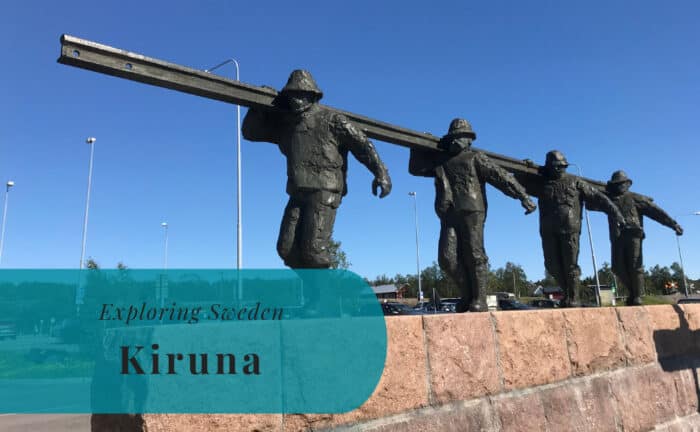
- Kiruna: This is Lappland’s largest town. It’s located far north, above the Arctic Circle. Kiruna is famous for its iron ore mine. It’s also a center for space research (Esrange Space Center) and Northern Lights tourism. The town is currently undergoing a relocation due to ground deformation caused by the mine.
- Gällivare: Another significant mining town, Gällivare is also a gateway to vast wilderness areas. It’s a key hub for exploring Lappland’s interior. It also provides access to Laponia, a UNESCO World Heritage Site.
- Arvidsjaur: Located further south, Arvidsjaur is a central town in the southern part of Swedish Lappland. It’s a vital transportation hub. It also has a significant Sami population.
- Jokkmokk: This town is a crucial center for Sami culture. It hosts a large annual winter market that dates back centuries. Jokkmokk is a gateway to the Laponia area.
- Arjeplog: Known for its automotive testing industry, Arjeplog is also a base for exploring the surrounding lakes and mountains.
Location
Lappland occupies the northernmost part of Sweden. It’s a large area within the Arctic Circle. It borders Norway to the west, Finland to the east, and the Bothnian Bay to the southeast. To the south, it borders the Swedish provinces of Norrbotten and Västerbotten. Its location within the Arctic Circle defines its climate and its unique natural phenomena.
Geography
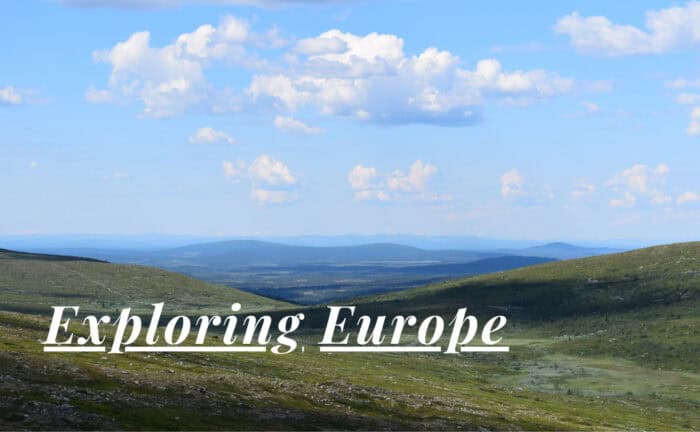
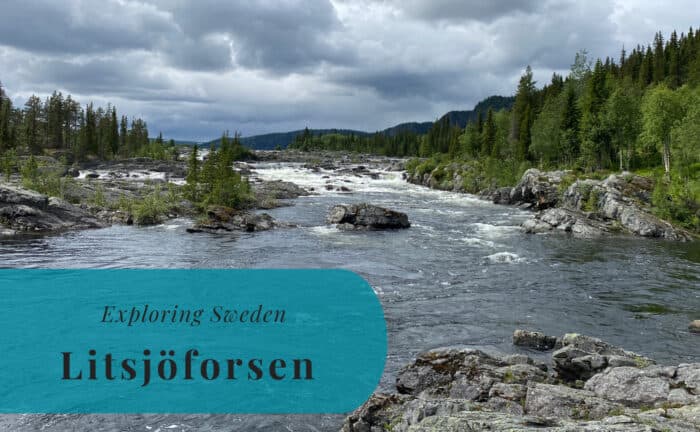
Lappland’s geography is characterized by its Arctic and subarctic landscapes. These include vast forests, towering mountains, and extensive wetlands. The Scandinavian Mountains run along its western border. They create a dramatic, alpine environment. To the east, the terrain gradually flatens. It transforms into expansive boreal forests (taiga). Numerous rivers, including the Torne River, Lule River, and Ume River, flow through Lappland. They shape the landscape. The province is also dotted with countless lakes. The midnight sun shines during the summer months. In winter, the Northern Lights (Aurora Borealis) dance across the sky.
Entry Points to Blekinge
Lappland is primarily accessible by air and land.
By Air
Several airports serve Lappland.
- Kiruna Airport (KRN): Located near Kiruna, this airport offers domestic flights. These connect to Stockholm. It also has some international charter flights, especially in winter.
- Gällivare Airport (GEV): This airport offers domestic flights. These connect to Stockholm.
- Arvidsjaur Airport (AJR): Arvidsjaur has flights. These cater largely to the automotive testing industry.
- Luleå Airport (LLA): While located just outside Lappland in Norrbotten, Luleå is a major airport. It offers more extensive domestic and international connections. It serves as a gateway to the southern parts of Lappland.
By Sea
Lappland has no major seaports. Its coastline is limited to the Bothnian Bay. This is in the far southeast. Sea travel is not a primary means of reaching Lappland.
By Land
Land travel is crucial for exploring Lappland’s vast interior.
- By Car: The E45 highway (Inlandsvägen) is the main north-south route through Swedish Lappland. It provides access to many towns. Other regional roads offer access to more remote areas. Driving is essential for experiencing Lappland’s wilderness.
- By Train: The Inlandsbanan is a scenic railway. It runs through the interior of Lappland. It’s primarily a summer tourist route. Regular train services connect to major towns. These include Kiruna and Gällivare.
- By Bus: Long-distance bus services connect Lappland’s towns to other parts of Sweden. Regional bus networks operate within the province. Services can be less frequent in remote areas.
Join Us Exploring Lappland!










Explore more of Sweden and Europe