
Exploring the United States

Exploring the United States
The United States of America is a vast and diverse country that has captivated travelers for generations. It is a nation of immense geographical scale, stretching from the Atlantic to the Pacific Ocean and encompassing a wide array of landscapes, cultures, and experiences. From the towering skyscrapers of its bustling cities to the quiet solitude of its national parks, the U.S. offers a journey of endless discovery. It is a country built by immigrants, a “melting pot” of cultures where influences from across the globe have shaped its food, music, and traditions.
For the traveler, the United States presents a unique opportunity to experience many different worlds within a single nation. You can explore the rich history of the East Coast, where the country was founded, trace the musical roots of the Deep South, marvel at the natural wonders of the West, or experience the laid-back lifestyle of the Pacific coast. Whether you seek urban adventure, outdoor exploration, or cultural immersion, the United States provides a backdrop for a memorable journey.
Population of the United States
The United States is the third most populous country in the world, after China and India. As of recent estimates, the population is approximately 335 million people. This population is not evenly distributed; the majority of Americans live in urban and suburban areas. The most densely populated regions are concentrated on the East and West Coasts.
Major population centers include the Northeast megalopolis, which stretches from Boston through New York City to Washington, D.C. Other significant urban areas are found in Southern California, the Great Lakes region around Chicago, and in the states of Texas and Florida. This demographic landscape means that while the U.S. has some of the world’s most vibrant and crowded cities, it also possesses vast areas of sparsely populated land, particularly in the Midwest, the Great Plains, and the Mountain West.
Location of the United States
The United States is located in North America. It is bordered by Canada to the north and Mexico to the south. The country stretches “from sea to shining sea,” with the Atlantic Ocean to the east and the Pacific Ocean to the west. To the southeast, it is bordered by the Gulf of Mexico. The state of Alaska is located in the northwest corner of the continent, also bordering Canada, and is separated from Russia by the Bering Strait. The state of Hawaii is an archipelago located in the central Pacific Ocean.
The country also includes several territories and insular areas in the Caribbean Sea and the Pacific Ocean. Its strategic location between two major oceans has played a significant role in its economic and political history, making it a key hub for international trade and travel.
Geography of the United States
The geography of the United States is incredibly diverse, featuring a wide range of climates and landforms. The country’s vast size means that a traveler can experience everything from subtropical forests to arctic tundra, and from arid deserts to towering mountain ranges.
To the east, the Atlantic Coastal Plain is a region of low relief that extends from New York down to Florida. Inland from the coast are the Appalachian Mountains, an older and more eroded mountain range that runs through the eastern part of the country. West of the Appalachians lie the vast Interior Plains, which include the Great Lakes region and the fertile agricultural heartland of the Midwest. Further west are the Great Plains, a vast expanse of prairie that stretches to the foot of the Rocky Mountains.
The western part of the country is dominated by the Rocky Mountains, a major mountain range that runs from Canada down to New Mexico. West of the Rockies is the Intermountain region, which includes the arid Great Basin and the deserts of the Southwest. Finally, the Pacific Coast region features several mountain ranges, including the Sierra Nevada and the Cascades, as well as fertile valleys and a dramatic coastline. Alaska contains vast wilderness and the highest peak in North America, Denali, while Hawaii is known for its volcanic islands.
Entry Points to the United States
As a major destination for international travel, the United States has numerous entry points. For most international visitors, the primary points of entry are the country’s major international airports. Land border crossings from Canada and Mexico are also key entry points for travelers arriving by road.
Major International Airports
- East Coast: The East Coast is a primary gateway for travelers from Europe, the Middle East, and South America. The busiest and most important airports include John F. Kennedy International Airport (JFK) in New York City, Newark Liberty International Airport (EWR) in New Jersey (serving the NYC area), Boston Logan International Airport (BOS), Washington Dulles International Airport (IAD), and Hartsfield-Jackson Atlanta International Airport (ATL), which is one of the busiest airports in the world. Miami International Airport (MIA) is a major hub for travel to and from Latin America and the Caribbean.
- West Coast: For travelers arriving from Asia and the Pacific, the West Coast is the main point of entry. Key airports include Los Angeles International Airport (LAX), San Francisco International Airport (SFO), and Seattle-Tacoma International Airport (SEA). These airports offer extensive connections to destinations across the United States.
- Central and Southern United States: In the central part of the country, O’Hare International Airport (ORD) in Chicago is a major hub with extensive international connections. In Texas, Dallas/Fort Worth International Airport (DFW) and George Bush Intercontinental Airport (IAH) in Houston are major gateways, particularly for travel from Latin America.
Land Border Crossings
- From Mexico: Similarly, there are many land border crossings with Mexico. Major entry points are located in cities like San Diego, California (San Ysidro crossing), El Paso, Texas, and Laredo, Texas. These crossings handle a large volume of both commercial and passenger traffic.
- From Canada: There are numerous land border crossings between the United States and Canada, which can be crossed by car, bus, or train. Major crossings are located near cities like Buffalo, New York (near Niagara Falls), Detroit, Michigan, and Seattle, Washington.
Join Us in Exploring the United States
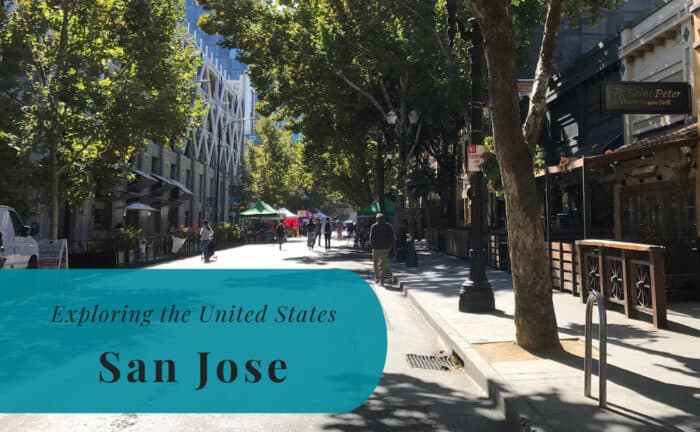
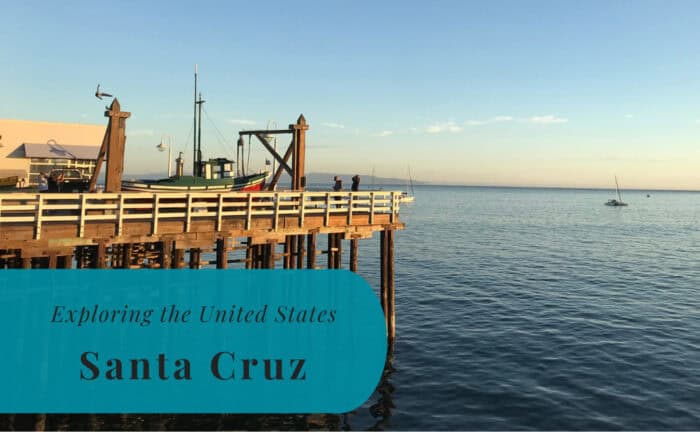
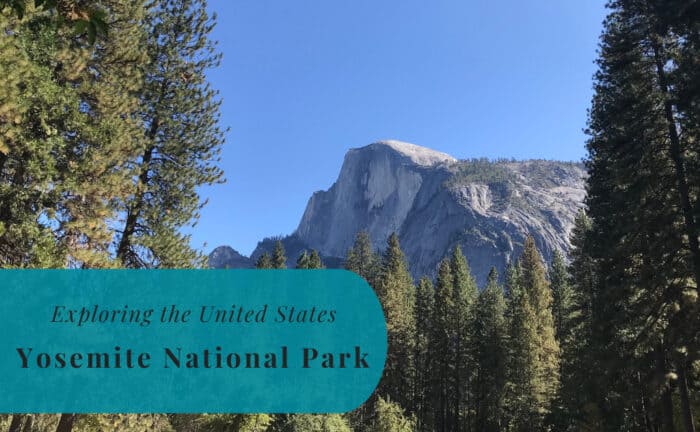
Exploring California




Exploring Florida
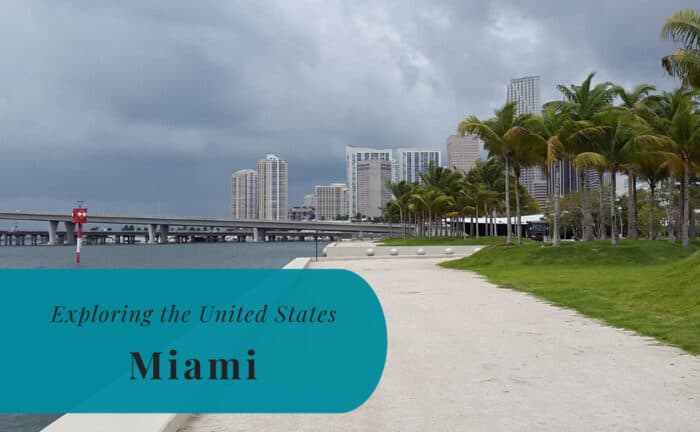

Exploring Massachusetts



Exploring More of the World?
Join us in exploring more of what the World has to offer.