
Miami, Florida | Exploring the United States
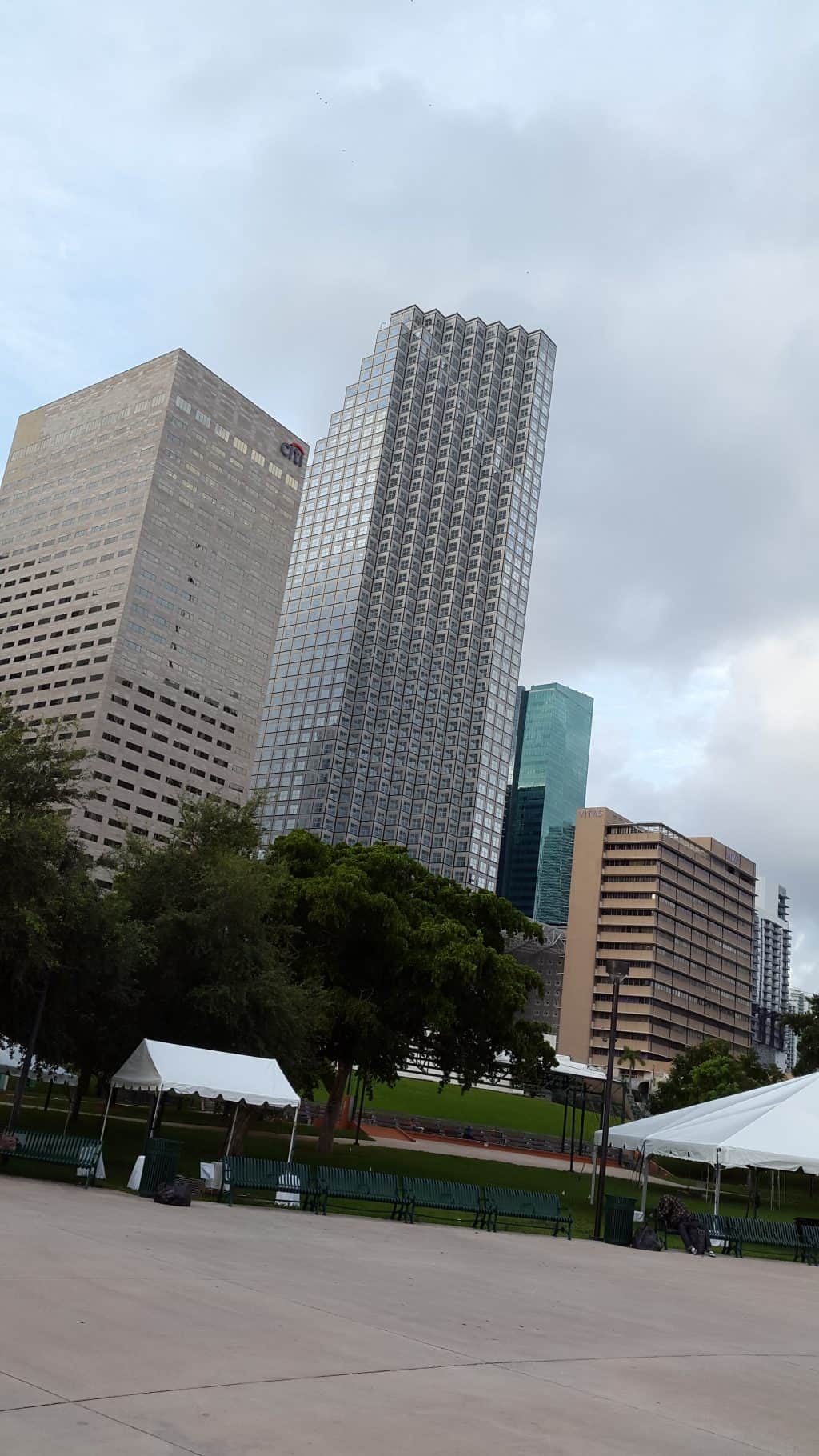
Miami is a major coastal metropolis located in the southeastern part of the state of Florida, in the United States. It is the county seat of Miami-Dade County. The city is situated on a broad plain on the Atlantic coast, between the Everglades to the west and Biscayne Bay to the east. With a population of approximately 440,000 residents in the city proper, Miami is the anchor of a vast metropolitan area that is home to over 6.1 million people. This makes it the second-most populous metropolitan area in the southeastern United States. The city’s official name is the City of Miami.
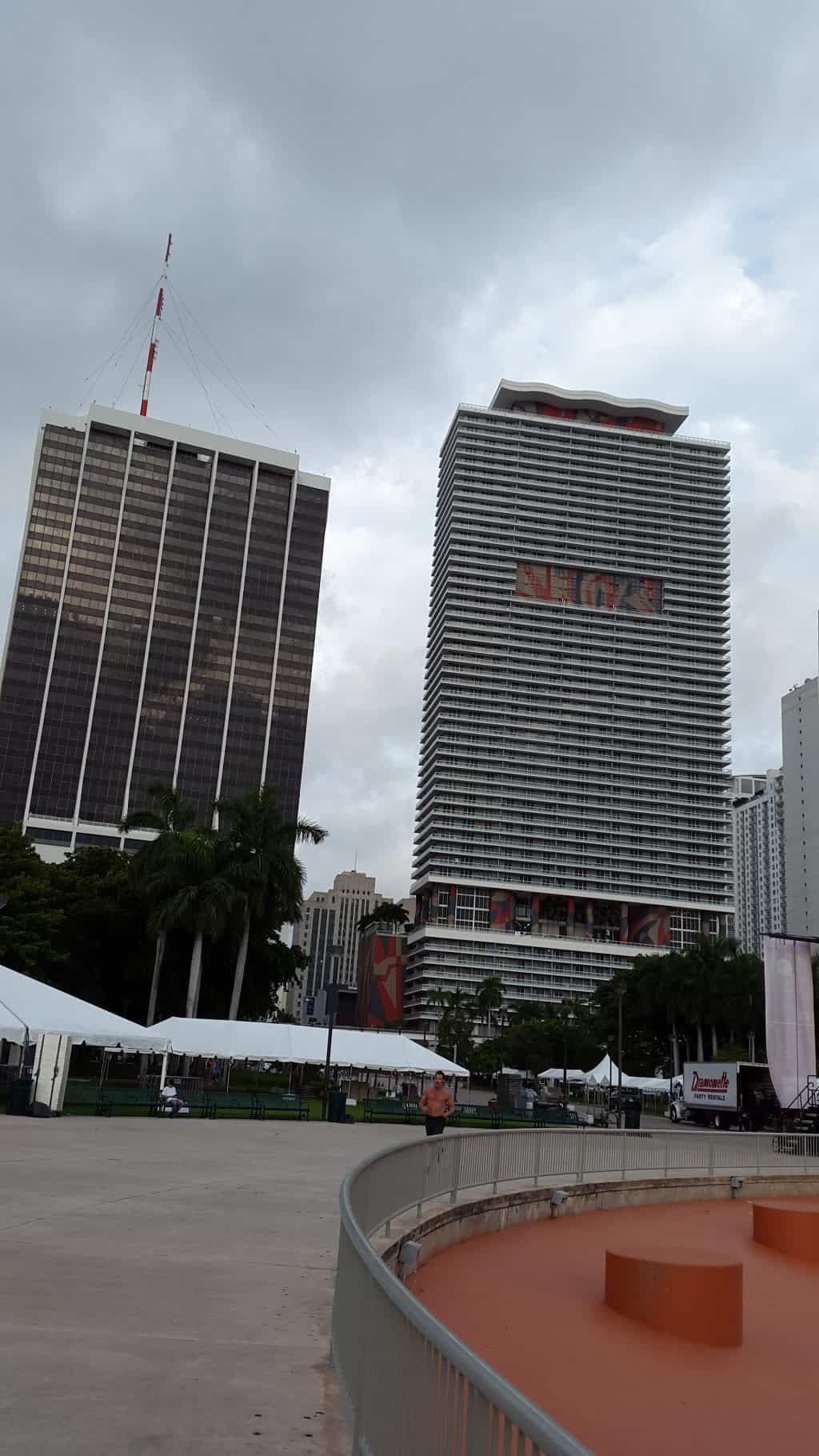
The character of Miami is defined by its international identity and its strong cultural and economic ties to Latin America and the Caribbean. It is a majority-Hispanic city, with a large Cuban-American population, which has earned it the nickname the “Capital of Latin America.” This influence is visible in the city’s language, cuisine, music, and social life. The urban landscape is a blend of a dense, high-rise downtown core, historic Art Deco districts, and sprawling suburban neighborhoods. The city is also known for its vibrant arts scene, its nightlife, and its famous beaches.
As a major center for finance, commerce, culture, and international trade, Miami is a global city. Its port, PortMiami, is one of the busiest in the world for both cruise passengers and cargo traffic. The city’s economy is also heavily based on tourism, with millions of visitors coming each year to enjoy its warm climate and coastal setting. This combination of a major international business hub, a cultural gateway to Latin America, and a world-renowned tourist destination gives the city its specific and dynamic character.

Good to Know When Visiting Miami
To help with planning a visit, here are several practical points covering daily essentials, timing, and efficient exploration of the city. Understanding these details can make a trip to Miami more convenient. This information is intended to provide a general overview for travelers preparing to visit this major American city.
The Daily Essentials
The official currency used in Miami is the United States Dollar (USD). Credit, debit, and digital payments are accepted nearly everywhere. While English is the official language, Spanish is extremely widely spoken, and in many neighborhoods, it is the primary language of daily life. Tipping is a standard and expected practice in the United States; a tip of 18-20% of the pre-tax bill is customary for good service in restaurants and for service workers. The tap water in Miami is safe to drink. The electrical system uses Type A and B sockets with a standard voltage of 120V, so most international visitors will need an adapter. It is also important to be aware of the strong sun; high-SPF sunscreen, hats, and sunglasses are essential year-round.
Planning Your Calendar
Miami has a tropical monsoon climate with hot, humid summers and very warm, dry winters. The dry season, from November to April, is generally considered the best time to visit. During this period, the weather is sunny and pleasant with lower humidity, making it the peak tourist season. The summer is the wet season and is also the peak of the Atlantic hurricane season, which officially runs from June 1st to November 30th. Key public events include Art Basel Miami Beach in December, which is one of the world’s premier art fairs, and the South Beach Wine & Food Festival in February. For a first visit, four to five full days is generally sufficient to see the main sights in Miami and Miami Beach.
A Tourist’s Toolkit for Exploration
While some neighborhoods like South Beach are very walkable, Miami is a very large and sprawling metropolitan area, and a car is highly recommended for most visitors who wish to explore beyond a single area. Ride-sharing apps like Uber and Lyft are also widely used and are a convenient alternative. The city does have a public transport system, which includes the Metrorail and the free Metromover in the downtown area. It is advisable to book accommodation well in advance, especially if visiting during the peak winter season or a major event like Art Basel. For visiting popular attractions, booking tickets online in advance can often save time.
A Short History of Miami
The history of Miami is a story of a rapid and dramatic transformation from a remote outpost in a swampy wilderness into a major international metropolis in just over a century. Its development was driven by the vision of key individuals, the arrival of the railway, and massive waves of immigration. The city’s story reflects the boom-and-bust cycles of Florida’s development and its emergence as a cultural and economic gateway between the United States and Latin America. This history has been marked by periods of great prosperity as well as social and economic challenges.
Early History and Founding
The history of settlement in the Miami area dates back thousands of years to the indigenous Tequesta people. The first Europeans to visit were the Spanish in the 16th century. For centuries, the area remained a sparsely populated wilderness. The modern city of Miami was founded in the late 19th century, largely due to the efforts of a local citrus grower named Julia Tuttle, who is often called the “Mother of Miami.” She convinced the railroad magnate Henry Flagler to extend his Florida East Coast Railway south to the Miami River.
The arrival of the railway in 1896 was the pivotal moment in the city’s founding. It connected the remote area to the rest of the country and spurred the first wave of development. The city of Miami was officially incorporated in the same year. It was named after the Miami River, which is derived from a Native American word. The early city was a small resort town that attracted visitors from the northern United States seeking a warm winter climate.
20th Century Boom and Bust
The early 20th century saw the city grow rapidly, particularly during the Florida land boom of the 1920s. This was a period of intense real estate speculation that brought thousands of new residents and developers to the area. This boom came to an abrupt end with the devastating Great Miami Hurricane of 1926, which caused massive destruction and led to an economic collapse. The city slowly recovered and played a significant role during World War II as a major base for the US Navy and Army Air Forces.
The post-war period saw a new boom in tourism, with the construction of numerous hotels and resorts, particularly in the neighboring city of Miami Beach. The city’s population continued to grow as it became a popular destination for retirees from other parts of the country. This period established the region’s reputation as a major international tourist destination. The construction of the modern airport and seaport also laid the groundwork for its future growth as a hub for international trade.
The “Capital of Latin America”
The most significant transformation in the city’s modern history began after the Cuban Revolution of 1959. Hundreds of thousands of Cuban exiles fled to Miami, fundamentally reshaping the city’s demographics and culture. This massive wave of immigration turned Miami into a bilingual and bicultural city. The neighborhood of Little Havana was established as the heart of the Cuban-American community. Subsequent waves of immigration from other countries in Latin America and the Caribbean further solidified the city’s status as a major hemispheric hub.
The 1970s and 1980s were a turbulent period for the city. It faced challenges related to social tensions and its role as a center for the international drug trade, an era that was famously depicted in the television series Miami Vice. However, from the 1990s onwards, the city experienced a major revitalization. It grew into a major international financial center, a hub for the arts, and a center for global commerce. This has created the modern, dynamic metropolis seen today.
Things to Do and See
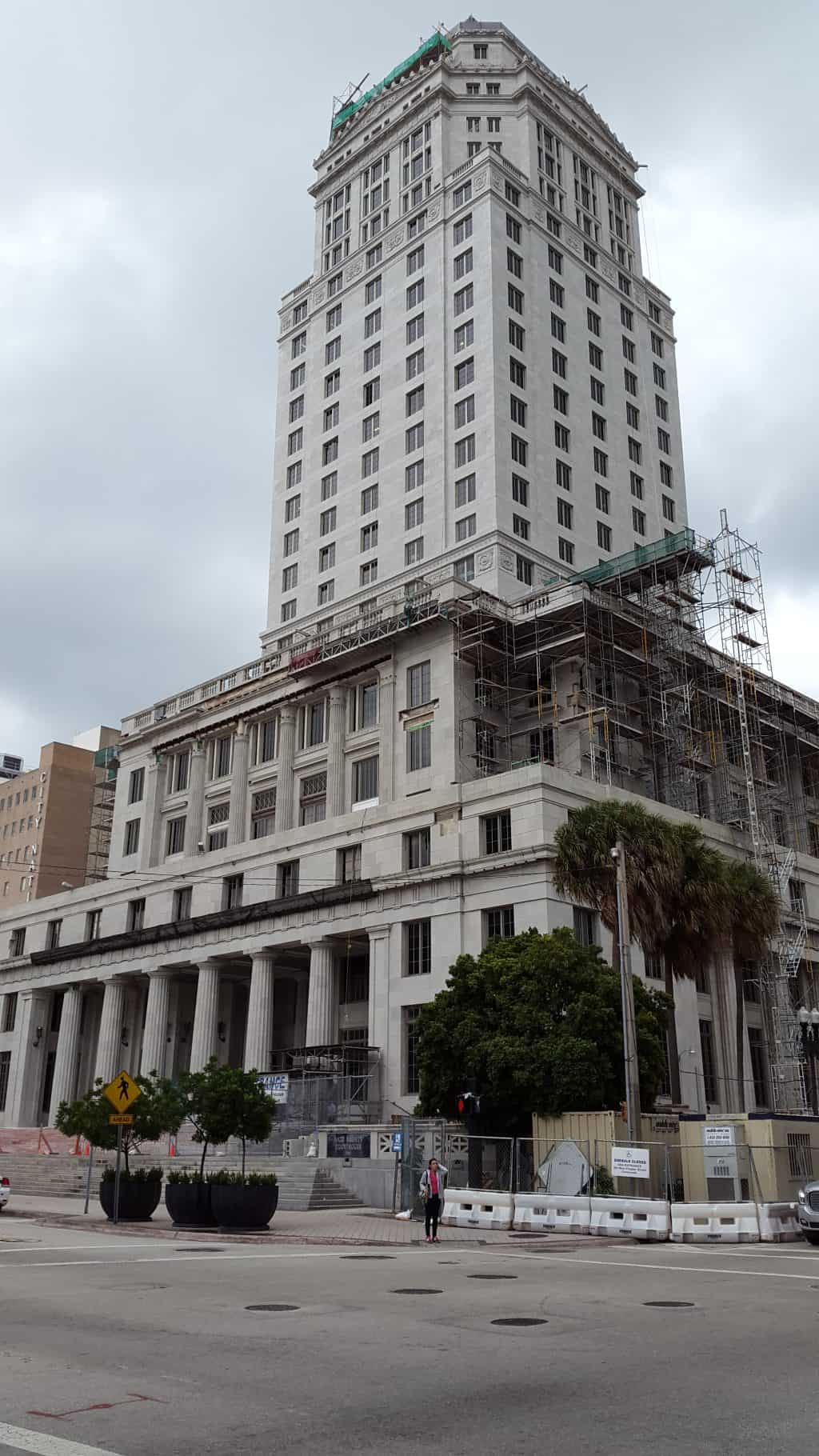
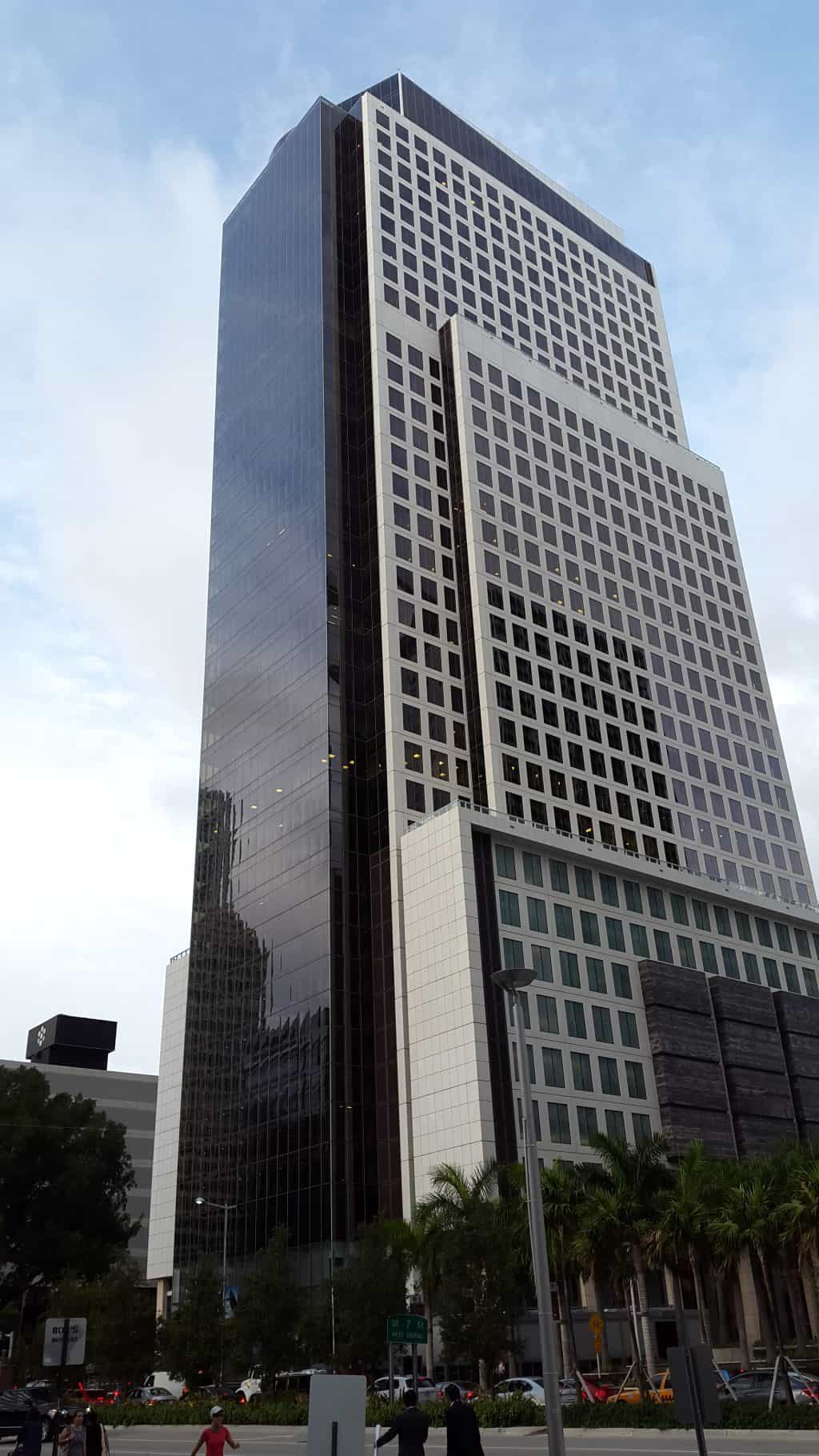
The sights in and around Miami are a reflection of its identity as a vibrant, multicultural city with a unique natural setting. The main attractions are spread across several distinct municipalities and neighborhoods, including the City of Miami and the separate city of Miami Beach. The sights range from historic architectural districts and world-class museums to unique natural ecosystems and vibrant cultural neighborhoods.
A visit to Miami provides a journey through different cultural landscapes. The Art Deco Historic District in South Beach showcases a unique architectural style. Little Havana is the heart of the city’s Cuban-American culture. The Wynwood district is a global center for street art. The nearby Everglades National Park offers a look into a unique and vast wetland wilderness. This combination of urban culture and natural beauty is a key part of the region’s appeal.
South Beach and the Art Deco Historic District
South Beach is a neighborhood in the city of Miami Beach, which is located on a barrier island across Biscayne Bay from the City of Miami. It is famous for its long, wide, sandy beach and its vibrant nightlife. The most significant feature of the area is the Art Deco Historic District. This district contains the largest collection of Art Deco architecture in the world, with over 800 preserved buildings from the 1920s, 30s, and 40s. These buildings are known for their pastel colors, geometric patterns, and porthole windows. The main thoroughfare of the district is Ocean Drive.
Everglades National Park
Located to the west of Miami is the Everglades National Park. This is a massive national park that protects the southern 20 percent of the original Everglades wetland. It is the largest tropical wilderness in the United States and a UNESCO World Heritage Site. The park is known for its unique ecosystem, which is a vast, slow-moving river of grass. It is a critical habitat for numerous rare and endangered species, including the American alligator, the Florida panther, and the West Indian manatee. Visitors can explore the park via walking trails, boat tours, and famous airboat tours in the areas outside the park.
Little Havana
Little Havana is a neighborhood in the City of Miami that is the cultural and political heart of the city’s large Cuban-American community. The main street of the neighborhood is Calle Ocho (Southwest 8th Street). This vibrant street is lined with Cuban restaurants, cafes, and cigar shops. A key point of interest is Máximo Gómez Park, also known as Domino Park, where local residents gather to play dominoes and chess. The neighborhood is also known for its colorful street art, its Latin music, and its annual Calle Ocho Music Festival.
Vizcaya Museum & Gardens
The Vizcaya Museum & Gardens is a historic estate located in the Coconut Grove neighborhood of Miami. The estate was the winter residence of the industrialist James Deering. The main villa was built between 1914 and 1922 in a Mediterranean Revival style, designed to resemble an Italian villa. The house contains a large collection of European decorative arts and furnishings. The estate is most famous for its extensive and elaborate Italian Renaissance-style gardens, which feature numerous fountains, sculptures, and grottos on the shores of Biscayne Bay.
Wynwood Walls
The Wynwood Walls is a large, outdoor street art museum located in the Wynwood neighborhood of Miami. The project was conceived by the developer Tony Goldman in 2009 as a way to revitalize the former warehouse district. It features a large collection of colorful, large-scale murals by some of the world’s most famous street artists. The murals are constantly changing, with new works being added regularly. The success of the Wynwood Walls has transformed the entire surrounding neighborhood into a major international center for street art, with dozens of other murals on the walls of the surrounding buildings.
Bayside Marketplace
The Bayside Marketplace is a large, open-air shopping and entertainment center located in downtown Miami, on the shores of Biscayne Bay. The marketplace features numerous shops, restaurants, and bars. It is a major tourist destination and a hub of activity. The marketplace is also the main departure point for numerous boat tours of the bay. These tours offer views of the downtown skyline, the Port of Miami, and the celebrity homes on the nearby islands. Live music is often performed at the central plaza.
Pérez Art Museum Miami (PAMM)
The Pérez Art Museum Miami (PAMM) is the city’s main museum of modern and contemporary art. The museum is located in a modern building in Maurice A. Ferré Park in downtown Miami. The building, designed by the architects Herzog & de Meuron, is known for its large hanging gardens and its open, airy design. The museum’s collection focuses on 20th and 21st-century international art, with a particular emphasis on art from the Americas and the Atlantic Rim. It has a strong collection of Latin American and Caribbean art.
Key Biscayne
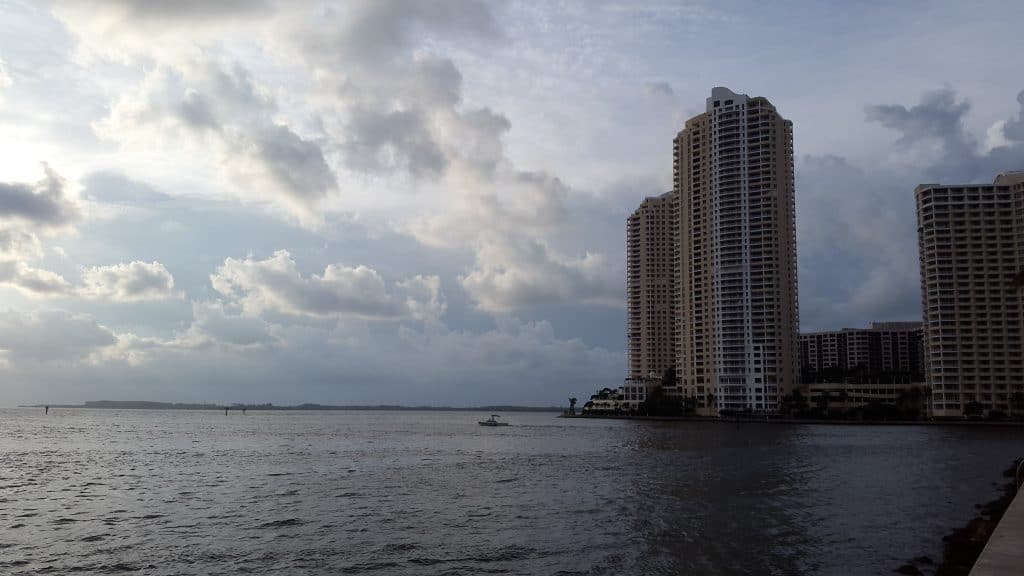
Key Biscayne is an island town located in Biscayne Bay, just south of Miami Beach. The island is connected to the mainland by the Rickenbacker Causeway. It is known for its upscale residential areas and its large natural parks. The southern part of the island is home to the Bill Baggs Cape Florida State Park. This park features a large, natural sandy beach and the historic Cape Florida Lighthouse, which was originally built in 1825. The park offers opportunities for swimming, sunbathing, and fishing.
Sports in Miami
The sporting life in Miami is centered on its major professional sports franchises, which represent the city in the top North American leagues. The city is home to professional teams in American football, basketball, baseball, and soccer. These teams have a history of winning national championships and have dedicated fanbases that draw support from across the diverse South Florida region. The city has modern, large-scale venues for these sports.
This combination of successful teams and major stadiums makes Miami a key sporting hub in the United States. The rivalries between Miami’s teams and those from other major cities are a key feature of the national sports landscape. The city has also hosted more Super Bowls than any other city. The region’s warm climate also makes it a major center for golf and tennis, with a professional tennis tournament being a key event on the international circuit.
American Football
American football is a very popular sport in Miami. The city’s professional team is one of the historic franchises of the National Football League (NFL). The team has a long and storied history, including the only “perfect season” in NFL history. The sport is also extremely popular at the collegiate level, with the University of Miami Hurricanes having one of the most successful college football programs in the country.
Miami Dolphins
The Miami Dolphins are the city’s professional American football team. They compete in the National Football League (NFL). The club was founded in 1966. The Dolphins’ most famous achievement was their 1972 season, when they won the Super Bowl with an undefeated record, the only team in NFL history to do so. The team has won two Super Bowls in its history. They play their home games at Hard Rock Stadium, a large, multi-purpose stadium located in Miami Gardens.
Basketball
Basketball is a very popular sport in Miami. The city’s professional team has been one of the most successful in the National Basketball Association (NBA) in the 21st century. The team has won multiple championships and has featured some of the most famous players in the history of the sport. The club has a passionate fanbase, and its home games are known for their exciting atmosphere.
Miami Heat
The Miami Heat are the city’s professional basketball team. They compete in the National Basketball Association (NBA). The club was founded in 1988 as an expansion team. The Heat have won the NBA championship three times, in 2006, 2012, and 2013. The most famous period in their history was the “Big Three” era, when the team was led by the players LeBron James, Dwyane Wade, and Chris Bosh. They play their home games at the Kaseya Center, an indoor arena located in downtown Miami.
Baseball
Baseball has a professional presence in Miami, with a Major League Baseball (MLB) team representing the city. The sport has a dedicated following in the city. The team has had periods of major success, winning the World Series twice. The club plays in a modern, retractable-roof stadium that was designed to cope with the city’s hot and rainy summer weather.
Miami Marlins
The Miami Marlins are the city’s professional baseball team. They compete in Major League Baseball (MLB). The club was founded in 1993. The Marlins have a unique history of success, having won the World Series twice, in 1997 and 2003, in their early years as a franchise. They play their home games at loanDepot Park, a modern baseball stadium with a retractable roof that is located in the Little Havana neighborhood.
Soccer
Soccer has a rapidly growing presence in Miami, with a new professional team that has gained significant international attention. The city’s multicultural population, with its strong ties to Latin America, provides a natural and passionate fanbase for the sport. The arrival of one of the world’s most famous players has transformed the club and the sport’s profile in the city.
Inter Miami CF
The city’s professional soccer club is Inter Miami CF. The club competes in Major League Soccer (MLS). The club was founded in 2018 and is co-owned by the English footballer David Beckham. The team gained massive global attention in 2023 with the signing of the Argentinian superstar Lionel Messi. They play their home games at Chase Stadium, which is located in the nearby city of Fort Lauderdale. The club won its first major trophy, the Leagues Cup, in 2023.
Ice Hockey
While Florida is not a traditional ice hockey market, the South Florida region has a successful professional team. The team represents the entire metropolitan area, from Miami up to Palm Beach County. The sport has grown in popularity in the region due to the team’s recent success.
Florida Panthers
The region’s professional ice hockey team is the Florida Panthers. They compete in the National Hockey League (NHL). The club was founded in 1993. The Panthers reached the Stanley Cup Finals in 1996 and again in 2023 and 2024, winning their first Stanley Cup in 2024. They later repeated that success with a consecutive win in 2025. They play their home games at the Amerant Bank Arena, which is located in the city of Sunrise, north of Miami.
Getting Around in Miami
Navigating Miami requires an understanding of its large, sprawling layout. The city and its suburbs are spread out over a very large area, which makes a car the most common and often the most practical way to get around. However, the city does have a public transport system that is useful for traveling between some of the main districts. The system includes a heavy rail metro, a downtown people mover, and an extensive bus network.
The public transport in Miami-Dade County is operated by Miami-Dade Transit. An integrated smart card, the EASY Card, or the EASY Ticket, can be used to pay for fares on the Metrorail, Metrobus, and Metromover systems. Ride-sharing apps like Uber and Lyft are also extremely popular and widely used throughout the metropolitan area. They are often the most convenient option for visitors.
The Open Road: Driving in Miami
A car is the most flexible way to explore the vast Miami metropolitan area. The city is served by a dense network of major freeways and expressways. Interstate 95 (I-95) is the main north-south route that runs along the coast. The Florida Turnpike is another major toll road. Be aware that traffic congestion is a major issue, especially during peak commute hours. Parking can be difficult and expensive in popular areas like South Beach.
Riding the Metrorail and Metromover
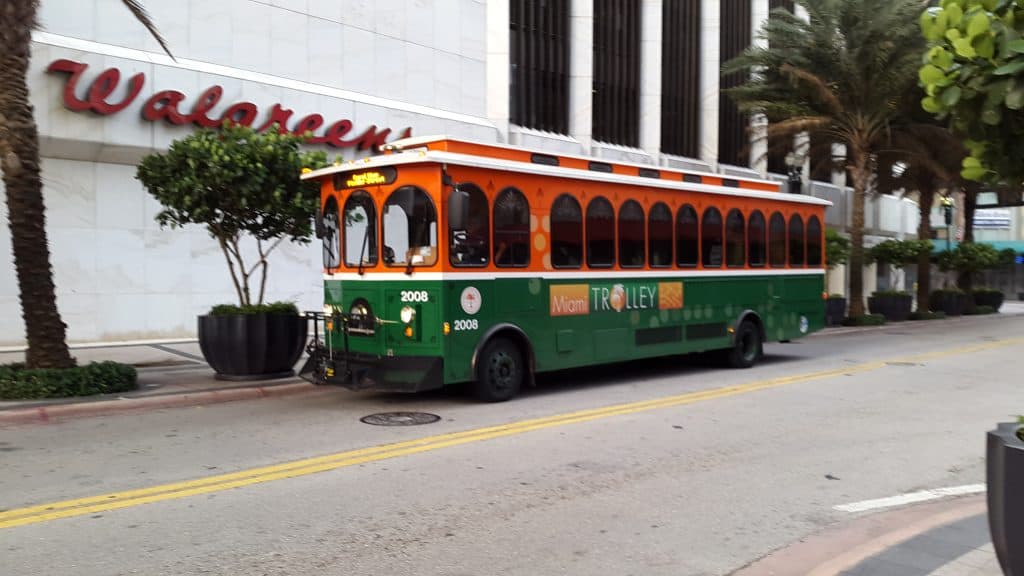
The Metrorail is a heavy rail rapid transit system. It has two lines (Green and Orange) that run on an elevated track. The system connects the downtown area with Miami International Airport (MIA) and with suburbs to the south. The Metromover is a free, automated people mover system that operates on a loop around the downtown Miami and Brickell neighborhoods. It is a convenient way to travel short distances within the central business district.
A Network Above Ground: The Metrobus
The Metrobus system is the most extensive part of the public transport network. It consists of over 95 routes that serve all of Miami-Dade County. The buses provide a way to reach areas not served by the Metrorail, such as Miami Beach and Little Havana. The service can sometimes be slow due to traffic, but it is an economical way to travel.
On Two Wheels: Cycling
Cycling for transport can be challenging in Miami due to the large distances, heavy traffic, and the hot, humid climate. However, there are some areas that are very popular for recreational cycling. Miami Beach has dedicated bike paths along its beachfront. Key Biscayne also has an extensive network of cycle paths. A public bike-sharing scheme, Citi Bike Miami, operates in Miami and Miami Beach.
How to Get to Miami
Reaching Miami is convenient, as it is a major international gateway for air and sea travel. The city is served by one of the busiest airports in the world and the largest cruise ship port. It is also well-connected to the national road and rail networks. This makes it a highly accessible destination from all parts of the world.
Arriving by Air: Miami International Airport
The primary gateway to the city is Miami International Airport (MIA). It is one of the busiest airports in the United States, particularly for international passengers. The airport is a major hub for American Airlines and is a key gateway for travel between the United States and Latin America and the Caribbean. The airport is located about 13 kilometers west of downtown Miami and is connected to the city by the Metrorail Orange Line and various bus services. Another major airport in the region is Fort Lauderdale–Hollywood International Airport (FLL), which is a major hub for low-cost carriers.
The Open Road: Driving to South Florida
Driving to Miami is straightforward. The city is the southern terminus of Interstate 95 (I-95), which is the main highway that runs along the entire East Coast of the United States. Interstate 75 (I-75) is another major route that connects the Midwest with South Florida. The Florida Turnpike is a major toll road that runs the length of the state. These highways connect Miami with the rest of the national interstate network.
The “Cruise Capital of the World”: Arriving by Sea
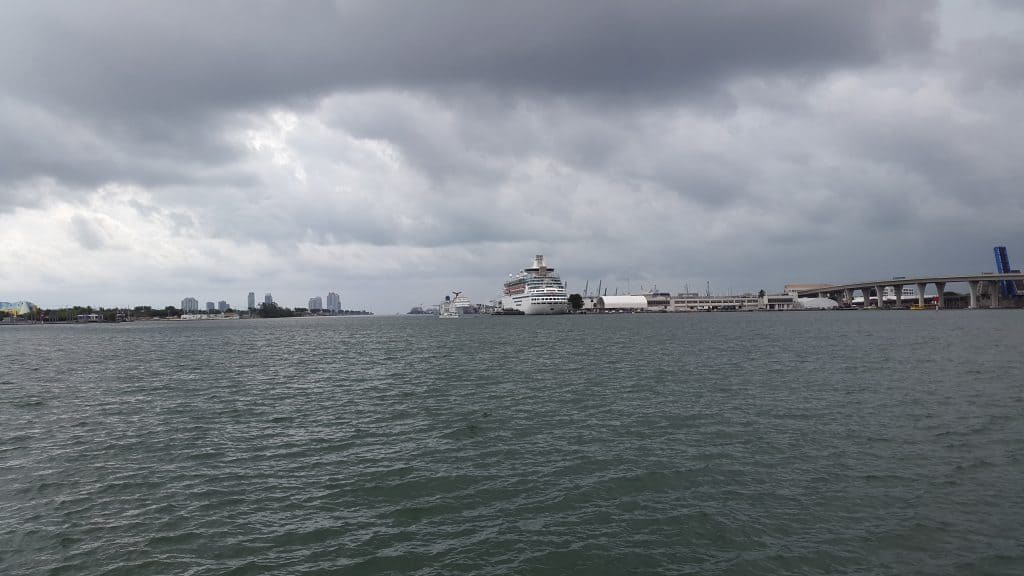
The Port of Miami, officially the Dante B. Fascell Port of Miami, is known as the “Cruise Capital of the World.” It is the busiest cruise passenger port in the world. Numerous cruise lines have their headquarters here and operate cruises from the port to the Caribbean, the Bahamas, Mexico, and other destinations. The port has several large, modern cruise terminals. It is a major entry point for tourists visiting the region.
On Track: A Journey by Rail
Traveling to Miami by train is an option. Amtrak, the national passenger rail corporation, operates two long-distance routes that terminate in Miami: the Silver Meteor and the Silver Star. Both of these routes connect Miami with cities along the East Coast, including Washington, D.C., and New York City. The Amtrak station is located in the suburb of Hialeah. Brightline is a modern, higher-speed inter-city rail service that connects Miami with other major cities in Florida, such as Fort Lauderdale and Orlando.
Connecting by Coach
Long-distance bus services from companies like Greyhound and FlixBus connect Miami with many cities across Florida and the United States. The main bus terminal for some of these services is located near the airport. The bus provides an economical option for reaching the city. There are also numerous smaller, regional bus companies that operate services to Miami from other parts of Florida.
Driving Distances
The driving distance from 20 regional cities, according to Google Maps:
- Orlando, FL, USA – 379 kilometers (3 h 40 min)
- Tampa, FL, USA – 450 kilometers (4 h 20 min)
- Atlanta, GA, USA – 1,066 kilometers (10 h 10 min)
- New Orleans, LA, USA – 1,402 kilometers (13 h 20 min)
- Washington, D.C., USA – 1,698 kilometers (16 h 10 min)
- Houston, TX, USA – 1,914 kilometers (18 h 10 min)
- Philadelphia, PA, USA – 1,981 kilometers (18 h 40 min)
- New York, NY, USA – 2,074 kilometers (20 h 00 min)
- Dallas, TX, USA – 2,176 kilometers (20 h 40 min)
- Chicago, IL, USA – 2,393 kilometers (22 h 30 min)
- Boston, MA, USA – 2,423 kilometers (23 h 00 min)
- Toronto, ON, Canada – 2,572 kilometers (1 d 2 h 00 min)
- Montreal, QC, Canada – 2,752 kilometers (1 d 4 h 00 min)
- Denver, CO, USA – 3,243 kilometers (1 d 7 h 00 min)
- Phoenix, AZ, USA – 3,791 kilometers (1 d 11 h 00 min)
- Las Vegas, NV, USA – 4,055 kilometers (1 d 13 h 00 min)
- Los Angeles, CA, USA – 4,395 kilometers (1 d 16 h 00 min)
- Calgary, AB, Canada – 4,870 kilometers (1 d 21 h 00 min)
- Seattle, WA, USA – 5,420 kilometers (2 d 2 h 00 min)
- Vancouver, BC, Canada – 5,502 kilometers (2 d 4 h 00 min)
Looking to Explore more of the United States and the Americas?