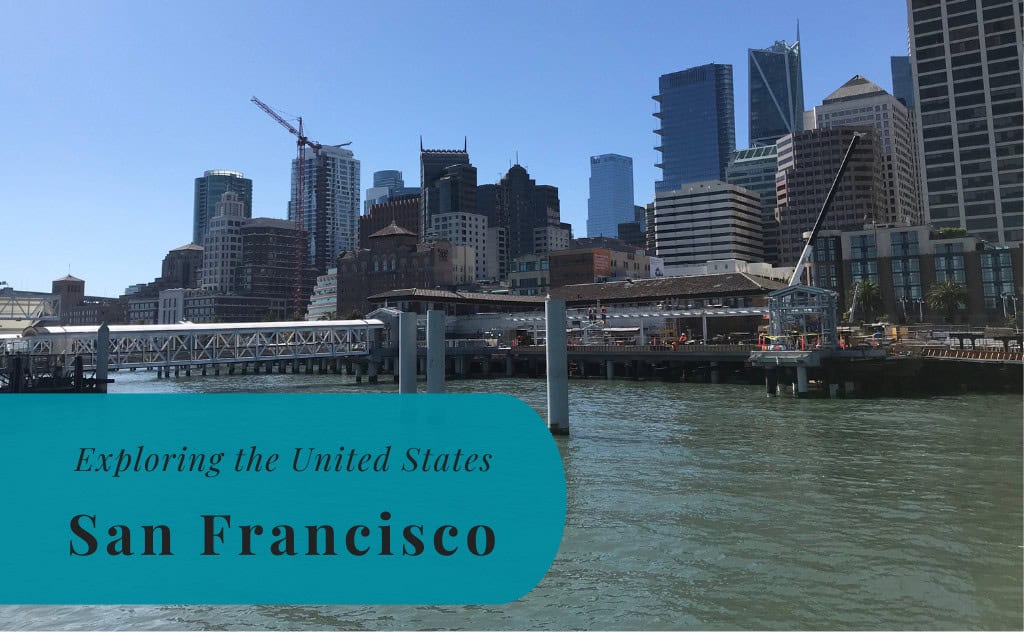
San Francisco, California | Exploring the United States
San Francisco, officially the City and County of San Francisco, is a major cultural and financial center in the state of California, United States. The city is located in Northern California, on the tip of the San Francisco Peninsula. It is surrounded on three sides by water, with the Pacific Ocean to the west and the San Francisco Bay to the east and north. With a population of approximately 815,000 residents within its compact city limits, it is the fourth-most populous city in California. It is the heart of the much larger San Francisco Bay Area, a metropolitan region of over 7 million people.
The character of San Francisco is defined by its iconic landmarks, its steep rolling hills, and its unique microclimates, which often include the city’s famous fog. The urban landscape is a dense and eclectic mix of Victorian and modern architecture. It is a city of distinct neighborhoods, each with its own character, from the vibrant Mission District to the historic Chinatown and the counter-cultural Haight-Ashbury. The city is also known for its socially liberal and progressive values. It has been a historic center for the LGBTQ+ rights movement and various other social and political movements.
As a global hub, San Francisco’s identity is inextricably linked to its role as a center of the technology industry and the venture capital world. Its proximity to Silicon Valley has made it a focal point of the global digital economy. This modern function exists alongside its history as a major port city, which began with the California Gold Rush. This combination of a dramatic natural setting, a rich and often turbulent history, and its position at the forefront of technological innovation gives the city its specific and dynamic character.
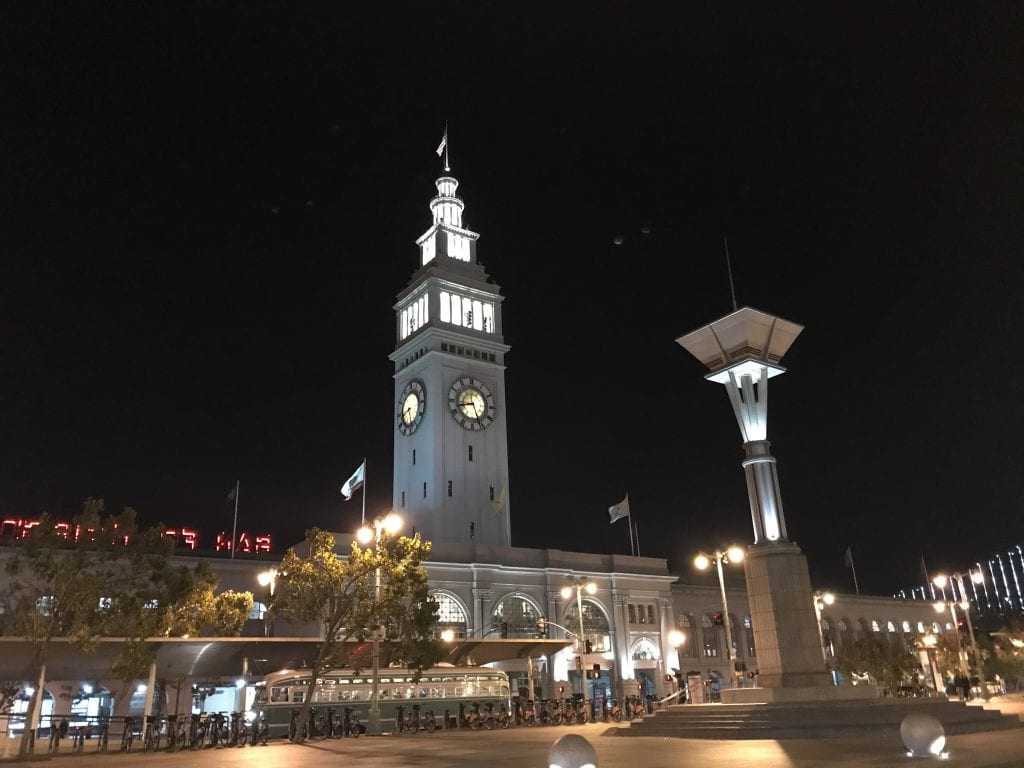
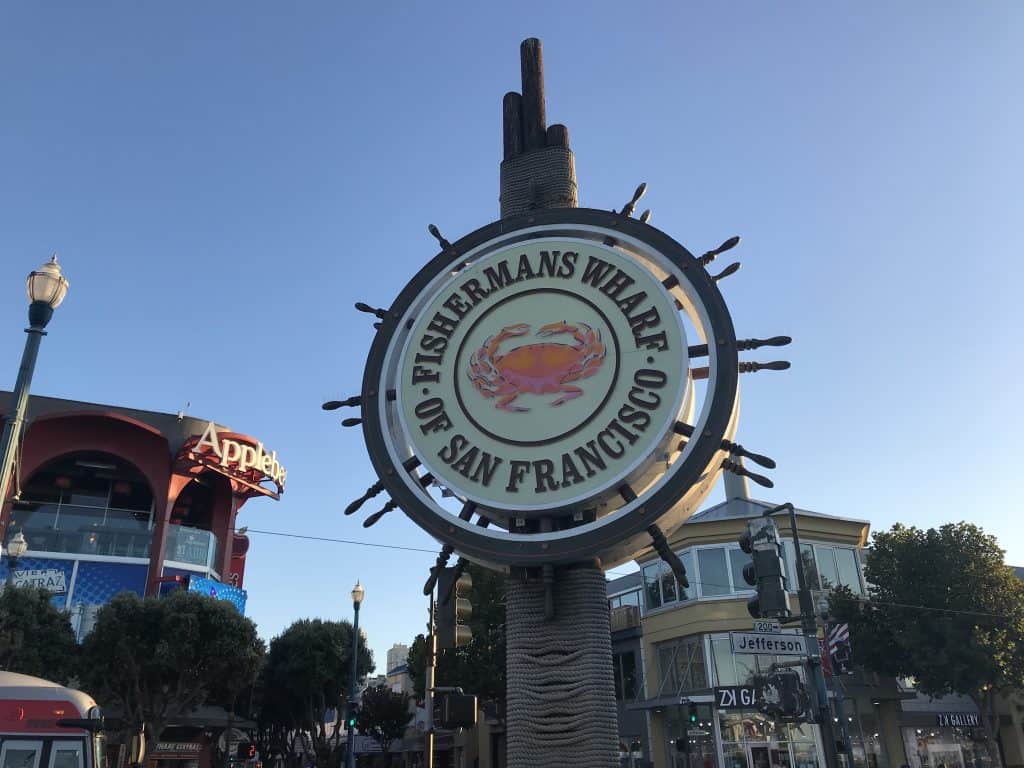

Good to Know When Visiting San Francisco
To help with planning a visit, here are several practical points covering daily essentials, timing, and efficient exploration of the city. Understanding these details can make a trip to San Francisco more convenient. This information is intended to provide a general overview for travelers preparing to visit this major American city.
The Daily Essentials
The official currency used in San Francisco is the United States Dollar (USD). Credit and debit cards are accepted nearly everywhere, and contactless payments are standard. The official language is English. Due to the city’s diverse population, many other languages, particularly Spanish and Chinese, are also widely spoken. Tipping is a standard and expected practice in the United States. A tip of 18-20% of the pre-tax bill is customary for good service in restaurants. It is also standard to tip bartenders, hotel staff, and taxi drivers. The tap water in San Francisco is of high quality and is safe to drink. The electrical system uses Type A and B sockets with a standard voltage of 120V, so most international visitors will need an adapter.
Planning Your Calendar
San Francisco is a year-round destination due to its mild climate, but it is known for its cool summers. The famous fog often rolls in during June and July, making these months cooler than many people expect. The best time to visit is often in the spring (April-May) or the autumn (September-October), when the weather is typically sunnier and warmer. Key public events include the San Francisco Pride Parade in June, which is one of the largest in the world, and Fleet Week in October, which features air shows by the Blue Angels over the bay. For a first visit, four to five full days is generally sufficient to see the main sights. This allows time to explore different neighborhoods, visit Alcatraz, and walk across the Golden Gate Bridge.
A Tourist’s Toolkit for Exploration
The city is made up of many distinct neighborhoods, some of which are very walkable. However, due to the city’s steep hills and large size, using public transport is essential. The Clipper Card is a reusable smart card that can be used on all major public transport systems in the Bay Area, including the Muni and BART. It is crucial to book tickets for Alcatraz Island several months in advance, as they sell out very quickly, especially in the peak season. The most important piece of advice for visitors is to dress in layers. The city’s microclimates mean that the weather can change drastically from one neighborhood to another, and from one hour to the next. A warm jacket is often needed, even in the summer.


A Short History of San Francisco
The history of San Francisco is a story of dramatic and rapid transformations, from a remote Spanish mission to a boomtown during the Gold Rush, and from a city devastated by natural disaster to a global center of counter-culture and technology. Its development has been shaped by waves of immigration, technological innovation, and a persistent spirit of reinvention. The city’s relatively short but eventful history has made it one of the most iconic and influential cities in the United States.
Spanish Mission and the Gold Rush
The history of settlement in the area began with the indigenous Yelamu people. The modern city was founded by Spanish colonists in 1776. They established the Presidio of San Francisco, a military fort, and the Mission San Francisco de Asís, also known as Mission Dolores. For decades, it remained a small and remote outpost. This changed dramatically with the California Gold Rush. After gold was discovered in the Sierra Nevada in 1848, San Francisco became the primary port of entry for prospectors and immigrants from around the world.
The city’s population exploded, growing from around 1,000 residents to over 25,000 in a single year. San Francisco was transformed into a chaotic and booming metropolis. This period was characterized by lawlessness, rapid construction, and great wealth. The city became a major center for finance, trade, and shipping on the West Coast. This Gold Rush era established the city’s reputation as a place of opportunity and constant change.
The 1906 Earthquake and Rebuilding
The city’s fortunes were again dramatically altered on April 18, 1906. A massive earthquake, with an estimated magnitude of 7.9, struck the city. The earthquake itself caused significant damage, but the subsequent fires that broke out were even more devastating. The fires burned for several days and destroyed over 80% of the city, including almost the entire downtown area. Over 3,000 people died, and hundreds of thousands were left homeless.
The 1906 earthquake and fire remain one of the worst natural disasters in the history of the United States. However, the city began to rebuild almost immediately. This rapid reconstruction effort was a testament to the city’s resilient spirit. Just nine years later, in 1915, San Francisco hosted the Panama-Pacific International Exposition. This world’s fair was held to celebrate the completion of the Panama Canal, but it also served to showcase the city’s remarkable recovery and its rebirth from the ashes.
Counter-Culture and the Tech Boom
In the mid-20th century, San Francisco became a major center for counter-culture movements. In the 1950s, the city was a hub for the Beat Generation of writers and poets. While in the 1960s, the Haight-Ashbury district became the epicenter of the hippie movement, culminating in the famous “Summer of Love” in 1967. The city also became a major center for the LGBTQ+ rights movement in the 1970s, with the election of Harvey Milk as one of the country’s first openly gay elected officials.
In the late 20th century, the city’s economy was once again transformed. The dot-com boom of the late 1990s and the subsequent growth of the technology industry in the nearby Silicon Valley made San Francisco a global hub for innovation and venture capital. This has brought new wealth and development to the city but has also created challenges related to housing costs and gentrification. Today, the city continues to be a center of technological and social change.

Things to Do and See
San Francisco’s sights are a reflection of its dramatic natural setting and its rich history. The city is known for its world-famous landmarks, its historic cable cars, and its distinct and diverse neighborhoods. The main attractions are spread across the city, from the waterfront at Fisherman’s Wharf to the large urban oasis of Golden Gate Park. These sights provide a look into the city’s past as a Gold Rush port and its modern identity as a global cultural center.
A visit to San Francisco allows for an exploration of a unique American city. The sights include iconic feats of engineering like the Golden Gate Bridge, a notorious former federal prison on Alcatraz Island, and one of the oldest Chinatowns in North America. The city’s famous hills provide numerous vantage points for views of the bay and the surrounding landscape. The combination of these historical, architectural, and natural sights makes San Francisco a key tourist destination.
Golden Gate Bridge
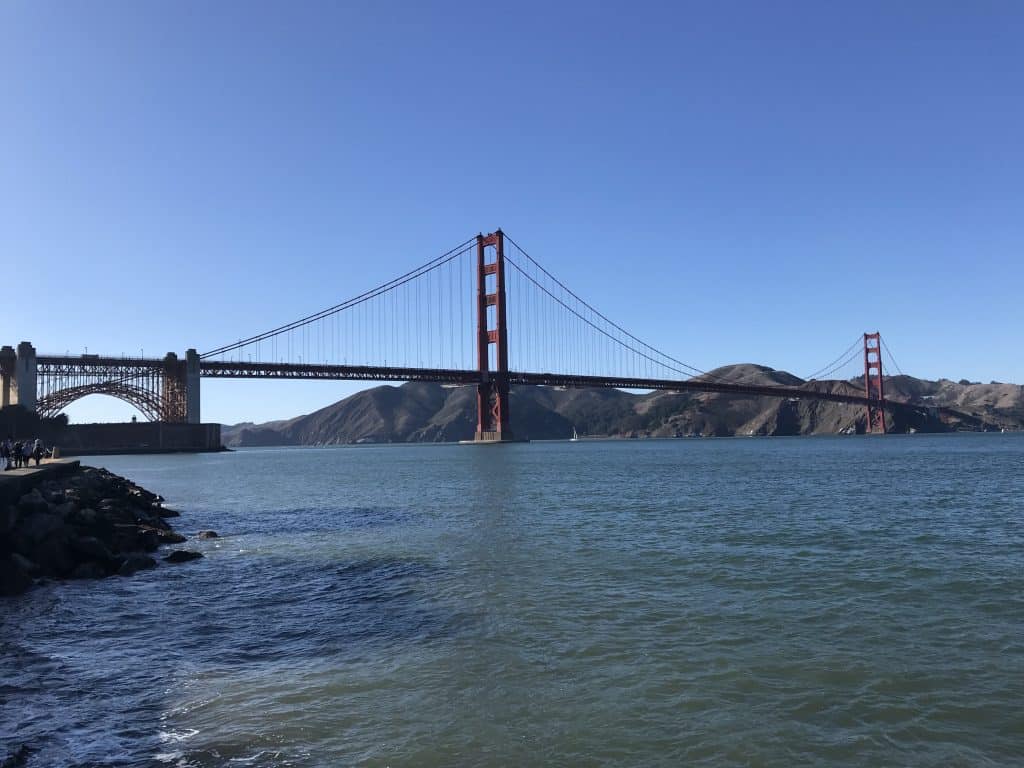
The Golden Gate Bridge is the most famous symbol of San Francisco and a globally recognized icon of engineering. This large suspension bridge spans the Golden Gate, the strait that connects the San Francisco Bay with the Pacific Ocean, linking the city of San Francisco with Marin County to the north. Construction on the bridge began in 1933 and it was officially opened to the public in 1937. At the time of its completion, it was the longest and tallest suspension bridge in the world. The bridge is a key example of Art Deco engineering, designed by chief engineer Joseph Strauss and a team of architects including Irving Morrow, who was responsible for its aesthetic details. It is known for its distinctive “International Orange” color, which was chosen to complement the natural surroundings and to make it more visible in the city’s frequent fog.
Visiting the Golden Gate Bridge offers a variety of experiences for tourists and locals alike. A dedicated walkway allows pedestrians to walk across the 2.7-kilometer-long span, providing direct views of the city, Alcatraz Island, and the bay. Bicyclists also have a dedicated lane for crossing the bridge. There are several famous viewpoints on both sides of the strait that offer excellent photo opportunities. On the San Francisco side, the area around the Welcome Center provides a classic view, while on the Marin County side, the Marin Headlands and Battery Spencer offer elevated panoramic perspectives of the bridge with the city in the background. The bridge is a vital transportation link, carrying thousands of commuters each day.
Alcatraz Island
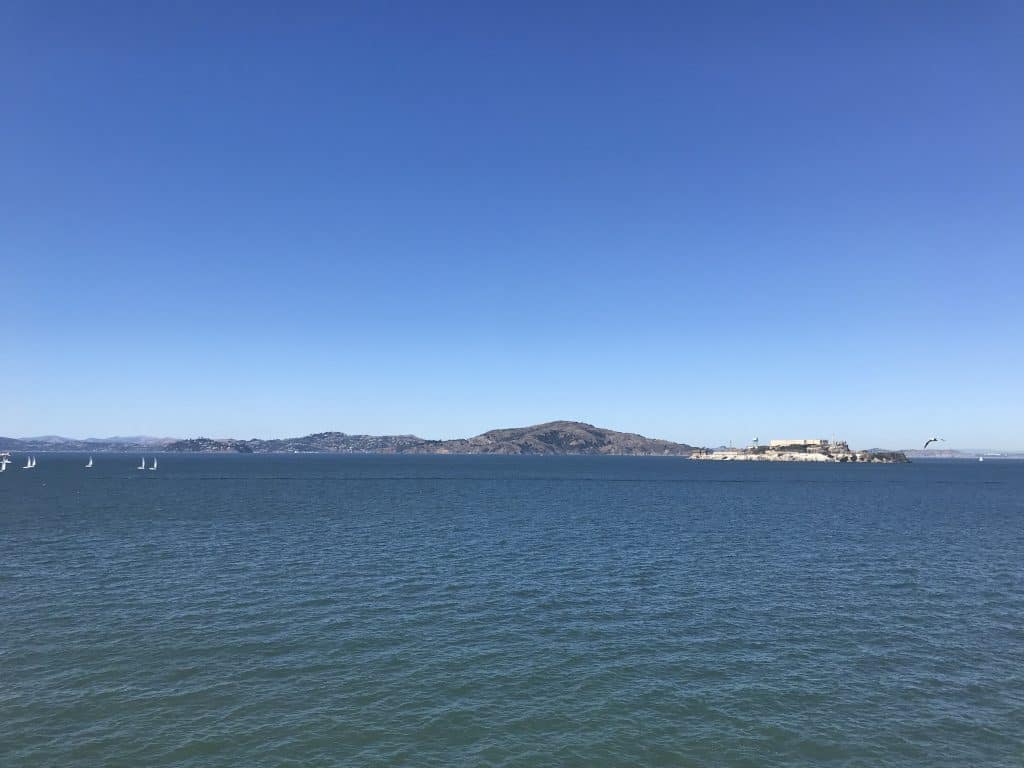
Alcatraz Island is a small island located in the San Francisco Bay, approximately 2 kilometers offshore from the city. The island’s history began as a military fortification in the 19th century, featuring the first operational lighthouse on the West Coast of the United States. It was later used as a long-term military prison. However, the island is most famous for its time as a maximum-security federal penitentiary, which operated from 1934 to 1963. The prison was designed to be an escape-proof facility, housing some of the country’s most notorious criminals, including Al Capone and Robert Stroud, who was known as the “Birdman of Alcatraz.”
Today, the island is a National Park Service site and one of the city’s most popular attractions. Visitors must take a ferry, operated by Alcatraz Cruises from Pier 33, to reach the island. The main feature of a visit is the award-winning self-guided audio tour of the main cellhouse, which includes the voices of former inmates and guards telling their stories. The prison was closed in 1963 due to its high operating costs. The island was also the site of a significant 19-month-long occupation by Native American activists from 1969 to 1971, which was a key event in the movement for Native American rights. Due to its immense popularity, tickets for Alcatraz must be booked many months in advance.
Fisherman’s Wharf
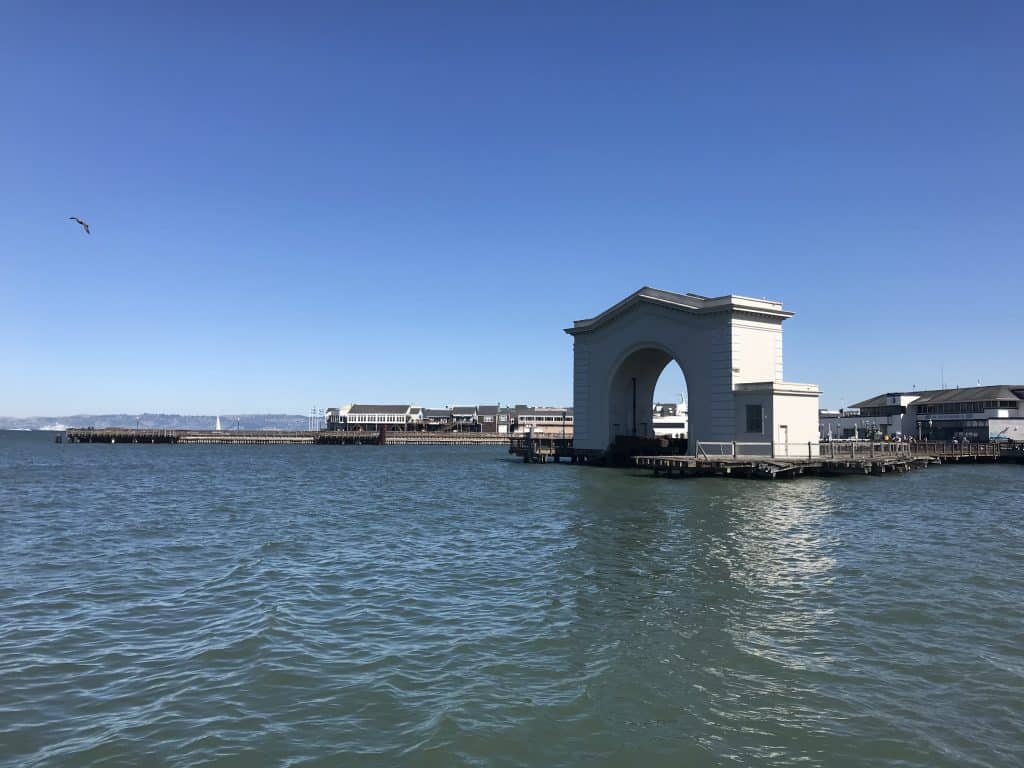
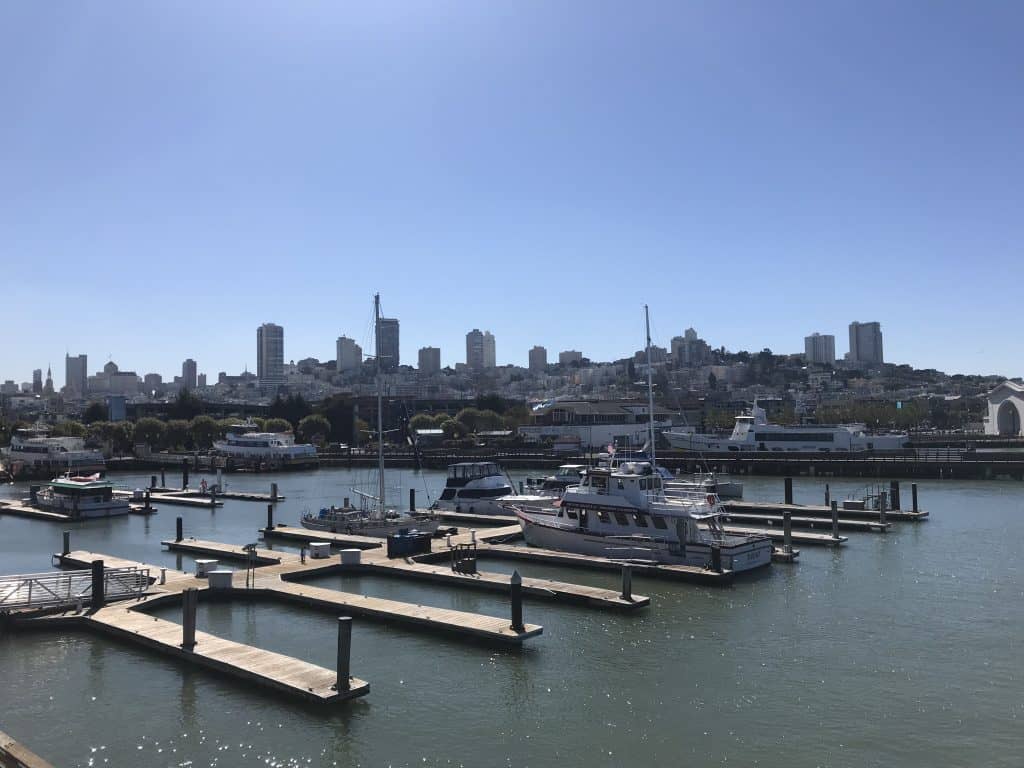
Fisherman’s Wharf is a historic waterfront district and one of the city’s most popular tourist areas. The district is located on the northern waterfront of San Francisco and is known for its numerous seafood restaurants, souvenir shops, and street performers. Its most famous attraction is Pier 39, a large entertainment pier with shops, restaurants, an aquarium, and a classic carousel. The pier is also world-famous for its large resident colony of California sea lions. The sea lions began to arrive in large numbers after the 1989 Loma Prieta earthquake and have since become a protected and beloved feature of the waterfront, with their barks echoing across the pier.
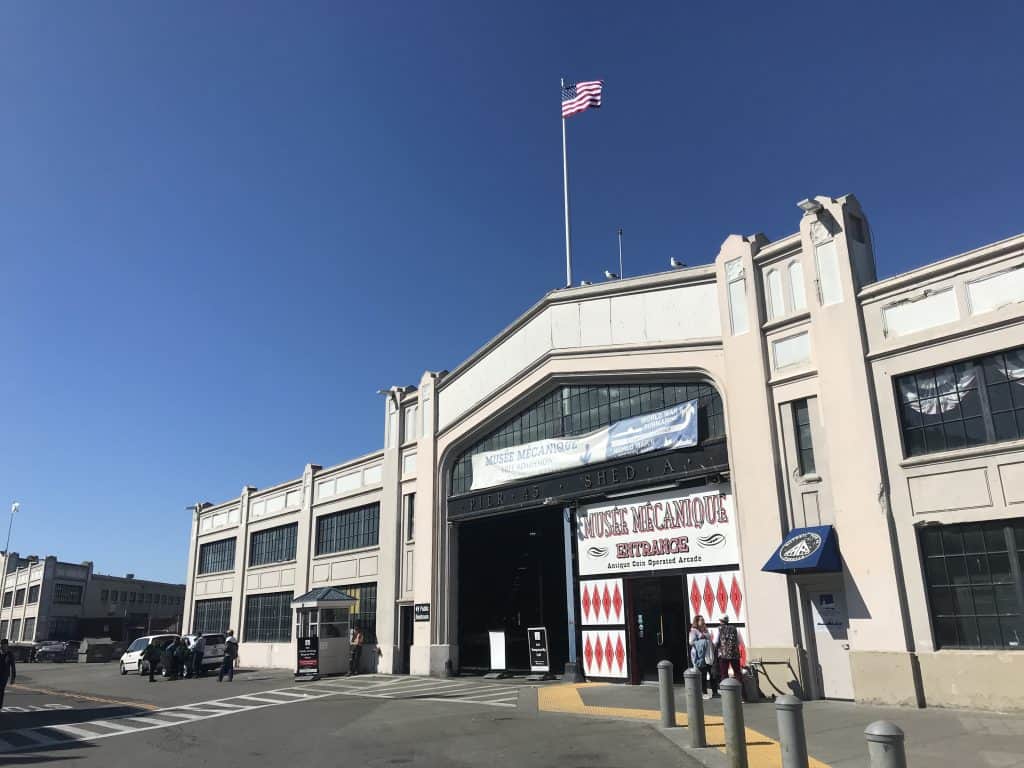
Beyond Pier 39, the wider Fisherman’s Wharf area contains several other points of interest. The district is still an active fishing harbor, and visitors can see the fishing boats and crab stands that are part of its long history. Nearby is Ghirardelli Square, a historic chocolate factory that has been converted into a complex of shops and restaurants. The Musée Mécanique houses a large, private collection of antique, coin-operated arcade games and musical instruments. The area is also the main departure point for ferries to Alcatraz Island and for various bay cruises.
Cable Cars
The San Francisco cable cars are a world-famous, historic mode of transport. They are the last manually operated cable car system in the world. The system was established in the late 19th century and was designed to navigate the city’s steep hills. Three lines are still in operation today. Riding a cable car, particularly while standing on the outside running boards, is a classic San Francisco experience. The Cable Car Museum, which is located in a historic powerhouse, provides a free and fascinating look at the machinery that pulls the cables under the streets.
Golden Gate Park
Golden Gate Park is a large urban park located in the western part of the city. At over 1,000 acres, it is larger than New York’s Central Park. The park was created in the 19th century from a large area of sand dunes. Today, it is a lush and diverse park with numerous attractions. This includes the Japanese Tea Garden, the San Francisco Botanical Garden, and the Conservatory of Flowers. The park is also home to two major museums: the de Young Museum of fine arts and the California Academy of Sciences.
Chinatown
The Chinatown in San Francisco is one of the oldest and largest of its kind in North America. It was established in the 1840s. The main entrance to the neighborhood is the Dragon Gate on Grant Avenue. The area is a vibrant hub of activity, with numerous restaurants, tea houses, and shops selling a wide variety of goods. It is a key cultural center for the Chinese-American community in the city. A walk through the streets of Chinatown provides a look into the long history of Chinese immigration to California.
The Painted Ladies
The “Painted Ladies” is the name given to a row of colorful Victorian and Edwardian houses located on Steiner Street, opposite Alamo Square. These houses are one of the most photographed scenes in the city. The term refers to the practice of painting Victorian houses in three or more colors to embellish their architectural details. The row of houses, with the modern downtown skyline in the background, has been featured in numerous films, TV shows, and advertisements, most famously in the opening credits of the television series Full House.
Lombard Street
Lombard Street is famous for a one-block section in the Russian Hill neighborhood that has eight sharp turns. This winding section was created in the 1920s to reduce the steepness of the hill, which was too dangerous for most vehicles. The street is known as the “crookedest street in the world.” It is a major tourist attraction, with thousands of visitors coming to watch cars navigate the tight turns. The street is lined with flower beds, which adds to its scenic character.
Coit Tower
The Coit Tower is a slender, 64-meter-tall tower located on top of Telegraph Hill. The Art Deco tower was built in 1933. It was funded by a bequest from Lillie Hitchcock Coit, a wealthy socialite who was a patron of the city’s firefighters. The base of the tower’s interior is decorated with a series of murals that were painted in 1934 as part of a public works of art project. These murals depict scenes of life in California during the Great Depression. An elevator takes visitors to the top for panoramic views of the city and the bay.
Mission Dolores
The Mission San Francisco de Asís, more commonly known as Mission Dolores, is the oldest surviving building in San Francisco. The mission was founded in 1776 by Spanish colonists. The current adobe mission church was completed in 1791. The mission’s cemetery is the final resting place for many early San Francisco pioneers. The mission is an active Roman Catholic church and a key historical landmark. It provides a direct link to the city’s Spanish colonial origins.
Palace of Fine Arts
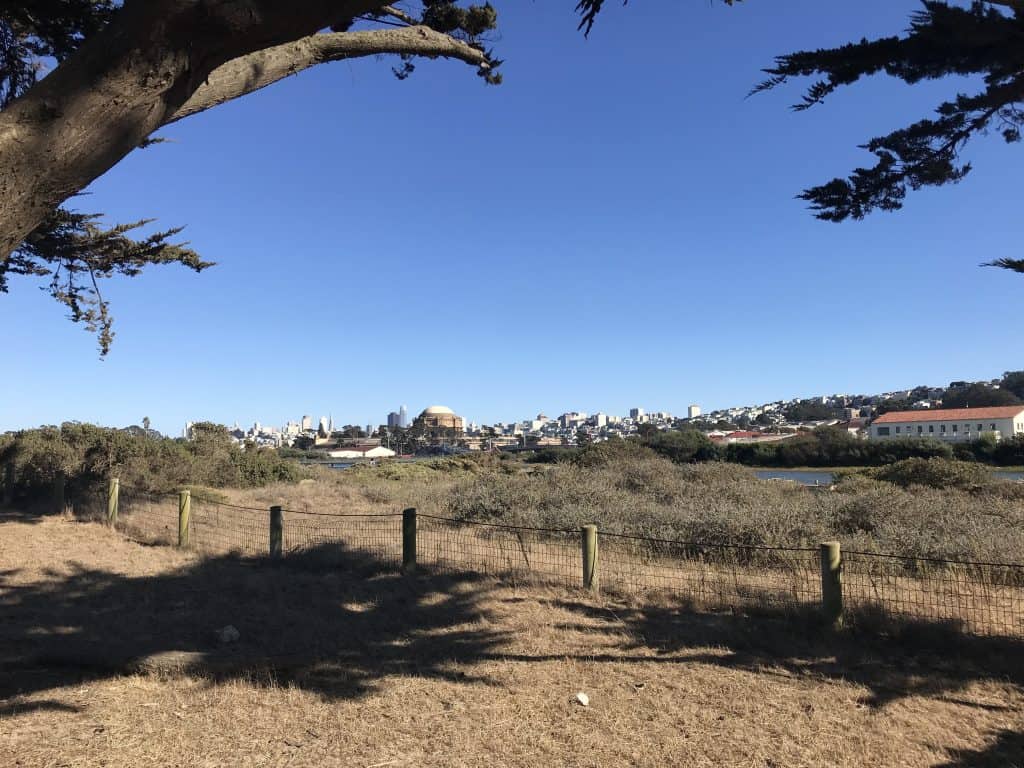
The Palace of Fine Arts is a monumental structure located in the Marina District of San Francisco. It was originally constructed for the 1915 Panama-Pacific Exposition to exhibit works of art. While most of the exposition was demolished, the Palace was preserved. It consists of a large, Greco-Roman style rotunda with colonnades, situated next to a lagoon. The current structure is a concrete reconstruction from the 1960s. The site is a popular location for photography and a key architectural landmark.


Sports in San Francisco
The sporting life in the San Francisco Bay Area is rich and diverse, with professional teams in all major North American sports that have achieved significant national success. The city of San Francisco itself is home to major league teams in baseball and basketball, which play in modern, state-of-the-art venues. The region’s teams have historically cultivated dedicated fanbases that draw support from across Northern California, creating a vibrant and competitive atmosphere. The city’s sporting identity is marked by historic franchises, iconic stadiums, and intense rivalries, particularly with teams from Los Angeles. This makes the Bay Area a key sporting hub on the West Coast.
This combination of historic franchises and modern arenas solidifies the Bay Area’s status as a major sporting center. The city also hosts major annual running events that attract participants from around the world, taking advantage of its unique and challenging topography. Furthermore, the San Francisco Bay itself is a world-class venue for sailing, having hosted the sport’s most prestigious international competition. This creates a dynamic and varied sporting environment throughout the year, with options for spectators of many different athletic pursuits.
Baseball
Baseball has a long and storied history in San Francisco, dating back to the arrival of Major League Baseball on the West Coast in the 1950s. The city’s National League team is one of the oldest and most successful franchises in the sport, with a legacy that began in New York. The team has a dedicated fanbase, and its home games are a key part of the city’s summer culture and social life. The team’s modern ballpark is located on the waterfront and is considered one of the best in the country. The historic rivalry with the Los Angeles Dodgers is one of the most intense in all of American sports, spanning over a century.
San Francisco Giants
The San Francisco Giants are the city’s professional baseball team, competing in Major League Baseball (MLB). The franchise was originally founded in New York in 1883 and moved to San Francisco in 1958. The Giants have won the World Series eight times in their history, with three recent championships in 2010, 2012, and 2014, creating a modern dynasty. They play their home games at Oracle Park, a baseball stadium located on the shores of the San Francisco Bay. The park is known for its views of the bay and McCovey Cove, where home runs can land in the water. The team’s history includes legendary players like Willie Mays, Willie McCovey, and Barry Bonds.
Basketball
Basketball is a very popular sport in the Bay Area, with the region’s professional team being one of the most successful and influential in the National Basketball Association (NBA) in the modern era. After playing for many years in Oakland, the team moved to a new, state-of-the-art arena in San Francisco, making the city a major center for professional basketball. The team’s recent success has created a new generation of fans in the city and across the globe. Their style of play in the 2010s is considered to have revolutionized the sport.
Golden State Warriors
The Golden State Warriors are the region’s professional basketball team, competing in the National Basketball Association (NBA). The team has been extremely successful in the 21st century, establishing a dynasty that has won four NBA championships (in 2015, 2017, 2018, and 2022). The team is known for its exciting, fast-paced style of play, led by players like Stephen Curry. In 2019, the Warriors moved to a new, privately financed, state-of-the-art arena called the Chase Center, which is located in the Mission Bay neighborhood of San Francisco. The arena is the centerpiece of a larger entertainment district.
American Football
American football also has a very strong following in the Bay Area. The region’s professional team is one of the most historic and successful franchises in the National Football League (NFL). The team has a long history of winning championships and has a large and dedicated fanbase known as the “Faithful.” While the team is named for San Francisco and has its historical roots in the city, its modern home stadium is located in the Silicon Valley to the south of the city.
San Francisco 49ers
The San Francisco 49ers are the region’s professional American football team. They compete in the National Football League (NFL). The team is named for the prospectors who arrived in Northern California during the 1849 Gold Rush. The 49ers have a storied history, having won the Super Bowl five times. The team’s greatest period of success was in the 1980s and 1990s, with legendary players like Joe Montana and Jerry Rice. They currently play their home games at Levi’s Stadium, which is located in the city of Santa Clara.
Ice Hockey
Ice hockey is another major professional sport with a strong following in the Bay Area. While the region is not a traditional hockey hotbed like parts of Canada or the US Northeast, the local National Hockey League (NHL) team has built a dedicated and passionate fanbase since its establishment in the 1990s. The sport has grown in popularity at the grassroots level, with the professional team’s presence inspiring youth and amateur leagues throughout Northern California. The fast-paced and physical nature of the sport attracts many spectators. The team is based in San Jose but represents the entire Bay Area, including San Francisco.
San Jose Sharks
The San Jose Sharks are the professional ice hockey team representing the Bay Area in the National Hockey League (NHL). Founded as an expansion team in 1991, they play their home games at the SAP Center at San Jose, which is often referred to as the “Shark Tank.” The team is known for its dramatic pre-game entrance, where players skate onto the ice through a giant, glowing shark head that is lowered from the rafters. While they have not yet won the Stanley Cup, the team’s most successful season was in 2016, when they reached the Stanley Cup Finals. The Sharks have a strong regional rivalry with other West Coast teams like the Los Angeles Kings.
Soccer
Soccer has a growing and dedicated following in the San Francisco Bay Area. The region is represented by a professional team that was one of the founding members of Major League Soccer (MLS). The sport has gained significant popularity, with a strong youth and amateur scene throughout the area. The professional club represents the entire Bay Area, from the North Bay down through Silicon Valley. While the team is not based directly in San Francisco, it draws supporters from the city for its home matches.
San Jose Earthquakes
The main professional soccer club representing the Bay Area is the San Jose Earthquakes. The team competes in Major League Soccer (MLS) and was one of the league’s ten charter members when it was founded in 1996. The Earthquakes have won the MLS Cup twice, in 2001 and 2003. They play their home games at PayPal Park, a modern, soccer-specific stadium located in San Jose. The team has a strong local rivalry with the LA Galaxy, which is known as the “California Clásico.”
Running
San Francisco is a major center for running, with a large and active community of recreational and competitive runners. The city’s unique and challenging topography, with its steep hills, provides a demanding training ground. The scenic routes along the waterfront and through Golden Gate Park are popular with joggers. The city hosts several major annual road races that attract thousands of participants.
Bay to Breakers
The Bay to Breakers is a famous annual footrace that takes place in San Francisco. The race was first held in 1912, making it one of the oldest and largest footraces in the world. The course is 12 kilometers long and runs from the northeast end of the downtown area near the San Francisco Bay (the “Bay”) to the Great Highway on the western end of the city, where the waves of the Pacific Ocean break on the shore (the “Breakers”). The race is famous for its festive, party-like atmosphere, with many participants running in elaborate costumes. It is a key part of the city’s cultural and sporting calendar.
Sailing
The San Francisco Bay is a world-class venue for sailing. The bay is known for its strong and consistent winds, challenging tidal currents, and iconic scenery, including the Golden Gate Bridge and Alcatraz Island. This makes it a popular destination for both recreational sailing and major international competitions. The city has numerous yacht clubs and marinas that support a large and active sailing community. The challenging conditions of the bay have produced many world-class sailors who have competed at the highest levels of the sport.
America’s Cup
The city hosted the 34th America’s Cup in 2013. This is the most prestigious and oldest international sailing competition in the world. The races were held directly in the San Francisco Bay, between the Golden Gate Bridge and Alcatraz Island. This provided a natural amphitheater for spectators to watch the racing up close. The event featured high-tech, foiling AC72 catamarans. The final match is famous for one of the greatest comebacks in sports history, with Oracle Team USA winning the cup after being down 8-1 to Emirates Team New Zealand.


Getting Around in San Francisco
Navigating San Francisco requires an understanding of its unique geography and its diverse public transport system. The city’s famous steep hills can make walking challenging in some areas, but the historic core is very walkable. The city’s public transport network is a complex mix of buses, light rail, historic streetcars, and the famous cable cars. For travel to the wider Bay Area, a regional rapid transit system is key. A car is often not recommended for visitors due to the difficult driving conditions and limited parking.
The primary public transport within the city is the San Francisco Municipal Railway, universally known as Muni. This system includes buses, trolleybuses, light rail (Muni Metro), and the historic streetcars and cable cars. The Clipper Card is a reusable smart card that can be used on Muni and all other major public transport systems in the Bay Area, including the BART rapid transit system. A visitor passport offering unlimited Muni rides for 1, 3, or 7 days can be an economical option.
On Foot and by Cable Car
Walking is the best way to explore many of San Francisco’s most famous neighborhoods, such as Chinatown, the Mission District, and North Beach. However, be prepared for very steep hills. The city’s historic cable cars are both a tourist attraction and a practical way to travel up and down some of the steepest hills. The three remaining lines serve the popular routes between the downtown area and Fisherman’s Wharf. Riding the cable car is a classic San Francisco experience.
Riding the Muni
The Muni system is the backbone of public transport within the city. The Muni Metro is a light rail system that runs underground in the downtown core and on the surface in the outer neighborhoods. The historic F-Market & Wharves streetcar line uses a fleet of restored vintage streetcars from around the world and runs along the waterfront. The extensive network of buses and trolleybuses covers all parts of the city and is the most common way for residents to get around.
The BART System
The Bay Area Rapid Transit (BART) system is a heavy rail rapid transit network that connects San Francisco with the East Bay cities of Oakland and Berkeley, as well as with San Francisco International Airport (SFO) and other parts of the Bay Area. BART is primarily a commuter rail system for longer-distance travel. The system runs under Market Street in downtown San Francisco, where it shares several stations with the Muni Metro.
On Two Wheels: Cycling
Cycling is a popular mode of transport in San Francisco, but it can be very challenging due to the steep hills. The city has been expanding its network of dedicated and protected bike lanes to make cycling safer. The most popular recreational cycling route is across the Golden Gate Bridge. Several companies offer bicycle rentals, including electric bikes, which can make it easier to navigate the city’s terrain. The city also has a bike-sharing scheme.


How to Get to San Francisco?
Reaching San Francisco is convenient, as it is a major international gateway and a primary hub for transport in the western United States. The city is served by three major international airports and is well-connected to the national road and rail networks. This makes it highly accessible from all parts of the world.
Arriving by Air: A Choice of Three Airports
The San Francisco Bay Area is served by three major international airports. The main gateway is San Francisco International Airport (SFO), located about 21 kilometers south of the city. It is a major hub for United Airlines and Alaska Airlines and offers extensive global connections. Oakland International Airport (OAK) is located across the bay and is a hub for Southwest Airlines. Norman Y. Mineta San José International Airport (SJC) is located to the south in Silicon Valley. All three airports are connected to the city by the BART rapid transit system.
The Open Road: Driving the Highways
Driving to San Francisco offers flexibility for exploring California. The city is connected to several major US highways. U.S. Route 101 is the main north-south route that runs directly through the city. Interstate 80 (I-80) is a major east-west route that has its western terminus in San Francisco, connecting the city with the rest of the country. Interstate 280 (I-280) is another major route that connects to the south. Driving within the city itself can be very challenging due to steep hills, one-way streets, and very limited parking.
On Track: A Journey by Rail
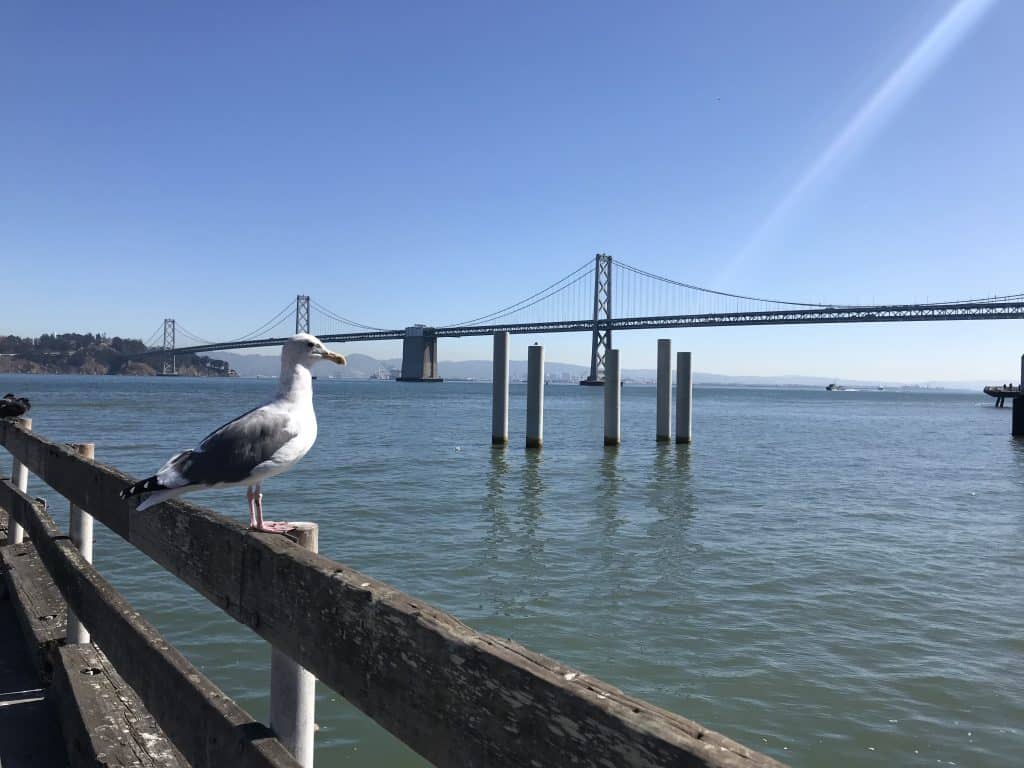
Traveling to San Francisco by train is an option, though the main long-distance station is located across the bay. Amtrak, the national passenger rail corporation, serves the Bay Area. The main station is in Emeryville, just outside of Oakland. From there, an Amtrak Thruway Motorcoach bus service provides the final connection across the Bay Bridge to several stops in San Francisco. Caltrain, a commuter rail service, also connects San Francisco from its station at 4th and King Streets with cities to the south, including San Jose.
Connecting by Coach
Long-distance bus services from companies like Greyhound and FlixBus connect San Francisco with many cities across the United States. The main bus terminal for some of these services is located at the Salesforce Transit Center in the downtown area. This provides an economical option for reaching the city. The bus is a common way to travel between San Francisco and Los Angeles.
The Pacific Route: Arriving by Sea
The Port of San Francisco has a cruise ship terminal located at Pier 27. The port is a regular port of call for numerous international cruise ships. These cruises often travel along the Pacific coast of North America, to destinations like Alaska, Hawaii, and Mexico. While there are no regular international passenger ferry services to San Francisco, arriving by cruise ship is a popular way for tourists to visit the city.
Driving Distances
The driving distance from 20 regional cities, according to Google Maps:
- San Jose, CA, USA – 77 kilometers (1 h 00 min)
- Sacramento, CA, USA – 142 kilometers (1 h 40 min)
- Los Angeles, CA, USA – 616 kilometers (6 h 10 min)
- San Diego, CA, USA – 809 kilometers (8 h 00 min)
- Las Vegas, NV, USA – 917 kilometers (9 h 00 min)
- Portland, OR, USA – 1,020 kilometers (10 h 10 min)
- Salt Lake City, UT, USA – 1,200 kilometers (11 h 30 min)
- Phoenix, AZ, USA – 1,211 kilometers (11 h 40 min)
- Seattle, WA, USA – 1,300 kilometers (13 h 00 min)
- Vancouver, BC, Canada – 1,530 kilometers (15 h 30 min)
- Denver, CO, USA – 1,996 kilometers (19 h 20 min)
- Dallas, TX, USA – 2,800 kilometers (1 d 3 h 00 min)
- Austin, TX, USA – 2,836 kilometers (1 d 3 h 00 min)
- Houston, TX, USA – 3,066 kilometers (1 d 5 h 00 min)
- Chicago, IL, USA – 3,425 kilometers (1 d 8 h 00 min)
- New Orleans, LA, USA – 3,618 kilometers (1 d 10 h 00 min)
- Toronto, ON, Canada – 4,000 kilometers (1 d 14 h 00 min)
- New York, NY, USA – 4,685 kilometers (1 d 19 h 00 min)
- Miami, FL, USA – 4,892 kilometers (1 d 20 h 00 min)
- Boston, MA, USA – 5,000 kilometers (1 d 22 h 00 min)
Looking to Explore more of the United States and the Americas?