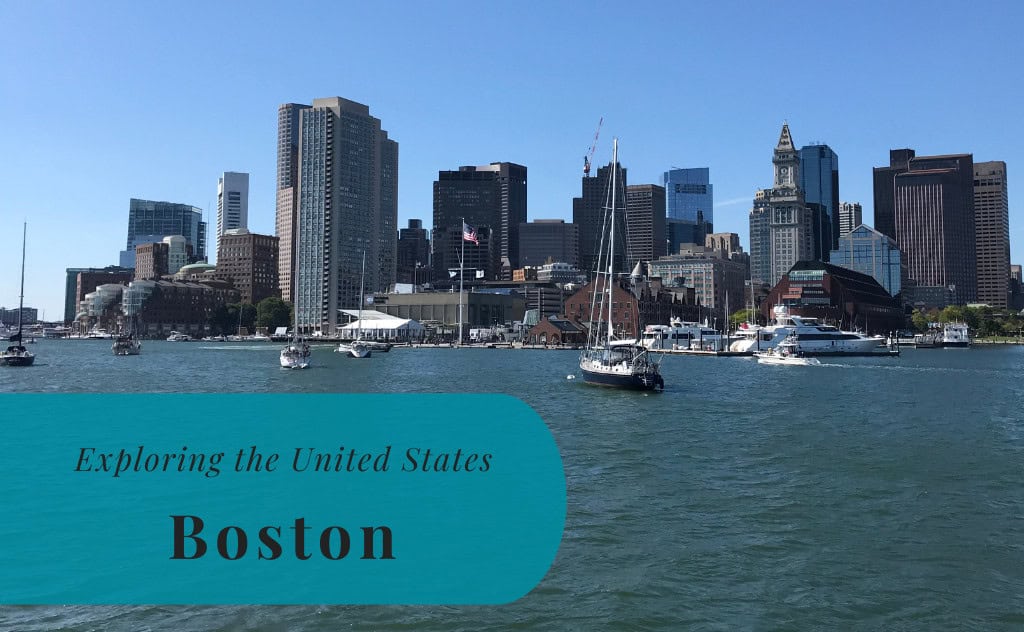
Boston, Massachusetts | Exploring the United States
Boston is the capital of the Commonwealth of Massachusetts and a major city in the United States. It is situated on a peninsula in Massachusetts Bay, at the mouth of the Charles River. With a city proper population of approximately 650,000 residents, it is the largest city in the New England region. The wider Greater Boston metropolitan area is home to over 4.9 million people, making it one of the country’s most significant urban areas. Boston is a global center for academia, biotechnology, and finance.
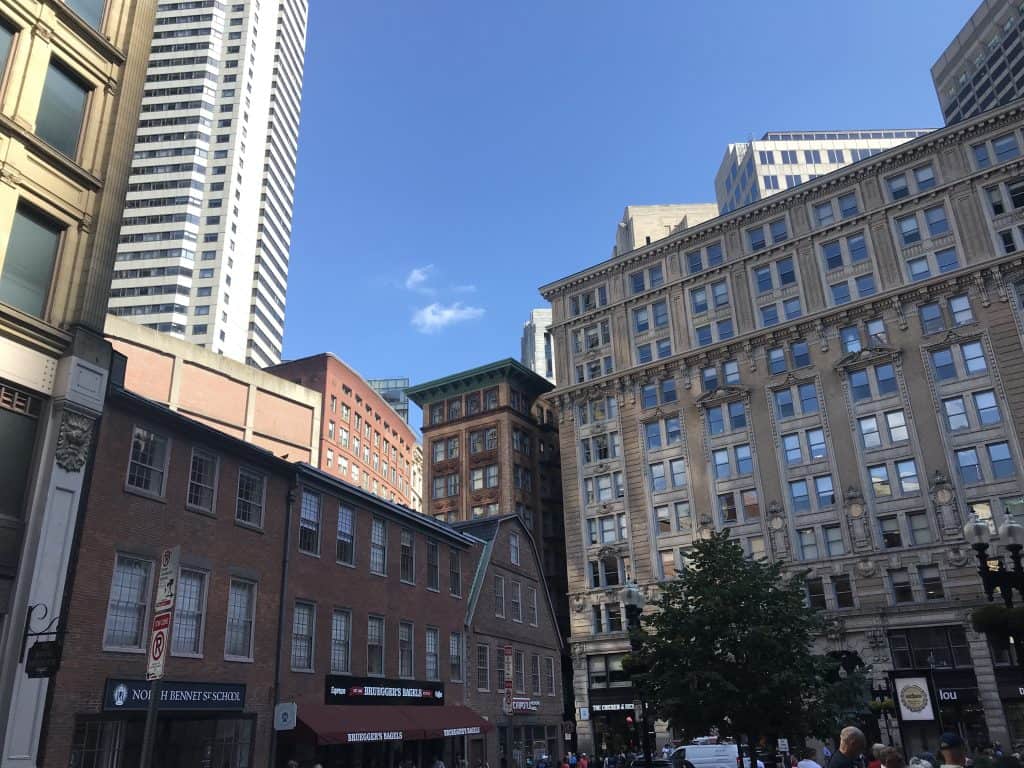
The city’s geography is characterized by its irregular coastline and numerous islands in the Boston Harbor. Much of the city’s modern land area, particularly in neighborhoods like the Back Bay, was created through extensive land reclamation projects that expanded its original small peninsula. Boston is home to diverse and well-known neighborhoods. Beacon Hill contains historic brownstones on cobblestone streets, while the Back Bay features Victorian architecture and high-end shops. The North End is known for its Italian-American heritage, and the redeveloped Seaport District showcases modern architecture.
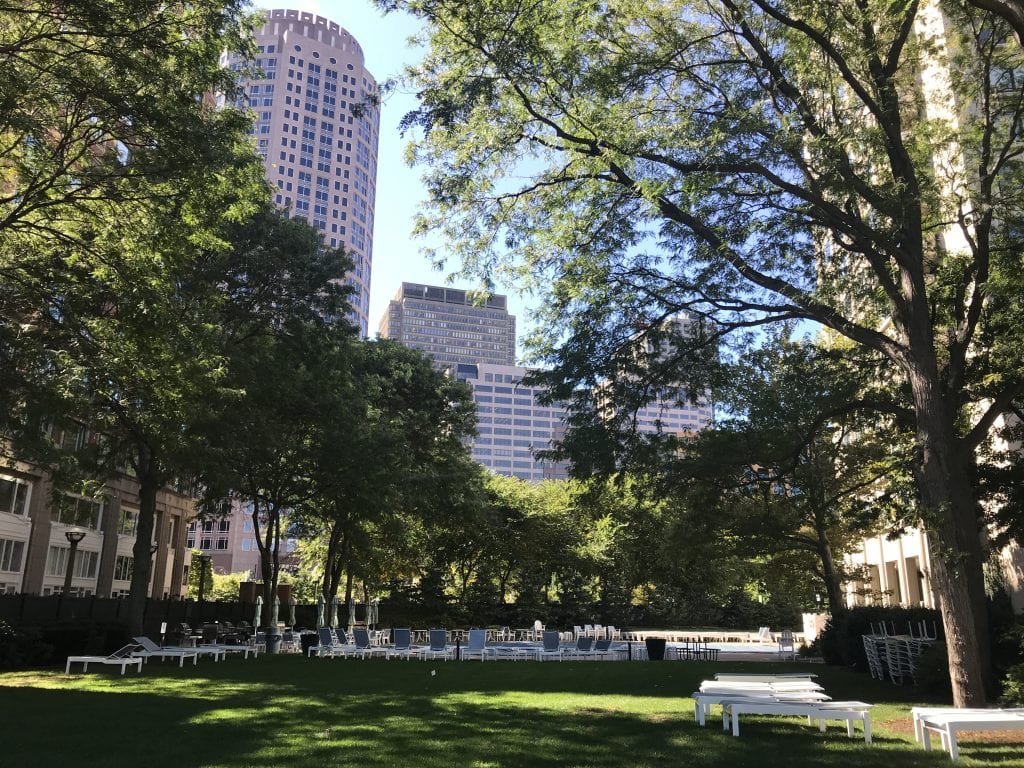
Despite its urban density, Boston contains significant green spaces, including the historic Boston Common and the interconnected Emerald Necklace park system. Its coastal location on the Atlantic Ocean has made it a major port city with a thriving maritime heritage since its founding. The city is a key economic and cultural anchor for the six New England states. Nearby cities include Cambridge, home to Harvard University and MIT, which lies just across the Charles River.


Good to Know When Visiting Boston
To help with planning a visit, here are several practical points covering daily essentials, timing, and efficient exploration of the city. Understanding these details can make a trip to Boston more convenient. This information is intended to provide a general overview for travelers preparing to visit this major American city.
The Daily Essentials
The official currency used in Boston is the United States Dollar (USD). While credit and debit cards are accepted nearly everywhere, it is useful to have some cash for smaller purchases, food trucks, or tips. The official language is English. Tipping is a standard and expected practice in the United States to cover for low wages in restaurants. A tip of 18-20% of the pre-tax bill is customary for good service. It is also standard to tip bartenders, hotel staff, and tour guides. The tap water in Boston is of high quality and is safe to drink. The electrical system uses Type A and B sockets with a standard voltage of 120V, so most international visitors will need a voltage converter and a plug adapter. Boston is a generally safe city, but visitors should be mindful of their surroundings and belongings in crowded tourist areas and on public transport.
Planning Your Calendar
Boston experiences four distinct seasons, so the best time to visit often depends on personal preference for weather and events. The spring (April-June) and autumn (September-October) offer mild and pleasant weather, which is ideal for walking the city’s historic trails. The summer months are warm and can be humid, and this is the peak tourist season. The winter is cold, with a high chance of snow. The city’s most famous event is the Boston Marathon, held on Patriots’ Day on the third Monday in April. The Fourth of July celebrations are also a major event, featuring a large concert by the Boston Pops Orchestra and a fireworks display over the Charles River. For a first-time visitor, three to four full days is generally sufficient to see the main historic sights and explore a few neighborhoods.
A Tourist’s Toolkit for Exploration
The historic core of Boston is very compact and is best explored on foot. The Freedom Trail is a marked path that guides visitors between major historical sites. For longer distances, the public transport system, the MBTA, is efficient. A key tool for visitors is the CharlieCard or CharlieTicket, which are used to pay fares on the subway and buses. For visitors planning to see many attractions, the Go City Boston Pass can be an economical option, as it offers admission to dozens of museums and tours for a single price. It is highly advisable to book tickets for popular attractions like whale watching tours or Fenway Park tours in advance, especially during the busy summer months. Many museums offer free or discounted admission on certain days or evenings, so it is worth checking their official websites.


A Short History of Boston
Boston’s history began with its founding on September 17, 1630, by Puritan colonists from England led by John Winthrop. They established the Massachusetts Bay Colony on the Shawmut Peninsula. The city quickly became a prominent port and an intellectual and religious center for the region. Its early history was marked by its key role in the events leading up to the American Revolution. Following independence, the city grew into a major industrial and financial hub, shaped by waves of immigration. Its journey through urban decline and modern renewal in the 20th century has led to its current status as a global center for education and technology.
A Center of the American Revolution
Boston was a hotbed of revolutionary sentiment against British rule in the 18th century. Tensions over British taxation and military presence led to several key events that ignited colonial resistance. The Boston Massacre in 1770, where British soldiers fired on a crowd of colonists, became a major point of propaganda for the patriot cause. In 1773, colonists disguised as Native Americans dumped British tea into the harbor during the Boston Tea Party, protesting the Tea Act.
These acts of defiance were met with punitive measures by the British government, which only further inflamed the situation. The first major military engagements of the American Revolutionary War took place just outside Boston at Lexington and Concord in April 1775. The subsequent Battle of Bunker Hill in June 1775, though a tactical victory for the British, was a strategic one for the colonists as it demonstrated their ability to stand up to the professional British army. Boston served as a vital strategic location throughout the conflict, symbolizing the fight for American independence.
Industrial Hub and Immigration
In the 19th century, Boston continued to grow as a major port city and industrial hub. The textile industry thrived in the surrounding towns of New England, with Boston serving as the financial and shipping center for these operations. The city’s elite, often referred to as the “Boston Brahmins,” were wealthy families who controlled much of the city’s commerce and culture. This period saw the city’s land area expand significantly through ambitious land reclamation projects, particularly in the Back Bay neighborhood.
The 19th century also saw waves of immigration that transformed the city’s demographic and cultural landscape. The largest group was the Irish, who began arriving in huge numbers during the Great Famine of the 1840s. They were followed by other groups from Italy, Eastern Europe, and elsewhere. Boston became a leading voice in the abolitionist movement, with prominent figures like William Lloyd Garrison publishing the anti-slavery newspaper, The Liberator. The city also fostered a significant literary and intellectual movement, the Transcendentalists, with authors like Ralph Waldo Emerson and Henry David Thoreau shaping American thought.
Urban Renewal and a Modern Hub
The 20th century saw Boston face new challenges. The decline of the regional textile industry and other manufacturing led to economic stagnation. By the mid-20th century, urban blight became a concern in many neighborhoods. In response, the city underwent significant urban renewal projects. The most notable and complex of these was the “Big Dig” highway project, which took place from 1991 to 2007. This massive undertaking rerouted the main elevated central artery highway into a series of underground tunnels, reconnecting the downtown area with the North End and the waterfront.
This period of renewal also saw Boston transform into a global leader in higher education, healthcare, biotechnology, and high-tech industries. This growth was fueled by its numerous world-class universities and research institutions, such as Harvard University and the Massachusetts Institute of Technology (MIT) in nearby Cambridge. Today, Boston stands as a city that has successfully blended historical preservation with modern innovation. Its economy is now largely based on knowledge, finance, and services.


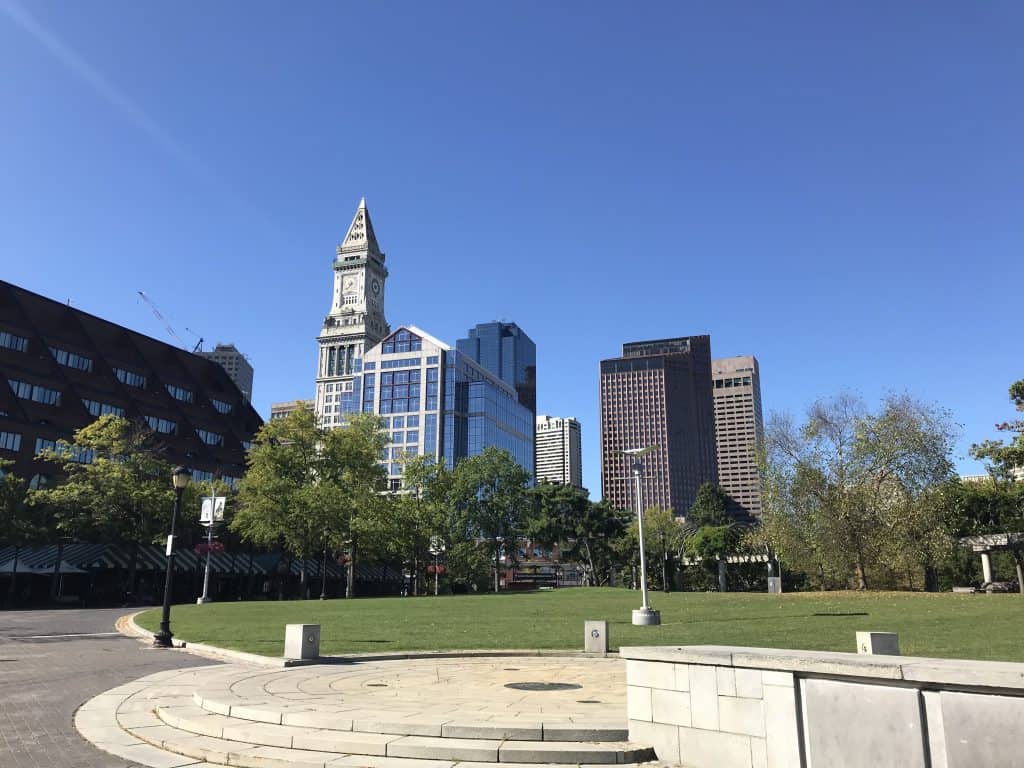
Things to Do and See
Boston offers a range of attractions that showcase its layered history, architecture, and cultural scene. Visitors can follow the historic Freedom Trail, which connects many of the most important Revolutionary War sites. The city’s extensive park system provides large green spaces for recreation. Historic homes, world-class museums, famous sports venues, and a modern aquarium also provide a rich tapestry of experiences for visitors.
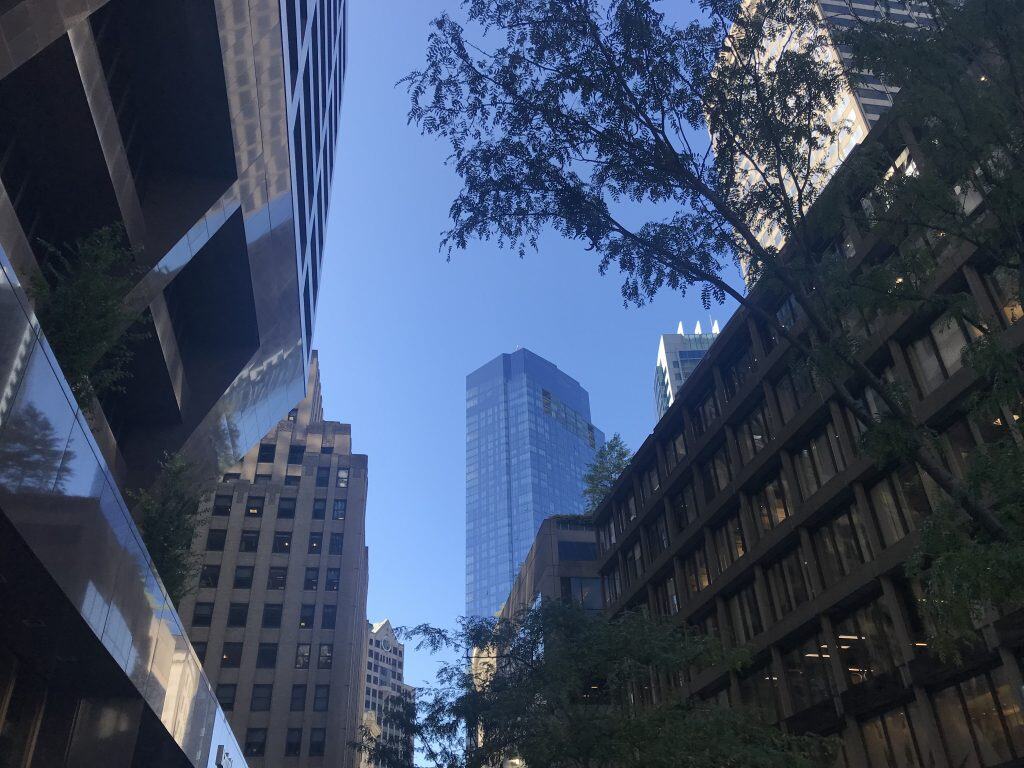
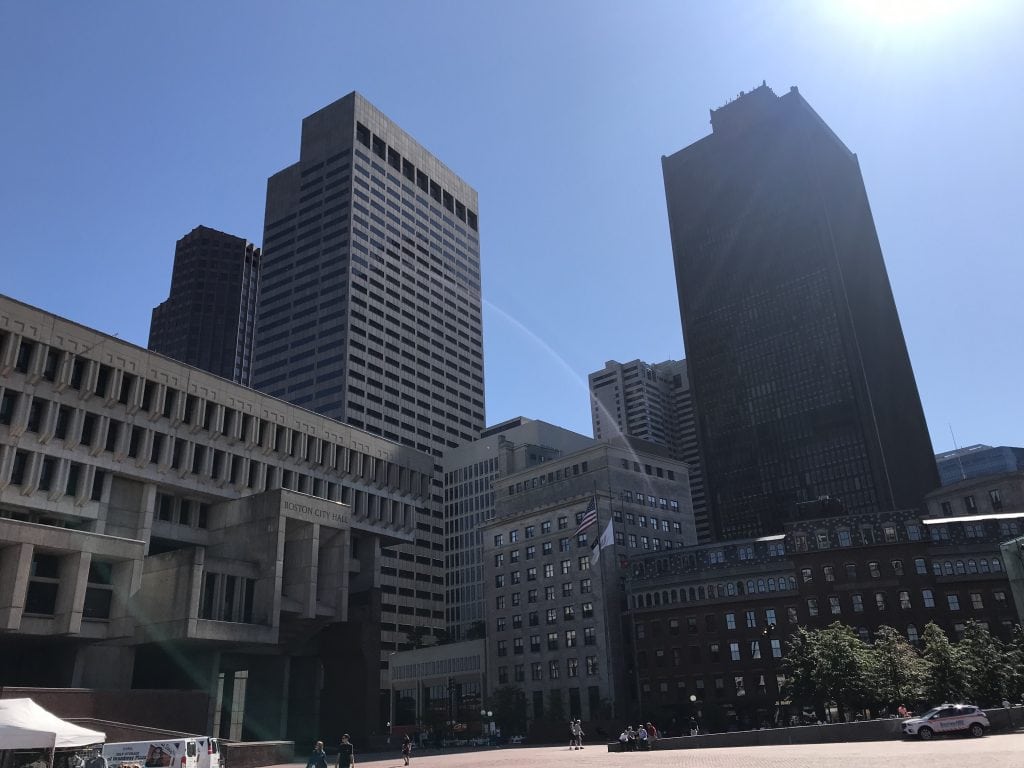
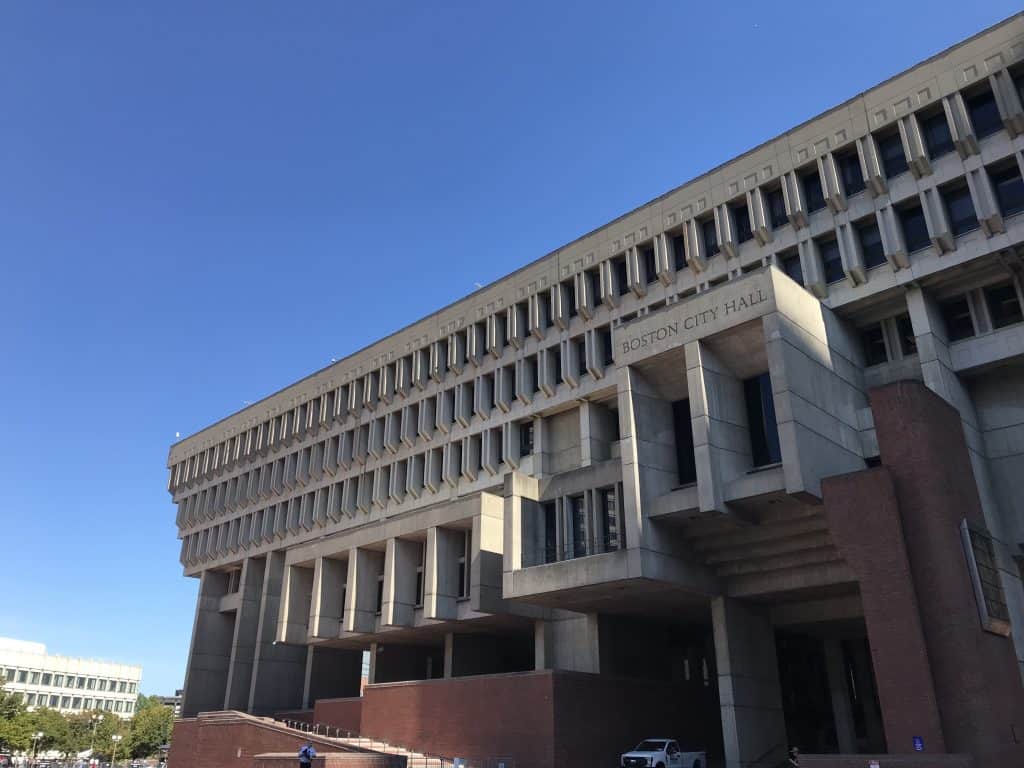
Many of the most important sights are concentrated in the downtown area and are accessible on foot. The city’s layout, with its narrow, winding streets in the older sections and grand boulevards in the newer ones, reflects its long history of development. From the cobblestones of Beacon Hill to the modern architecture of the Seaport District, the city’s neighborhoods each offer a different character.
The Freedom Trail
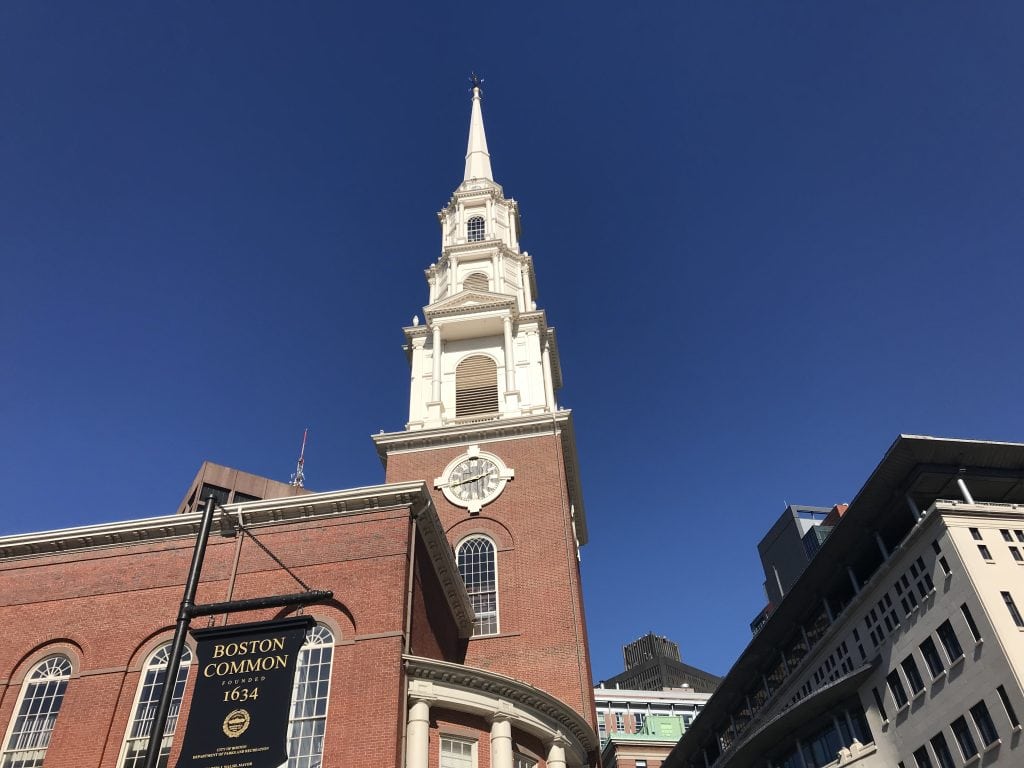
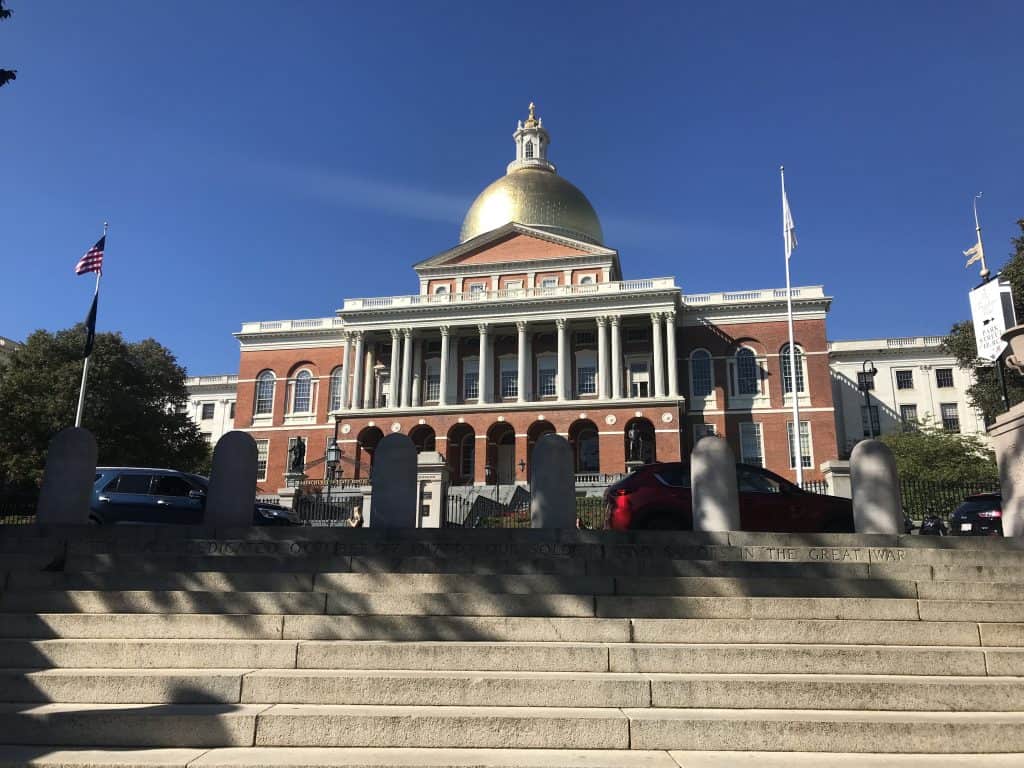
The Freedom Trail is a 4-kilometer (2.5-mile) walking trail marked by a red line of paint or bricks on the sidewalk. It connects 16 of Boston’s most historically significant sites. These sites played crucial roles in the lead-up to and during the American Revolution. Key stops include the Boston Common, the Massachusetts State House, Park Street Church, the Old State House, the site of the Boston Massacre, Faneuil Hall, the Paul Revere House, and the Old North Church. The trail concludes in Charlestown with the USS Constitution and the Bunker Hill Monument. It offers a direct way to experience Boston’s revolutionary past. Visitors can follow the trail at their own pace or join a guided tour.
Boston Common
Boston Common is America’s oldest public park, dating back to 1634. The Puritans purchased the land for public use, originally for grazing cattle. This historic park covers 50 acres (20 hectares) and is the starting point of the Freedom Trail. It served as a camp for British soldiers during the American Revolution. Over the centuries, it has been the site of public speeches, protests, and celebrations. Today, it is a central green space for relaxation and events. The Frog Pond is a well-known feature, used as a spray pool in summer and for public ice skating in winter.
Faneuil Hall Marketplace
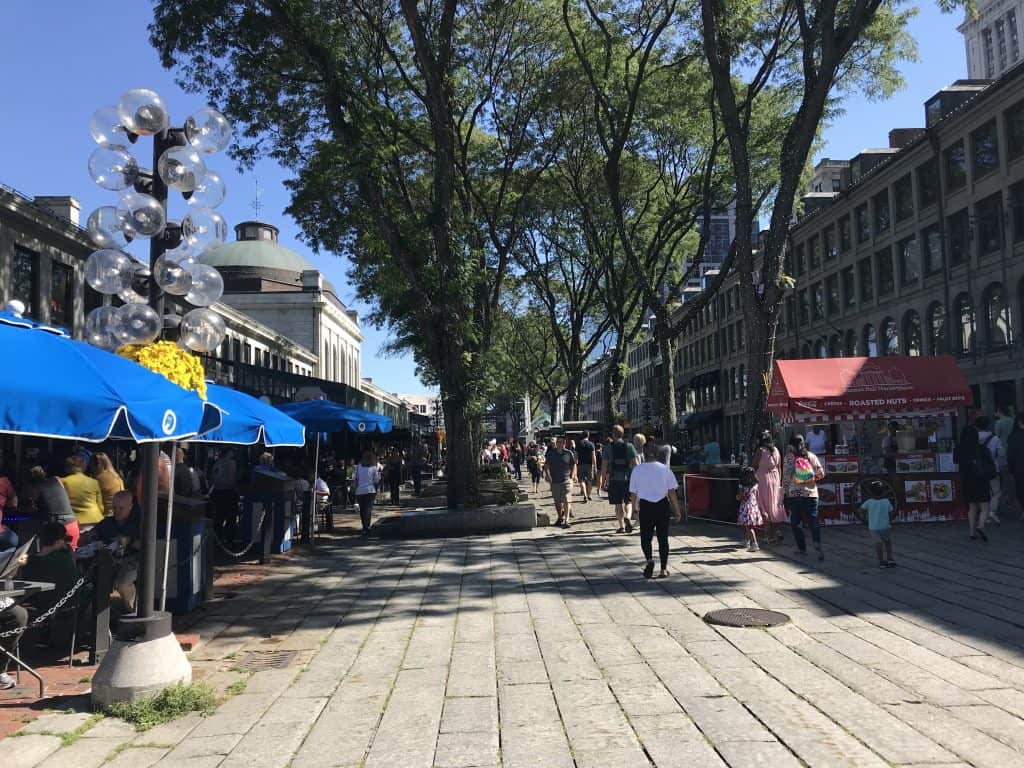
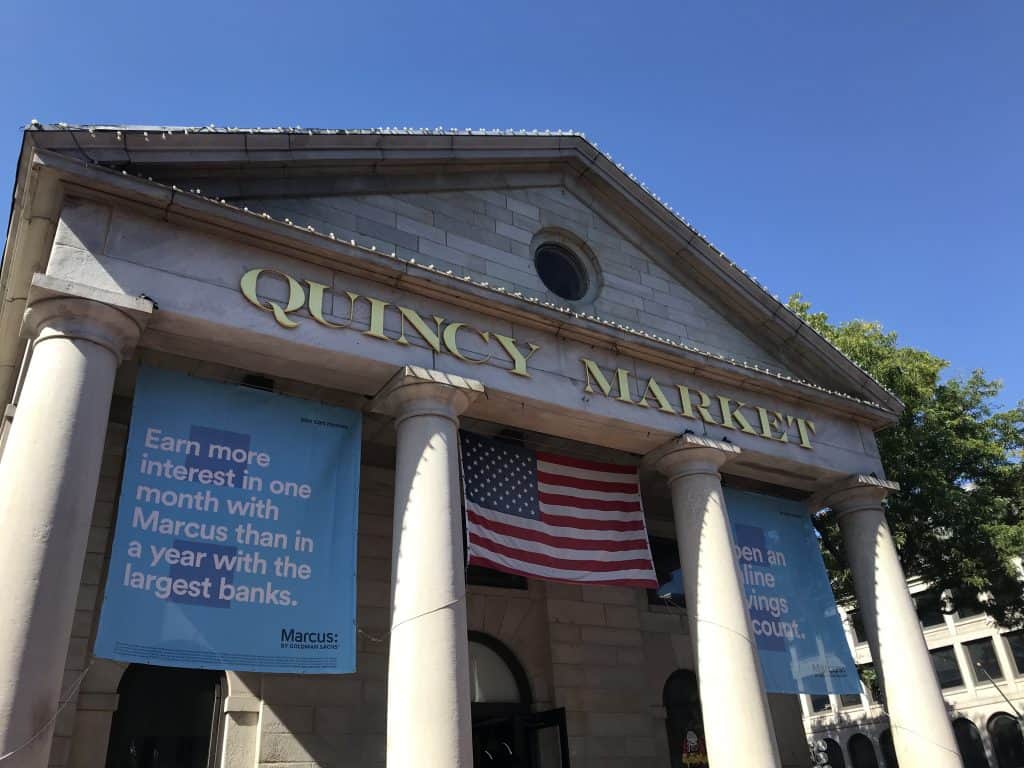
The Faneuil Hall Marketplace is an urban marketplace and historic landmark located near the waterfront. The main building, Faneuil Hall, was built in 1742 and served as a meeting place for revolutionaries like Samuel Adams, earning it the nickname “the Cradle of Liberty.” Today, the marketplace includes four historic buildings: Faneuil Hall, Quincy Market, North Market, and South Market. Quincy Market, a large granite building from 1826, is a famous food hall with dozens of vendors. The marketplace attracts over 18 million visitors annually and features numerous shops, restaurants, and street performers.
Paul Revere House
The Paul Revere House is the oldest residential building in downtown Boston. Built around 1680, it was the home of American patriot Paul Revere from 1770 to 1800. It is a rare surviving example of 17th-century wooden architecture in a major American city. The house is now a museum that has been restored to its late 18th-century appearance. Visitors can explore the preserved rooms and learn about Revere’s life as a silversmith and his famous midnight ride to warn of the British advance in 1775. It offers a tangible link to revolutionary history.
USS Constitution
The USS Constitution, nicknamed “Old Ironsides,” is the world’s oldest commissioned warship still afloat. Launched in 1797, this three-masted wooden-hulled heavy frigate is a national symbol. It gained fame during the War of 1812 against Great Britain, where it won several key victories. It famously defeated the British warship HMS Guerriere, during which cannonballs appeared to bounce off its thick oak hull, earning it its nickname. The ship is docked at the Charlestown Navy Yard and is maintained by active-duty U.S. Navy sailors. Visitors can board the ship for tours and learn about its history at the adjacent USS Constitution Museum.
Museum of Fine Arts (MFA)
The Museum of Fine Arts (MFA) is one of the largest and most comprehensive art museums in the United States. Founded in 1870, its collection numbers nearly 500,000 works. It is particularly known for its extensive collections of Egyptian artifacts, French Impressionist and Post-Impressionist paintings, and Asian art. The Art of the Americas wing showcases works from across North, Central, and South America. Notable works by artists like Monet, Renoir, and Van Gogh are displayed. The museum attracts over a million visitors annually and is a key cultural institution in the city.
Isabella Stewart Gardner Museum
The Isabella Stewart Gardner Museum is a unique art museum housed in a building designed to resemble a 15th-century Venetian palace. The museum was built in 1903 to house the private collection of its founder, Isabella Stewart Gardner. The building features a magnificent central courtyard filled with plants and sculptures. The museum displays a collection of European, Asian, and American art, including paintings, sculptures, and tapestries. In 1990, the museum was the site of the largest art heist in U.S. history, when 13 works of art were stolen. The empty frames still hang in their original places in tribute to the missing works.
Boston Tea Party Ships & Museum
The Boston Tea Party Ships & Museum is an interactive historical museum located on a floating barge in the Fort Point Channel. It commemorates the famous Boston Tea Party of 1773. The experience includes a guided tour with historical reenactors. Visitors can board full-scale replicas of the 18th-century sailing ships, the Beaver and the Eleanor. A key part of the tour is the opportunity for visitors to throw symbolic “tea” crates into the harbor. The museum features interactive exhibits and historical artifacts, providing an immersive look at the events that led to the American Revolution.
Fenway Park
Fenway Park, home of the Boston Red Sox, is one of baseball’s most historic ballparks. Opened in 1912, it is known for several unique features. This includes the “Green Monster,” a 37-foot-high left-field wall, and the “Pesky’s Pole” in right field. It is the oldest active ballpark in Major League Baseball. Its compact size and unusual dimensions contribute to its character. Visitors can take guided tours of the park year-round, which offer behind-the-scenes access to the press box and the top of the Green Monster.
New England Aquarium
The New England Aquarium is a major public aquarium located on Boston’s Central Wharf. Opened in 1969, it houses thousands of aquatic animals. Its centerpiece is the Giant Ocean Tank, a four-story, 200,000-gallon cylindrical tank with a coral reef habitat. This tank features sharks, sea turtles, stingrays, and hundreds of Caribbean fish. The aquarium is a leader in marine conservation and research. It also includes a penguin exhibit, a sea lion show, and an adjacent IMAX theatre. It attracts over 1.3 million visitors annually.



Sports in Boston
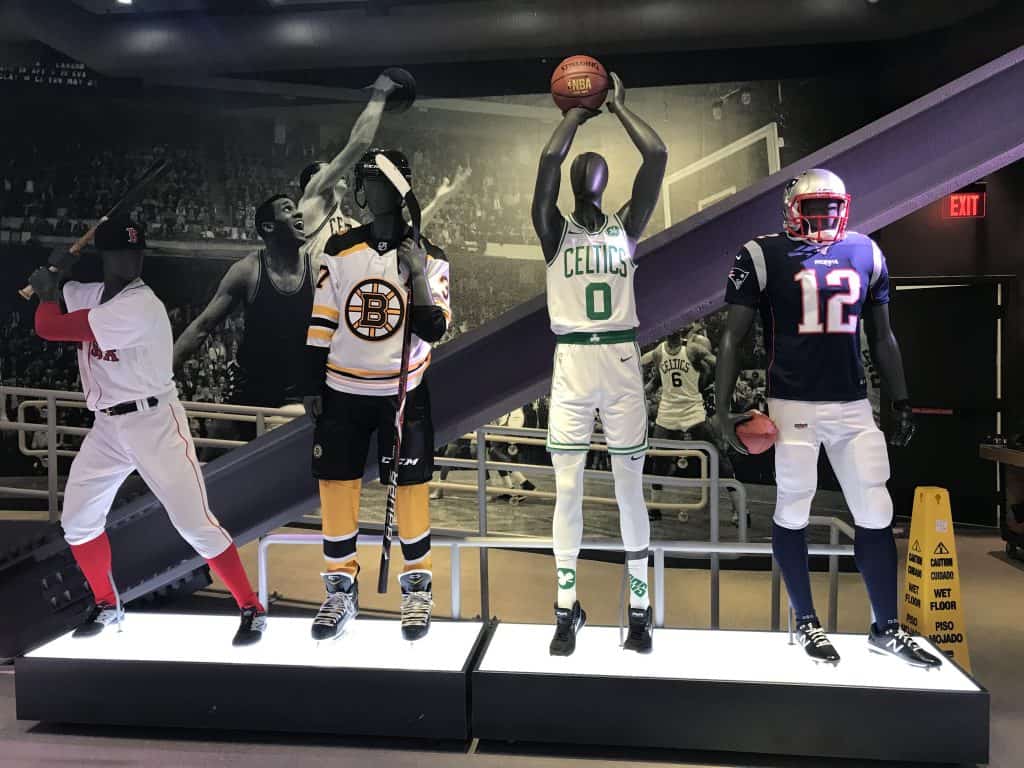
Boston has a dynamic sports culture, with deeply ingrained passions for its professional teams. The city is one of only a few in the United States to have teams in all four major professional sports leagues, all of which have won multiple championships. The city fosters strong community ties through its sports franchises and prestigious events. It engages both participants and fervent supporters across a wide array of sports. The success of its teams has earned it nicknames like the “City of Champions.”
This sporting identity is visible throughout the city, from the historic Fenway Park to the modern TD Garden. The Boston Marathon is a major civic event that unites the entire city each year. College sports are also very popular, particularly the hockey and football programs of local universities like Boston College and Harvard. This combination of historic professional franchises and major collegiate and amateur events makes Boston a key sporting city in the United States.
Ice Hockey
Ice hockey is a major sport in Boston. The city supports its storied NHL franchise with a dedicated fanbase. The professional team is one of the oldest in the league and has a history of success. The city is also a major center for college hockey, with several local universities competing at the highest level in the NCAA. This creates a rich hockey culture in the city.
Boston Bruins
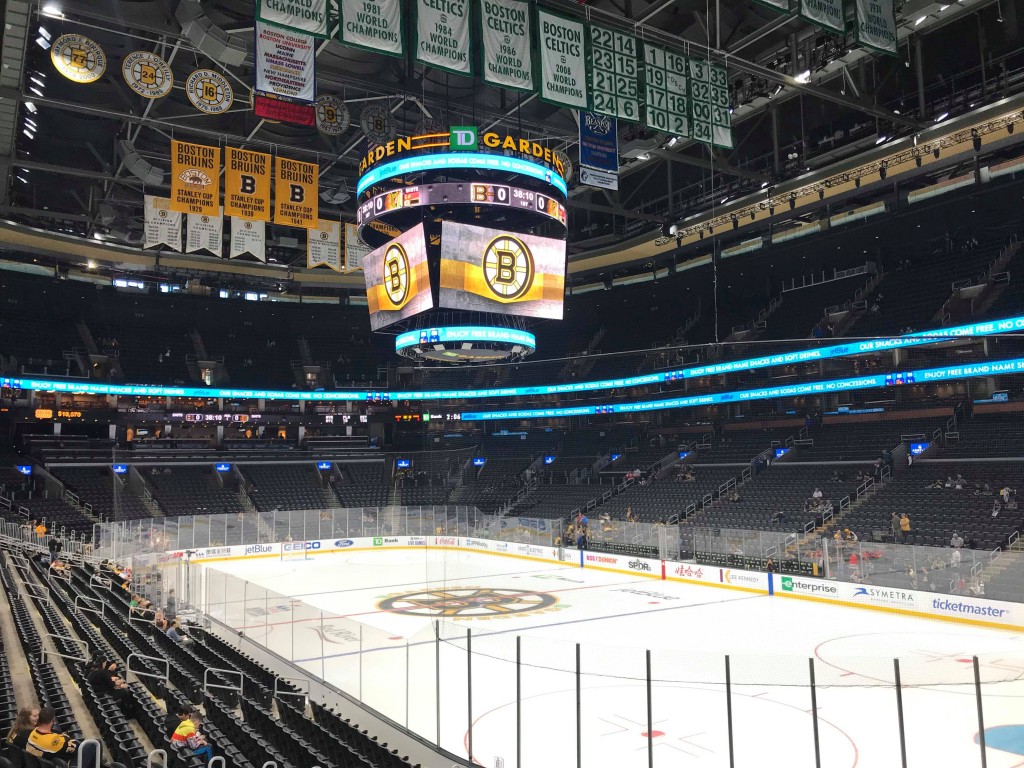
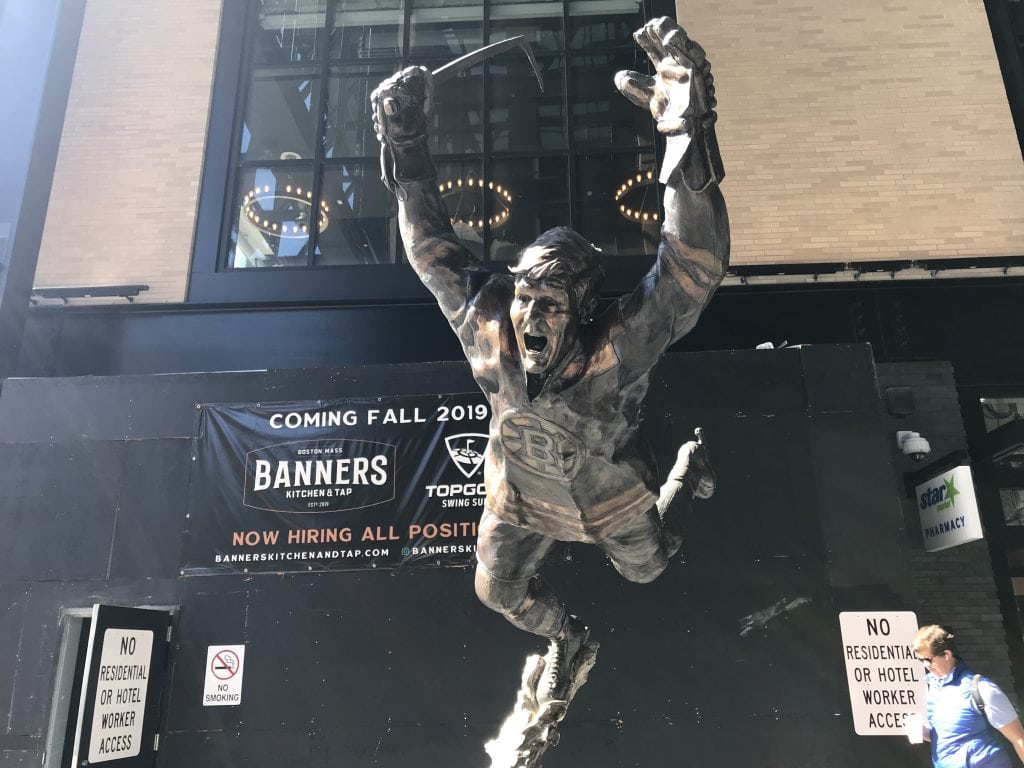
The Boston Bruins are one of the “Original Six” teams of the National Hockey League (NHL). Founded in 1924, they are the third-oldest active team in the league and the oldest in the United States. They play their home games at the TD Garden. The Bruins have won the Stanley Cup six times, most recently in 2011. The team boasts a loyal following. Notable players in the club’s history include defensemen Bobby Orr and Ray Bourque, and forward Phil Esposito.
American Football
American Football holds immense popularity in the Boston metropolitan area. The region’s NFL team has achieved historic success, fostering a massive and devoted fanbase across all six New England states. Game days are major regional events, with fans traveling from all over New England to attend. The team’s period of dominance in the 21st century established it as one of the most successful franchises in professional sports history.
New England Patriots
The New England Patriots are the dominant NFL team for the Boston region. They play their home games at Gillette Stadium in Foxborough, Massachusetts, about 35 kilometers southwest of downtown Boston. The stadium has a capacity of approximately 65,878 spectators. Under head coach Bill Belichick and quarterback Tom Brady, the Patriots won a record-tying six Super Bowl championships between 2002 and 2019. This era of dominance established them as a modern dynasty in the NFL.
Baseball
Baseball is deeply woven into Boston’s cultural fabric. The city’s Major League Baseball team is one of the sport’s most storied franchises, with a loyal and passionate following known as “Red Sox Nation.” The team’s home ballpark is itself a major historical landmark and tourist destination. The long-standing rivalry with the New York Yankees is one of the most famous in all of American professional sports.
Boston Red Sox
The Boston Red Sox are the city’s Major League Baseball (MLB) team. They play at Fenway Park, the oldest active ballpark in MLB, which opened in 1912. The Red Sox have won nine World Series championships, most recently in 2018. For 86 years, the team was said to be under the “Curse of the Bambino” after selling Babe Ruth to the Yankees, a “curse” that was famously broken with their championship victory in 2004. Fenway Park is known for its unique features, including the “Green Monster” wall in left field.
Basketball
Basketball holds a significant place in Boston’s sporting pride. The city is home to one of the most successful and historic franchises in the history of the NBA. The team’s long history of championships has created a deep connection with the city and its fans. The rivalry with the Los Angeles Lakers is one of the most significant in the league’s history.
Boston Celtics
The Boston Celtics are one of the most iconic and successful teams in National Basketball Association (NBA) history. They play their home games at the TD Garden, an arena with a capacity of over 19,000 for basketball. As of 2024, the Celtics hold the record for the most NBA championships with 18 titles. Legendary players like Bill Russell, who led the team to 11 championships, Larry Bird, and Paul Pierce have worn the Celtics’ green jersey. Their rich history and numerous championships make them a key part of Boston’s identity.
Running
Running is a popular activity in Boston, with a large community of local and visiting runners. The city’s parks, riverfront paths, and historic streets provide numerous routes for running. The sport is central to the city’s identity, largely due to its hosting of the world’s oldest annual marathon. This major international event attracts runners and spectators from all over the globe each spring.
Boston Marathon
The Boston Marathon is the world’s oldest annual marathon, first run in 1897. It is one of the six World Marathon Majors. The race is held every Patriots’ Day, on the third Monday in April. It attracts over 30,000 participants and half a million spectators annually. Unlike most marathons, it has strict qualifying times, meaning most participants must achieve a certain standard in a previous marathon to enter. Its challenging point-to-point course runs from Hopkinton to Boston and includes the famous “Heartbreak Hill” in Newton. It is one of the most prestigious marathons globally and a symbol of community resilience.



Getting Around in Boston
Navigating Boston, a city blending historic charm with modern vibrancy, is efficient. Its extensive public transport system connects iconic landmarks with diverse neighborhoods. Whether you prefer swift subway rides or scenic walks, various options exist. Understanding Boston’s transport helps you explore its compact center and wider metropolitan area with ease. The public transport system, known as the MBTA or “The T,” is extensive. It includes subways, buses, commuter rail, and ferries.
The CharlieCard (a rechargeable smart card) and CharlieTicket (a paper ticket) are used for fares. You can purchase these at stations or vending machines. Contactless payment is also increasingly available for tapping directly at fare gates. Fares vary by mode and distance. Always tap your card or ticket at fare gates or on validators on buses. Remember to always check official sources for the latest rules and requirements to stay up-to-date.
On Foot: Exploring the Historic Core
Walking is often the best way to experience Boston’s historic core. The Freedom Trail, a 4-kilometer (2.5-mile) marked path, connects 16 historically significant sites. Neighborhoods like Beacon Hill, with its cobblestone streets and gas lamps, and the North End, with its narrow, winding streets, are best explored on foot. The Back Bay offers elegant Victorian brownstones and tree-lined streets. Walking allows you to discover hidden gems and vibrant urban life up close. Wear comfortable shoes, as you will cover significant distances and some streets are uneven.
Riding “The T”: Boston’s Subway
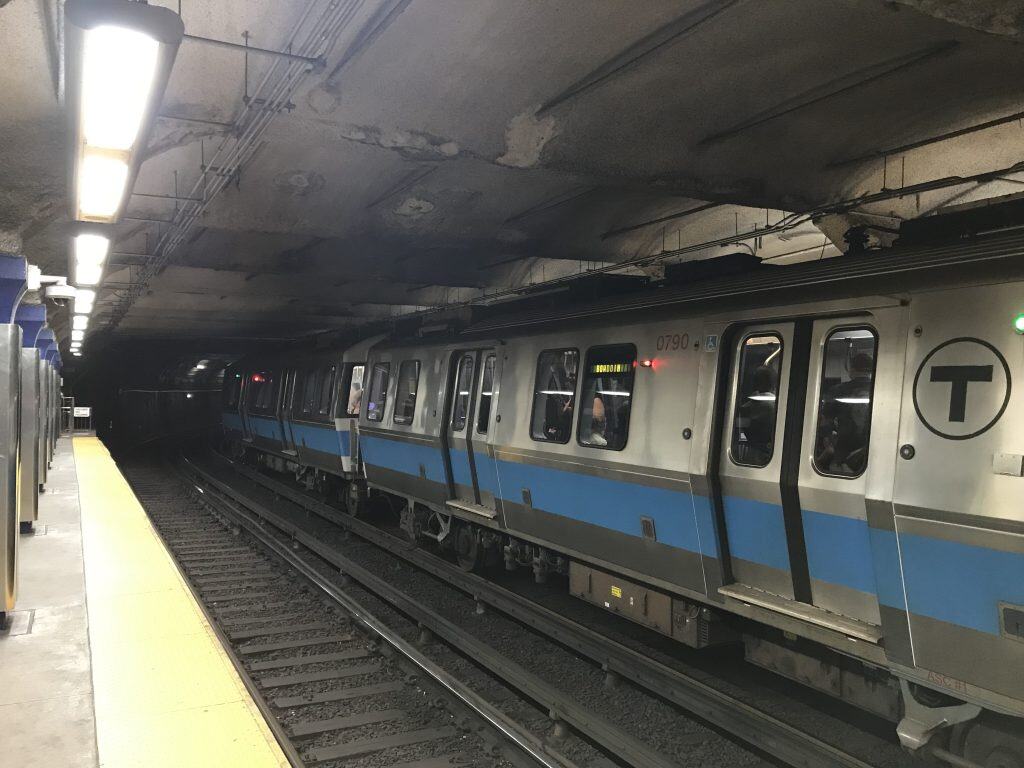
Boston’s subway, affectionately called “The T,” is the quickest way to travel longer distances. It is the oldest subway system in the United States. It has five main lines, each color-coded: Red, Green, Orange, Blue, and Silver. The Red Line connects Cambridge (Harvard, MIT) to downtown. The Green Line is a complex tram-subway system serving areas like Fenway Park. The Blue Line connects downtown to East Boston and offers a free shuttle connection from the Airport station to the airport terminals. The Silver Line is a bus rapid transit system that also serves the airport and the Seaport District. Operating hours typically run from around 5 AM until 12:30 AM.
A Network Above Ground: Buses and Commuter Rail
Boston boasts an extensive bus network. These buses cover areas not reached by the subway. They are essential for local travel and connecting to suburban neighborhoods. You can use your CharlieCard or CharlieTicket. The MBTA Commuter Rail extends further into the wider metropolitan area. It connects downtown Boston from South Station and North Station to outlying towns across Massachusetts and into Rhode Island. This is useful for day trips or suburban exploration.
A Lift at Your Fingertips: Taxis and Ride-Sharing
Traditional taxis are widely available in Boston. You can find them at taxi stands, especially near hotels and transport hubs, or hail them on the street. Ride-sharing apps like Uber and Lyft also operate throughout Boston. These provide convenient alternatives. They are often booked via smartphone apps, with prices that vary based on demand and distance. Taxis are generally more expensive than public transport. They offer convenience for door-to-door service, especially late at night.
On Two Wheels: Cycling in Boston
Cycling in Boston is a growing option, with increasing infrastructure. Bluebikes is Boston’s public bike-sharing system. Numerous stations are located throughout the city, including in Cambridge, Somerville, and Brookline. Bikes can be rented for short trips via an app. Dedicated cycle lanes are expanding, particularly along main roads and waterfront paths. The Charles River Esplanade offers scenic, flat cycling routes away from city traffic. While some areas, especially the historic center, have cobblestones, the city is becoming more bike-friendly.
How to Get to Boston?
Reaching Boston, a major city on the East Coast of the United States, is convenient. It is situated on Massachusetts Bay and is a major international gateway. Whether you prefer flying, driving, or public transport, Boston is exceptionally well-connected. The city is served by a major international airport, interstate highways, and extensive rail and bus networks.
Arriving by Air: Boston Logan International Airport
Boston is served by Boston Logan International Airport (BOS). It is located just 5 kilometers northeast of downtown, making for a very quick transfer. BOS is a major international hub with four terminals. Numerous airlines provide direct flights across the U.S. and globally. From the airport, various public transport options connect to the city. The MBTA Blue Line subway (via a free shuttle from the terminals) and the Silver Line bus rapid transit provide direct access to downtown. Water taxis also operate from the airport to various waterfront locations.
The Open Road: Driving to the City
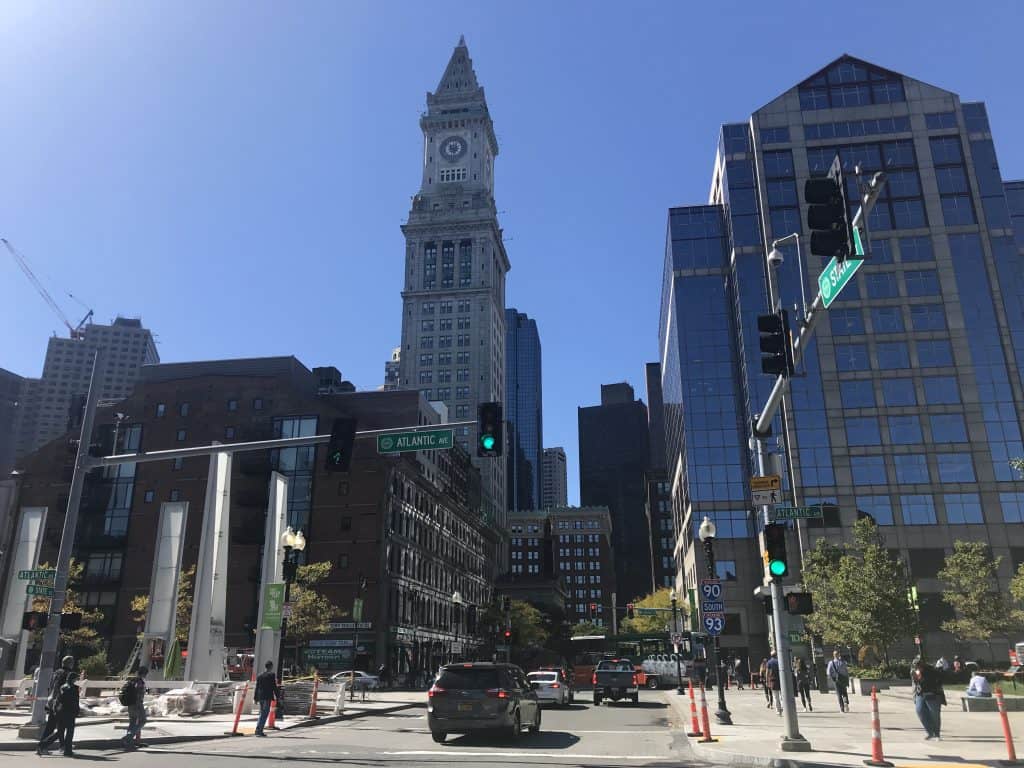
Driving to Boston offers flexibility, but urban traffic can be heavy. Major interstate highways provide direct access to the city. I-90 (the Massachusetts Turnpike) is the main east-west route connecting from the west. I-93 runs north-south directly through the city center, though much of it is now underground as part of the “Big Dig” project. I-95 is a major ring road that loops around the metropolitan area. Tolls apply on some roads, including the Mass Pike and harbor tunnels. Parking is often expensive and limited in the city center.
Connecting by Coach: A National Hub
Bus services provide an economical way to reach Boston. The main terminals are South Station Bus Terminal and another terminal at Boston’s North Station. Companies like Greyhound, Peter Pan Bus Lines, FlixBus, and Megabus operate frequent routes. These connect Boston with major East Coast cities like New York City, Washington D.C., and Philadelphia. Long-distance buses offer amenities like Wi-Fi and are a popular option for intercity travel in the Northeast.
On Track: Acela and Commuter Rail
Traveling to Boston by train is efficient for intercity and regional connections. The main stations are South Station and North Station. Amtrak operates intercity services from South Station. The Acela Express and Northeast Regional trains connect Boston to New York City, Washington D.C., and other cities on the Northeast Corridor. The MBTA Commuter Rail serves regional destinations from both South and North Stations, including Providence, Rhode Island, and coastal towns.
The Atlantic Route: Arriving by Ferry
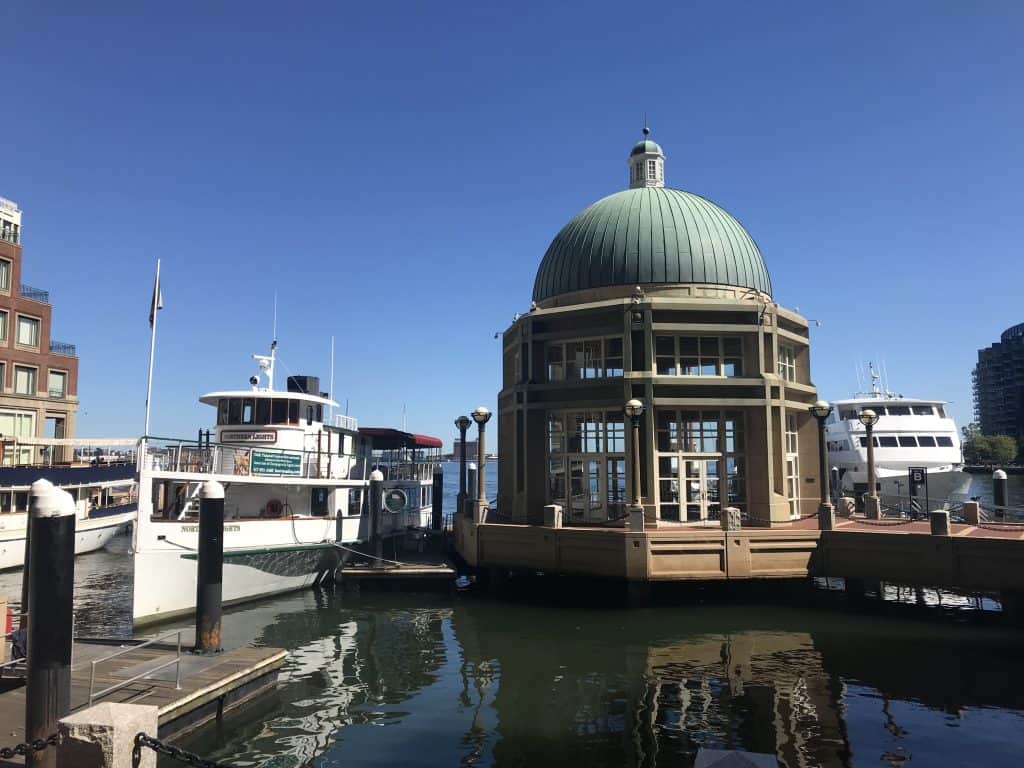
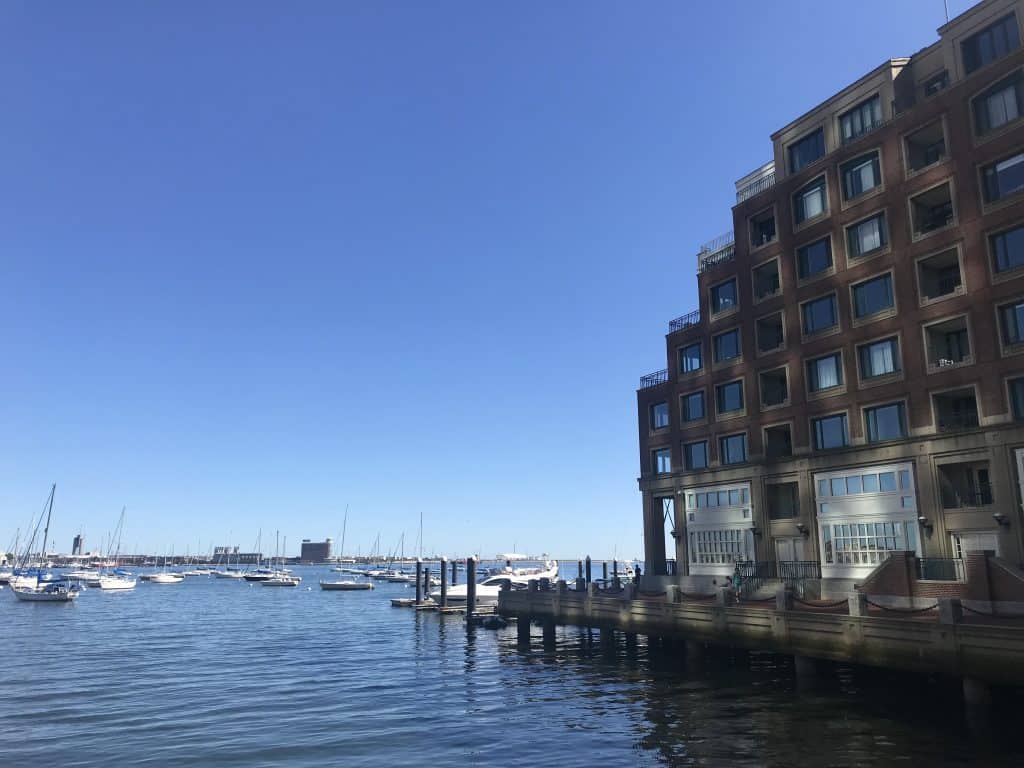
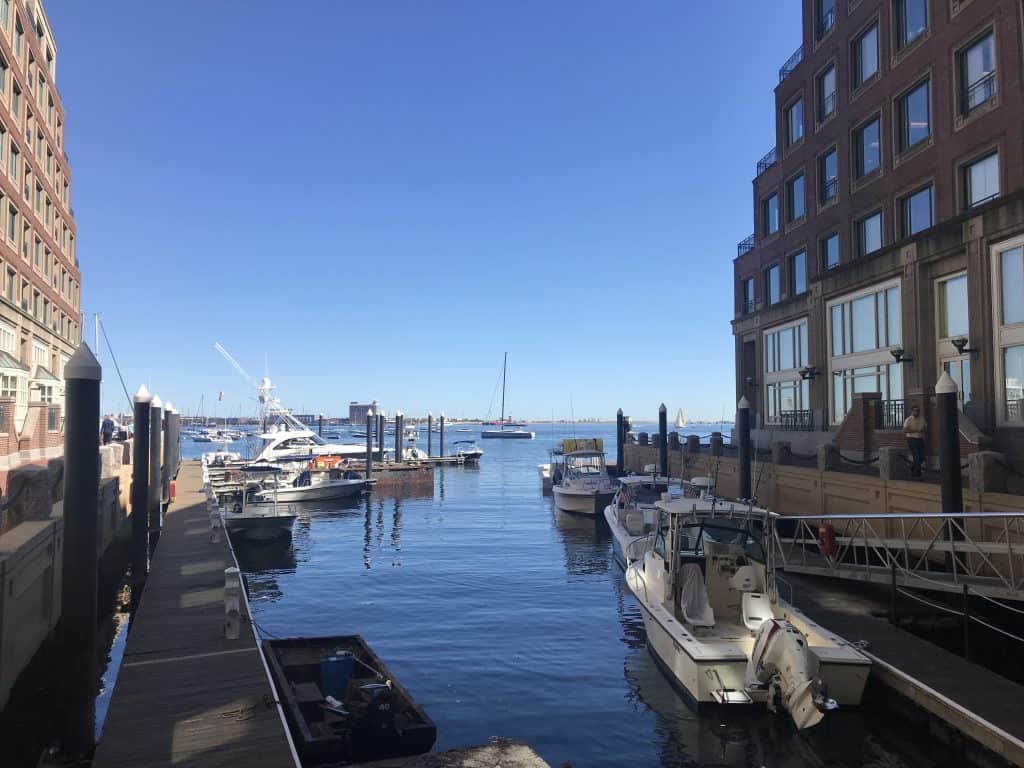
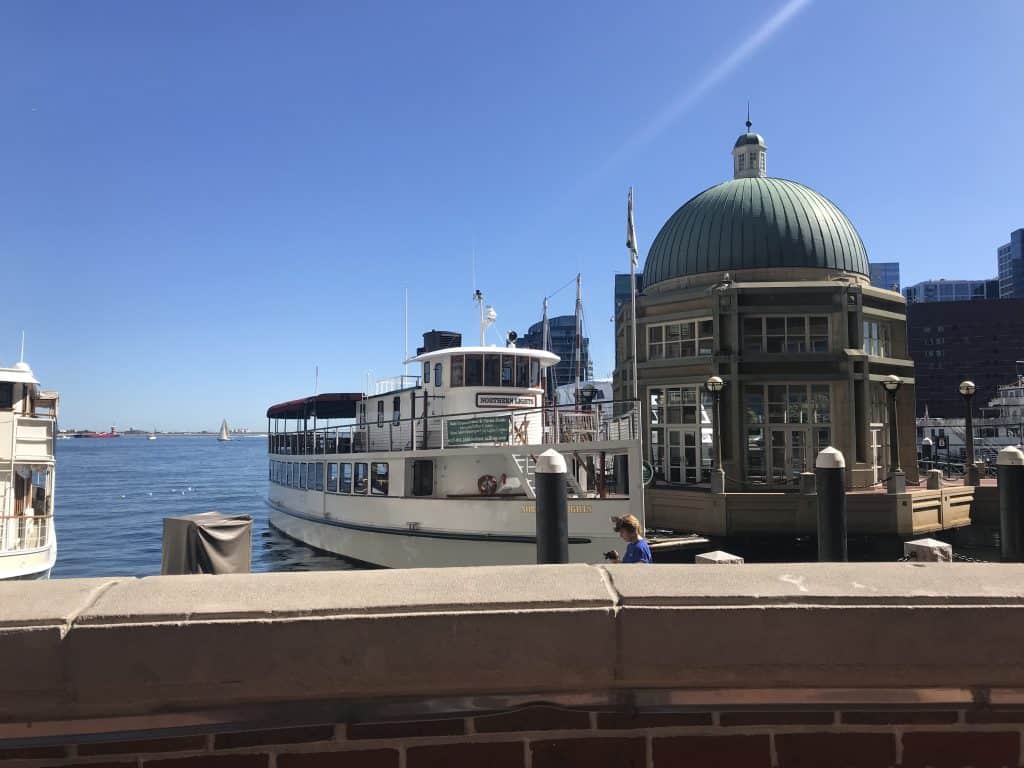
Boston has a bustling port, offering various ferry services. Boston Harbor Ferries provide commuter services to Charlestown, East Boston, and the Seaport District. They also offer scenic sightseeing tours of the harbor. During the summer season, seasonal fast ferry services connect Boston to the popular tourist destination of Provincetown on Cape Cod. These ferries offer a unique way to arrive and explore the coastal areas of Massachusetts.
Driving Distances
The driving distance from 10 major American cities, according to Google Maps:
- New York, NY – 344 kilometers (4 h 10 min)
- Washington, D.C. – 703 kilometers (7 h 50 min)
- Chicago, IL – 1582 kilometers (15 h 40 min)
- Atlanta, GA – 1759 kilometers (17 h 50 min)
- Miami, FL – 2560 kilometers (1 d 1 h 10 min)
- Houston, TX – 2961 kilometers (1 d 4 h 20 min)
- Denver, CO – 3172 kilometers (1 d 5 h 20 min)
- Seattle, WA – 4896 kilometers (1 d 21 h 10 min)
- Los Angeles, CA – 4806 kilometers (1 d 19 h 30 min)
- San Francisco, CA – 4986 kilometers (1 d 21 h 10 min)
Looking to Explore more of the United States and the Americas?