Santa Cruz, California | Exploring the United States
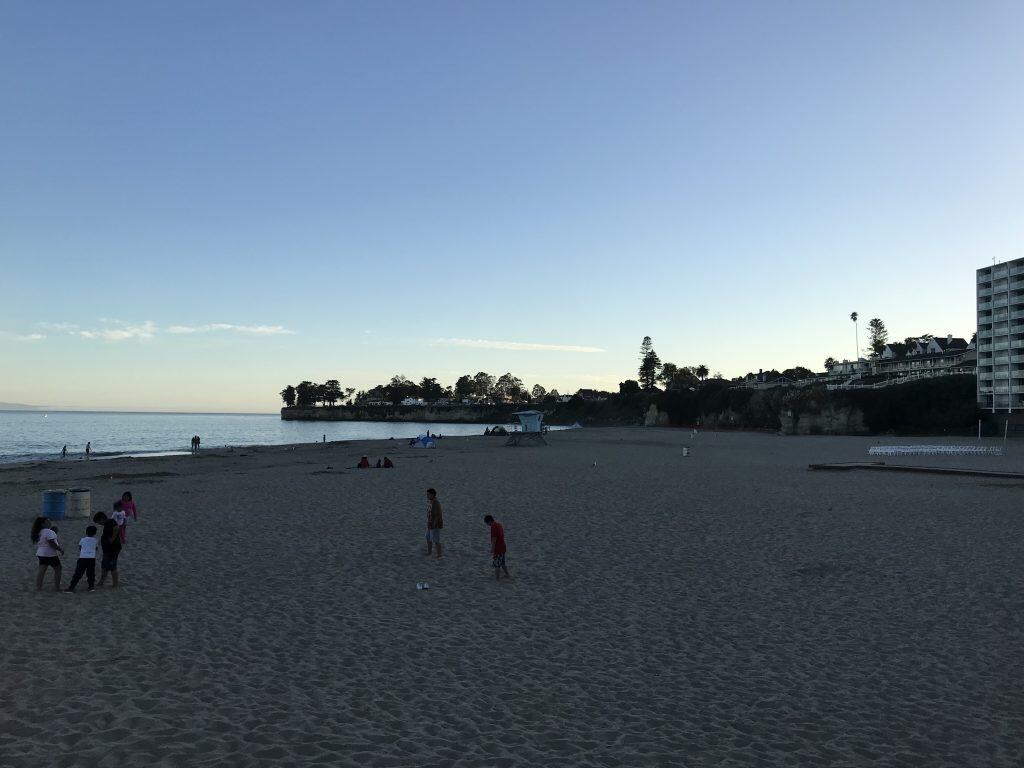
Santa Cruz is a city on the Pacific coast of California, located in the United States. It is the county seat of Santa Cruz County and is situated on the northern edge of Monterey Bay. With a population of approximately 65,000 residents, Santa Cruz serves as a key cultural and educational center for the region. The city is located about 115 kilometers south of San Francisco and 56 kilometers south of San Jose. Its geography is defined by its long sandy beaches, coastal cliffs, and the nearby Santa Cruz Mountains with their redwood forests.
The character of Santa Cruz is that of a classic Californian beach town, known for its laid-back atmosphere, its surf culture, and its politically progressive identity. This identity is strongly influenced by the presence of the University of California, Santa Cruz (UCSC), which is a major institution in the city. The city is also a major tourist destination, with its most famous landmark being the historic Santa Cruz Beach Boardwalk. This combination of a university town, a surf hub, and a traditional seaside resort gives the city its specific character.


A Short History of Santa Cruz
The history of Santa Cruz is one of a Spanish mission settlement that evolved into a logging hub, a seaside resort, and finally into a center of counter-culture and higher education. The city’s development has been shaped by its natural resources, from the redwood forests in the mountains to the waves of Monterey Bay. Its story also includes the significant impact of natural disasters, particularly the 1989 earthquake, which reshaped its modern downtown area. This journey has created the unique and eclectic city seen today.
Mission Founding and Early Days
The history of settlement in the area dates back thousands of years with the indigenous Ohlone people. The modern city’s history began with the arrival of the Spanish in the 18th century. In 1791, Father Fermín Lasuén established the Mission Santa Cruz (“Holy Cross Mission”) on the banks of the San Lorenzo River. This was the 12th of the 21 Spanish missions in California. A secular pueblo, known as Villa de Branciforte, was established across the river in 1797, though it never thrived. After Mexico gained its independence from Spain, the mission was secularized, and the area grew into a small settlement.
A Seaside Resort and Logging Hub
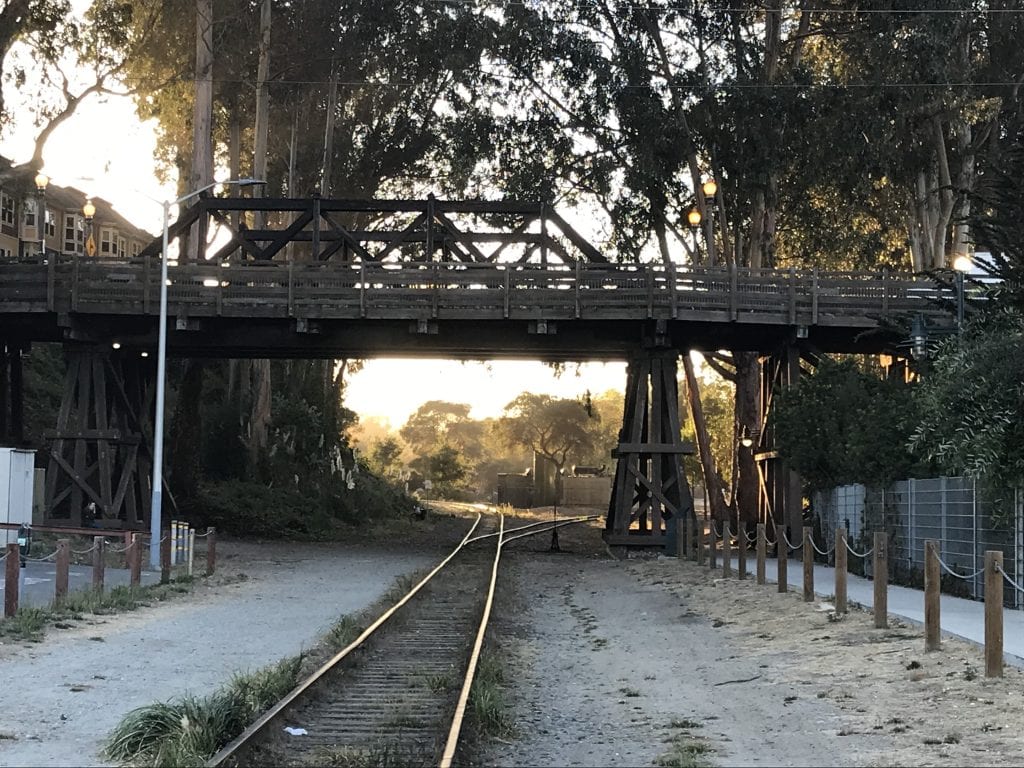
After California became part of the United States in 1850, Santa Cruz began to develop as an industrial and recreational center. The vast redwood forests in the surrounding Santa Cruz Mountains fueled a major logging industry. The city also became a popular seaside resort for residents of the inland valleys seeking to escape the summer heat. The iconic Santa Cruz Beach Boardwalk was founded in 1907, establishing the city as a major tourist destination. The construction of a railway line over the mountains connected the city with the growing communities of the Santa Clara Valley.
Counter-Culture and Modern Era
The 20th century saw the most significant changes in the city’s identity. The establishment of the University of California, Santa Cruz (UCSC) in 1965 was a pivotal moment. The university brought a large, youthful, and politically progressive population to the city, which became a center for the counter-culture movement of the 1960s and 70s. A defining event in the city’s modern history was the 1989 Loma Prieta earthquake. The earthquake caused severe damage to the historic downtown area, destroying many of the old brick buildings on Pacific Avenue. The subsequent rebuilding effort has reshaped the modern city center.


Things to Do and See
The sights in Santa Cruz are a reflection of its identity as a classic Californian beach town, with a focus on its coastline, its historic boardwalk, and the surrounding natural environment. The main points of interest are concentrated along the waterfront and in the downtown area. The city also serves as a gateway to the redwood forests of the Santa Cruz Mountains. These attractions provide a combination of natural beauty, history, and seaside entertainment.
Santa Cruz Beach Boardwalk
The Santa Cruz Beach Boardwalk is the city’s most famous attraction. It is a classic seaside amusement park located directly on the main beach. The boardwalk was founded in 1907 and is the oldest surviving amusement park in California. It features two attractions that are designated National Historic Landmarks: the Giant Dipper, a wooden roller coaster from 1924, and a Looff Carousel from 1911. The park has a mix of classic and modern rides, an indoor arcade, and food stalls.
Santa Cruz Wharf
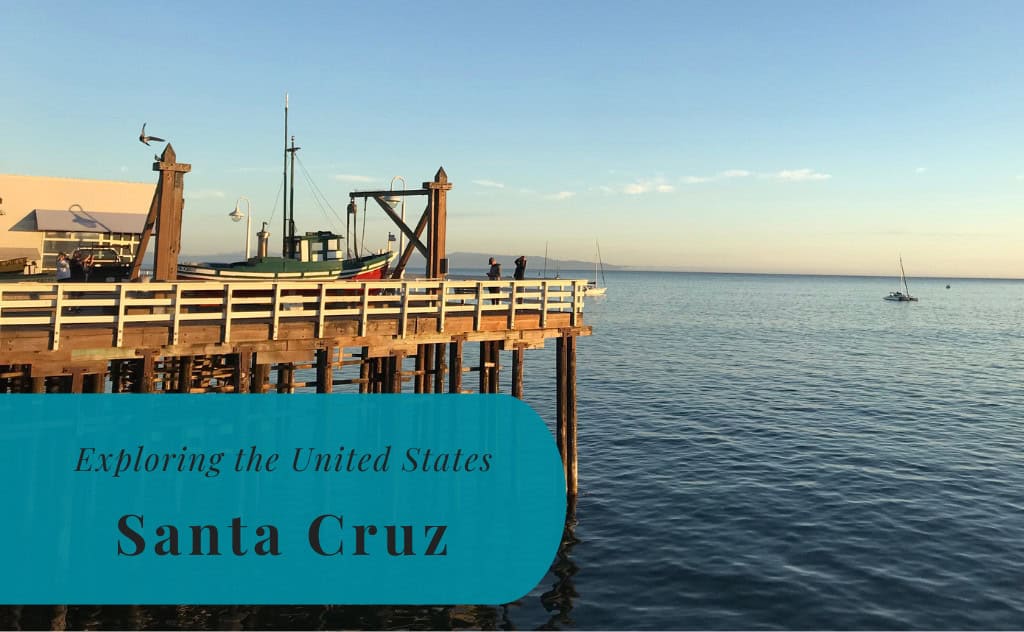
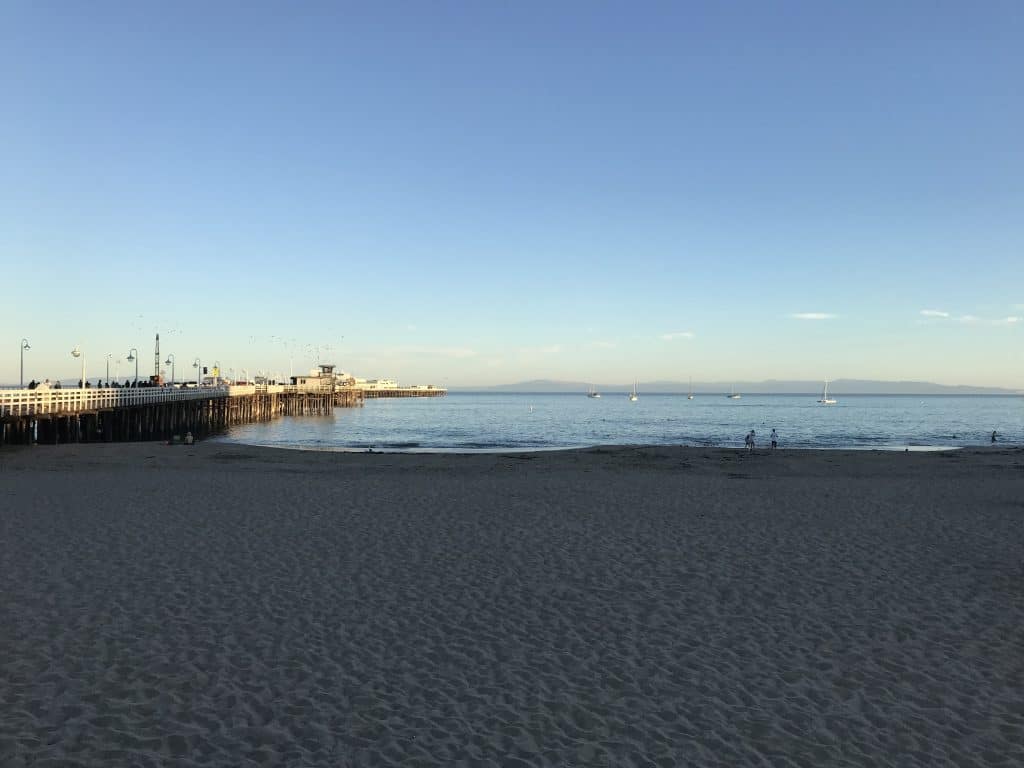
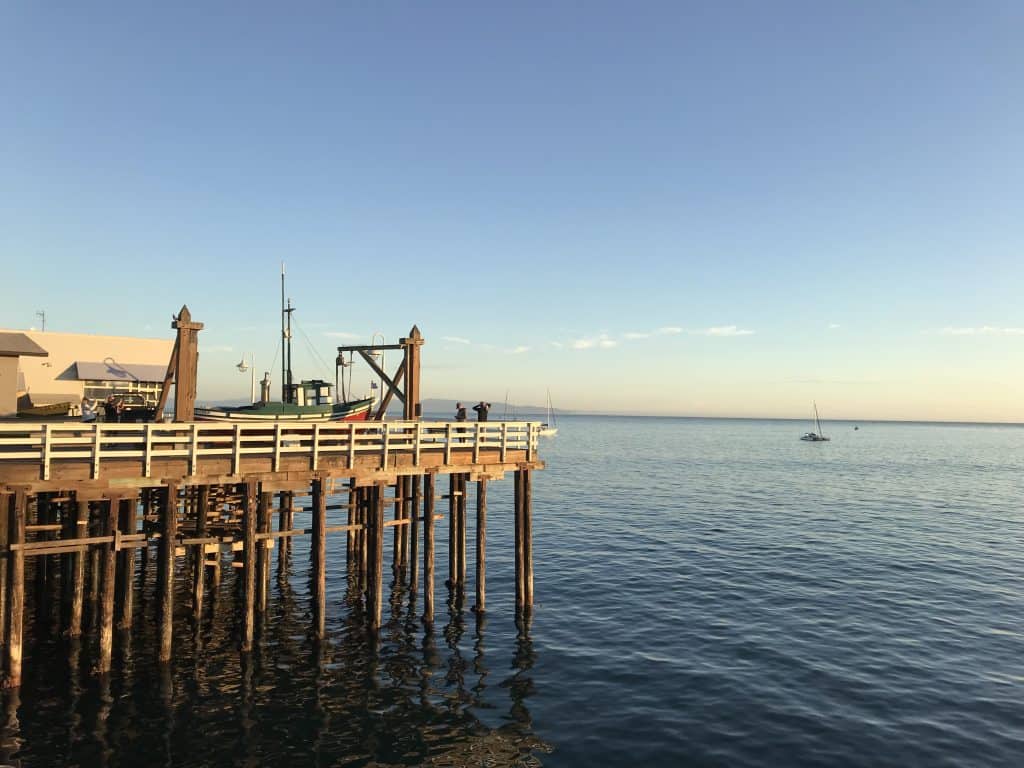
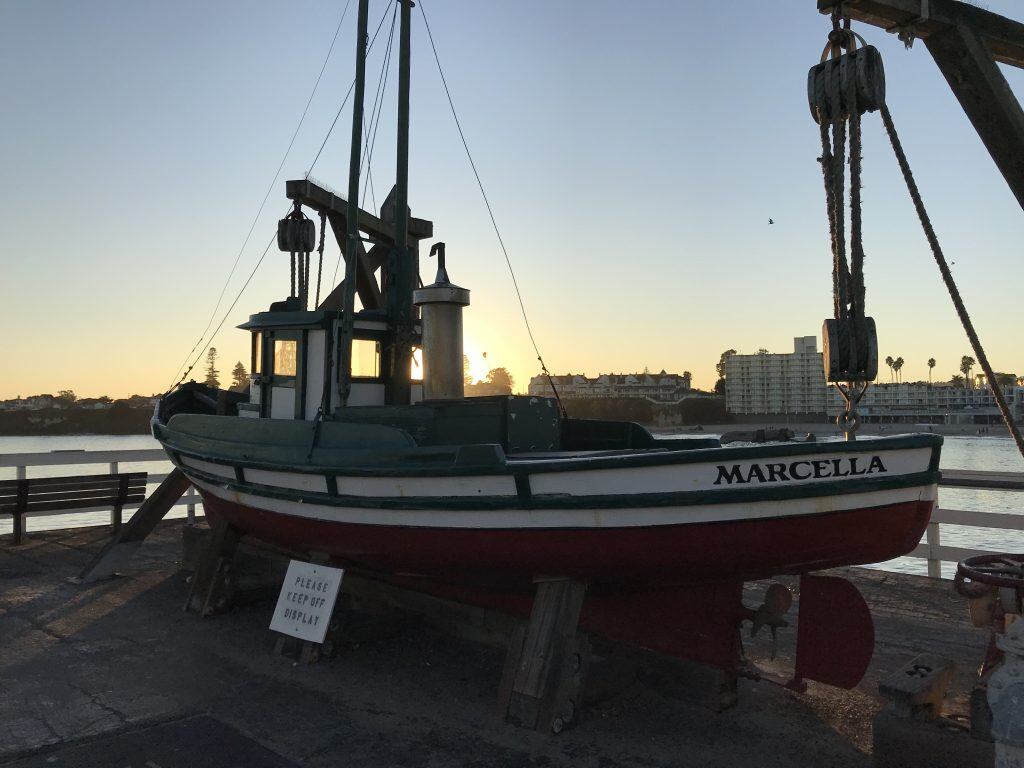
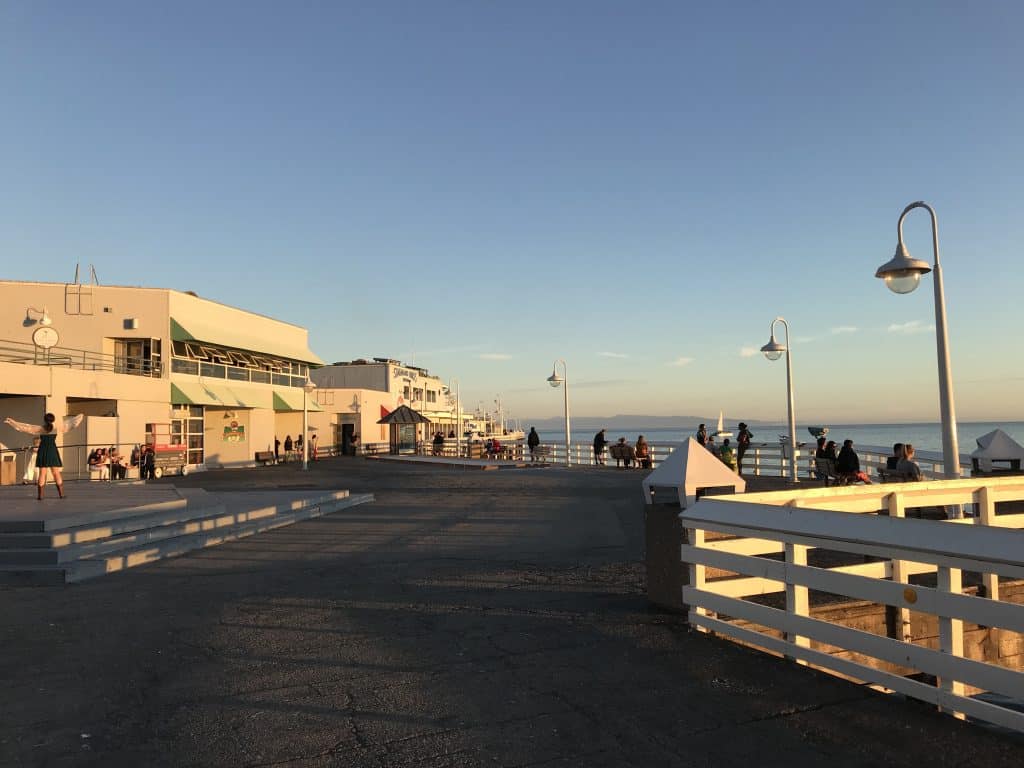
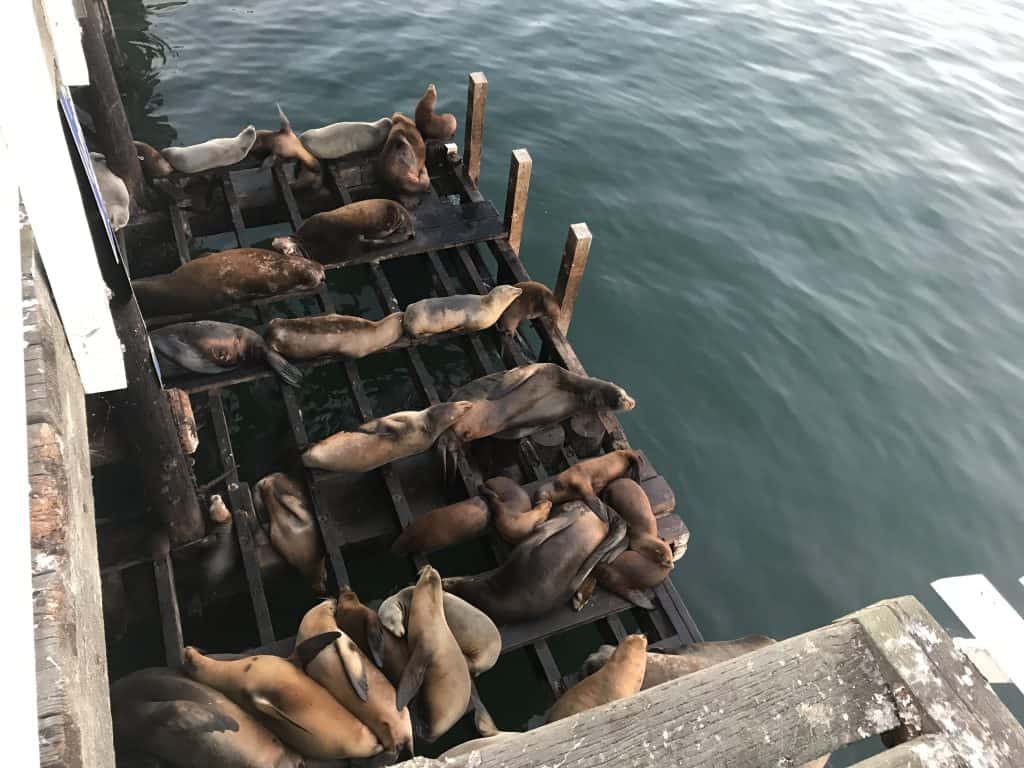
The Santa Cruz Wharf is a long municipal pier that extends out into Monterey Bay. The current wharf was built in 1914. It is a popular destination for walking, fishing, and dining. The wharf is lined with seafood restaurants, gift shops, and fish markets. It is also famous for the large population of California sea lions that can be seen and heard lounging on the wooden supports beneath the pier. The wharf provides panoramic views of the Boardwalk, the beach, and the coastline.
Natural Bridges State Beach
Natural Bridges State Beach is located on the western edge of the city. The beach is named for the natural rock arches that were carved by the sea. While two of the original three arches have collapsed, one still remains. The beach is also a major natural landmark for its Monarch Butterfly Natural Preserve. Every winter, from late autumn to early spring, tens of thousands of monarch butterflies migrate to a grove of eucalyptus trees here to spend the winter. The park has a visitor center and a boardwalk for viewing the butterflies.
Downtown Santa Cruz
The main commercial and cultural street in the city is Pacific Avenue, which forms the heart of Downtown Santa Cruz. The area is known for its eclectic mix of independent shops, bookstores, cafes, and restaurants. The downtown district was heavily damaged in the 1989 Loma Prieta earthquake and was subsequently rebuilt. Today, it is a pleasant, tree-lined area that is the main hub of public life in the city. It is also home to the Museum of Art & History.
West Cliff Drive
West Cliff Drive is a scenic 3-mile (4.8-kilometer) walking and cycling path that runs along the coastal cliffs on the western side of the city. The path begins at the Santa Cruz Wharf and ends at Natural Bridges State Beach. It is one of the most popular recreational routes in the city. The path offers continuous views of the Pacific Ocean and Monterey Bay. It also passes by several famous surf spots, including Steamer Lane, and the Santa Cruz Surfing Museum.
Henry Cowell Redwoods State Park
Located just a short drive from Santa Cruz, in the town of Felton, is the Henry Cowell Redwoods State Park. The park is famous for its grove of old-growth coast redwood trees (Sequoia sempervirens), some of the tallest living things on Earth. The park’s main Redwood Grove Loop Trail is a short, accessible path that winds through these giant trees. The park also features a larger area with many kilometers of hiking trails through the sandhills and along the San Lorenzo River.
Sports in Santa Cruz
The sporting life in Santa Cruz is defined by its world-famous surf culture and its professional basketball team. The city’s location on Monterey Bay and its unique coastal geography have made it a major center for the sport of surfing in California. The city also has an active collegiate sports scene through its university.
Surfing
Santa Cruz is one of the most famous surfing destinations in the world. The city’s claim as one of the origins of surfing in mainland America dates back to 1885, when three Hawaiian princes first surfed the mouth of the San Lorenzo River on redwood boards. The area is known for its numerous high-quality surf breaks that cater to all skill levels. The cold waters of the Pacific Ocean here require the use of a wetsuit year-round.
Steamer Lane
The most famous surf spot in Santa Cruz is Steamer Lane. It is a world-renowned cold-water point break located off West Cliff Drive. The spot is known for its powerful and consistent waves that break next to a high cliff, providing a natural amphitheater for spectators. Steamer Lane is a historic site in the development of modern surfing. It is home to the Santa Cruz Surfing Museum, which is located in a small lighthouse overlooking the break. The O’Neill Coldwater Classic, a major professional surfing competition, has been held here many times.
Basketball
Santa Cruz is home to a professional basketball team that is part of the NBA’s developmental league. The team is a key part of the local sports scene and has a dedicated following. Home games are popular community events. The team provides a high level of basketball for fans in the city.
Santa Cruz Warriors
The city’s professional basketball team is the Santa Cruz Warriors. They are the official NBA G League affiliate of the nearby Golden State Warriors. The team has been very successful, winning the league championship in 2015. They play their home games at the Kaiser Permanente Arena in downtown Santa Cruz. The team has a strong connection to the community and has featured many players who have gone on to play in the NBA.

Getting Around in Santa Cruz
Navigating Santa Cruz is best done with a combination of walking, cycling, and the local bus system. The main tourist areas, such as the downtown, the wharf, and the boardwalk, are located close to each other and are highly walkable. The city’s strong cycling culture and generally pleasant weather also make a bicycle a very practical option. For longer distances, a public bus network serves the entire county.
On Foot: The Downtown and Waterfront
Walking is the best way to explore the central parts of Santa Cruz. The Downtown area, with its main shopping street of Pacific Avenue, is a large pedestrian-friendly zone. From downtown, it is a pleasant walk to the Santa Cruz Wharf and the Santa Cruz Beach Boardwalk. The scenic West Cliff Drive is also a famous walking path. Comfortable shoes are recommended for exploring the different parts of the city on foot.
Local Buses
The public transport in the county is operated by Santa Cruz METRO. A comprehensive network of local buses serves all parts of the city of Santa Cruz and connects it with other communities in the county, such as Capitola and Watsonville. The buses are a key mode of transport for local residents and for students at UCSC. The main bus hub is the Santa Cruz Metro Center in the downtown area.
On Two Wheels: Cycling
Cycling is a very popular mode of transport in Santa Cruz. The city has an extensive network of marked bike lanes. It is a popular way for students to travel to the UCSC campus and for residents to commute. The relatively flat terrain in the lower parts of the city makes it suitable for cyclists of all abilities. The paths along the coast, like West Cliff Drive, are particularly popular for recreational cycling.
How to Get to Santa Cruz?
Reaching Santa Cruz is convenient by road, as it is located on a major coastal highway and is a short drive from the major metropolitan area of Silicon Valley. The city is served by several major airports in the wider San Francisco Bay Area.
The Open Road: Driving the Pacific Coast
Driving is the most common and practical way to reach Santa Cruz. The city is located directly on California State Route 1, also known as the Pacific Coast Highway. This famous scenic route connects Santa Cruz with San Francisco to the north and with Monterey and Big Sur to the south. State Route 17 is a major mountain highway that connects Santa Cruz directly with San Jose and the Silicon Valley. This highway can be winding and is known for heavy traffic.
Arriving by Air: San Jose and San Francisco
The closest and most convenient major airport is Norman Y. Mineta San José International Airport (SJC). It is located approximately 56 kilometers away. For more extensive global connections, San Francisco International Airport (SFO) is the main hub for the region, located about 95 kilometers away. From either of these airports, a rental car or a connecting airport shuttle service is the most common way to complete the journey to Santa Cruz.
Connecting by Coach
Long-distance bus services from companies like Greyhound have stops in Santa Cruz. These services connect the city with other major cities across California and the United States. The Amtrak Thruway Motorcoach service also connects Santa Cruz with the main Amtrak train station in San Jose. This provides an integrated rail and bus connection for travelers using the national rail network.
On Track: A Journey by Rail and Bus
Santa Cruz does not have a direct connection to the main Amtrak passenger rail network. The closest major train station is the San Jose Diridon station. This station is a major hub for Amtrak and Caltrain commuter rail services. From the San Jose station, travelers must transfer to a bus service, such as the Highway 17 Express operated by Santa Cruz METRO, to complete the journey to Santa Cruz.
An International Ferry Approach
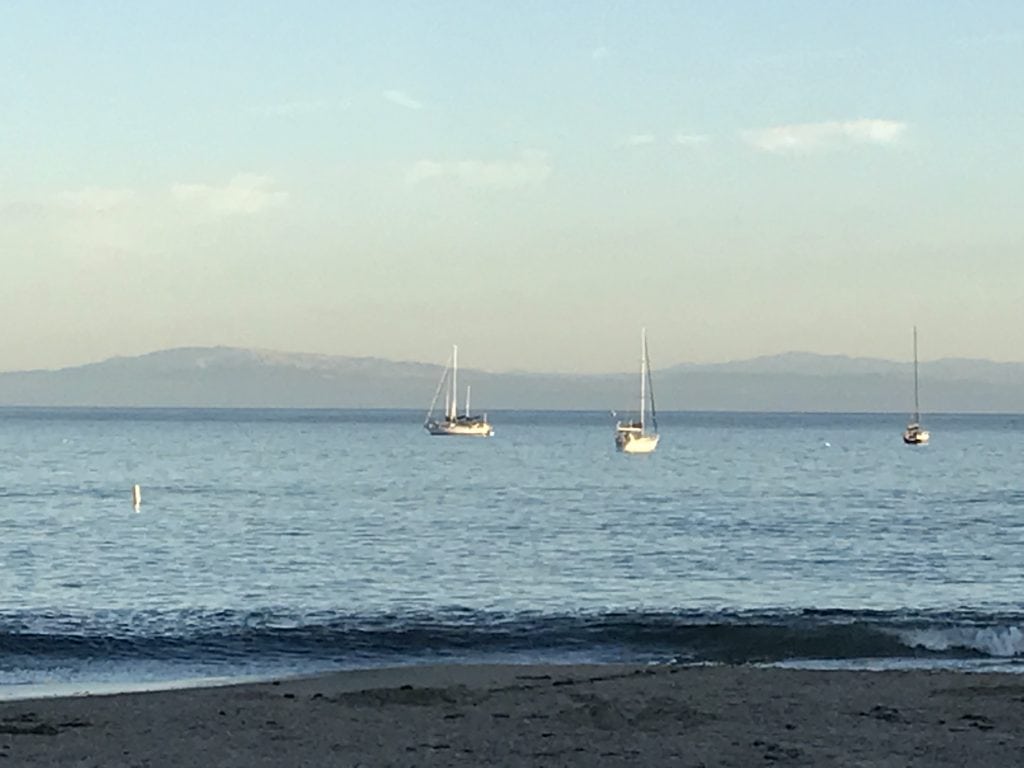
There is no major passenger ferry service to Santa Cruz from other cities. The city’s harbor is primarily used for commercial fishing and recreational boats. The closest major international ferry ports are located much further south in Los Angeles or north in cities like Seattle. The primary means of arrival to this part of the California coast is by land or air.
Driving Distances
The driving distance from 10 regional cities, according to Google Maps:
- San Jose, CA – 51 kilometers (0 h 50 min)
- San Francisco, CA – 119 kilometers (1 h 40 min)
- Sacramento, CA – 253 kilometers (2 h 50 min)
- Los Angeles, CA – 554 kilometers (5 h 40 min)
- San Diego, CA – 745 kilometers (7 h 40 min)
- Las Vegas, NV – 869 kilometers (8 h 30 min)
- Phoenix, AZ – 1,146 kilometers (11 h 10 min)
- Portland, OR – 1,148 kilometers (11 h 30 min)
- Seattle, WA – 1,424 kilometers (14 h 20 min)
- Denver, CO – 1,989 kilometers (19 h 20 min)
Looking to Explore more of the United States and the Americas?