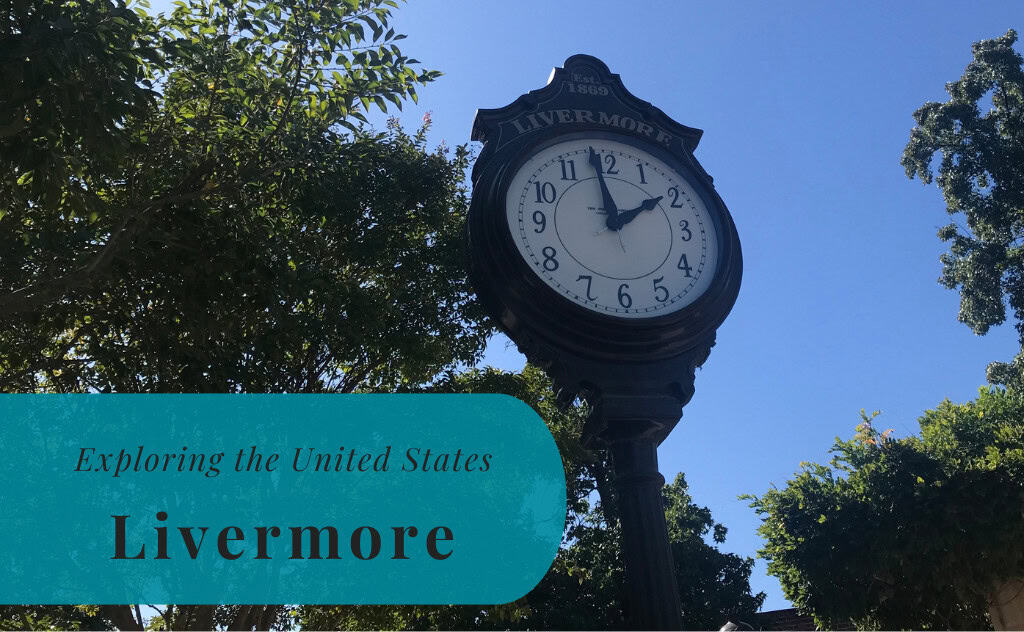
Livermore, California | Exploring the United States
Livermore is a city in Alameda County, located in the state of California, United States. It is situated on the eastern edge of the San Francisco Bay Area. The city is the most populous in the Tri-Valley region, which also includes the cities of Dublin and Pleasanton. With a population of approximately 88,000 residents, Livermore is a significant suburban and commercial center. The city is located in the Livermore Valley, a major wine-producing region.
The character of Livermore is defined by a unique combination of science, wine, and a historic downtown. The city is internationally known as the home of two major US national laboratories, the Lawrence Livermore National Laboratory and a branch of the Sandia National Laboratories. This scientific identity exists alongside its long history as one of California’s oldest wine regions. The city’s downtown area has been revitalized and serves as a cultural and dining hub. This blend of high-tech research, historic vineyards, and a suburban community gives the city its specific character.



A Short History of Livermore
The history of Livermore is that of a rural ranching area that was transformed into a center for both viticulture and world-class scientific research. Its development was shaped by the arrival of the railway in the 19th century and by the strategic decisions of the US government in the 20th century. The city’s story reflects the transition of the Livermore Valley from a quiet agricultural area to a key hub of innovation and a prosperous part of the wider Bay Area.
Early History and Wine Pioneers
The history of settlement in the Livermore Valley dates back thousands of years to the indigenous Ohlone people. The modern city was founded by Robert Livermore, an English sailor who settled in the area in the 1840s and planted the first commercial vineyards. The town itself was officially established in 1869 with the arrival of the railroad. In the 1880s, two of California’s most important wine pioneers, C. H. Wente and James Concannon, founded their wineries here. The Wente Vineyards and Concannon Vineyard are two of the oldest continuously operating wineries in California.
A Ranching and Rodeo Town
For much of its history, the Livermore Valley was also a major center for cattle ranching. The surrounding hills and valleys provided extensive grazing land. This ranching heritage is still celebrated today in the city’s most famous annual event. The Livermore Rodeo, which was first held in 1918, is one of the oldest and most well-known rodeos in the state. This has given the city a long-standing connection to the culture of the American West, which exists alongside its more modern identity.
The Rise of Big Science
The most significant event in the city’s modern history was the establishment of the Lawrence Livermore National Laboratory (LLNL) in 1952. The laboratory was founded during the Cold War as a second US nuclear weapons design lab, alongside the Los Alamos laboratory. In the following years, a branch of the Sandia National Laboratories was also established here. The presence of these two major scientific research institutions transformed the city’s economy and demographics. It brought thousands of highly educated scientists and engineers to the area, fueling the city’s growth into the modern suburban center it is today.


Things to Do and See
The sights in and around Livermore are focused on its wine country, its revitalized downtown, and its scientific heritage. The main points of interest offer a look into the different aspects of the city’s identity. The surrounding hills and regional parks also provide major recreational attractions.
The Livermore Valley Wine Region
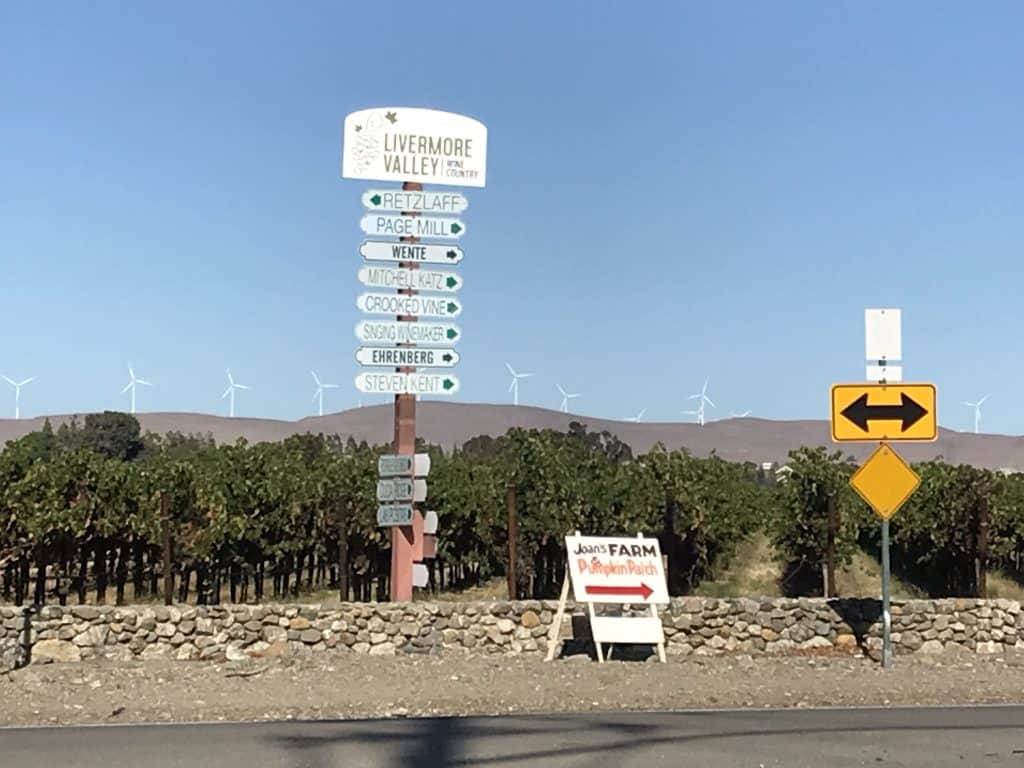
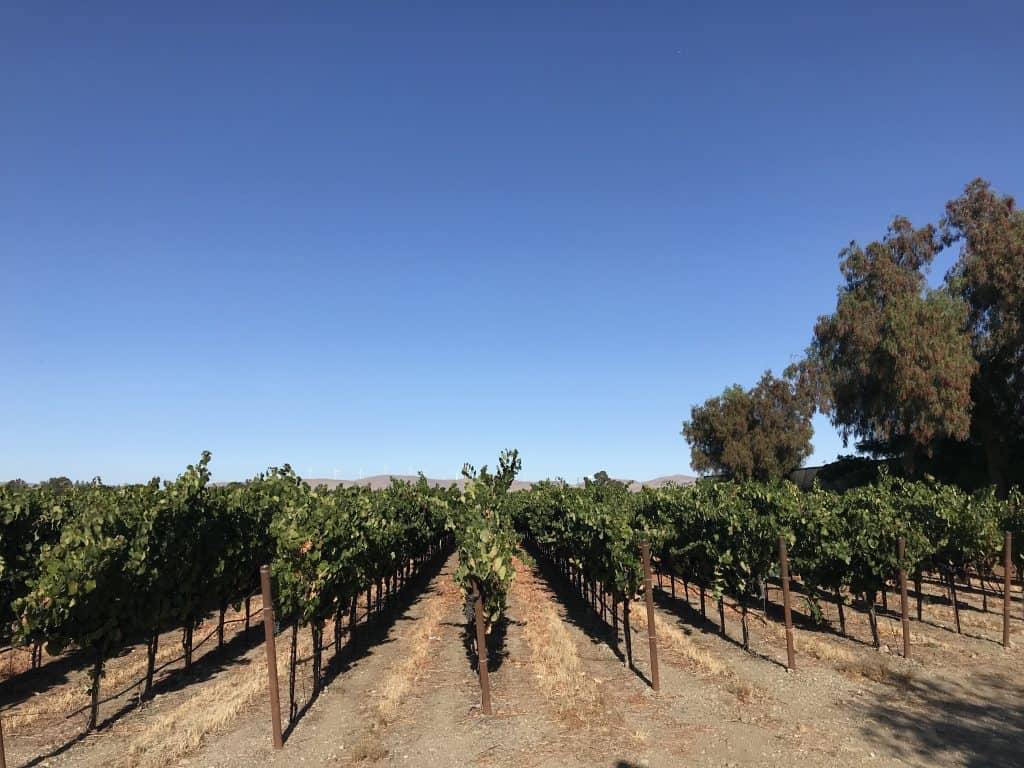
The Livermore Valley Wine Region is the primary attraction of the area. It is one of California’s oldest wine-producing regions, with a history dating back to the 18th century. The valley is home to over 50 wineries, ranging from large, historic estates to small, family-run operations. The region is particularly known for its Chardonnay and Cabernet Sauvignon varieties. Many of the wineries, including the historic Wente Vineyards and Concannon Vineyard, are open to the public for wine tasting and tours.
Downtown Livermore
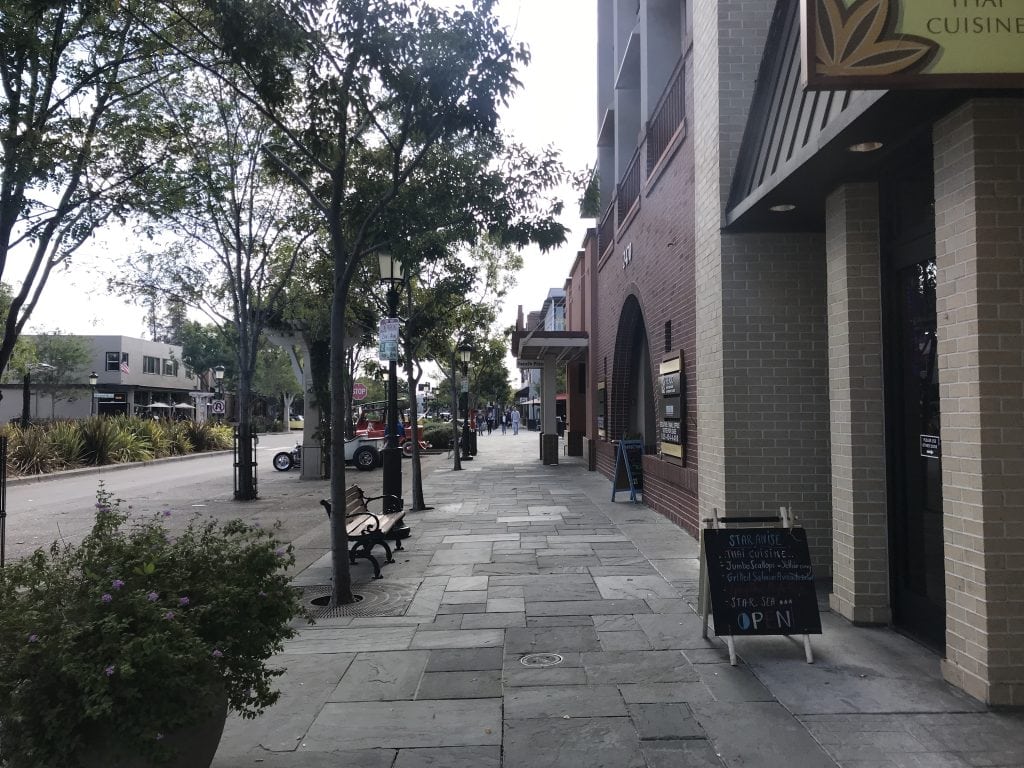
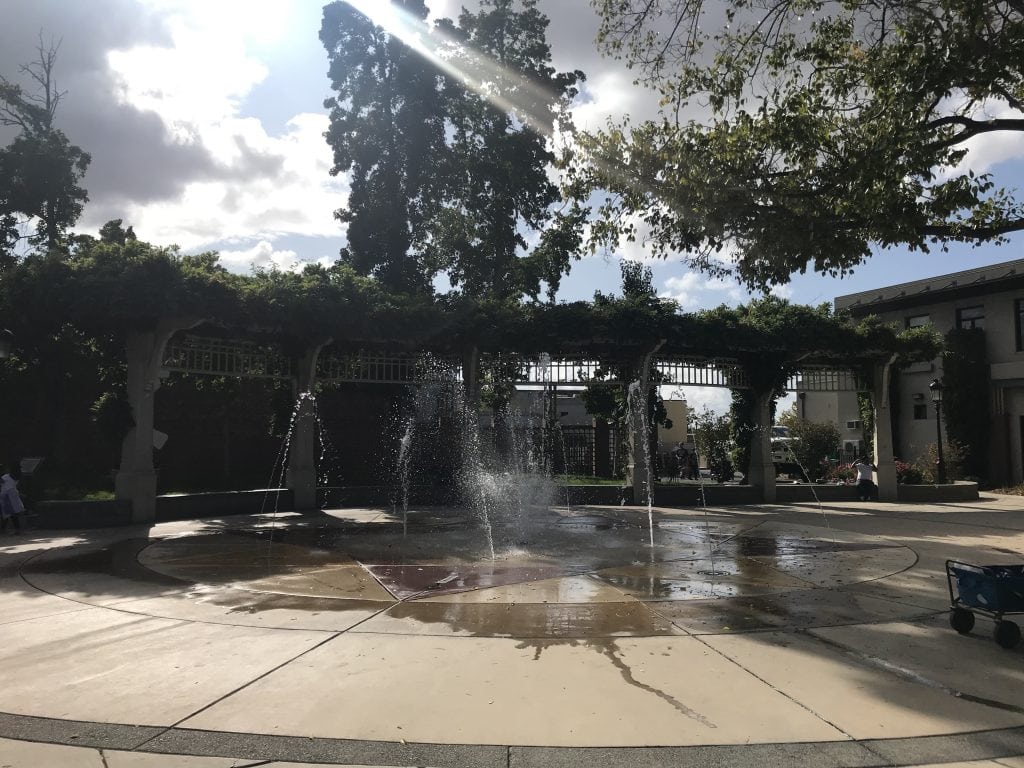
The downtown area of Livermore has undergone significant revitalization in recent decades. The city’s main street, First Street, is the heart of the downtown district. It is a pedestrian-friendly area with a mix of historic buildings, restaurants, wine bars, and theaters. The district is home to the Bankhead Theater, a major performing arts venue. The downtown area serves as the cultural and social hub of the city and hosts numerous community events.
LLNL Discovery Center
The Lawrence Livermore National Laboratory Discovery Center is the public visitor center for the national laboratory. The center offers a look into the cutting-edge science and technology research that is conducted at LLNL. The exhibits are designed to be accessible to the public and are focused on the laboratory’s missions in national security, energy, and environmental science. The center provides an educational experience for visitors interested in the scientific heritage of the city.
Del Valle Regional Park
The Del Valle Regional Park is a large park located in the hills just south of Livermore. The centerpiece of the park is Lake Del Valle, a five-mile-long reservoir. The park is a major destination for outdoor recreation. It offers facilities for camping, boating, fishing, and swimming. The park also has an extensive network of trails for hiking and horseback riding that lead into the surrounding wilderness area.
The Centennial Light Bulb
A unique and famous landmark in Livermore is the Centennial Light Bulb. It is the world’s longest-burning light bulb. The carbon-filament bulb was first installed in 1901. It has been burning almost continuously ever since. It is located at the Livermore-Pleasanton Fire Department Station #6. While the station is not a formal museum, the fire department welcomes visitors to see the famous bulb, which is monitored by a dedicated webcam.


Sports in Livermore
The sporting life in Livermore is shaped by a unique blend of traditional western heritage and modern recreational pursuits. The city is most famously known for its historic professional rodeo, which is a central part of its cultural identity. This connection to its ranching past exists alongside a thriving scene for modern sports like golf, which takes advantage of the valley’s scenic landscape and favorable climate. The city supports numerous facilities, from the rodeo grounds at Robertson Park to several high-quality golf courses. This combination of a major, historic annual sporting event and excellent recreational facilities defines the sports culture of the city.
Rodeo
Rodeo is a key part of Livermore’s sporting and cultural heritage. The city has hosted a major annual rodeo for over a century, cementing its reputation as a “rodeo town.” This event is a central part of the city’s identity and draws thousands of visitors from across the region and the country. It celebrates the city’s long history of cattle ranching, which was the primary industry in the valley before the arrival of wineries and laboratories. The professional rodeo is a major stop on the national circuit.
Livermore Rodeo
The Livermore Rodeo, first held in 1918, is famously known as the “World’s Fastest Rodeo.” It is one of the oldest and most prestigious rodeos in the state of California. The event is held annually in June at the rodeo grounds in Robertson Park. It is a professional rodeo that is part of the Professional Rodeo Cowboys Association (PRCA) circuit. The event features all the classic rodeo competitions, including bull riding, steer wrestling, and barrel racing, attracting top competitors from across the nation.
Golf
The Livermore Valley, with its warm, sunny climate and rolling hills, is a popular destination for golf. The area is home to several high-quality golf courses that attract players from across the San Francisco Bay Area. These courses are a mix of public and private facilities, offering a variety of experiences from championship-level play to more relaxed recreational rounds. The courses are known for their scenic settings, often with views of the local vineyards and hills. Golf is a key part of the city’s modern recreational landscape.
The Course at Wente Vineyards
The Course at Wente Vineyards is a premier 18-hole championship golf course. It was designed by the professional golfer Greg Norman. The course is located on the grounds of the historic Wente Vineyards, and its layout winds through the rolling hills and vineyards of the property. It is a high-end public course that is known for its challenging design and its excellent conditions. The course has hosted professional tournaments and is a major destination for golf tourism in the region.
Las Positas Golf Course
The Las Positas Golf Course is a major public golf facility in Livermore. The complex features an 18-hole championship course, as well as a 9-hole executive course. It is owned by the city of Livermore and is a very popular course for local residents. The facility also has a large driving range and other practice areas. The course is known for being well-maintained and providing an accessible and affordable option for golf in the Tri-Valley region.
Poppy Ridge Golf Course
The Poppy Ridge Golf Course is another major golf facility located in the Livermore Valley. The course is unique in that it features 27 holes, which are divided into three 9-hole loops named Merlot, Chardonnay, and Zinfandel. This allows for three different 18-hole combinations. The course was designed by the golf course architect Rees Jones. It is located in a scenic area with views of the surrounding vineyards and Mount Diablo.


Getting Around in Livermore
Navigating Livermore and the wider Tri-Valley region is best done by car. The city is a modern American suburb with a layout that is designed for automobiles. A local bus system provides public transport, and a commuter train service connects the city with other parts of the Bay Area.
On Foot and by Bike
The downtown area of Livermore is very walkable. The main shopping and dining district on First Street is pedestrian-friendly. The city also has an extensive network of multi-use trails for cycling and walking. These paths run along the arroyos (creeks) and connect the different residential neighborhoods with the parks and the downtown area.
Local Buses
The public transport in Livermore and the Tri-Valley is operated by WHEELS. This bus system provides local service within Livermore and also connects the city with the nearby towns of Dublin and Pleasanton. The buses are a key mode of transport for local travel and for connecting to the regional rapid transit system.
Commuter Rail
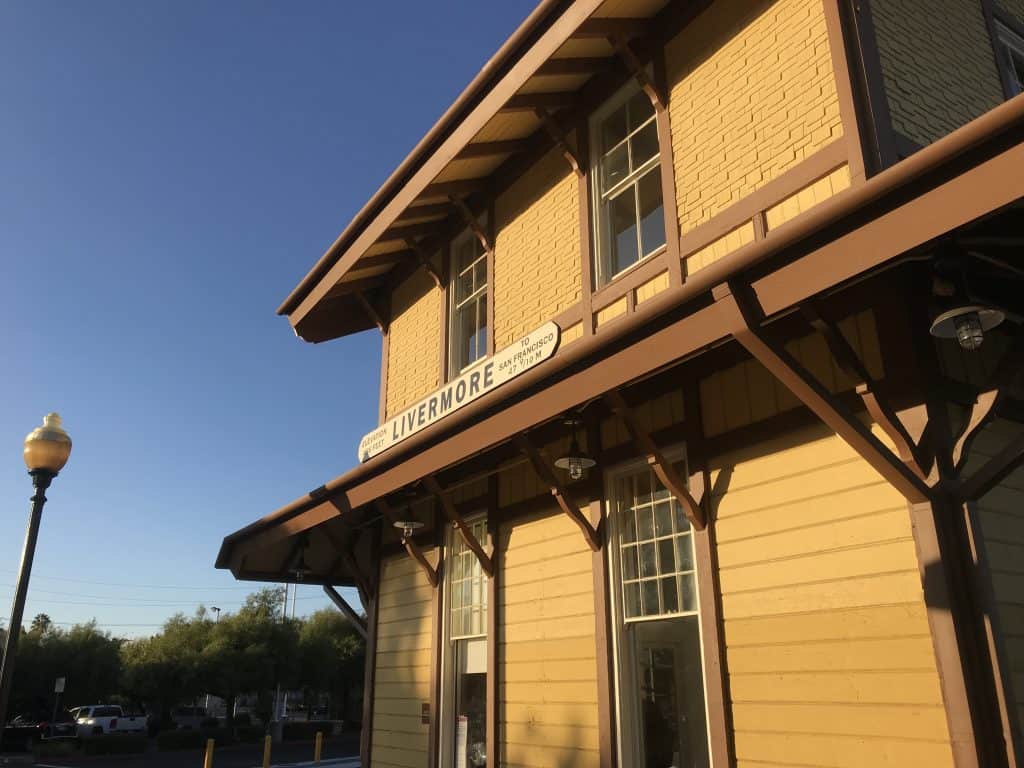
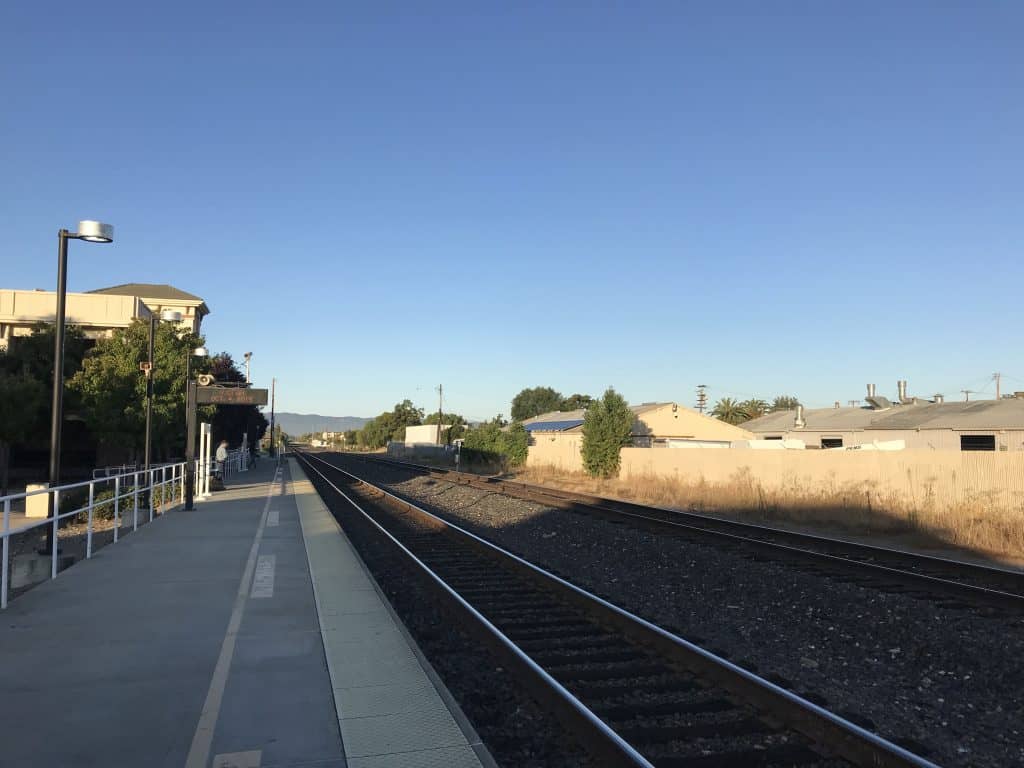
Livermore is served by the Altamont Corridor Express (ACE) commuter rail service. The ACE train connects the city of Stockton in the Central Valley with San Jose in Silicon Valley. The Livermore station is located in the western part of the city. The service is primarily used by commuters during peak weekday hours. It provides a rail link to the major employment centers of the South Bay.

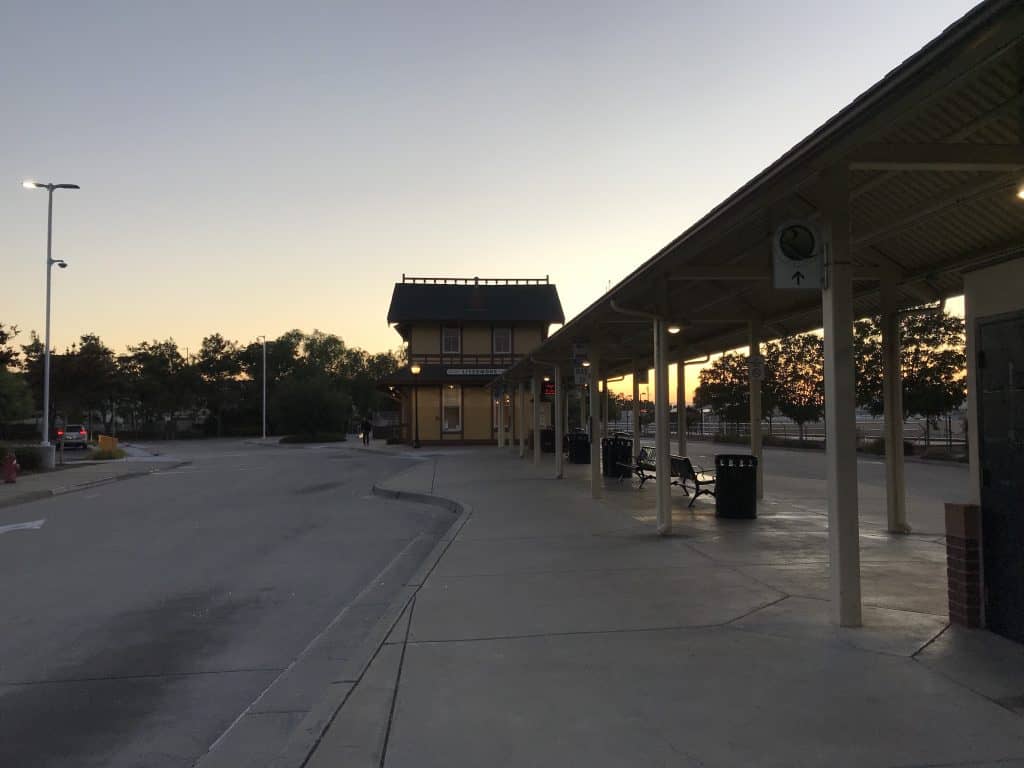
How to Get to Livermore
Reaching Livermore is convenient by road, as it is located on a major interstate highway. The city is also accessible by regional public transport from the main hubs of the San Francisco Bay Area.
The Open Road: Driving the I-580
Driving is the most common way to reach Livermore. The city is located directly on Interstate 580 (I-580). This is a major east-west highway that connects the Bay Area with the Central Valley. The I-580 provides a direct link to Oakland and San Francisco to the west. The city is also connected by Interstate 680 (I-680), a major north-south route.
Arriving by Air
The three major international airports of the Bay Area all serve the Livermore region. The closest is Oakland International Airport (OAK), which is located approximately 40 kilometers to the west. Norman Y. Mineta San José International Airport (SJC) is about 50 kilometers away. San Francisco International Airport (SFO) is the largest hub and is about 70 kilometers away. From any of these airports, a rental car or a combination of rapid transit and bus is required.
On Track: A Journey by Rail
Livermore is served by the Altamont Corridor Express (ACE) commuter train, which runs on weekdays. For more frequent service, the Bay Area Rapid Transit (BART) system is the key. The closest BART station is the Dublin/Pleasanton station. This station is the terminus of one of the main BART lines from Oakland and San Francisco. From the BART station, the WHEELS bus system provides a direct connection to Livermore.
Connecting by Coach
There are limited direct long-distance bus services to Livermore itself. Travel by coach would typically involve taking a service from a company like Greyhound or FlixBus to a larger nearby city, such as Oakland or San Jose. From these cities, travelers would then need to transfer to the local or regional public transport network to complete the journey to Livermore.
An International Ferry Approach
There is no direct ferry access to the inland city of Livermore. The closest major ferry services are located in the San Francisco Bay, connecting cities like San Francisco and Oakland. International travelers arriving by sea would likely do so at one of the major cruise ship terminals in San Francisco or the Port of Los Angeles. From these ports, a long overland journey by car or public transport is required.
Driving Distances
The driving distance from 10 regional cities, according to Google Maps:
- San Jose, CA – 35 kilometers (0 h 30 min)
- San Francisco, CA – 71 kilometers (1 h 00 min)
- Sacramento, CA – 134 kilometers (1 h 30 min)
- Reno, NV – 378 kilometers (4 h 00 min)
- Los Angeles, CA – 568 kilometers (5 h 50 min)
- San Diego, CA – 758 kilometers (7 h 40 min)
- Las Vegas, NV – 863 kilometers (8 h 20 min)
- Portland, OR – 1,061 kilometers (10 h 40 min)
- Phoenix, AZ – 1,159 kilometers (11 h 10 min)
- Seattle, WA – 1,336 kilometers (13 h 40 min)
Looking to Explore more of the United States and the Americas?