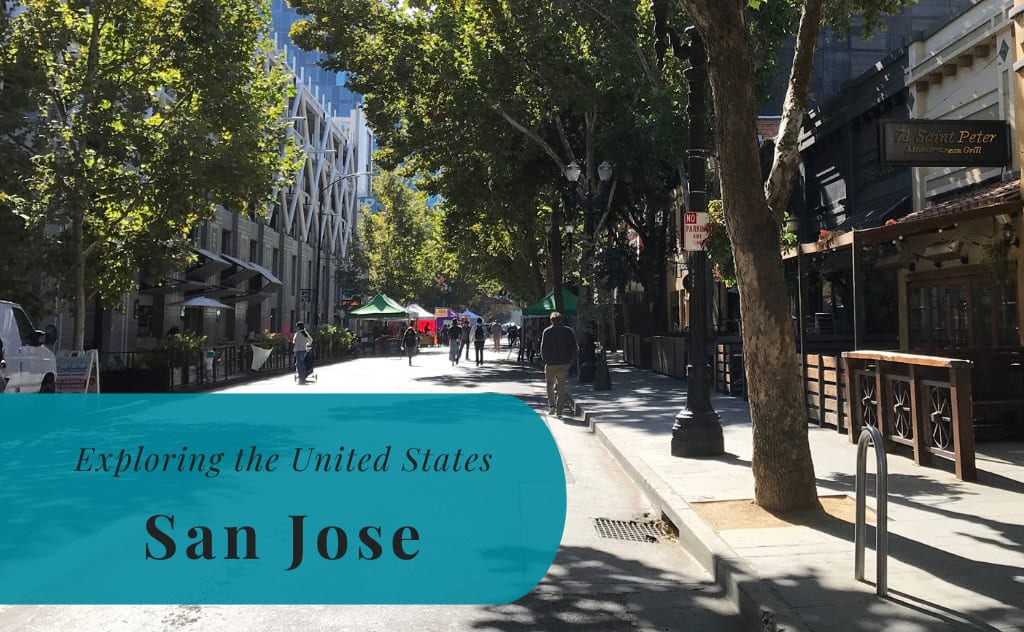
San Jose, California | Exploring the United States
San Jose, officially the City of San José, is the largest city in Northern California and the third-most populous city in the state. It is located in the Santa Clara Valley, at the southern end of the San Francisco Bay. With a population of approximately 970,000 residents, San Jose is the county seat of Santa Clara County and the anchor of the much larger San Jose-San Francisco-Oakland Combined Statistical Area. The city is positioned between the Santa Cruz Mountains to the west and the Diablo Range to the east, with the Guadalupe River flowing through its center.
The character of San Jose is defined by its role as the unofficial “Capital of Silicon Valley.” Its identity is inextricably linked to the global technology industry, with numerous major tech companies having their headquarters or a significant presence in the city and the surrounding valley. This has transformed San Jose from a quiet agricultural center into a sprawling, modern metropolis and a global hub for innovation and wealth. This technological focus exists alongside a history that stretches back to its time as the first civilian settlement in Spanish California.
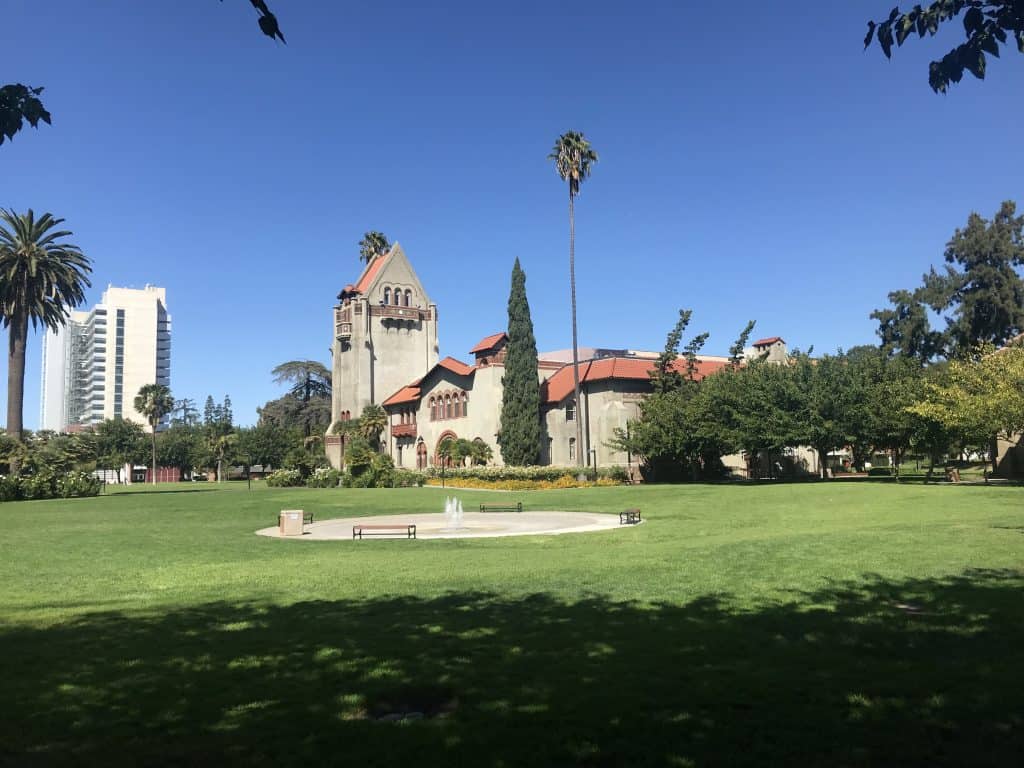
Unlike its more famous neighbor, San Francisco, San Jose is characterized by a more suburban and car-oriented layout, reflecting its rapid growth in the mid-20th century. The city’s landscape is a mix of a compact downtown area with modern high-rises, extensive residential neighborhoods, and sprawling tech campuses. It is a highly diverse and multicultural city, with large Hispanic and Asian communities. This combination of a deep Californian history, a dominant modern tech industry, and a diverse population gives the city its specific character.

Good to Know When Visiting San Jose
To help with planning a visit, here are several practical points covering daily essentials, timing, and efficient exploration of the city. Understanding these details can make a trip to San Jose and the wider Silicon Valley more convenient. This information is intended to provide a general overview for travelers preparing to visit this major Californian city.
The Daily Essentials
The official currency used in San Jose is the United States Dollar (USD). Credit, debit, and digital payments are accepted nearly everywhere and are the standard for most transactions. The official language is English. Due to the city’s large immigrant communities, Spanish and Vietnamese are also very widely spoken. Tipping is a standard and expected practice in the United States; a tip of 18-20% of the pre-tax bill is customary for good service in restaurants and for service workers. The tap water in San Jose is of high quality and is safe to drink. The electrical system uses Type A and B sockets with a standard voltage of 120V, so most international visitors will need an adapter. San Jose is generally a safe city, but as with any large urban area, general precautions should be taken, particularly at night.
Planning Your Calendar
San Jose has a Mediterranean climate with warm to hot, dry summers and mild, wet winters. The city is known for its abundant sunshine, with an average of over 300 sunny days per year. The best time to visit is typically in the spring (April-June) or the autumn (September-November), when the weather is very pleasant and avoids the peak summer heat. Key public events include the Cinequest Film & Creativity Festival in the spring and the San Jose Jazz Summer Fest in August. For a first visit focused on the city and its main attractions, three to four days is generally sufficient. A longer stay would be needed to explore the wider Silicon Valley and the nearby Santa Cruz Mountains.
A Tourist’s Toolkit for Exploration
While the downtown area of San Jose is walkable, the city and the wider Silicon Valley are very spread out, making a car essential for most visitors. The public transport system, operated by the VTA (Valley Transportation Authority), consists of buses and a light rail network. The regional Clipper Card can be used for these services, as well as for the Caltrain commuter rail. It is advisable to book accommodation well in advance, as the city is a major business travel destination and hotels can be expensive. For those interested in the tech industry, it is important to note that most major tech campuses, such as Apple and Google, are not open to the public for general tours, but their visitor centers can be visited.


A Short History of San Jose
The history of San Jose is a story of three distinct eras of transformation: from the first civilian settlement in Spanish California to the agricultural capital of the “Valley of Heart’s Delight,” and finally to the global technology hub known as the “Capital of Silicon Valley.” This journey reflects the wider history of California’s development. The city’s story is one of rapid growth, driven first by land, then by agriculture, and ultimately by technological innovation.
Spanish Pueblo and First State Capital
The history of San Jose began in 1777. It was founded by the Spanish colonists as El Pueblo de San José de Guadalupe. This was the first civilian town to be established in the Spanish colony of Alta California. Its primary purpose was to be an agricultural community, growing crops to supply the military presidios at San Francisco and Monterey. After Mexico gained its independence from Spain, San Jose remained a small but important agricultural pueblo.
After California was ceded to the United States and achieved statehood in 1850, San Jose played a brief but important political role. The city served as the first state capital of California from 1849 to 1851. The first sessions of the California State Legislature were held here. While the capital was soon moved to other cities, this early political role established San Jose’s importance in the new state. It continued to grow as a service center for the surrounding agricultural region.
The Valley of Heart’s Delight
In the late 19th and early 20th centuries, the Santa Clara Valley, with San Jose at its heart, became a major agricultural center. The region was known as the “Valley of Heart’s Delight” due to the vast number of fruit orchards that covered the landscape. The area was the largest fruit production and packing region in the world. It was particularly known for its prunes, apricots, and cherries.
The arrival of the railway connected the valley to the rest of the country, allowing for the widespread distribution of its products. The city of San Jose grew as a center for the canning and dried fruit industries. This agricultural prosperity defined the city’s identity for many decades. The landscape was one of endless orchards, and the economy was driven by the seasonal rhythms of the harvest.
The Birth of Silicon Valley
The transformation of the Santa Clara Valley from an agricultural center to a technology hub began after World War II. The process was driven by several factors, including the presence of Stanford University to the north, which fostered a culture of innovation and entrepreneurship. The region also benefited from major US defense contracts for electronics and aerospace industries. Companies like Hewlett-Packard and IBM established a major presence in the area.
The pivotal moment was the invention of the silicon integrated circuit in the late 1950s. This led to the explosion of the semiconductor and later the personal computer industry. The region was nicknamed “Silicon Valley” in the 1970s. San Jose, as the largest city in the valley, experienced explosive population growth and urban sprawl as the agricultural land was rapidly converted into residential subdivisions and tech campuses. This has created the modern city seen today, the economic engine of Northern California.
Things to Do and See
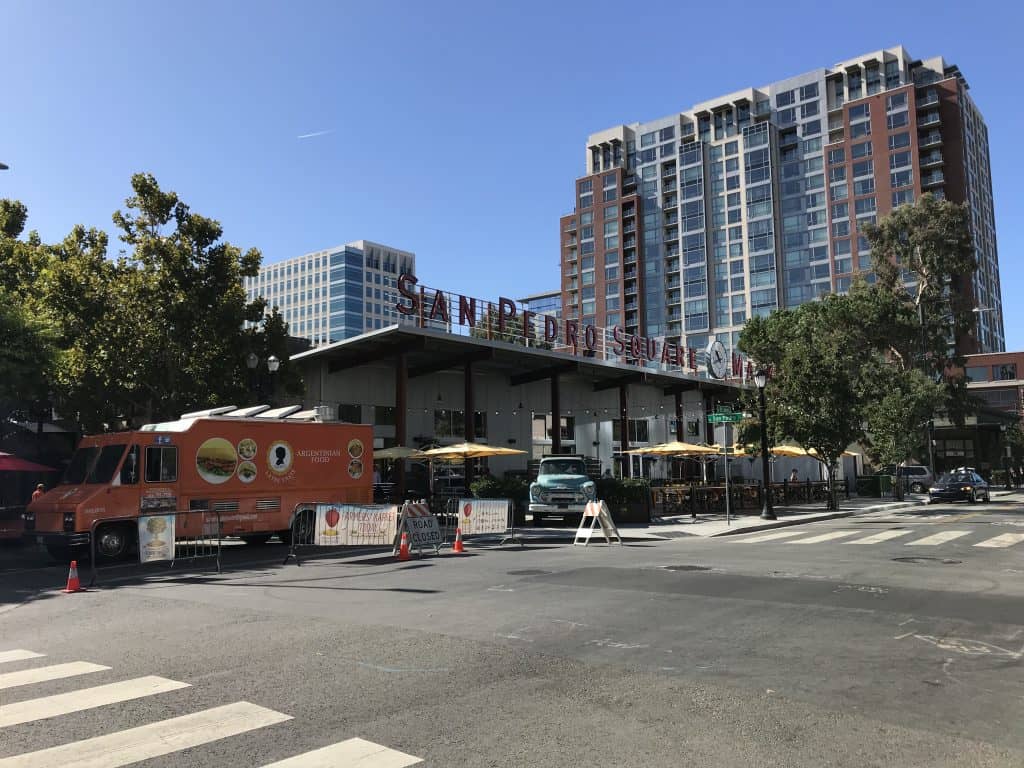
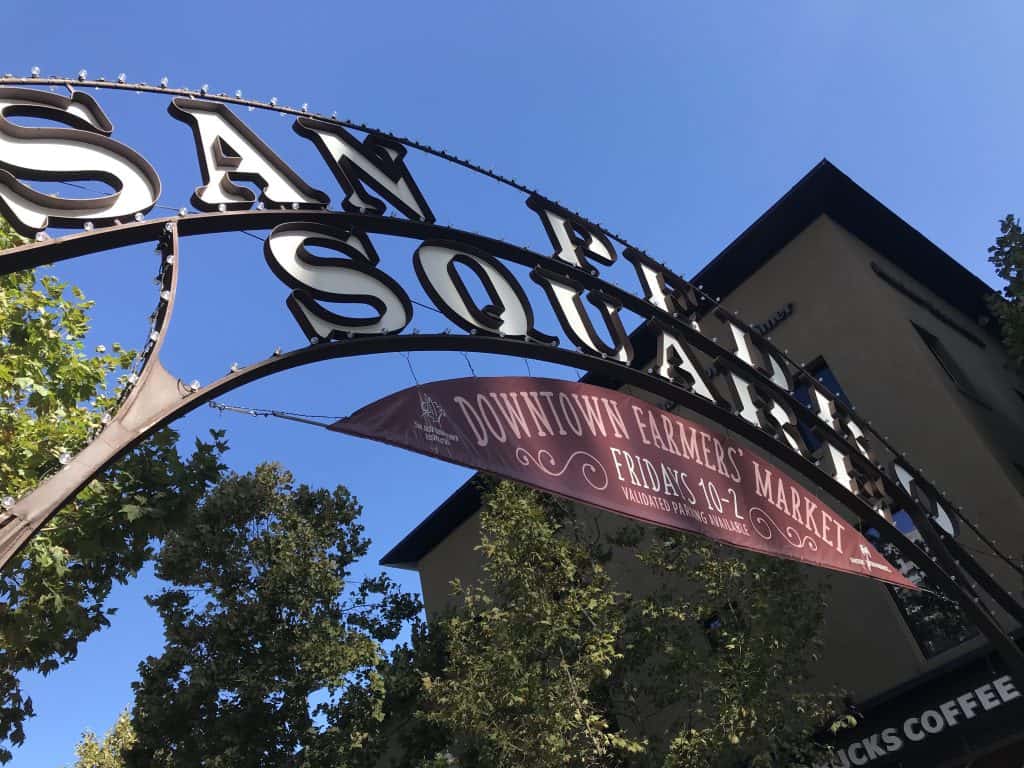
The sights in San Jose are a reflection of its modern identity as the capital of Silicon Valley, with a focus on technology, science, and art. The city also has several unique historical and cultural attractions that showcase its long history. The main points of interest are concentrated in the downtown area and in the surrounding neighborhoods.
A visit to San Jose provides a look into the heart of the global tech industry, but also reveals a city with a diverse range of cultural institutions. The city’s museums cover topics from ancient Egypt to modern art and interactive technology. A unique and eccentric mansion provides a look into a famous local legend. The city’s historic districts, such as Japantown, also offer a glimpse into the diverse communities that have shaped its history.
The Tech Interactive
The Tech Interactive, often referred to as simply “The Tech,” is a major science and technology center located in downtown San Jose. It is housed in a distinctive mango-colored building with a large dome. The museum is dedicated to inspiring the innovator in everyone and offers hundreds of hands-on, interactive exhibits. The exhibitions are divided into several themed galleries that explore topics such as robotics, biotechnology, and space exploration. The museum also features an IMAX dome theater. It is a key educational institution in Silicon Valley and a popular attraction for families.
Winchester Mystery House
The Winchester Mystery House is a famous and eccentric mansion located in San Jose. The house was the personal residence of Sarah Winchester, the widow of the firearm magnate William Wirt Winchester. Construction on the house began in 1886 and continued, 24 hours a day, until her death in 1922. The mansion is known for its immense size and its numerous architectural oddities, such as staircases that lead to nowhere and doors that open into walls. According to popular legend, Sarah Winchester believed the continuous construction was necessary to appease the spirits of those killed by Winchester rifles. The house is now a major tourist attraction with guided tours.
Rosicrucian Egyptian Museum
The Rosicrucian Egyptian Museum is located in the Rose Garden neighborhood of San Jose. The museum is architecturally inspired by the Temple of Amon at Karnak. It houses the largest collection of ancient Egyptian artifacts on exhibit in Western North America. The collection includes items from pre-dynastic times through to the Roman era. Key exhibits include several human and animal mummies, a replica of a rock-cut tomb, and displays on daily life, kingship, and religion in ancient Egypt. The museum is part of the larger Rosicrucian Park, which also includes a planetarium and gardens.
San Jose Museum of Art
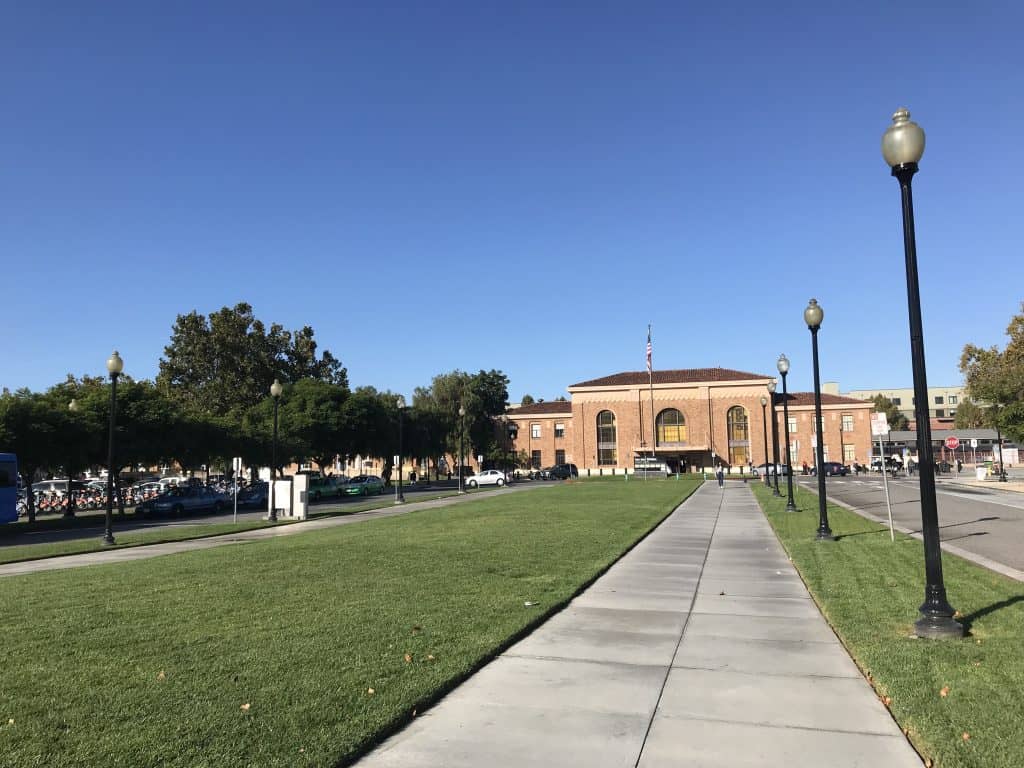
The San Jose Museum of Art is located in a historic building in the downtown area that once served as the city’s main post office. The museum is dedicated to modern and contemporary art. Its permanent collection has a strong focus on West Coast artists from the 20th and 21st centuries. The collection includes paintings, sculptures, photography, and new media. The museum also hosts a regular program of major temporary exhibitions, featuring both national and international artists. It is a key cultural institution in the downtown arts district.
Santana Row
Santana Row is a large, upscale shopping, residential, and entertainment district located in San Jose. The area is designed to resemble a European-style boulevard, with a mix of high-end retail stores, restaurants with outdoor seating, and luxury apartments. It is a major destination for shopping and dining in the city. The district is known for its lively atmosphere, particularly in the evenings and on weekends. It also hosts events such as a weekly farmers’ market and outdoor music performances.
Japantown
The Japantown in San Jose is one of the last three remaining historic Japantowns in the United States. The neighborhood was established in the late 19th century by Japanese immigrants. It has served as a cultural and community center for the Japanese-American population of the Santa Clara Valley for over a century. The district features a mix of traditional and modern Japanese restaurants, shops, and cultural institutions. The Japanese American Museum of San Jose is located here, as is a Buddhist temple.
Cathedral Basilica of St. Joseph
The Cathedral Basilica of St. Joseph is a large Roman Catholic church located in downtown San Jose. The current building was completed in 1877 and is the fifth church to stand on the site since the city’s founding. The church is known for its grand dome and its impressive interior, which features numerous stained glass windows. It was elevated to the status of a minor basilica by the Pope in 1997. It serves as the cathedral for the Roman Catholic Diocese of San Jose.
Plaza de César Chávez
The Plaza de César Chávez is a large public park located in the heart of downtown San Jose. The park is one of the oldest public spaces in California. It is named in honor of the civil rights and labor leader César Chávez. The plaza is a major hub for public events in the city. It is the main venue for the San Jose Jazz Summer Fest and the annual Christmas in the Park display. The plaza is surrounded by key cultural institutions, including the San Jose Museum of Art and The Tech Interactive.


Sports in San Jose
The sporting life in San Jose is centered on its major professional sports franchises, which command a loyal local following and represent the city on a national and international stage. The city is a key hub for ice hockey and soccer in Northern California, with modern, dedicated venues that host top-tier competitions. The SAP Center in the downtown area is a major indoor arena, while PayPal Park is a state-of-the-art soccer-specific stadium. These facilities are central to the city’s identity as a major sports market. The passionate fanbases for the local teams create an energetic atmosphere at home games, making them important community events for the residents of San Jose and the wider Silicon Valley.
This combination of professional teams and high-quality venues makes San Jose a significant sporting destination. Beyond the major professional leagues, the city has a strong collegiate sports presence through San Jose State University, which has a long and storied history in athletics. The city also hosts major annual running events that attract participants from around the world, taking advantage of the favorable climate and city layout. This diverse sporting landscape, from professional ice hockey to major half marathons, provides a wide range of options for sports enthusiasts throughout the year.
Ice Hockey
Ice hockey is the most popular professional spectator sport in San Jose. The city is home to a National Hockey League (NHL) team that has a very dedicated and passionate fanbase, which has given its home arena a reputation as one of the loudest and most difficult for visiting teams. The team has been a consistent contender in the league for much of its history, helping to grow the sport in a non-traditional market. The presence of the NHL team has also spurred the growth of youth and amateur hockey leagues throughout Northern California. The organization also has its minor league affiliate team based in the same city, creating a unique and integrated hockey community.
San Jose Sharks
The San Jose Sharks are the city’s professional ice hockey team, competing in the National Hockey League (NHL). Founded as an expansion team in 1991, they play their home games at the SAP Center at San Jose, which is affectionately known as the “Shark Tank” by fans. The team is known for its dramatic pre-game entrance, where players skate onto the ice through a giant, glowing shark head that is lowered from the rafters. While they have not yet won the Stanley Cup, the team’s most successful season was in 2016, when they reached the Stanley Cup Finals. The Sharks have won the Presidents’ Trophy for the best regular-season record and have had many successful playoff runs, fueled by a dedicated fanbase.
San Jose Barracuda
The San Jose Barracuda are the city’s professional minor league ice hockey team. They are the top affiliate of the San Jose Sharks and compete in the American Hockey League (AHL). The team serves as the primary development club for the Sharks, with many players moving between the two rosters during the season. The Barracuda play their home games at the Tech CU Arena, a modern facility that is part of the Sharks’ large practice facility complex. This close relationship allows fans to watch the future stars of the Sharks develop their skills in a competitive professional league.
Soccer
Soccer has a long history and a strong following in San Jose. The city is represented by a professional team that was one of the founding members of Major League Soccer (MLS). The sport has gained significant popularity, with a strong youth and amateur scene throughout the area. The professional club represents the entire Bay Area but has its primary roots and its modern, dedicated stadium in San Jose. The team has a history of winning national championships and has a passionate and dedicated fanbase.
San Jose Earthquakes
The main professional soccer club representing the Bay Area is the San Jose Earthquakes. The team competes in Major League Soccer (MLS) and was one of the league’s ten charter members when it was founded in 1996. The Earthquakes have won the MLS Cup twice, in 2001 and 2003, and have also won the Supporters’ Shield for the best regular-season record. They play their home games at PayPal Park, a modern, soccer-specific stadium known for having one of the longest outdoor bars in North America. The team has a strong local rivalry with the LA Galaxy, which is known as the “California Clásico.”
College Football
San Jose State University has a major NCAA Division I athletics program, which is a key part of the city’s sporting landscape. The university’s teams are known as the San Jose State Spartans, and they compete in the Mountain West Conference. The university fields teams in a wide variety of sports, but the most prominent is the American football team. The program has a long and storied history, including a historic legacy in track and field, when it was known as “Speed City” and produced several world-record holders and Olympic medalists.
San Jose State Spartans
The San Jose State Spartans football team represents the university in the highest level of college football in the United States. The program has a long history and has won numerous conference championships over the decades. They play their home games at CEFCU Stadium, which is located on the university’s south campus. The team has a strong local following, and home games are important events for students, alumni, and the wider San Jose community. The Spartans’ rivalry with Fresno State is one of the longest-running in college football.
Running
Running is a major participation sport and recreational activity in San Jose and the wider Silicon Valley. The region’s mild, sunny climate provides year-round opportunities for outdoor running, which is embraced by the health-conscious local population. The city has an extensive network of urban trails and parks that are popular with runners, such as the Guadalupe River Park Trail and the Los Gatos Creek Trail. This strong local running culture supports a vibrant racing scene, which includes several large, professionally organized road races throughout the year. These events attract both elite international athletes and thousands of local community members, often raising significant funds for charitable causes. The combination of a favorable environment and an active community has made San Jose a key destination for running on the West Coast.
Rock ‘n’ Roll San Jose Half Marathon
The Rock ‘n’ Roll San Jose Half Marathon is a major annual running event and is part of the global Rock ‘n’ Roll Marathon Series. The race is known for its festive atmosphere, with live bands and entertainment located at every mile along the course. The event typically takes place in the autumn. The course for the race is known for being very flat and fast, which attracts elite athletes who are attempting to set personal best times. It runs through the streets of downtown San Jose, passing by many of the city’s main landmarks. In addition to the main half marathon, the event also includes shorter races like a 10k and a 5k, making it accessible to runners of all levels.
Silicon Valley Turkey Trot
The Silicon Valley Turkey Trot is another major annual running event that has become a key local tradition. The race is held on Thanksgiving Day morning in downtown San Jose. It is one of the largest timed “Turkey Trot” races in the United States, regularly attracting over 20,000 participants. The event was founded in 2005 and serves as a major charity fundraiser, with proceeds benefiting local organizations that provide health and wellness services. The race has a very festive atmosphere, with many participants running in costumes. It includes several different race distances, making it a popular event for families.


Getting Around in San Jose
Navigating San Jose and the wider Silicon Valley almost always requires a car. The city is a prime example of 20th-century American urban sprawl, with a design that is heavily centered on the automobile. The public transport system is extensive but is not always the most efficient way to travel between the many sprawling residential and commercial districts. Understanding the transport options is key to exploring this large metropolitan area.
The public transport system is operated by the Valley Transportation Authority (VTA). It consists of a large network of buses and a light rail system. The regional Clipper Card can be used to pay for fares on VTA services, as well as on the Caltrain commuter rail and other transport systems in the Bay Area. While the downtown area is walkable, the main sights and tech campuses are spread out over a very large area.
The Open Road: Driving the Freeways
A car is the most common and practical way to get around San Jose and the Silicon Valley. The city is at the center of a dense network of major freeways. U.S. Route 101 and Interstates 280 and 880 are the main north-south corridors. These highways connect San Jose with San Francisco to the north and with the rest of California. Be aware that traffic congestion is a major issue in the region, especially during peak commute hours. Parking is generally available in large lots or garages.
VTA Light Rail and Buses
The Valley Transportation Authority (VTA) operates a light rail and bus network. The light rail system has three lines that serve the downtown area and connect it with other parts of the Santa Clara Valley. The bus network is much more extensive and provides coverage to almost all parts of the city. The public transport system is primarily used by commuters and is not always the most direct way for tourists to travel between sights.
On Two Wheels: Cycling
Cycling is a popular recreational activity in San Jose, but it can be challenging for daily transport due to the large distances and heavy traffic. The city has been expanding its network of dedicated and protected bike lanes. The city also has a bike-sharing scheme. There are several scenic recreational trails in the area, such as the Guadalupe River Park Trail, which runs through the downtown area.
Commuter Rail
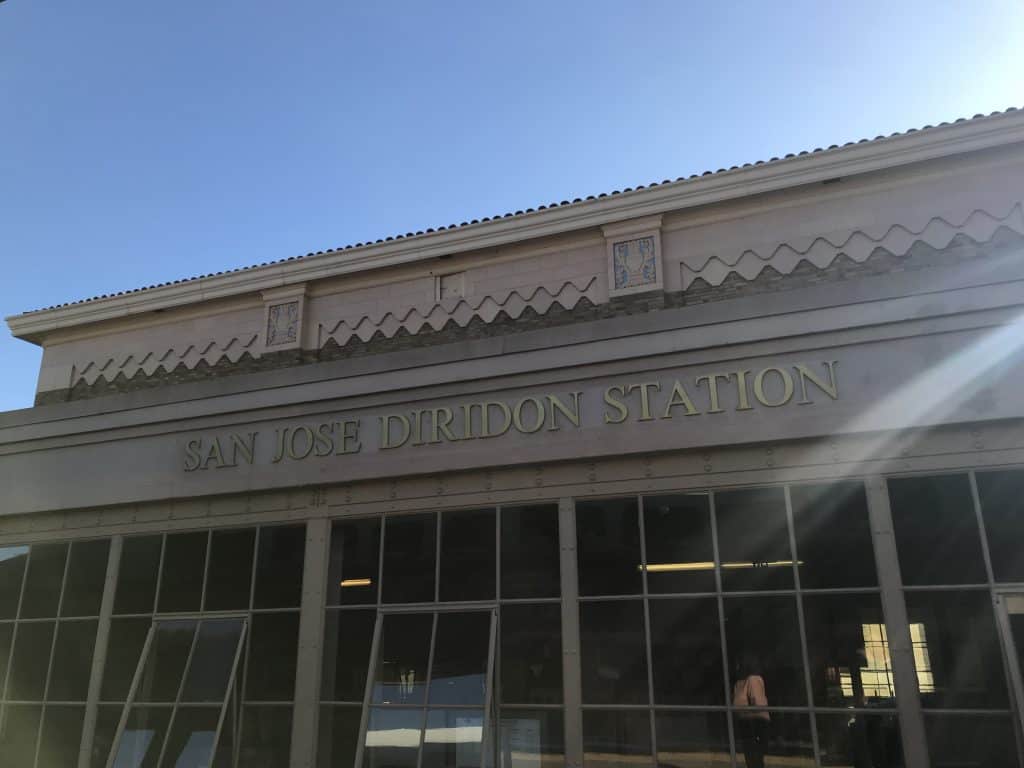
The Caltrain commuter rail service is a key transport link in the region. The train line connects San Jose with cities on the San Francisco Peninsula, with its northern terminus in San Francisco. The main station in San Jose is Diridon Station, which is a major multi-modal transport hub. Caltrain is a popular option for commuting between San Jose and Silicon Valley cities like Palo Alto and Mountain View.
How to Get to San Jose
Reaching San Jose is very convenient by air, as the city has its own major international airport located in the heart of Silicon Valley. The city is also a key hub on the regional road and rail networks. This makes it highly accessible from other parts of California and from across the United States.
Arriving by Air: The Silicon Valley Gateway
The primary airport for the city is Norman Y. Mineta San José International Airport (SJC). The airport is located just a few kilometers from downtown San Jose. It offers extensive domestic and international connections, with a focus on serving the business travel needs of Silicon Valley. It is a major hub for several airlines. The airport is connected to the city’s VTA light rail and bus system. For even more global flight options, San Francisco International Airport (SFO) and Oakland International Airport (OAK) are also located in the wider Bay Area.
The Open Road: Driving the Freeways
Driving to San Jose is straightforward. The city is located at the junction of several major US and California highways. U.S. Route 101 is a key north-south freeway that runs directly through the city. Interstate 280 is another major north-south route known for its scenic views. Interstate 880 connects San Jose with the East Bay cities of Oakland and Fremont. These highways connect the city to the wider national interstate network.
On Track: A Journey by Rail
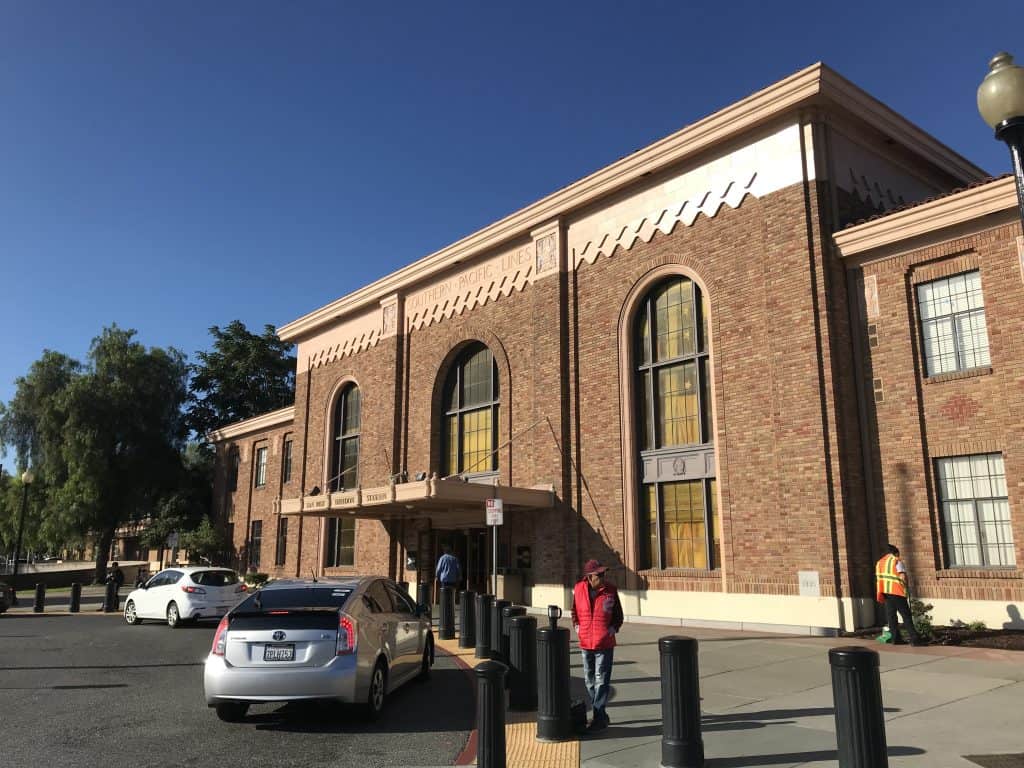
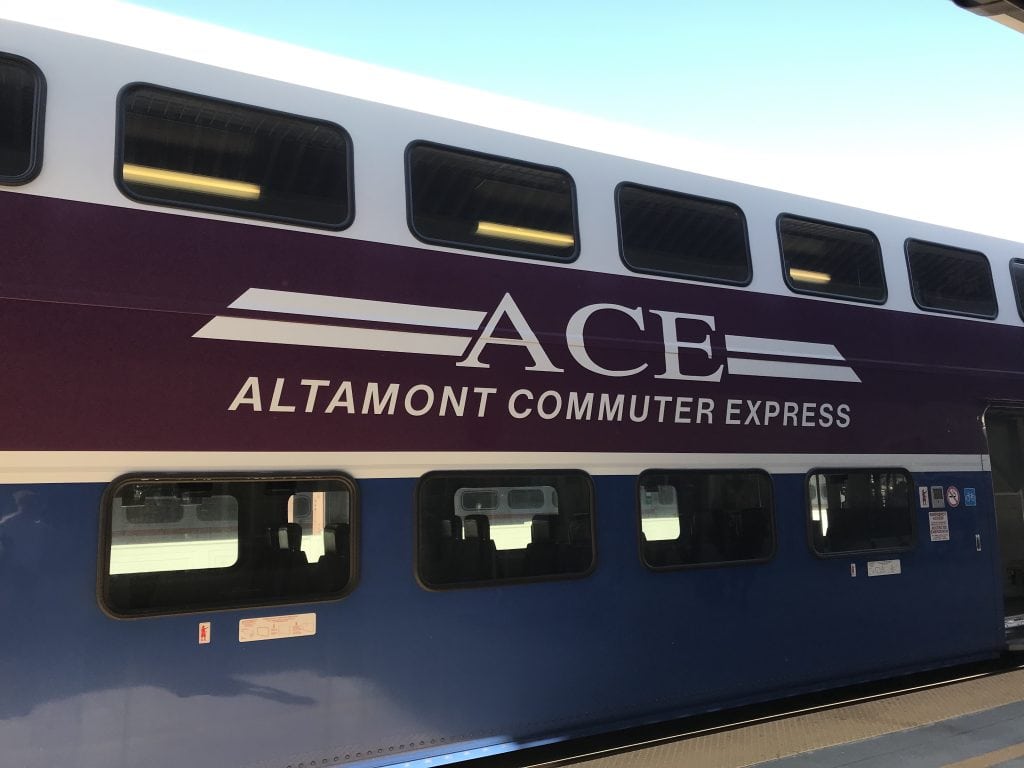
Traveling to San Jose by train is an efficient option. The San Jose Diridon station is the city’s main railway hub. Amtrak, the national passenger rail corporation, serves the station with several long-distance routes, including the Coast Starlight, which runs between Seattle and Los Angeles. The station is also the southern terminus for the Caltrain commuter rail service to San Francisco and is a stop on the regional Altamont Corridor Express (ACE).
Connecting by Coach
Long-distance bus services from companies like Greyhound and FlixBus connect San Jose with many cities across California and the United States. The main bus terminal for some of these services is located at the Diridon Station. This provides an economical option for reaching the city. The bus is a common way to travel between San Jose and Los Angeles or other cities in the Central Valley.
Driving Distances
The driving distance from 20 regional cities, according to Google Maps:
- San Francisco, CA, USA – 77 kilometers (1 h 00 min)
- Sacramento, CA, USA – 190 kilometers (2 h 10 min)
- Los Angeles, CA, USA – 545 kilometers (5 h 40 min)
- San Diego, CA, USA – 738 kilometers (7 h 30 min)
- Las Vegas, NV, USA – 847 kilometers (8 h 20 min)
- Portland, OR, USA – 1,095 kilometers (11 h 00 min)
- Phoenix, AZ, USA – 1,140 kilometers (11 h 00 min)
- Salt Lake City, UT, USA – 1,185 kilometers (11 h 10 min)
- Seattle, WA, USA – 1,374 kilometers (13 h 50 min)
- Vancouver, BC, Canada – 1,604 kilometers (16 h 20 min)
- Denver, CO, USA – 1,980 kilometers (19 h 00 min)
- Calgary, AB, Canada – 2,075 kilometers (21 h 20 min)
- Dallas, TX, USA – 2,729 kilometers (1 d 2 h 00 min)
- Austin, TX, USA – 2,765 kilometers (1 d 2 h 00 min)
- Houston, TX, USA – 3,000 kilometers (1 d 4 h 00 min)
- Chicago, IL, USA – 3,400 kilometers (1 d 7 h 00 min)
- New Orleans, LA, USA – 3,550 kilometers (1 d 9 h 00 min)
- Toronto, ON, Canada – 3,975 kilometers (1 d 13 h 00 min)
- New York, NY, USA – 4,660 kilometers (1 d 18 h 00 min)
- Miami, FL, USA – 4,821 kilometers (1 d 19 h 00 min)
Looking to Explore more of the United States and the Americas?