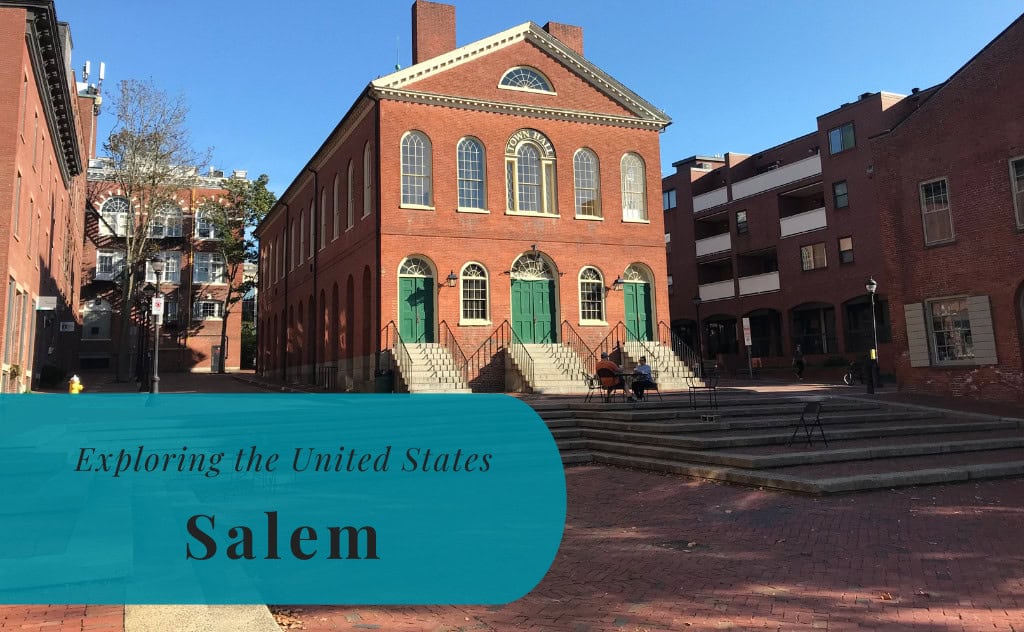
Salem, Massachusetts | Exploring the United States
Salem is a historic city on the North Shore of Massachusetts in the United States. It is located on the coast of Massachusetts Bay, just 24 kilometers north of Boston. With a population of approximately 45,000 residents, it is the county seat of Essex County. Salem’s geography includes a protected natural harbor and a historic waterfront that played a key role in its development. The city is a major cultural and historical destination in the New England region.
The character of Salem is defined by two major periods of its history: its role in the 1692 Salem Witch Trials and its later status as a major international seaport. These two identities are visible throughout the city. The history of the witch trials is explored in several museums and memorials, attracting many visitors. The city’s prosperous maritime past is reflected in its grand historic houses and the preserved waterfront area. Today, Salem combines its function as a tourist destination with its life as a residential city with a local university.


A Short History of Salem
The history of Salem spans four centuries, from its founding as an early Puritan settlement to its modern identity as a major tourist destination. The city’s story is most famously associated with the 1692 witch trials, a brief but impactful episode in American history. Following this period, the city grew into one of the most important maritime centers in the early United States, with a global trading reach. This history of religious zeal, maritime prosperity, and modern preservation has shaped the city seen today.
The Salem Witch Trials
The history of Salem began with its founding in 1626 by English Puritans led by Roger Conant. It quickly grew into a prominent port town. Its early colonial period was marked by religious zeal and social tensions. These tensions culminated in the city’s most famous historical event, the Salem Witch Trials of 1692. A series of accusations of witchcraft, beginning in the neighboring Salem Village (now Danvers), led to mass hysteria that spread to Salem Town. Over the course of several months, over 200 people were accused, and 19 were executed by hanging. This tragic event remains a dark chapter in American colonial history and a subject of intense historical study.
A Global Maritime Hub
Following the trials, Salem transitioned into a powerful maritime center. By the late 18th and early 19th centuries, it became one of America’s wealthiest and most important ports. Its role was particularly significant during the period following the American Revolution. Ships from Salem traded extensively across the globe, particularly with China, India, and the East Indies. This “East Indies” trade brought immense prosperity to the city’s merchants. This wealth is reflected in the grand merchant homes, many in the Federal style, that were built during this era. The famous author Nathaniel Hawthorne, who was born in Salem and was a descendant of one of the witch trial judges, often drew inspiration from this period.
Industrial Decline and Modern Tourism
The mid-19th century saw a decline in Salem’s maritime trade. The main reason was that sailing ships grew larger, and Salem’s harbor was too shallow to accommodate them. Trade shifted to deeper water ports like Boston and New York. The city’s economy then transitioned towards industry, with leather and shoe manufacturing becoming prominent. In the 20th century, as these industries also declined, Salem focused on preserving its unique historical assets. Its historic district was designated a National Historic Landmark. Today, Salem thrives as a popular tourist destination, particularly in the autumn, embracing its unique and complex past.



Things to Do and See
Salem offers a range of attractions that showcase its layered history and cultural narratives. Visitors can explore sites related to the 1692 witch trials, museums dedicated to art and maritime history, and preserved colonial-era buildings. The city’s historic cemeteries and waterfront also provide points of interest. These sights are mostly concentrated in the historic downtown area, making them accessible on foot.
Peabody Essex Museum (PEM)
The Peabody Essex Museum (PEM) is one of the oldest and fastest-growing museums in the United States. Its origins date back to the East India Marine Society, which was founded in 1799 by Salem ship captains. The museum is renowned for its vast and diverse collection that spans global art and culture. It has significant holdings of Asian art, African art, and Native American art. A key highlight is the Yin Yu Tang, a 200-year-old Chinese house that was brought from China and reassembled inside the museum. PEM also boasts a strong collection of American art and maritime art that reflects Salem’s history as a global port.
The Witch Museum
The Salem Witch Museum is a popular attraction dedicated to the events of the 1692 Salem Witch Trials. The museum presents a dramatic, narrated overview of the events that led to the trials. Visitors sit in a dark, circular chamber as life-size dioramas and a recorded narration tell the story of the accusations, trials, and executions. The presentation aims to provide historical context for the mass hysteria that gripped the community. The museum also includes an exhibit on the evolving image of witches throughout history. It serves as a key interpretive site for this pivotal period in American history.
The House of the Seven Gables
The House of the Seven Gables is a historic colonial mansion that inspired the famous 1851 novel of the same name by Nathaniel Hawthorne. It was built in 1668 for Captain John Turner and is one of the oldest surviving timber-framed mansions in North America. The house features seven distinctive gables, which was a sign of wealth in the 17th century. Visitors can take guided tours of its period rooms and see a secret staircase. The property also includes the house where Nathaniel Hawthorne was born, which was moved to the site. It offers a unique look into 17th-century life and literary history.
The Witch House at Salem
The Witch House at Salem is the only remaining structure in the city with direct links to the 1692 Salem Witch Trials. The house was built around 1675. It was the home of Judge Jonathan Corwin, who was one of the magistrates who presided over the infamous trials. Some of the pre-trial examinations of accused individuals may have taken place here. The house is preserved with an appearance consistent with the 17th century. It offers insights into colonial life and the lives of those involved in the trials. Its stark interiors and exhibits reflect the era’s Puritan culture.
Salem Maritime National Historic Site
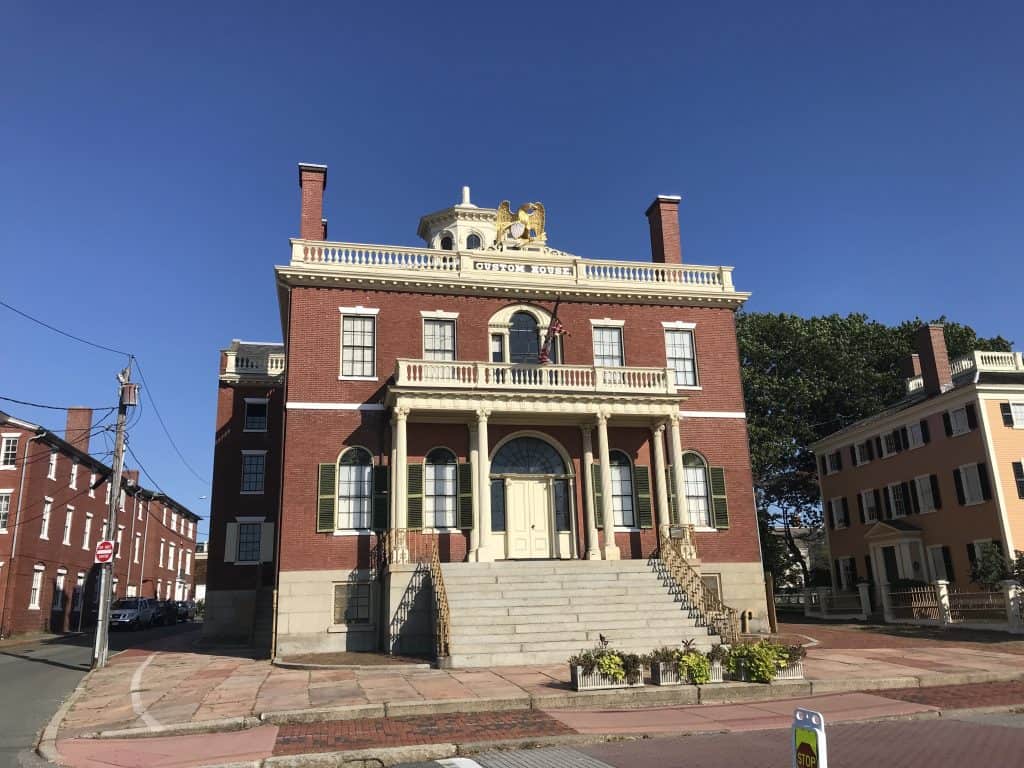
The Salem Maritime National Historic Site preserves and interprets Salem’s rich maritime past. It was the first National Historic Site established in the United States, designated in 1938. The site includes 12 historic structures and over nine acres of waterfront property along the harbor. Highlights include the Custom House, where Nathaniel Hawthorne worked, and the Friendship of Salem, which is a full-scale replica of a 1797 East Indiaman merchant ship. The site also includes several historic wharves, such as Derby Wharf. It tells the story of Salem’s role in global trade.
Old Burying Point Cemetery
The Old Burying Point Cemetery, also known as the Charter Street Cemetery, is one of the oldest cemeteries in the United States. It dates back to 1637. This historic burial ground is the final resting place for many prominent early Salem residents. This includes Judge John Hathorne, a key figure in the witch trials and a direct ancestor of the author Nathaniel Hawthorne. A memorial to the victims of the witch trials is located adjacent to the cemetery. The cemetery’s ancient, carved headstones and epitaphs offer a somber connection to Salem’s colonial past.
Witch Dungeon Museum
The Witch Dungeon Museum offers a theatrical reenactment of the 1692 Salem Witch Trials. The experience begins with a performance by professional actors of a condensed witch trial scene, which is based on original trial transcripts from 1692. After the performance, visitors are guided down into a replica of the underground dungeon where the accused were held. The museum provides a vivid interpretation of the events of the trials. It aims to immerse visitors in the atmosphere of 17th-century Salem.
Sports in Salem
The sporting life in Salem is focused on its local collegiate and high school teams, as well as the recreational activities offered by its coastal location. While the city does not have major professional sports franchises, it has a strong community-based sports culture. The local university and high school are key centers for athletic activity. The harbor and surrounding waters also provide a venue for maritime recreation.
Collegiate Sports
The city is home to Salem State University, which has an active athletics program. The university’s teams are known as the Salem State Vikings. They compete in the NCAA Division III, primarily in the Massachusetts State Collegiate Athletic Conference (MASCAC). The university fields teams in a variety of sports, including ice hockey, basketball, and baseball. The games provide a focal point for the university community and local sports fans.
High School Athletics
As is common in many American towns, high school sports are a key part of the local identity. The teams of Salem High School have a long history. The school’s athletic teams are famously known as the “Witches,” a direct reference to the city’s most famous historical event. The high school football games, in particular, are important community events during the autumn season.
Maritime Recreation
Salem’s location on a protected harbor on the Atlantic coast makes it a center for maritime recreation. Sailing and boating are popular activities during the summer months. Several yacht clubs and marinas are located in the harbor. The waters of Salem Sound are used for recreational sailing, fishing, and kayaking. This continues the city’s long-standing relationship with the sea.


Getting Around in Salem
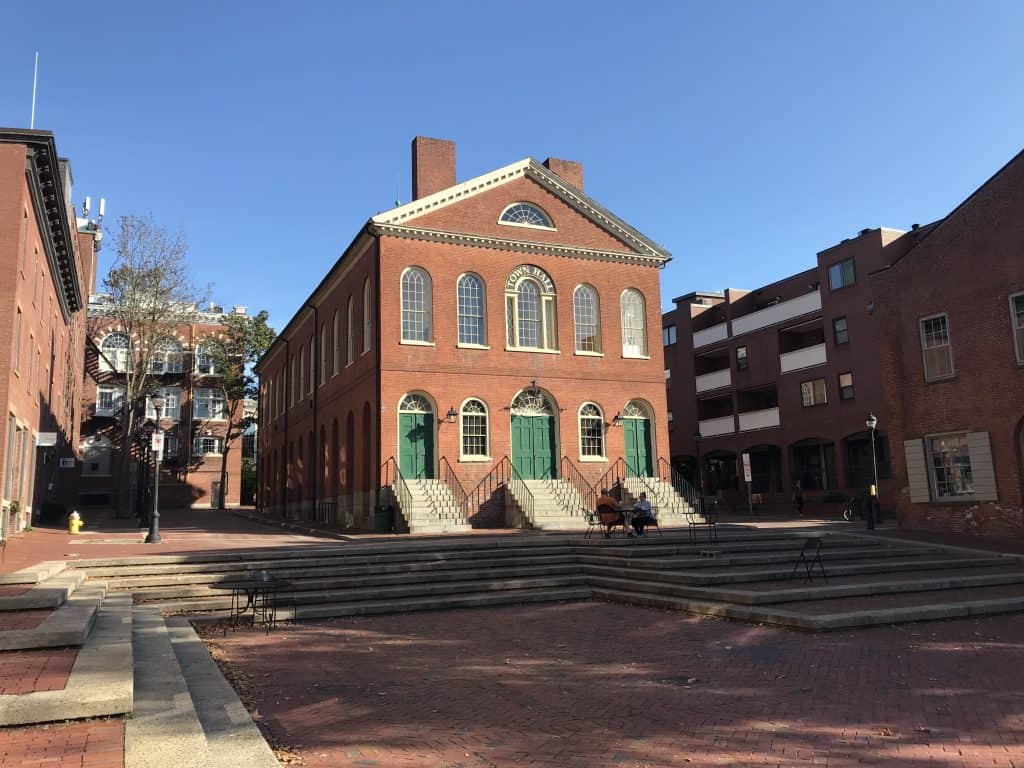
Navigating Salem is straightforward due to its compact size and pedestrian-friendly historic core. Most of the main attractions are located within a small area, making walking the best way to explore. For travel to other parts of the city or from nearby towns, there are several public transport options available.
On Foot: The Historic Core
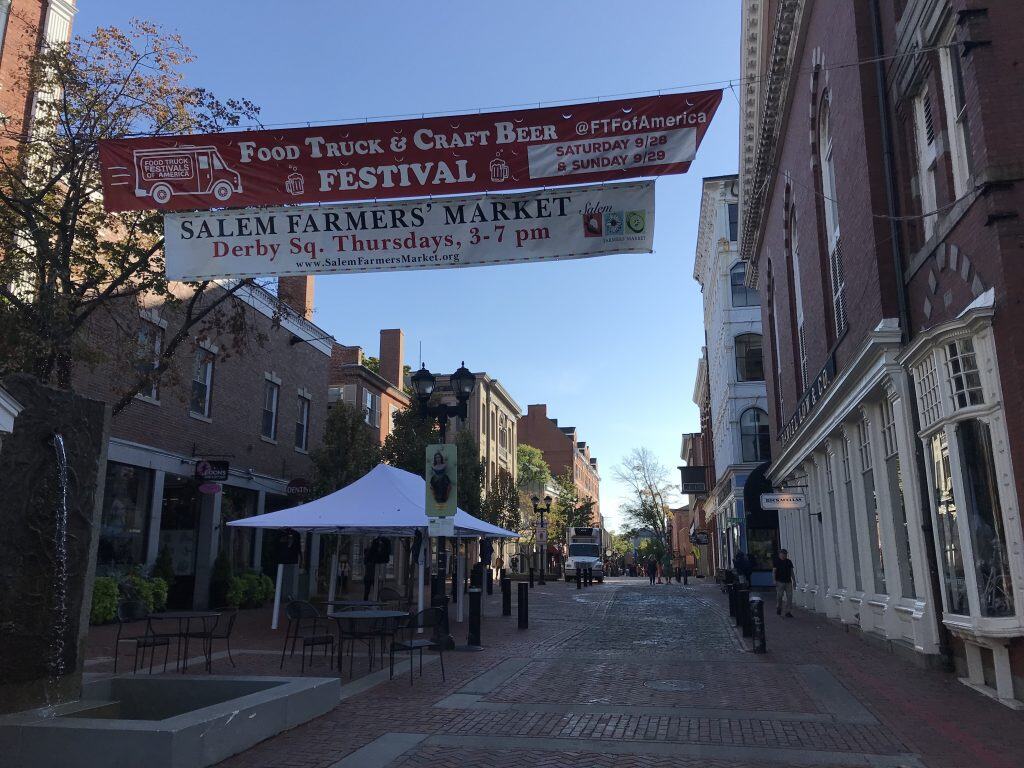
Walking is often the best way to experience Salem. The historic downtown area is very compact and largely pedestrian-friendly. The Essex Street Pedestrian Mall is a central walking hub lined with shops and restaurants. Many iconic sites, like the Witch Museum, the Peabody Essex Museum, and the House of the Seven Gables, are within easy walking distance of each other. You can also follow the Salem Heritage Trail, a red line painted on the sidewalks that connects key historical sites. Wear comfortable shoes, as you will cover significant distances.
The Salem Trolley
The Salem Trolley offers a convenient way to see many attractions with a narrated tour. The service functions on a hop-on, hop-off basis. The trolley makes stops at 14 key points throughout the city. This allows visitors to explore different sites at their own pace. The narration provides historical context about the city’s past. Tickets are typically valid for the entire day. The trolley operates seasonally, usually from April through October, with more frequent service during the busy autumn season.
Local Buses
Local buses, operated by the MBTA (Massachusetts Bay Transportation Authority), provide coverage within Salem. The buses connect the downtown area with surrounding neighborhoods. The routes also link to nearby towns like Peabody and Beverly. You can purchase tickets on board or use the MBTA’s fare card system. These buses are useful for reaching destinations slightly outside the main walking area of the historic downtown.

How to Get to Salem
Reaching Salem, a historic city on Massachusetts’ North Shore, is convenient due to its proximity to Boston and its well-developed transport infrastructure. The city is a popular day trip destination from Boston but can also be a base for exploring the wider region. Whether you prefer flying, driving, or public transport, Salem is well-connected.
Arriving by Air: Boston Logan Gateway
Salem does not have its own commercial airport. The closest and most convenient major airport is Boston Logan International Airport (BOS). It is located approximately 24 kilometers (15 miles) south of Salem. BOS is a major international hub with extensive domestic and global connections. From Logan Airport, you can reach Salem by various means. The most direct options are a taxi or ride-share service. For public transport, you can take a combination of the MBTA Blue Line subway and the Commuter Rail, or a direct public bus.
The Open Road: Driving from Boston
Driving to Salem offers flexibility for exploring the scenic North Shore. Massachusetts has a well-maintained road network. Salem is accessible via several major state routes. From Boston, the drive is about 40 kilometers (25 miles) and typically takes around 35-45 minutes outside of peak traffic. Parking in Salem can be challenging and expensive, especially during the busy October season. There are several public parking garages available in the downtown area.
Connecting by Coach
There are limited direct long-distance bus services to Salem. However, the city is well-served by the MBTA’s regional bus network. Frequent local buses connect Salem directly with Boston. Bus Route 450 runs from Haymarket Station in Boston to Salem. These services provide an economical way to reach the city from the main transport hubs in Boston. Check the MBTA website for the most up-to-date schedules.
On Track: The Commuter Rail
Traveling to Salem by train is a highly efficient and popular option for visitors coming from Boston. The Salem Depot is the city’s main railway station and is centrally located. The MBTA Commuter Rail provides frequent services on the Newburyport/Rockport Line. Direct trains run from Boston’s North Station to Salem. The journey takes approximately 30 minutes. This offers a convenient and scenic way to reach the town without traffic concerns. The station is a short walk from Salem’s historic attractions.
The Atlantic Route: Arriving by Ferry
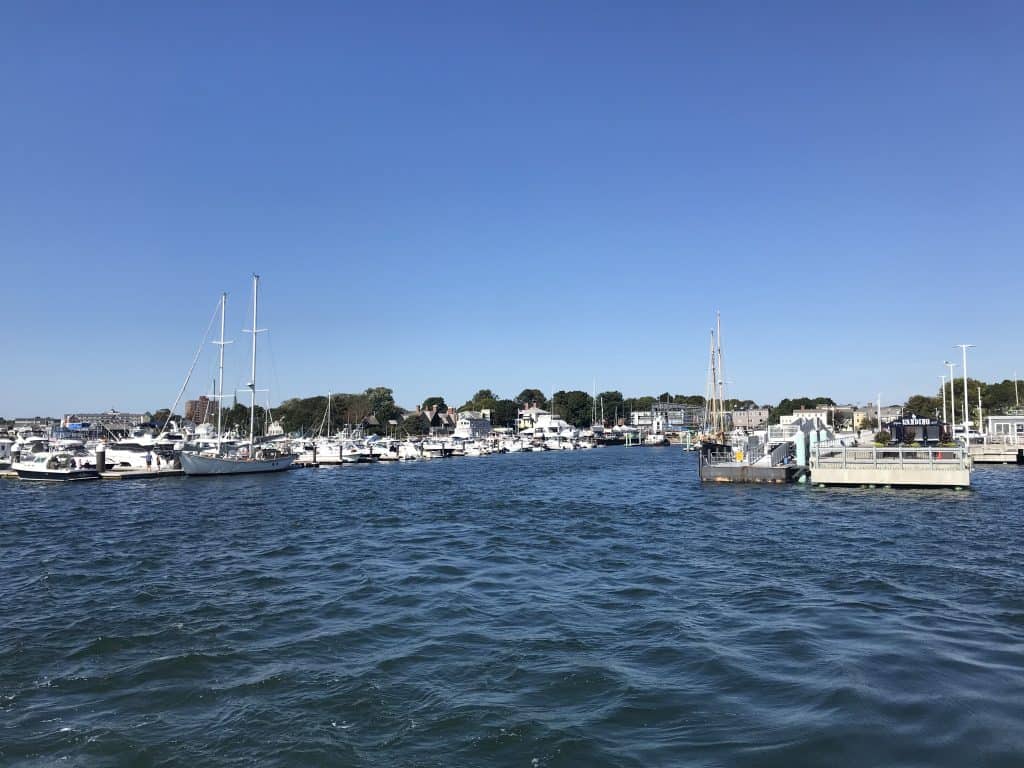
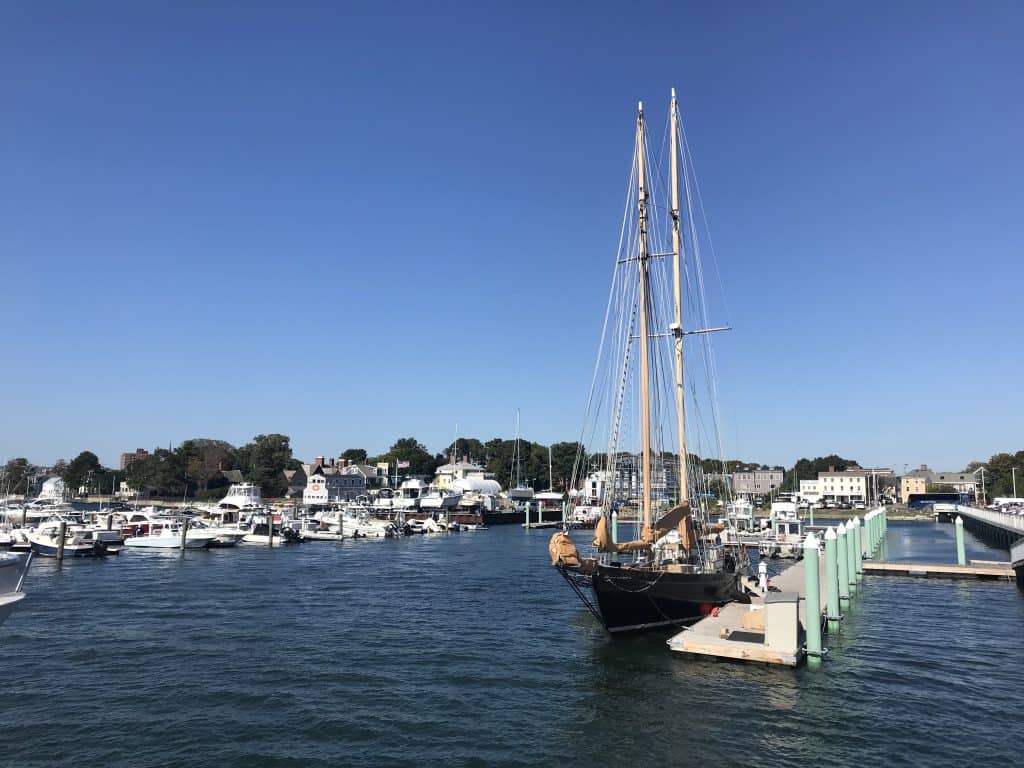
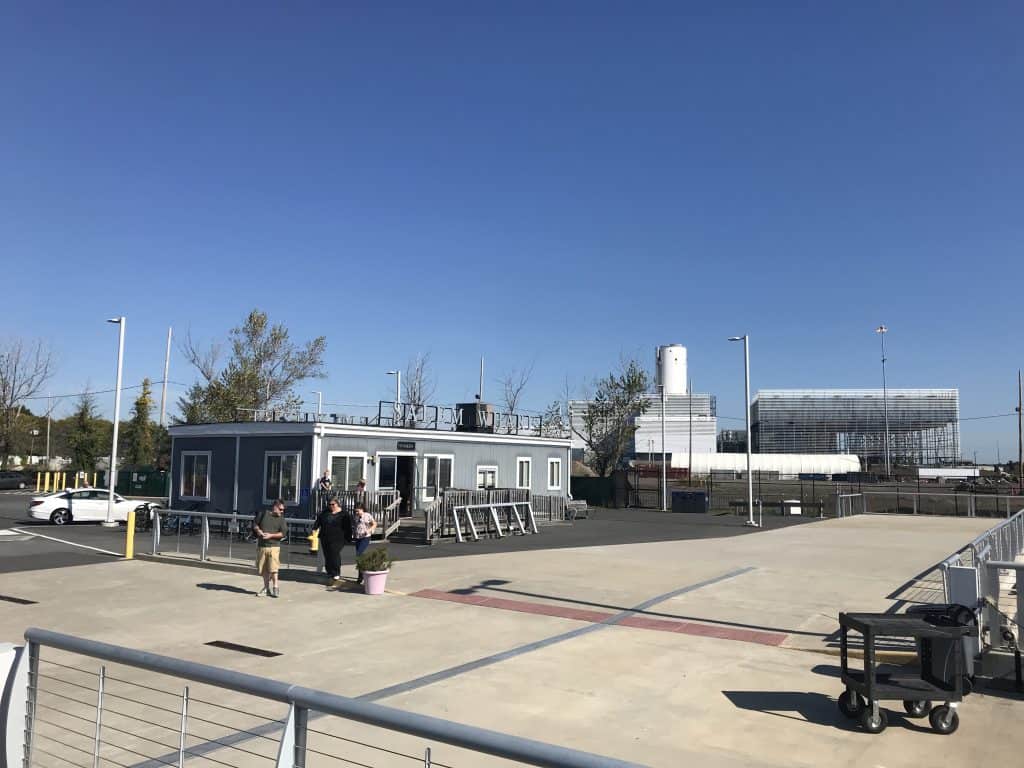
For a scenic arrival, especially from Boston, visitors can take a ferry to Salem. The Salem Ferry, operated by Boston Harbor City Cruises, provides seasonal service. The high-speed catamaran connects Long Wharf in Boston directly to the Salem Ferry Terminal on Blaney Street. The journey takes approximately 50 minutes. This option is particularly popular during the warmer months, from May to October, and around Halloween. It offers coastal views and avoids road traffic.
Driving Distances
The driving distance from 10 regional cities, according to Google Maps:
- Boston, MA, USA – 36 kilometers (0 h 40 min)
- Providence, RI, USA – 123 kilometers (1 h 30 min)
- Portland, ME, USA – 158 kilometers (1 h 40 min)
- Hartford, CT, USA – 192 kilometers (2 h 10 min)
- Albany, NY, USA – 301 kilometers (3 h 10 min)
- New York, NY, USA – 377 kilometers (4 h 30 min)
- Montreal, QC, Canada – 501 kilometers (5 h 00 min)
- Philadelphia, PA, USA – 526 kilometers (6 h 00 min)
- Quebec City, QC, Canada – 642 kilometers (6 h 30 min)
- Washington, D.C., USA – 737 kilometers (8 h 10 min)
Looking to Explore more of the United States and the Americas?