
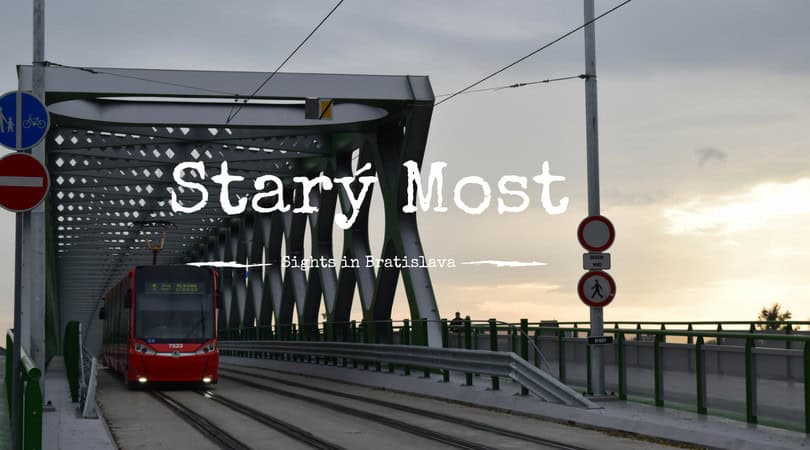
Starý Most, the Old Bridge | Sights in Bratislava
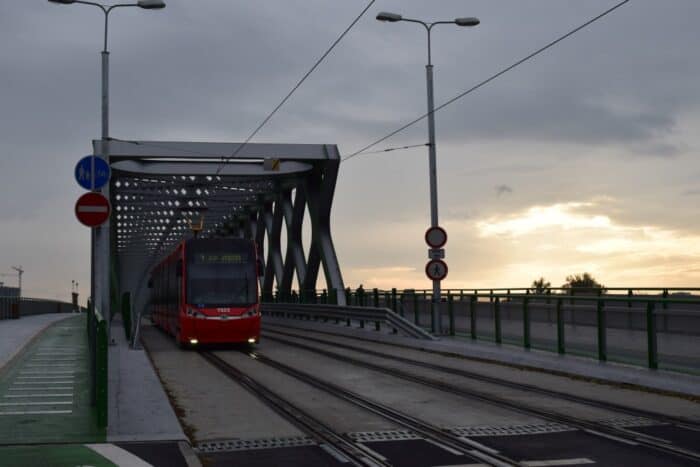
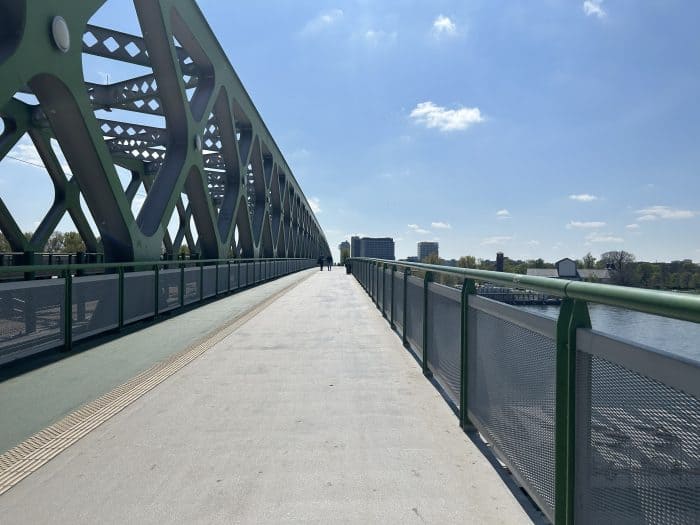
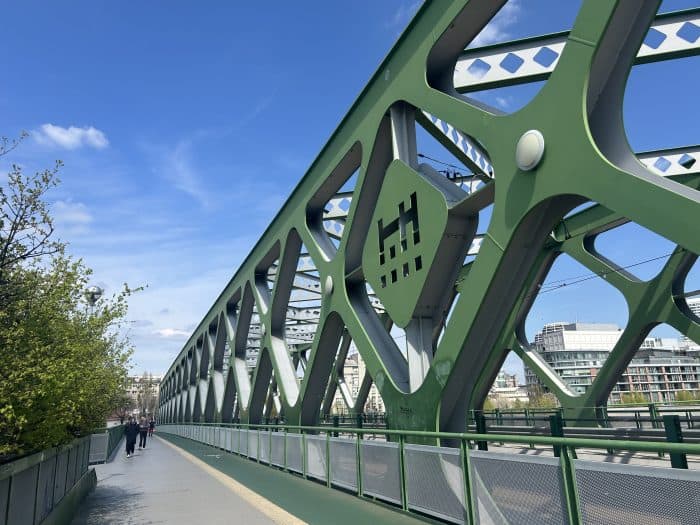
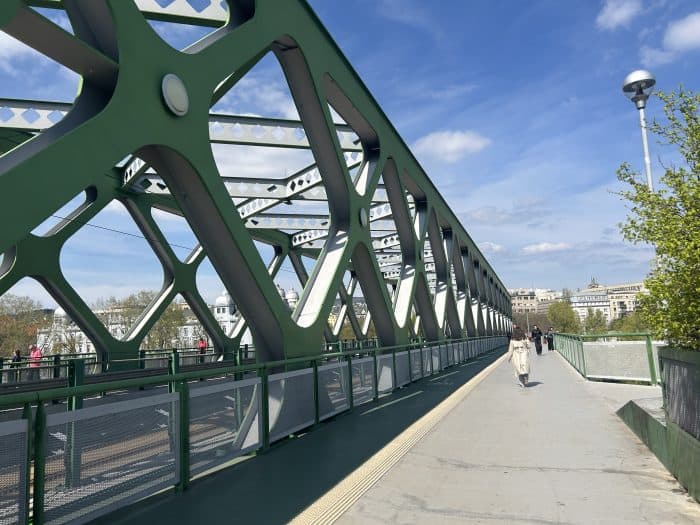
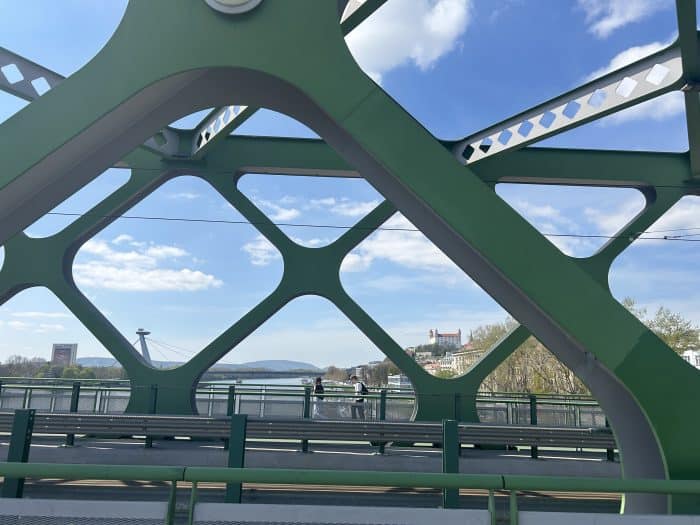
Despite its name, Starý most (Old Bridge) is the newest bridge in central Bratislava. It connects the city center with the large Petržalka district. It is one of three central bridges crossing the Danube River, yet it offers some of the best views. From its deck, you can see both Most SNP and Bratislava Castle, so it is a perfect spot for photographs. The bridge is a vital link for the city, and it serves pedestrians and cyclists. It also carries the city’s modern tram line across the river.
The previous bridge was a familiar landmark, and many locals remember its old wooden planks. That structure was for pedestrians and trains, but it eventually fell into disrepair. The new bridge now connects Petržalka with the city’s tram network, and this is a major improvement for public transport. The structure is a symbol of modern Bratislava, but it also respects its long history. It provides a beautiful and functional link, so it connects the two sides of the river both physically and historically. This bridge truly represents the city’s journey forward.

History of Starý Most
There have been a few predecessors to the current Starý most. The history of a bridge at this location is long and complex. To start with, there were a few short-lived pontoon bridges, but these were made of wood. Bad weather and river ice often destroyed these temporary constructions, so a permanent solution was needed. The first permanent steel bridge saw its light in 1891, and its name was Franz Josef Brücke. Slovakia was part of the Austro-Hungarian Empire then, so German names were not uncommon. The Hungarian version of the name was Ferenc József híd. This elegant truss bridge became an important part of the Bratislava-Szombathely railway line.
The bridge was later renamed Štefánikov most after the formation of Czechoslovakia. This was in honor of the Slovak politician Milan Rastislav Štefánik. This bridge stood until it was partly destroyed in 1945, for retreating German forces blew it up during World War II. After the end of the war, the bridge was quickly rebuilt. The Soviet Red Army and German prisoners of war completed the reconstruction. This simple, post-war structure served the city for many decades, so it became a familiar part of the skyline. It carried both train and road traffic for most of its life, and it was a key connection for the growing city.
The “New Bridge”
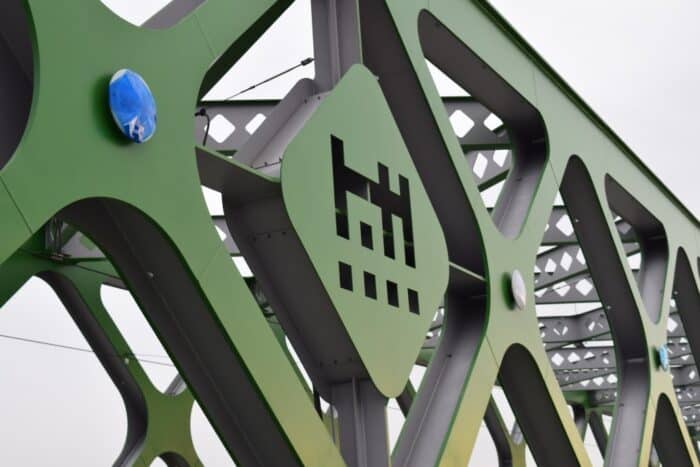
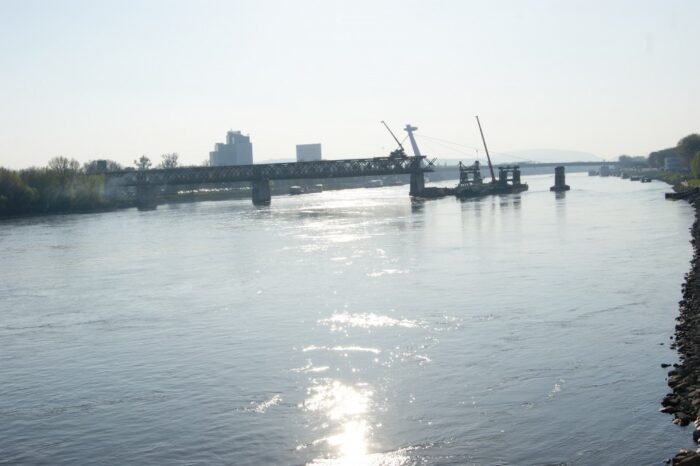
The post-war bridge’s condition eventually deteriorated, so it was closed to cars in 2009. All non-pedestrian traffic was stopped in 2010. A major reconstruction began in 2013, and the entire old bridge was actually dismantled. At that time, it was the oldest still-standing bridge in Bratislava. The new bridge finally opened to the public in 2015. This new version was designed only for pedestrians, cyclists, and trams. The construction was a major urban project for the city. Its sleek, modern design stands on some of the original historic pillars, creating a link to its predecessors.

Starý Most: How to Get There?
It is very easy to walk to the bridge from the city center, and the journey is both quick and pleasant. The closest tram stop is at Šafárikovo námestie, and this is only a few hundred meters away. This square is a major public transport hub, so several different tram lines stop here. The modern Eurovea shopping center is also very near, and so is the new building of the Slovak National Theater. The bridge’s central location makes it a key point of access between the Old Town and Petržalka. You will have no trouble finding this beautiful landmark, for its white arches are visible from many parts of the riverfront.
Looking to Explore More of Bratislava and Slovakia?


This post was first published 2017-01-21 and was updated 2025-08-01




Love this article about Bratislava. It is very informational, Jesper. Thanks for sharing with us!