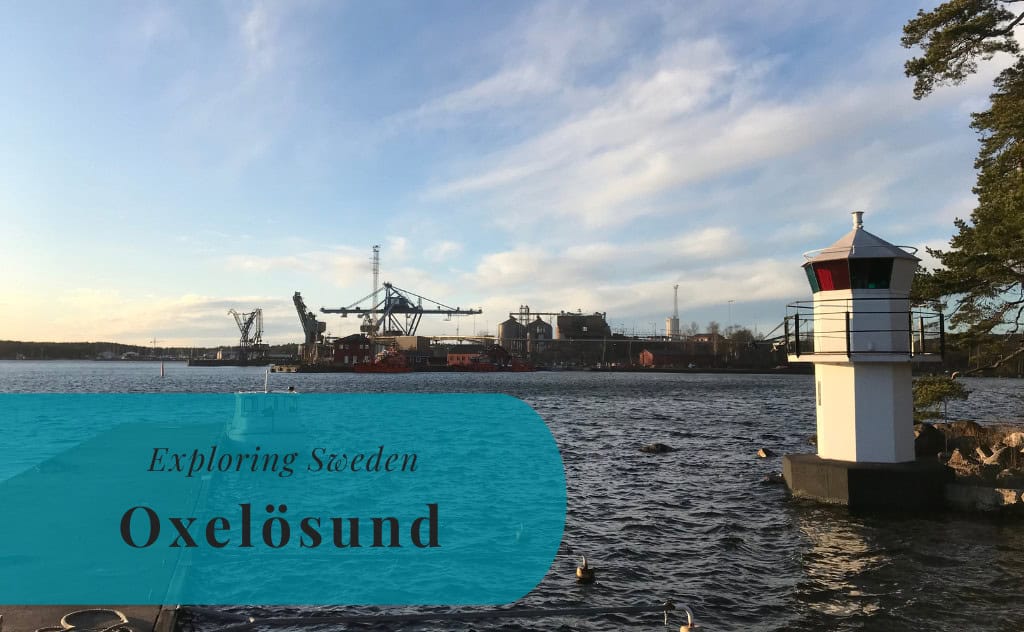
Oxelösund, Södermanland | Exploring Sweden
Oxelösund is a coastal town in the province of Södermanland, primarily famous for its large steel plant and its strategically important harbor. It is a relatively new town, with its development closely tied to the growth of local industry, and it is located not far from the more historically significant town of Nyköping. Today, this town on the eastern coast of Sweden is home to approximately 11,400 inhabitants. The skyline and the local economy are both dominated by the massive steel plant, SSAB Oxelösund.
The town’s character is a blend of heavy industry and the natural beauty of the Baltic Sea archipelago. While the steel plant is a constant presence, the areas of Gamla Oxelösund (Old Oxelösund) and the Femöre peninsula offer charming historical environments and significant natural landscapes. The town’s history is a story of transformation, from a simple pilot station and summer resort to a key industrial port. This evolution is evident in the town’s sights, which range from a former Cold War coastal fortress to a museum dedicated to the local railway.

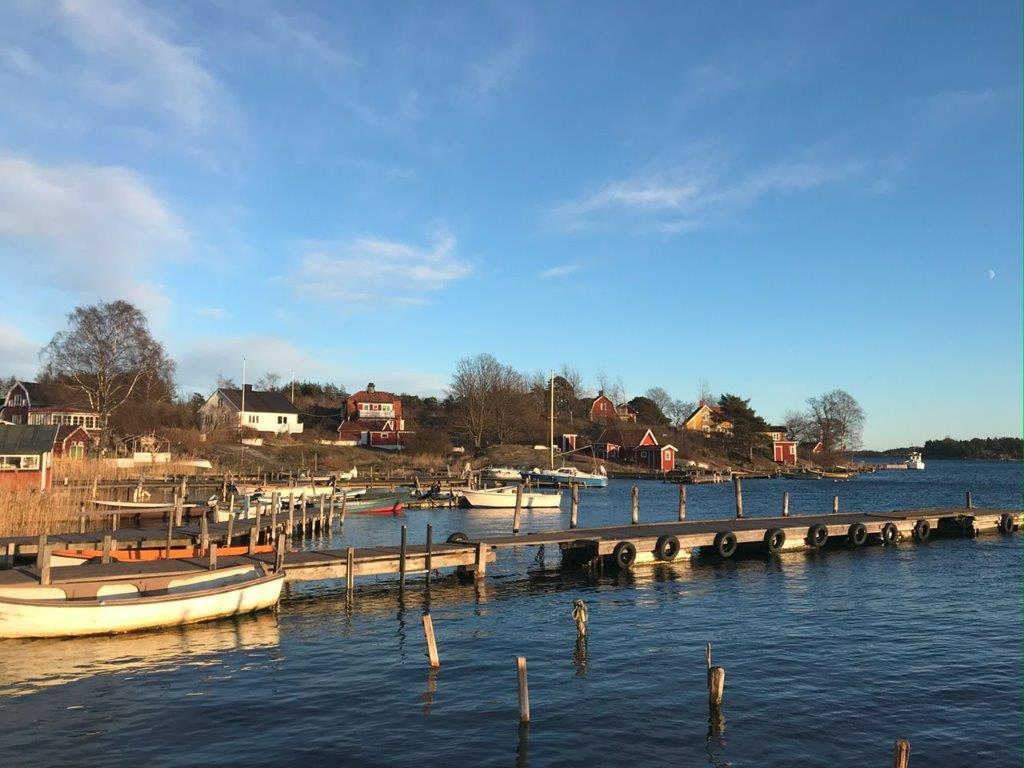


History of Oxelösund
The history of Oxelösund can be clearly divided into two distinct periods: before and after the construction of the railroad. The area was originally an island known as Oxelö, with the strait between it and the nearby islands being called Oxelösund. The strait’s value as a natural harbor was recognized early, leading to the establishment of a pilot station in 1642. For centuries, it remained a small maritime outpost and later a summer resort for residents of nearby Nyköping. The arrival of industry in the late 19th century, followed by the massive ironworks in the early 20th century, completely transformed the area into the industrial town it is today.
From Natural Harbor to Industrial Port
The industrial development of Oxelösund began in the 1870s. The location had been identified as a potential deep-water harbor for the transport of iron ore from the mining region of Bergslagen. A crucial step was the construction of a railroad between the mines at Grängesberg and Oxelösund, which was completed in 1877. The harbor itself took a bit longer to fully develop, but this new rail link firmly established the town’s destiny as a major port for the iron and steel industry. This marked the end of its quiet era as a resort and the beginning of its life as a key industrial hub.
The SSAB Ironworks and Town Status
The single most important factor in the development of modern Oxelösund was the construction of the ironworks between 1914 and 1917. This massive industrial plant, known today as SSAB Oxelösund AB, has been at the center of the town’s life and economy ever since. The plant’s steel production created jobs and drew a large workforce to the area, leading to the rapid expansion of the community. This growth and industrial importance were formally recognized when Oxelösund received its official town status in the year 1950, making it one of Sweden’s younger cities.
Cold War Defenses on Femöre
The strategic importance of the harbor and the steel plant’s production became a key national security concern during the Cold War. As a result, the nearby peninsula of Femöre was chosen as the location for a major coastal artillery battery in the 1960s. This was the beginning of the top-secret fortification known as Femörefortet. This fortress was a critical part of the Swedish coastal defense system, designed to protect the vital shipping lanes and industrial infrastructure from a potential naval attack. The battery was in active operation up until 1997, and its existence was unknown to most of the public during its service.


Sights in Oxelösund
While Oxelösund may not have the long medieval history of some Swedish towns, its unique industrial and military past has created several fascinating sights. The massive SSAB steel plant is a dominant, though not beautiful, feature of the town. In contrast, both the modern town center and the historic area of Gamla Oxelösund have their own gems to explore. The town’s most compelling attractions, however, are found on the surrounding peninsulas and islands, where natural beauty is combined with unique historical landmarks.
The area is defined by the Baltic Sea archipelago, and many of the best experiences involve the coast. The Femöre peninsula offers a large nature reserve and a secret Cold War fortress that has been turned into a museum. The nearby island of Jogersö is a popular destination for swimming and outdoor recreation. These natural areas provide a welcome contrast to the town’s industrial heart, offering visitors a chance to experience the beauty of the Södermanland coast.
Gamla Oxelösund
Gamla Oxelösund, or Old Oxelösund, is the historic heart of the town. This is the area where the original pilot station was located and where fishers and seamen would gather at the local tavern. Today, it is a calm and picturesque area with well-preserved wooden houses, especially popular during the summer months. It is here that you can find the Skärgårdsmuseet, a small museum dedicated to the former life of fishermen and pilots in the archipelago. A walk through the charming streets of Gamla Oxelösund provides a peaceful contrast to the industrial parts of the town.
Femörefortet
Femörefortet is the former top-secret coastal artillery battery on the Femöre peninsula. Since 2003, it has been preserved as a museum, offering a unique glimpse into Sweden’s defense strategy during the Cold War. The fortress was designed to withstand a nuclear attack and is built deep into the coastal cliffs. Visitors can take guided tours through the vast underground complex, which includes command centers, crew quarters, and hospital facilities. Above ground, it is possible to walk along the cliffs and see the massive, camouflaged gun turrets that are still standing, aimed out towards the Baltic Sea.
Femöre Nature Reserve
The Femöre Nature Reserve covers a large part of the Femöre peninsula, just south of the town. Established in 2006, the reserve covers 235 hectares of land, excluding only a few residential areas. The peninsula is a very popular destination for locals and tourists who want to walk in nature and enjoy the coastal scenery. The reserve features a mix of pine forests, open meadows, and dramatic coastal cliffs. There are several marked walking trails, and the area is also known for its café, where visitors can enjoy a waffle while taking in the beautiful view of the sea.
Jogersö Island
Jogersö is an island located to the west of Oxelösund, connected by a bridge. The island is the town’s primary center for recreational outdoor activities. It is best known for Jogersö havsbad, one of the largest and most popular sandy beaches in the entire province of Södermanland. During the summer, many people come here to swim, sunbathe, and play. In addition to the beach, the island has extensive areas of surrounding nature with walking trails. The island is also home to the local camping ground, making it a popular destination for a summer holiday.
Oxelösunds Järnvägsmuseum
The railway played a crucial role in the development of Oxelösund, and its history is preserved at the Oxelösunds Järnvägsmuseum (Railway Museum). The museum is located in one of the former buildings of the railway, near the harbor area. It features a collection that tells the story of the important railway line that connected the port with the mines of Bergslagen. The collection includes historic engines, wagons, and other railway equipment. It provides insight into the industrial transportation that was the foundation of the town’s economy for over a century.
Gamla Vattentornet
The Gamla Vattentornet, or the old water tower, is an impressive landmark in Oxelösund. The brick tower was built in 1899 and stands 25 meters high. From its position, it watches over both the town center and the massive steel plant. The tower is a key part of the town’s industrial heritage and is a listed building, meaning it is protected for its historical significance. While it is not typically open to the public, its distinctive architecture makes it a notable feature of the town’s skyline and a symbol of its early industrial growth.
S:t Botvids kyrka
S:t Botvids kyrka is the main church in the center of Oxelösund. As Oxelösund is a relatively new town, the church is also a modern structure, inaugurated in 1957. It is a distinctive brick building designed by the architect Rolf Bergh. The church is named after Saint Botvid, a local saint from Södermanland. Its modern design provides a contrast to the older, more traditional churches found in the surrounding region. It serves as the central place of worship for the local Church of Sweden congregation.
Oxelösunds Hamn
The harbor itself, Oxelösunds Hamn, can be considered a major sight. It is one of the most important deep-water ports on the Baltic Sea coast of Sweden. The harbor is active year-round, as its deep and well-sheltered waters rarely freeze over. Visitors can see large cargo ships being loaded and unloaded, a direct link to the town’s primary industries of steel and freight handling. The harbor area also includes a guest harbor for visiting leisure boats. Observing the activity in the commercial port provides a real-time look at the industry that defines the town.
The Town Center
The center of Oxelösund is where you can find the main square, Järntorget, or the “Iron Square.” The name of the square reflects the town’s deep connection to the iron and steel industry. The town center is the commercial heart of the municipality. It is home to a few restaurants, shops, and many of the town’s public services. Here, you can find the local library and other community centers. A walk through the town center provides a look at the daily life of the community that has grown up around the local industries.
Boda Borg
Located in Oxelösund, Boda Borg is a popular and unique adventure attraction for all ages. It is not an escape room, but rather a series of “quests” that teams must solve through collaboration and creative thinking. Each quest consists of several rooms, with each room presenting a different physical or mental challenge. Success in one room unlocks the next. The quests are designed to be fun and engaging, making it a very popular activity for families, friends, and team-building groups. Boda Borg offers an exciting and interactive indoor adventure.
Traveling with Kids
Oxelösund is an excellent destination for families with children, offering a fantastic mix of outdoor adventure and unique indoor activities. The town’s coastal location provides ample opportunities for classic summer fun, with one of the region’s best sandy beaches located on the island of Jogersö. Here, families can spend the day swimming, building sandcastles, and enjoying the fresh sea air. The nearby Femöre peninsula also offers numerous walking trails that are suitable for all ages, allowing for easy exploration of the beautiful archipelago nature.
Beyond the natural attractions, Oxelösund is home to some unique sights that are highly engaging for children. The former Cold War fortress, Femörefortet, offers an exciting and slightly mysterious adventure as families can explore the underground tunnels and see the massive cannons. For a guaranteed day of fun regardless of the weather, the town also features a popular adventure house, Boda Borg, which provides hours of collaborative challenges and entertainment. This combination of nature, history, and adventure makes for a well-rounded family visit.
Activities for Kids in Oxelösund
For families seeking memorable activities, Oxelösund delivers unique and engaging experiences. From the physical and mental challenges of an adventure house to a relaxing day at a large sandy beach, the town provides options that appeal to a wide range of interests and energy levels. These activities allow families to create lasting memories together.
Boda Borg Adventure House
Boda Borg is one of the premier family attractions in Oxelösund, offering a unique team-based adventure. This indoor facility features a series of challenging “quests” that require teamwork, ingenuity, and sometimes physical agility to solve. Families work together to progress through multiple rooms, tackling different puzzles and tasks in each one. The concept is highly interactive and engaging for both children and adults, making it a perfect family team-building activity. A visit to Boda Borg provides hours of entertainment and is an excellent choice for a fun-filled day, especially if the weather is not suitable for outdoor activities.
Beach Day at Jogersö
The island of Jogersö is home to Jogersö havsbad, a large and very popular sandy beach that is ideal for a family day out. The beach is known for its shallow waters, which make it a safe and fun place for children to swim and play. During the summer, the area is a bustling hub of activity, with families enjoying picnics on the large grassy areas behind the beach. The island also features a playground, a kiosk for buying ice cream, and mini-golf. The combination of a beautiful beach and family-friendly amenities makes Jogersö the perfect destination for a classic Swedish summer experience.
Playgrounds in Oxelösund
Oxelösund provides public playgrounds where children can enjoy free play in safe environments. These play areas are important social spots for local families and offer a welcoming space for visiting children to have some fun. A stop at a playground is a simple and effective way to break up a day of sightseeing.
Pråmkajen Playground
The playground at Pråmkajen is located in the charming area of Gamla Oxelösund, right by the water. This playground has a fun maritime theme that fits perfectly with its harbor-side location. The equipment is designed to look like boats and other nautical items, sparking imaginative play. Its location is ideal for families visiting the old part of town or the archipelago museum. After exploring the historic streets, children can enjoy some time playing while the parents take in the beautiful view of the guest harbor and the sea.
Jogersö Playground
In addition to its famous beach, the island of Jogersö also features a well-equipped playground. This play area is part of the larger recreational hub on the island, located near the beach and the camping ground. The playground includes a variety of equipment, such as swings, slides, and climbing structures. Its location means that families can easily combine a trip to the beach with some time at the playground. It provides another excellent option for children to play and burn off energy while enjoying the beautiful natural surroundings of the island.
Sports in Oxelösund
The sporting culture in Oxelösund is typical of a smaller Swedish coastal town, with a focus on community-based clubs and activities that take advantage of the natural surroundings. Ice hockey has a local following, with the town’s club serving as an important institution for youth development. Given the town’s location in the archipelago, it is no surprise that water sports, particularly sailing, are also a significant part of the local recreational life. These clubs are central to the community, providing organized activities and a social hub for residents with an interest in sports.
Oxelösunds IK (Ice Hockey)
Oxelösunds IK is the local ice hockey club and a key sporting institution in the town. The club is primarily focused on youth development, providing opportunities for children and teenagers in the community to learn and play the sport. They play their home games at the local ice rink, Brevikshallen. While the senior team competes in the lower regional divisions, the club plays a vital role in fostering a passion for ice hockey, which is one of Sweden’s most popular sports. The club is a central part of the local sports scene during the winter months.
Oxelösunds Segelsällskap (Sailing)
The Oxelösunds Segelsällskap is the local sailing club, reflecting the town’s deep connection to the Baltic Sea. The club manages a harbor and organizes activities for sailing enthusiasts in the area. This includes sailing schools for beginners, as well as competitive regattas during the summer season. The club is a hub for the local boating community, taking advantage of the fantastic sailing waters of the surrounding archipelago. It plays an important role in preserving and promoting the maritime culture of this coastal town.
IFK Nyköping (Football)
Due to its close proximity to the larger town of Nyköping, many athletes from Oxelösund participate in clubs based there. IFK Nyköping is one of the main football clubs in the region. The club has sections for both men and women and a very large youth program that attracts players from the entire area, including Oxelösund. They play their home matches at Rosvalla, a large sports complex in Nyköping. For football at a higher competitive level, this club is the primary option for residents of Oxelösund.
Onyx Innebandy (Floorball)
Floorball, known as “innebandy” in Swedish, is a very popular sport in the region. The main club for both Nyköping and Oxelösund is Onyx Innebandy. It is one of the largest sports clubs in the region, with around 1,400 members and extensive youth teams for both boys and girls in both towns. The club’s senior teams compete in the national league system, with the men’s team in the second-highest league, Allsvenskan, and the women’s team in Division 1. They play their top matches at the Rosvalla arenas in Nyköping, which have facilities for four full-sized floorball courts under one roof.
Oxelösunds Bågskytteklubb (Archery)
Archery is a sport with a dedicated following in the town, represented by the Oxelösunds Bågskytteklubb. This archery club provides opportunities for members to practice and compete in the sport. The club is part of the broader community of sports clubs in the town that offer a diverse range of activities beyond the most common ones. The club allows for both beginner and experienced archers to develop their skills. It contributes to the active leisure time available to residents, showcasing the variety within the local sporting life. The club is a member of the Swedish Archery Association and participates in its events.


Getting Around in Oxelösund
The central parts of Oxelösund, including the main town square and the commercial area, are compact enough to be easily explored on foot. For reaching the historic district of Gamla Oxelösund or the recreational areas on the Femöre peninsula and Jogersö island, other modes of transport are more practical. The local public transport system consists of a network of buses operated by Sörmlandstrafiken, which connects the different parts of the town. Cycling is also a popular option, with scenic coastal paths that are ideal for exploration on two wheels.
Navigating by Local Bus
The public transport system in Oxelösund is centered around the local bus network. These services are managed by the regional transport authority, Sörmlandstrafiken. The buses provide essential connections between the town center, residential areas, the steel plant, and the outlying recreational areas like Femöre. The network also provides the primary public transport link to the neighboring city of Nyköping, which is a major hub for train and long-distance bus connections. For visitors without a car, the local buses are the main way to navigate the wider area of the municipality.
Exploring by Foot
Walking is the ideal way to experience the most charming parts of Oxelösund. The historic area of Gamla Oxelösund, with its narrow streets and old wooden houses, is best explored at a leisurely pace on foot. Similarly, the Femöre Nature Reserve is crisscrossed with marked walking and hiking trails that allow visitors to explore the coastal cliffs and pine forests. Even the modern town center, with its main square Järntorget, is easily walkable. Exploring on foot allows for a more immersive experience of both the town’s historic atmosphere and its beautiful natural scenery.
Cycling the Coastline
Cycling is a popular recreational activity and a great way to get around Oxelösund. The area features several scenic paths and smaller roads that are perfect for a bike ride. A ride out to the Femöre peninsula is a particularly popular route, offering beautiful views of the Baltic Sea and the archipelago. The relatively flat terrain in many areas makes for easy riding. Cycling provides a healthy and enjoyable way to cover more ground than walking, allowing visitors to easily travel between the town center, Gamla Oxelösund, and the various beaches and nature spots.
How to Get to Oxelösund?
Oxelösund is located in the province of Södermanland and is well-connected to the main transport networks of eastern Sweden. The town is situated at the end of a national road, just a short drive from the major E4 motorway. For travelers arriving by air, a major international airport is conveniently located just 20 kilometers away. While the town does not have its own train station for passenger traffic, the station in the neighboring city of Nyköping is a key hub for the national rail network. Regional and long-distance buses also provide effective connections.
Arriving by Air
For those traveling by air, the most convenient airport is Stockholm Skavsta Airport (NYO). This major international airport is located just 20 kilometers north of Oxelösund, near the city of Nyköping. The airport is a hub for low-cost airlines like Ryanair and Wizz Air, providing connections to many destinations across Europe. From the airport, travelers can easily continue their journey to Oxelösund by taking a local bus or a taxi. The short distance from a major airport makes Oxelösund a very accessible destination for international visitors.
Driving into the Town
Oxelösund is easy to reach by car. The town is located at the southern end of National Road 53. This road provides a direct connection to the nearby city of Nyköping and, from there, to the E4 motorway. The E4 is Sweden’s main north-south highway, linking Stockholm with Helsingborg. This excellent road access makes driving a very convenient option for visitors traveling from other parts of Sweden. A car is also very useful for exploring the different parts of the municipality, such as the Femöre peninsula and Jogersö island.
Journey by Rail
While Oxelösund has a railway line for freight traffic to the steel plant, there is no passenger train station in the town itself. The closest and most convenient train station is located in the neighboring city of Nyköping. The Nyköping Central Station is a major stop on the national rail network, with frequent services to Stockholm, Malmö, and Copenhagen. From the train station in Nyköping, visitors can take a local bus from the adjacent bus terminal for the final 15-kilometer journey to Oxelösund. This makes arriving by train a viable and popular option.
Connecting by Bus
The regional bus network, operated by Sörmlandstrafiken, provides the primary public transport link to Oxelösund. Frequent bus services run between Oxelösund and the central bus terminal in Nyköping, which is located next to the train station. This allows for seamless transfers for those arriving by train. For travelers coming by long-distance coach, Nyköping also serves as the main regional hub. Companies like Flixbus operate services to Nyköping from major cities like Stockholm. From there, the local bus provides the final connection.
Arriving by Ferry
While Oxelösund is not an international ferry port, its location in eastern Sweden makes it accessible for those arriving in the country by sea. The port of Nynäshamn, located about 80 kilometers to the north, is a major ferry terminal with regular services from Poland and Latvia. The port of Stockholm also receives ferries from Finland and the Baltic states. From these ports, travelers can easily drive to Oxelösund in about an hour. This option is particularly convenient for European visitors who wish to bring their own vehicle to explore Sweden.
Driving Distances
The driving distance from 20 regional cities, according to Google Maps:
- Nyköping, Sweden – 13 kilometers (0 h 15 min)
- Norrköping, Sweden – 62 kilometers (0 h 50 min)
- Södertälje, Sweden – 84 kilometers (1 h 00 min)
- Linköping, Sweden – 111 kilometers (1 h 20 min)
- Stockholm, Sweden – 115 kilometers (1 h 20 min)
- Eskilstuna, Sweden – 122 kilometers (1 h 40 min)
- Västerås, Sweden – 169 kilometers (2 h 10 min)
- Örebro, Sweden – 171 kilometers (2 h 10 min)
- Uppsala, Sweden – 186 kilometers (2 h 10 min)
- Jönköping, Sweden – 240 kilometers (2 h 30 min)
- Kalmar, Sweden – 271 kilometers (3 h 10 min)
- Karlstad, Sweden – 287 kilometers (3 h 30 min)
- Växjö, Sweden – 289 kilometers (3 h 10 min)
- Gävle, Sweden – 292 kilometers (3 h 10 min)
- Gothenburg, Sweden – 379 kilometers (4 h 10 min)
- Helsingborg, Sweden – 489 kilometers (5 h 00 min)
- Oslo, Norway – 491 kilometers (5 h 40 min)
- Malmö, Sweden – 523 kilometers (5 h 20 min)
- Copenhagen, Denmark – 551 kilometers (5 h 50 min)
- Kiruna, Sweden – 1346 kilometers (15 h 30 min)
Explore More of Södermanland and Sweden
This post was first published 2023-06-23 and was updated 2025-07-29