Exploring Bohuslän
Exploring Bohuslän
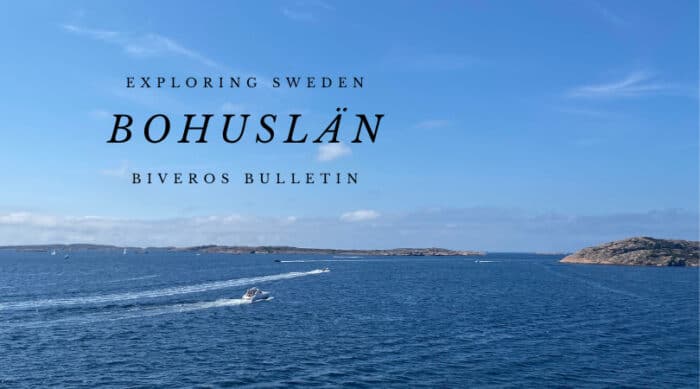
Bohuslän, a breathtaking historical province on Sweden’s western coast, is a true maritime marvel. Its rugged granite cliffs, picturesque fishing villages, and endless sparkling sea have drawn people for millennia. Historically, Bohuslän was a part of Norway until 1658, when it became Swedish territory through the Treaty of Roskilde. This dual heritage is still visible in its culture and place names. Its history is deeply tied to the sea – from Viking raids to herring fishing booms. Today, it remains a beloved destination for its unique coastal charm. Did you know its provincial flower is the vibrant Wild Honeysuckle (Vildkaprifol), and its provincial animal is the adaptable Harbor Seal (Knubbsäl)? These symbols perfectly capture Bohuslän’s natural beauty and marine life. Join Us Exploring Bohuslän!

Population
Bohuslän has a population of approximately 300,000 people. This makes it one of Sweden’s more densely populated provinces, especially along its extensive coastline. Most residents reside in the larger coastal towns and municipalities, where the maritime culture thrives.
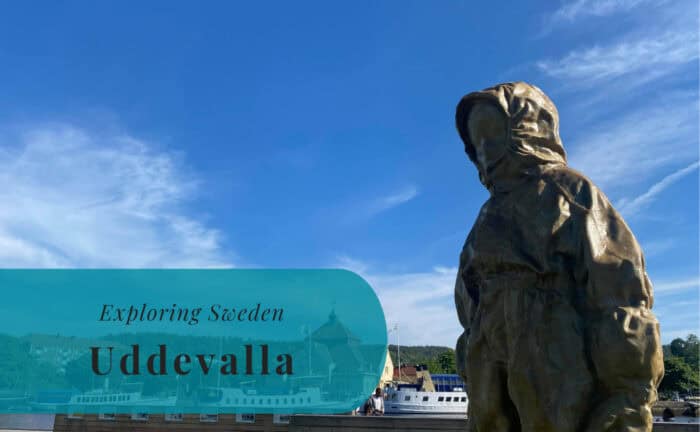
- Uddevalla: This is Bohuslän’s largest city and a significant regional center. It’s nestled at the end of the beautiful Byfjorden. Uddevalla boasts a long industrial history, particularly in shipbuilding. Today, it’s a bustling commercial hub with a growing population. It provides access to both the inner fjord and the outer archipelago.
- Kungälv: Strategically located south of Uddevalla, Kungälv holds immense historical importance. It’s home to the impressive Bohus Fortress, a medieval stronghold. This fortress played a crucial role in Swedish-Norwegian conflicts. Kungälv serves as a gateway to the southern Bohuslän archipelago.
- Strömstad: Situated near the Norwegian border, Strömstad is a popular summer town and ferry port. It thrives on cross-border trade and tourism. Its lively harbor is filled with restaurants and shops. From here, you can easily access the Koster Islands.
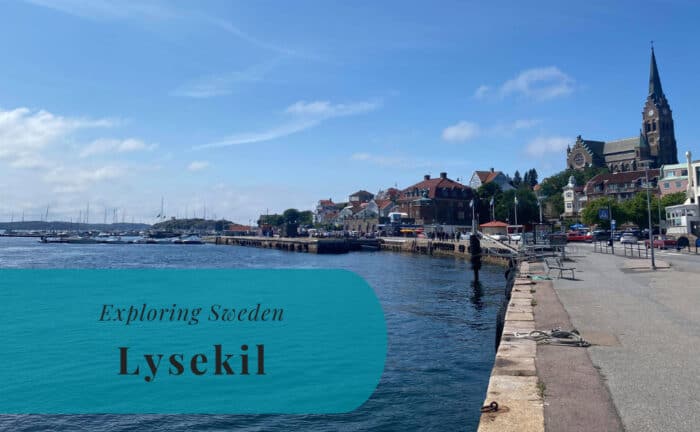
- Lysekil: This charming town is perched on a rocky peninsula. Lysekil is renowned for its granite industry and as a popular seaside resort. It offers stunning views of the Gullmarsfjord, Sweden’s only true fjord. The Havets Hus aquarium is a popular attraction.
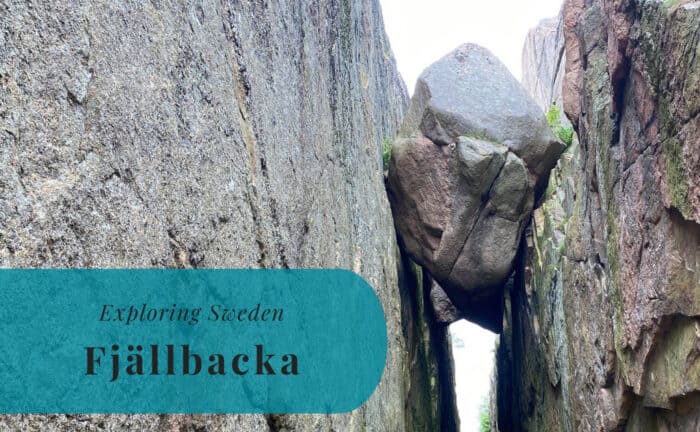
- Fjällbacka: A picturesque fishing village, Fjällbacka is famous for its stunning setting. Dramatic granite cliffs surround its harbor. It’s also known for its connection to actress Ingrid Bergman and author Camilla Läckberg. It’s a true postcard destination.
Location
Bohuslän is situated on Sweden’s western coast. It borders Norway to the north, Dalsland and Västergötland to the east, and Halland to the south. To the west, its rugged coastline meets the Skagerrak, a part of the North Sea. This direct connection to the open sea and its proximity to Norway have defined its character and historical significance.
Geography
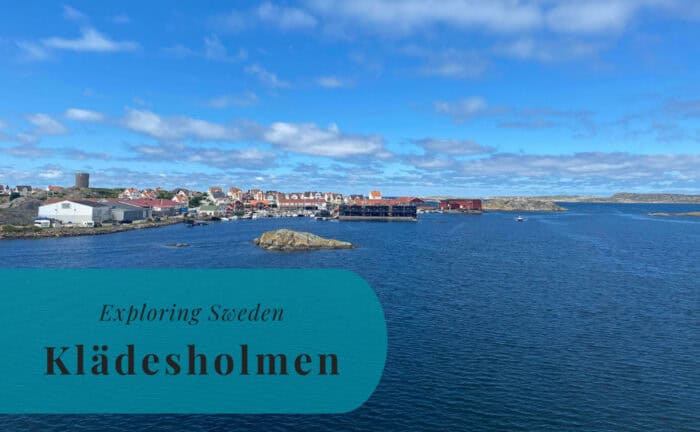
Bohuslän’s geography is famously characterized by its dramatic rocky coastline and extensive archipelago. The landscape is dominated by smooth, glacially sculpted granite cliffs and countless islands, islets, and skerries. Many are barren, while others are lush and inhabited. Inland, the terrain becomes more forested, with rolling hills and some freshwater lakes. The coastline is deeply indented with fjords and bays, providing natural harbors. This unique geological formation, with its bare rock and salty air, creates a distinctive environment. The strong currents and tidal variations are also notable features of the marine environment.
Entry Points to Bohuslän
Bohuslän is easily accessible, especially from southern Sweden and Norway.
By Air
The primary airport for Bohuslän is Gothenburg Landvetter Airport (GOT). While not directly within Bohuslän, it’s located just south, approximately 70-120 km depending on your destination within the province. Landvetter offers extensive domestic and international flights. From GOT, you can rent a car or take an airport bus to Gothenburg Central Station. From there, trains or buses continue to Bohuslän. There are no major airports located directly within Bohuslän itself.
By Sea
Sea travel is a very popular way to reach Bohuslän. Strömstad serves as a major ferry hub. It has regular ferry services to Sandefjord, Norway, operated by Color Line. This route is popular for both passengers and cross-border shopping. Smaller passenger ferries also operate extensively within the archipelago during summer. These connect various islands and coastal towns. Examples include services to the Koster Islands from Strömstad, or between Lysekil and Fiskebäckskil.
By Land
Land travel is the most common and convenient way to explore Bohuslän.
- By Car: The E6 highway runs directly through Bohuslän. It connects Malmö and Gothenburg in the south to Oslo, Norway, in the north. This highway provides excellent road access throughout the province. Driving allows for flexible exploration of the many coastal villages and viewpoints.
- By Train: Västtrafik operates regional train services within Bohuslän. The Bohus Line runs from Gothenburg north through Uddevalla and further to Strömstad. This scenic train journey offers beautiful views of the inland and coastal areas. Connections are available from other parts of Sweden via Gothenburg.
- By Bus: Extensive regional and long-distance bus networks serve Bohuslän. Västtrafik buses provide local transport. Long-distance companies connect major towns to Gothenburg and other Swedish cities. Buses offer a flexible and often cost-effective way to travel throughout the province.
Join Us Exploring Bohuslän!







Explore more of Sweden and Europe