Exploring Blekinge

Exploring Blekinge
Blekinge, Sweden’s smallest historical province on the southeastern coast, is often called “Sweden’s Garden.” This charming region boasts a rich past, having been a contested borderland between Sweden and Denmark for centuries. Its history is etched into its naval heritage and picturesque towns. It finally became part of Sweden in 1658 with the Treaty of Roskilde. Blekinge offers a unique blend of lush nature, strategic maritime history, and tranquil coastal life. Its provincial flower is the robust Common Oak (Ek) and the equally present Great Mullein (Kungsljus). The provincial animal is the impressive European Stag Beetle (Ekoxe). These symbols perfectly capture the essence of Blekinge’s diverse character. Join Us Exporing Blekinge!

Population
Blekinge has a population of approximately 159,000 people. Despite its small size, it’s quite densely populated compared to northern Swedish provinces. Most residents live along the coast, especially in its historically significant cities.
- Karlskrona: This is Blekinge’s largest city and the county capital. It’s a UNESCO World Heritage Site. It’s renowned for its perfectly preserved 17th-century naval base. Founded in 1680, Karlskrona was designed as Sweden’s main naval base. Its impressive Baroque architecture and island setting are captivating. The city remains a major military and cultural center.
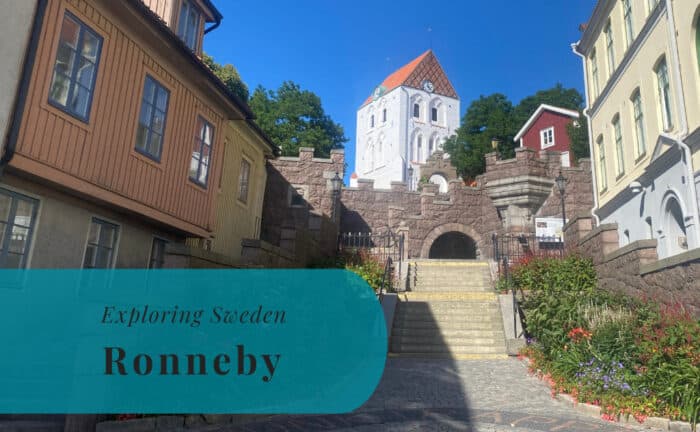
- Ronneby: Often called “The Heart of Blekinge,” Ronneby is known for its beautiful Brunnspark. This is a historic health spa park. This town, with its well-preserved wooden houses, offers a charming atmosphere. It’s also recognized for its thriving local industry. It’s close to natural attractions.
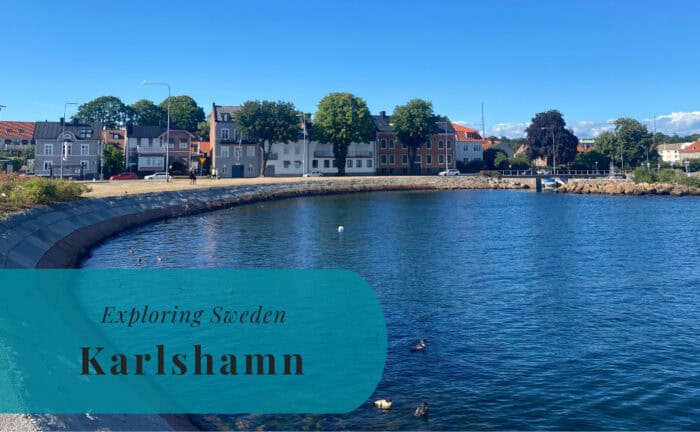
- Karlshamn: This bustling port city has a rich trading history. It features a lively harbor. It also has a charming old town with cobblestone streets. Karlshamn is famous for its punch, a local alcoholic beverage. It’s a key entry point for ferries from abroad.
- Sölvesborg: A smaller, picturesque coastal town, Sölvesborg is known for its unique pedestrian bridge. This illuminated, award-winning bridge connects the town to an island nature reserve. Sölvesborg boasts a medieval church and beautiful beaches.
Location
Blekinge is strategically located in southeastern Sweden. It forms the easternmost part of the Götaland region. The province borders Småland to the north and Skåne to the west. To the south and east, its extensive coastline meets the Baltic Sea. This maritime connection has profoundly shaped its history and economy. Its position made it a crucial strategic point between Sweden and Denmark for centuries.
Geography
Blekinge’s geography is characterized by its charming blend of land and sea. It features a gently rolling landscape. This is dominated by vast deciduous and coniferous forests. These forests cover much of its inland area. Towards the coast, the terrain flattens. It gives way to rich agricultural land. The most distinctive feature is its stunning archipelago. This stretches along the entire coastline. It comprises thousands of islands, islets, and skerries. Many are easily accessible by boat. Several small rivers flow through the province. They finally empty into the Baltic Sea. The coast is dotted with picturesque bays and inlets.
Entry Points to Blekinge
Blekinge is well-connected, offering various convenient ways to reach this beautiful province.
By Air
The primary airport serving Blekinge is Ronneby Airport (RNB). It is centrally located within the province. It offers regular domestic flights to Stockholm Arlanda Airport (ARN) and Stockholm Bromma Airport (BMA). These connections provide easy access to international destinations. From Ronneby Airport, local taxis and rental cars are available. They transfer you to cities and towns across Blekinge.
By Sea
Blekinge’s coastal location makes sea travel a significant entry point. Karlshamn Port is a major hub. It offers regular ferry services to Klaipėda, Lithuania. This route is operated by DFDS Seaways. These ferries transport both passengers and vehicles. They provide a comfortable and direct link across the Baltic Sea. Passenger services also connect the archipelago islands to the mainland during the summer months.
By Land
Land travel is a very common way to reach Blekinge. It offers excellent connections.
- By Car: The E22 highway is the main artery. It runs east-west through the entire province. It connects Blekinge to Malmö and Lund in the west. It also links to Kristianstad and further east towards Kalmar. The drive from Malmö typically takes around 2-3 hours. This highway provides scenic access to coastal towns.
- By Train: SJ (Swedish Railways) operates frequent train services. These connect Blekinge’s main cities. Karlskrona, Ronneby, Karlshamn, and Sölvesborg are all well-served. Connections are available from Malmö, Lund, and Kristianstad. Regional trains also operate efficiently within the province.
- By Bus: Various long-distance bus companies offer services to Blekinge. They connect major towns to cities across Sweden. Local bus networks also provide comprehensive coverage. This allows for easy travel between smaller communities and attractions.
Join Us Exploring Blekinge!





Explore more of Sweden and Europe