Exploring Dalarna
Exploring Dalarna
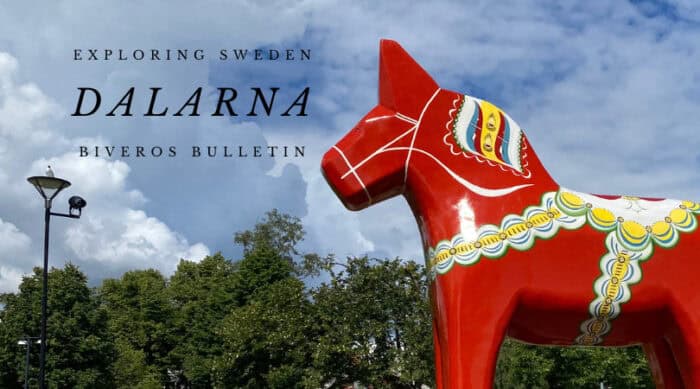
Dalarna, a historical province nestled in the very heart of Sweden, truly embodies the nation’s traditional soul. This captivating region is synonymous with iconic Swedish culture, from the vibrant Dala horse to traditional folk music and picturesque midsummer celebrations. Its history is rich with tales of mining, forestry, and the spirit of independence, playing a pivotal role in Swedish history, notably during Gustav Vasa’s rebellion in the 16th century. Dalarna is also home to vast, ancient forests and serene lakes, offering a profound connection to nature.
Did you know its provincial flower is the delicate Spreading Bellflower (Ängsklocka), and its provincial animal is the powerful Eurasian Eagle-owl (Berguv)? These symbols perfectly capture Dalarna’s blend of delicate beauty and enduring wildness. Join Us Exploring Dalarna!

Population
Dalarna has a population of about 288,000 people. This makes it one of Sweden’s moderately populated provinces. Residents are spread across its diverse landscape. Population centers are typically found around major lakes and industrial areas. Vast stretches of land remain wild and untouched.
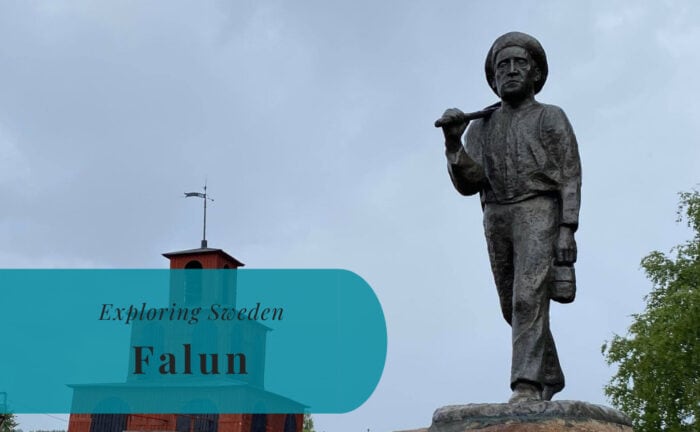
- Falun: This is Dalarna’s largest city and the county seat. Falun is globally recognized for its Falu Gruva (Falun Mine). This is a UNESCO World Heritage Site. This historic copper mine shaped the region’s economy. It also influenced Sweden’s wealth for centuries. Falun beautifully blends industrial heritage with modern city life. It offers a vibrant cultural scene.
- Borlänge: A significant industrial and transport hub, Borlänge is located along the Dalälven river. It’s known for its steel industry. It also plays a central role in regional logistics. The city offers diverse shopping opportunities. It also has many recreational options. It serves as a gateway to the broader Dalarna region.
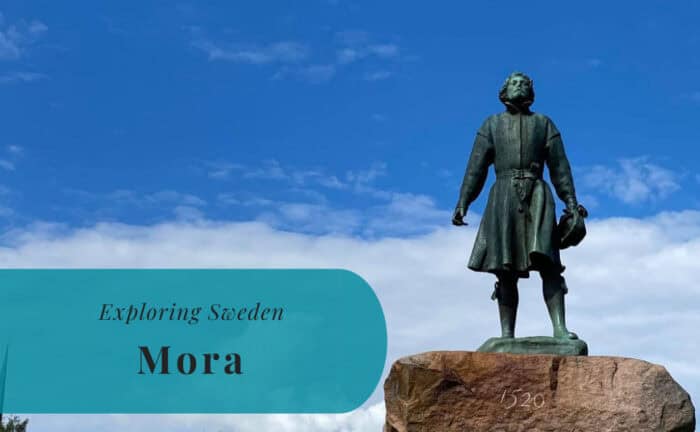
- Mora: This town is situated at the northern tip of Lake Siljan. Mora is famous for the Vasaloppet. This is the world’s oldest and longest cross-country ski race. The town is deeply rooted in Swedish history and traditions. It’s also known for Dala horse production. Its connection to artist Anders Zorn is also notable.
- Hedemora: This is one of Sweden’s oldest cities. Its city rights date back to 1446. Hedemora boasts charming historical architecture. It offers a quaint, small-town atmosphere. Its history is tied to trade and local crafts.
- Ludvika: Located in southern Dalarna, Ludvika is an important industrial town. It’s known for its electrical power and steel industries. The town is surrounded by beautiful nature. This includes lakes and forests.
Location
Dalarna is centrally located in Sweden. It borders Jämtland to the north. Gävleborg and Västmanland lie to the east. Värmland and Örebro are to the south. Norway borders it to the west. This inland position means it has no coastline. However, it is abundant with lakes and rivers. Its central placement makes it a geographical crossroads in Sweden.
Geography
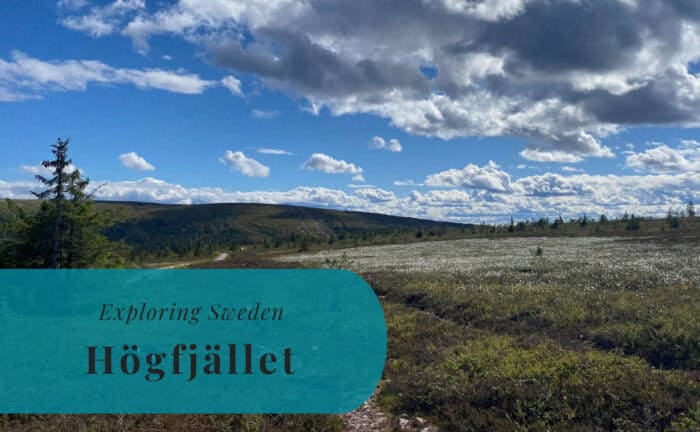
Dalarna’s geography is famously diverse and picturesque. Its most iconic feature is Lake Siljan. This vast, beautiful lake formed from an ancient meteorite impact. Charming villages and forests surround it. The southern parts of the province feature vast, dense forests. These are often part of the Bergslagen mining region. Towards the west and north, the landscape becomes more mountainous. You’ll find parts of the Scandinavian Mountains here. Numerous rivers, including the mighty Dalälven, wind through the province. They offer opportunities for canoeing and fishing. The terrain ranges from agricultural valleys to deep woodlands and high fells.
Entry Points to Dalarna
Dalarna is well-connected by land and air. This makes it easily accessible for visitors.
By Air
The primary airport serving Dalarna is Dala Airport (Dalarna Airport / Borlänge Airport – BLE). It is located near Borlänge. This airport offers domestic flights. These primarily connect to Stockholm Arlanda Airport (ARN). This provides access for international travelers. For areas around Mora, Mora Airport (MXX) offers more limited domestic connections. From both airports, ground transport options like taxis and local buses are available.
By Sea
As an inland province, Dalarna has no direct sea access. Therefore, sea travel is not a direct entry method. Travelers arriving by ferry to Sweden would typically arrive in coastal ports. These include Gothenburg, Malmö, or Stockholm. From these cities, onward travel to Dalarna would be by land. Options include car, train, or bus.
By Land
Land travel is the most common and convenient way to reach and explore Dalarna.
- By Car: Major national roads provide excellent access. The E16 highway runs through southern Dalarna. It connects it to Oslo, Norway, in the west. It also connects to Gävle on the east coast. Road 70 is another important route. It connects the region to Stockholm. This drive takes about 2.5-3 hours to Falun/Borlänge. This offers flexible exploration. The road network is well-maintained throughout the province.
- By Train: SJ (Swedish Railways) operates frequent train services to Dalarna. Direct connections are available from Stockholm Central Station. They go to Falun, Borlänge, and Mora. The journey from Stockholm to Falun typically takes around 2-2.5 hours. Regional train lines also connect smaller towns within the province. Train travel offers a comfortable and scenic way to arrive.
- By Bus: Various long-distance bus companies offer comprehensive services to Dalarna. These connect major towns like Falun, Borlänge, and Mora to Stockholm. They also connect to other Swedish cities. Local bus networks are also extensive. They facilitate travel between smaller communities and attractions throughout the province.
Join Us Exploring Dalarna!
Explore more of Sweden and Europe