
Beckov | Exploring Slovakia
There are few places in Europe that can offer such magnificent castle ruins as the small village of Beckov. This small place is indeed worth a visit, and it is located in the Trenčín Region in the north-western part of Slovakia. The village is home to approximately 1,300 inhabitants. It is a picturesque community, and it has a massive castle overlooking the town from a high cliff. This castle tells the tale of a significant part of European history. The ruins are the primary reason for a visit, but the village itself is also memorable.
The fascinating thing about Slovakia and its small towns is that at some point, they have played important roles in history. Beckov is a clear example of this, for its story is tied to the great empires of Great Moravia and the Kingdom of Hungary. Standing next to the Váh River, the stone castle was built to protect the kingdom’s borders. The village that developed at its base followed the castle’s fate through centuries of aristocratic rulers. Today, the combination of the dramatic ruins and the charming village makes for a compelling destination.
History of Beckov
Lying in the great empires of Great Moravia and the Kingdom of Hungary, Beckov has played an important role in history. Written records mention the village for the first time in 1228. During the time of Great Moravia, the village became a part of the region’s defensive fortifications. A stone castle was later built in the 13th century to protect the borders of the Kingdom of Hungary. It was at the base of this castle that the village developed and grew. The town, as it was then, followed the development of the castle, which saw several aristocratic rulers during the years.
The Stibor Dynasty and the Golden Age
The castle and the town reached their peak of importance in the late 14th and early 15th centuries. This was during the rule of the powerful Stibor family of Stiborice. Stibor of Stiborice, a nobleman of Polish origin, received the castle from King Sigismund of Luxembourg. He and his son, Stibor II, transformed the original stone fortress into a magnificent Gothic noble residence. They added new palaces, a chapel, and strengthened the fortifications. During their time, Beckov Castle became a center of art, culture, and politics in the region, hosting many important guests.
The Bánffy Family and Renaissance Changes
After the Stibor dynasty died out, the castle and its estate passed to the Bánffy family in the 15th century. The Bánffy family continued to develop the castle, adding significant Renaissance elements to the Gothic structure. They rebuilt parts of the palace and improved the fortifications, especially in response to the growing threat from the Ottoman Empire. The castle remained a key administrative and military center for the region throughout the 16th and 17th centuries. The town below the castle also continued to be an important local center for crafts and trade during this period.
The Decline and Destruction of the Castle
The importance of the town and the castle began to decline after the end of the Ottoman wars. The final blow came in 1729 when a major fire broke out within the castle. The fire devastated most of the buildings within the complex. The noble family who owned the castle at the time decided that it was too expensive to rebuild. As a result, the magnificent castle was abandoned and left to fall into ruin. The decline of the castle also led to the decline of the town below, which lost much of its former importance. The ruins have stood as a silent monument on the cliff ever since.
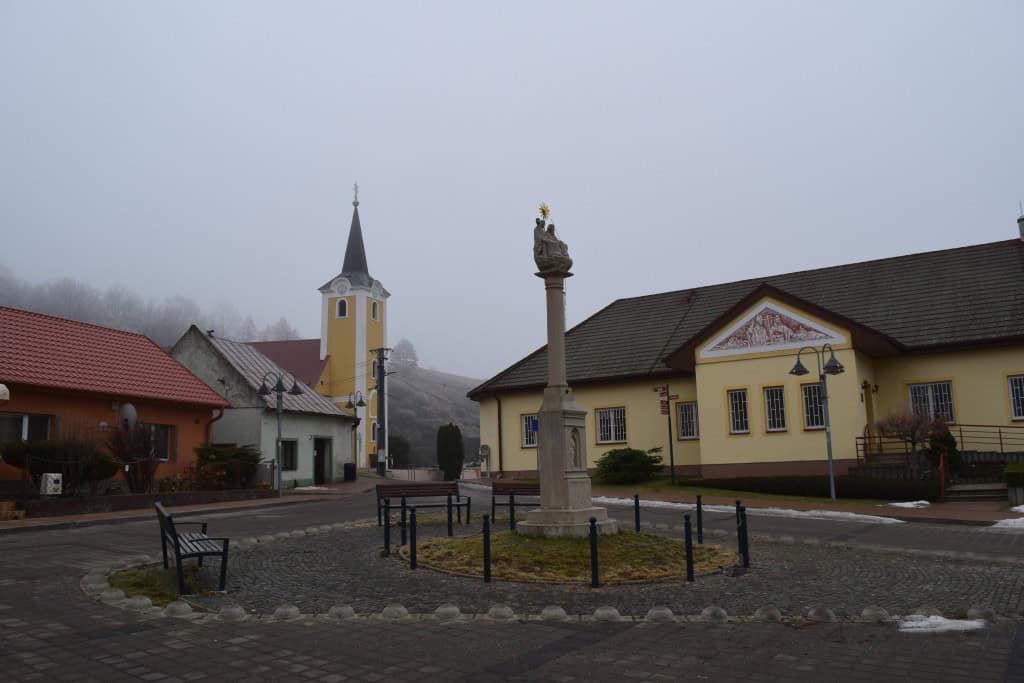

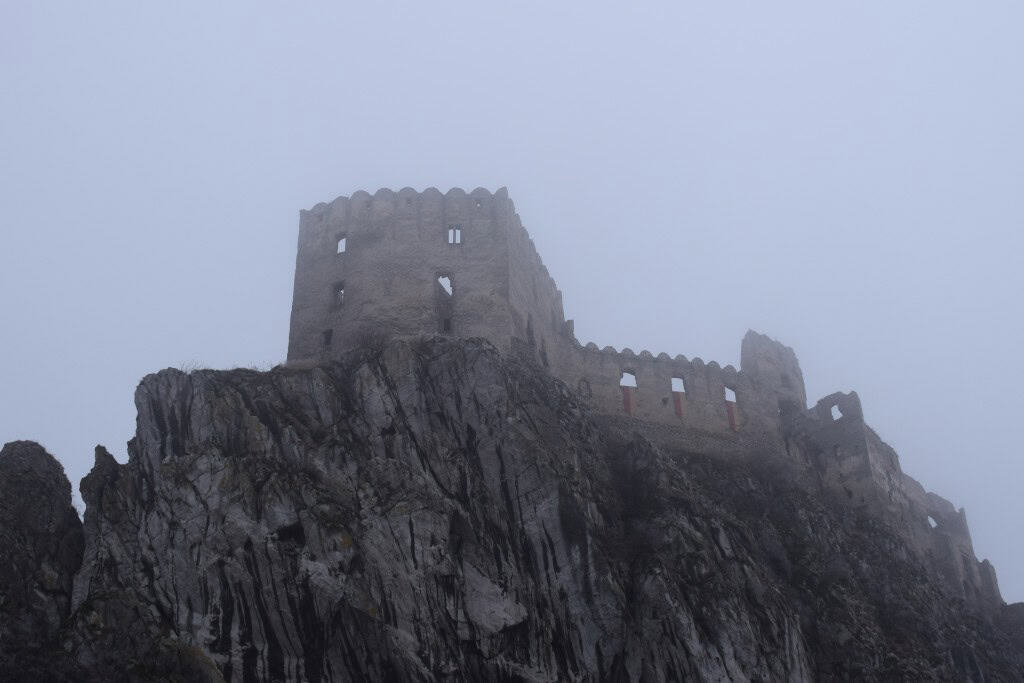
Sights In Beckov
Beckov is a quaint small town with a charming main square and two historic churches in its center. The church towers add a beautiful twist to the view over the village from the castle above. The churches are the Farský kostol svätého Štefana kráľa and the Evanjelický kostol. The small, yet colorful, main square is located just below the main attraction up on the hill. However, the undisputed main attraction in Beckov is the magnificent castle that stands on a 60-meter high cliff directly above the village.
Beckov Castle (Hrad Beckov)
The main attraction in Beckov is Beckov Castle. Today the castle stands in ruins, but it is still an impressive sight, standing on top of a 60-meter high cliff. The first mentions of the castle are from 1208. Most of the significant developments to the castle date to the 14th century. It was after a fire in 1729 that the castle was left in ruins. It is easy to reach the castle ruins by walking up the hill from the village. Visitors can enter the castle and enjoy the remains of rich Gothic and Renaissance decorations. Also, the view over the White and Little Carpathians is spectacular.
Church of St. Stephen the King
The Farský kostol svätého Štefana kráľa, or the Parish Church of St. Stephen the King, is a historic Roman Catholic church in the village. The church was originally built in 1424 in the Gothic style. It was later rebuilt and expanded in the 17th century in the Baroque style. The church is located in the center of the village and is an important architectural and spiritual landmark. It stands as a testament to the village’s long history and its connection to the Catholic faith.
Evangelical Church
The Evanjelický kostol, or the Evangelical Church, is another of the prominent churches in Beckov. This church was built between the years 1791 and 1845. It was constructed in a classicist style. The church was built during a period when Protestants were granted more religious freedoms within the Habsburg Monarchy. Its construction is a symbol of the religious diversity that has been a part of the village’s history. The church serves the local Lutheran community.
The Town Museum
For those who want to learn more about the town and its history, a stop at the town museum is a good idea. The museum is located in the historic Dubnický Palace, a former manor house just below the castle hill. The museum’s exhibits cover the history of Beckov, from its early origins to the present day. It has collections related to the castle, the local nobility, and the folk traditions of the region. A visit to the museum provides a deeper context for the sights in the village.
Ambrovec Manor House
The Ambrovec Manor House is another of the historic noble residences in the village. It is a beautiful Renaissance manor house that was built in the 17th century. The building is located near the main square and is another example of the fine architecture that was once common in the town. Today, the historic manor house has been restored and serves a new purpose, housing a restaurant and guesthouse. It provides a tangible link to the lifestyle of the lesser nobility who lived in the shadow of the great castle.
Sports in Beckov
The sporting life in the small village of Beckov is centered around its local multi-sport club, TJ Beckov, which is a key institution in the community. Football is the most popular sport, with the local team having a long history in the regional leagues. The village’s location in the hilly landscape of the Považský Inovec mountains also makes it a natural center for outdoor sports. The area is very popular with cyclists, and the dramatic cliffs of the castle hill have made it a world-famous destination for rock climbing. The Váh River also provides opportunities for water sports.
TJ Beckov (Football)
Football is the most popular sport in the village, and the main local club is OŠK Beckov, which is part of the larger TJ Beckov multi-sport club. The club’s football team has a long history and competes in the regional divisions of the Slovak football league system. They play their home matches at the local football stadium located in the village. The club is an important part of the community, with a strong focus on youth football, providing opportunities for children from the village to play the sport.
TJ Beckov (Table Tennis)
In addition to football, the multi-sport club TJ Beckov also has a successful table tennis section. The club’s table tennis teams compete in the regional and national league systems. The sport is popular in the village, and the club provides training for both youth and adult players. The table tennis section is another example of the strong grassroots sporting culture that is an important part of community life in the village.
Rock Climbing at the Castle Cliff
The massive limestone cliff on which Beckov Castle stands is one of the most important and famous rock climbing areas in Slovakia. The cliff offers a huge variety of climbing routes of different difficulty levels, from easier routes for beginners to some of the most challenging sport climbing routes in the country. The unique setting, with the historic castle ruins directly above, makes it a spectacular place to climb. The area attracts climbers from all over Europe and hosts national climbing competitions.
Beckov Airfield (Letisko Beckov)
Just outside the village is the Letisko Beckov, a small grass airfield that is a center for recreational aviation. The airfield is home to a local flying club and is used for sport flying with small airplanes and gliders. It is a popular spot for aviation enthusiasts. The sight of small planes taking off and landing with the backdrop of the castle on the cliff is a unique feature of the area. The airfield occasionally hosts small air shows and other public events.
Váh River (Water Sports)
The Váh River, which flows directly past Beckov, is the longest river in Slovakia and provides opportunities for a variety of water sports. The section of the river near Beckov is popular for canoeing and kayaking. The river’s gentle current in this area makes it suitable for recreational paddling. The river is also a destination for fishing. The presence of this major river adds another dimension to the recreational opportunities available in the area.
Cycling Routes
The area around Beckov is very popular with cyclists. The Vážska cyklomagistrála, a major long-distance cycling route that follows the Váh River, passes directly by the village. This well-maintained and mostly flat cycle path provides a safe and scenic route for cycling. It connects Beckov with the nearby cities of Nové Mesto nad Váhom and Trenčín. The surrounding hilly landscape of the Považský Inovec mountains also offers more challenging routes for road cyclists and mountain bikers.


Getting Around in Beckov
Navigating the small village of Beckov is best done on foot. The village center, the main square, and the path leading up to the castle are all easily walkable. For exploring the wider region, a car is the most convenient option, as the village is located very close to the main motorway. Local bus services also provide essential public transport connections to the nearest larger towns and transport hubs. This makes it possible to visit and explore the region using public transport, although with less flexibility than a private vehicle.
Exploring by Foot
The village of Beckov is small enough that walking is the only mode of transport you need to explore it. A leisurely stroll through the center of the village will take you past the main square and the two historic churches. The main attraction, Beckov Castle, is reached by a steep but short walk up the hill from the village. Comfortable shoes are recommended for the walk up to the castle and for exploring the ruins. Walking is the most immersive way to experience the unique atmosphere of this historic village.
Using Local Buses
Beckov has a local bus stop that is a key part of the regional public transport network. The bus connections are primarily from the nearby town of Nové Mesto nad Váhom, which is the main transport hub for the area. Regular bus services from Nové Mesto nad Váhom’s main bus station travel directly to Beckov. This service is essential for visitors who are relying on public transport to reach the village. The bus journey is short and offers scenic views of the surrounding countryside.
Navigating by Car
A car is the most convenient way to explore Beckov and the wider region. The village is located just a few kilometers from the main D1 motorway, which provides a fast and easy connection to Bratislava and Žilina. Having a car makes it simple to take day trips to other major attractions in the area, such as the nearby castles of Trenčín and Čachtice. There is a large paid parking lot located directly below the castle hill, which is the most convenient place to park when visiting the village.
How to Get to Beckov?
Beckov is located in an easily accessible part of Slovakia, with excellent transportation connections. The village is situated very close to the main east-west motorway, making it straightforward to reach by car. While the village does not have its own train station, the station in the nearby town of Nové Mesto nad Váhom is a key hub for the national rail network. Local and regional buses also provide effective connections to the village. The closest major international airport is in Bratislava.
Arriving by Air
Beckov does not have its own airport. The closest international airport is in Bratislava (BTS), which is located about a one-hour drive away. Other major international airports within a reasonable driving distance include Vienna (VIE) in Austria and Brno (BRQ) in the Czech Republic. From any of these airports, you would need to continue your journey by car, bus, or train. The excellent motorway access makes the drive from these airports a simple and fast one.
Driving into the Village
The village of Beckov lies just a few kilometers from the main D1 motorway (E75). This is the most important highway in Slovakia, connecting the village with Trenčín to the north and with Trnava and Bratislava to the southwest. To reach the village, you take the exit for Nové Mesto nad Váhom and then follow the local roads for a short distance. This excellent road access makes driving a very fast and convenient option for reaching the village from almost anywhere in Slovakia.
Journey by Rail
Beckov does not have its own train station. The closest main train station with long-distance connections is in the nearby town of Nové Mesto nad Váhom. This station is a major stop on the main railway line that connects Bratislava with Žilina and Košice. The national rail operator, Železničná spoločnosť Slovensko (ZSSK), runs frequent intercity and express train services that stop at Nové Mesto nad Váhom. From the train station, you would then need to take a short local bus ride to reach the village of Beckov.
Connecting by Bus
Beckov is well-connected by the regional bus network. There are frequent bus services from the main bus station in Nové Mesto nad Váhom directly to the village of Beckov. The bus station in Nové Mesto nad Váhom is located next to the train station, allowing for easy transfers. Long-distance bus services from major cities like Bratislava also stop in Nové Mesto nad Váhom. The bus is a convenient and affordable option for reaching the village.
Driving Distances
The driving distance to Beckov from 20 regional cities, according to Google Maps:
- Nové Mesto nad Váhom, Slovakia – 8 kilometers (0 h 10 min)
- Trenčín, Slovakia – 20 kilometers (0 h 20 min)
- Trnava, Slovakia – 60 kilometers (0 h 40 min)
- Žilina, Slovakia – 70 kilometers (0 h 50 min)
- Bratislava, Slovakia – 111 kilometers (1 h 10 min)
- Brno, Czech Republic – 120 kilometers (1 h 20 min)
- Ostrava, Czech Republic – 150 kilometers (1 h 50 min)
- Vienna, Austria – 175 kilometers (1 h 50 min)
- Katowice, Poland – 210 kilometers (2 h 20 min)
- Budapest, Hungary – 220 kilometers (2 h 10 min)
- Kraków, Poland – 240 kilometers (3 h 00 min)
- Wrocław, Poland – 315 kilometers (3 h 00 min)
- Prague, Czech Republic – 345 kilometers (3 h 20 min)
- Košice, Slovakia – 350 kilometers (3 h 30 min)
- Zagreb, Croatia – 400 kilometers (3 h 50 min)
- Ljubljana, Slovenia – 490 kilometers (4 h 40 min)
- Warsaw, Poland – 515 kilometers (5 h 20 min)
- Belgrade, Serbia – 515 kilometers (4 h 50 min)
- Berlin, Germany – 590 kilometers (5 h 40 min)
- Munich, Germany – 620 kilometers (6 h 00 min)
Looking to Explore more of Slovakia and Europe?


This post was first published 2017-05-13 and was updated 2025-07-31