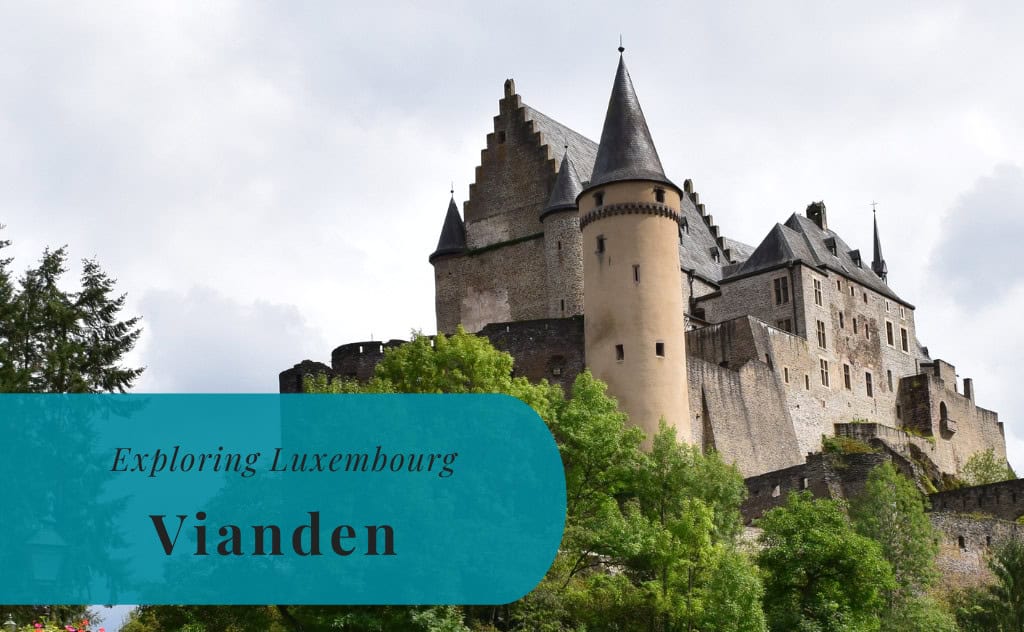
Vianden | Exploring Luxembourg
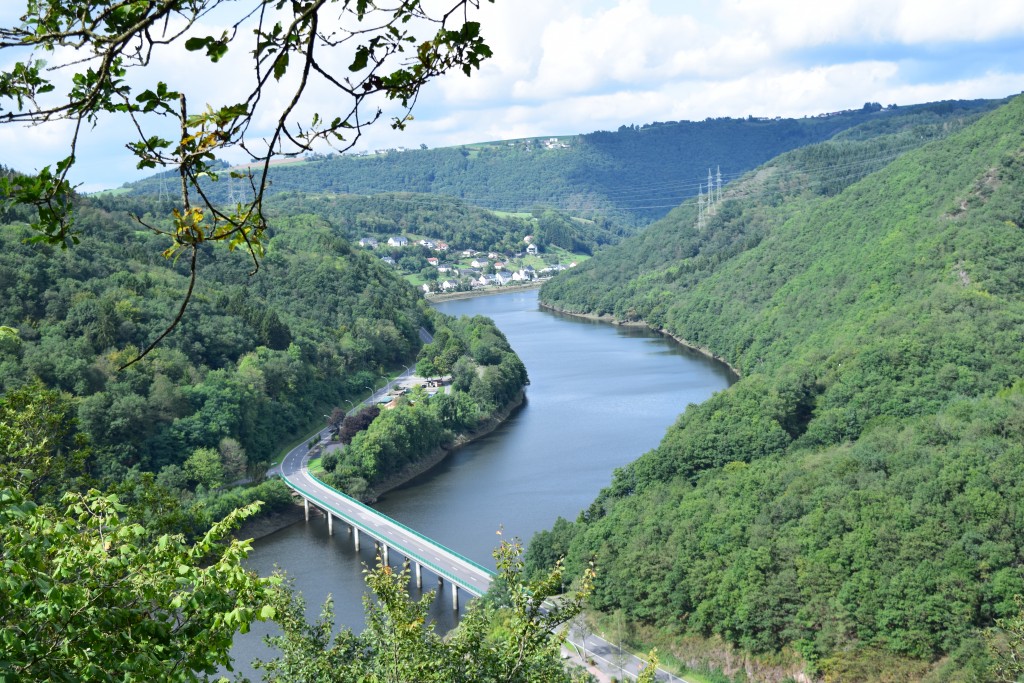
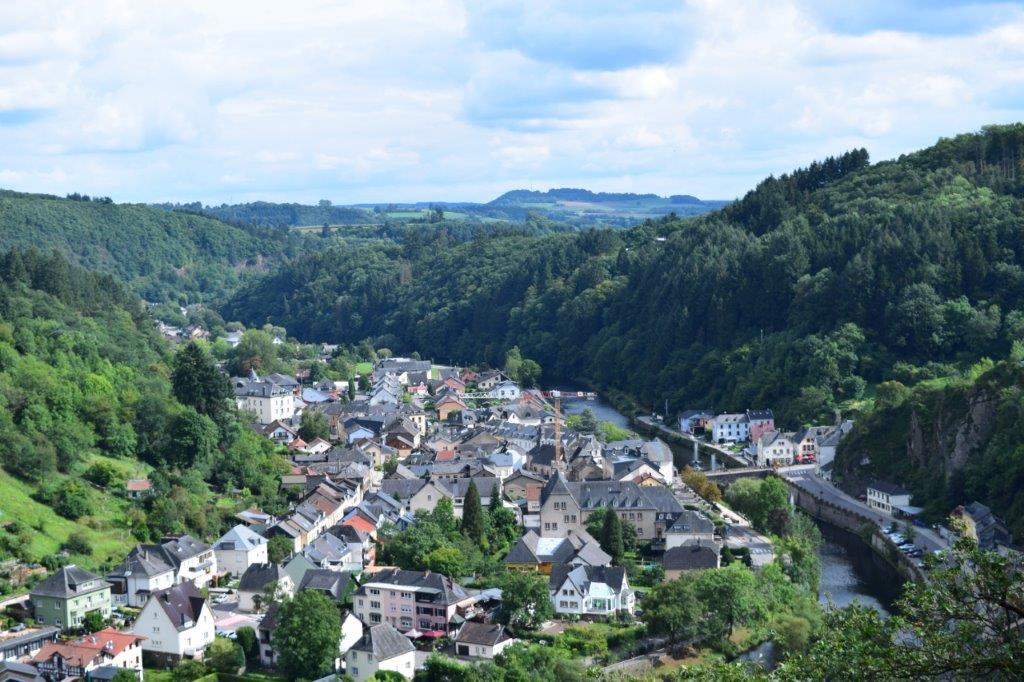
Vianden, or Veianen in Luxembourgish, is a town in the Éislek region of northern Luxembourg. It serves as the capital of the Canton of Vianden. The town is situated in a deep and scenic valley on the banks of the Our River. With a population of around 2,200 residents, it is a small but historically significant community. Vianden is located directly on the German border and is a key part of the cross-border German-Luxembourg Nature Park. Its location makes it a central point for exploring the rugged Ardennes.
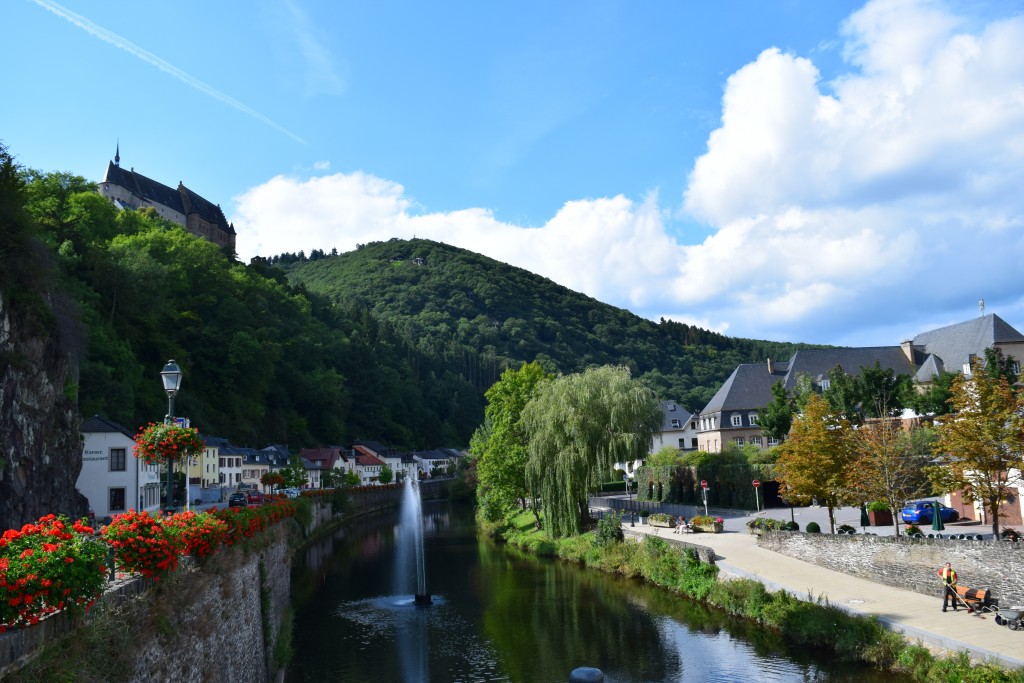
The character of Vianden is overwhelmingly defined by its magnificent medieval castle. This restored feudal residence sits on a rocky promontory, dominating the skyline and overlooking the entire town. Below this fortress lies the historic town center, with charming streets and old houses that follow the winding river. The town’s cultural heritage is further enriched by its connection to the French writer Victor Hugo, who admired its beauty and is honored with a museum here. Visitors will find a blend of impressive architecture and a tranquil riverside atmosphere. This combination of a dominant fortress and a picturesque town makes Vianden a premier tourist destination.
Vianden’s primary function today is as one of Luxembourg’s most important tourist hubs. The surrounding steep, wooded hills make it a major center for hiking in the Ardennes. For many, it is a perfect destination for a day trip from Luxembourg City. The main things to do include exploring the castle, taking the scenic chairlift for panoramic views, and walking along the river promenade. The town offers a complete visitor experience, from historical sights to outdoor activities. Its well-preserved state and stunning natural setting ensure its place as a key location in Luxembourg tourism.
Our Visit to Vianden
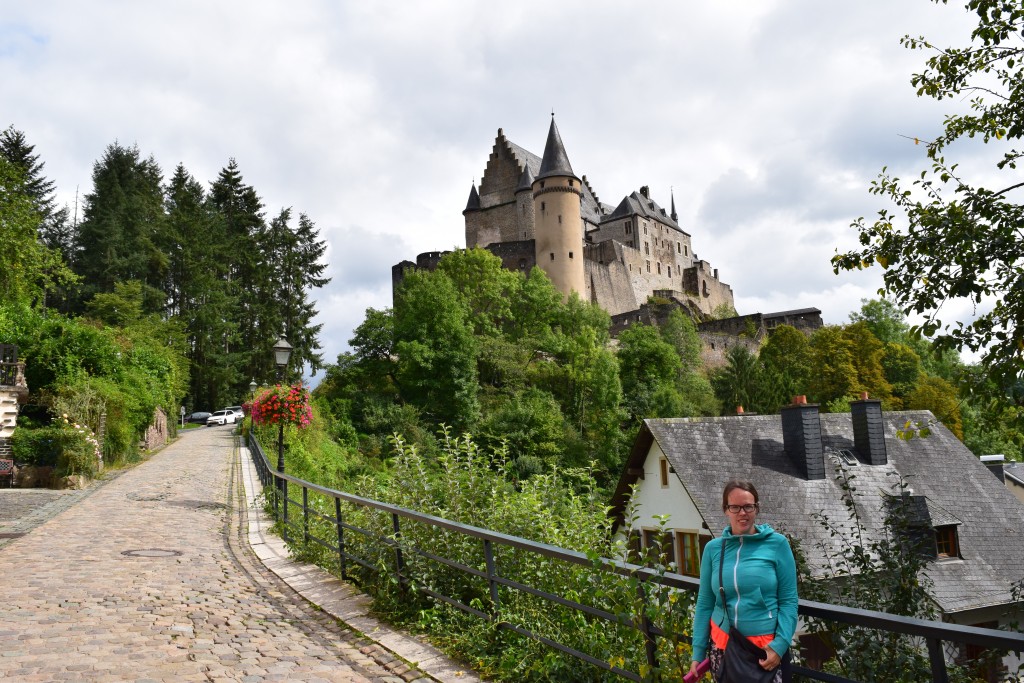
We visited Vianden during our European road trip in 2017 and were mesmerized by its impressive castle and natural beauty. It was during our stay in Metz in northern France that we headed to Vianden for a day trip and got to enjoy several hours walking around in the town and its vicinity. Another shorter stop took place during the summer of 2025 when we were traveling through the area.



A Short History
The history of Vianden is centered on its powerful castle, which was the seat of the influential Counts of Vianden for centuries. The town grew in the shadow of this fortress and became an important regional center for crafts. The story of the town is one of a prosperous medieval settlement, a long period of decline, and a modern revival as a major tourist destination. This journey is reflected in the state of its historic buildings, particularly the castle, which was a ruin for over a century before its restoration.
Medieval Origins and the Counts of Vianden
The history of settlement in the Vianden area dates back to the Gallo-Roman period, with evidence of a small Roman fort. The first written mention of the town dates to the 7th century. The history of the town is inextricably linked with that of the Counts of Vianden, a powerful noble family in the medieval period. The construction of Vianden Castle began in the 11th century on the site of an earlier structure. The castle was expanded over the next few centuries into one of the largest and most impressive feudal residences in the region.
A Town of Craftsmen
During the Middle Ages, the town of Vianden, located at the foot of the castle, also grew in importance. It was granted a town charter in the 14th century. The town became a significant center for various crafts, including cloth making, leather tanning, and goldsmithing. These guilds contributed to the prosperity of the town. For centuries, the town and the county were an independent feudal state within the Holy Roman Empire, with close ties to the royal houses of Europe.
Decline and Modern Restoration
The fortunes of the town began to decline after the medieval period. The County of Vianden was eventually incorporated into the larger County of Luxembourg. In the 19th century, the castle was sold and was partially dismantled for its materials, falling into a state of ruin. The town’s economy shifted towards smaller industries, with two tanneries operating until the mid-20th century. A key moment in the town’s modern history was the acquisition of the castle ruins by the state of Luxembourg in 1977. This led to a massive and long-term restoration project that has returned the castle to its former appearance and made it the town’s primary attraction.



Things to Do and See
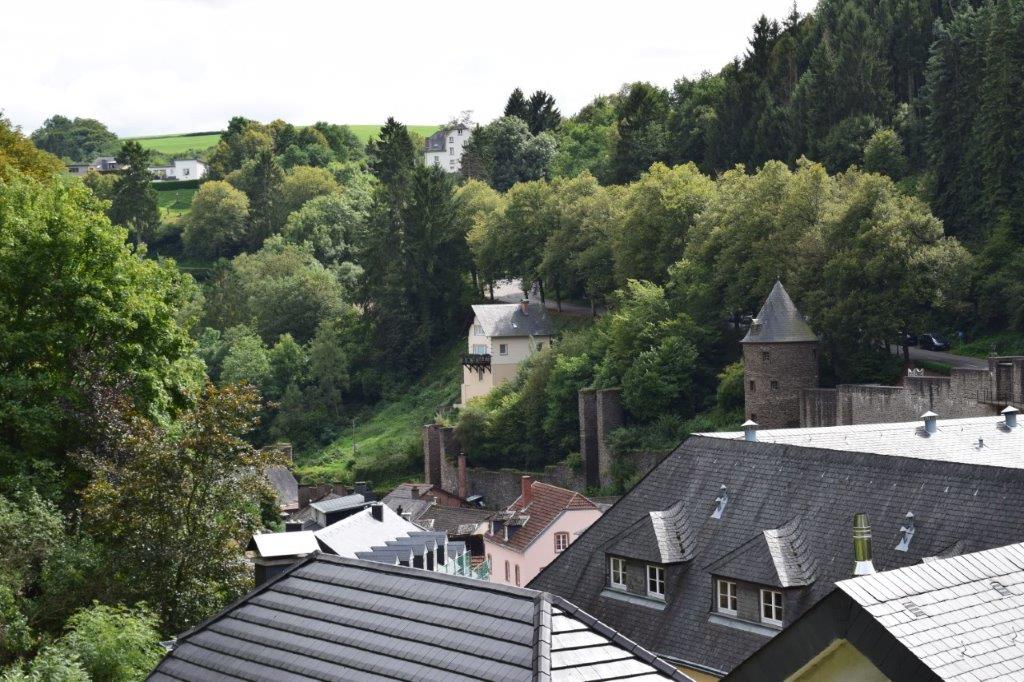
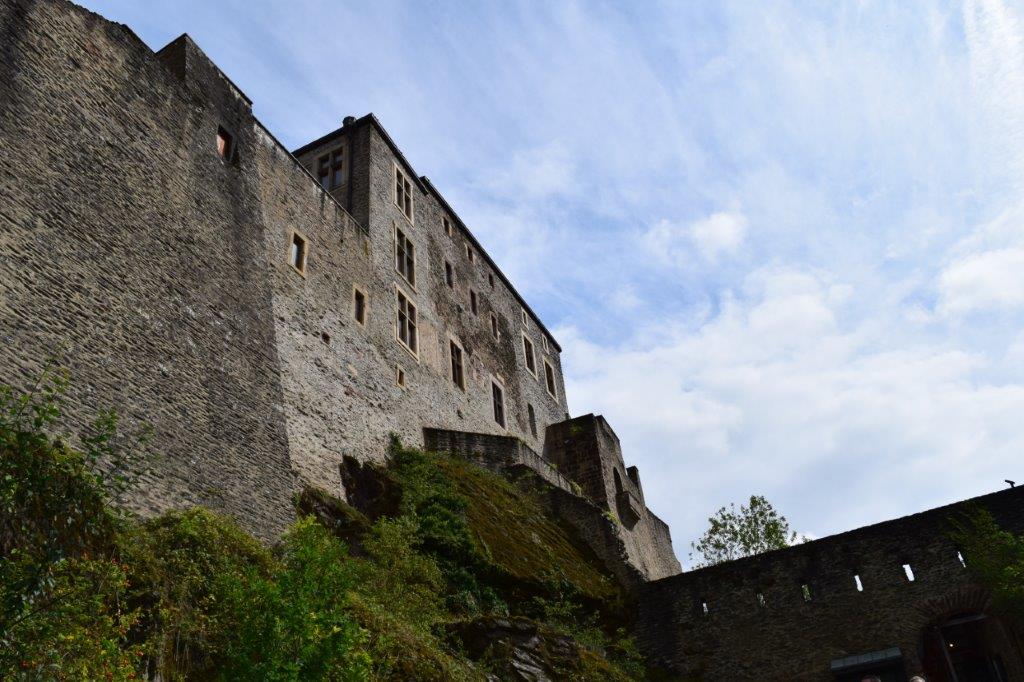
The sights in Vianden are focused on its magnificent castle and the historic buildings in the town center. The dramatic natural setting of the Our River valley provides a scenic backdrop for these architectural landmarks. The town also has a strong connection to the French writer Victor Hugo, who is commemorated in a local museum. The area is also a major hub for several important regional hiking trails, which are key attractions in their own right.
Vianden Castle
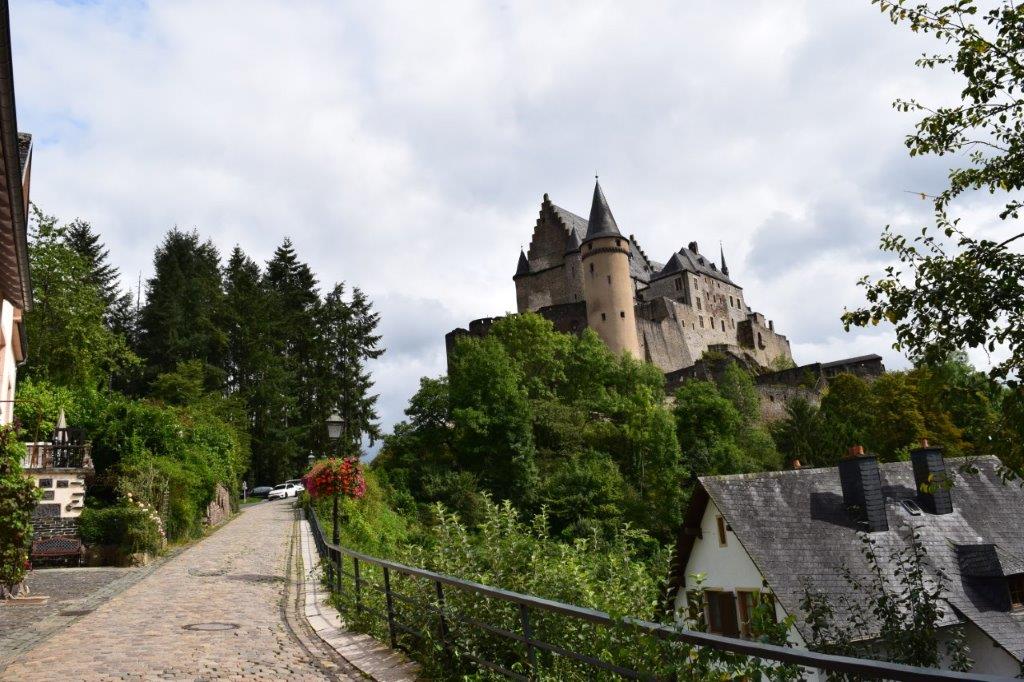
Vianden Castle (Buerg Veianen) is the primary sight in the town and one of the most important historical monuments in Luxembourg. The castle’s origins are in the 10th century, with the main construction taking place between the 11th and 14th centuries. It is a key example of a Romanesque and Gothic feudal residence. The castle was extensively restored in the late 20th century. Visitors can explore its numerous rooms, including the Knights’ Hall, the chapel, and the kitchens. The castle also contains a museum on its history.
Vianden Chairlift
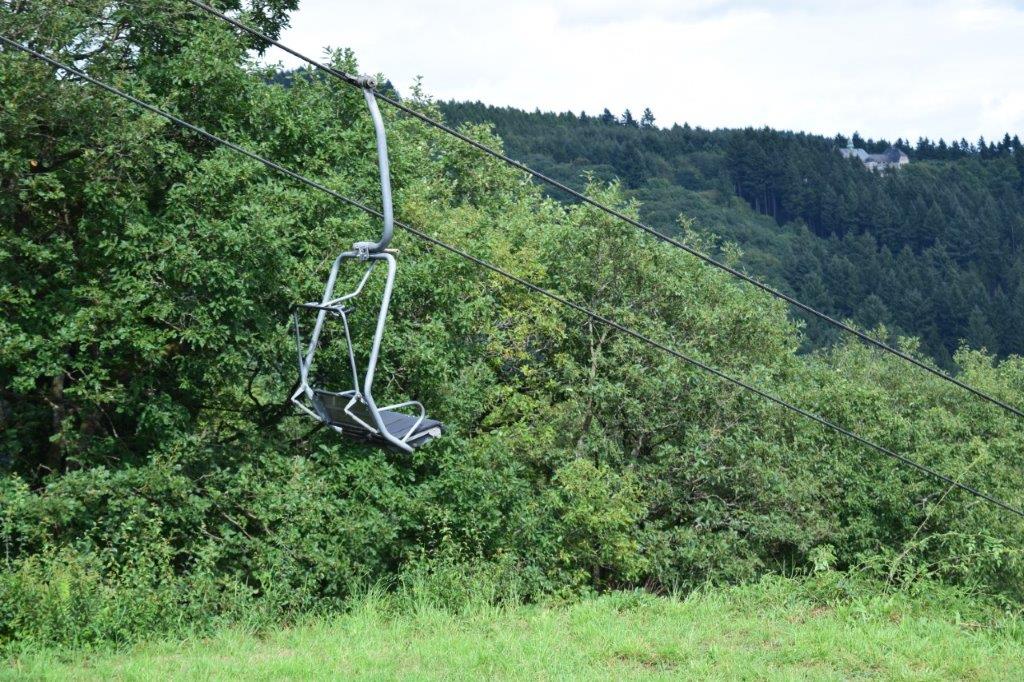
The Vianden Chairlift (Sessellift) is a popular attraction that offers panoramic views of the town and the castle. The chairlift takes visitors from a base station near the Our River, at an altitude of 220 meters, up to a height of 440 meters on a nearby hill. This is well above the castle, providing a unique aerial perspective of the fortress and the entire river valley. From the top station, there are several marked hiking trails that lead back down to the town or to other viewpoints.
Trinitarian Church and Cloister
The Trinitarian Church (Trinitarierkierch) is a historic Gothic church located in the center of Vianden. The church was built in 1248 by the Trinitarian Order. The building is a key example of the Gothic architectural style in the region. It features two naves, which was a typical design for churches of this religious order. Adjacent to the church is a historic cloister, which dates to the same period. The church is the main parish church of the town.
Victor Hugo House
The Victor Hugo House (Musée littéraire Victor Hugo) is a museum located in a house on the bridge over the Our River. The famous French writer Victor Hugo stayed in this house during his political exile in 1871. He was a great admirer of the town and the castle ruins. The museum is dedicated to his life and work, with a particular focus on his connection to Vianden and Luxembourg. It contains original documents, drawings, and other memorabilia.
Ourdall Promenade
The Ourdall Promenade is a marked hiking path that closely follows the banks of the Our River. The trail stretches for 8.5 kilometers, connecting the town of Vianden with the nearby village of Stolzembourg to the north. It is a relatively flat and easy walk, making it accessible for most visitors. The trail offers continuous, scenic views of the river and the steep, wooded slopes of the valley. It is a popular half-day activity for those looking to experience the natural scenery of the Our Nature Park up close.
Escapardenne Éislek Trail
The Escapardenne Éislek Trail is a major certified long-distance hiking trail that runs for 106 kilometers through the Ardennes region of Luxembourg and Belgium. The town of Vianden is a key stop along one of the main stages of this trail. This makes the town a popular base for long-distance hikers who are completing the multi-day trek. The trail is known for its high quality, excellent signposting, and its route through the most scenic parts of the Éislek region. It is a key piece of infrastructure for hiking tourism in the Ardennes.





Getting Around in Vianden
Navigating the town of Vianden is best done on foot. The town center is small but is built on a steep hillside. The main sights are located at different elevations, so walking involves a lot of climbing. Public transport in Luxembourg, including the regional buses that serve Vianden, is free of charge.
On Foot: The Valley Town
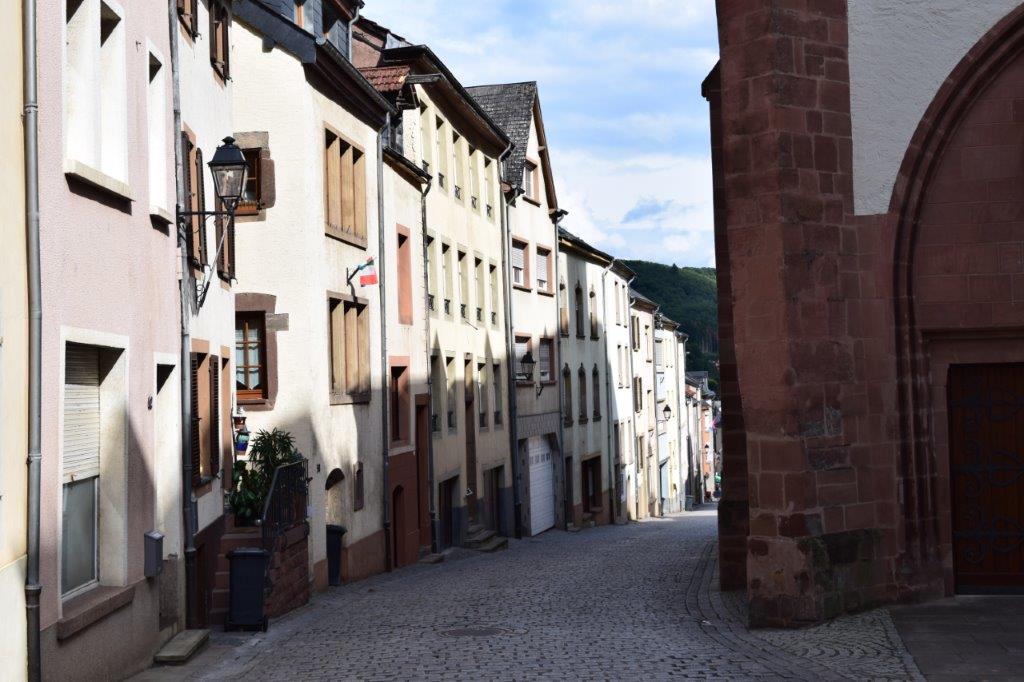
Walking is the best way to explore the central part of Vianden. The main street (Grand-Rue), which runs through the town, the Trinitarian Church, and the Victor Hugo House are all located in the valley. A steep walk up the hill is required to reach the main entrance of Vianden Castle. Comfortable shoes are essential for exploring the town’s steep cobblestone streets and paths.
Local Buses
The public transport in the region is operated by the RGTR (Régime général des transports routiers). A network of regional buses connects Vianden with the surrounding villages and with the main regional transport hubs like Ettelbruck and Diekirch. These buses are the primary mode of public transport for traveling within the northern part of Luxembourg. All public transport in the country is free.
How to Get to Vianden
Reaching the town of Vianden requires travel to the northern part of the Grand Duchy of Luxembourg. The town is well-connected by the national road network. The closest train stations are located in nearby regional hubs, from where a connecting bus service is required.
The Open Road: Driving through the Ardennes
Driving is the most common and practical way to reach Vianden. The town is located on the N10, a national road that follows the course of the Our River along the German border. The main N7 road, which runs north-south through Luxembourg, provides access from the A7 motorway. The drive from Luxembourg City takes approximately one hour. A car provides the flexibility to explore the wider Ardennes region.
Arriving by Air: Luxembourg Airport
The primary international gateway to the country is Luxembourg Airport (LUX). It is located near the capital, Luxembourg City. The airport is a major hub for the cargo airline Cargolux and the national passenger airline Luxair. It offers connections to many major European cities. From the airport, a combination of bus and train, followed by a final bus journey, is required to reach Vianden. A rental car is a more direct option.
On Track: A Journey by Rail and Bus
Vianden does not have its own train station. The closest major train stations are located in the towns of Ettelbruck and Diekirch. These stations are on the main railway line that connects Luxembourg City with the northern part of the country. The national railway company, CFL, operates frequent and direct train services. From the Ettelbruck or Diekirch stations, a connecting regional bus is required to complete the journey to Vianden.
Connecting by Coach
There are limited direct long-distance international bus services to the small town of Vianden. Travel by coach would typically involve taking a service from a company like FlixBus to the main bus station in Luxembourg City. From there, travelers would need to transfer to the national public transport network, using a combination of train and regional bus, to complete the journey to Vianden.
Driving Distances
- Luxembourg City, Luxembourg – 50 kilometers (0 h 50 min)
- Trier, Germany – 50 kilometers (0 h 50 min)
- Liège, Belgium – 95 kilometers (1 h 20 min)
- Metz, France – 114 kilometers (1 h 30 min)
- Cologne, Germany – 144 kilometers (1 h 50 min)
- Brussels, Belgium – 209 kilometers (2 h 30 min)
- Frankfurt, Germany – 248 kilometers (3 h 00 min)
- Strasbourg, France – 272 kilometers (3 h 10 min)
- Amsterdam, Netherlands – 376 kilometers (4 h 20 min)
- Paris, France – 434 kilometers (4 h 40 min)
Looking to Explore more of Luxembourg and Europe?