
Rome, Lazio | Exploring Italy
Rome is the capital city of Italy and a major European metropolis. Geographically, it is situated in the central-western portion of the Italian Peninsula, built on the banks of the Tiber River within the Lazio region. With a population of approximately 2.75 million inhabitants in the city proper, Rome is Italy’s most populous city. The larger metropolitan area is home to around 4.3 million people, making it the third most populous city in the European Union by population within city limits.
Known as the “Eternal City” (Urbs Aeterna), Rome’s history spans over two and a half millennia. It is one of the oldest continuously occupied cities in Europe and is recognized as a cradle of Western civilization. This historical legacy is present throughout the city, from its ancient Roman ruins to its Renaissance and Baroque masterpieces. The city also uniquely enclaves an entire independent state, Vatican City, which is the global center of the Roman Catholic Church.
The character of Rome is defined by this unparalleled layering of history, art, and religion alongside the functions of a modern capital. It serves as the nation’s political, economic, and cultural core. Its central location makes it a key transport hub for the country. It also serves as a base for exploring the surrounding region, with destinations like the ancient port of Ostia Antica and the city of Tivoli accessible from Rome.
Our Visits to Rome
We have visited Rome twice. The first time being during a longer visit to Frascati in 2018. Then we took two day trips to the Italian capital. Two days spent strolling around some of the main sights with Little A in a stroller. Jesper later re-visited the city on a day trip from Warsaw in 2024. Spending a day remembering the earlier visit and walking by most of the most significant sights.
- A Day in Rome and the Vatican | The Road to Rome 2018
- A Second Visit to Rome | The Road to Rome 2018
- Rome, Italy | A Day Trip from Warsaw



Good to Know When Visiting Rome
To help with planning a visit, here are several practical points covering daily essentials, timing, and efficient exploration of the city. Understanding these details can make a trip to Rome more convenient. This information is intended to provide a general overview for travelers preparing to visit this major European capital.
The Daily Essentials
The official currency used in Rome is the Euro (EUR). While credit and debit cards are widely accepted in almost all establishments, it is advisable to carry some cash for smaller purchases, market stalls, or to pay the city tourist tax at some hotels. The official language is Italian. English is widely spoken in tourist areas, hotels, and major restaurants, but less so in smaller, local establishments in residential neighborhoods.
Tipping is not obligatory and a service charge (servizio) is sometimes included in the bill; if not, leaving a small amount (coperto) or rounding up the bill is a common gesture. The tap water in Rome is safe to drink and the city is famous for its public drinking fountains, known as nasoni. The electrical system uses Type F and Type L sockets with a standard voltage of 230V. Rome is generally a safe city, but visitors should be mindful of pickpocketing in crowded tourist areas and on public transport.
Planning Your Calendar
Rome is a year-round destination, but the climate varies significantly. The spring (April-June) and autumn (September-October) months are often considered the best time to visit. They offer mild and pleasant weather for exploring the city on foot. The summer months (July-August) can be very hot and humid, and are also the peak of the tourist season. The winter is cool, with occasional rain, but the city is generally less crowded. Key public holidays include April 25 (Liberation Day) and August 15 (Ferragosto). For a first visit, a minimum of four to five days is recommended to see the main sights without being rushed. A longer stay allows for a deeper exploration of the city’s many neighborhoods and museums.
A Tourist’s Toolkit for Exploration
The historic center of Rome (Centro Storico) is vast but many key sights are grouped together and can be explored on foot. However, due to the city’s size, using public transport is essential for efficiency. The Roma Pass is a popular option for tourists. It offers free entry to one or two museums or archaeological sites, discounts on others, and unlimited travel on the city’s public transport network for 48 or 72 hours. It is crucial to book tickets for major sights like the Colosseum and the Vatican Museums well in advance, as they often sell out weeks or even months ahead. Many museums offer free admission on the first Sunday of the month, but expect very large crowds on these days.



A Short History
The history of Rome is a vast narrative of legend, conquest, innovation, and artistic brilliance. From its origins as a small settlement on the banks of the Tiber River, it grew to become the capital of the Roman Republic and then a vast empire that left an indelible mark on Western civilization. Following the decline of the Roman Empire, the city rose again to prominence during the Renaissance, becoming a vibrant center for art and culture. Despite the tumultuous events of the 20th century, it has continued to evolve while preserving its unparalleled historical heritage.
Foundation and the Roman Republic
The city’s traditional founding date is April 21, 753 BC. According to legend, it was founded by the twin brothers Romulus and Remus, descendants of the Trojan prince Aeneas. Romulus killed his brother and became the first of seven kings to rule the city. This early period was characterized by the city’s growth and its conflicts with neighboring peoples like the Etruscans and the Sabines. This monarchical period ended around 509 BC with the overthrow of the last king, Lucius Tarquinius Superbus.
This event established the Roman Republic, which was governed by elected magistrates, with the Senate as the main advisory body. Over the next several centuries, the Republic expanded its power through a series of wars. It first conquered the Italian peninsula and then expanded across the Mediterranean, defeating major rivals like Carthage in the Punic Wars. This period of expansion brought immense wealth and influence to Rome, but also created social and political instability, leading to a series of civil wars in the 1st century BC.
The Empire and its Decline
The Roman Republic effectively ended with the rise of Julius Caesar and his heir, Octavian, who became the first Roman Emperor, Augustus, in 27 BC. This marked the beginning of the Roman Empire. For the next two centuries, during a period known as the Pax Romana (Roman Peace), the empire experienced relative stability and prosperity. Rome became the largest and most advanced city in the world, with a population that may have exceeded one million. The emperors commissioned monumental buildings like the Colosseum, the Pantheon, and vast aqueduct systems.
At its zenith, the Roman Empire stretched from Britain to Mesopotamia and from the Rhine to North Africa. Rome was its undisputed center. However, from the 3rd century AD onwards, the empire faced increasing pressure from internal strife and external invasions by Germanic tribes. The capital was moved from Rome to other cities, and in the 5th century AD, the Western Roman Empire finally collapsed. The city of Rome was sacked multiple times and its population declined dramatically.
Renaissance, Unification, and Modernity
Following the decline of the empire, Rome remained an important center as the seat of the Pope and the Papal States. It faced centuries of change and challenge. The city rose again to prominence during the Renaissance in the 15th and 16th centuries. It became a vibrant center for art and culture, attracting masters like Michelangelo and Raphael. The Popes commissioned magnificent new buildings and artworks, including the rebuilding of St. Peter’s Basilica and the painting of the Sistine Chapel ceiling.
After a long period as the capital of the Papal States, Rome became the final piece in the puzzle of Italian unification. It was captured by the forces of the Kingdom of Italy in 1870. Rome officially became the capital of a unified Italy in 1871. The city then underwent another period of rapid expansion. Despite the tumultuous events of the 20th century, including the rise of fascism under Mussolini and periods of conflict, it has continued to evolve while cherishing its historical and artistic heritage.


Things to Do and See
Rome is often described as an open-air museum, where centuries of history are visible in its streets, squares, and monuments. The city contains countless sites of historical and artistic importance, from the grand structures of the ancient empire to the masterpieces of Renaissance and Baroque art. This guide focuses on some of the most globally recognized landmarks that narrate Rome’s enduring legacy.
Many of the most famous sights are located within the historic center, making it possible to see several of them on foot. Key areas include the Roman Forum and Colosseum, the Pantheon and Piazza Navona, and the separate city-state of the Vatican. These sites offer a direct connection to Rome’s rich past as a center of empire, faith, and art.
Colosseum
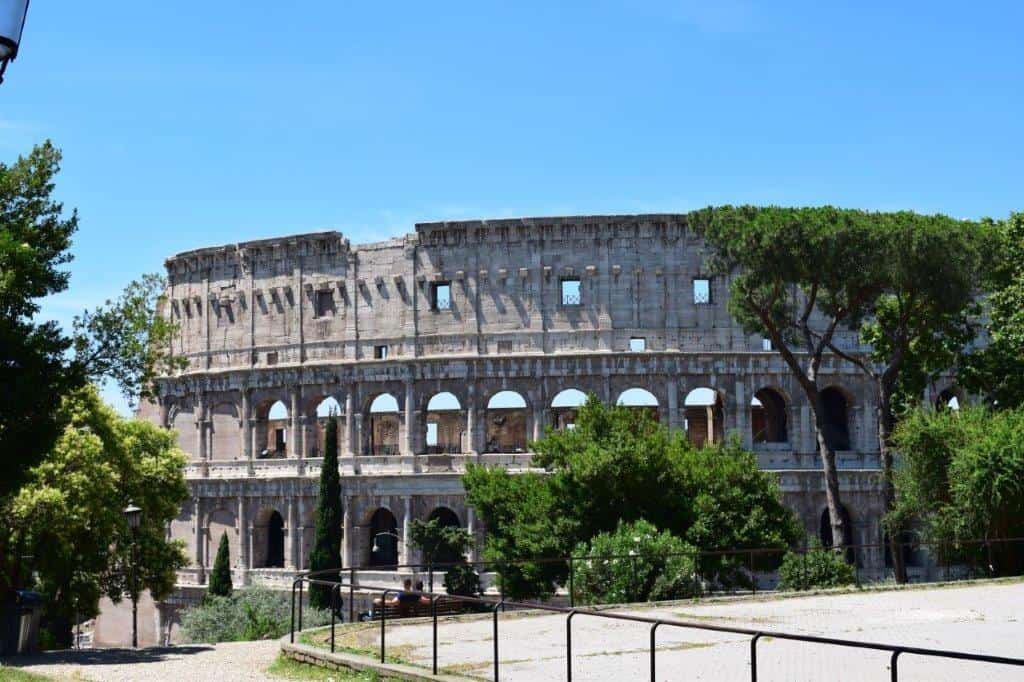
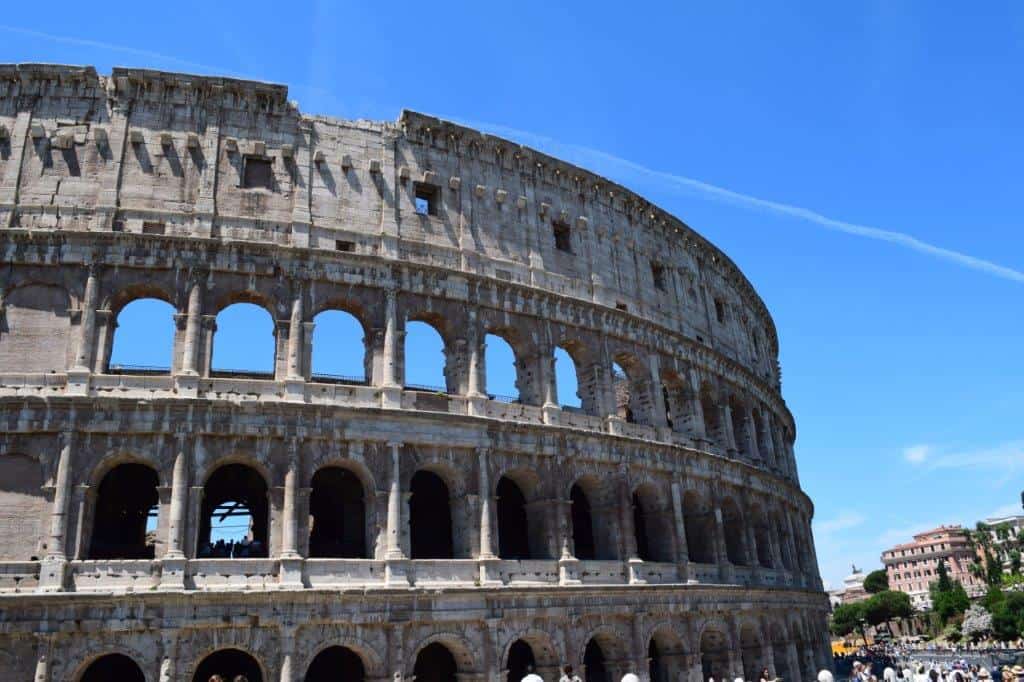
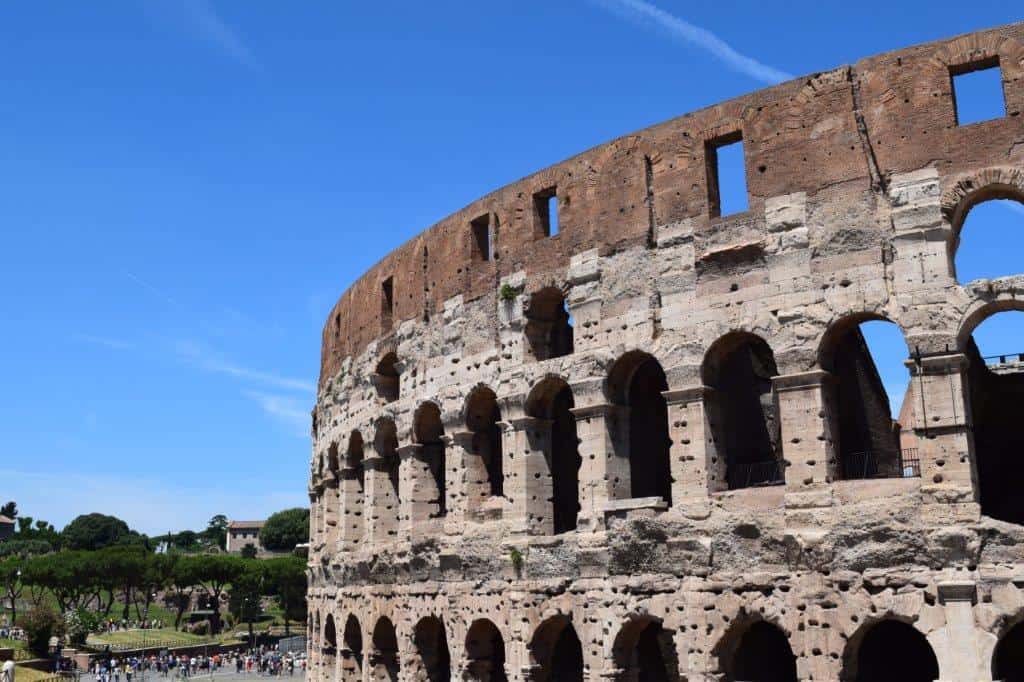
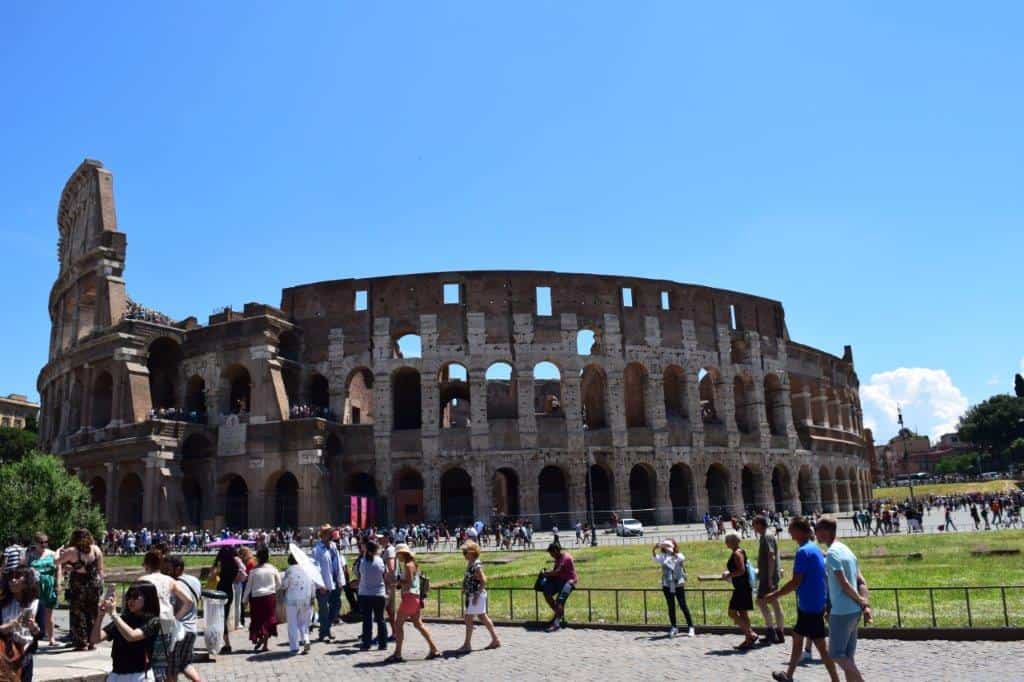
The Colosseum, also known as the Flavian Amphitheatre, is a testament to Roman engineering and public entertainment. Its construction began under Emperor Vespasian in 72 AD and was completed by his son, Emperor Titus, in 80 AD. This massive arena could hold an estimated 50,000 to 80,000 spectators. These crowds gathered for events including gladiatorial contests, mock sea battles, animal hunts, and public executions. Despite damage over centuries from earthquakes and stone-theft, the Colosseum remains a potent symbol of Imperial Rome. Its design was remarkable for its time, featuring efficient crowd management systems with 80 arched entrances, and a large retractable awning, the velarium, to provide shade.
Roman Forum
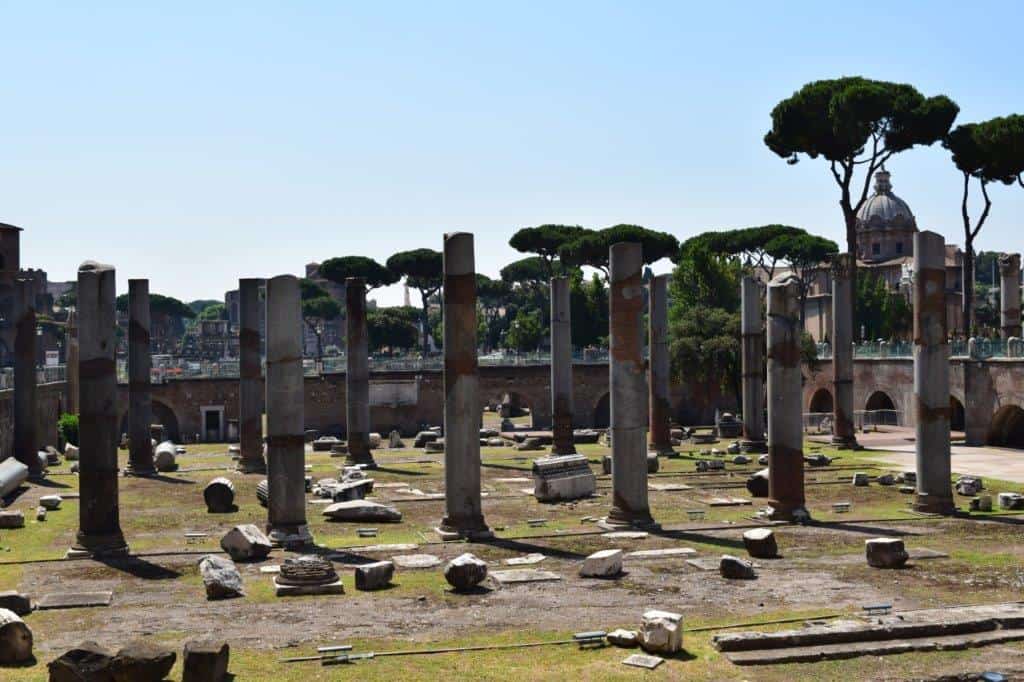
The Roman Forum (Foro Romano) is located in the valley between the Palatine and Capitoline hills. For centuries, it was the heart of ancient Rome. This central area was the hub of daily life, hosting triumphal processions, public speeches, criminal trials, and commercial activities. Important government buildings, temples, and basilicas were all situated within the Forum. Today, visitors can explore the ruins of these structures. Notable remains include the Temple of Saturn, the Arch of Titus, and the Curia Julia, which once housed the Senate. These ruins offer a direct glimpse into the political, religious, and social life of the ancient city.
Pantheon
The Pantheon stands as a marvel of Roman architecture and is one of the best-preserved ancient buildings in the world. It was originally conceived as a temple dedicated to all the gods of ancient Rome. The first structure was built by Marcus Agrippa during the reign of Augustus. After being damaged by fire, it was entirely rebuilt by Emperor Hadrian around 126 AD. The Pantheon’s most famous feature is its massive dome, which remains the largest unreinforced concrete dome in the world. At its apex is the oculus, a circular opening to the sky that serves as the only source of natural light. In the 7th century, the Pantheon was converted into a Christian church. It now serves as the burial place for notable figures, including the Renaissance artist Raphael and two Italian kings.
Vatican City
Vatican City is an independent city-state completely enclaved within Rome. It serves as the spiritual and administrative heart of the Roman Catholic Church and is the official residence of the Pope. It is the smallest internationally recognized independent state in the world, both in terms of its area and its population. Within its walls lie some of the world’s most famous artistic and architectural masterpieces. The main points of interest for visitors are St. Peter’s Basilica, St. Peter’s Square, and the Vatican Museums, which include the Sistine Chapel.
St. Peter’s Basilica
St. Peter’s Basilica is one of the largest Christian churches in the world and a preeminent example of Renaissance architecture. The current basilica was constructed over the traditional burial site of Saint Peter. Its construction was a lengthy process, spanning from 1506 to 1626. Many renowned artists and architects contributed to its design and opulent decoration. These masters included Bramante, Maderno, Bernini, and notably Michelangelo, who designed its magnificent dome. The interior contains numerous important works of art, including Michelangelo’s Pietà.
Vatican Museums & Sistine Chapel
The Vatican Museums house an immense collection of art and artifacts accumulated by the Popes throughout many centuries. The collections include some of the most renowned Roman sculptures and masterpieces of Renaissance art found anywhere in the world. There are multiple galleries, including the Raphael Rooms and the Gallery of Maps. For many visitors, the ultimate highlight is the Sistine Chapel. This sacred space is globally famous for its breathtaking frescoes, predominantly the work of Michelangelo. His masterpieces here include the iconic scenes from Genesis on the ceiling and the powerful depiction of The Last Judgment on the altar wall.
Trevi Fountain
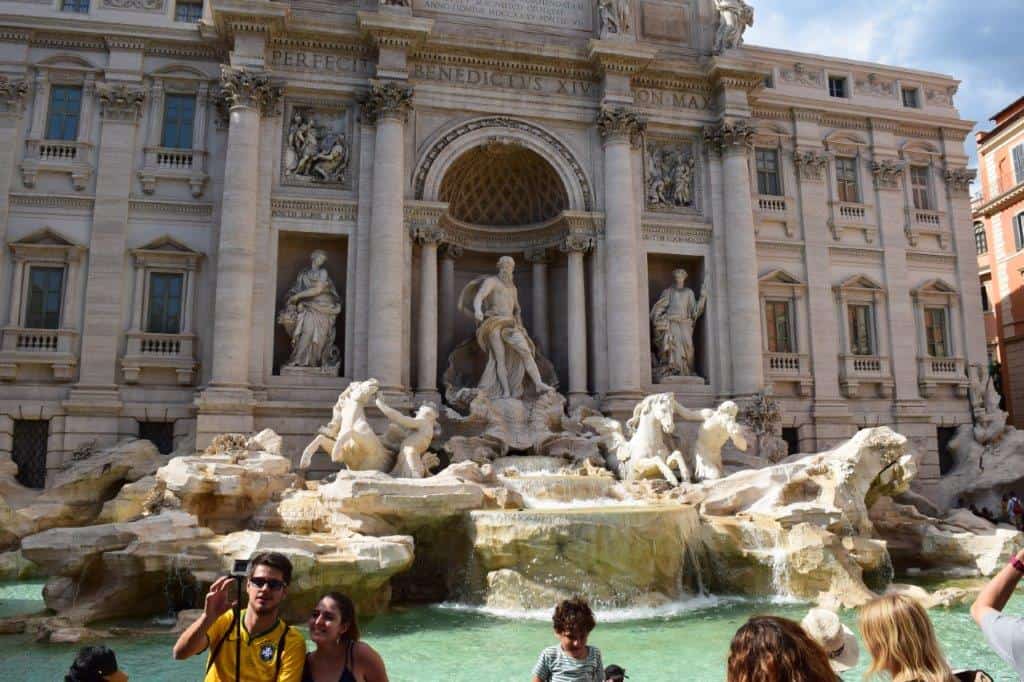
The Trevi Fountain (Fontana di Trevi) is one of the most famous fountains in the world and an example of Baroque art. Its design was primarily the work of Nicola Salvi, though it was completed by Giuseppe Pannini and others in 1762. The large fountain is built against the Palazzo Poli. Its central figure is Oceanus, the god of all water, depicted on a shell-shaped chariot drawn by sea horses. A popular tradition involves throwing a coin over one’s shoulder into the fountain, as legend says this ensures a return visit to Rome. The money collected is used to fund charitable causes.
Spanish Steps
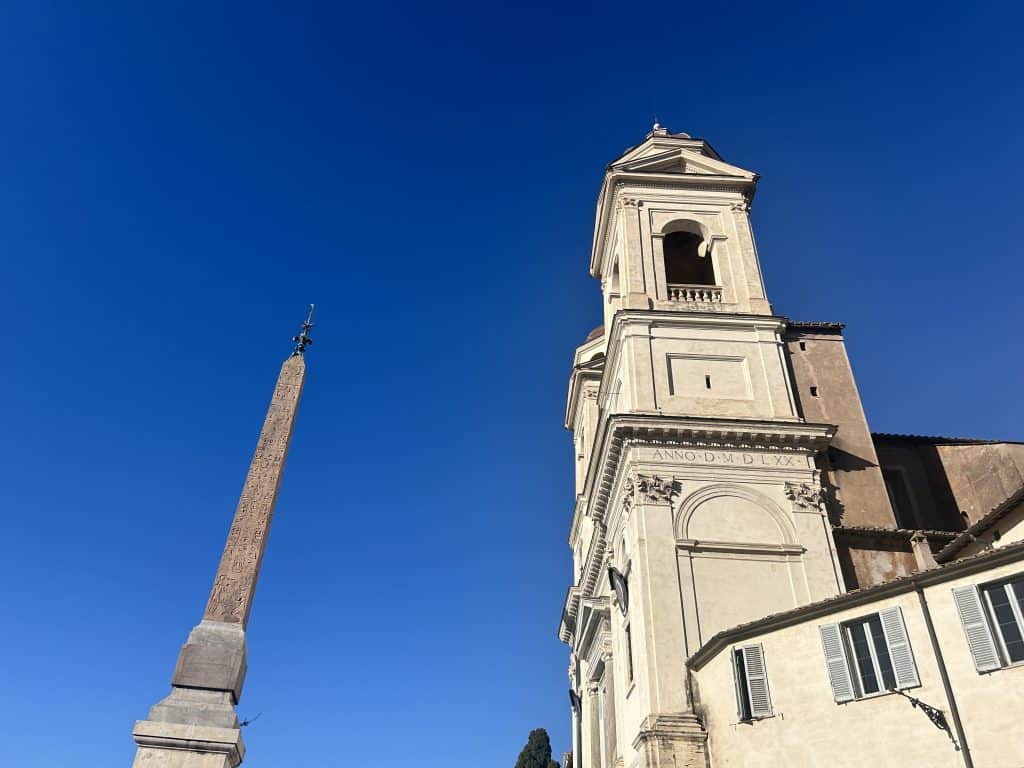
The Spanish Steps (Scalinata di Trinità dei Monti) are a monumental stairway of 135 steps. They were constructed between 1723 and 1725 from a design by the Italian architect Francesco de Sanctis. The steps provide a link between the Piazza di Spagna at their base and the Trinità dei Monti church at the top. The project was financed by the French diplomat Étienne Gueffier. The name ‘Spanish Steps’ comes from the nearby Piazza di Spagna, which was named after the Spanish Embassy to the Holy See located there. The steps are a popular gathering place.
Piazza Navona
Piazza Navona is one of Rome’s most celebrated public squares, known for its elongated, oval shape. This form directly follows the outline of the ancient Stadium of Domitian, built in the 1st century AD, upon which the piazza was paved over in the 15th century. Today, the piazza is a hub of activity, adorned with examples of Baroque architecture and sculpture. Its centerpiece is Gian Lorenzo Bernini’s Fontana dei Quattro Fiumi (Fountain of the Four Rivers), completed in 1651. The piazza also features two other fountains, the Fontana del Moro and the Fontana del Nettuno. The church of Sant’Agnese in Agone, designed by Borromini, also faces onto the square.
Castel Sant’Angelo
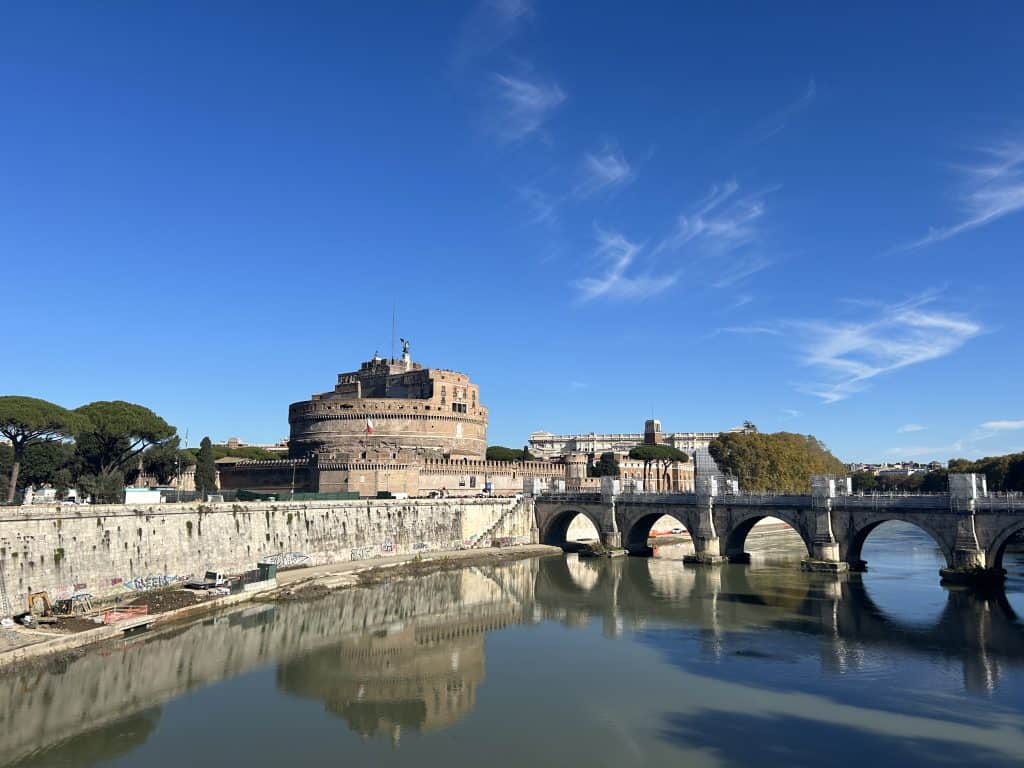
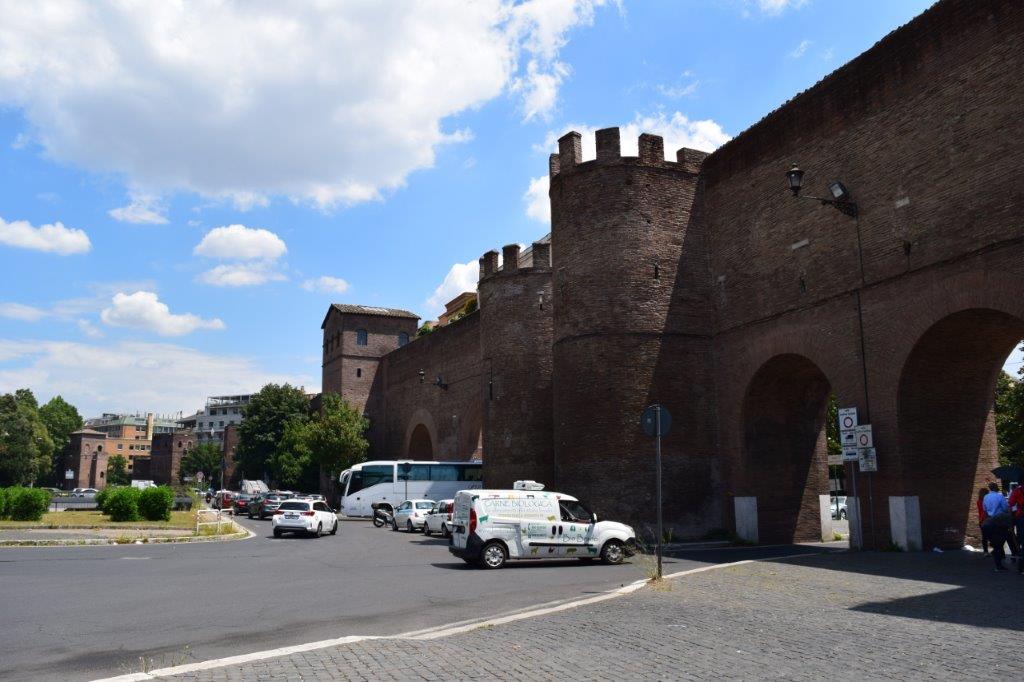
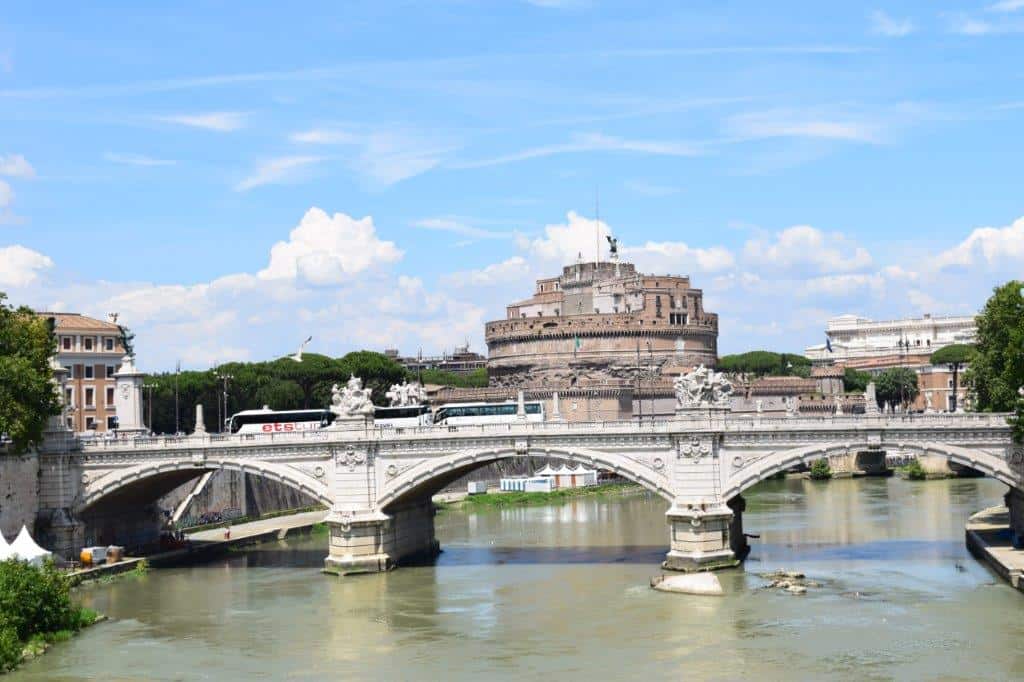
Castel Sant’Angelo, also known as the Mausoleum of Hadrian, is a towering cylindrical building with a multifaceted history. It was originally commissioned by the Roman Emperor Hadrian as a mausoleum for himself and his family, with construction completed in 139 AD. Over the centuries, this structure has served various purposes. It was converted into a fortress and became part of the Aurelian Walls. It later functioned as a papal residence and a prison. The castle is linked to Vatican City by a fortified corridor called the Passetto di Borgo, which served as an escape route for Popes. Today, it is a national museum.


Sports in Rome
Sport holds a significant place in Roman culture, with football being particularly prominent. The city is home to two major football clubs that compete in Italy’s top league, Serie A, and share one of the most intense rivalries in the sport. Beyond football, the city has a strong tradition in basketball, volleyball, and rugby. Rome is also a major international destination for individual sports, hosting a top-tier tennis tournament and a major city marathon.
The city’s sporting infrastructure is extensive. The Foro Italico complex is a key hub, containing the main football stadium, tennis courts, and swimming pools. The Palazzo dello Sport, located in the EUR district, is a major indoor arena used for basketball, volleyball, and concerts. This combination of high-level professional teams and major international events makes Rome a key European sporting capital.
Football
Football is the most followed sport in Rome. The city is home to two major football clubs that compete in Serie A: AS Roma and SS Lazio. The rivalry between these two teams is one of the most storied in all of Italian football. This rivalry culminates in the fiercely contested matches known as the Derby della Capitale (Derby of the Capital). These games are known for their intense atmosphere and the passionate displays of support from both sets of fans. Both teams share the same home stadium.
AS Roma
AS Roma was founded in 1927 through a merger of several existing Roman football clubs. The aim was to establish a strong club to represent the city. They are known by their colors as the Giallorossi (Yellow and Reds). The club has a large and passionate fanbase. AS Roma has achieved significant success, winning the Serie A league title three times, with the most recent victory in the 2000-01 season. They have also won the Coppa Italia (Italian Cup) nine times. Legendary figures like Francesco Totti have become enduring symbols of the club.
SS Lazio
SS Lazio was founded in 1900, making it one of the oldest football clubs in Italy. The team is known as the Biancocelesti (White and Sky Blues), reflecting their traditional kit colors. Lazio also has a dedicated and fervent following. In terms of honors, they have secured the Serie A league title twice, with the latest triumph occurring in the 1999-2000 season. Additionally, the club has won multiple Coppa Italia titles and has achieved success in European competitions, including winning the UEFA Cup Winners’ Cup in 1999.
Stadio Olimpico
Both AS Roma and SS Lazio play their home matches at the Stadio Olimpico. This large stadium is located within the Foro Italico sports complex, found in the northern part of the city. The Stadio Olimpico has a rich history; it originally opened in 1937 and underwent significant renovations for two major international events: the 1960 Summer Olympics and the 1990 FIFA World Cup, for which it hosted the final. It stands as the largest sports facility in Rome, with a seating capacity of over 70,000 spectators. Beyond football, the Stadio Olimpico is a versatile venue that also hosts athletics events, important rugby matches, and major concerts.
Basketball
Rome has a notable history in Italian basketball. While the city’s fortunes have varied in recent years, it continues to support basketball at various levels. The Palazzo dello Sport, located in the EUR district and originally built for the 1960 Olympics, serves as a key venue for basketball and other indoor sports. The city has been represented by teams in the top Italian league, Serie A, and has a community of dedicated fans.
The city’s most historically significant club is Virtus Roma. The club had a period of great success in the 1980s, winning the Italian Serie A1 championship in 1983. The following year, in 1984, they won the European Champions Cup (now the EuroLeague), which is the highest honor in European club basketball. While the club has faced financial difficulties and has been refounded in recent years, its historical achievements are a key part of the city’s sporting legacy.
Volleyball
Volleyball also enjoys a strong following in Rome. The city has been represented by teams in the top Italian volleyball leagues, Serie A1, for both men and women. These teams often compete at a high level, attracting talented players from Italy and around the world. Matches are typically held in venues like the Palazzo dello Sport, drawing enthusiastic crowds. The sport is widely played at the amateur and youth levels throughout the city.
The most well-known men’s volleyball club from the city was M. Roma Volley. During its time in the top league, the club achieved significant success, winning the CEV Cup in the 2007-08 season. Although the professional team was later dissolved, its success demonstrated the high level of support for volleyball in the city. The legacy continues with other local clubs that compete in the national league system.
Rugby
Rugby has a growing presence in Rome. The Stadio Olimpico is the home ground for the Italian national rugby team’s home matches during the Six Nations Championship. This is an elite annual international competition between Italy, England, France, Ireland, Scotland, and Wales. These matches draw large and enthusiastic crowds, showcasing top-level international rugby in the capital. There are also local rugby clubs in Rome that compete in national leagues, contributing to the sport’s development in Italy.
Tennis
Rome is a major center for international tennis, hosting one of the most important clay-court tennis events in the world. The tournament is held annually for both men and women. It is considered a key warm-up event for the French Open at Roland-Garros. The event attracts top global talent and large, passionate crowds to its historic venue. This solidifies Rome’s status as a top-tier tennis city.
Internazionali BNL d’Italia
The Internazionali BNL d’Italia, also known as the Italian Open, is one of the most prestigious clay-court tennis events in the world. It is part of the ATP Tour Masters 1000 series for men and the WTA 1000 series for women. The tournament is held in May at the Foro Italico complex. This venue features renowned clay courts, including the famous Campo Centrale. The event draws nearly all of the world’s top-ranked players each year.
Running
Running is a popular activity in Rome, with a large community of local and visiting runners. The city hosts several major annual road races that attract thousands of participants. These events range from the full marathon distance to shorter, festive races. The city’s historical backdrop provides a unique setting for these running events.
Maratona di Roma
The Rome Marathon is a major annual international running event that attracts thousands of participants, from elite athletes to amateur runners. Usually held in the spring, its course is known for passing by many of Rome’s famous ancient monuments and historic sites. The route typically starts and finishes on the Via dei Fori Imperiali, with the Colosseum providing a backdrop. It is a World Athletics Gold Label race and a popular destination marathon for runners from all over the world.
Roma-Ostia Half Marathon
The Roma-Ostia Half Marathon is one of Italy’s most popular and prestigious half marathons. The event, which was founded in 1974, takes place in the early part of the year. It features a unique point-to-point course. The race starts in the EUR district of Rome and follows a direct route to the finish line on the coast at Ostia. The course is known for being very fast, attracting a field of elite international athletes each year.
We Run Rome
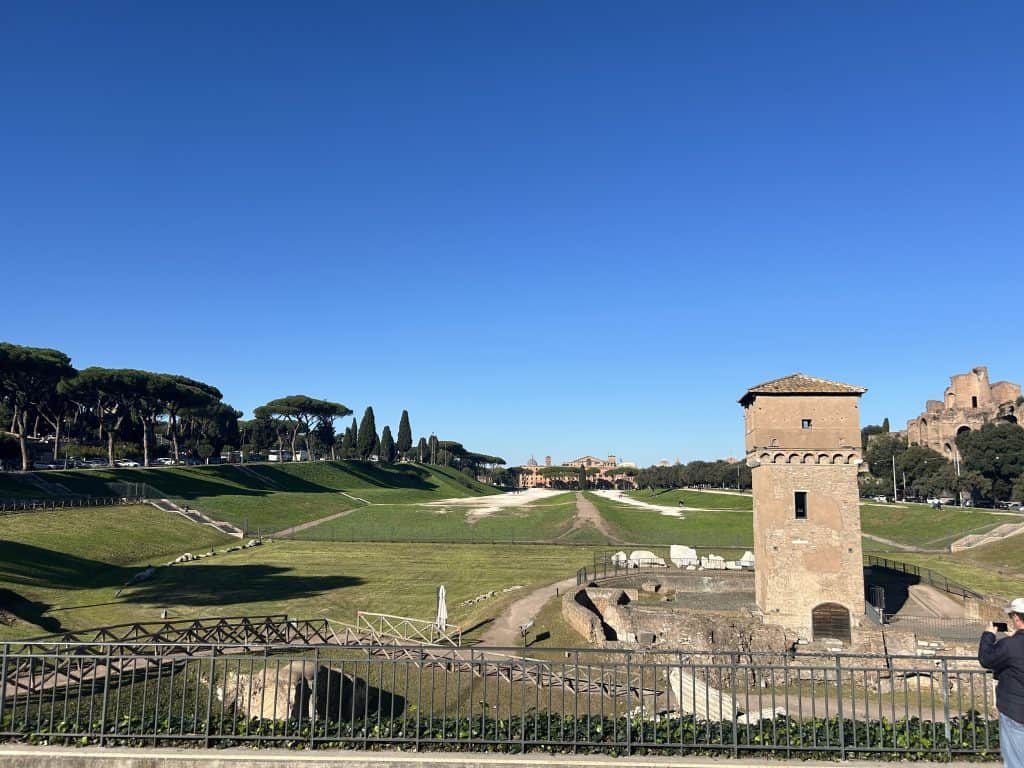
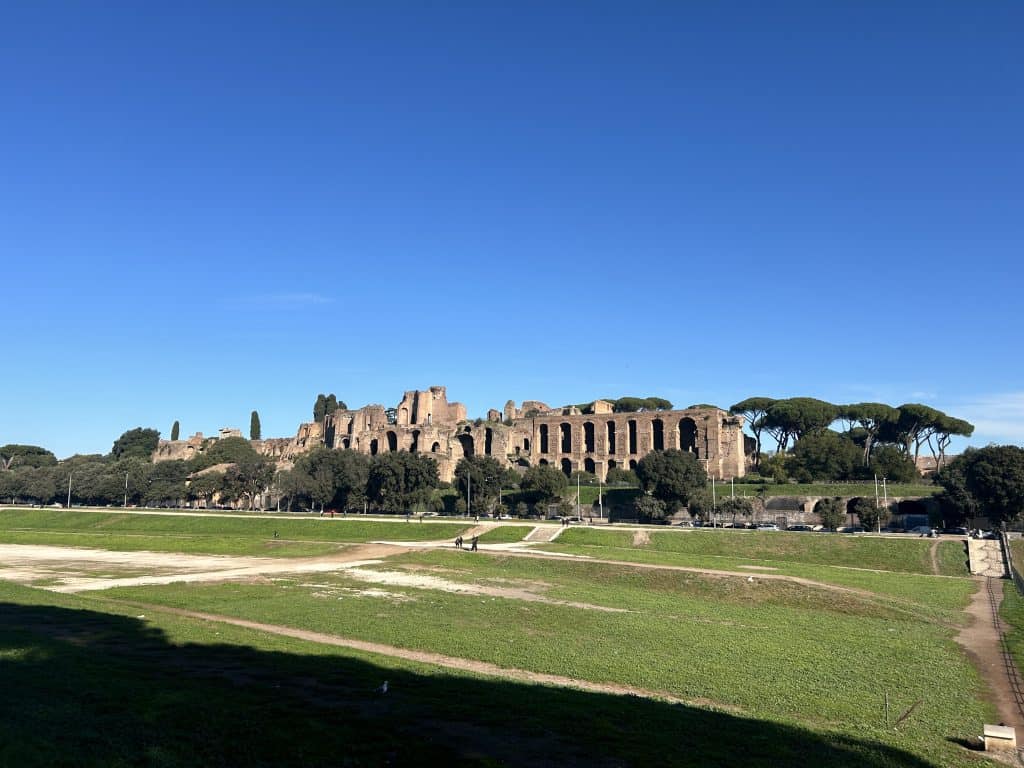
The We Run Rome is the city’s major New Year’s Eve running event. Held on December 31st, the event features a 10k race through the heart of the historic city. The race has a festive atmosphere, with tens of thousands of participants taking part. The course often loops around famous sites like the Circus Maximus and the Colosseum. The event has become a popular way for both Romans and visitors to celebrate the end of the year.






Getting Around in Rome
Navigating Rome can be an adventure due to its size and layers of history. The city has an extensive public transport network that connects its ancient wonders with modern neighborhoods. The system, managed by ATAC, uses integrated tickets that are valid on the metro, buses, and trams. Understanding this system is key to exploring the city efficiently. Whether you prefer swift metro journeys or surface-level bus rides, various options exist.
A single ticket (BIT) is valid for 100 minutes after first validation and allows for unlimited bus and tram travel but only one metro ride. Day passes (Roma 24h, 48h, 72h) offer unlimited travel for their duration. Tickets can be bought at metro stations, tabaccherie (tobacco shops), or newsstands. They must be validated immediately upon boarding buses or trams, and before entering metro gates. The Roma Pass and Omnia Card also include transport benefits. Remember to always check official sources for the most up-to-date information.
On Foot: Exploring the Historic Core
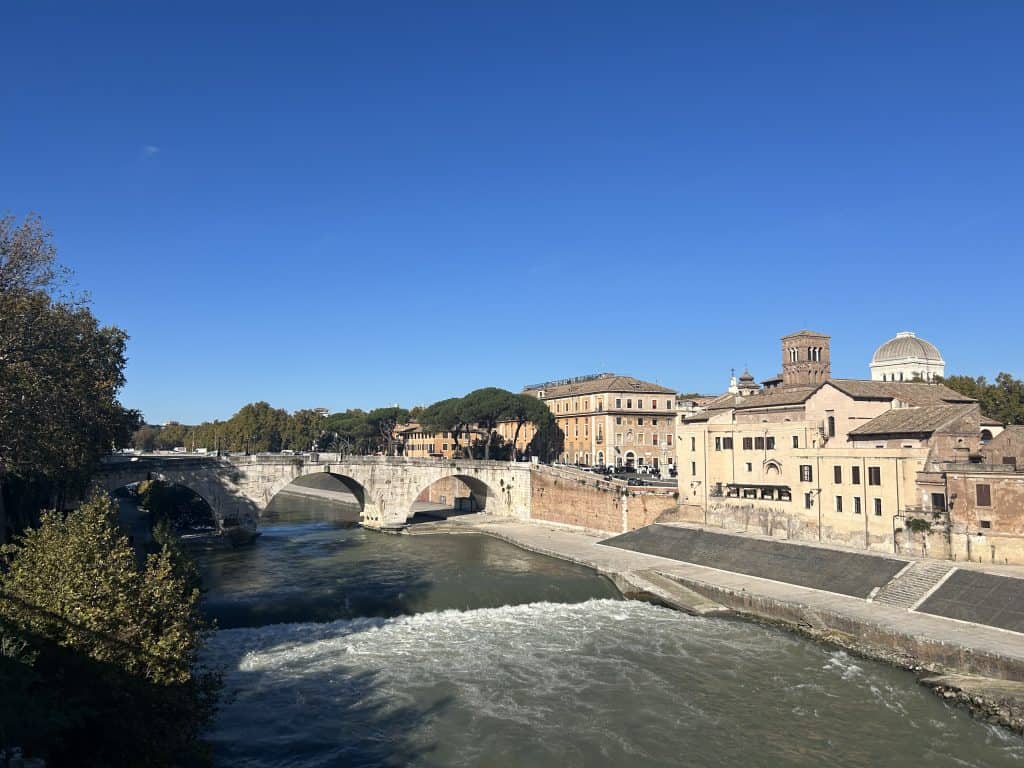
Walking is often the best way to experience Rome’s historic core. Many famous landmarks are located close to each other in this central area. The zone encompassing the Colosseum, Roman Forum, Pantheon, and Trevi Fountain is easily walkable. The charming Trastevere neighborhood, with its narrow cobblestone streets, is also perfect for strolling. Walking allows you to discover hidden alleys, piazzas, and cafes that are not accessible by vehicle. Comfortable shoes are essential for navigating the city’s uneven stone streets.
Riding the Metro
The Rome Metro (Metropolitana di Roma) is the quickest way to travel longer distances across the city. It has three main lines: Line A (red), Line B (blue), and Line C (green). Line A connects major attractions like the Vatican (Ottaviano station) and the Spanish Steps (Spagna). Line B links the Colosseum (Colosseo station) and Roma Termini. While Line C serves the eastern part of Rome. The metro system is modern and expanding, though construction is often slowed by the discovery of new archaeological finds. Operating hours typically run from 5:30 AM until 11:30 PM, and until 1:30 AM on Fridays and Saturdays. Termini is the main interchange station for Lines A and B.
A Network Above Ground: Buses and Trams
Rome has an extensive network of buses and trams that covers areas not reached by the Metro. Buses are essential for connecting many parts of the city and can be useful for shorter distances. However, they can be slow due to traffic congestion. You must have a validated ticket before boarding. Trams are less numerous but offer a different way to explore specific areas. Tram line 8, for example, is useful for reaching the Trastevere neighborhood from the city center. A network of night buses operates after the metro closes.
A Quick Ride: Taxis and Ride-Sharing
Official white taxis are widely available in Rome. You can find them at designated taxi stands at transport hubs, major squares, and outside tourist sites, or book them by phone. All licensed taxis use meters. Ride-sharing apps like FreeNow and ItTaxi work with licensed taxis. Uber Black (with professional drivers) is also available in the city. Taxis are generally more expensive than public transport. They offer convenience for door-to-door service, especially late at night or for airport trips, which have fixed rates from within the Aurelian Walls.


How to Get to Rome
Rome is easily accessible by various means. As Italy’s capital and a major international hub, it is served by two major airports with extensive connections. The city is also the central point of Italy’s extensive motorway and high-speed rail networks. This makes it a primary gateway to the country and a well-connected destination from across Europe.
Arriving by Air: Fiumicino and Ciampino
For most international travelers, flying is the most common way to reach Rome. The city is served by two main international airports. Leonardo da Vinci-Fiumicino Airport (FCO) is Rome’s primary airport and one of the busiest in Europe. It handles the vast majority of international and intercontinental flights. Fiumicino is well-connected to downtown Rome by the Leonardo Express train, a direct service to Roma Termini station. Ciampino–G. B. Pastine International Airport (CIA) is smaller and primarily serves low-cost airlines and charter flights from European destinations. It is connected to the city by shuttle buses.
The Open Road: Driving to the Capital
Driving to Rome can offer flexibility, especially if you plan to explore the Italian countryside. Rome is well-connected by Italy’s motorway (autostrada) network. The A1 Autostrada del Sole, a major north-south motorway, connects Milan and Naples, passing directly by Rome. The A12 Autostrada Azzurra runs along the Tyrrhenian coast. The entire city is encircled by a large ring road, the Grande Raccordo Anulare (GRA). Be aware of Rome’s Zona a Traffico Limitato (ZTL) areas in the historic center, which are restricted traffic zones where unauthorized vehicles face significant fines.
Connecting by Coach
Traveling to Rome by bus is a budget-friendly option, with numerous national and international coach services connecting the city to destinations across Italy and Europe. Companies like FlixBus, Itabus, and MarinoBus operate routes to Rome. The main intercity and international bus terminal is the Autostazione Tiburtina. It is conveniently located next to the Roma Tiburtina train and metro station (Line B). This hub facilitates easy transfers to public transport to reach your final destination in the city.
On Track: Italy’s High-Speed Rail Hub
Rome is a central hub in Italy’s extensive rail network, making train travel an excellent option. High-speed trains, such as Trenitalia’s Frecciarossa and Italo, connect Rome with all major Italian cities, including Florence, Milan, Venice, and Naples. These services are fast, comfortable, and arrive directly in the city center. Roma Termini is the city’s main railway station and a bustling hub for national and international train services, as well as local public transport. The city’s second largest station, Roma Tiburtina, also serves high-speed and regional trains.
The Mediterranean Route: Arriving by Ferry
For travelers coming from destinations across the Mediterranean, arriving by ferry can be a unique experience. While Rome itself is not directly on the coast, the nearby port of Civitavecchia serves as its main maritime gateway. Civitavecchia is located about 70-80 kilometers northwest of Rome. It has regular ferry connections with Sardinia, Sicily, Spain (Barcelona), and Tunisia. From the port of Civitavecchia, frequent regional trains connect directly to stations in Rome, including Roma Termini.
Driving Distances
The driving distance from 4 major Italian cities, according to Google Maps:
- Naples, Italy – 227 kilometers (2 h 20 min)
- Florence, Italy – 274 kilometers (3 h 10 min)
- Milan, Italy – 573 kilometers (6 h 00 min)
- Venice, Italy – 526 kilometers (5 h 30 min)
- Geneva, Switzerland – 881 kilometers (9 h 20 min)
- Munich, Germany – 919 kilometers (9 h 30 min)
- Barcelona, Spain – 1,358 kilometers (13 h 40 min)
- Paris, France – 1,435 kilometers (14 h 20 min)
- Brussels, Belgium – 1,539 kilometers (15 h 30 min)
- Amsterdam, Netherlands – 1,659 kilometers (17 h 00 min)
Looking to Explore more of Italy and Europe?