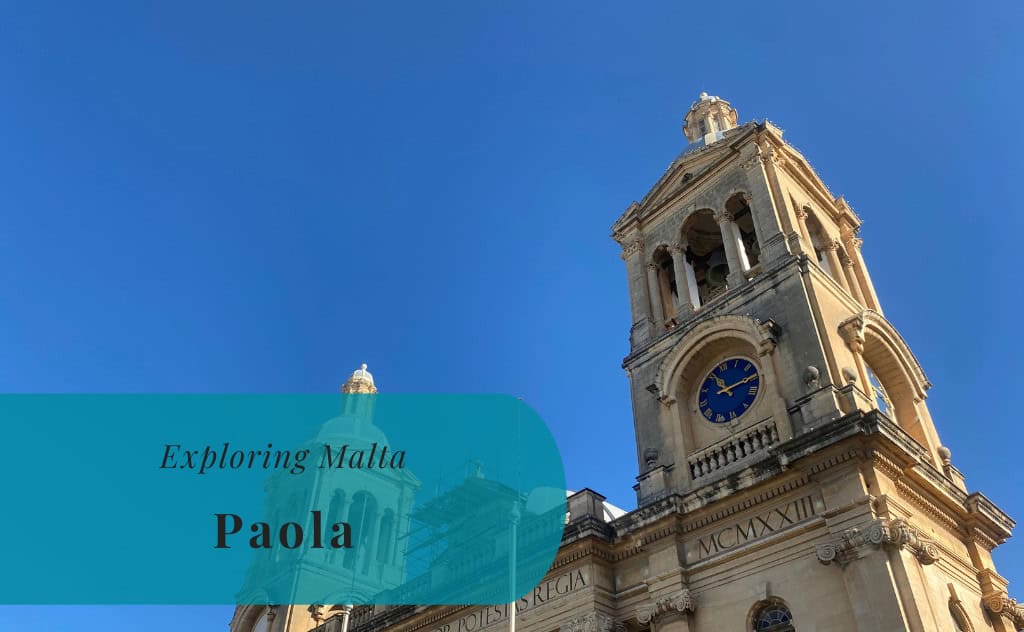
Paola | Exploring Malta
Paola, known locally as Raħal Ġdid, is a town in the Port Region of Malta. It is located in the inner harbor area, a short distance from the capital, Valletta, and the Three Cities. With a population of approximately 9,400 residents as of 2025, Paola serves as a major commercial and residential hub for the southern part of the island. The town was founded in the 17th century, but the area is most famous for its prehistoric sites, which are among the oldest and most important in the world.
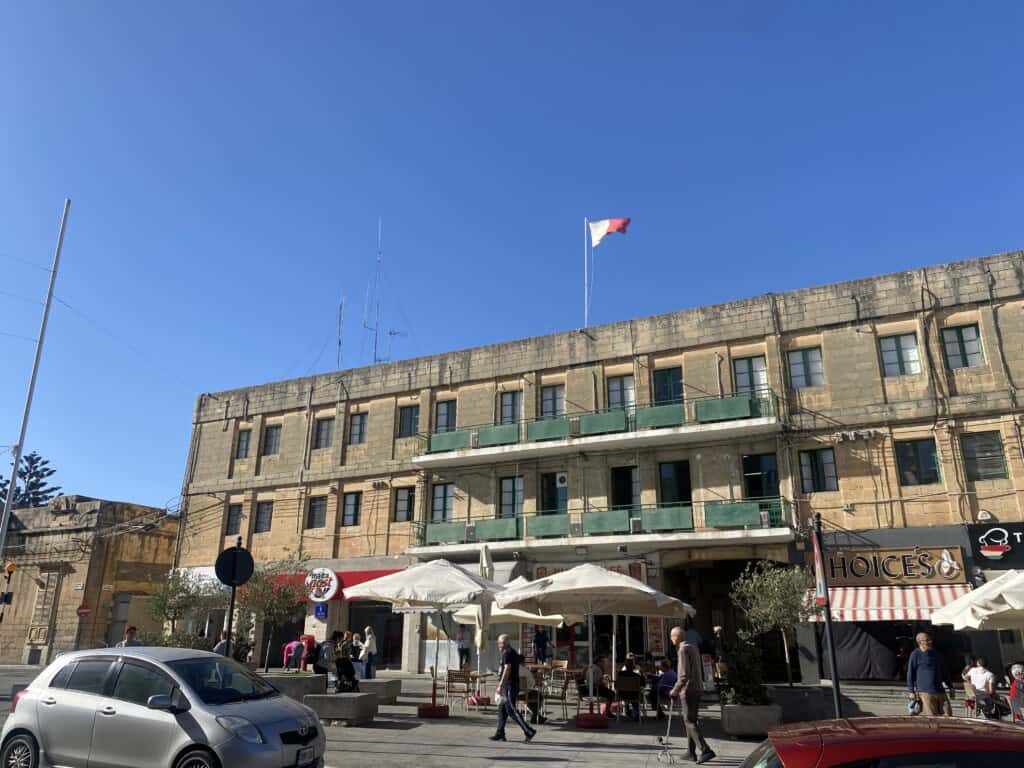
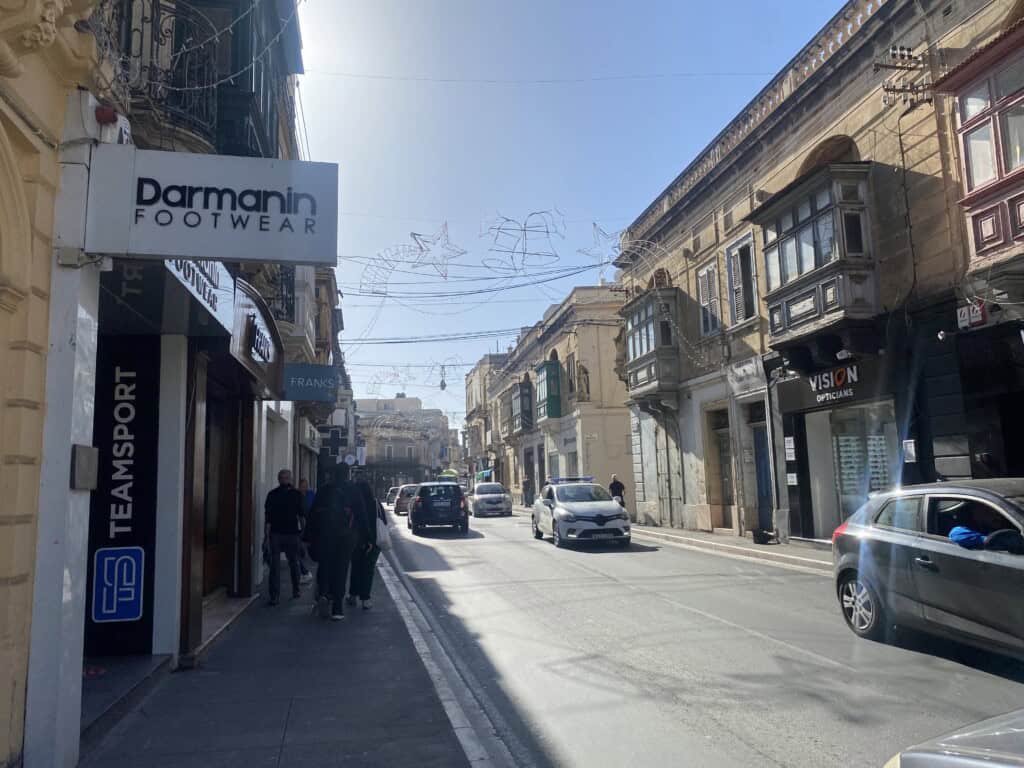
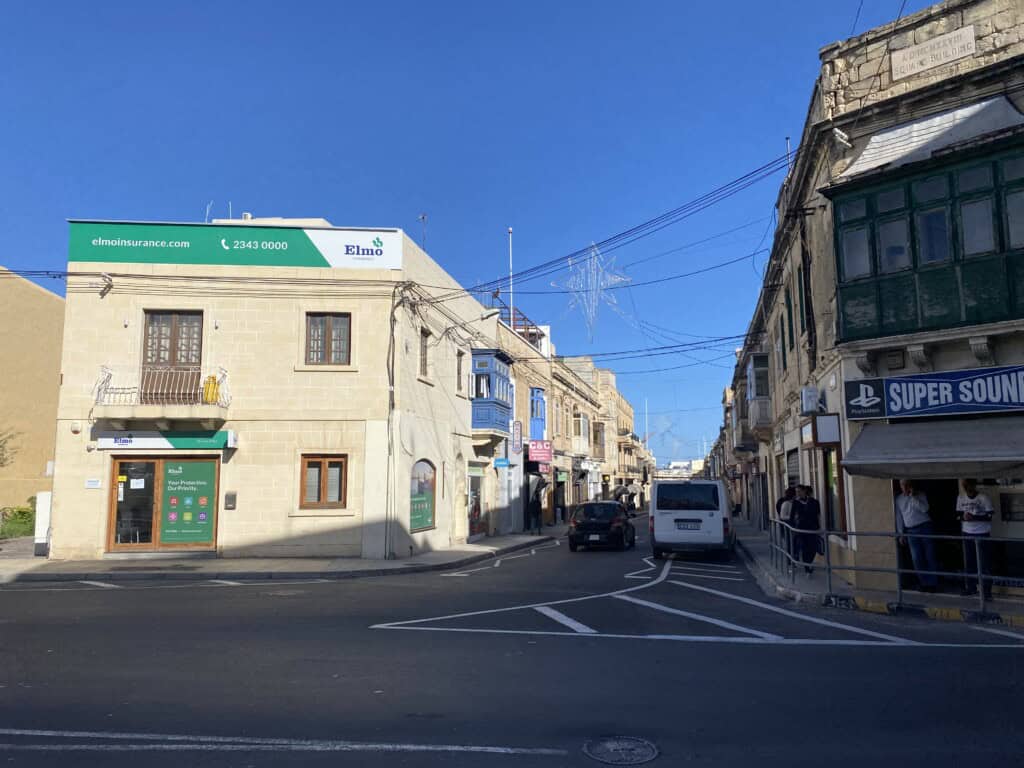
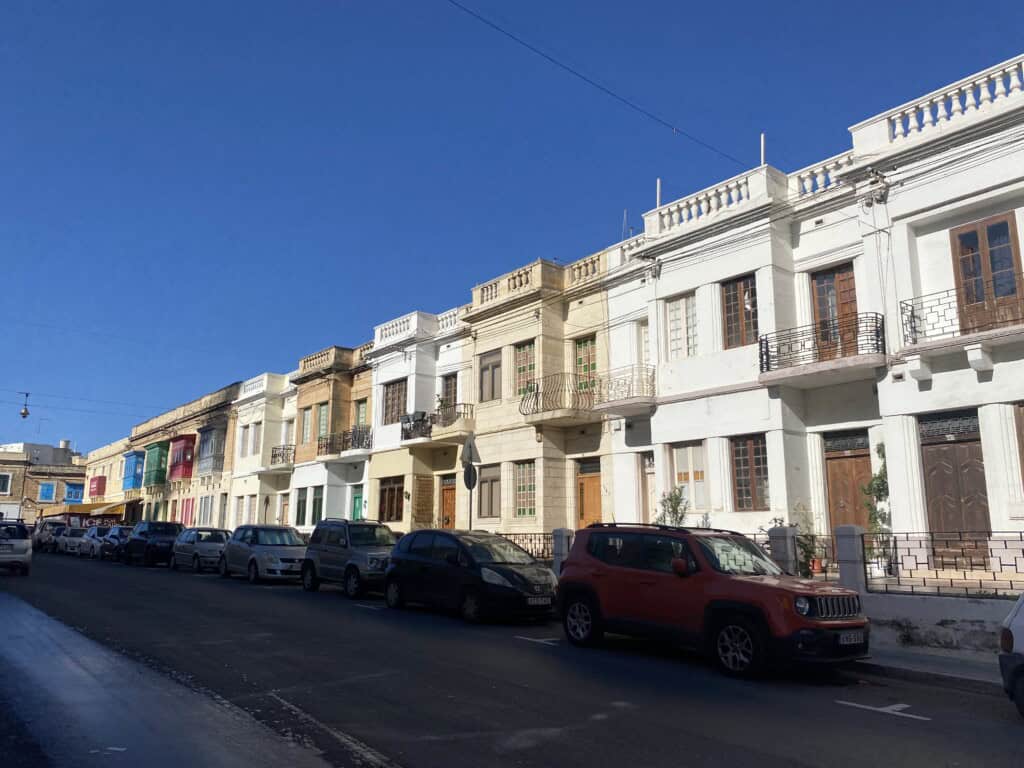
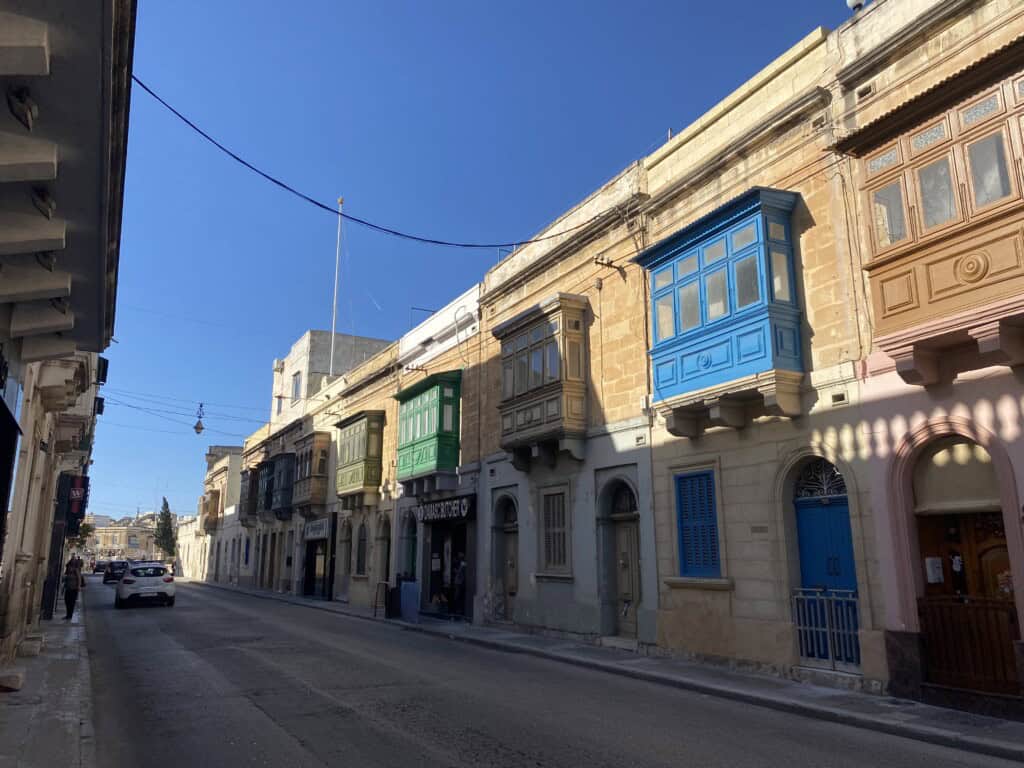
The character of Paola is defined by its role as a bustling commercial center and its unique status as a gateway to Malta’s prehistoric past. The town’s main square and surrounding streets are a hub of daily life, with numerous shops and services catering to the wider region. This modern, active atmosphere exists alongside the presence of the Hypogeum of Ħal Saflieni, a subterranean Neolithic necropolis and a UNESCO World Heritage Site. The town’s name, Raħal Ġdid, translates to “New Town,” which reflects its history as a planned settlement founded by a Grand Master of the Knights of St. John.

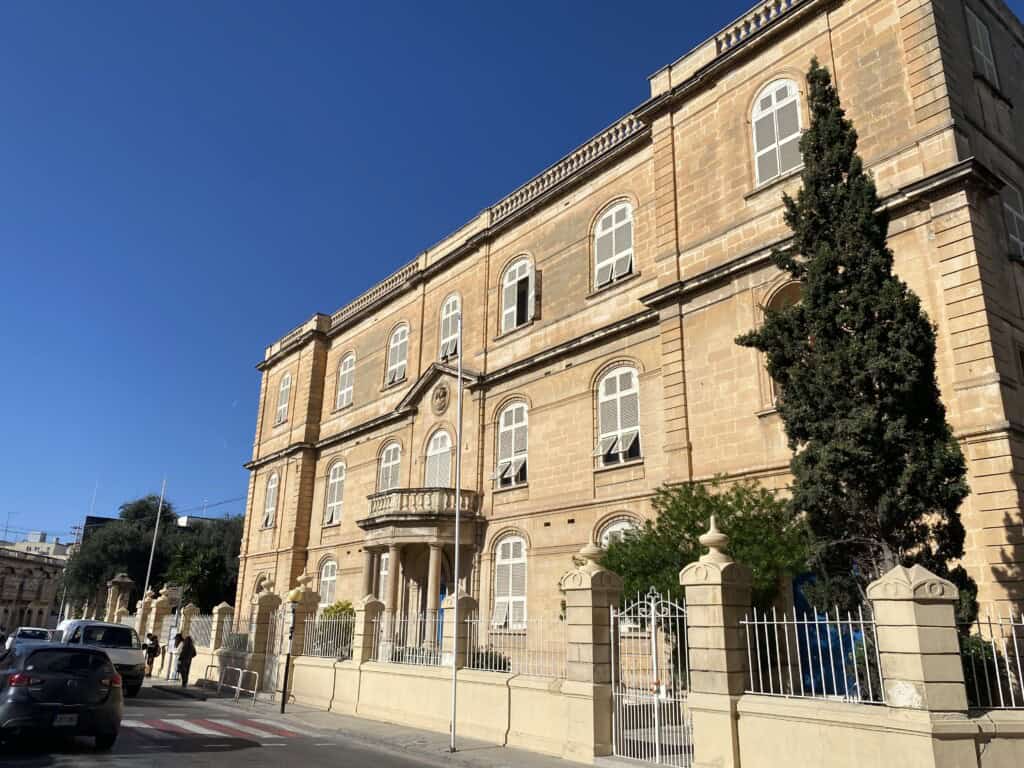

A Short History of Paola
The history of the area of Paola is one of the longest in Malta, stretching back over 5,000 years to the Neolithic period. The story of the modern town, however, is much more recent, beginning in the 17th century. The area’s development reflects the different chapters of Maltese history, from its ancient temple-building civilization to the era of the Knights of St. John and its growth into a modern commercial hub. This long and layered history makes it one of the most historically significant locations on the island.
Prehistoric Origins
The land on which Paola is built has been a center of human activity since the Neolithic period. This is evidenced by the presence of several major prehistoric sites. The most significant of these is the Hypogeum of Ħal Saflieni, an underground burial complex that dates back to around 4000-2500 BC. The area was also home to the nearby Tarxien Temples and the Kordin Temples. This high concentration of megalithic structures indicates that this part of Malta was a major religious and cultural center for the ancient temple-builders.
Foundation by a Grand Master
The modern town of Paola was founded much later, during the era of the Knights of St. John. In 1626, Grand Master Antoine de Paule established a new town on the hill overlooking the Grand Harbour. He named the town “Casal Paula” after himself. The new town was intended to draw people away from the overcrowded cities of Valletta and the Three Cities. The local Maltese name, Raħal Ġdid, which means “New Town,” reflects its origin as a planned settlement.
Modern Development
For centuries, Paola remained a relatively small town. Its major growth occurred in the 19th and 20th centuries. It developed into a major commercial center for the southern harbor region, with its main square becoming a hub for shopping and services. The rediscovery and excavation of its prehistoric sites in the early 20th century brought a new international significance to the town. In the modern era, Paola is also a key transport hub for the southern part of the island.
Things to Do and See
The sights in and around Paola are dominated by its world-class prehistoric monuments, which are some of the most important archaeological sites in the world. These sites offer a direct look into the ancient civilization that flourished in Malta over 5,000 years ago. The town also has several other points of interest, including its main parish church and a major historic cemetery.
Hypogeum of Ħal Saflieni
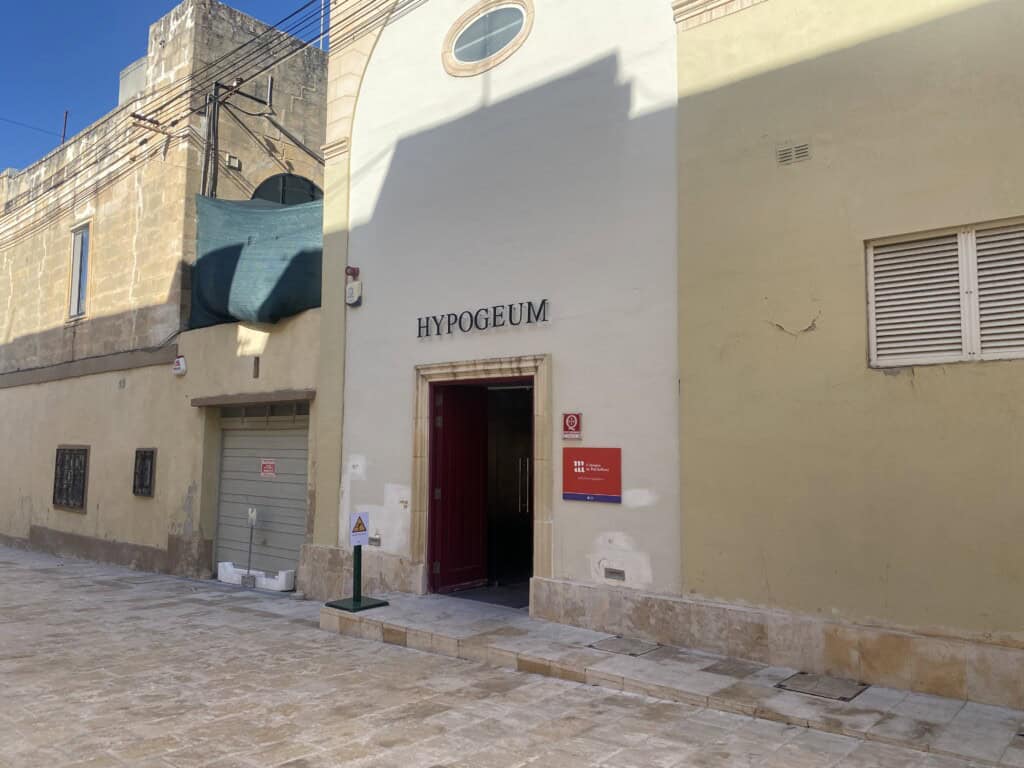
The Hypogeum of Ħal Saflieni is the most significant sight in Paola. It is a subterranean necropolis from the Neolithic period, dating back to around 4000 BC. The complex consists of a series of interconnected chambers, halls, and passages that were carved out of the solid limestone using only stone and bone tools. It is a designated UNESCO World Heritage Site. Due to the need to preserve its delicate microclimate, access to the Hypogeum is strictly limited to a small number of visitors per day. It is essential to book tickets many months in advance.
Tarxien Temples
Located in the neighboring town of Tarxien, just a short walk from the center of Paola, are the Tarxien Temples. This is another major UNESCO World Heritage Site. The complex consists of four megalithic temple structures that were built between 3600 and 2500 BC. The temples are known for their intricate stone carvings, which include spiral designs and reliefs of animals. The site provides one of the best examples of the architecture and art of Malta’s ancient temple-building culture.
Kordin Temples
The Kordin Temples are the remains of three other Neolithic temple complexes located on the Corradino Heights on the edge of Paola. While not as well-preserved as the Tarxien Temples, they are still an important part of the region’s prehistoric landscape. The most accessible of the remains is the Kordin III temple. The site provides further evidence of the high concentration of megalithic structures in this area during the Neolithic period.
Christ the King Parish Church
The main church in Paola is the Christ the King Parish Church. It is a large, imposing church that was built in the 20th century. The church is a major landmark in the town and is known for its large size and its prominent dome. It is the spiritual center of the local community. The church stands on the main square of the town, which is a hub of commercial activity.
Addolorata Cemetery
The Addolorata Cemetery is located on a hill on the outskirts of Paola. It is the largest cemetery in Malta. The cemetery was designed by the architect Emanuele Luigi Galizia in the neo-Gothic style and was consecrated in 1869. It is known for its grand entrance gate and its impressive funerary architecture, including numerous large, ornate chapels and mausoleums. The cemetery is an important architectural landmark in its own right.

Sports in Paola
The sporting life in Paola is dominated by football. The town is home to one of Malta’s oldest and most successful football clubs. The club is a key part of the local identity and has a large and passionate following from across the southern part of the island.
Football
Football is a major sport in Paola, as it is throughout Malta. The local professional club is a dominant force in the national league. The club’s success has brought national recognition to the town.
Hibernians F.C.
The main football club is Hibernians F.C. The club was founded in 1922. They are one of the most successful clubs in the history of Maltese football, having won the Maltese Premier League numerous times. The club is part of a multi-sport club, Paola Hibs, which also has sections for other sports like basketball. They play their home games at their own stadium, the Hibernians Stadium, which is located in Paola.


Getting Around in Paola
Navigating the town of Paola and its immediate surroundings is best done on foot or by local bus. The town is a major hub for the national bus network, which makes it easy to travel to from other parts of the island.
On Foot: The Town Center
Walking is a suitable way to explore the central part of Paola. The main square, the parish church, and the main shopping streets are all located within a compact area. The Hypogeum of Ħal Saflieni and the Tarxien Temples are also within a short walking distance of the town center. Comfortable shoes are recommended for exploring the area.
Local Buses
The public transport in Malta is based on an extensive network of buses operated by Malta Public Transport. Paola is a major bus hub for the southern part of the island. Numerous bus routes pass through the town, connecting it with the capital city of Valletta, the airport, and many other towns and villages. The bus is the primary mode of public transport for traveling around the island.

How to Get to Paola
Reaching the town of Paola is very straightforward, as it is centrally located in the most densely populated part of Malta. The country’s single international airport is a very short drive away, and the town is a major hub on the national bus network.
The Open Road: Driving to Paola
Driving is a common way to reach Paola. The town is connected by a network of local roads to the main road system of Malta. From the area around the airport, the drive takes only about 10-15 minutes, depending on traffic. Be aware that the roads in the inner harbor area can be very congested, and parking in the town center can be difficult to find.
Arriving by Air: Malta International Airport
The primary and sole gateway to the country is Malta International Airport (MLA). It is located in the town of Luqa, approximately 4 kilometers from Paola. The airport is well-connected to major cities across Europe, the Middle East, and North Africa. From the airport, a taxi or a direct local public bus service can be used to reach Paola in a very short amount of time.
Connecting by Coach
There are no major long-distance coach services in Malta due to the small size of the island. The entire country is served by the integrated national bus network operated by Malta Public Transport. The main bus terminal is located just outside the city gates of Valletta. Numerous routes from this terminal, as well as from the airport, serve Paola directly.
On Track: The Absence of Rail
There is no train service in Malta. The country does not have a railway network. Therefore, it is not possible to reach Paola by train. All overland travel on the island must be done by road or by other means such as the harbor ferries.
An International Ferry Approach
It is possible to arrive in Malta by ferry. The main ferry terminal is located at the Valletta Waterfront. There are regular car and passenger ferry services that connect Malta with the port of Pozzallo in Sicily, Italy. From the ferry terminal in Valletta, it is a short journey by bus or taxi to reach the nearby town of Paola.
Driving Distances
The driving distance from 10 Maltese cities, according to Google Maps:
- Birgu, Malta – 3 kilometers (0 h 10 min)
- Valletta, Malta – 5 kilometers (0 h 20 min)
- Marsaxlokk, Malta – 6 kilometers (0 h 20 min)
- Sliema, Malta – 9 kilometers (0 h 30 min)
- St. Julian’s, Malta – 10 kilometers (0 h 30 min)
- Mosta, Malta – 11 kilometers (0 h 30 min)
- Mdina, Malta – 12 kilometers (0 h 30 min)
- Rabat, Malta – 12 kilometers (0 h 30 min)
- Buġibba, Malta – 17 kilometers (0 h 40 min)
- Mellieħa, Malta – 22 kilometers (0 h 50 min)
Looking to Explore more of Malta and Europe?