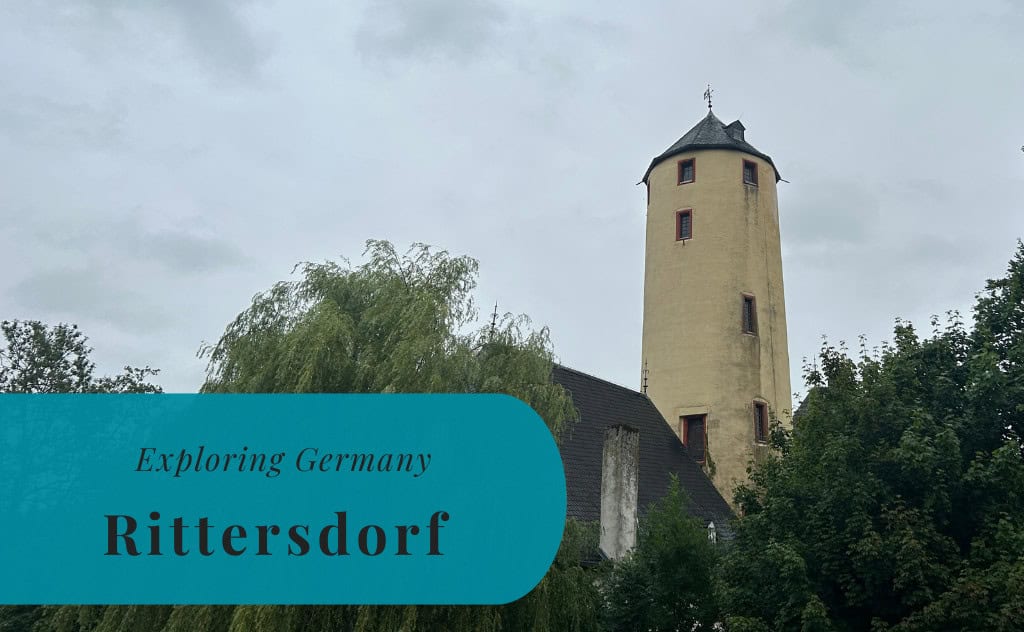
Rittersdorf, Rhineland-Palatinate | Exploring Germany
Rittersdorf is a municipality in the Eifelkreis Bitburg-Prüm district, located in the state of Rhineland-Palatinate, Germany. The village is situated in the Southern Eifel region, a landscape of rolling hills and river valleys. With a population of approximately 1,400 residents, Rittersdorf is a small rural community. It is located on the Nims River, about 6 kilometers northwest of the larger town of Bitburg. Its proximity to the border with Luxembourg is also a key geographical feature.
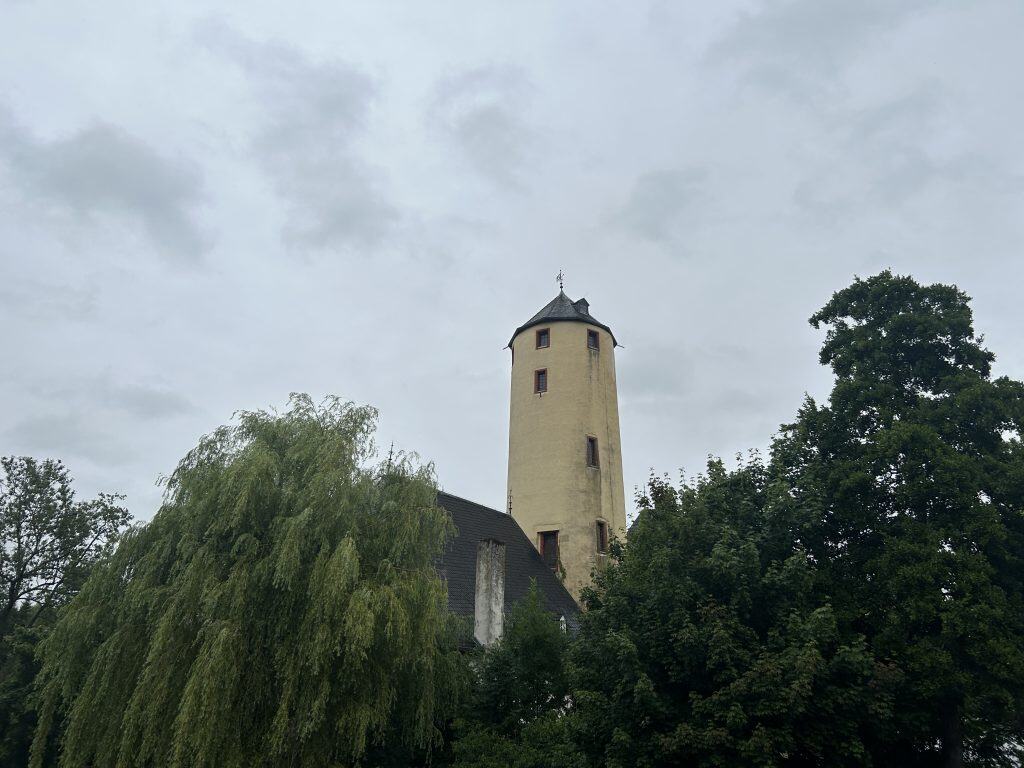
The character of Rittersdorf is defined by its well-preserved moated castle, which is the dominant feature of the village. The rest of the community is a quiet residential and agricultural village, with traditional houses typical of the Eifel region. Its identity is deeply connected to this single historic landmark, which has been the center of village life for centuries. The village’s location in a scenic river valley also makes it a destination for outdoor recreation, particularly for those hiking or cycling through the region.
A Short History of Rittersdorf
The history of Rittersdorf is inextricably linked to that of its moated castle. The village grew around this medieval noble residence, which was the political and economic center of the area for centuries. The story of Rittersdorf is one of a small, stable agricultural community that has maintained its historic character. Its development reflects the feudal history of the Eifel region and its long association with the powers of Trier and Luxembourg.
Medieval Origins and the Castle
The history of Rittersdorf as a settlement begins in the Middle Ages, with its first documented mention appearing in 1263. Its history is centered on the Rittersdorf Castle, a moated fortress built in the 13th century. The castle was the residence for local nobility, most notably the von der Fels family, and served as a fief of the powerful Abbey of St. Maximin in Trier. The castle’s strong defensive position and its role as an administrative center for the surrounding lands defined the village for centuries. This symbiotic relationship between the fortress and the community is a key aspect of the town’s heritage.
Modern Era
For centuries after the medieval period, Rittersdorf remained a small agricultural village in the Eifel region. Its life was defined by the castle, the church, and the rhythm of farming, largely isolated from major historical upheavals. After the end of the feudal system during the Napoleonic era, the region was incorporated into the Kingdom of Prussia in the 19th century. The village largely avoided the heavy industrialization of other German regions, which helped to preserve its historic character. In the 20th century, the castle was acquired by the local municipality, ensuring its preservation as a public monument and the cultural heart of the modern community.


Things to Do and See
The sights in Rittersdorf are focused on its historic castle, its parish church, and the surrounding natural landscape. The main points of interest offer a look into the history of a traditional Eifel village and provide access to the region’s scenic beauty. These attractions are all located within the compact village and its immediate surroundings, making them easy to explore. The area is also crossed by a major regional cycling route, which is a sight in its own right.
Rittersdorf Castle
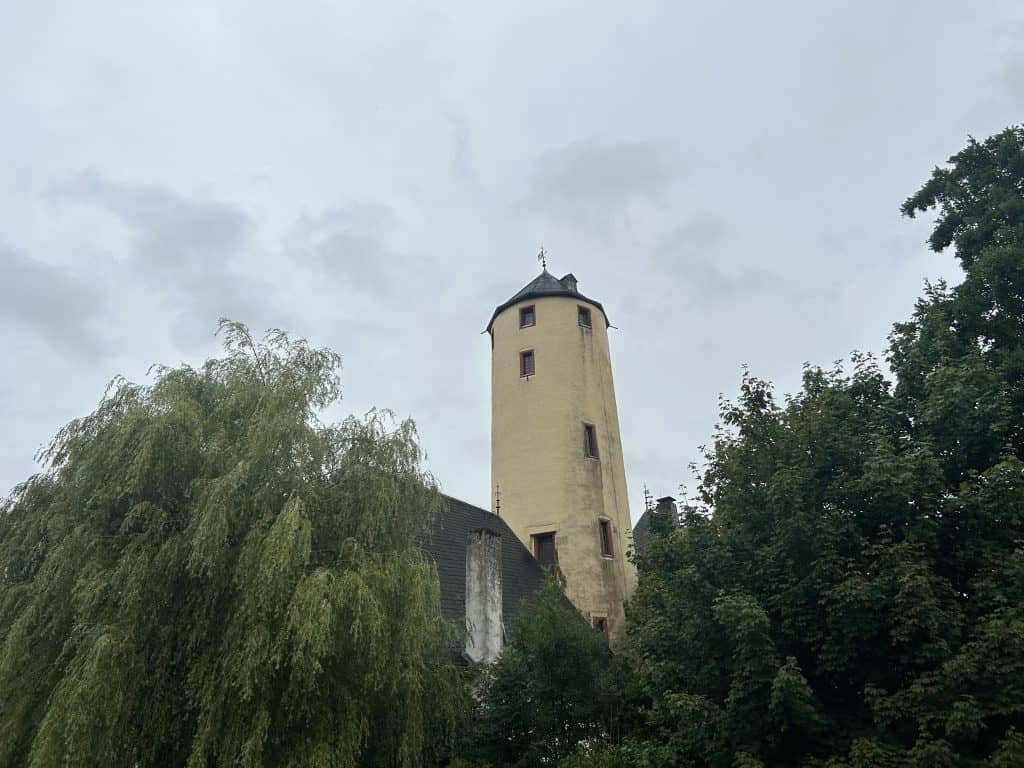
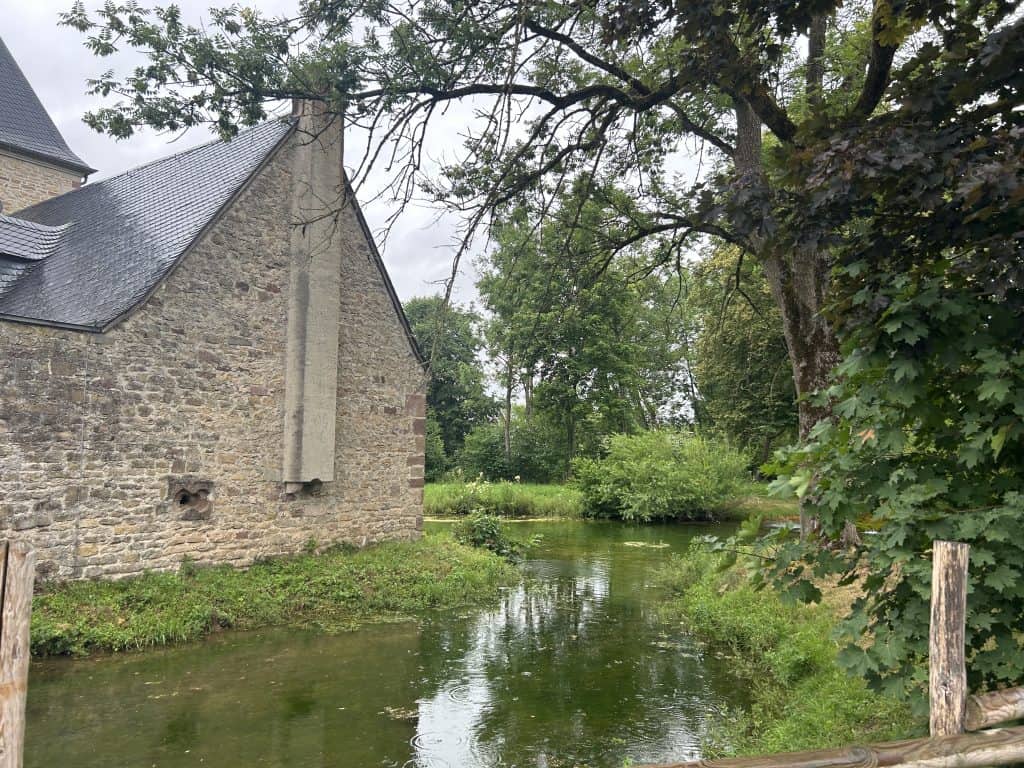
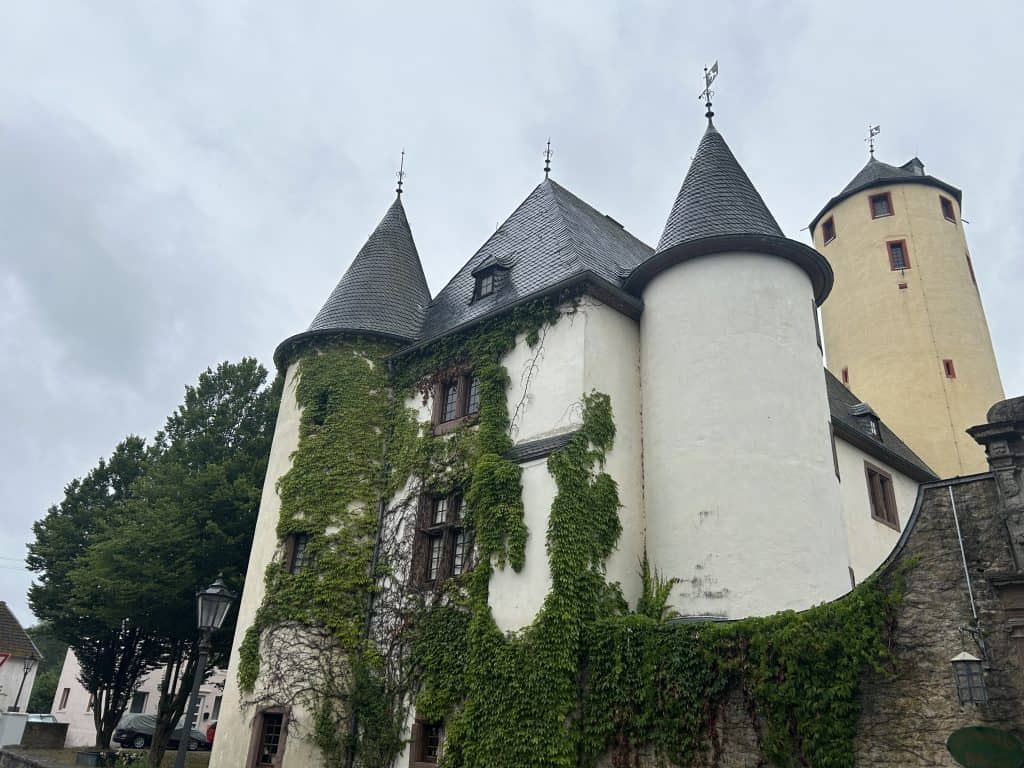
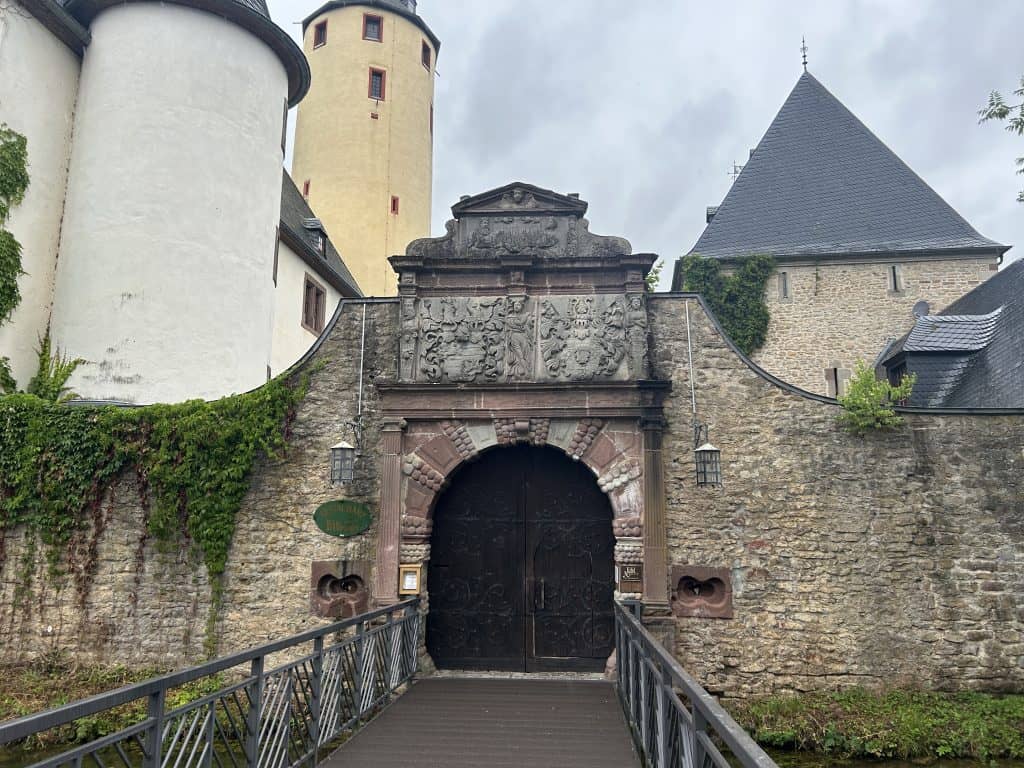
The Rittersdorf Castle (Schloss Rittersdorf) is the primary landmark of the village. It is a well-preserved moated castle with origins in the 13th century. The complex consists of a four-winged main building with two prominent round towers, all surrounded by a water-filled moat. The castle was both a defensive fortress and a noble residence. Today, the castle is owned by the municipality and is a major cultural hub. It houses a restaurant, a local history museum, and is a popular venue for weddings and events.
St. Martin’s Parish Church
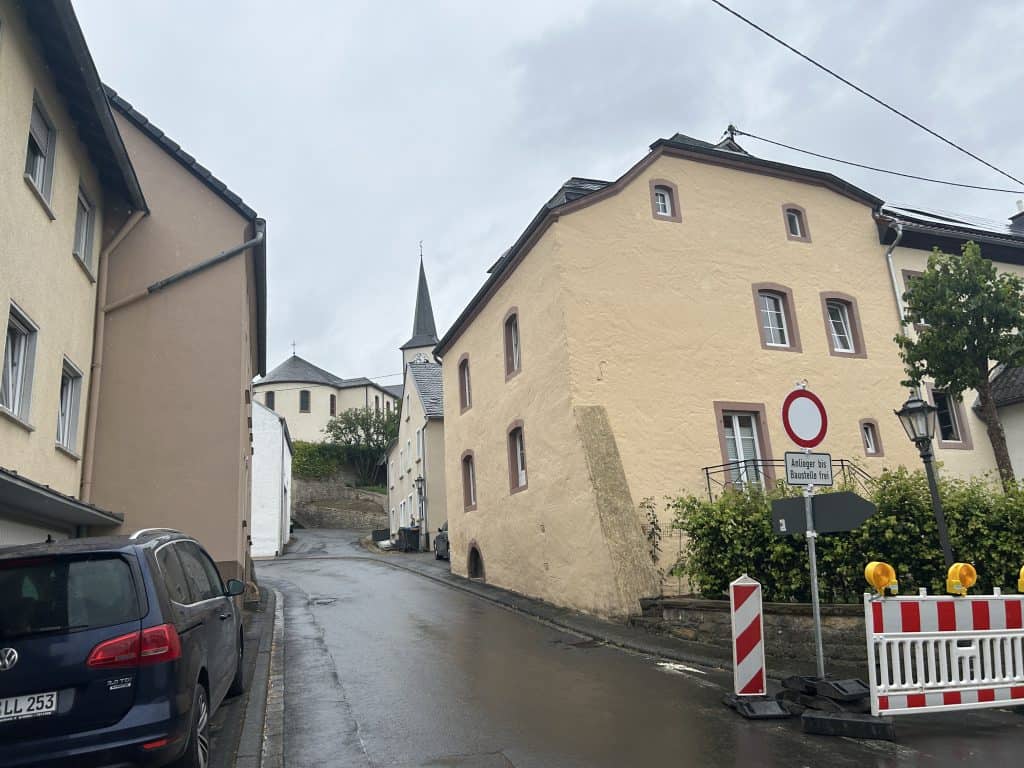
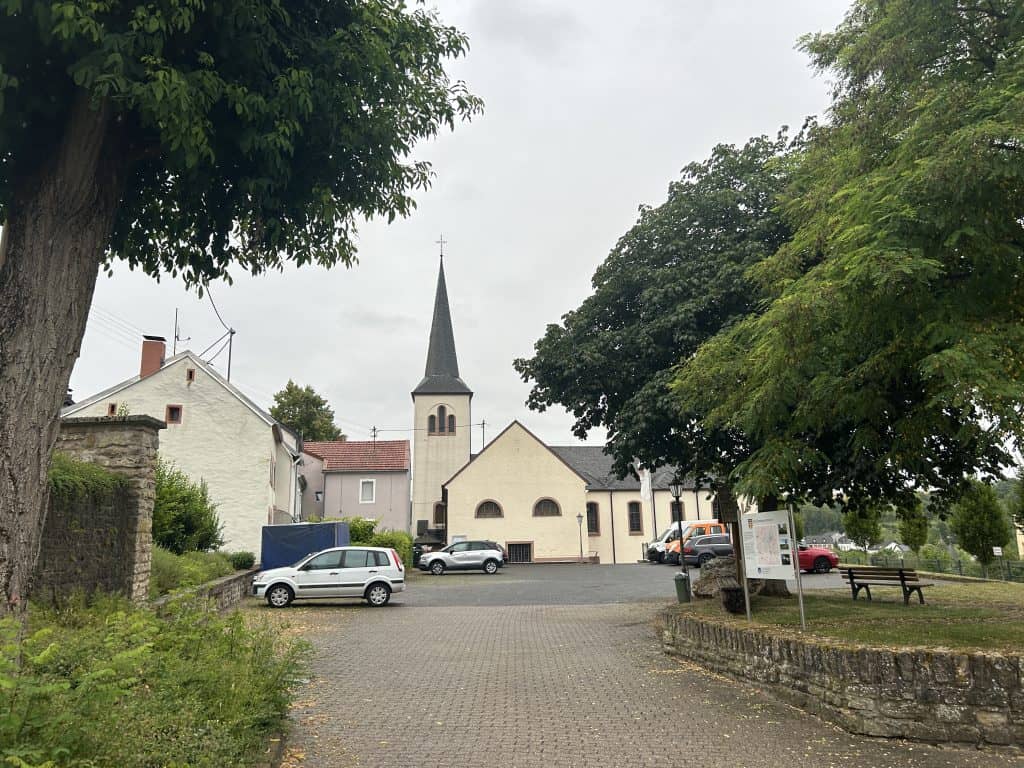
The St. Martin’s Parish Church (Pfarrkirche St. Martin) is the main church in the village. The church is a key landmark in the community. The current building is a neo-Gothic hall church that was constructed in the 19th century. It replaced an older medieval church that stood on the same site. The church’s tower is a prominent feature of the village skyline. It serves as the spiritual center for the local Catholic community and stands close to the castle, forming the historic core of the village.
The Historic Village Core
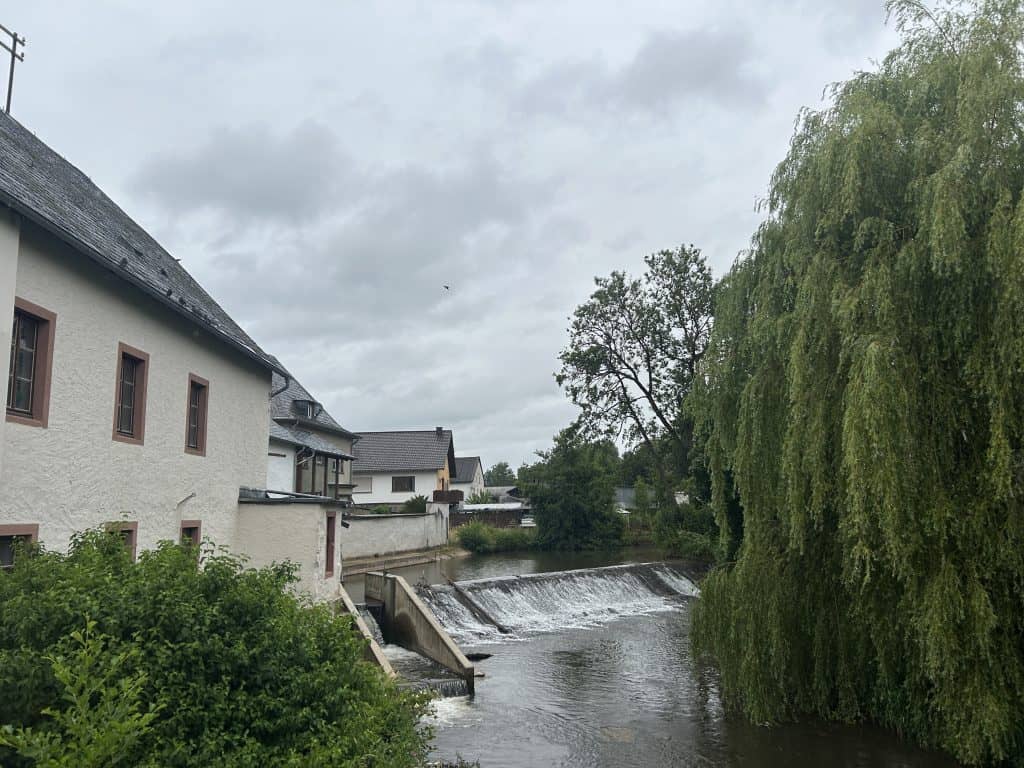
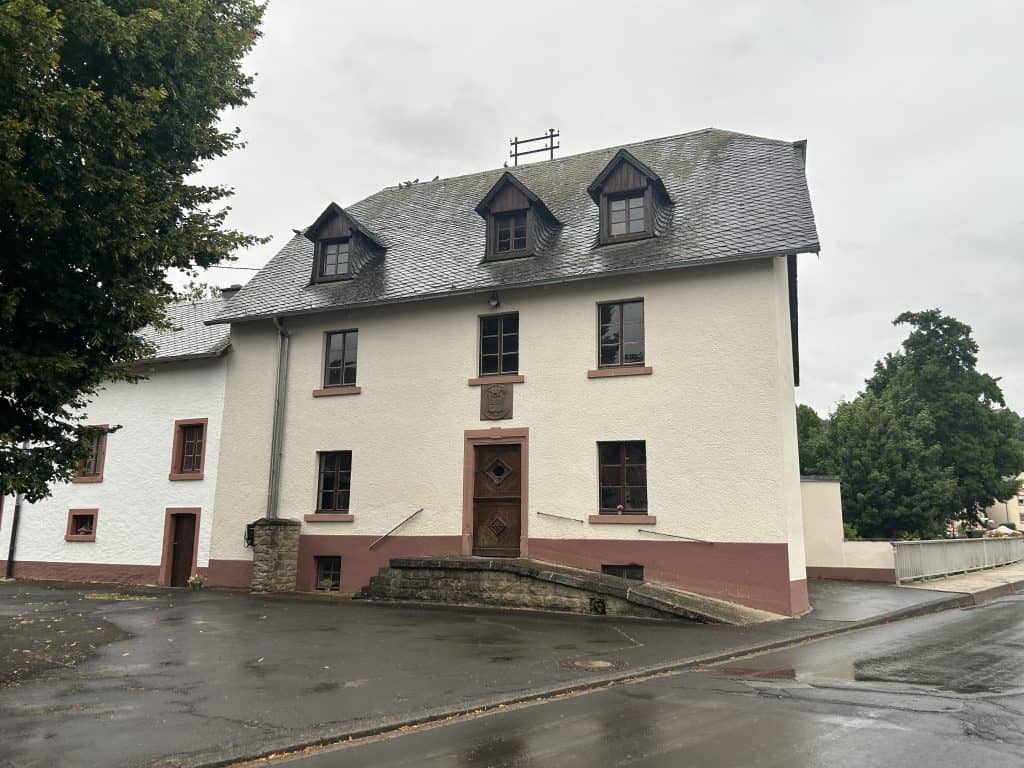
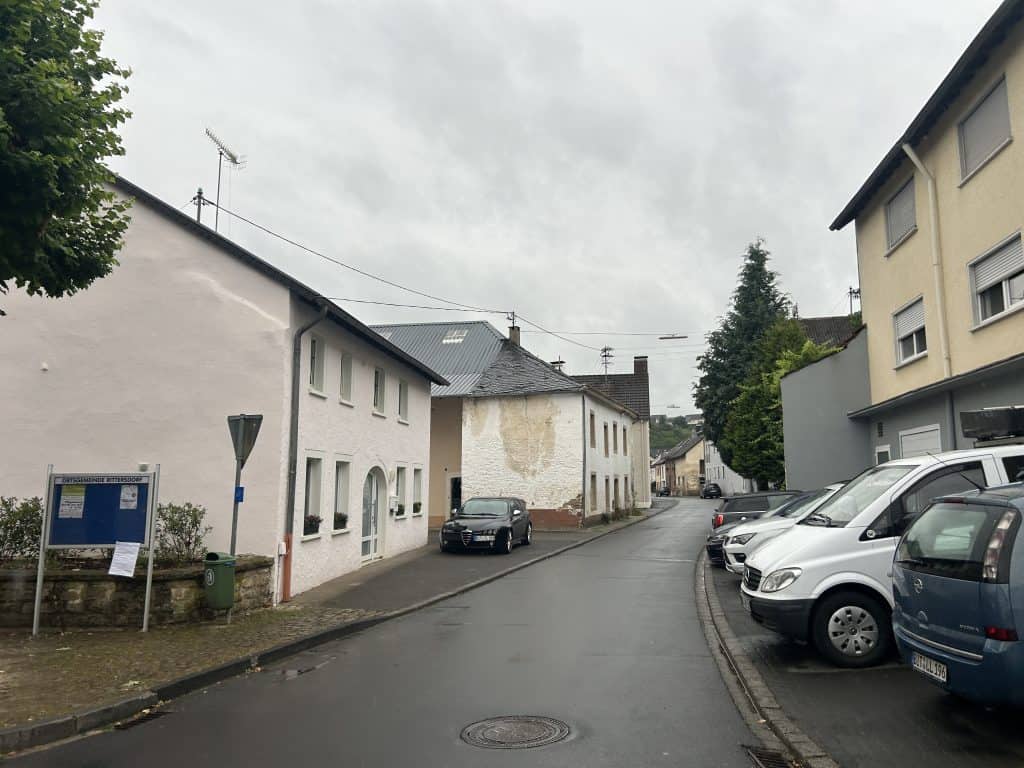
The historic village center of Rittersdorf retains the character of a traditional Eifel village. The area around the castle and the church is the heart of the community. The streets are lined with traditional houses, many of which are historic farmhouses from the 18th and 19th centuries. A walk through the village provides a look at the rural architecture of the region. There is also the Nims River flowing through the village, adding to its setting and historical context.
The Nims River Valley
Nims River Valley is the primary natural feature of the area. The Nims River is a tributary of the Prüm River. It flows through a scenic valley with rolling hills and forests. The landscape surrounding Rittersdorf is a key part of its character. The valley is popular for outdoor activities and offers a peaceful natural environment. The Nimstal Cycle Path runs directly through the village, following the course of the river and connecting it to the wider region.
Nimstal Cycle Path
The Nimstal Cycle Path (Nimstal-Radweg) is a major recreational route that passes directly through Rittersdorf, making it a key sight and activity for visitors. The path follows the course of the Nims River for approximately 60 kilometers. It is known for its scenic journey through the Southern Eifel landscape, connecting several towns and villages. The route is relatively flat in many sections, making it suitable for family cycling. The path’s presence in Rittersdorf highlights the village’s integration into the region’s tourism infrastructure.

Sports in Rittersdorf
The sporting life in Rittersdorf is centered on its local community sports club, which is a key part of the social fabric of the village. Football is the primary organized sport. The surrounding Southern Eifel Nature Park also provides extensive opportunities for outdoor recreational activities. These pursuits take advantage of the region’s network of marked trails and scenic landscape.
Football
Football is the most popular sport in Rittersdorf, with a local club that brings the community together. The club provides a platform for local players of all ages, from youth teams to a senior team. The team competes in the regional amateur leagues of the Eifel region. Matches are local events that draw supporters from the village and surrounding areas.
SV Rittersdorf
The local sports club is SV Rittersdorf. The club was founded in 1922 and is a central institution in the village. While it is a multi-sport association, its football section is the most prominent. The senior football team competes in the local amateur leagues (Kreisliga). They play their home games at a local sports ground in the village. The club is a key part of community life, especially for youth sports.
Hiking
The Eifel region is a major destination for hiking. A dense network of marked trails runs through the countryside around Rittersdorf. These paths lead through forests, along the Nims River valley, and connect to other nearby points of interest. Hiking in the area provides an opportunity to experience the natural environment of the Southern Eifel Nature Park. The trails cater to various skill levels, from short, easy walks to more demanding day-long hikes.

How to Get to Rittersdorf
Reaching the village of Rittersdorf requires travel to the Eifel region of western Germany, near the border with Luxembourg. A car is the most practical means of transport for visiting the village and exploring the surrounding area, as public transport options are limited and primarily serve local needs. The town’s location makes it a quiet retreat, but it remains accessible from several major transport hubs in the region, including the city of Trier and Luxembourg Airport. The journey to the village often involves scenic drives through the Eifel countryside.
The Open Road: Driving to the Eifel
Driving is the most straightforward way to reach Rittersdorf, offering the flexibility to explore the wider Eifel region. The village is located a short drive from the A60 motorway (Autobahn). This highway connects to the main A1 motorway, which provides a direct link to Cologne in the north and Trier in the south. The B51 federal road also passes through the nearby town of Bitburg. From Bitburg, a short drive of about 6 kilometers on local roads leads directly to Rittersdorf.
Arriving by Air: Nearby Gateways
The closest and most convenient major international airport is Luxembourg Airport (LUX), located approximately 50 kilometers away with extensive European connections. Another nearby option is Frankfurt-Hahn Airport (HHN), which is primarily served by low-cost carriers and is about 70 kilometers away. From either of these airports, a rental car is the most practical option for completing the journey to Rittersdorf, as public transport connections would be indirect and time-consuming.
Connecting by Coach
There are no direct long-distance bus services to the small village of Rittersdorf itself. Travel by coach would typically involve taking a service from a company like FlixBus to a larger nearby city, such as the main bus station in Trier or to Luxembourg City. From these cities, travelers would then need to transfer to a regional bus service to reach Bitburg, followed by another local bus or a taxi to complete the journey to Rittersdorf.
On Track: A Journey by Rail and Bus
Rittersdorf does not have its own train station. The closest train station is Bitburg-Erdorf, which is located about 10 kilometers away. This station is on a small branch line. A more practical option for train travel is to arrive at the main station in Trier (Trier Hauptbahnhof), which has frequent connections to major German cities. From Trier, frequent regional bus services operated by the VRT connect to Bitburg, from where a final local bus or taxi is required to reach the village.
Driving Distances
The driving distance from 10 regional cities, according to Google Maps:
- Trier, Germany – 24 kilometers (0 h 30 min)
- Luxembourg City, Luxembourg – 50 kilometers (0 h 50 min)
- Liège, Belgium – 111 kilometers (1 h 30 min)
- Metz, France – 113 kilometers (1 h 30 min)
- Cologne, Germany – 134 kilometers (1 h 40 min)
- Frankfurt, Germany – 201 kilometers (2 h 20 min)
- Brussels, Belgium – 212 kilometers (2 h 30 min)
- Strasbourg, France – 222 kilometers (2 h 40 min)
- Amsterdam, Netherlands – 349 kilometers (4 h 00 min)
- Paris, France – 415 kilometers (4 h 30 min)
Looking to Explore more of Germany and Europe?