Furnica | Exploring Romania
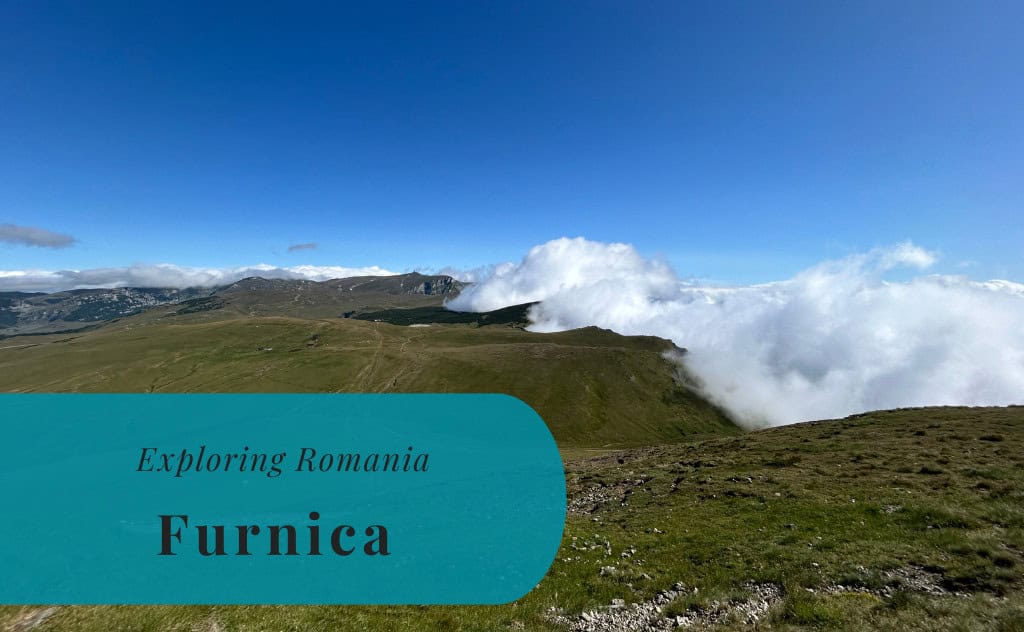
Furnica Peak (Vârful Furnica) is a mountain peak located in the Bucegi Mountains of Romania. It is situated in Prahova County, directly above the mountain resort town of Sinaia. With an elevation of 2,103 meters (6,900 feet), Furnica Peak is one of the prominent summits in this part of the Southern Carpathians. The peak and its surrounding high-altitude plateau are the heart of the Sinaia ski resort, one of the most popular winter sports destinations in the country.
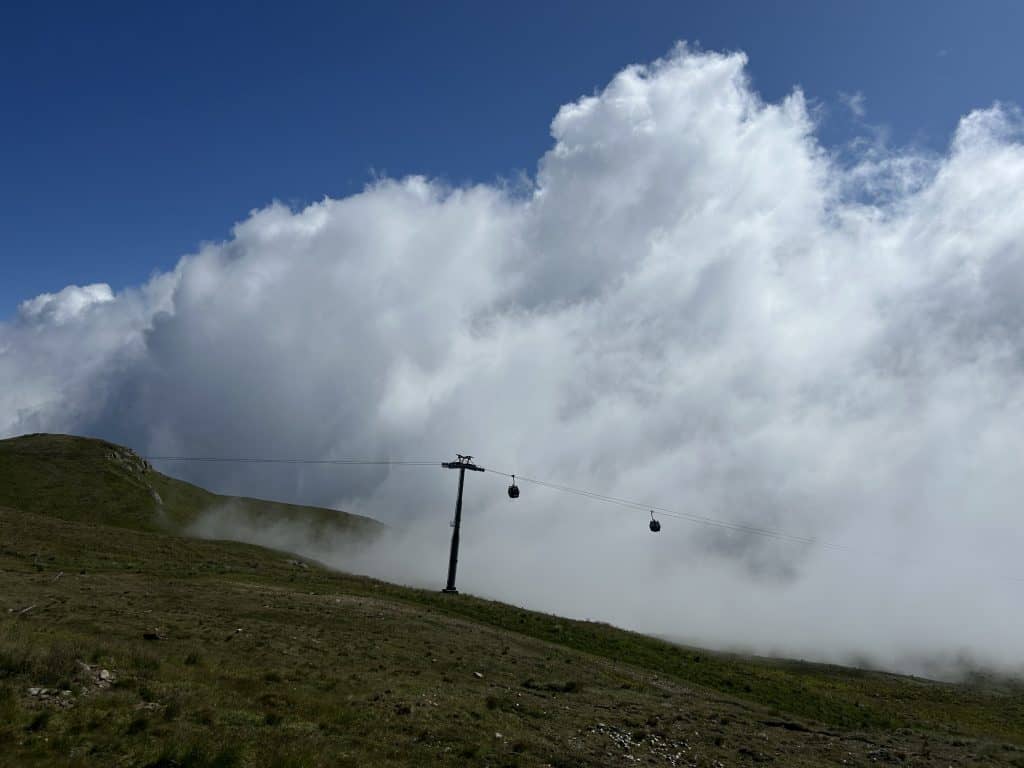
The character of Furnica Peak is that of an accessible high-altitude alpine environment. Its identity is defined by its role as the center of the Cota 2000 ski area. The peak itself is not a sharp, rocky summit but rather a rounded top that is part of the vast Bucegi Plateau. The area is served by a network of cable cars and gondolas that ascend from the town of Sinaia below. This infrastructure makes it a major destination for both winter sports enthusiasts and for summer hikers seeking to explore the high plateau.

A Short History of Furnica
The history of Furnica Peak is that of a remote alpine pasture that was transformed into a major center for tourism and sport in the 20th century. For centuries, the high plateau of the Bucegi Mountains was primarily used by shepherds during the summer months. The development of Sinaia as a royal resort in the late 19th century began the process of making the mountains more accessible. The subsequent construction of cable cars in the 20th century was the pivotal moment that turned the peak into a year-round destination.
An Alpine Pasture
For most of its history, Furnica Peak and the surrounding Bucegi Plateau were a remote and wild area. The high-altitude meadows were used as summer pastures (plai) by shepherds from the Prahova Valley and the surrounding regions. They would bring their flocks of sheep up to the mountains to graze during the warmer months. The area was known only to these shepherds and to the occasional hunter or traveler. The name “Furnica” itself means “ant” in Romanian, a name whose origin is tied to local legends or features of the landscape.
Development of a Modern Ski Area
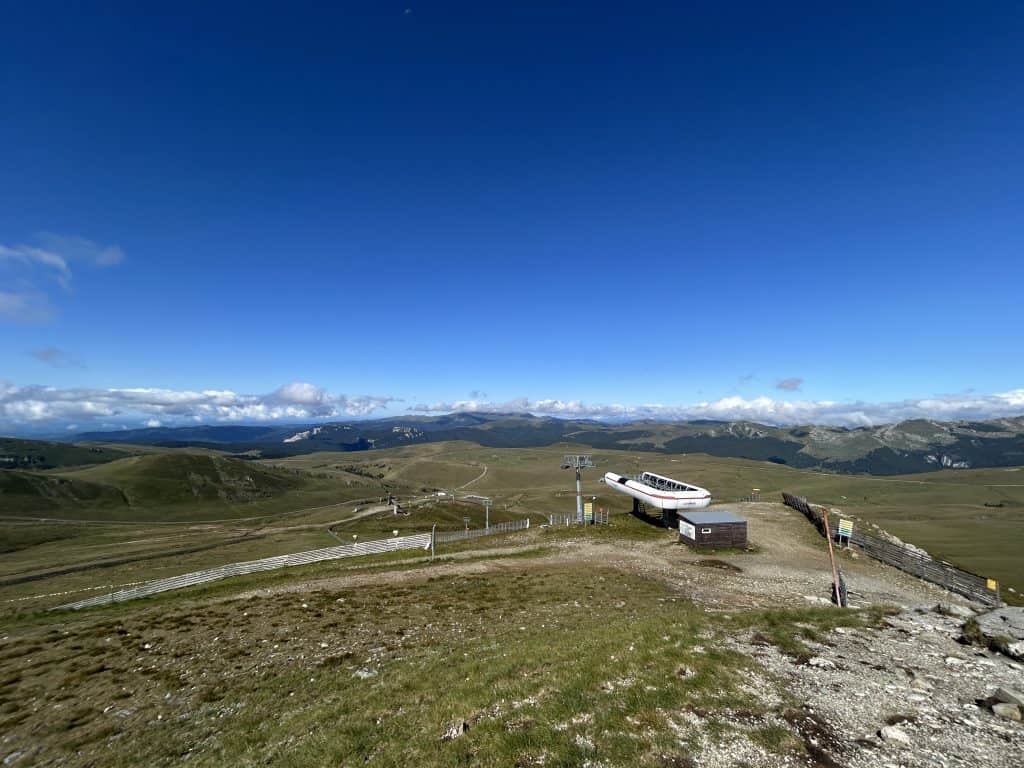
The transformation of Furnica Peak began with the development of Sinaia as a major tourist resort in the 20th century. The first major step in making the high mountains accessible was the construction of the cable car system (telecabină). The system, which was built in sections, eventually connected the town of Sinaia with the Cota 2000 area, located just below Furnica Peak. This infrastructure opened up the high plateau to a much wider audience. In the post-war period, the area was developed into Romania’s premier ski resort, with ski lifts and slopes installed on the slopes of Furnica Peak and the surrounding mountains.



The Landscape and its Features
The sights at Furnica Peak are focused on its alpine landscape, the panoramic views it offers, and the infrastructure of the ski resort. The main points of interest are the summit itself, the nearby Cota 2000 area, and the access it provides to the wider Bucegi Plateau.
The Summit and its Views
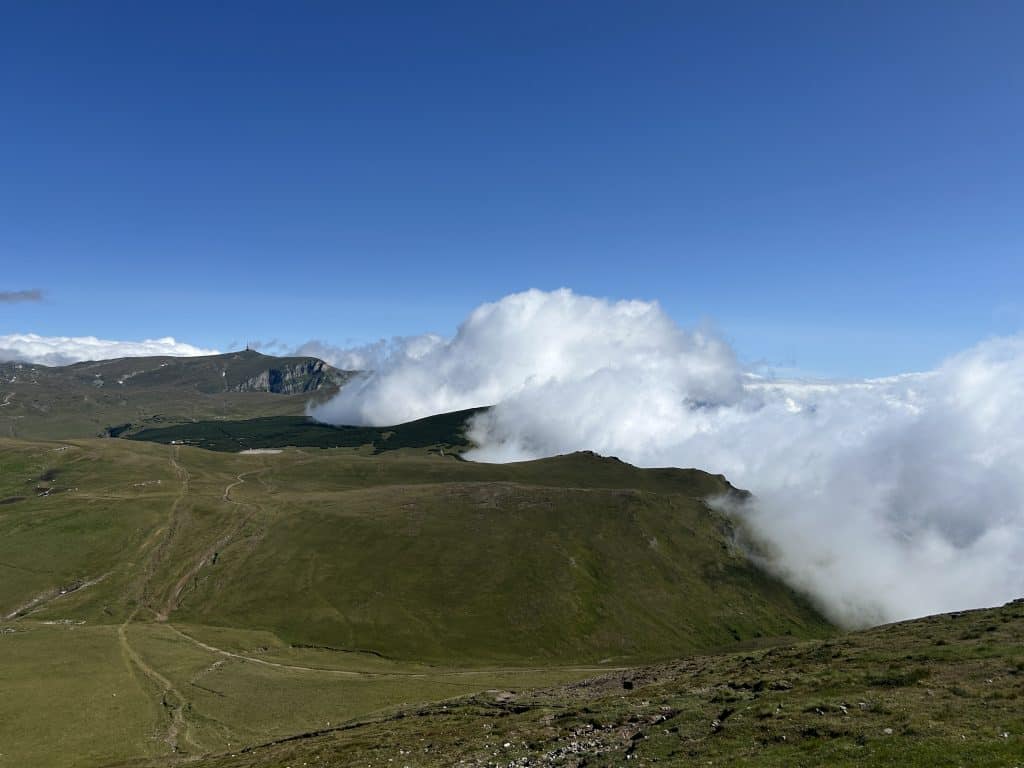
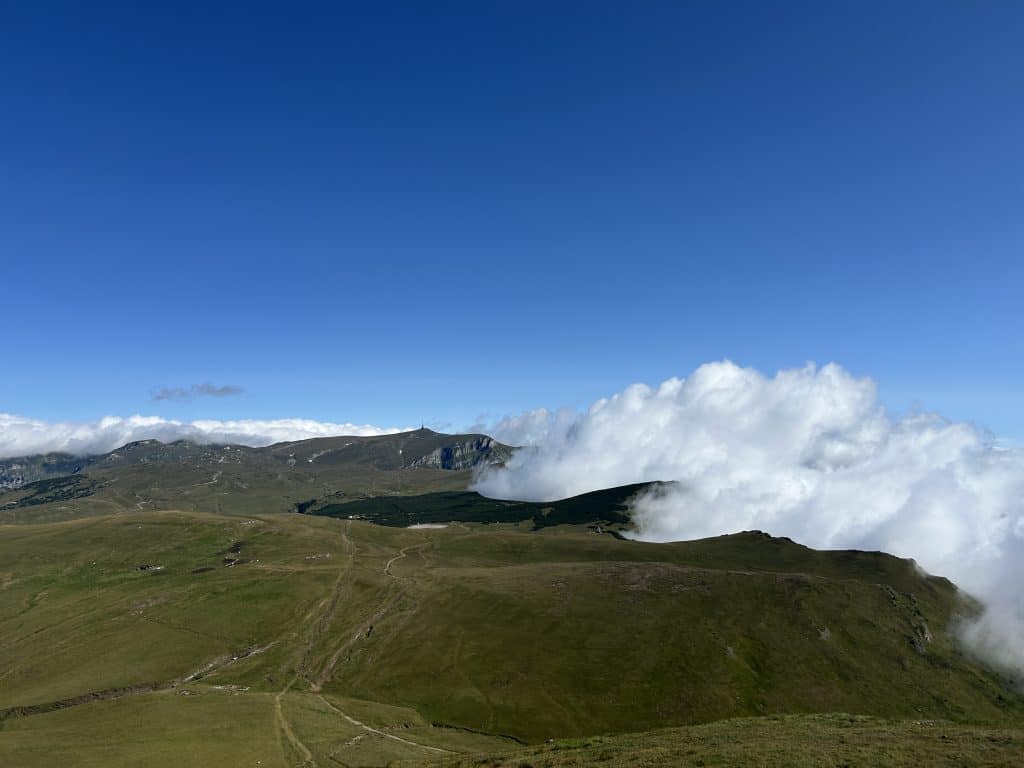
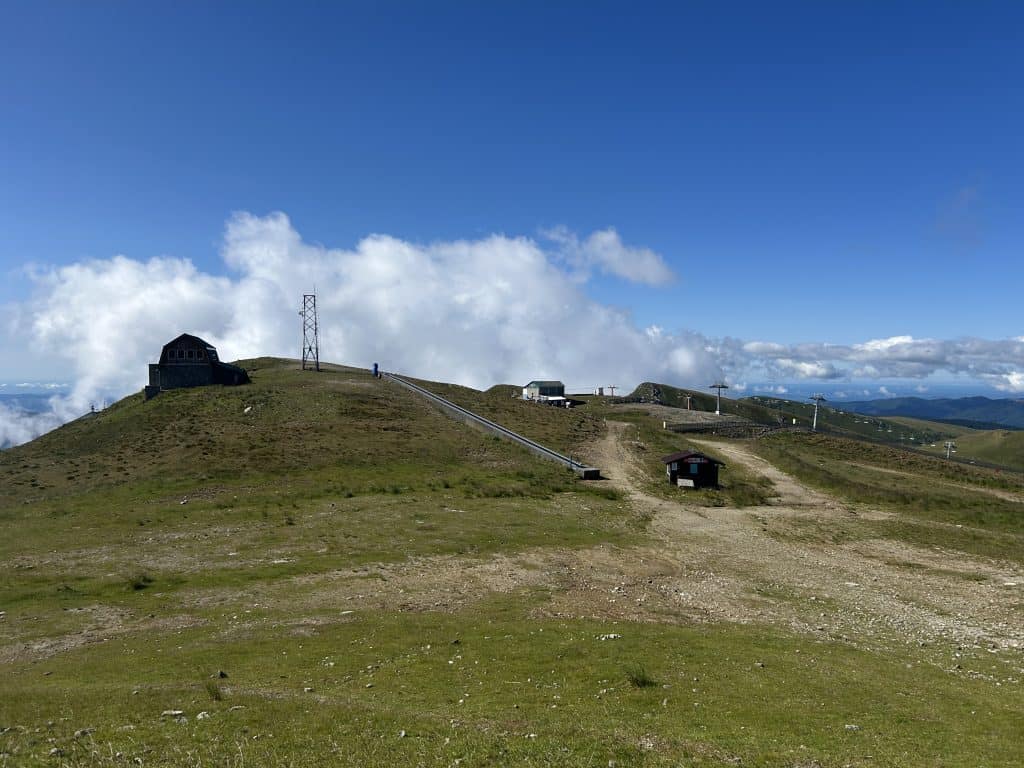
The summit of Furnica Peak stands at an elevation of 2,103 meters. The peak is part of the main ridge of the Bucegi Mountains. The landscape at this altitude is an alpine environment, with low-lying juniper bushes and grasslands above the tree line. The most significant feature of the summit is the panoramic view. From the top, on a clear day, it is possible to see a vast expanse of the Carpathian Mountains, including the Prahova Valley below, the Baiu Mountains to the east, and the main ridge of the Bucegi Mountains to the west.
The Cota 2000 Ski Area
The area just below Furnica Peak is known as Cota 2000, referring to its altitude of 2,000 meters. This area is the heart of the Sinaia ski resort. It is the location of the top stations of both the main cable car and the newer gondola that ascend from Sinaia. The area features a restaurant and is the starting point for numerous ski slopes that descend the mountain. This infrastructure makes Cota 2000 the main hub for winter sports activity on the mountain.
The Bucegi Plateau
Furnica Peak is a gateway to the vast, high-altitude Bucegi Plateau. This large plateau is a unique geographical feature of the Carpathian Mountains. The landscape is relatively flat at an altitude of over 2,000 meters. The plateau is famous for its wind-sculpted rock formations. The most famous of these are Babele (“The Old Women”) and the Sphinx. From Furnica Peak, it is possible to hike across the plateau to reach these natural monuments.


Sports and Recreation
Furnica Peak is one of Romania’s most important centers for mountain sports. The activities are divided by season, with winter being dominated by skiing and snowboarding, and summer being focused on hiking and mountain biking.
Winter Sports
The slopes of Furnica Peak and the surrounding mountains form the Sinaia ski resort, one of the oldest and most popular in Romania. The resort offers a variety of ski slopes for all skill levels, from beginners to advanced skiers. The high altitude of the main ski area, at Cota 2000, generally ensures a long season with natural snow. The area is also popular for off-piste skiing and snowboarding.
Hiking
During the summer months, Furnica Peak is a major destination for hiking. The cable car and gondola systems provide easy access to the high-altitude trails of the Bucegi Natural Park. From the top station at Cota 2000, numerous marked hiking trails lead across the Bucegi Plateau. Popular routes include the trail to the summit of Vârful Omu (2,507 m), the highest peak in the Bucegi Mountains, and the trail to the Heroes’ Cross on Caraiman Peak.

How to Get to Furnica
Reaching Furnica Peak requires travel to the town of Sinaia, which serves as the base for accessing the mountain. The primary means of reaching the peak itself is via the town’s cable car and gondola system. For experienced hikers, it is also possible to reach the peak on foot.
The Cable Car and Gondola
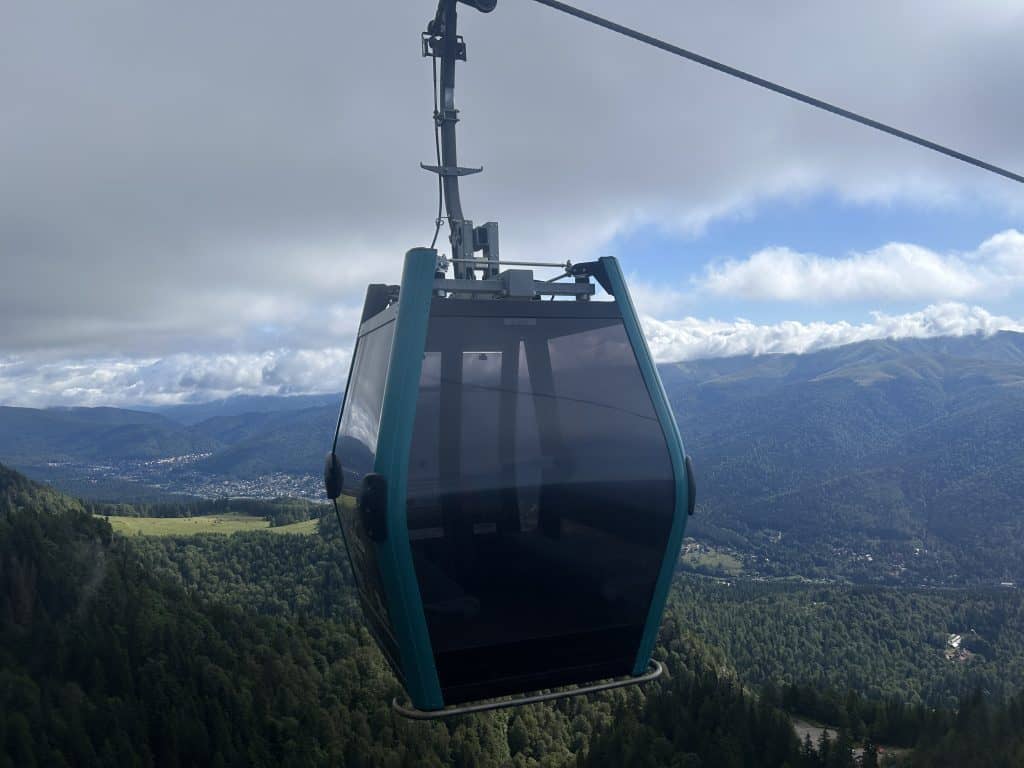
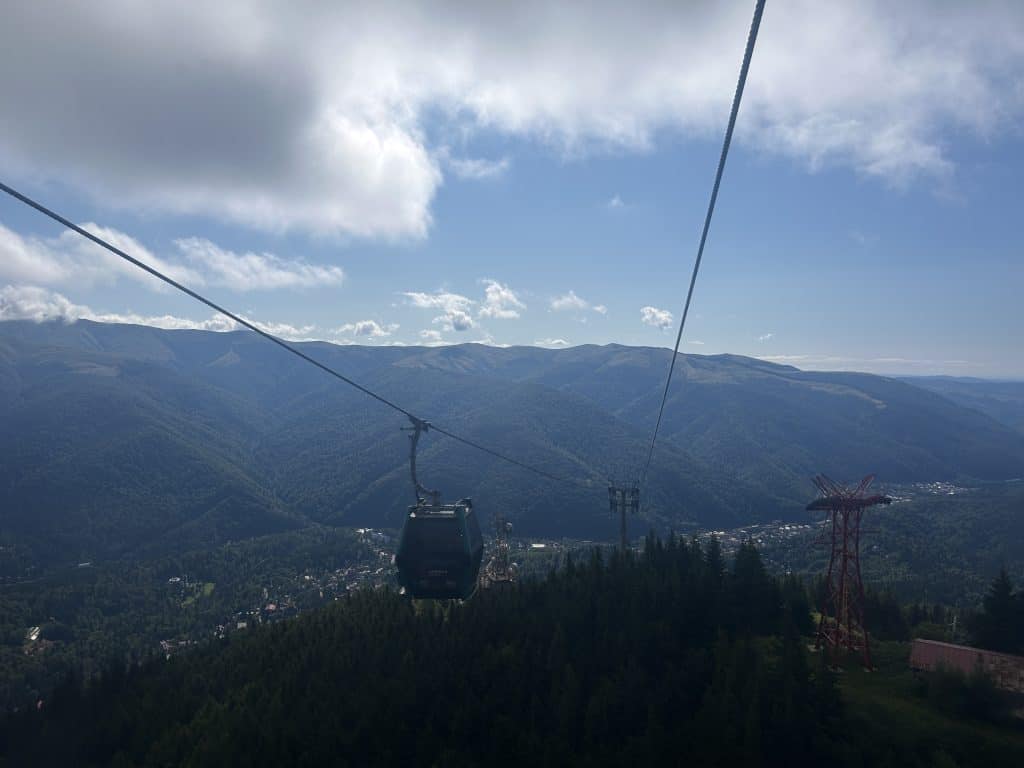
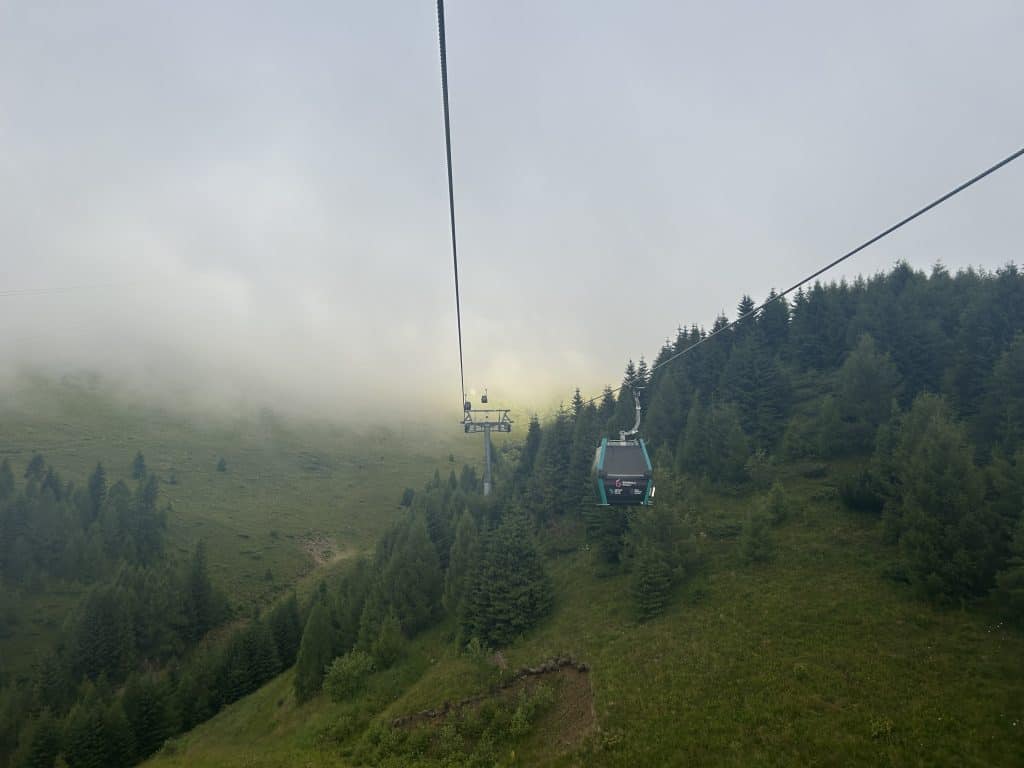
The most common and practical way to reach the area of Furnica Peak is by using the Sinaia cable car (telecabină) or the Sinaia gondola (telegondolă). Both systems run in two sections. The first section takes visitors from the town of Sinaia up to Cota 1400. From there, a second section of both the cable car and the gondola continues up to Cota 2000, which is located just below the summit of Furnica Peak. The journey offers impressive views of the Prahova Valley.
Hiking from Sinaia
For experienced and well-equipped hikers, it is also possible to hike to Furnica Peak from the town of Sinaia. There are several marked hiking trails that lead up the mountain. These trails are steep and involve a significant elevation gain of over 1,200 meters. The hike is long and challenging and should only be undertaken in good weather conditions. It is a rewarding experience for those prepared for a full day of mountain hiking.
Arriving by Air, Road, and Rail
To access the cable cars or hiking trails to Furnica Peak, one must first travel to the town of Sinaia. The town is located on the main DN1 road and the main railway line that connects Bucharest and Brașov. The closest international airports are in Brașov (BRV) and Bucharest (OTP). Frequent train services run from Bucharest and Brașov to the centrally located Sinaia train station.
Driving Distances
The driving distance from 10 regional cities, according to Google Maps:
- Brașov, Romania – 45 kilometers (1 h 00 min)
- Bucharest, Romania – 123 kilometers (2 h 20 min)
- Sibiu, Romania – 187 kilometers (3 h 20 min)
- Cluj-Napoca, Romania – 343 kilometers (5 h 00 min)
- Iași, Romania – 370 kilometers (6 h 10 min)
- Chișinău, Moldova – 513 kilometers (9 h 10 min)
- Sofia, Bulgaria – 518 kilometers (7 h 50 min)
- Belgrade, Serbia – 593 kilometers (8 h 00 min)
- Budapest, Hungary – 743 kilometers (8 h 10 min)
- Kyiv, Ukraine – 1,029 kilometers (15 h 20 min)
Looking to Explore more of Romania and Europe?