
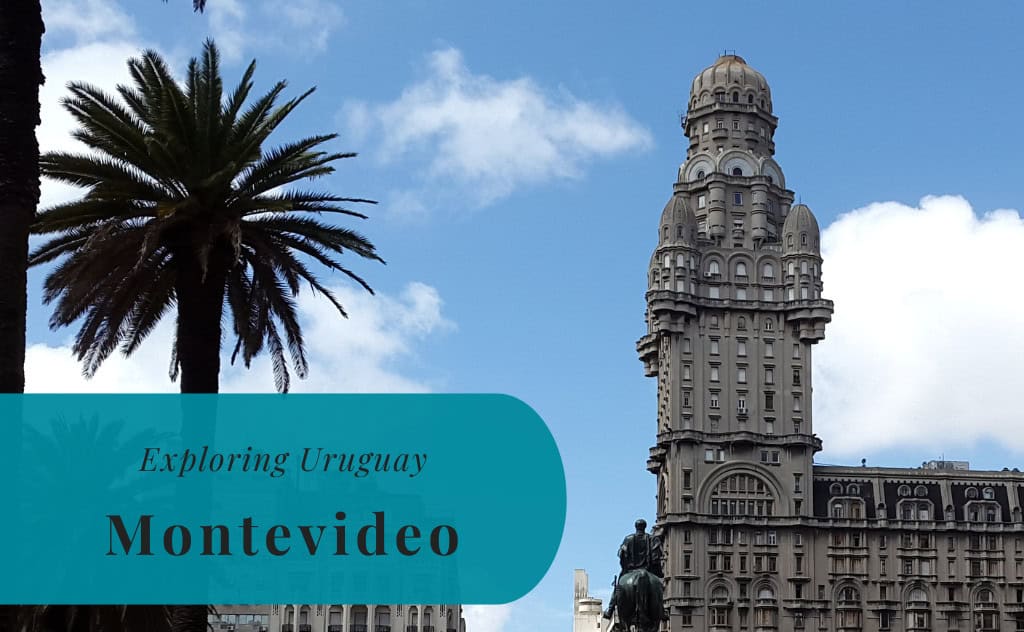
Montevideo | Exploring Uruguay
Montevideo is the capital and largest city of Uruguay, as well as its main port. It is located in the southern part of the country, on the northeastern bank of the Río de la Plata, an estuary of the Atlantic Ocean. With a population of approximately 1.4 million in the city proper and 1.9 million in its metropolitan area, Montevideo is home to about half of Uruguay’s entire population. The city is the political, economic, and cultural heart of the nation. It is known for its high quality of life and its role as the administrative headquarters for both Mercosur and the Latin American Integration Association.
The city’s identity is shaped by its history as a strategic colonial port and its subsequent development as the vibrant capital of a progressive nation. It was founded in the early 18th century by the Spanish as a military stronghold. It later became a major commercial center, attracting waves of European immigrants in the late 19th and early 20th centuries. This influx of people created a rich and diverse cultural landscape. This is reflected in the city’s architecture, cuisine, and arts scene.
Today, Montevideo is a city of contrasts. It blends the historic, colonial charm of its Ciudad Vieja (Old Town) with the elegant, early 20th-century architecture of its main avenues and the relaxed, seaside atmosphere of its extensive coastal promenade, the Rambla. The city has a rich cultural life, with a strong tradition in theater, music, and the arts. It was once known as the “Athens of the River Plate.” This combination of rich history, cultural vibrancy, and a beautiful coastal setting makes Montevideo a unique and compelling South American capital.
Good to Know When Visiting Montevideo
To fully appreciate a visit to Montevideo, it is useful to understand some of the unique cultural elements that define life in the city. The city’s social life revolves around its magnificent Rambla, a 22-kilometer long coastal avenue that is the heart of the city’s public space. Another key part of the local culture is the deep-rooted tradition of drinking mate, a caffeinated herbal infusion. Finally, a visit to the historic Mercado del Puerto offers a lively and delicious introduction to Uruguay’s famous barbecue tradition, the “asado.”
The Rambla: The City’s Grand Balcony
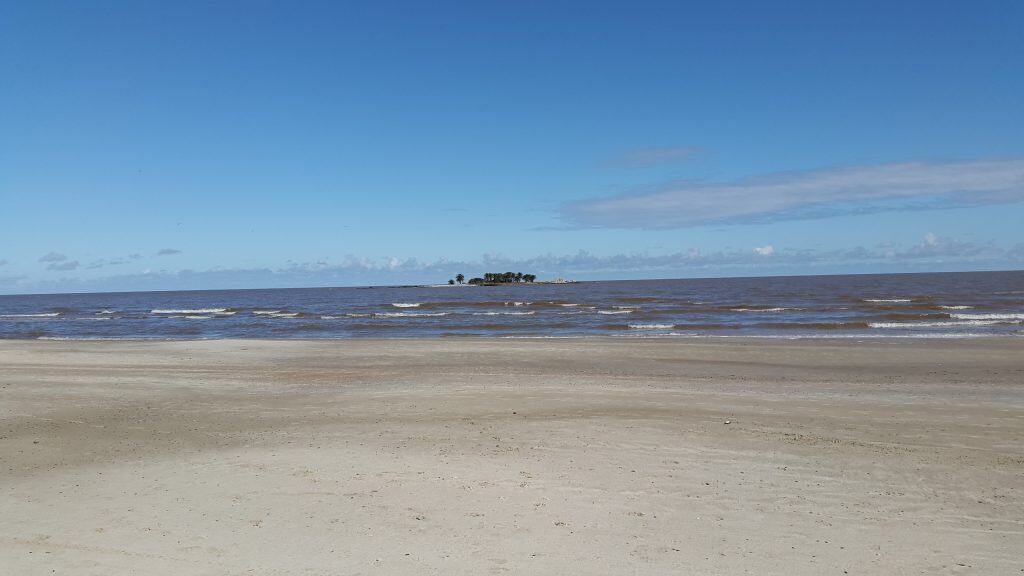
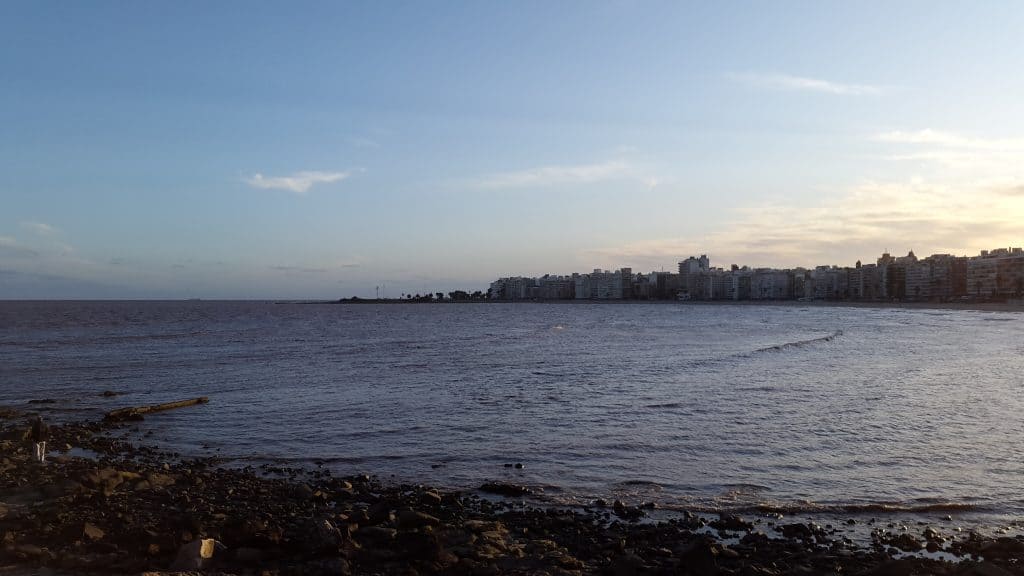
The Rambla of Montevideo is the city’s most defining feature and the center of its social life. This magnificent coastal avenue stretches for over 22 uninterrupted kilometers along the shore of the Río de la Plata. The Rambla is more than just a road; it is a vast public space where Montevideans of all ages come to walk, run, cycle, fish, and socialize. It is lined with beaches, parks, and beautiful historic buildings. A walk along the Rambla, especially at sunset, is an essential Montevideo experience. It provides a beautiful view of the city’s skyline and the wide, brown waters of the river.
The Culture of Mate
Mate is a traditional caffeinated herbal drink that is a central part of daily life and social culture in Uruguay, and this is very evident in Montevideo. It is very common to see people walking down the street, sitting in parks, or even on the bus, carrying a mate gourd and a thermos of hot water. The drink is prepared by steeping dried leaves of the yerba mate plant. It is traditionally drunk from a hollowed-out gourd through a metal straw called a “bombilla.” Sharing mate is a social ritual, a symbol of friendship and community.
Mercado del Puerto: A Temple of Asado
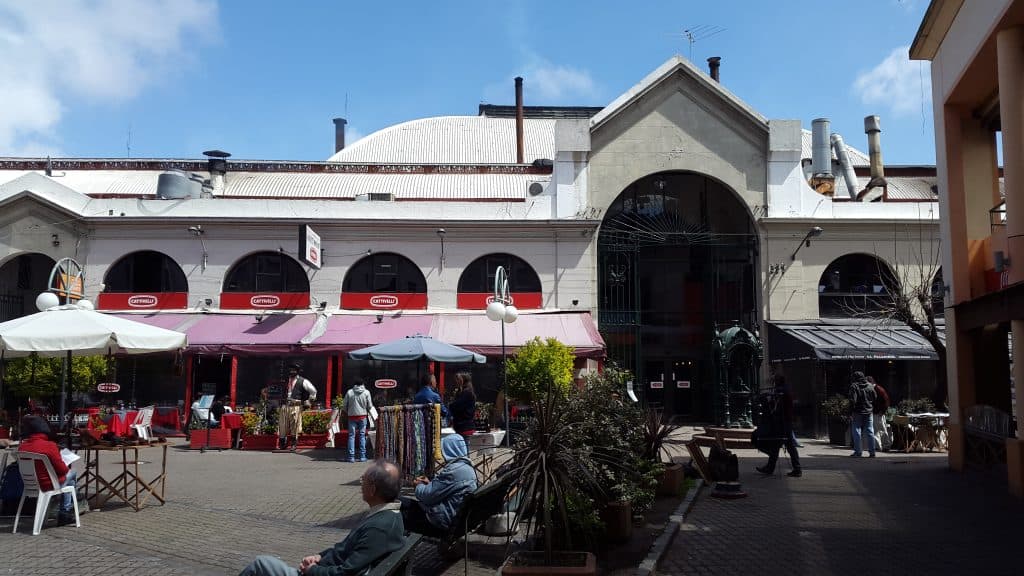
The Mercado del Puerto, or the Port Market, is a historic market building located in the Ciudad Vieja, right next to the port. The magnificent iron structure was built in 1868. While it was originally a fruit and vegetable market, today it is a bustling gastronomic center that is famous for its many “parrillas,” or barbecue restaurants. The market is a temple to Uruguay’s famous asado tradition. Here, you can watch as huge cuts of meat are grilled over open wood fires. A visit to the Mercado del Puerto for a classic Uruguayan barbecue is a lively and delicious cultural experience.

History of Montevideo
The history of Montevideo is a story of a strategic colonial port that grew to become the capital of one of South America’s most stable and progressive nations. The city was founded relatively late compared to other major colonial cities, and its early history was marked by a struggle for control between the Spanish and Portuguese empires. In the 19th century, it was caught in the wars of independence that swept across the continent. It also endured a long and devastating siege. The late 19th and early 20th centuries were a golden age of growth and immigration, and this period shaped the city’s modern character.
A Spanish Colonial Fortress
The city of Montevideo was founded by the Spanish in 1724. The founder was Bruno Mauricio de Zabala, the governor of Buenos Aires. The city was established as a military stronghold to counter the expansion of the Portuguese from Brazil into the region of the Río de la Plata. The original settlement was a fortified citadel, which is now the historic Ciudad Vieja (Old Town). For its early history, Montevideo was a military buffer and a port city, and it was caught in the middle of the competing ambitions of the Spanish and Portuguese empires.
Independence and the Great Siege
In the early 19th century, Montevideo was a center of royalist opposition to the independence movements that were sweeping across South America. The city was the last Spanish stronghold in the Río de la Plata region. After the independence of Uruguay was established in 1828, Montevideo became the new nation’s capital. The young republic’s early years were marked by civil war. The city endured a long and devastating siege, known as the Guerra Grande (the Great War), which lasted for nine years, from 1843 to 1851. The city’s successful resistance during this long siege is a key part of its heroic identity.
A City of Immigrants and Progress
The late 19th and early 20th centuries were a golden age for Montevideo. The city grew rapidly as it became a major port and commercial center. It attracted hundreds of thousands of immigrants from Europe, particularly from Spain and Italy. This wave of immigration transformed the city’s demographic and cultural landscape. During this period, Uruguay became known as the “Switzerland of South America” for its political stability, its democratic traditions, and its progressive social welfare policies. Montevideo became a vibrant and cosmopolitan city, and it was a major center for culture and the arts, known as the “Athens of the River Plate.”
The 20th Century and Beyond
The second half of the 20th century was a more difficult period for the city. It was marked by economic stagnation and political instability. This culminated in a period of military dictatorship from 1973 to 1985. With the return of democracy, the city began a process of revitalization. In the modern era, Montevideo has re-established itself as a stable and progressive capital city. It continues to be the undisputed center of life in Uruguay, and it has become an increasingly popular destination for tourists who are drawn by its rich history, its beautiful coastal setting, and its relaxed, friendly atmosphere.


Sights in Montevideo
The sights in Montevideo are a captivating mix of historic colonial architecture, grand 19th-century boulevards, and a magnificent coastline. The main tourist area is the historic Ciudad Vieja (Old Town), a labyrinth of narrow streets, beautiful squares, and historic buildings. The city’s main square, Plaza Independencia, serves as a bridge between the Old Town and the modern city. For a taste of the city’s cultural life, the magnificent Teatro Solís is a must-see.
A key feature of the city is its extensive waterfront promenade, the Rambla, which offers beautiful views and is the center of the city’s outdoor life. The historic Mercado del Puerto is a famous gastronomic destination. For a different kind of experience, the city’s many excellent museums offer a deep dive into the nation’s art, history, and unique cultural traditions, such as carnival and tango. This combination of historical charm, cultural vibrancy, and a beautiful coastal setting makes for a diverse and rewarding visitor experience.
Ciudad Vieja (Old Town)
The Ciudad Vieja, or Old Town, is the historic heart of Montevideo and the site of the original colonial settlement. It is a charming neighborhood of narrow, cobblestone streets, and it is filled with a mix of colonial, Art Nouveau, and Art Deco buildings. The main pedestrian street is Calle Sarandí, which leads from the main square to the heart of the Old Town. The area is home to numerous historic squares, churches, museums, and art galleries. It is a very atmospheric area to explore on foot.
Plaza Independencia
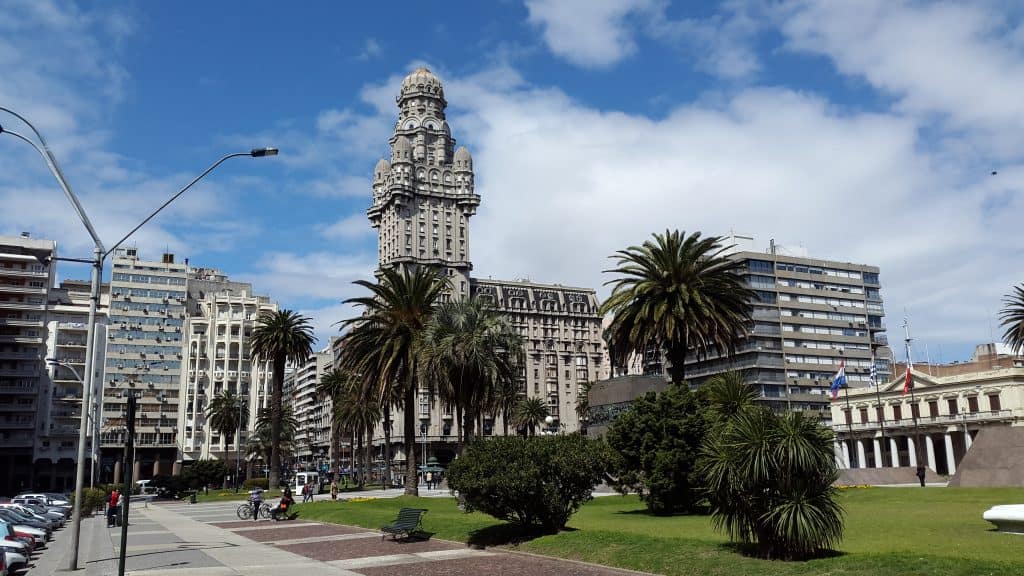
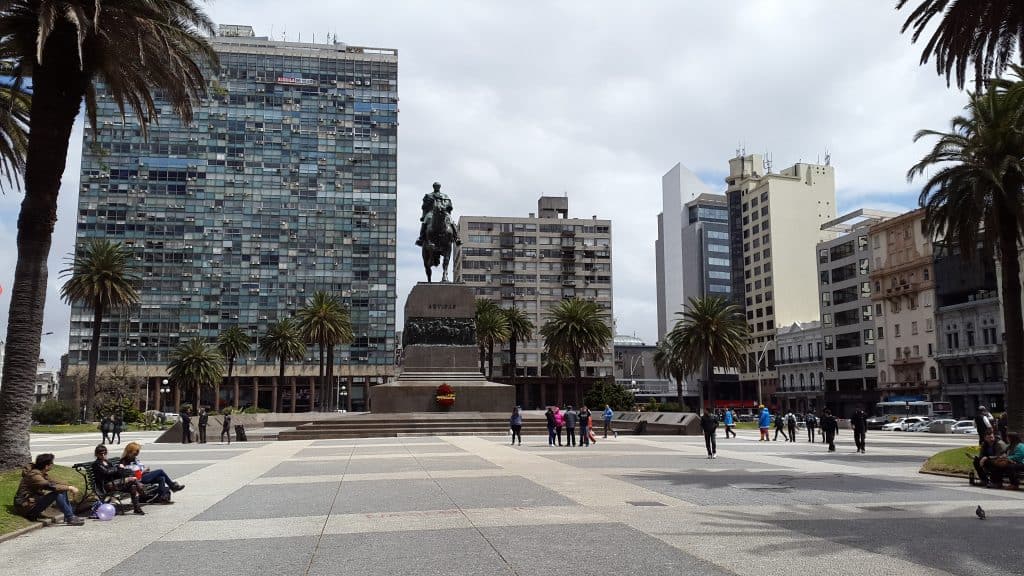
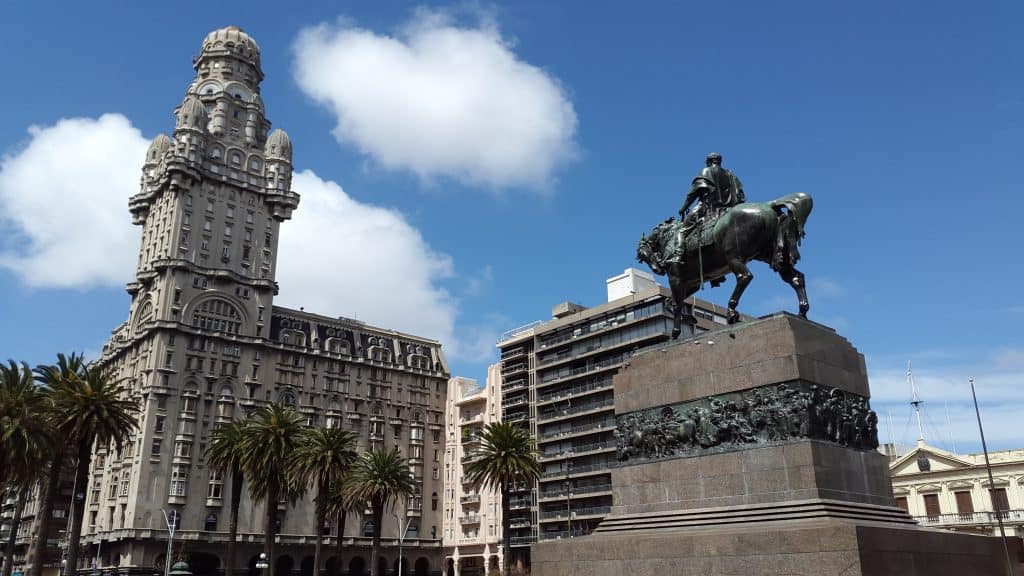
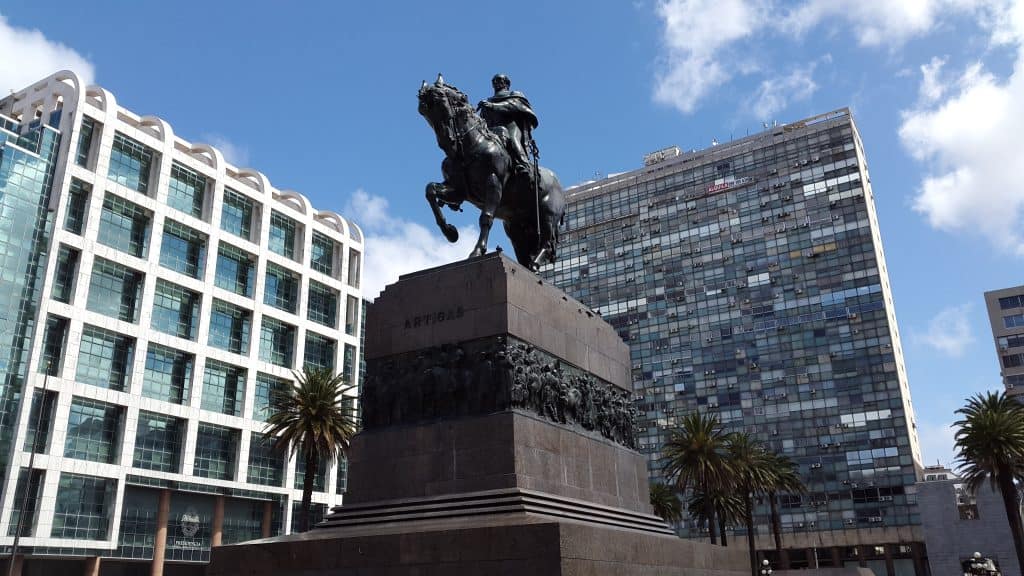
Plaza Independencia is the main square of Montevideo, and it marks the boundary between the Ciudad Vieja and the modern city center. The square is dominated by a large and impressive equestrian statue of Uruguay’s national hero, José Artigas. Below the statue is the Artigas Mausoleum, where his remains are guarded by a ceremonial guard. The square is surrounded by grand and important buildings, including the magnificent Palacio Salvo, the historic Teatro Solís, and the Palacio Estévez, the former presidential palace.
Mercado del Puerto
The Mercado del Puerto, or the Port Market, is a historic market building located in the Ciudad Vieja, right next to the port. The magnificent iron structure was built in 1868. While it was originally a fruit and vegetable market, today it is a bustling gastronomic center that is famous for its many “parrillas,” or barbecue restaurants. The market is a temple to Uruguay’s famous asado tradition. Here, you can watch as huge cuts of meat are grilled over open wood fires. A visit to the Mercado del Puerto for a classic Uruguayan barbecue is a lively and delicious cultural experience.
The Rambla
The Rambla of Montevideo is the city’s most defining feature and the center of its social life. This magnificent coastal avenue stretches for over 22 uninterrupted kilometers along the shore of the Río de la Plata. The Rambla is more than just a road; it is a vast public space where Montevideans of all ages come to walk, run, cycle, fish, and socialize. It is lined with beaches, parks, and beautiful historic buildings. A walk along the Rambla, especially at sunset, is an essential Montevideo experience.
Teatro Solís
The Teatro Solís is the most important and prestigious theater in Uruguay. It is located on Plaza Independencia. The magnificent neoclassical building was opened in 1856. It has a beautiful and opulent interior, with a grand auditorium that is known for its excellent acoustics. The theater hosts a rich program of performances, including opera, ballet, classical music, and theater. It is possible to take a guided tour of the historic building to see its magnificent architecture and to learn about its history.
Palacio Salvo
The Palacio Salvo is one of the most famous and iconic buildings in Montevideo. This magnificent and eclectic building stands on the corner of Plaza Independencia. It was completed in 1928 and, at a height of 100 meters, it was the tallest building in South America at the time. The building’s unique design is a mix of Art Deco, Gothic, and Neoclassical styles. While it is primarily a residential and office building, its impressive and somewhat eccentric architecture makes it a major landmark of the city.
Montevideo Metropolitan Cathedral
The Montevideo Metropolitan Cathedral is the main Roman Catholic church of the city. It is located on Plaza Matriz, the main square of the Ciudad Vieja. The church has its origins in the 18th century, but the current neoclassical structure was completed in the early 19th century. It is a beautiful and imposing building with two large bell towers. The church is an important historical and religious landmark, and it is the burial place of several important figures in Uruguayan history.
The Legislative Palace
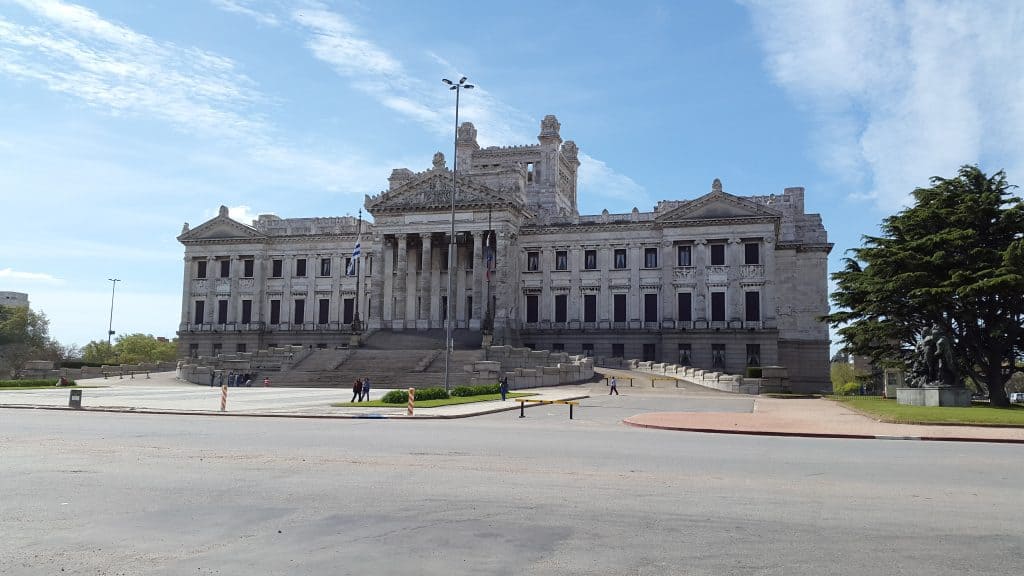
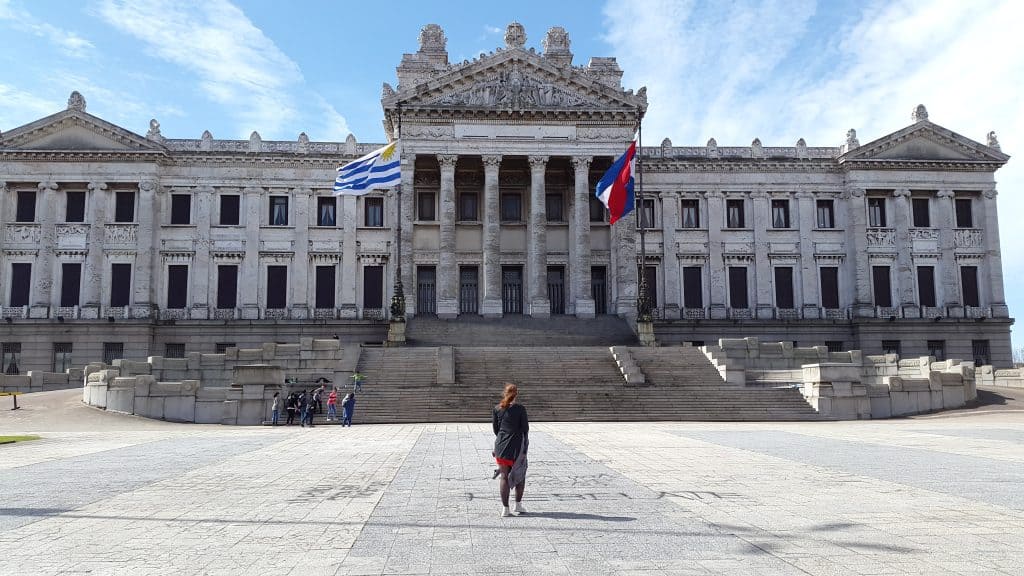
The Legislative Palace (Palacio Legislativo) is the seat of the Uruguayan Parliament. It is a massive and incredibly ornate neoclassical building that is one of the most impressive architectural works in the country. The building was inaugurated in 1925 to celebrate the centenary of the country’s independence. It is famous for its lavish interior, which is decorated with a wide variety of local marbles of different colors. It is possible to take a guided tour of the palace to see its magnificent halls.
The Pocitos Neighborhood
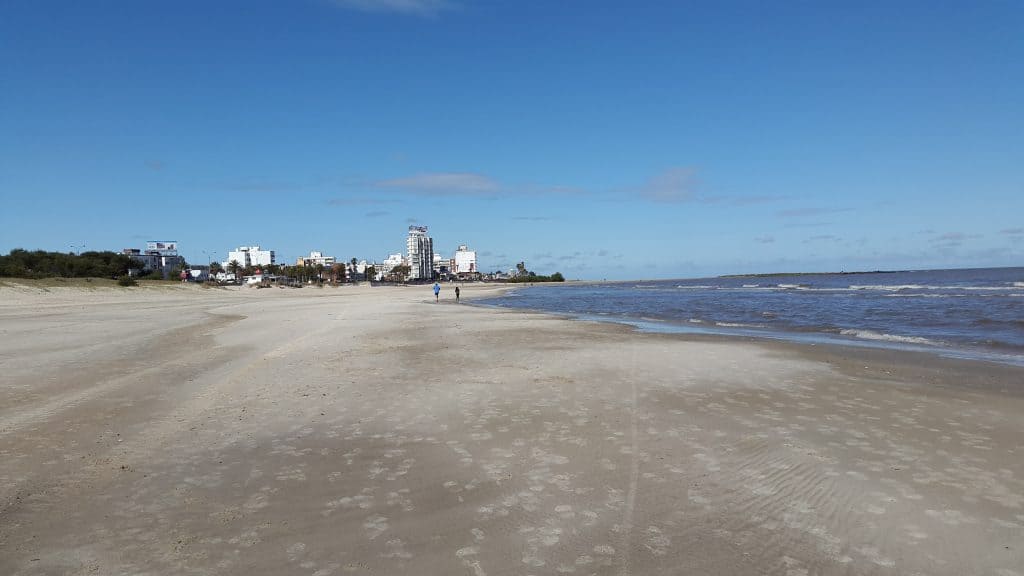
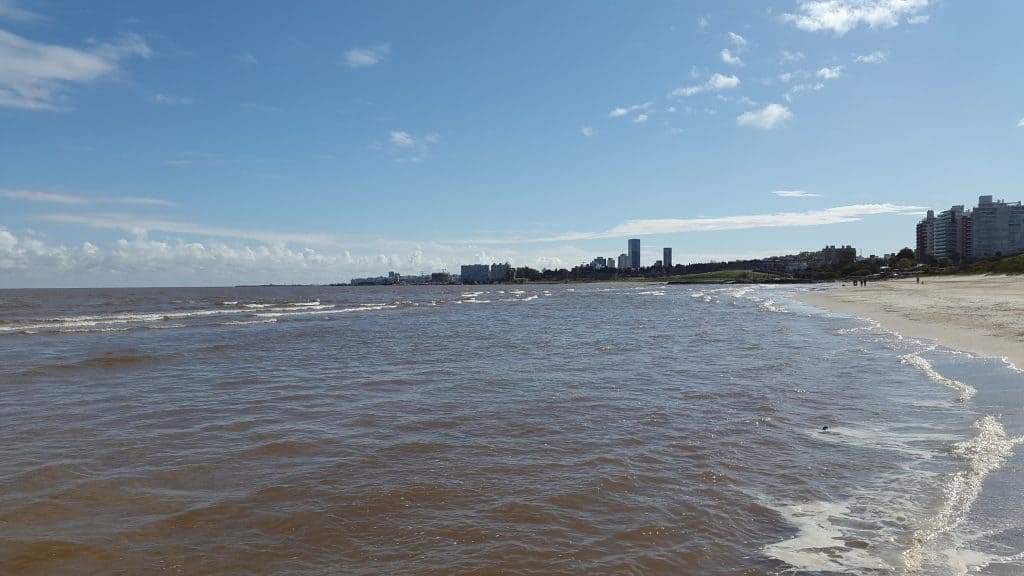
Pocitos is one of Montevideo’s most famous and fashionable residential neighborhoods. It is located on the coast, along the Rambla. The neighborhood is famous for its beautiful sandy beach, which is one of the most popular in the city. The waterfront is lined with modern, high-rise apartment buildings. The neighborhood has a lively and sophisticated atmosphere, with many excellent cafes, restaurants, and boutiques. A walk along the beach and the Rambla in Pocitos is a great way to experience the modern, seaside lifestyle of the city.
Feria de Tristán Narvaja
The Feria de Tristán Narvaja is a massive and famous street market that takes place every Sunday in the Cordón neighborhood. The market stretches for many blocks along Tristán Narvaja street and the surrounding streets. It is a bustling and chaotic affair where you can find almost anything, from fresh fruits and vegetables to antiques, old books, and pets. The market is a major social event for the city’s residents. A visit to the feria is a fantastic and very authentic way to experience the local culture.

Traveling with Kids
Montevideo is a very family-friendly city with a good range of attractions and activities for children. The city’s main highlight for families is often the magnificent Rambla, the long coastal promenade. The Rambla and its many sandy beaches are like a giant playground where kids can run, cycle, fly kites, and play in the sand. The city’s many large, green parks, such as Parque Rodó and Parque Batlle, are also fantastic destinations for a family day out, and they are equipped with playgrounds and other recreational facilities.
The city also offers several excellent museums and cultural attractions that are engaging for children. The city is generally very safe and easy to navigate with a family. The relaxed and friendly atmosphere of the city, combined with the abundance of open, public spaces, makes Montevideo a well-rounded and enjoyable destination for a family vacation. It offers a great balance of cultural exploration and outdoor recreation.
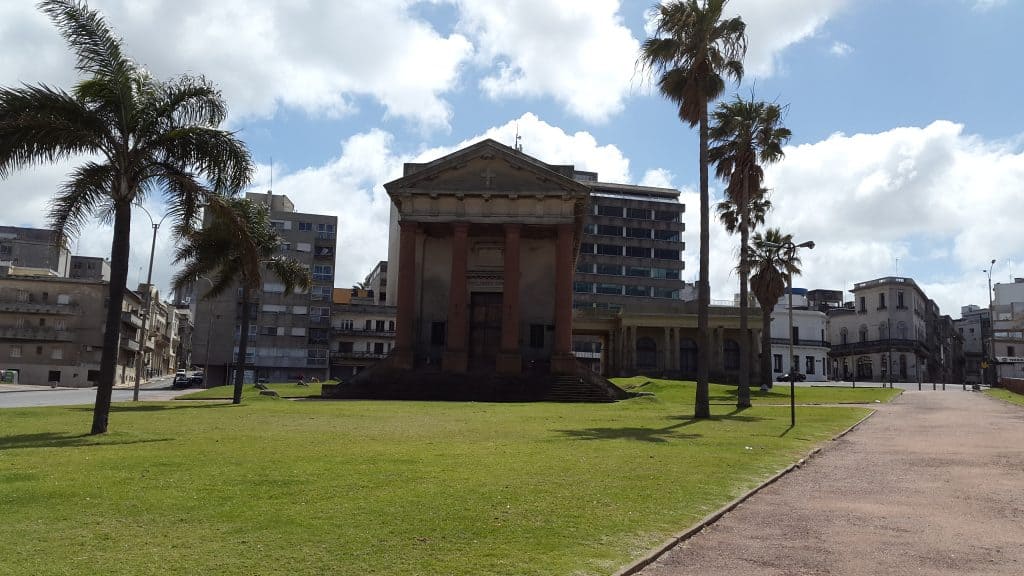
Sports in Montevideo
Montevideo has an incredibly rich and passionate sports scene, and football is by far the most popular and intensely followed sport. The city is the undisputed heart of Uruguayan football. It is home to the country’s two most famous and successful clubs, Peñarol and Nacional. The rivalry between these two teams is one of the most intense in the world. Basketball is also a very popular sport in the city, and it has a competitive professional league. Rugby is another key sport, and the Estadio Charrúa serves as the main venue for the national team and professional club matches.
The city holds a unique and very special place in the history of international football, for it was the host of the first-ever FIFA World Cup in 1930. The tournament was held to celebrate the centenary of Uruguay’s independence, so a new stadium was built for the event. This was the legendary Estadio Centenario, and it is considered a historical monument of world football. The final was played here, and the host nation, Uruguay, defeated Argentina to become the first world champions. This historic victory cemented football’s place at the center of the nation’s identity.
Football
Football is more than a sport in Montevideo; it is a way of life. The city is home to the two giants of Uruguayan football, Peñarol and Nacional. The “Superclásico” between these two teams is the biggest sporting event in the country, and it brings the entire city to a standstill. The passion for these clubs is a defining feature of life in the capital. Both teams have a long and storied history of success, both domestically and internationally.
Club Atlético Peñarol
Club Atlético Peñarol is one of the most successful football clubs in the history of South America. Founded in 1891, the club has won the Uruguayan Primera División a record number of times. They have also won the prestigious Copa Libertadores, the premier international club competition in South America, five times. They play their home matches at the modern Estadio Campeón del Siglo. The club’s black and yellow colors are a symbol of passion for their huge and dedicated fanbase.
Club Nacional de Football
Club Nacional de Football is the other major football club in the city, and it is the great rival of Peñarol. Founded in 1899, Nacional is also one of the most successful clubs in the history of the sport. They have also won the Uruguayan Primera División numerous times. At the international level, they have won the Copa Libertadores three times. They play their home matches at the historic Estadio Gran Parque Central, which was one of the venues for the 1930 FIFA World Cup. The rivalry between Nacional and Peñarol is one of the most intense in the world.
Rugby
Rugby is an extremely popular sport in Uruguay, and the national team, known as Los Teros, has achieved significant international success. The team has qualified for the Rugby World Cup on several occasions. The city of Montevideo is the main center for rugby in the country. It is home to the top professional clubs and the national stadium. The sport is growing in popularity, and the national team enjoys strong support from the public.
Peñarol Rugby
Peñarol Rugby is a professional rugby union team, and it is affiliated with the famous football club. The team competes in the Super Rugby Americas. This is the premier professional international club competition in South America. The team is made up of many of the best players from the Uruguayan national team. They play their home matches at the Estadio Charrúa. The club has been very successful in the competition, and they won the championship in 2022.
Old Christians Club
The Old Christians Club is one of the most famous and historic rugby clubs in Uruguay. The club was founded in 1962 by alumni of a Christian Brothers school in Montevideo. The club is most famous for the tragic and inspirational story of the 1972 Andes flight disaster, which involved members of their rugby team. The story of their survival has been the subject of several books and films. This includes the recent movie “Society of the Snow.” The club continues to be a major force in the domestic Uruguayan rugby league.
Basketball
Basketball is the second most popular sport in Montevideo. The city has a strong and competitive professional basketball league, the Liga Uruguaya de Básquetbol. Several of the country’s top teams are based in the capital. The matches are well-attended, and they have a passionate atmosphere. The sport is played at many levels throughout the city, from grassroots to professional.
Club Atlético Aguada
Club Atlético Aguada is one of the most famous and successful basketball clubs in the city. The team has won the Liga Uruguaya de Básquetbol championship multiple times. They have a very large and passionate fanbase, and their home games at their own stadium are known for their incredible atmosphere. The rivalry with other top Montevideo clubs like Goes and Trouville are major sporting events in the city. Their supporters are known for their vibrant and colorful displays during the games.
Horse Racing
Horse racing has a long and proud tradition in Montevideo, and the city is home to one of the most beautiful historic racetracks in South America. The sport is a popular social event, and it attracts large crowds for its major race days. The track is an important part of the city’s cultural and sporting heritage. It has been in operation for over a century. The main race day is a major holiday in the city.
Hipódromo de Maroñas
The Hipódromo de Maroñas is the main horse racing track in Montevideo. The beautiful historic racetrack was opened in 1889. It is the home of Uruguay’s most important horse race, the Gran Premio José Pedro Ramírez. This race is held every January 6th. A day at the races at the Hipódromo de Maroñas is a classic and popular social event in the city. The grandstand and the surrounding park provide a magnificent setting for the sport, and the atmosphere is very festive.
Running
Road running is a very popular sport in Montevideo, and the city’s magnificent Rambla provides a perfect natural venue for the activity. The city hosts several major annual running events. These events attract thousands of participants, from elite international athletes to local amateur runners. These races are major community events that celebrate a healthy and active lifestyle. The flat and scenic course along the riverfront is a major draw for runners.
Corrida San Felipe y Santiago
The Corrida San Felipe y Santiago is the most traditional and famous annual road race in Montevideo. The race is held every December, and it follows a beautiful 10-kilometer course along the Rambla. The event is named in honor of the patron saints of the city. It is a major event on the South American running calendar, and it attracts thousands of participants. The race has a festive, end-of-year atmosphere, and it is a major celebration for the local running community.
Montevideo Marathon
The Montevideo Marathon is the city’s premier long-distance running event. The race is held annually in the autumn, and it is typically in May. The event includes a full marathon, a half-marathon, and shorter races. This makes it accessible to runners of all abilities. The course is very scenic and flat, and it takes runners on a journey along large sections of the beautiful Rambla. The event is growing in prestige, and it attracts runners from all over the world to the city.


Getting Around in Montevideo
Navigating Montevideo is facilitated by an extensive public bus system, which is the primary mode of transport for most of the city’s residents. The historic Ciudad Vieja (Old Town) and the city center are very compact and are best explored on foot. The magnificent Rambla is perfect for walking and cycling. Ride-sharing services and taxis are also widely available and provide a convenient way to get around the city.
Using the Public Buses
The public transport system in Montevideo consists of a vast network of city buses. These buses are the only form of mass public transit in the city. They cover the entire metropolitan area. To use the bus system, you can pay in cash or use a rechargeable STM transit card, which offers discounted fares and allows for transfers. The buses are a very affordable and authentic way to get around the city, although the system can be a bit confusing for first-time visitors.
Exploring by Foot
The central parts of Montevideo are very walkable. The historic Ciudad Vieja is a largely pedestrianized area with a grid of narrow streets that is perfect for a leisurely stroll. The main commercial avenue, Avenida 18 de Julio, is also a great place for a walk. The most popular place for walking is, of course, the magnificent Rambla. A walk along this 22-kilometer coastal promenade is the quintessential Montevideo experience.
Exploring by Bicycle
Cycling is another excellent way to get around Montevideo, especially along the beautiful Rambla. The mostly flat terrain of the coastal part of the city makes for easy and scenic riding. There is a dedicated cycle path that runs along large sections of the Rambla. The city has a public bike-sharing system, and there are also numerous private companies that offer bike rentals. A bike ride is a fantastic way to explore the city’s many beaches and neighborhoods.


How to Get to Montevideo?
As the capital and largest city of Uruguay, Montevideo is the country’s primary transportation hub and is well-connected to the rest of the world. The city is served by a modern international airport with connections to several cities in the Americas and Europe. The port of Montevideo is a major hub for both cargo and passenger ferries, providing a direct link to Buenos Aires in Argentina. The city is also connected by road to its two large neighbors, Argentina and Brazil.
Flying to Carrasco International Airport
The main international airport for the city and the country is Carrasco International Airport (MVD). The airport is located about 20 kilometers east of the city center. It is a modern and architecturally impressive airport that has been cited as one of the most efficient and traveler-friendly in Latin America. The airport is served by several major airlines with direct flights to cities like Miami, Madrid, Panama City, São Paulo, and Buenos Aires. From the airport, the city center can be easily reached by bus or taxi.
Arriving Across Río de la Plata
The Port of Montevideo is a major hub for passenger ferries, and this is a very popular way to travel between Montevideo and Buenos Aires, the capital of Argentina. Two main companies, Buquebus and Colonia Express, operate frequent ferry services across the Río de la Plata. The fast ferry journey takes just over two hours. The main ferry terminal is located very conveniently at the edge of the Ciudad Vieja (Old Town).
Journey by Bus
Long-distance buses are the primary way to travel overland to Montevideo from neighboring countries. The city’s main long-distance bus terminal is the Tres Cruces Terminal. Numerous companies operate frequent services that connect Montevideo with cities all across Uruguay. There are also extensive international bus services that connect the city with destinations in Argentina, Brazil, Paraguay, and Chile. The bus is often the most practical and affordable option for regional travel.
Driving into the City
Driving to Montevideo is an option for those exploring the region by car. Uruguay has a good network of national roads. The main highways connect the capital with the major border crossings with Argentina and Brazil. The most famous and scenic route is the Ruta Interbalnearia, which runs along the coast from Montevideo to the famous resort of Punta del Este. The main land border crossing with Argentina is at Fray Bentos.
Driving Distances
The driving distance from 50 regional cities, according to Google Maps:
- Punta del Este, Uruguay – 130 kilometers (1 h 45 min)
- Colonia, Uruguay – 180 kilometers (2 h 15 min)
- Fray Bentos, Uruguay – 310 kilometers (3 h 30 min)
- Paysandú, Uruguay – 380 kilometers (4 h 15 min)
- Salto, Uruguay – 495 kilometers (5 h 30 min)
- Buenos Aires, Argentina – 575 kilometers (6 h 30 min)
- Santa Fe, Argentina – 750 kilometers (8 h 00 min)
- Rosario, Argentina – 750 kilometers (8 h 30 min)
- Porto Alegre, Brazil – 850 kilometers (10 h 00 min)
- Corrientes, Argentina – 1050 kilometers (12 h 00 min)
- Córdoba, Argentina – 1150 kilometers (13 h 00 min)
- Florianópolis, Brazil – 1300 kilometers (15 h 00 min)
- Posadas, Argentina – 1350 kilometers (15 h 30 min)
- Asunción, Paraguay – 1400 kilometers (17 h 00 min)
- Encarnación, Paraguay – 1400 kilometers (16 h 00 min)
- Curitiba, Brazil – 1600 kilometers (18 h 30 min)
- Foz do Iguaçu, Brazil – 1650 kilometers (18 h 00 min)
- Ciudad del Este, Paraguay – 1650 kilometers (18 h 30 min)
- Salta, Argentina – 1900 kilometers (22 h 00 min)
- Santiago, Chile – 1900 kilometers (22 h 00 min)
- São Paulo, Brazil – 2000 kilometers (24 h 00 min)
- Campo Grande, Brazil – 2100 kilometers (25 h 00 min)
- La Serena, Chile – 2300 kilometers (27 h 00 min)
- Rio de Janeiro, Brazil – 2400 kilometers (28 h 00 min)
- Santa Cruz, Bolivia – 2500 kilometers (32 h 00 min)
- Belo Horizonte, Brazil – 2600 kilometers (32 h 00 min)
- Goiânia, Brazil – 2700 kilometers (33 h 00 min)
- Tarija, Bolivia – 2700 kilometers (35 h 00 min)
- Cuiabá, Brazil – 2800 kilometers (33 h 00 min)
- Brasília, Brazil – 2800 kilometers (34 h 00 min)
- Sucre, Bolivia – 2900 kilometers (38 h 00 min)
- Cochabamba, Bolivia – 3000 kilometers (40 h 00 min)
- La Paz, Bolivia – 3000 kilometers (40 h 00 min)
- Antofagasta, Chile – 3100 kilometers (38 h 00 min)
- Potosí, Bolivia – 3150 kilometers (42 h 00 min)
- Iquique, Chile – 3500 kilometers (44 h 00 min)
- Salvador, Brazil – 3800 kilometers (46 h 00 min)
- Arica, Chile – 3800 kilometers (48 h 00 min)
- Arequipa, Peru – 4200 kilometers (55 h 00 min)
- Rio Branco, Brazil – 4300 kilometers (55 h 00 min)
- Cusco, Peru – 4300 kilometers (58 h 00 min)
- Porto Velho, Brazil – 4400 kilometers (58 h 00 min)
- Lima, Peru – 4500 kilometers (60 h 00 min)
- Recife, Brazil – 4800 kilometers (58 h 00 min)
- Belém, Brazil – 5200 kilometers (68 h 00 min)
- Fortaleza, Brazil – 5300 kilometers (65 h 00 min)
- Guayaquil, Ecuador – 5800 kilometers (80 h 00 min)
- Quito, Ecuador – 6000 kilometers (80 h 00 min)
- Bogotá, Colombia – 6500 kilometers (90 h 00 min)
- Caracas, Venezuela – 7000 kilometers (100 h 00 min)
Looking to Explore more of Uruguay and South America?


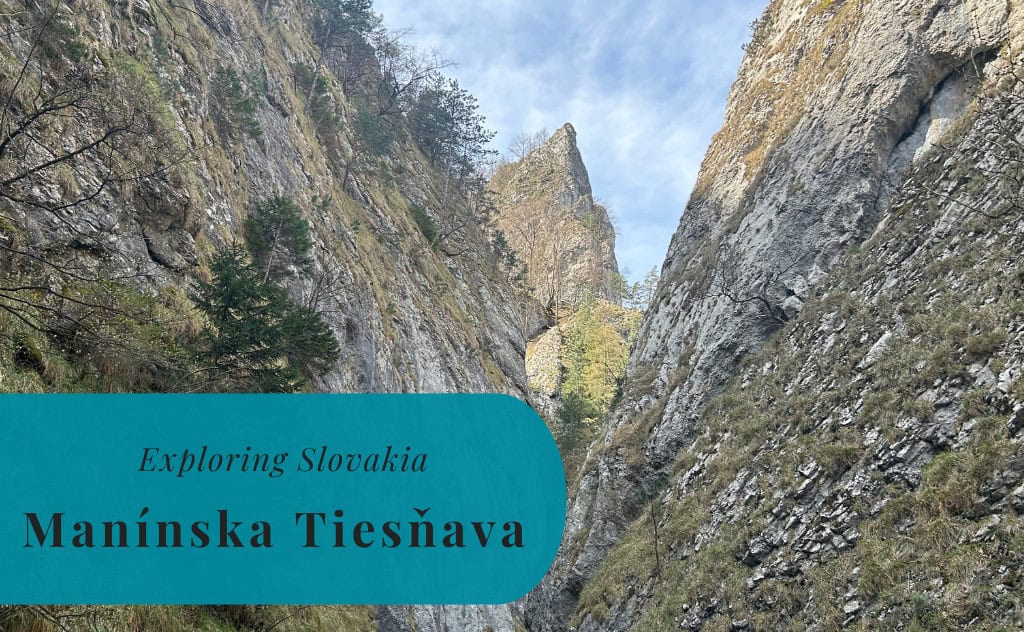
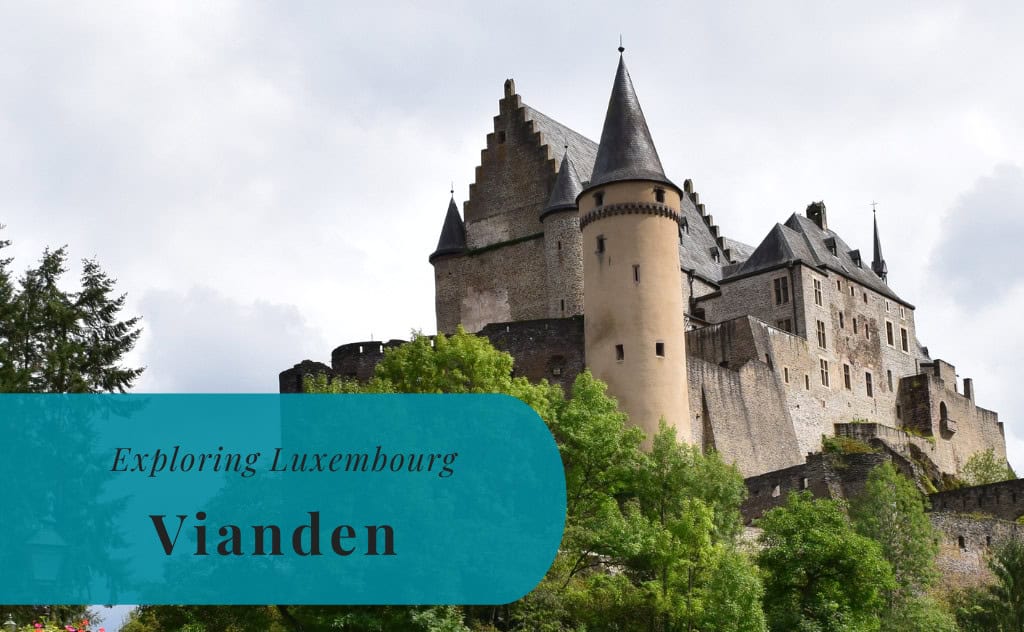
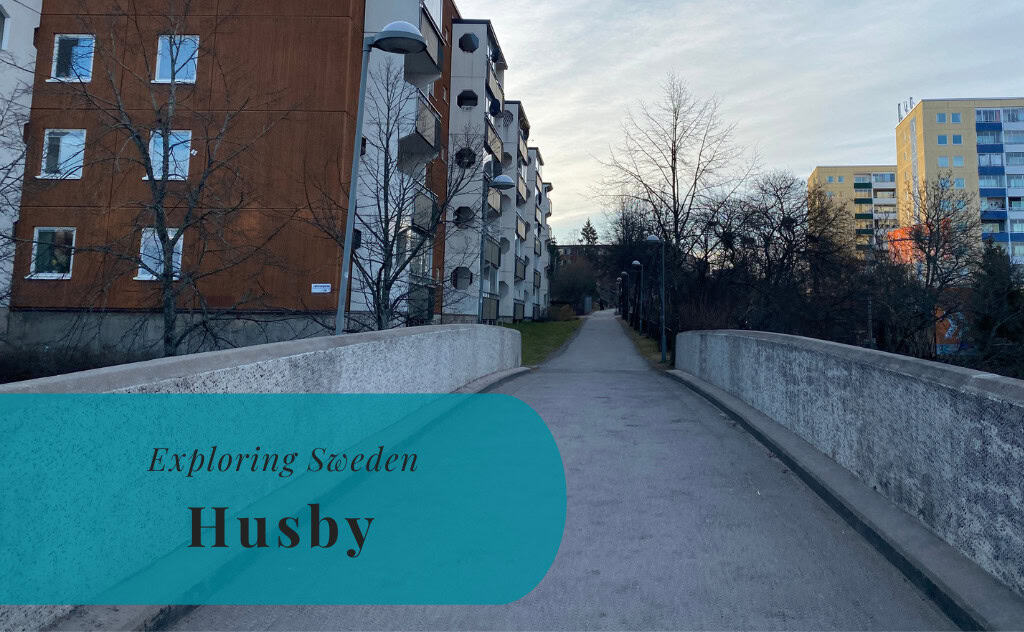


What a gorgeous introduction to Montevideo—where history, culture, and calm seaside charm coexist so effortlessly! From the Rambla’s mellow sunset walks to the communal ritual of sipping mate, and the vibrant sizzle of asado at Mercado del Puerto, you’ve painted the city as a place where everyday life feels poetic. The mix of architectural allure, family-friendly green spaces, and the fierce yet warm football love gives it such unique character. Absolutely loving this warmly vivid invitation—feels like stepping into the soul of Uruguay without even boarding a plane