Ribeira Brava, Madeira | Exploring Portugal
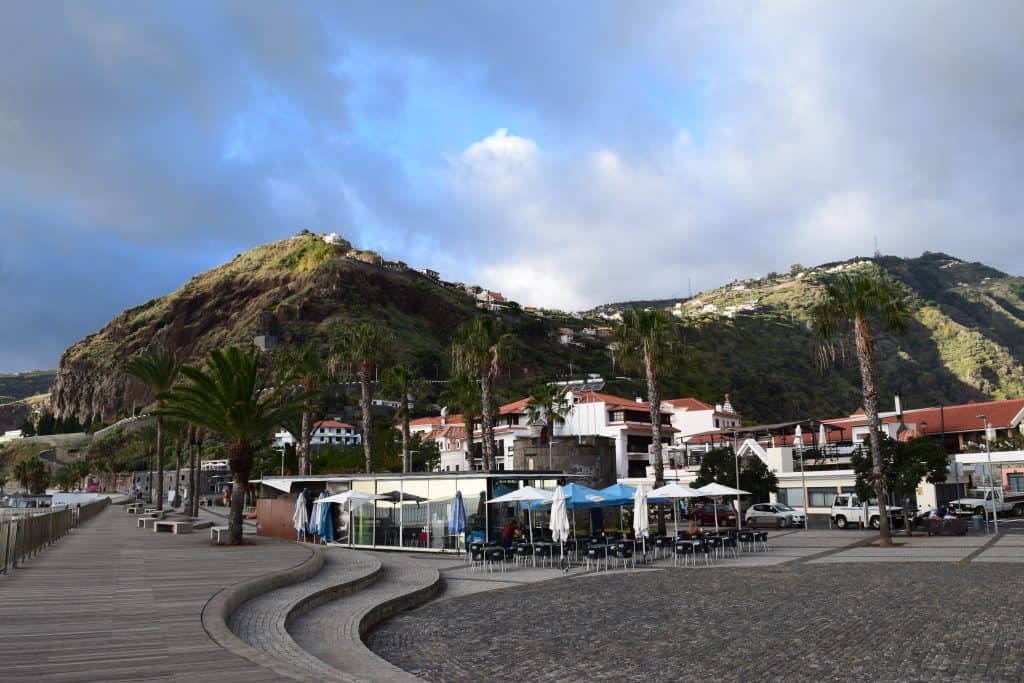
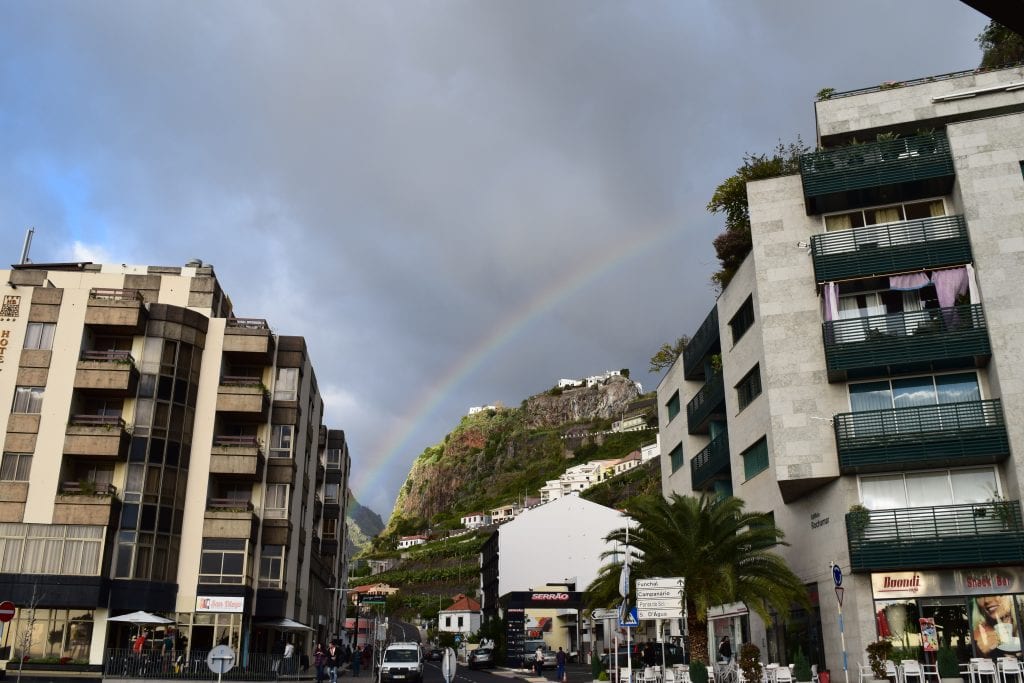
Ribeira Brava is a municipality and a town located on the southwestern coast of the island of Madeira, Portugal. With a population of around 13,000 in the entire municipality, the town of Ribeira Brava is nestled in a deep and narrow valley at the mouth of a river of the same name. The town serves as a small commercial and administrative center for the surrounding region. It is known for its picturesque setting, its historic church, and its beautiful waterfront promenade.
The identity of Ribeira Brava is defined by its river and its valley. The name “Ribeira Brava” means “Wild River” in Portuguese. This name was given to it by the early settlers due to the river’s powerful and often destructive flow during periods of heavy rain. For centuries, the town’s history was shaped by its struggle to control this wild river. Today, the river has been tamed, and Ribeira Brava is a charming and peaceful town. It offers a more authentic and traditional Madeiran experience compared to the larger tourist centers.
History of Ribeira Brava
The history of Ribeira Brava is a story of a small settlement that grew in a challenging but fertile river valley. The area was settled in the 15th century, during the early days of the Portuguese colonization of Madeira. Its development was shaped by its rich agriculture and its role as a small port for the export of local products. The town’s most significant historical feature has always been its powerful river, which has been both a source of life and a cause of destruction throughout its history.
Early Settlement and the Wild River
The settlement of Ribeira Brava began in the second quarter of the 15th century. The early settlers were attracted to the area by its fertile land and its abundant water supply. They began to cultivate the land, growing sugar cane and vines. The powerful Ribeira Brava river, which gives the town its name, was a major challenge for the early community. During periods of heavy rain, the river would often flood, causing great damage to the town. The struggle to build and maintain bridges and defenses against the river was a key part of the town’s early history.
A Center for Trade and Administration
Despite the challenges posed by the river, Ribeira Brava grew into an important local center. A small fort was built in the 17th century to defend the town’s harbor from pirate attacks. The town also became an important administrative and religious center for the surrounding region, and its main church was built in the 16th century. The town was a key point on the old road that connected the south coast with the north coast of the island, via the Encumeada pass. This made it an important center for trade and communication.
Sights in Ribeira Brava
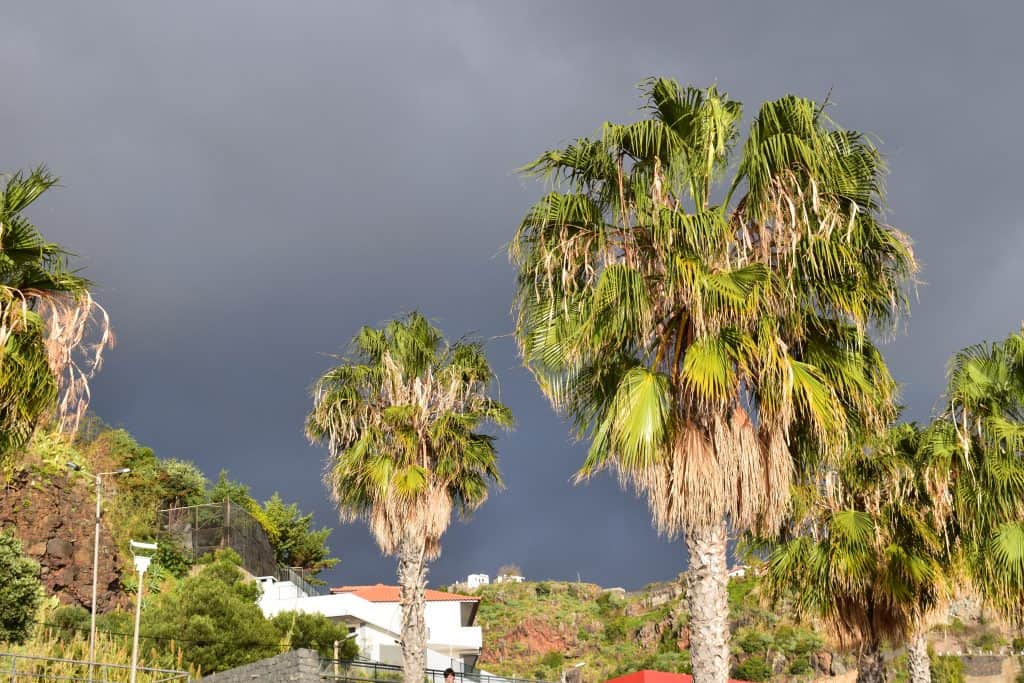
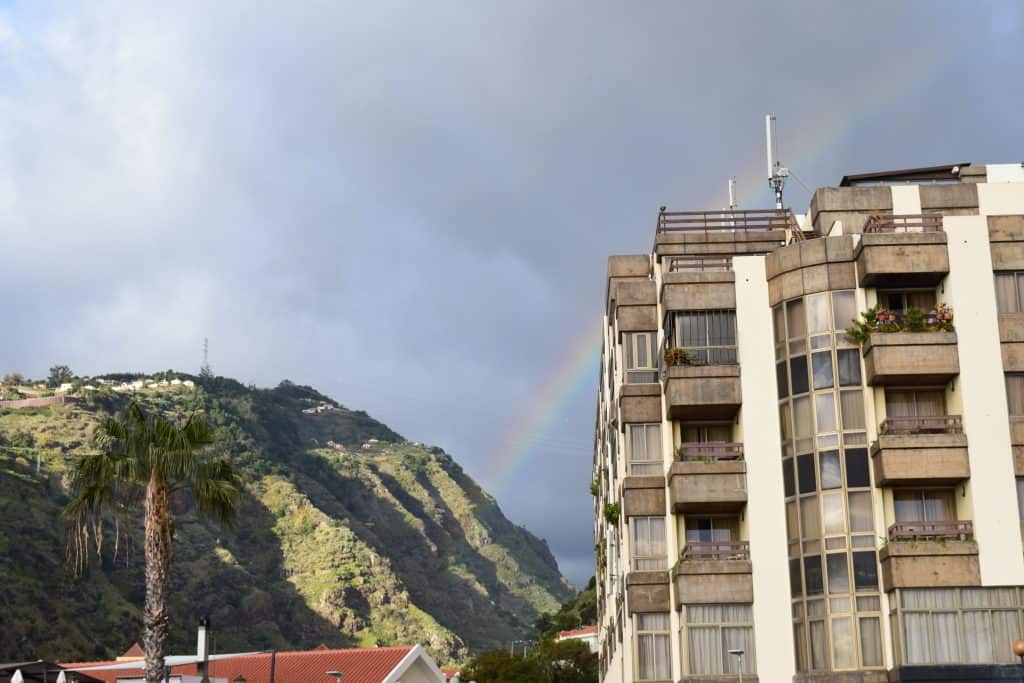
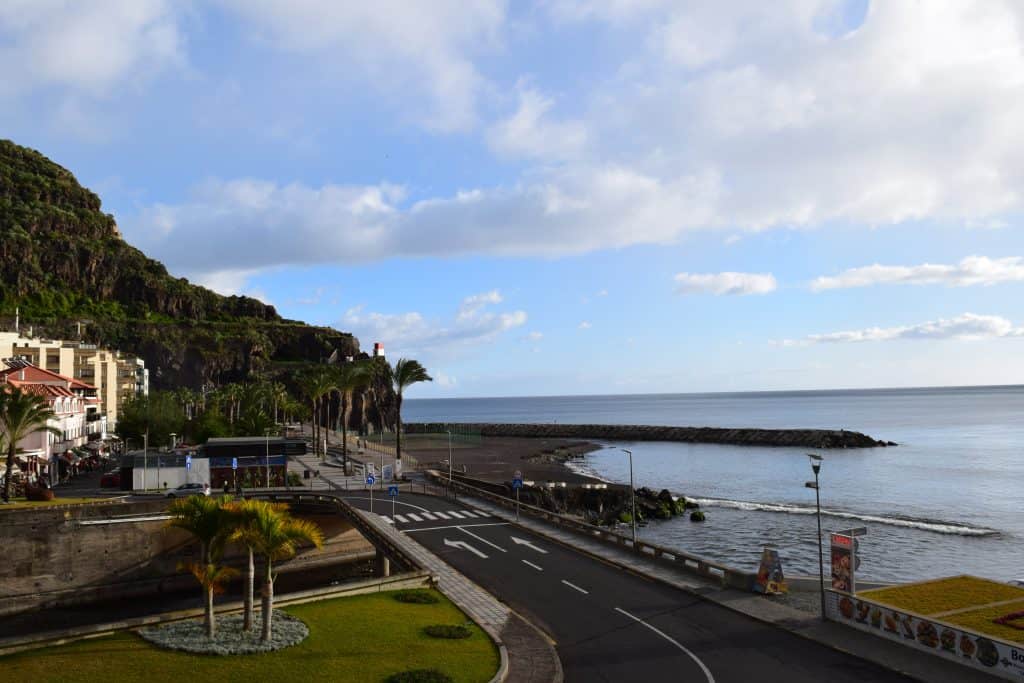
The sights in Ribeira Brava are centered around its charming historic core and its beautiful waterfront. The main attraction is the historic Church of São Bento, which is one of the most important on the island. The town’s small but lively covered market is another key sight. For those interested in the island’s cultural heritage, the Madeira Ethnographic Museum offers a fascinating look into the traditional way of life. A walk along the town’s beautiful seaside promenade is the best way to soak in the local atmosphere.
Church of São Bento
The Church of São Bento is the most important historical landmark in Ribeira Brava. The church was originally built in the 15th century, but the current structure dates from the 16th century. It is one of the best-preserved and most beautiful examples of Manueline and Baroque architecture on the island. The church is famous for its magnificent blue and white tiled panels (azulejos) and its beautiful, gilded woodwork. It also has a collection of valuable paintings from the Flemish school.
The Waterfront and Fort
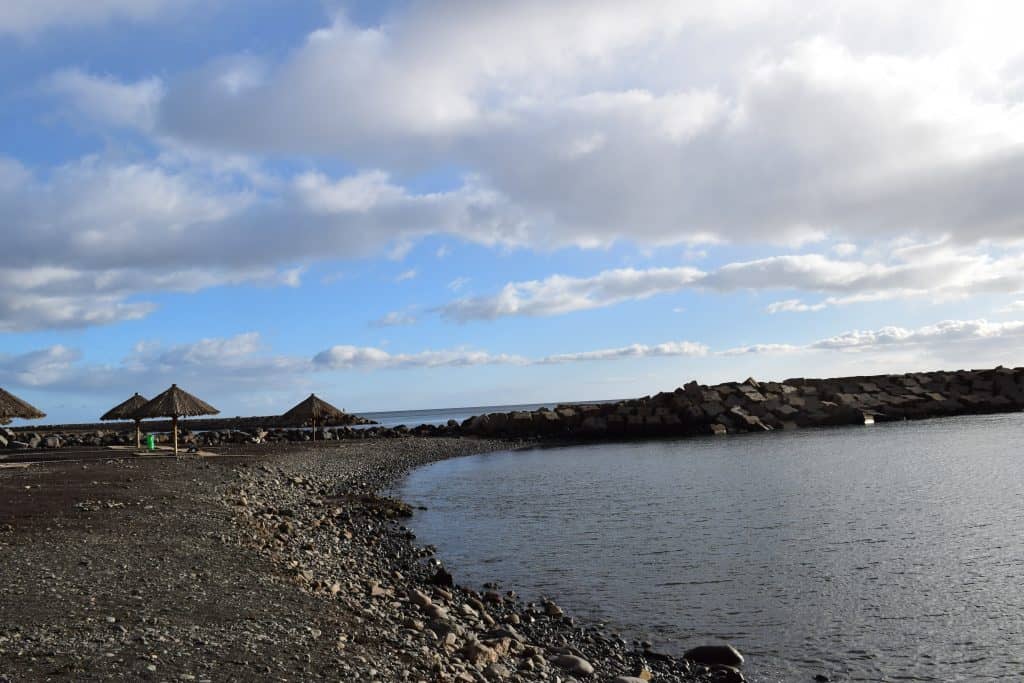
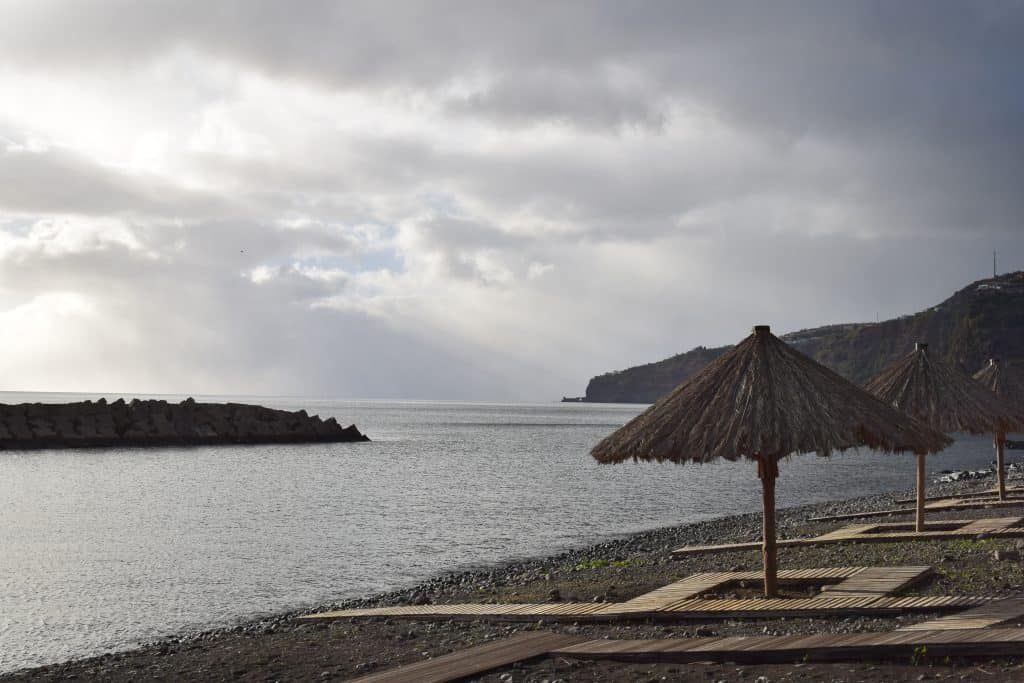
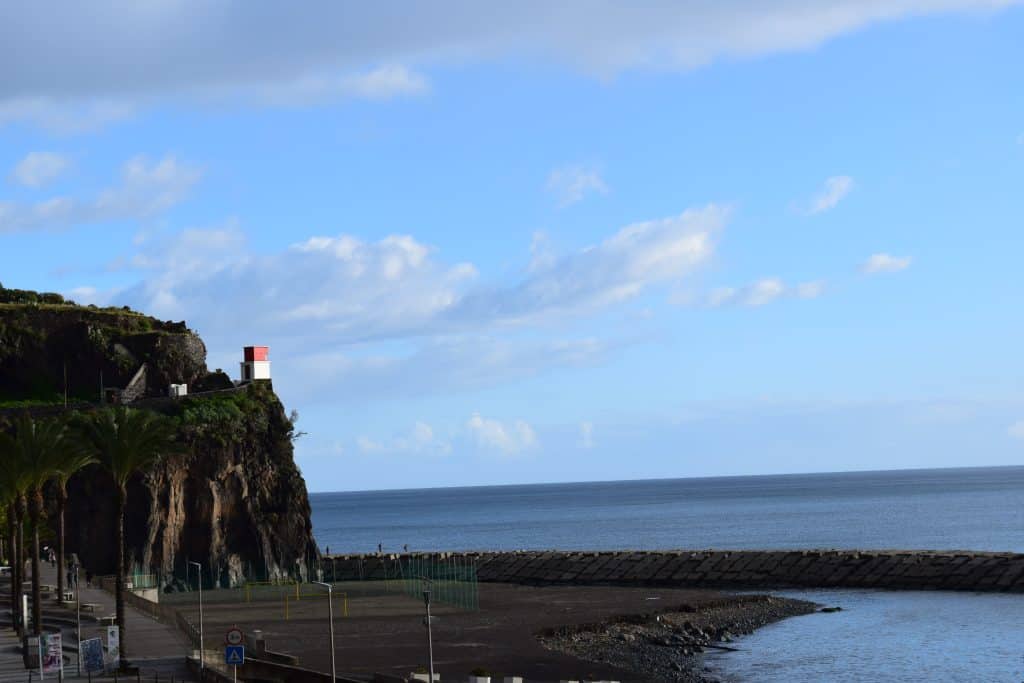
The waterfront promenade in Ribeira Brava is a beautiful and pleasant place for a walk. The promenade is lined with gardens and cafes, and it offers beautiful views of the sea and the surrounding cliffs. At the eastern end of the promenade is the small, historic Fort of São Bento. This small fortress was built in the 18th century to defend the town from pirate attacks. Today, the historic fort houses the town’s main tourist information office.
Madeira Ethnographic Museum
The Madeira Ethnographic Museum is located in the center of Ribeira Brava, and it is housed in a historic building that was once a sugar cane alcohol distillery. The museum is dedicated to the research, preservation, and promotion of the traditional culture of the island of Madeira. Its extensive collections cover a wide range of themes, including the main economic activities of the island, such as fishing, wine production, and agriculture. The museum provides a fascinating and comprehensive look into the rich cultural heritage of the Madeiran people.


Traveling with Kids
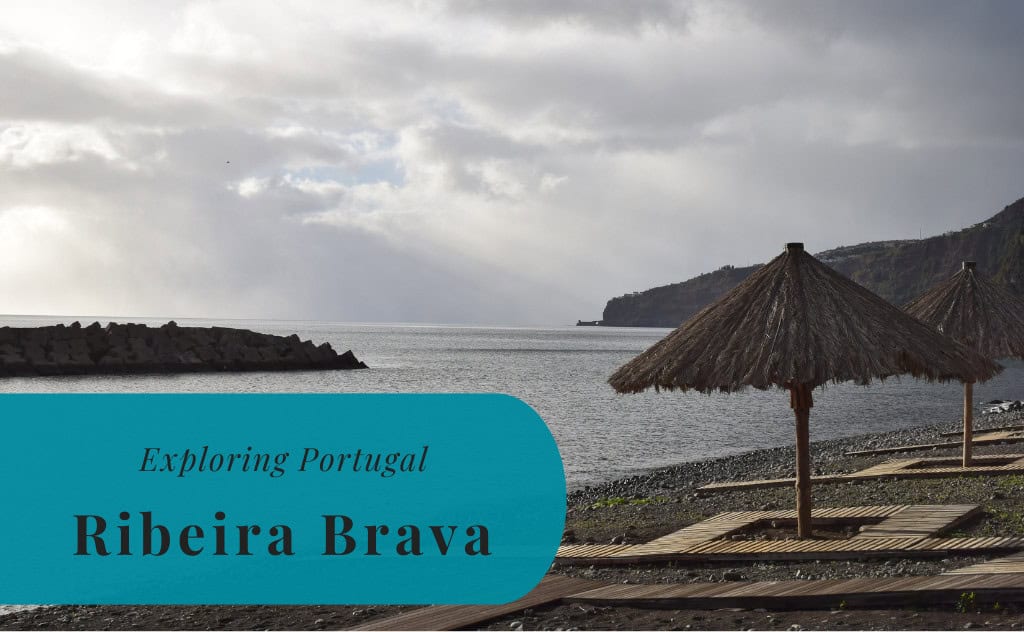
Ribeira Brava is a pleasant and family-friendly town. The town has a relaxed and authentic atmosphere, which can be a nice change from the more crowded tourist resorts. The main attraction for families is often the beautiful waterfront, with its pebble beach and its safe swimming area. The town also has a modern public swimming pool complex located right on the seafront.
The town’s central location on the south coast also makes it an excellent base for exploring the many other family-friendly attractions on the island. The magnificent cliffs of Cabo Girão are just a short drive away, and the capital city of Funchal is also very close by. This combination of a charming local town and easy access to major attractions makes Ribeira Brava a well-rounded and convenient destination for a family holiday.


How to Get to Ribeira Brava?
Ribeira Brava is located on the southwestern coast of the island of Madeira. The town is situated on the main road that connects the capital city of Funchal with the western part of the island. The main gateway for all international visitors is Cristiano Ronaldo Madeira International Airport (FNC). From the airport and from Funchal, the journey to Ribeira Brava is a short and easy drive along the main motorway.
Driving into the Town
Driving to Ribeira Brava is very straightforward. From the capital city of Funchal, you take the main VR1 motorway west in the direction of Ribeira Brava. The journey is very quick, taking only about 20-25 minutes. The motorway passes through a series of tunnels under the mountains, which is an experience in itself.
Arriving by Air
The main airport on the island is Cristiano Ronaldo Madeira International Airport (FNC). The airport is located on the eastern side of the island. From the airport, the easiest way to reach Ribeira Brava is to rent a car. The drive from the airport to the town takes approximately 30-35 minutes along the main VR1 motorway.
Connecting by Bus
The public bus system on Madeira is very efficient. The company Rodoeste operates the bus services on the western part of the island. There are very frequent and regular bus services from the capital city of Funchal to the town of Ribeira Brava. The bus is a very convenient and affordable option for reaching the town.
Driving Distances
The driving distance from 20 regional places, according to Google Maps:
- Ponta do Sol, Madeira – 5 kilometers (0 h 10 min)
- Câmara de Lobos, Madeira – 10 kilometers (0 h 15 min)
- Cabo Girão, Madeira – 10 kilometers (0 h 15 min)
- Calheta, Madeira – 15 kilometers (0 h 20 min)
- São Vicente, Madeira – 15 kilometers (0 h 20 min)
- Funchal, Madeira – 18 kilometers (0 h 25 min)
- Jardim do Mar, Madeira – 20 kilometers (0 h 25 min)
- Paul do Mar, Madeira – 23 kilometers (0 h 30 min)
- Boaventura, Madeira – 25 kilometers (0 h 30 min)
- Garajau, Madeira – 25 kilometers (0 h 30 min)
- Caniço, Madeira – 25 kilometers (0 h 30 min)
- Curral das Freiras, Madeira – 25 kilometers (0 h 40 min)
- Seixal, Madeira – 30 kilometers (0 h 40 min)
- Santa Cruz, Madeira – 33 kilometers (0 h 35 min)
- Madeira Airport (FNC) – 35 kilometers (0 h 35 min)
- Porto Moniz, Madeira – 35 kilometers (0 h 50 min)
- Ponta do Pargo, Madeira – 40 kilometers (0 h 50 min)
- Machico, Madeira – 42 kilometers (0 h 45 min)
- Santana, Madeira – 45 kilometers (0 h 50 min)
- Faial, Madeira – 45 kilometers (0 h 50 min)
Looking to Explore more of Portugal and Europe?