
Tbilisi | Exploring Georgia
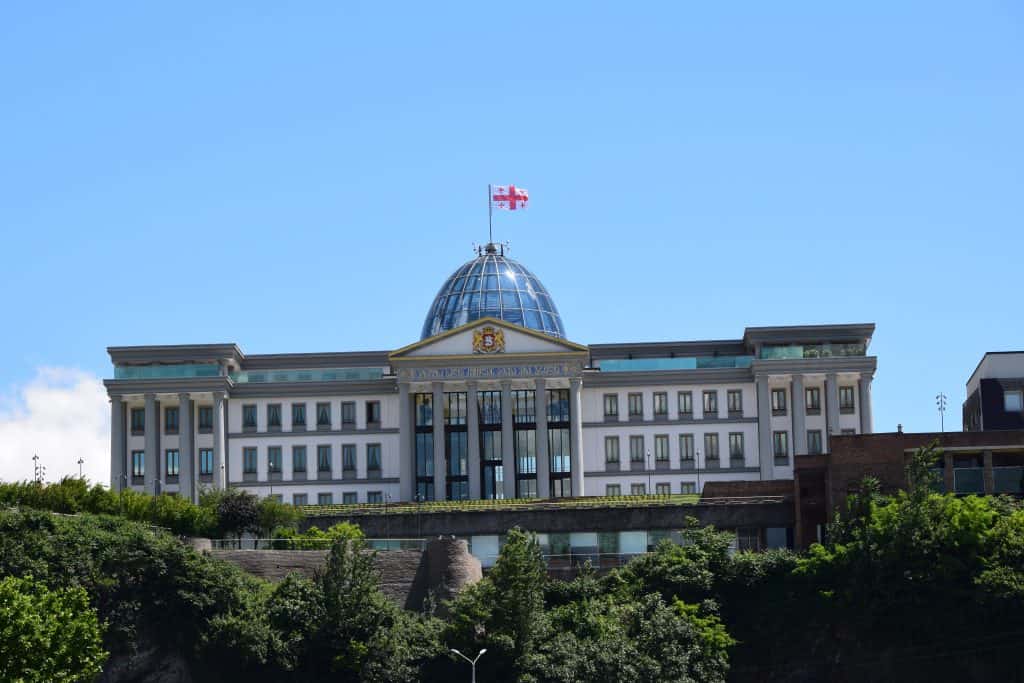
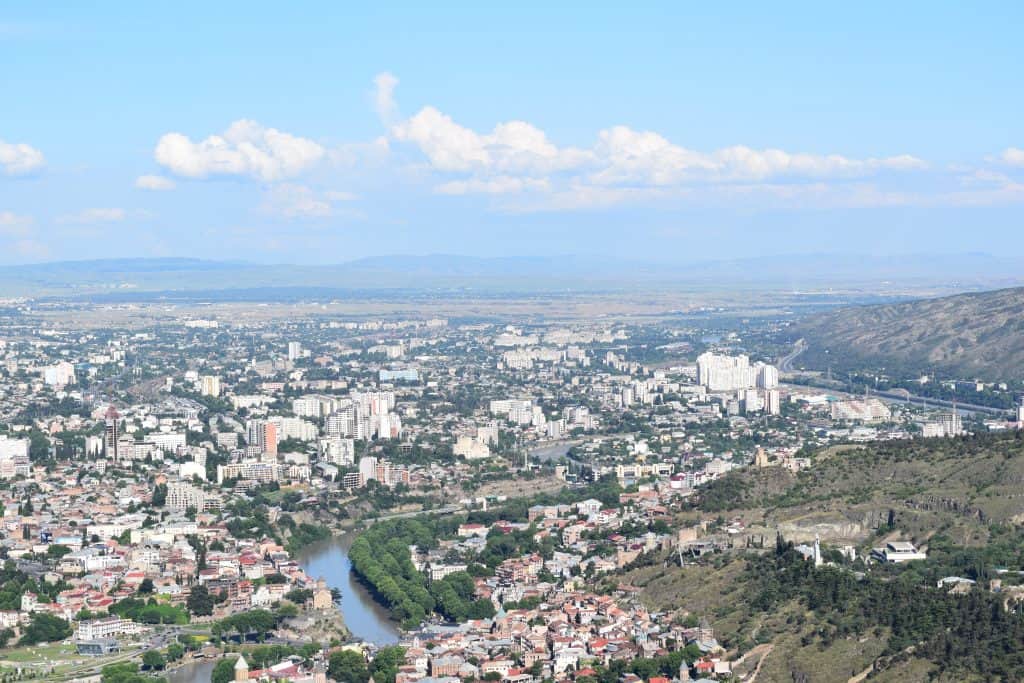
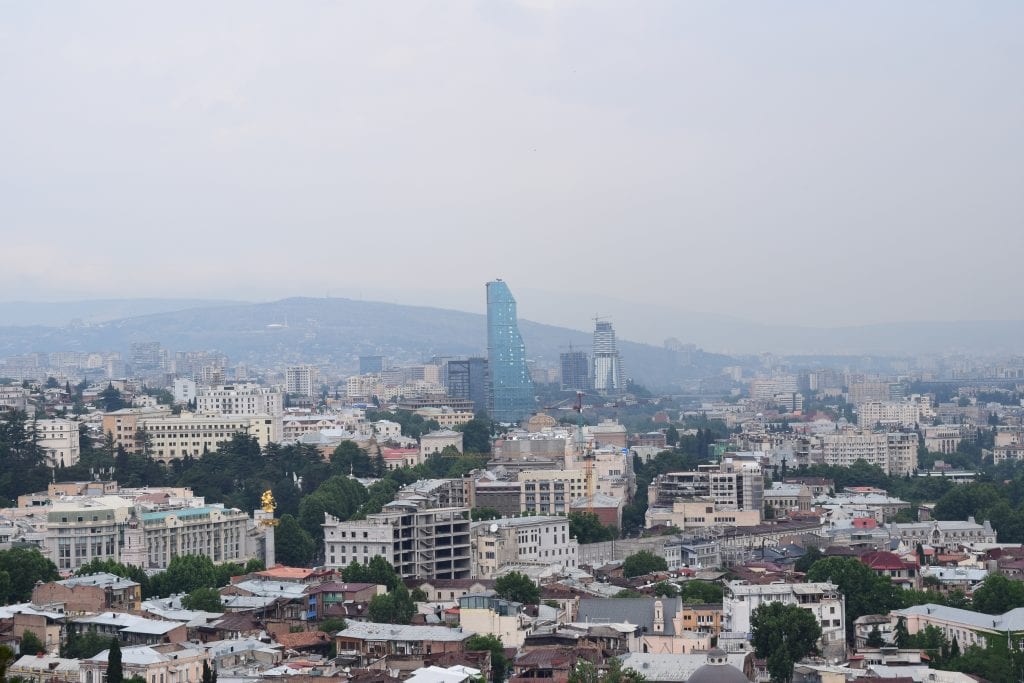
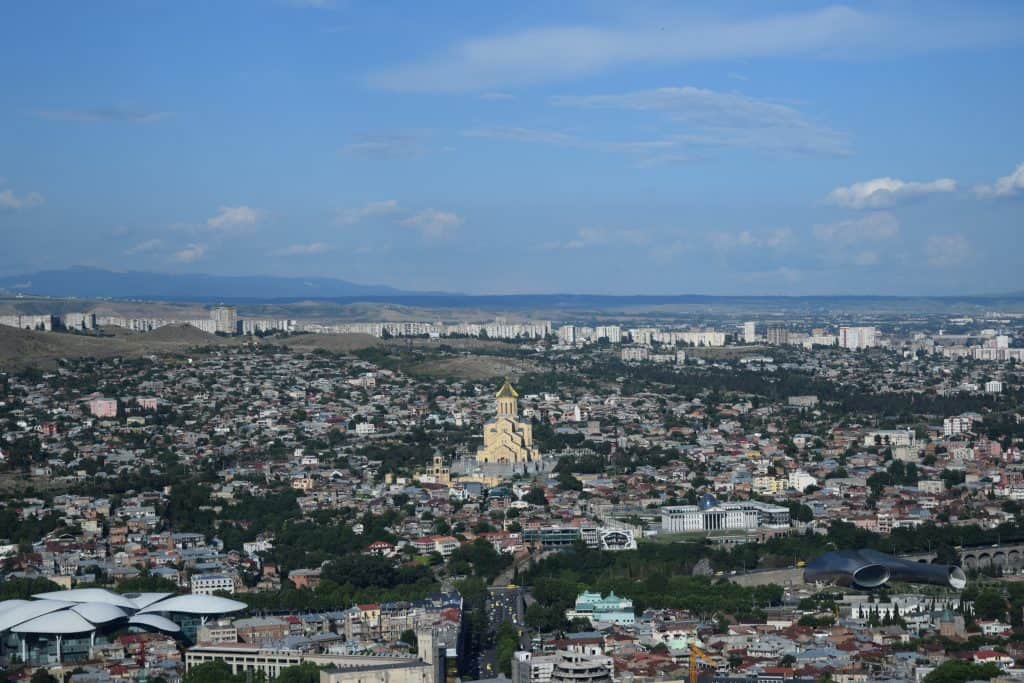
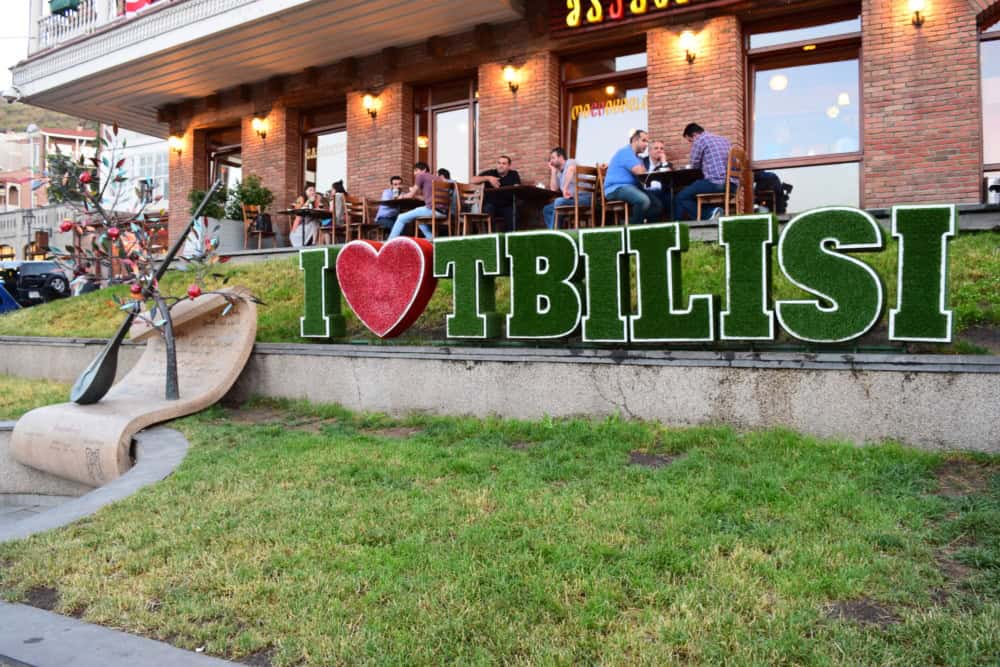
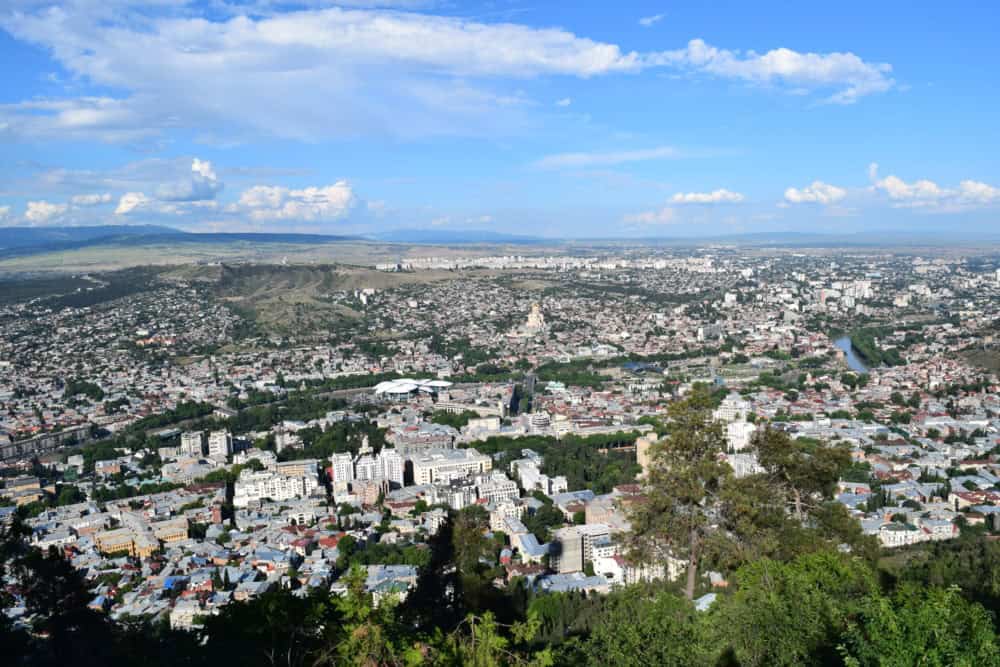
Tbilisi is the capital and largest city of Georgia, and it is a metropolis nestled in the valley of the Mtkvari River. Known in some languages by its pre-1936 name, Tiflis, the city is home to approximately 1.3 million inhabitants. Its geography is dramatic, for it is built on terraces that rise from the riverbanks, and it is surrounded by hills on three sides. This unique setting has created a city of diverse districts. These range from the ancient, maze-like streets of the Old Town to the grand 19th-century avenues and modern architectural landmarks that define its skyline.
The city’s identity is a rich tapestry woven from centuries of history, for it has long stood at the crossroads of Europe and Asia. According to legend, it was founded in the 5th century by King Vakhtang I of Iberia. He was drawn to the area by its natural hot springs, and this legacy is still central to the city’s character. The historic sulphur bath district of Abanotubani remains a major attraction. Its location on the ancient Silk Road also made it a melting pot of cultures, and this is reflected in the diverse architecture and the multi-ethnic history of its Old Town.
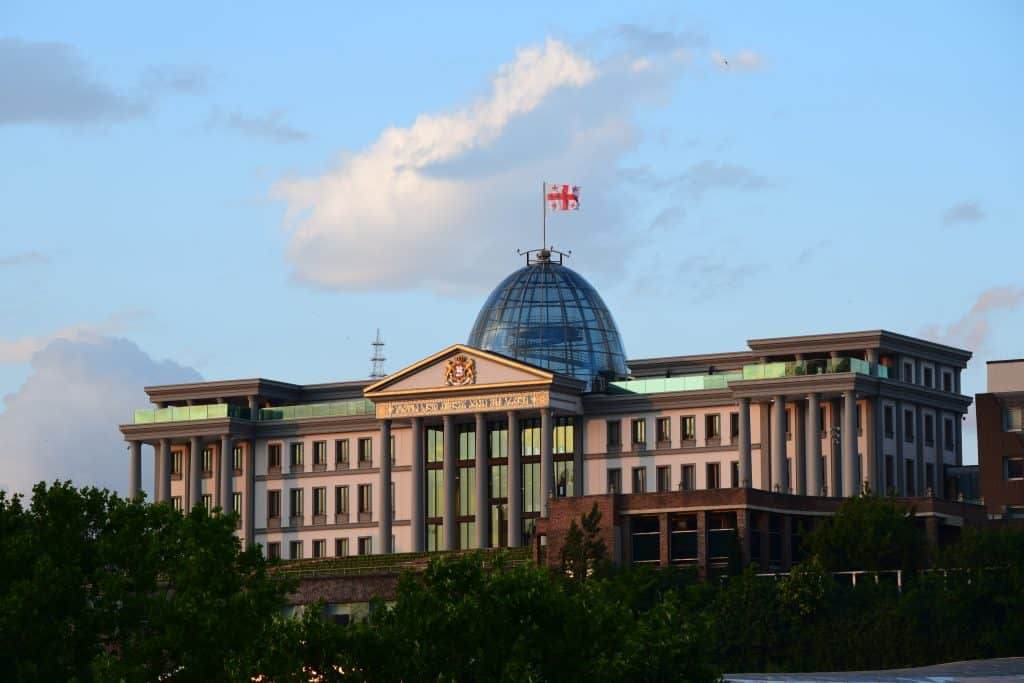
Today, Tbilisi is the undisputed political, economic, and cultural heart of Georgia. It is a major business and financial hub in the Caucasus region, and it is home to numerous international companies. The city’s cultural landscape is equally rich, with world-class museums, historic theaters, and a lively arts scene. It is also an important educational center with several major universities. The city successfully blends its ancient past with a dynamic, forward-looking energy, and it is a key destination for visitors to the region.

Good to Know When Visiting Tbilisi
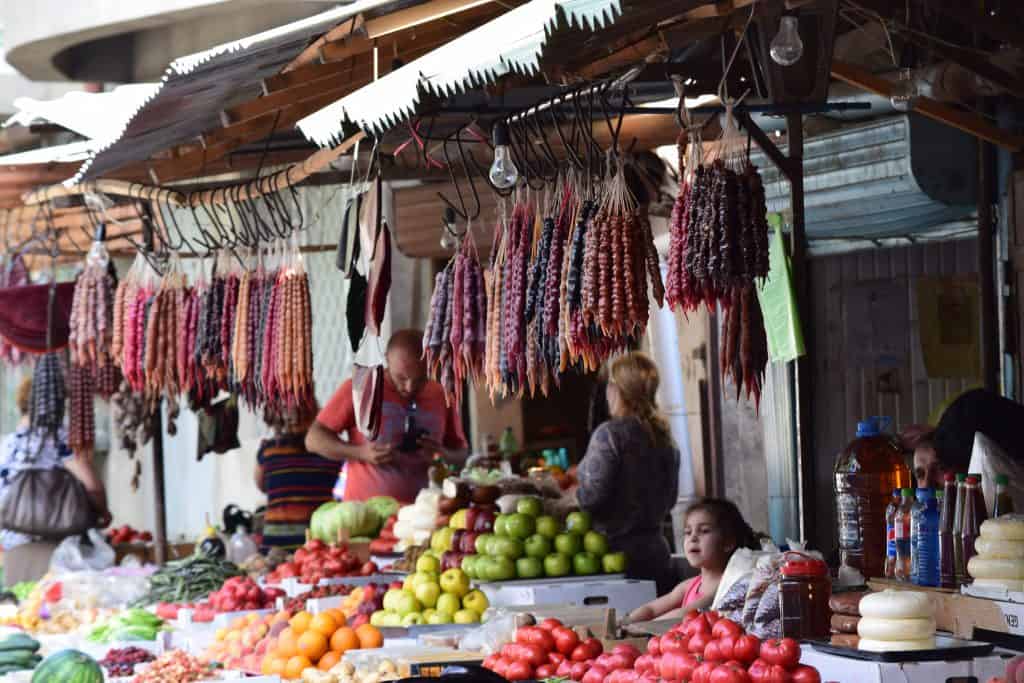
To fully appreciate a visit to Tbilisi, it is useful to understand some of the unique cultural and practical aspects that define the city. The city’s social life is deeply connected to its famous sulphur baths, a tradition that dates back to its very founding. Another key element of Tbilisi’s identity is its profound connection to wine, as Georgia is one of the oldest wine-producing regions in the world. Finally, understanding the city’s unique local transport system, particularly the marshrutkas, is key to navigating the city like a local.
The Sulphur Bath Tradition (Abanotubani)
The historic district of Abanotubani is the heart of Tbilisi’s famous sulphur bath tradition. These bathhouses, with their distinctive brick domes, are built over natural hot springs that are rich in sulphur and other minerals. This is the very reason for the city’s existence, as the name “Tbilisi” is derived from the Old Georgian word for “warm.” A visit to one of these bathhouses is an essential local experience. Visitors can choose between private rooms or public baths. The traditional experience often includes an intense exfoliating scrub, known as a “kisi,” which is performed by a professional masseur.
A City Built on Wine
Georgia is widely considered to be the birthplace of wine, with a history of viticulture that stretches back over 8,000 years. This ancient wine culture is very much alive in Tbilisi. The city is filled with a vast array of wine bars, shops, and cellars where you can sample the unique local wines. A key feature of Georgian winemaking is the use of large, subterranean clay vessels called qvevri for fermenting and aging the wine. This traditional method has been recognized by UNESCO as a part of the Intangible Cultural Heritage of Humanity. A tasting of Georgian wines, especially the famous amber wines, is a must for any visitor.
Navigating with Marshrutkas
While Tbilisi has a modern metro and bus system, a key part of the local transport experience is the marshrutka. These are privately owned minivans that operate on fixed routes throughout the city and the entire country. They do not have official, marked stops; instead, you can hail one on the street, and you tell the driver when you want to get off. The routes are typically displayed on a sign in the front window. Riding a marshrutka can be a chaotic but very authentic and affordable way to get around, offering a direct glimpse into the daily life of the city’s residents.

History of Tbilisi
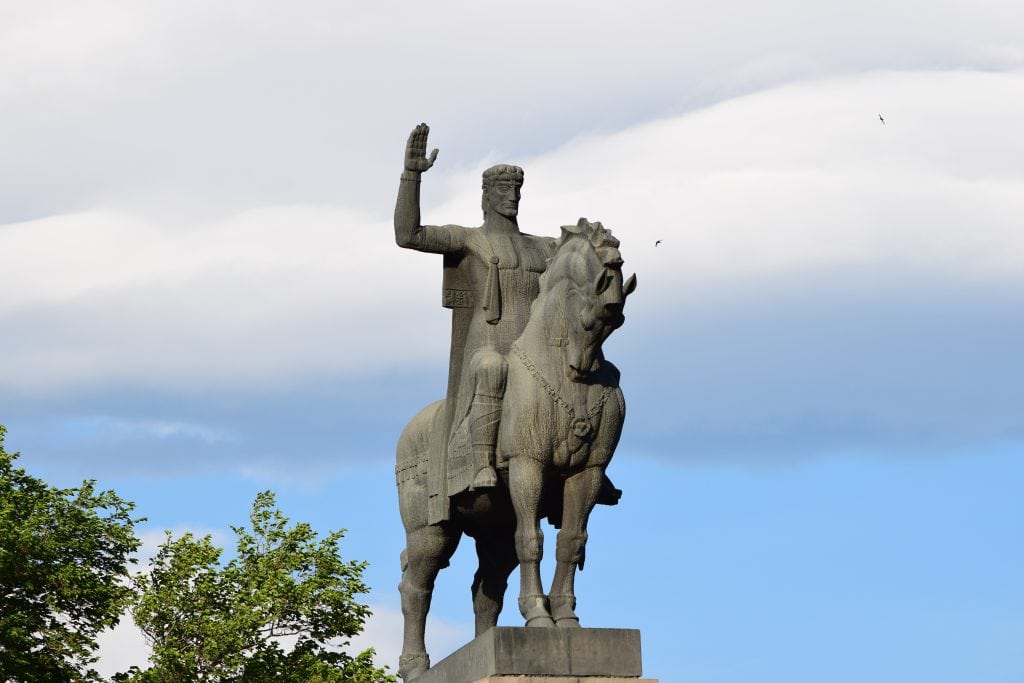
The history of Tbilisi is a long and dramatic story, for the city has been a capital for over 1,500 years. Its strategic location on the ancient Silk Road made it a coveted prize for numerous empires. Consequently, it has been destroyed and rebuilt over 20 times throughout its history. Founded in the 5th century, it served as the capital of various Georgian kingdoms. It was later conquered by Persians, Arabs, and Seljuk Turks. A golden age was ushered in by King David the Builder, but this was followed by devastating invasions. The city later fell under Persian and Ottoman domination, and it was eventually annexed by the Russian Empire in the 19th century.
The Founding and Early History
According to legend, the city of Tbilisi was founded in the mid-5th century by King Vakhtang I of Iberia. The king was said to have been hunting in the area, and his falcon fell into a natural hot spring and was boiled. The king was so impressed by the hot springs, so he ordered a city to be built on the site. The name “Tbilisi” is derived from the Old Georgian word “tbili,” which means “warm.” The city became the new capital of the Kingdom of Iberia. Its location on the Silk Road quickly made it an important center for regional trade and craftsmanship. This foundation myth is still a central part of the city’s identity.
The city’s strategic location also made it a target for invaders. In the 7th century, the city was conquered by Arabs, and they established an emirate that would last for several centuries. During this period, Tbilisi became a major center of Islamic influence in the Caucasus. However, it remained a multicultural city, for large communities of Christians and other groups continued to live there. The city’s economy thrived under Arab rule due to its position on key trade routes. The city’s famous sulphur baths also continued to be a central feature of urban life.
The Golden Age and Foreign Invasions
In 1122, the great Georgian King David IV, known as “the Builder,” captured Tbilisi after a major battle. This victory liberated the city from centuries of foreign rule. He then made Tbilisi the capital of a unified and powerful Kingdom of Georgia. This momentous event initiated the city’s golden age. It was a period of great prosperity, learning, and cultural flourishing. The king was known for his tolerance, so he invited people of all religions to live and trade in the city. The city grew rapidly, and it became one of the most important in the entire region.
This era of strength and independence was brought to an end by devastating foreign invasions. The Mongols sacked the city in the 13th century, and this marked the beginning of a long period of decline. Later, in the 14th century, the armies of Timur (Tamerlane) invaded and destroyed the city on several occasions. For the next few centuries, a weakened Georgia was caught between two powerful empires. The Persians and the Ottomans frequently fought for control over the region, and Tbilisi was conquered and destroyed by both sides multiple times.
Russian Rule and Modern Independence
In the early 19th century, the Russian Empire annexed eastern Georgia, and this began a new chapter in the city’s history. Tbilisi, then known by its Russian name Tiflis, became the administrative center of the Russian Caucasus. The city underwent a major transformation during this period. Grand, European-style avenues and buildings were constructed, and the city became a major cultural and political hub for the entire region. This period also saw the development of new industries, and the city’s population grew significantly.
After the Russian Revolution, Georgia declared its independence in 1918, and Tbilisi was its capital. This independence was short-lived, for the Soviet Red Army invaded and annexed the country in 1921. For the next 70 years, Tbilisi was the capital of the Georgian Soviet Socialist Republic. Following the collapse of the Soviet Union, Georgia regained its independence in 1991. Tbilisi has since been the capital of a modern, sovereign nation, and it has undergone a significant transformation. The city has rebuilt from civil war and economic hardship, and it now features many new, modern architectural landmarks alongside its historic treasures.




Sights in Tbilisi
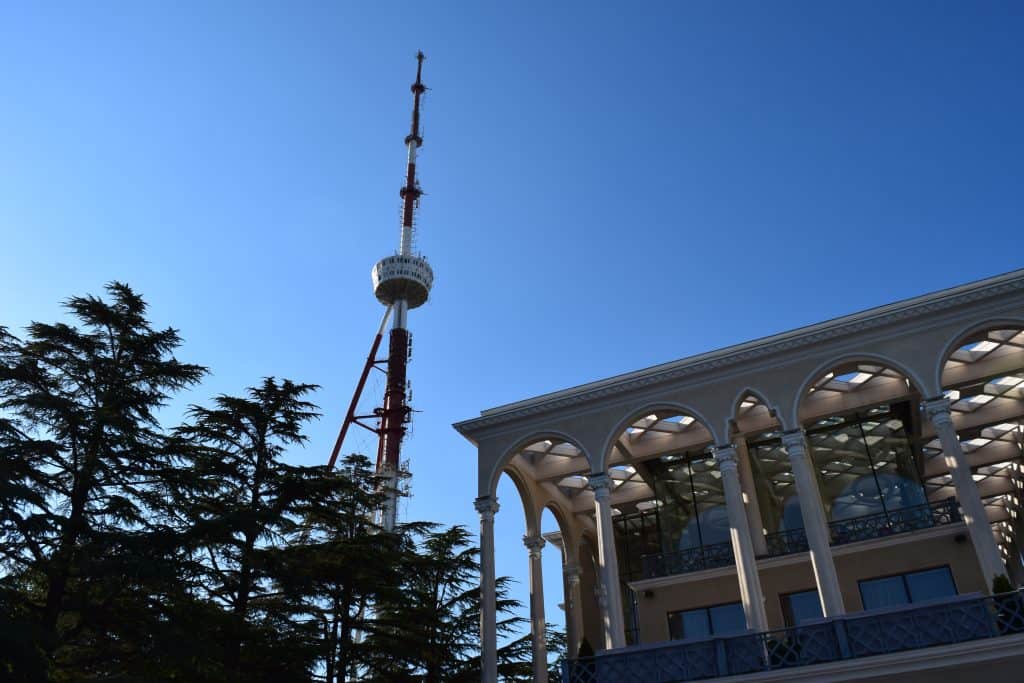
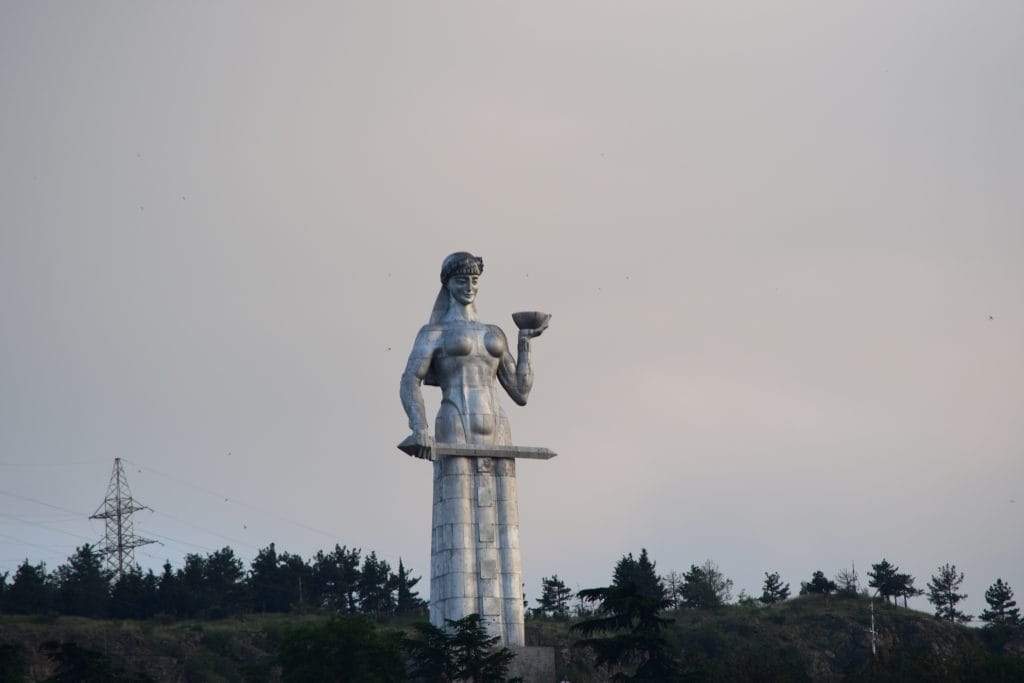
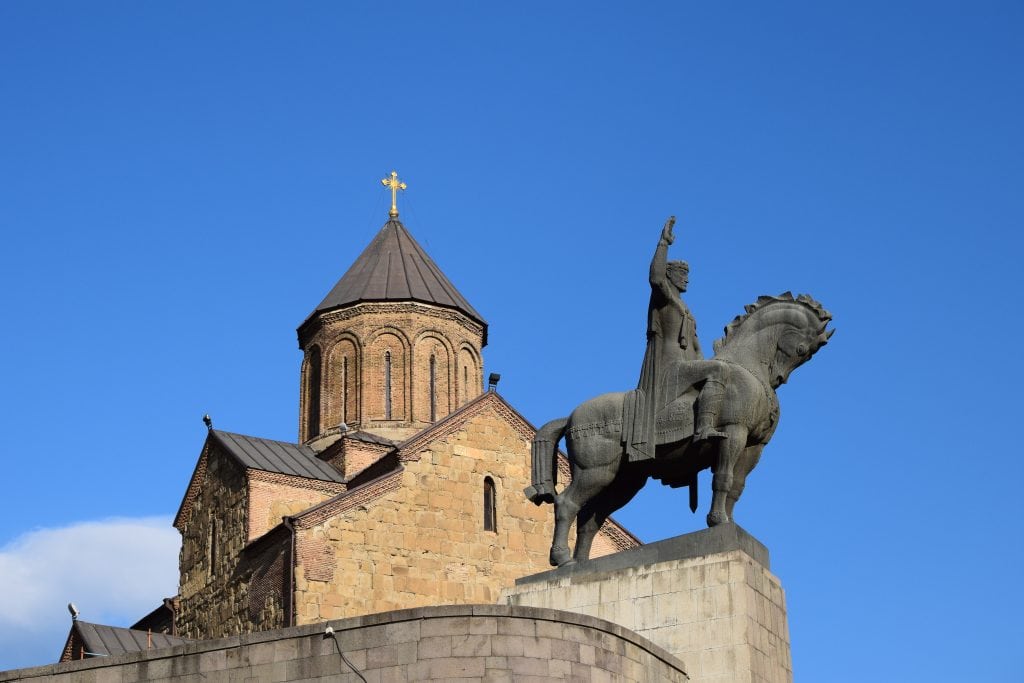
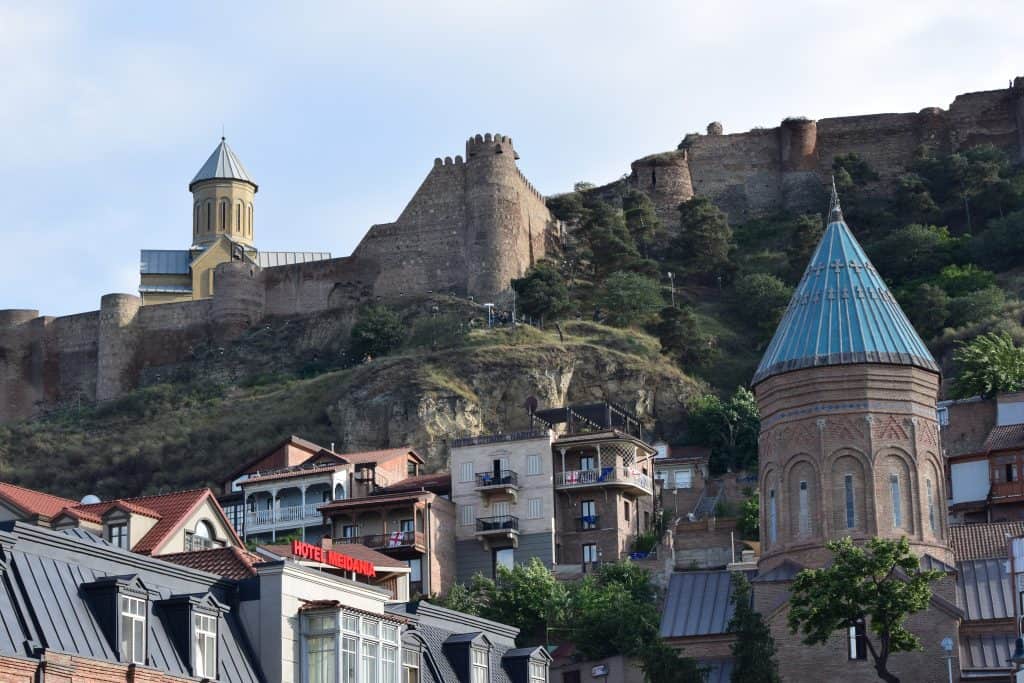
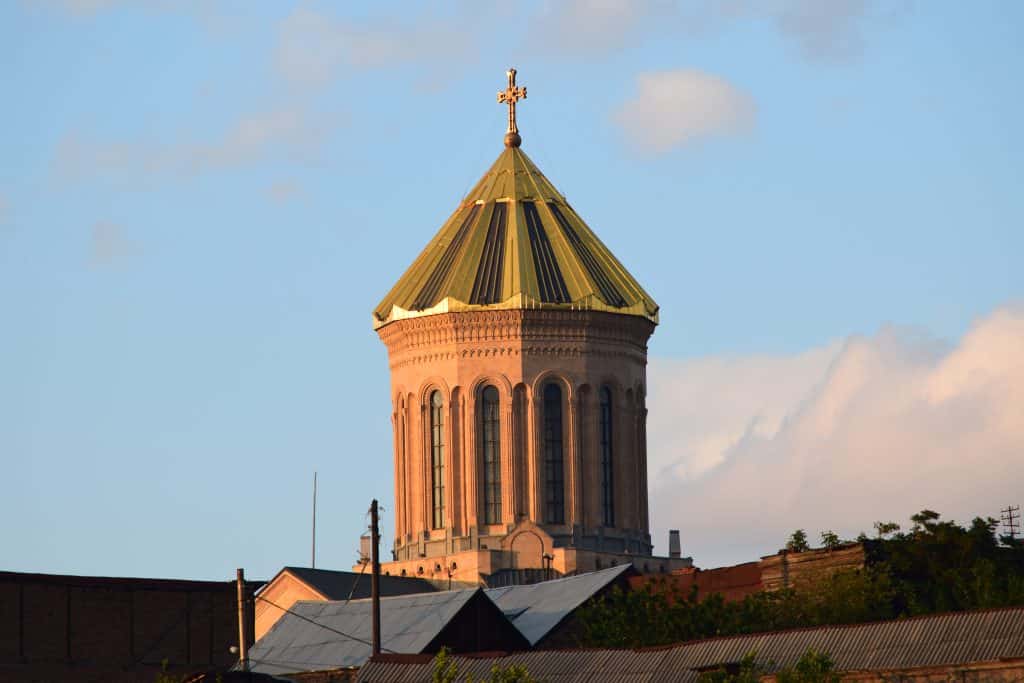
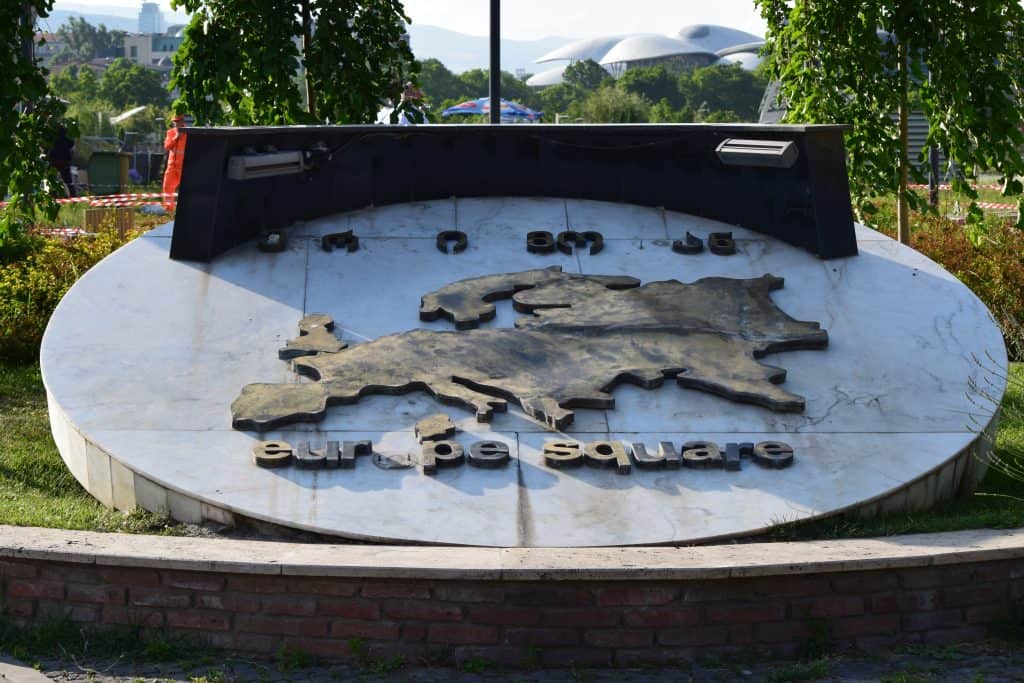
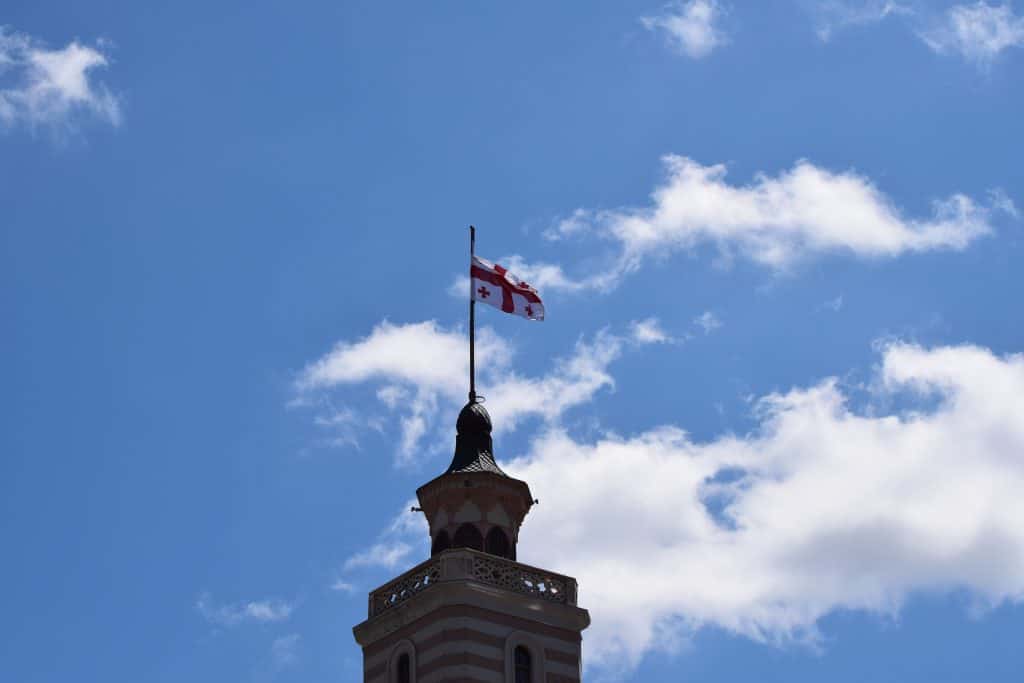
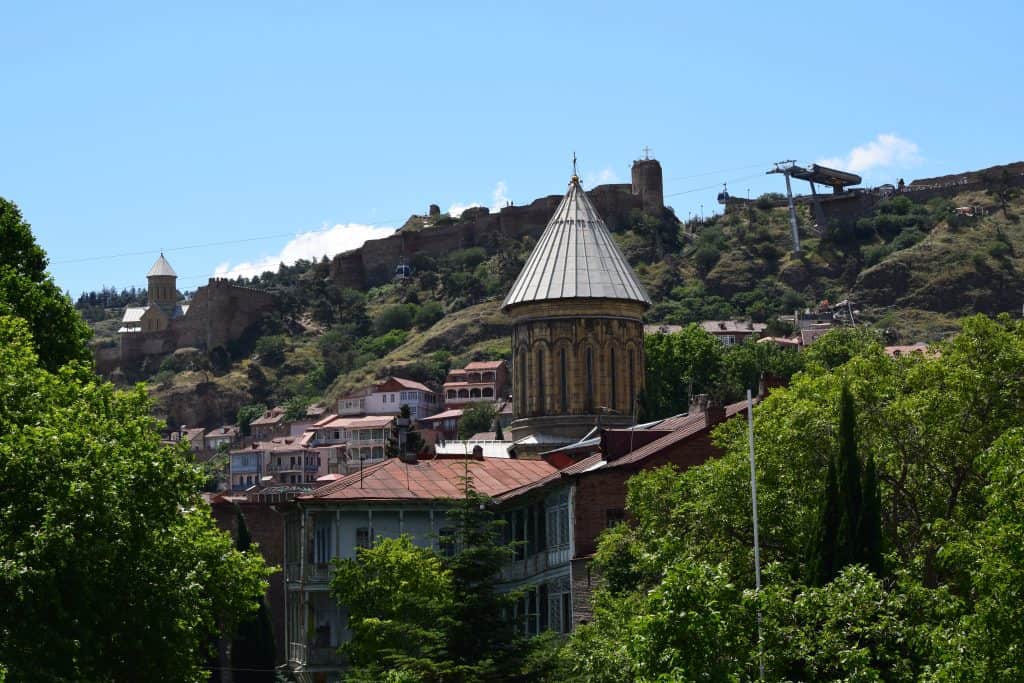
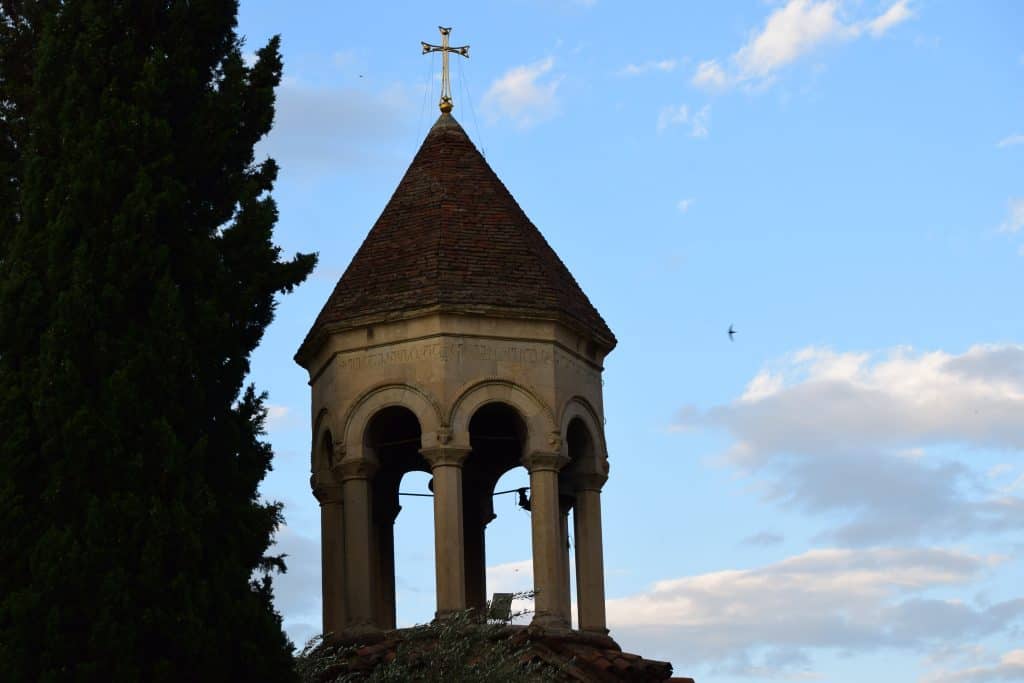
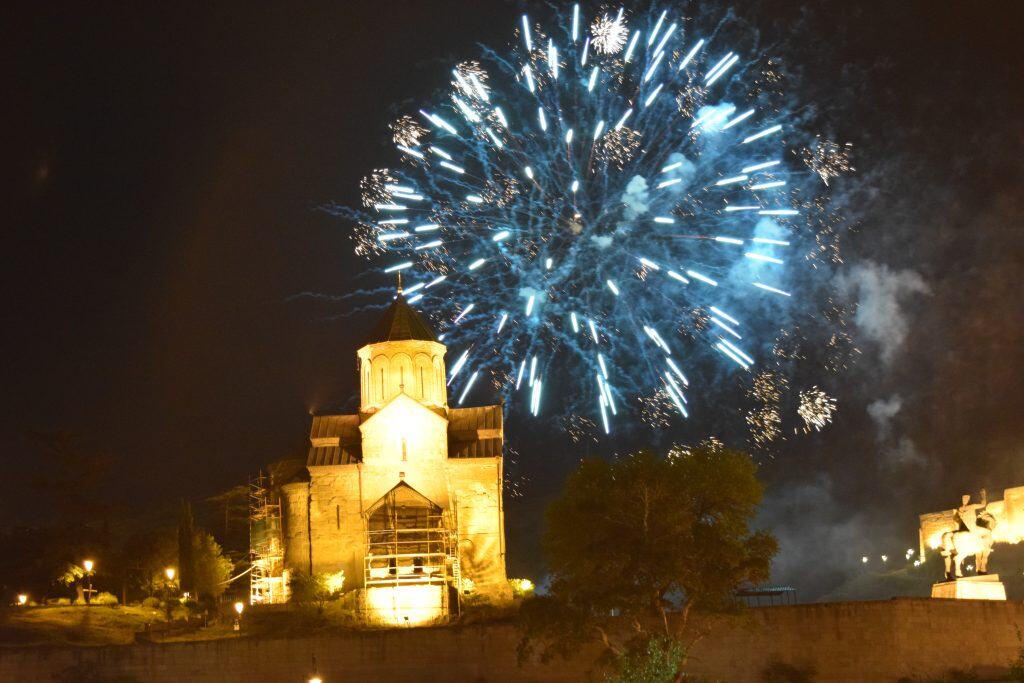
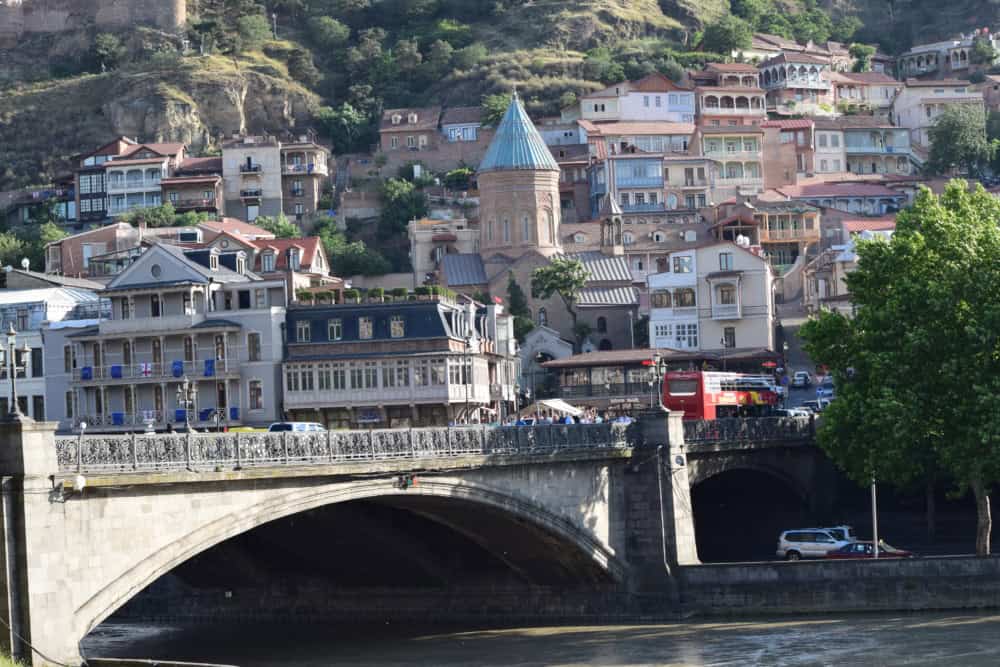
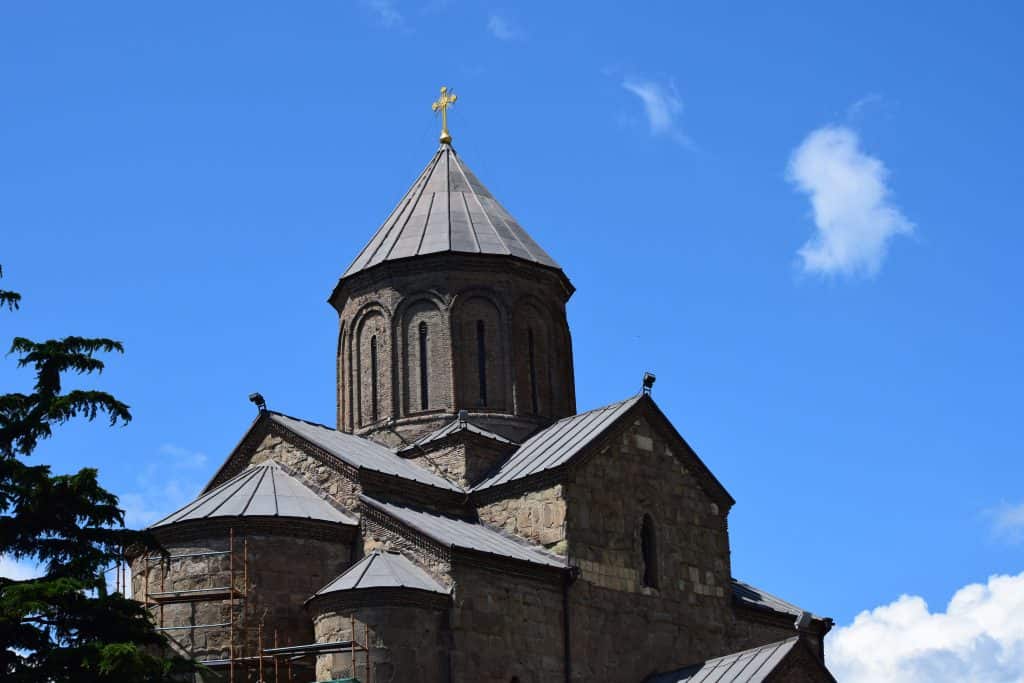
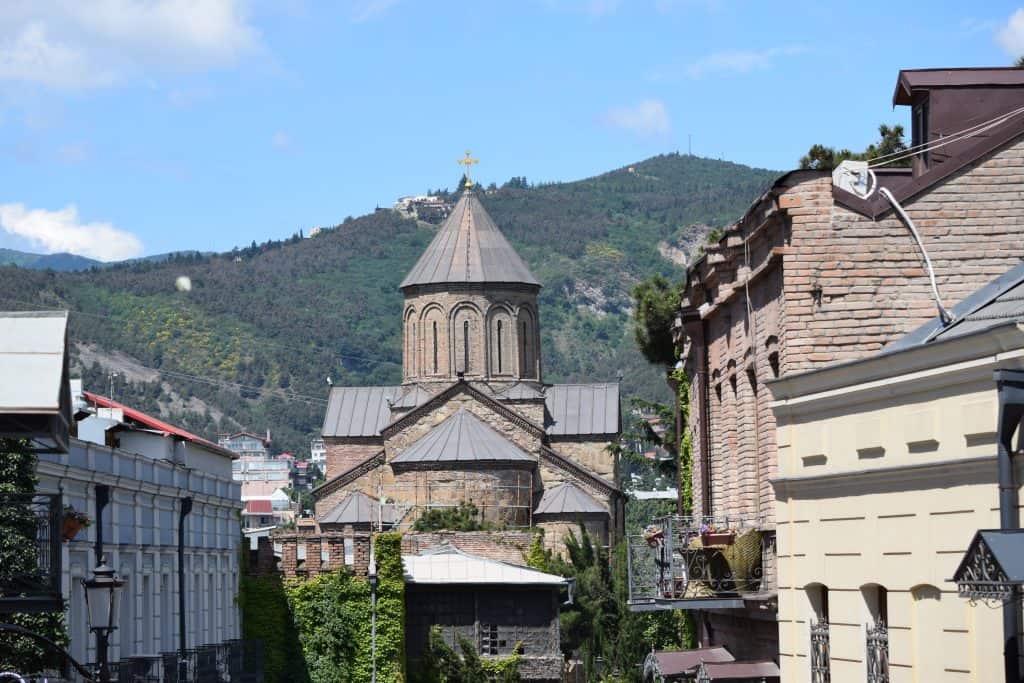
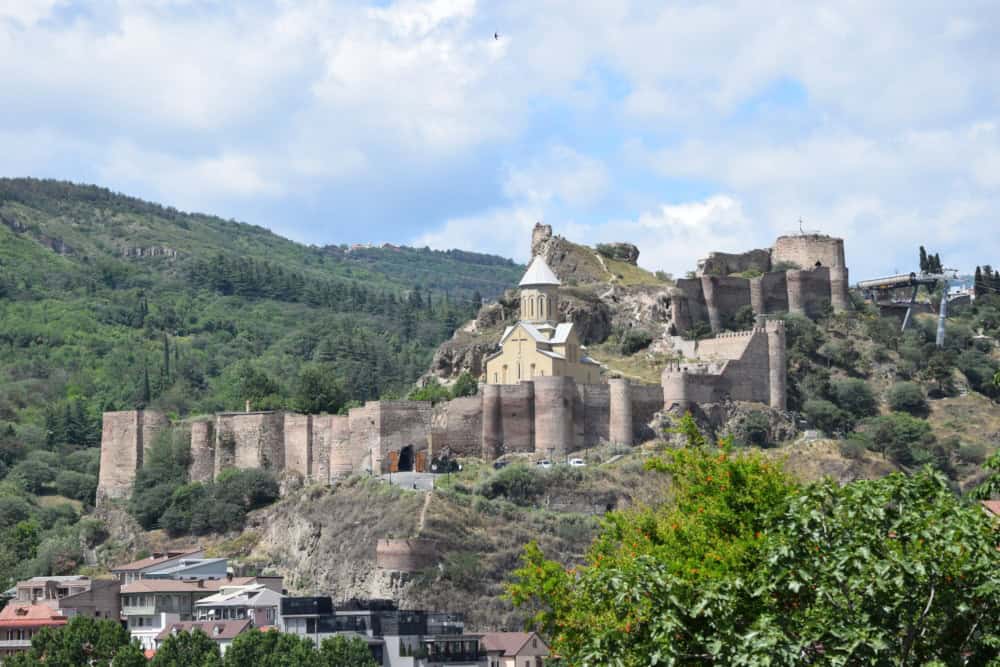
The sights in Tbilisi are a captivating mix of ancient fortresses, historic churches, grand 19th-century avenues, and bold modern architecture. The main tourist area is the historic Old Town (Dzveli Tbilisi), a labyrinth of narrow, winding streets with distinctive wooden balconies. Overlooking the Old Town from a high cliff is the ancient Narikala Fortress, the city’s most famous landmark. The city’s religious heart is represented by magnificent structures like the massive Holy Trinity Cathedral and the ancient Sioni Cathedral.
For those interested in the city’s more recent history, Rustaveli Avenue is a grand boulevard lined with important cultural and governmental buildings. The city’s many excellent museums, such as the Georgian National Museum, offer a deep dive into the nation’s rich history and art. A unique feature of the city is its historic sulphur bath district, Abanotubani. This combination of ancient history, beautiful religious architecture, and unique cultural traditions makes for a diverse and rewarding visitor experience.
Narikala Fortress
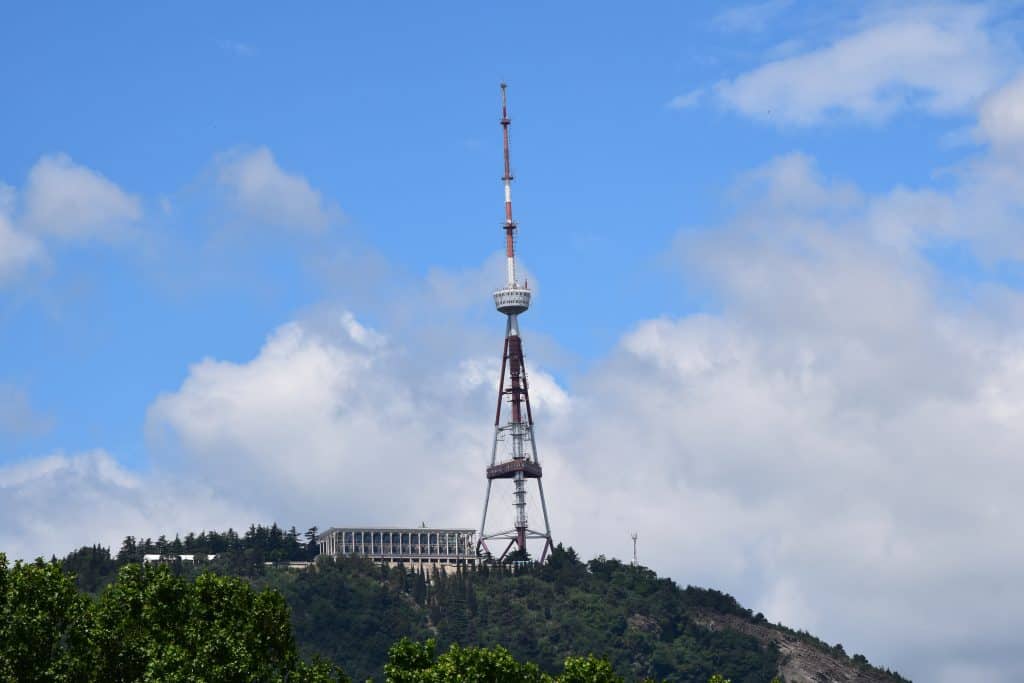
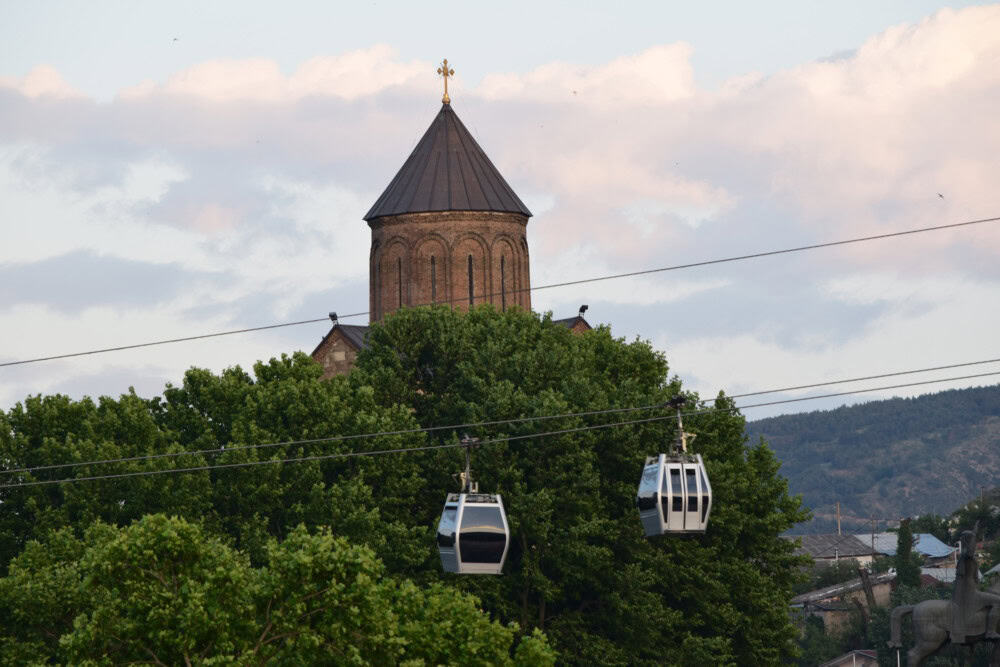
The Narikala Fortress is the most iconic landmark of Tbilisi and a symbol of the city’s ancient past. The fortress is situated on a steep hill overlooking the Old Town and the Mtkvari River. The original fortress was established in the 4th century as a Persian citadel. It was significantly expanded by the Umayyad caliphs in the 7th century and later by the Georgian kings. Most of the current walls and towers date from the 16th and 17th centuries. Although it was damaged by an explosion in the 19th century, the fortress remains an impressive sight. Visitors can walk up to the fortress or take the cable car for spectacular panoramic views of the entire city.
Old Town (Dzveli Tbilisi)
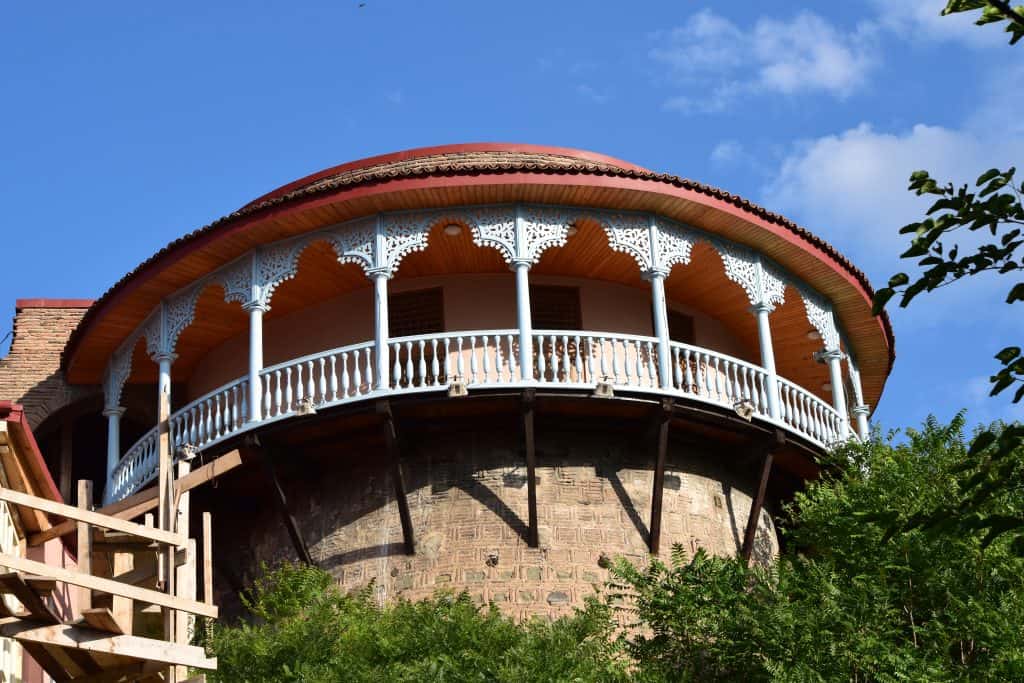
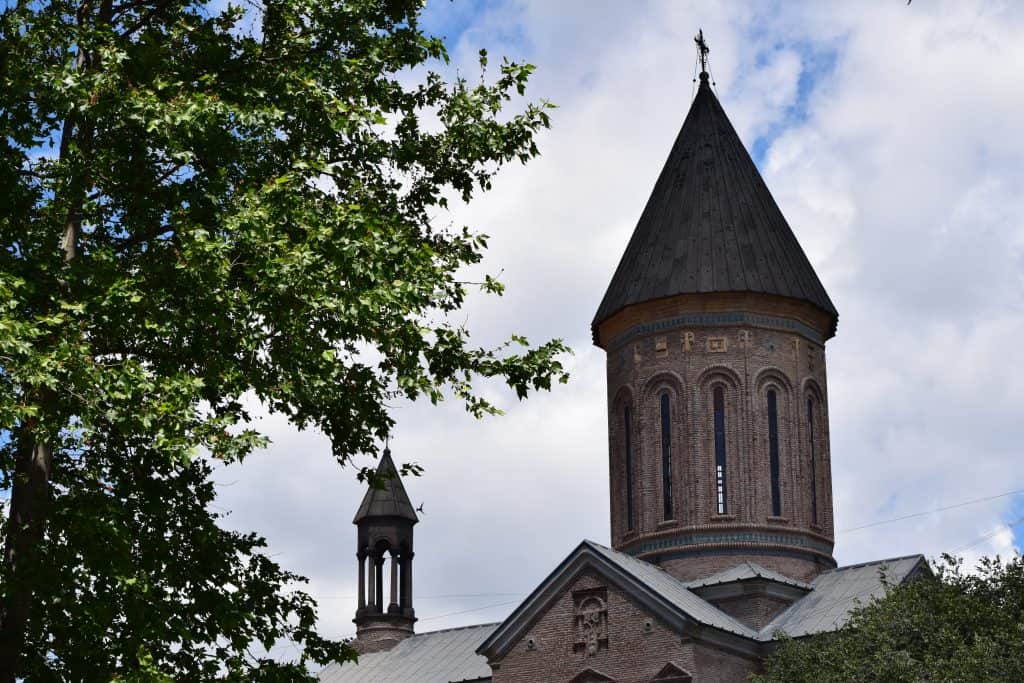
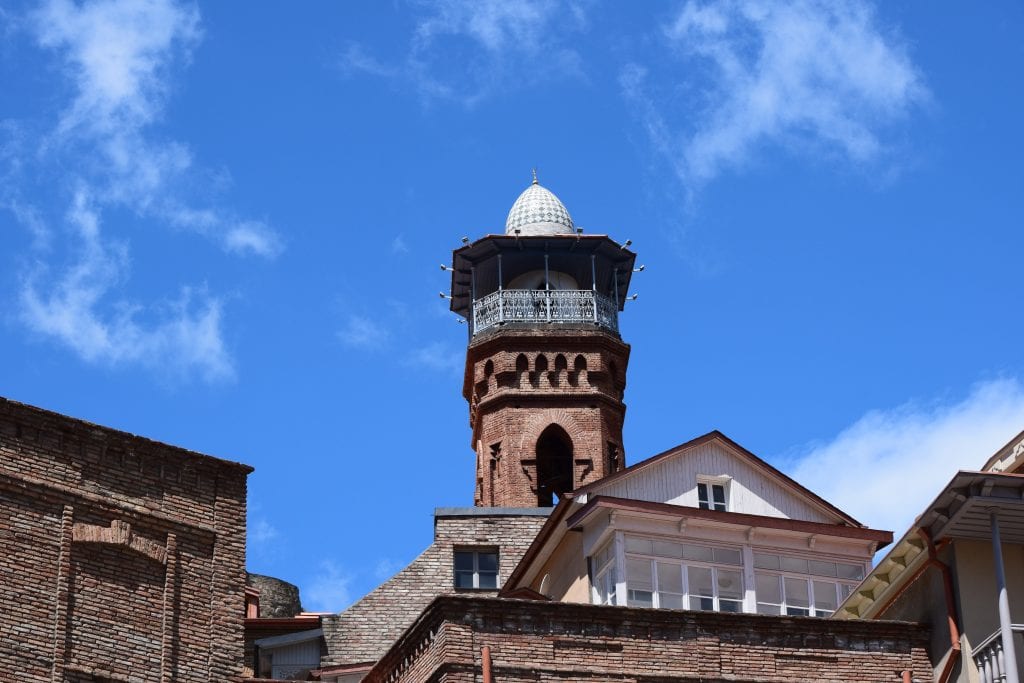
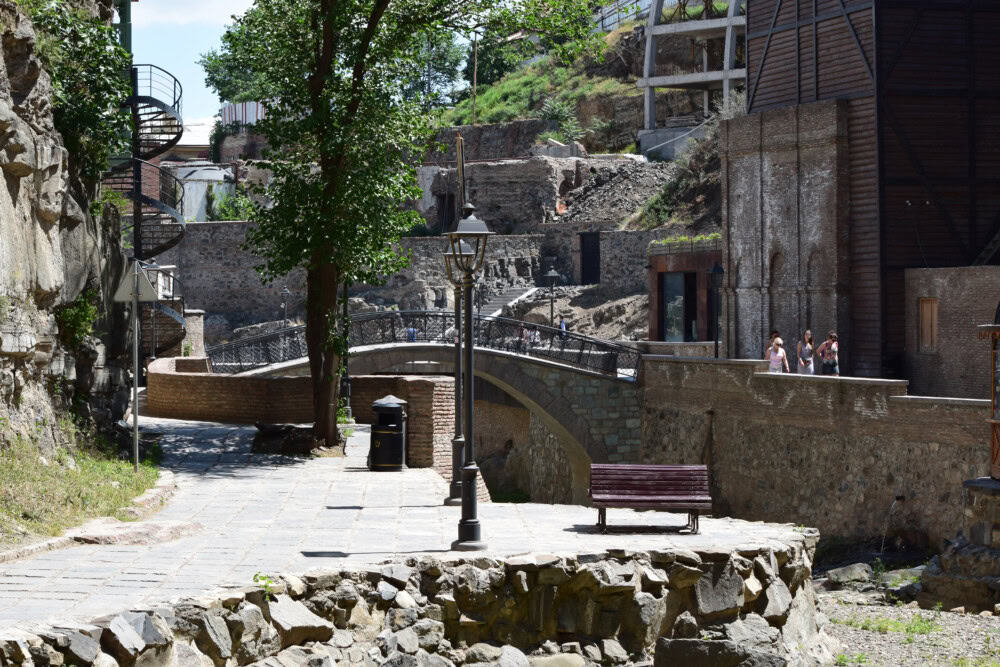
The Old Town, or Dzveli Tbilisi, is the historic heart of the city and a major attraction. It is a labyrinth of narrow, cobblestone streets, charming courtyards, and traditional houses with distinctive, intricately carved wooden balconies. This area is filled with a lively atmosphere, and it is home to numerous cafes, restaurants, wine bars, and souvenir shops. A walk through the Old Town is a journey back in time, and it reveals the city’s multicultural past with its mix of Georgian, Armenian, and Catholic churches, as well as a mosque and a synagogue. The entire district is a protected architectural zone.
Holy Trinity Cathedral of Tbilisi (Sameba)
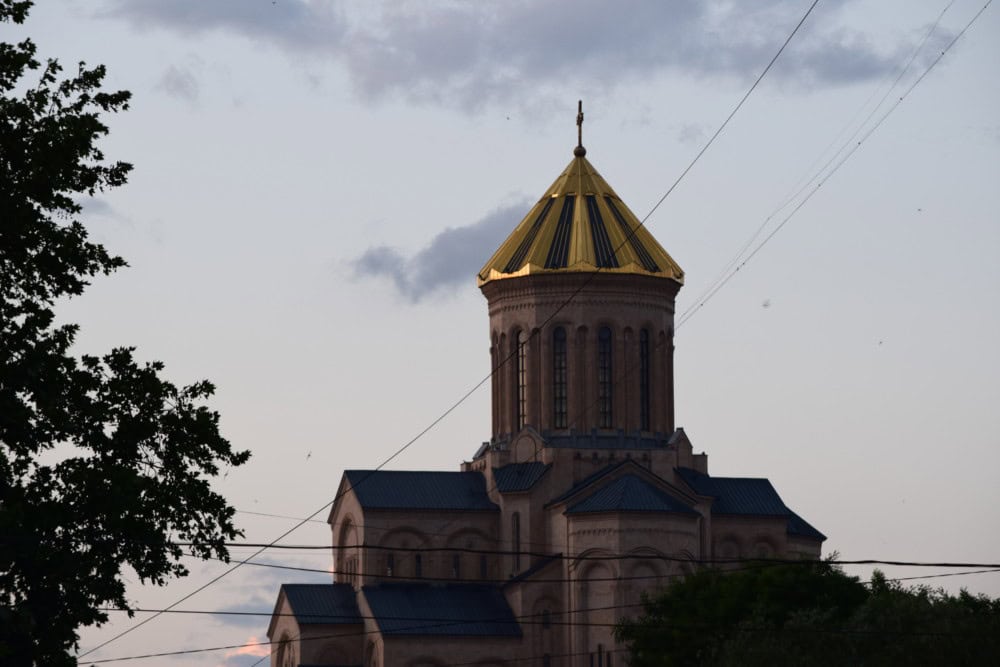
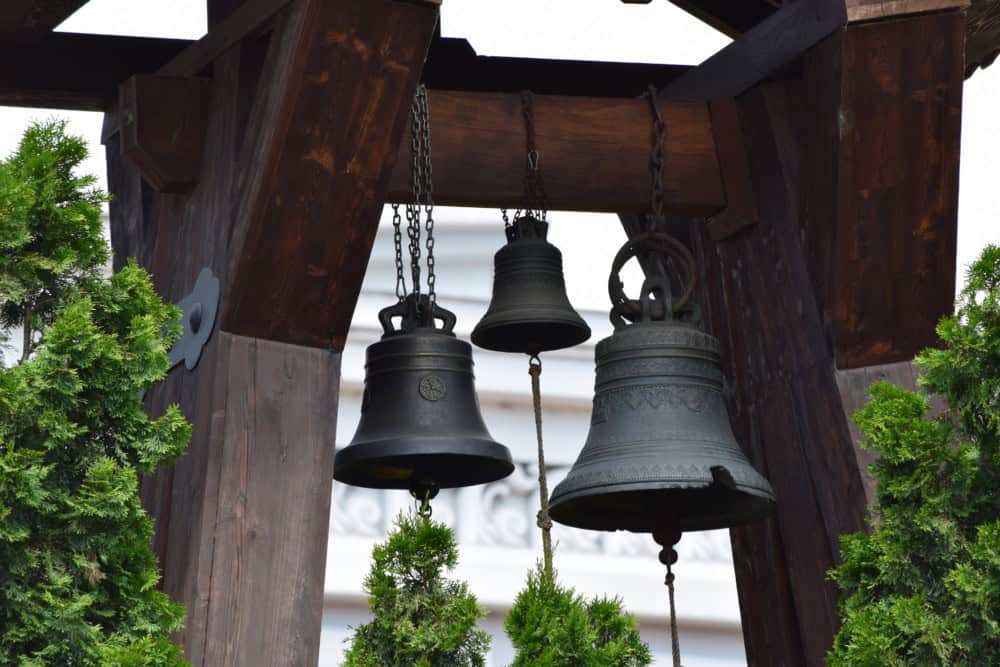
The Holy Trinity Cathedral of Tbilisi, commonly known as Sameba, is the main cathedral of the Georgian Orthodox Church and a modern symbol of the nation. It is a massive and magnificent complex that was completed in 2004. It is one of the tallest Eastern Orthodox cathedrals in the world, and its golden dome is a dominant feature of the city’s skyline. The cathedral was built to commemorate 2,000 years of Christianity and 1,500 years of the autocephaly of the Georgian Orthodox Church. The complex includes the main cathedral, a bell tower, and several chapels. It is an impressive example of modern Georgian religious architecture.
Sulphur Baths (Abanotubani)
The Abanotubani district is the historic heart of Tbilisi and the location of its famous sulphur baths. This district is located in the Old Town, and it is easily recognizable by its distinctive, dome-shaped brick roofs. The baths utilize the natural hot springs that are rich in sulphur and other minerals, which are the very reason for the city’s founding. A visit to one of these bathhouses is an essential Tbilisi experience. Visitors can choose between public baths or private rooms. The traditional experience often includes an intense exfoliating scrub, known as a “kisi,” which is performed by a professional masseur.
Rustaveli Avenue
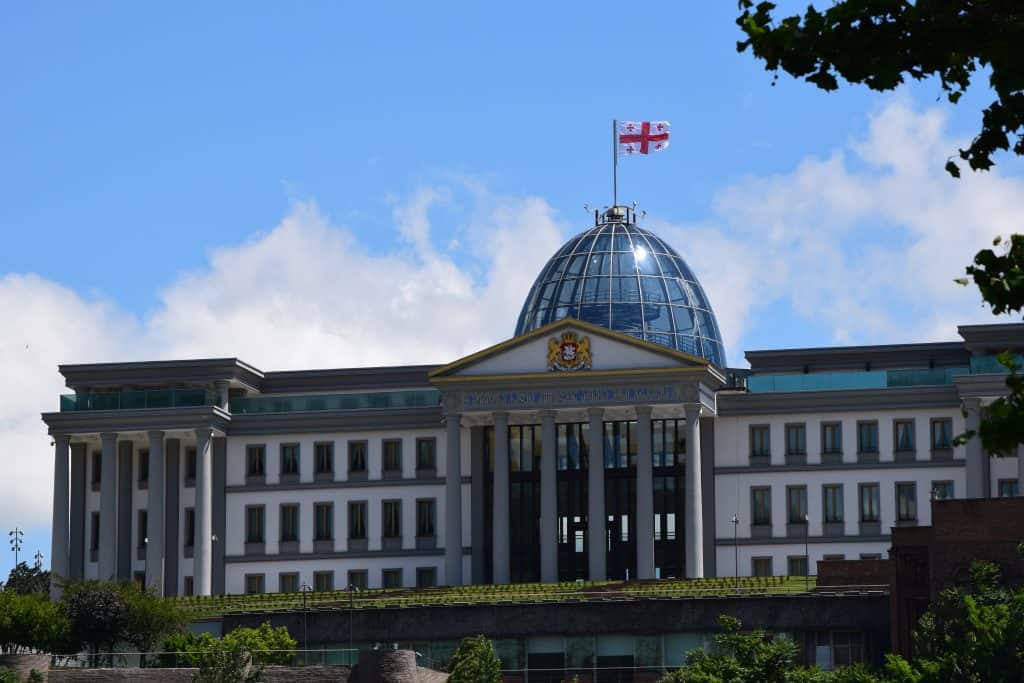
Rustaveli Avenue is the central and most important avenue in Tbilisi. It is named after the great medieval Georgian poet, Shota Rustaveli. The avenue is a grand boulevard that stretches for 1.5 kilometers and is lined with some of the city’s most important governmental, cultural, and commercial buildings. Key landmarks on the avenue include the Parliament of Georgia, the Kashveti Church, the Georgian National Museum, and the Tbilisi Opera and Ballet Theatre. The avenue is a hub of activity, with numerous shops, cafes, and restaurants, and it is the main stage for public celebrations and political demonstrations.
Bridge of Peace
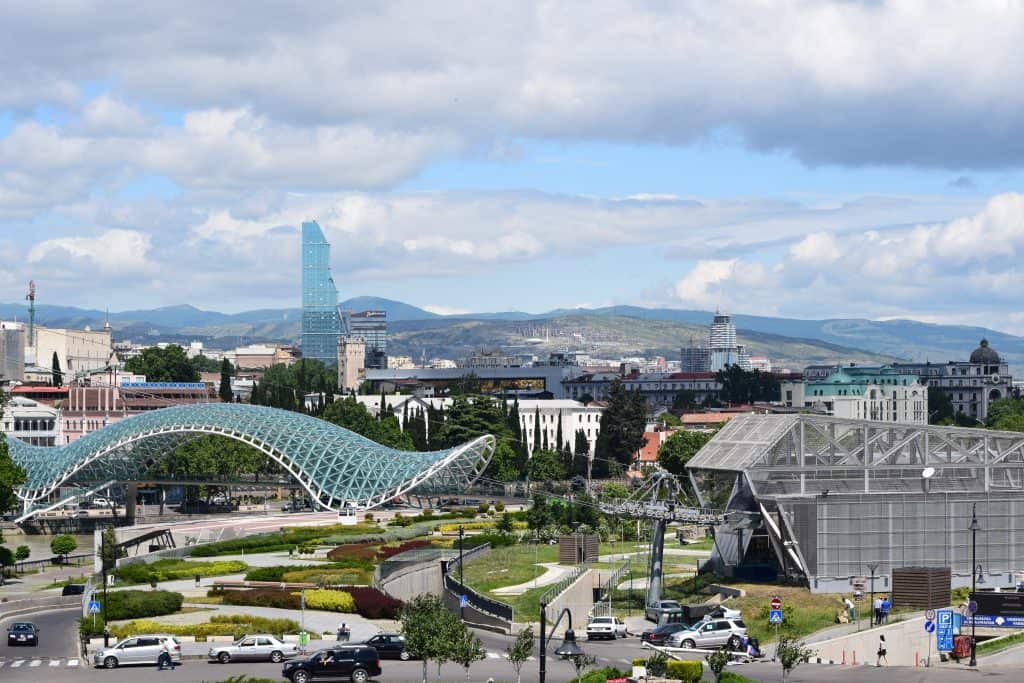
The Bridge of Peace is a stunning and very contemporary pedestrian bridge that spans the Mtkvari River in the heart of Tbilisi. The bridge was designed by the Italian architect Michele De Lucchi and was opened in 2010. It has a unique and futuristic design, with a curving steel and glass canopy that is illuminated with thousands of LED lights at night. The bridge connects the historic Old Town with the modern Rike Park. It has become a new and iconic symbol of modern Tbilisi, representing the connection between the city’s past and its future.
Georgian National Museum
The Georgian National Museum is a major museum complex that unifies several leading museums in Georgia. The main building is located on Rustaveli Avenue. It houses the Museum of Georgia, which features a magnificent collection of the country’s most important archaeological treasures. The highlight of the museum is the Archaeological Treasury, which displays an incredible collection of pre-Christian gold artifacts from ancient Colchis. The museum also has a major exhibit on the Soviet Occupation of Georgia, which is a powerful and moving experience.
Freedom Square (Tavisuplebis Moedani)
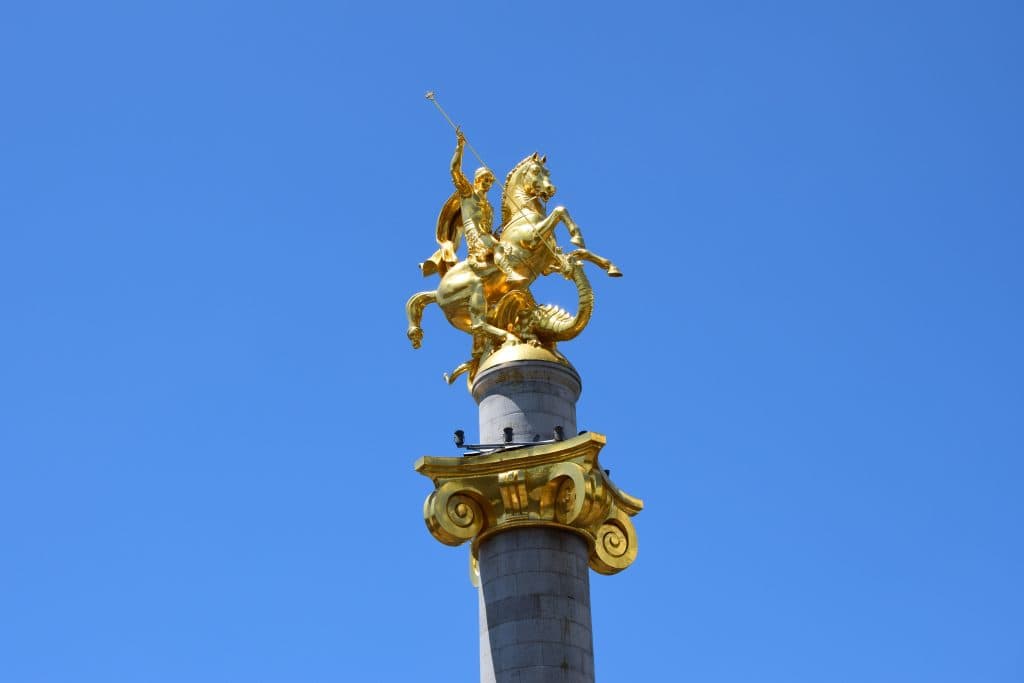
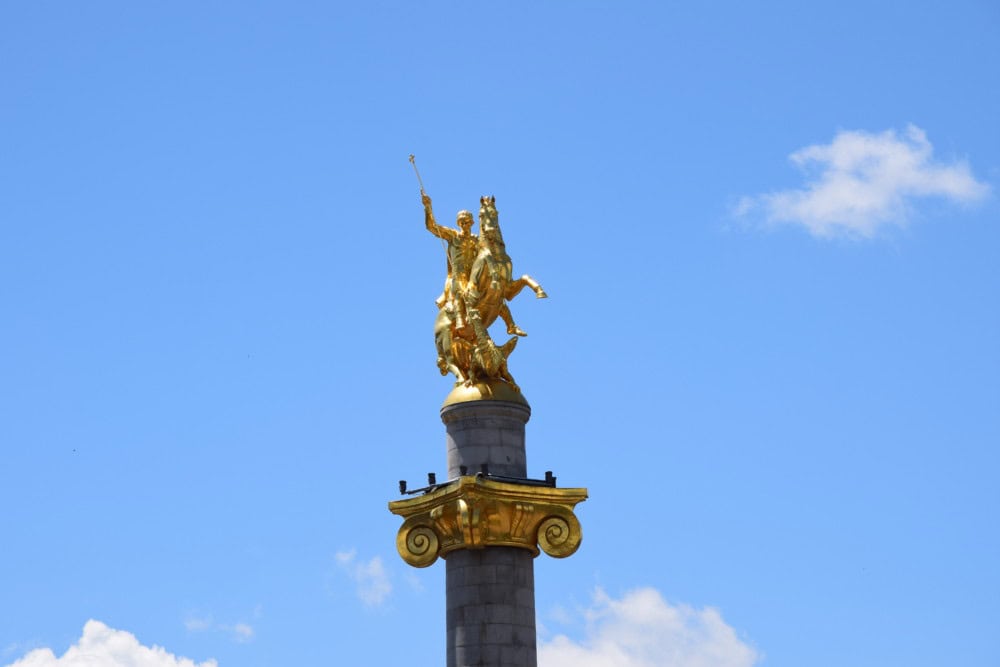
Freedom Square, or Tavisuplebis Moedani, is a large and important public square located at the eastern end of Rustaveli Avenue. The square has been the site of many major historical and political events in Georgia’s history. At its center stands the magnificent St. George Statue, a tall monument depicting St. George slaying the dragon, which is the national symbol of Georgia. The square is surrounded by grand buildings, including the Tbilisi City Hall and the former Bank of Georgia headquarters. It is a major transportation hub and a central point of the city.
Mtatsminda Park
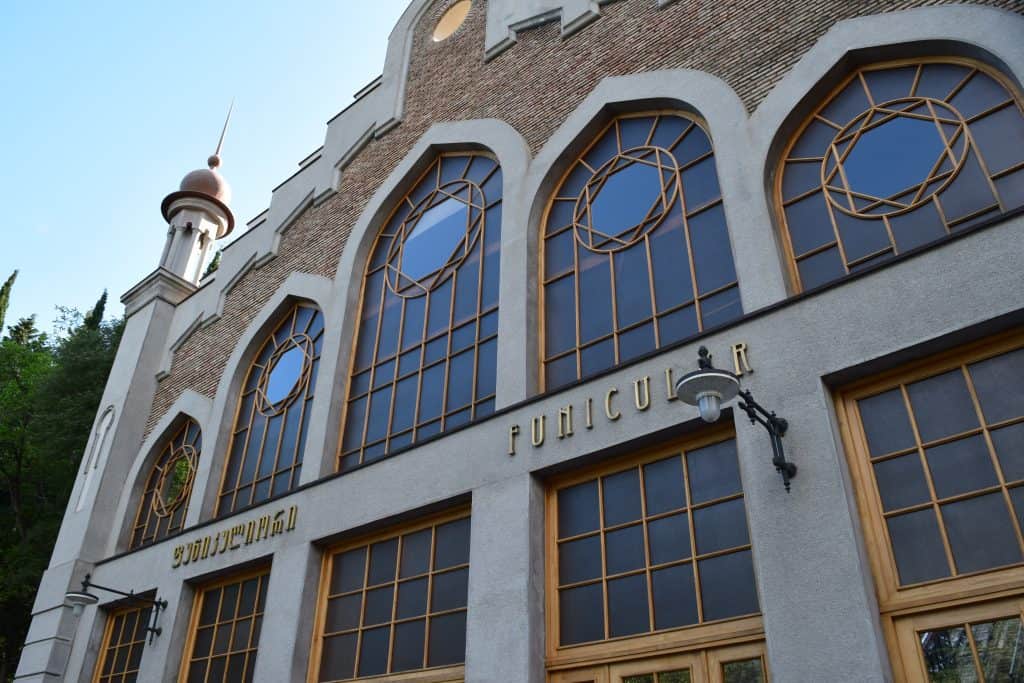
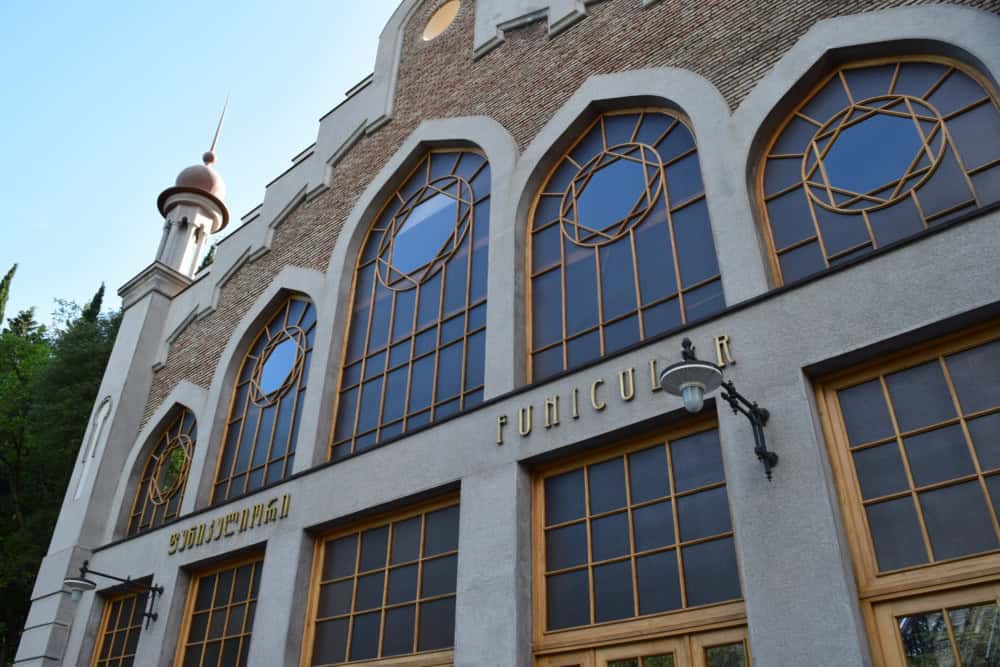
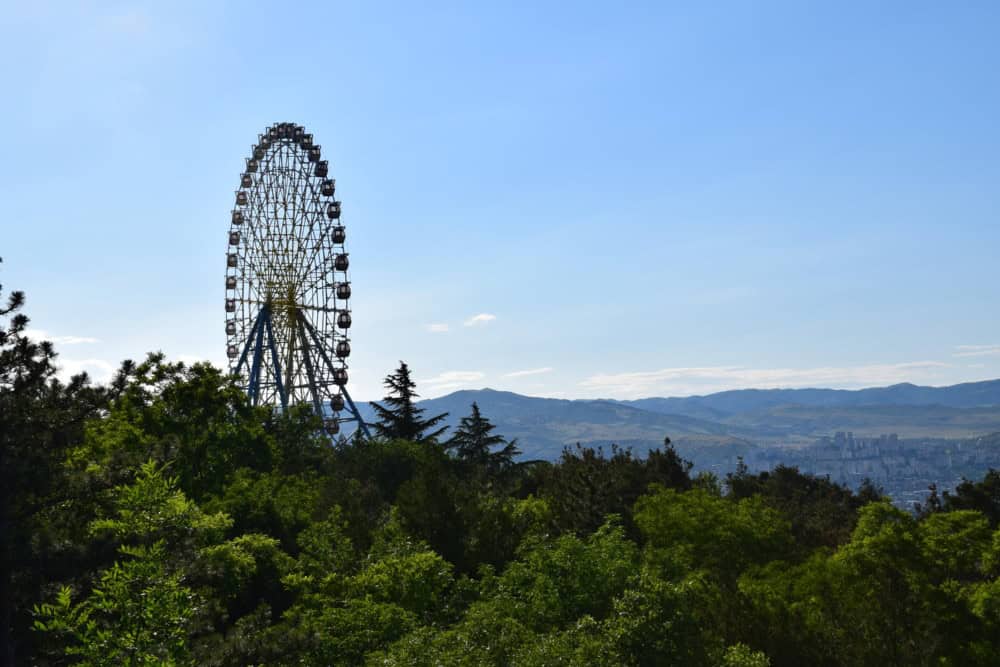
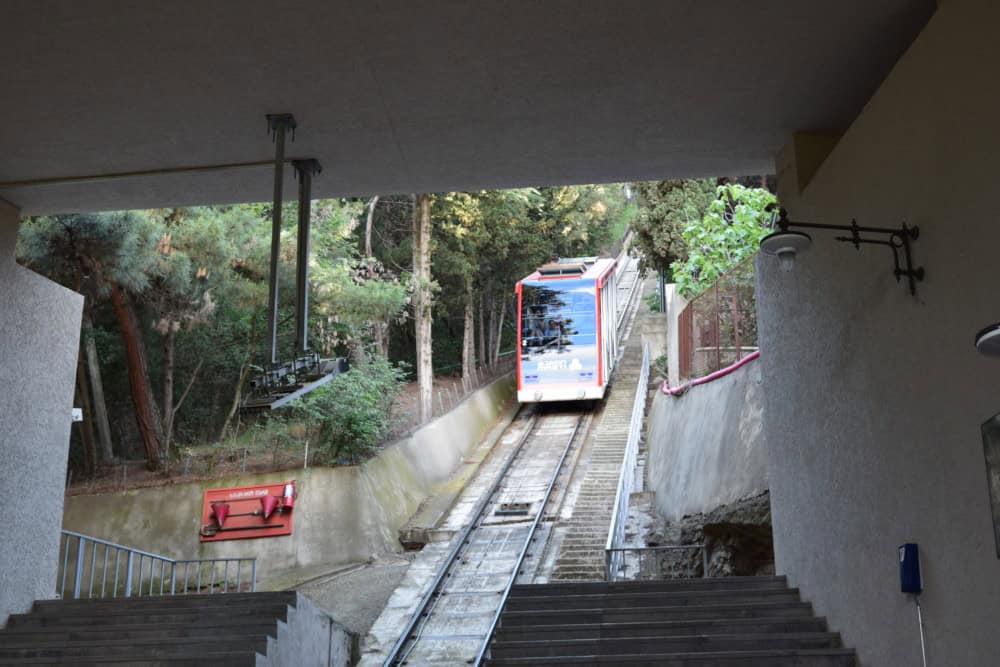
Mtatsminda Park is a famous amusement park located on top of Mount Mtatsminda, which overlooks the city of Tbilisi. The park is a popular destination for both locals and tourists, especially families. It offers a variety of attractions, including carousels, water rides, and roller coasters. The most famous feature of the park is the giant Ferris wheel, which offers spectacular panoramic views of the entire city, especially at night. To reach the park, you can take the historic Funicular railway, which is an attraction in itself.
Chronicles of Georgia
The Chronicles of Georgia is a massive and impressive monument located on a hill overlooking the Tbilisi Sea. The monument was created by the sculptor Zurab Tsereteli and was started in the 1980s, but it has never been fully completed. It consists of a series of enormous pillars, some over 30 meters high, that are decorated with scenes from Georgian history and the life of Christ. The scale of the monument is breathtaking. It is a lesser-known but very powerful and unique sight, offering a different perspective of the city and its history.

Traveling with Kids
Tbilisi is a surprisingly family-friendly city with a wide range of attractions that can engage children of all ages. The city’s most famous amusement park, Mtatsminda Park, is a top destination, offering thrilling rides and spectacular views from its Ferris wheel. A ride on the historic Funicular to get to the park is also an exciting experience for kids. For a different kind of adventure, the Tbilisi Cable Car provides a scenic journey up to the ancient Narikala Fortress, which can feel like exploring a real castle.
The city also has several excellent museums with interactive exhibits that are suitable for a family audience. The city’s many parks, such as Vake Park and Rike Park, are equipped with modern playgrounds and offer ample space for recreation. The unique Sulphur Baths can also be a fun experience for older children. This combination of theme parks, historical adventures, and recreational spaces makes Tbilisi a well-rounded destination for a memorable family vacation.
Activities for Kids in Tbilisi
For families seeking memorable outings, Tbilisi offers unique experiences that blend adventure with education. A trip up to the Mtatsminda Park amusement park provides a full day of fun, while a visit to the Museum of Illusions offers a playful and interactive experience. These activities are designed to be engaging for the whole family.
Mtatsminda Park
A visit to Mtatsminda Park is a must for any family visiting Tbilisi. This classic amusement park is located on top of Mount Mtatsminda, high above the city. The park features a variety of rides for all ages, from gentle carousels for young children to a large roller coaster for thrill-seekers. The main attraction is the giant Ferris wheel, which offers the best panoramic views of Tbilisi. The park is also surrounded by a beautiful forest, and it is a great place for a family walk. A ride on the historic Funicular to reach the park is an essential part of the experience.
Museum of Illusions
The Museum of Illusions in Tbilisi is a fantastic indoor activity for a family. This interactive museum is filled with a variety of optical illusions, holograms, and puzzles that are designed to challenge your perception and be a lot of fun. Children will love the Ames room, where they appear to grow and shrink, and the Vortex Tunnel. The museum is very hands-on, and visitors are encouraged to touch, play, and take photos with all the exhibits. It is a fun and educational experience that is perfect for a rainy day or for a break from the historical sights.
The Funicular and Cable Car
The two main forms of vertical transport in Tbilisi, the Funicular and the Cable Car, are both exciting adventures for children. The historic Funicular railway takes you up the steep slope of Mount Mtatsminda to the amusement park at the top. The ride in the modern, glass-paneled car is thrilling. The Cable Car starts in Rike Park and glides over the Old Town and the Mtkvari River up to the ancient Narikala Fortress. The views from the cable car are spectacular, and it is the most scenic way to reach the fortress.
Gino Paradise Water Park
For a full day of aquatic fun, Gino Paradise is a large indoor and outdoor water park located on the shore of the Tbilisi Sea. The park features numerous swimming pools, a variety of thrilling water slides, and a large spa and wellness center. The indoor section is open year-round, making it a great destination in any season. The park is a major attraction for families, especially during the hot summer months. It provides a full day of entertainment with its many water-based activities.
Playgrounds in Tbilisi
Tbilisi has numerous public playgrounds located throughout its many parks and residential areas. These play areas are generally modern, well-maintained, and offer a variety of equipment for children of all ages. They are important social spots for local families.
Playground in Vake Park
Vake Park is one of the largest and most popular public parks in Tbilisi, and it features an excellent and very large public playground. The playground is modern and is equipped with a wide variety of play structures suitable for different age groups. It includes slides, swings, sandpits, and large climbing frames. The park itself is a beautiful green space with fountains and walking paths, making it a top destination for a full day of family outdoor fun.
Playground in Rike Park
Rike Park is a modern park located on the left bank of the Mtkvari River, right in the center of the city. The park features a very creative and popular public playground. The playground has a unique design and features a large climbing structure in the shape of a ship. Its location is ideal, as it is right next to the Bridge of Peace and the Cable Car station. It is a perfect spot for a play break while exploring the central part of the city.
Playground at Turtle Lake
Turtle Lake (Kus Tba) is a small lake located on a hill above the Vake district. The area around the lake is a popular recreational spot, and it features a nice public playground. The playground is located in a pleasant, wooded environment with a beautiful view of the lake. In addition to the playground, the area offers walking paths around the lake and several cafes. It is a great destination for a relaxing family outing away from the bustle of the city center.
Playground at Lisi Lake
Lisi Lake is another popular recreational area located on the outskirts of Tbilisi. The area around the lake has been developed with new parks and recreational facilities, including a large and modern public playground. The playground is located in a spacious green area with a nice view of the lake. The area also has a long walking and cycling path that goes around the entire lake. It is a top destination for families looking for a full day of outdoor activity.


Sports in Tbilisi
Tbilisi has a rich and passionate sports scene, with football and rugby being the two most popular and intensely followed sports in the city. The capital is home to several of Georgia’s most successful and famous clubs, and the matches between the main city rivals are major community events. The city’s main football club is the historic FC Dinamo Tbilisi, which plays its home matches at the Boris Paichadze Dinamo Arena, the largest stadium in the country. Rugby is also incredibly popular, and the city is the main hub for the sport, with the professional team Black Lion and the beloved national team, the Lelos, drawing large crowds.
Beyond the main team sports, Georgia is a world powerhouse in individual combat sports, and Tbilisi is the heart of this tradition. Sports like freestyle wrestling and judo are a source of immense national pride, and the country has produced numerous Olympic and World Champions. Many of the nation’s top athletes, such as the multiple Olympic medalist judoka Lasha Shavdatuashvili, train at the elite facilities located in the capital. This success has made wrestling and judo a fundamental part of the nation’s sporting identity, and the major national competitions are significant events.
The city is equipped with excellent venues that host a wide variety of sporting events. In addition to the national stadium, other key facilities include the Mikheil Meskhi Stadium and the modern Tbilisi Sports Palace, which is the main venue for basketball and other indoor sports. The city has a proven track record of hosting major international competitions, including the UEFA Super Cup and the World Judo Championships. For recreation, the large Tbilisi Sea reservoir provides a popular venue for water sports, completing the diverse sporting landscape of the Georgian capital.
Football
Football is the most popular sport in the city, and Tbilisi is home to several of the country’s top professional clubs. The local derbies between the main Tbilisi teams are some of the most passionate and fiercely contested in all of Georgian sport. The city has a rich footballing heritage and is a key center for the development of talent in the country.
Dinamo Tbilisi
FC Dinamo Tbilisi is the city’s most famous and successful football club. Founded in 1925, the club has won the Georgian League championship a record number of times. Their greatest achievement came in 1981, when they won the UEFA Cup Winners’ Cup, making them one of only a handful of teams from Eastern Europe to win a major European trophy. They play their home matches at the Boris Paichadze Dinamo Arena, which is the national stadium of Georgia and the largest in the country.
Locomotive Tbilisi
FC Locomotive Tbilisi is another of the city’s main professional football clubs. Founded in 1936, the club has a long history and has also had periods of success, particularly in the Georgian Cup, which they have won several times. They play their home matches at the Mikheil Meskhi Stadium. The rivalry between Locomotive and Dinamo Tbilisi is one of the main local derbies in the city and is always a highly anticipated match for the fans.
Rugby
Rugby is an extremely popular sport in Georgia, and the national team, known as the Lelos, has achieved significant international success, making the sport a source of great national pride. The city of Tbilisi is the main center for rugby in the country, and it is home to several of the top professional clubs.
Black Lion
The Black Lion is a professional rugby union team that is based in Tbilisi. The team was formed to compete in international club competitions and is made up of the best players from the domestic Georgian league. They compete in the Rugby Europe Super Cup, which they have won multiple times, establishing themselves as a dominant force in European rugby outside of the main top-tier leagues. They play their home matches at the Avchala Stadium.
The Lelos (Georgian National Rugby Team)
While not a club team, the Georgian National Rugby Team, known as the Lelos, is a major institution in the country, and they play their most important home matches in Tbilisi, usually at the Boris Paichadze Dinamo Arena. The team is famous for its powerful and physical style of play and has dominated the Rugby Europe Championship for many years. Their participation in the Rugby World Cup is a major national event, and the team enjoys incredible support from the passionate Georgian fans.
Basketball
Basketball is another popular sport in the city. The professional league is competitive, and Tbilisi is home to several of the country’s top teams. The games are well-attended and provide an exciting atmosphere for sports fans.
BC TSU Tbilisi
The main basketball club in the city is BC TSU Tbilisi, which is affiliated with the Tbilisi State University. The team competes in the Georgian Superliga, the top tier of basketball in the country. They have a history of success, having won the national championship multiple times. The club plays an important role in the development of basketball in the city and provides a platform for student-athletes to compete at a high level.
Getting Around in Tbilisi
Navigating Tbilisi is facilitated by a comprehensive and affordable public transportation system. The backbone of this system is the Tbilisi Metro, which provides the fastest way to travel across the city. This is complemented by an extensive network of city buses and a unique system of private minivans known as marshrutkas. For reaching some of the city’s most scenic viewpoints, a modern network of cable cars is also available. The historic Old Town is very compact and is best explored on foot.
The Tbilisi Metro
The Tbilisi Metro is the fastest and most efficient way to get around the city, and it is a great way to avoid the often heavy traffic on the streets. The metro system consists of two lines, the First Line and the Saburtalo Line, which connect at the central Station Square. The stations are located at key points throughout the city, including near the main train station and major public squares. The metro is very affordable and easy to use with a rechargeable Metromoney card.
Buses and Marshrutkas
Tbilisi has an extensive network of public buses that cover the entire city and its suburbs. The buses are modern and provide a reliable way to reach areas not served by the metro. In addition to the official city buses, a key part of the local transport system is the marshrutka. These are privately owned minivans that operate on fixed routes. They do not have official stops; you can simply hail one on the street and tell the driver where you want to get off. They are a very common and authentic way to travel.
The Cable Cars
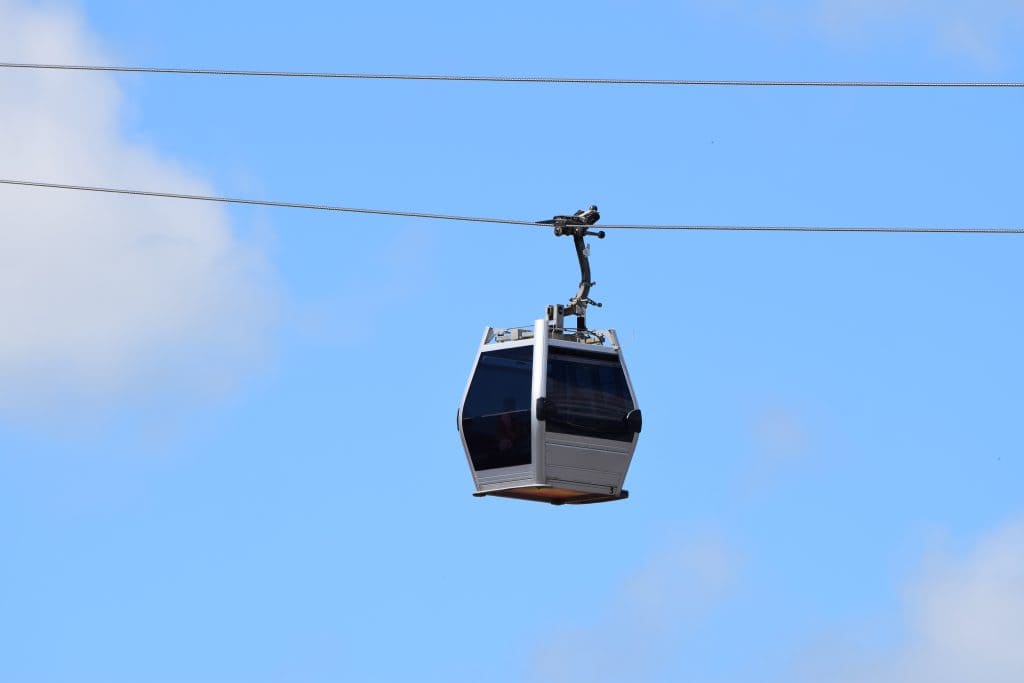
Tbilisi has a modern network of cable cars that provide not only transport but also spectacular views of the city. The most popular of these is the cable car that runs from the modern Rike Park, across the Mtkvari River, and up to the ancient Narikala Fortress. This is the most scenic way to reach the fortress. Another cable car line runs from Vake Park up to Turtle Lake, a popular recreational area. A ride on one of these cable cars is a must-do experience for any visitor.
Walking the Old Town
The historic heart of Tbilisi, the Old Town (Dzveli Tbilisi), is a labyrinth of narrow, cobblestone streets, and it is best explored on foot. All of the main sights within the Old Town, such as the Sulphur Baths, the Sioni Cathedral, and the many charming houses with their wooden balconies, are all within a short and pleasant walking distance of each other. A walk from Freedom Square, down through the Old Town, and across the Bridge of Peace is a great way to experience the unique atmosphere of the city.



How to Get to Tbilisi?
As the capital and largest city of Georgia, Tbilisi is the country’s primary transportation hub and is well-connected to the rest of the world. The city is served by a major international airport with connections to many cities in Europe, the Middle East, and Asia. The city is also a key hub on the regional railway network, with international train connections to neighboring countries. For those traveling overland, there are several major border crossings that provide access to the country by road.
Arriving by Air
The main international airport for the city and the country is Tbilisi Shota Rustaveli International Airport (TBS). The airport is located about 17 kilometers southeast of the city center. It is the busiest airport in Georgia and is served by the national carrier, Georgian Airways, as well as many other international airlines, including Turkish Airlines, Lufthansa, and several low-cost carriers. The airport is modern and has a single terminal. From the airport, the city center can be easily reached by a dedicated airport bus, by train, or by taxi.
Journey by Rail
Tbilisi is the central hub of the Georgian Railway network. The city’s main train station is located at Station Square, where the two metro lines also connect. There are overnight train services that connect Tbilisi with the Black Sea resort city of Batumi. There are also international train services that connect Tbilisi with the neighboring countries of Armenia and Azerbaijan. The overnight train to Yerevan, the capital of Armenia, is a particularly popular and scenic journey.
Connecting by Bus
Tbilisi has several major bus stations, with the main one for international and long-distance domestic routes being the Ortachala Bus Station. Numerous companies operate services that connect Tbilisi with cities all over Georgia, as well as with neighboring countries like Turkey, Armenia, Azerbaijan, and Russia. Buses and marshrutkas are a very common and affordable way to travel throughout the Caucasus region. The Didube Bus Station is another major hub, primarily for services to the west and north of the country.
Driving into the City
Driving to Tbilisi is an option for those exploring the wider Caucasus region by car. The city is at the center of the Georgian road network, with major highways connecting it to all other parts of the country. The main highways are generally in good condition, especially the main east-west highway that connects the Black Sea with Azerbaijan. There are several major land border crossings with Turkey, Armenia, and Azerbaijan that are open to international travelers. The border crossing with Russia can be subject to restrictions.
Driving Distances
The driving distance from 50 regional cities, according to Google Maps:
- Mtskheta, Georgia – 25 kilometers (0 h 30 min)
- Gori, Georgia – 90 kilometers (1 h 20 min)
- Vladikavkaz, Russia – 200 kilometers (3 h 30 min)
- Kutaisi, Georgia – 230 kilometers (3 h 30 min)
- Yerevan, Armenia – 275 kilometers (5 h 00 min)
- Grozny, Russia – 300 kilometers (5 h 00 min)
- Batumi, Georgia – 375 kilometers (5 h 30 min)
- Makhachkala, Russia – 450 kilometers (7 h 00 min)
- Baku, Azerbaijan – 580 kilometers (6 h 30 min)
- Trabzon, Turkey – 580 kilometers (8 h 30 min)
- Sochi, Russia – 600 kilometers (10 h 00 min)
- Krasnodar, Russia – 750 kilometers (11 h 00 min)
- Astrakhan, Russia – 850 kilometers (12 h 00 min)
- Aktau, Kazakhstan – 900 kilometers (plus ferry)
- Volgograd, Russia – 1000 kilometers (14 h 00 min)
- Rostov-on-Don, Russia – 1100 kilometers (15 h 00 min)
- Tehran, Iran – 1150 kilometers (15 h 00 min)
- Ankara, Turkey – 1250 kilometers (16 h 00 min)
- Baghdad, Iraq – 1300 kilometers (17 h 00 min)
- Kyiv, Ukraine – 1500 kilometers (22 h 00 min)
- Damascus, Syria – 1500 kilometers (20 h 00 min)
- Istanbul, Turkey – 1700 kilometers (21 h 00 min)
- Amman, Jordan – 1700 kilometers (23 h 00 min)
- Ashgabat, Turkmenistan – 1800 kilometers (24 h 00 min)
- Sofia, Bulgaria – 1800 kilometers (22 h 00 min)
- Jerusalem, Israel – 1800 kilometers (24 h 00 min)
- Moscow, Russia – 1950 kilometers (26 h 00 min)
- Bucharest, Romania – 2000 kilometers (26 h 00 min)
- Belgrade, Serbia – 2100 kilometers (25 h 00 min)
- Athens, Greece – 2200 kilometers (30 h 00 min)
- Warsaw, Poland – 2200 kilometers (28 h 00 min)
- Budapest, Hungary – 2300 kilometers (26 h 00 min)
- Cairo, Egypt – 2400 kilometers (33 h 00 min)
- Vienna, Austria – 2500 kilometers (28 h 00 min)
- Tashkent, Uzbekistan – 2500 kilometers (34 h 00 min)
- Dubai, UAE – 2500 kilometers (28 h 00 min)
- Prague, Czech Republic – 2600 kilometers (30 h 00 min)
- Doha, Qatar – 2600 kilometers (30 h 00 min)
- Berlin, Germany – 2800 kilometers (32 h 00 min)
- Riyadh, Saudi Arabia – 2800 kilometers (32 h 00 min)
- Dushanbe, Tajikistan – 3000 kilometers (42 h 00 min)
- Bishkek, Kyrgyzstan – 3200 kilometers (45 h 00 min)
- Muscat, Oman – 3200 kilometers (36 h 00 min)
- Rome, Italy – 3500 kilometers (38 h 00 min)
- Almaty, Kazakhstan – 3700 kilometers (50 h 00 min)
- Paris, France – 4000 kilometers (42 h 00 min)
- New Delhi, India – 4000 kilometers (50 h 00 min)
- London, United Kingdom – 4200 kilometers (45 h 00 min)
- Madrid, Spain – 5000 kilometers (52 h 00 min)
- Lisbon, Portugal – 5600 kilometers (58 h 00 min)
Looking to Explore more of Georgia and Europe?