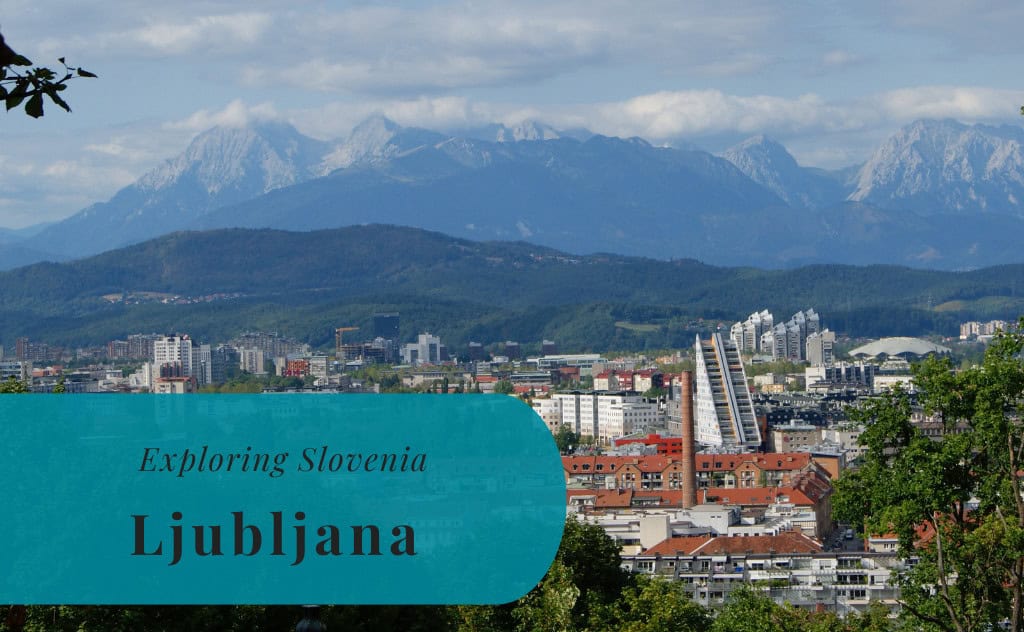
Ljubljana | Exploring Slovenia
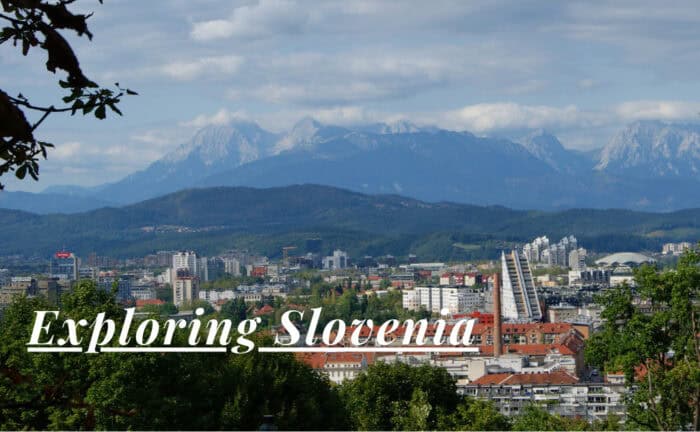
Ljubljana is the capital and largest city of Slovenia. It is located in the central part of the country, in a basin on the banks of the Ljubljanica River. With a city proper population of around 295,000 residents, it serves as Slovenia’s political, economic, and cultural heart. The wider Central Slovenia Statistical Region is home to over 570,000 people. The city is situated at a historical crossroads, positioned between the Alps, the Mediterranean, and the Pannonian Plain.
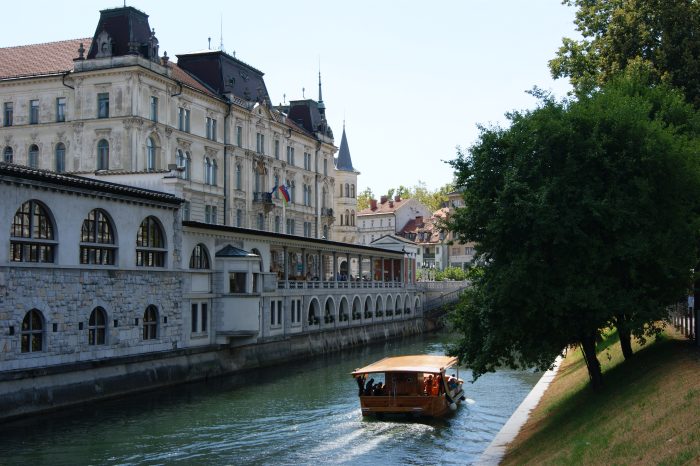
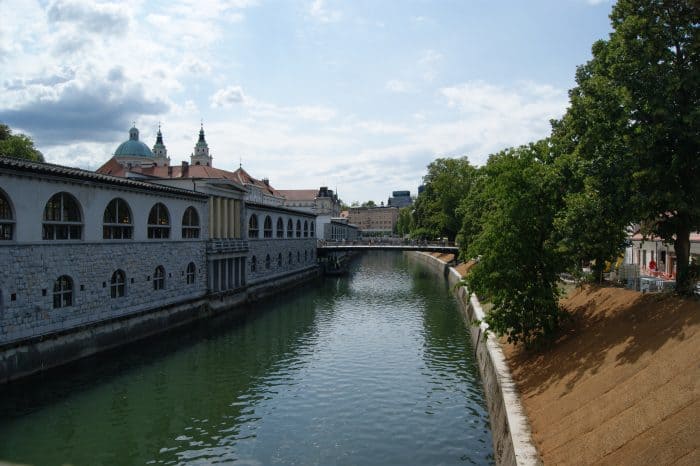
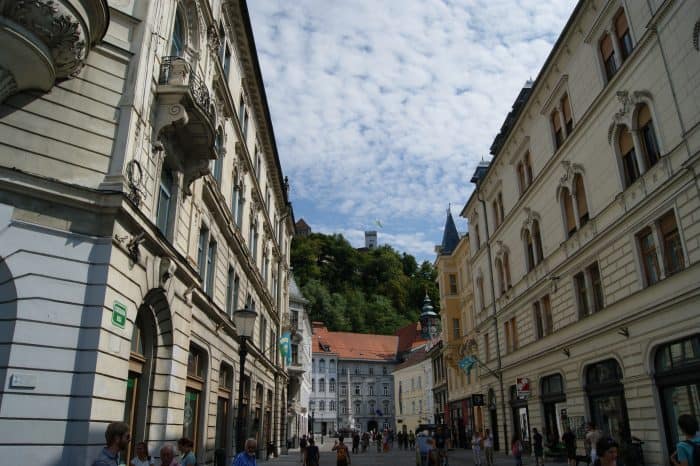
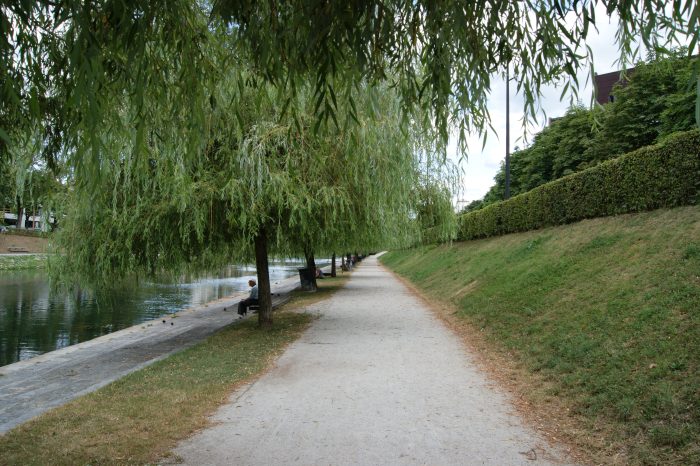
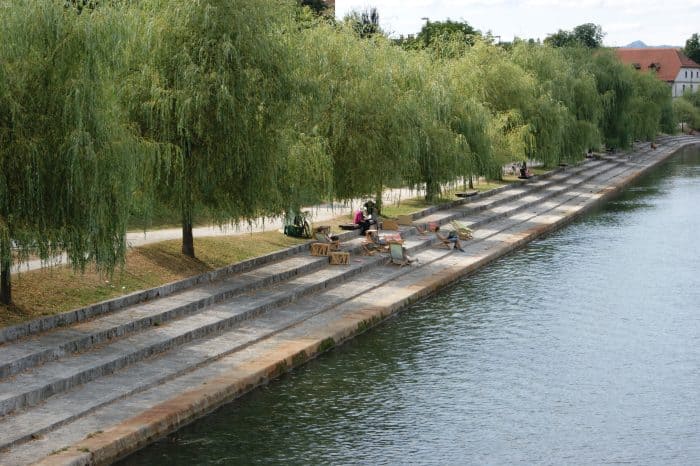
The character of Ljubljana is defined by its large, pedestrianized city center, its vibrant riverside cafes, and its extensive green spaces. The city’s architecture is a blend of Baroque, Vienna Secession, and, most notably, the works of the 20th-century Slovenian architect Jože Plečnik. His efforts to redesign parts of the city after the 1895 earthquake have had a profound impact on its modern appearance. The Ljubljanica River, which flows through the center, is a key feature of the urban landscape, crossed by numerous distinctive bridges.
Ljubljana has gained international recognition for its commitment to environmental sustainability. It was awarded the title of European Green Capital in 2016. The city’s focus on pedestrian zones, public transport, and preserving green areas contributes to its high quality of life. This combination of historical depth, architectural significance, and modern green urbanism gives the city its specific identity.




Good to Know
To help with planning a visit, here are several practical points covering daily essentials, timing, and efficient exploration of the city. Understanding these details can make a trip to Ljubljana more convenient. This information is intended to provide a general overview for travelers preparing to visit this major European capital.
The Daily Essentials
The official currency used in Ljubljana is the Euro (EUR). Credit and debit cards are widely accepted in most hotels, restaurants, and shops. However, it is useful to carry some cash for smaller purchases at the Central Market or for some cafes. The official language is Slovene. English is widely spoken, especially in tourist areas and by younger generations. Tipping is not obligatory, as service is often included in the bill, but it is common to round up the bill or leave a tip of around 10% for good service. The tap water in Ljubljana is of high quality and is safe to drink. The electrical system uses Type F sockets with a standard voltage of 230V. Ljubljana is considered a very safe city with a low crime rate.
Planning Your Calendar
Ljubljana is a year-round destination with a climate that has four distinct seasons. The spring and autumn months are often considered the best time to visit, with pleasant weather for exploring the city and its riverside cafes. The summer months are warm and are a popular time for festivals and outdoor events. The winter is cool and can see some snowfall, and the city is known for its festive Christmas market and decorations in December. A key cultural event is the Ljubljana Festival, a major summer festival with classical music, opera, and ballet performances. For a first visit, two to three full days is generally sufficient to see the main sights in the compact city center.
A Tourist’s Toolkit for Exploration
The historic center of Ljubljana is exceptionally compact and almost entirely pedestrianized, making it best explored on foot. For public transport, the city uses a rechargeable smart card called the Urbana card, which is required for riding the city buses. The Ljubljana Card is another option for tourists, which includes unlimited bus travel, a guided city tour, a funicular ride to the castle, a river cruise, and free admission to over 20 museums and attractions. It can be purchased for 24, 48, or 72 hours. It is advisable to book tickets for some cultural performances online in advance, especially during the Ljubljana Festival. Most museums are open year-round, but many are closed on Mondays.



A Short History of Ljubljana
The history of Ljubljana spans several millennia, from prehistoric settlements to its modern role as the capital of an independent European state. Its strategic location at the crossroads of Central Europe, the Mediterranean, and the Balkans has made it a site of continuous settlement and trade. The city’s story includes its time as an important Roman town, its long period under Habsburg rule, and its emergence as the cultural and political center of the Slovene nation. This rich history is visible in its Roman ruins, medieval castle, and Baroque and Art Nouveau architecture.
Roman Emona and Medieval Town
The history of Ljubljana dates back over 5,000 years, with evidence of pile-dwelling settlements in the nearby Ljubljana Marshes, now a UNESCO site. During the Roman period, from the 1st to the 6th centuries AD, the city was known as Emona. This fortified Roman civil town, with a grid plan and city walls, played a strategic role in the region. Emona had a population of around 5,000 people and was an important early Christian center, with its own bishopric.
After the fall of the Roman Empire, the area was settled by Slavic tribes. The medieval city of Ljubljana is first mentioned in written sources from 1144. Its historical rise began in the 13th century when it became the capital of the historical region of Carniola. The city grew around the fortress on Castle Hill, developing into a key medieval town with a strong focus on crafts and trade.
Habsburg Rule and National Awakening
In 1335, Ljubljana came under Habsburg rule, a period that would last for centuries until the end of World War I. During this time, it was the capital of the Duchy of Carniola. From the end of the Middle Ages, Ljubljana gradually assumed the role of Slovenia’s cultural capital. The Slovenian Protestantism movement in the 16th century, led by figures like Primož Trubar who published the first printed book in the Slovene language in 1550, significantly influenced the city’s intellectual life.
The city’s importance continued to grow, and it became a center for Baroque architecture in the 17th and 18th centuries. For a brief period, Ljubljana served as the capital of the entire Illyrian Provinces under Napoleon between 1809 and 1813. The 19th century saw the rise of the Slovene national awakening, with Ljubljana at its heart. The city became the center of the movement for greater cultural and political autonomy for the Slovene people within the Austrian Empire.
The 20th Century and Independence
A devastating earthquake struck Ljubljana in 1895. This event led to a major rebuilding phase, which gave the city its modern appearance. Much of the reconstruction was done in the Vienna Secession (Art Nouveau) style. The famous Slovenian architect Jože Plečnik also had a profound impact on the city’s design during the interwar period, redesigning its riverbanks, bridges, and public spaces.
After World War I, Ljubljana became the unofficial capital of Slovenia within the newly formed Kingdom of Yugoslavia. After World War II, it became the official capital of the Socialist Republic of Slovenia, one of the six republics of Socialist Yugoslavia. Following a ten-day war in 1991, Slovenia declared its independence from Yugoslavia, and Ljubljana became the capital of the new independent state. Since then, the city has continued its development as a modern European capital.


Things to Do and See
Ljubljana offers a range of attractions that showcase its layered history, unique architecture, and green urban spaces. Visitors can explore the castle that overlooks the city, admire the work of the architect Jože Plečnik, and enjoy the atmosphere of the riverside. The city’s main landmarks are concentrated in its compact and pedestrian-friendly city center, making them easy to explore on foot.
These sights provide a journey through the different chapters of the city’s history, from its Roman origins to its medieval foundations and its Baroque and Art Nouveau architecture. The Ljubljanica River is a central feature of the city, with its embankments and bridges forming a key part of the urban experience. The city’s museums and galleries provide insight into the nation’s art and history.
Ljubljana Castle
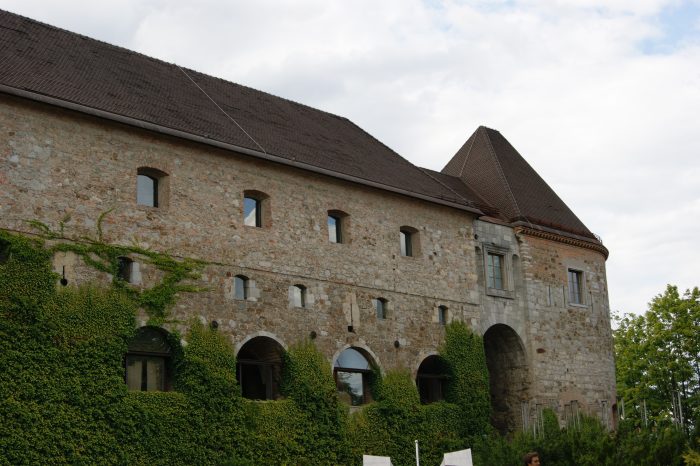
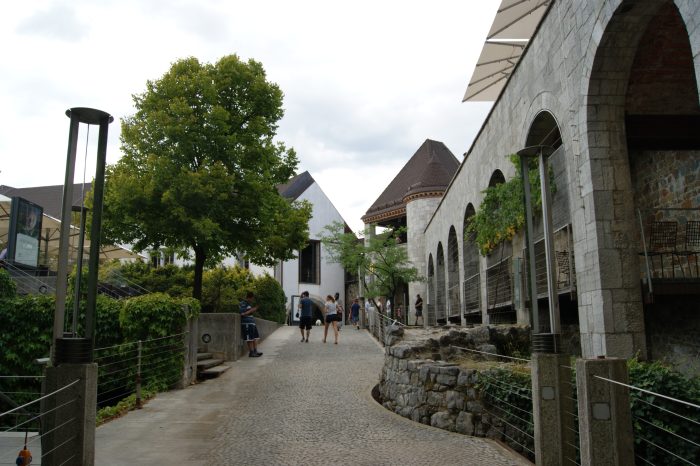
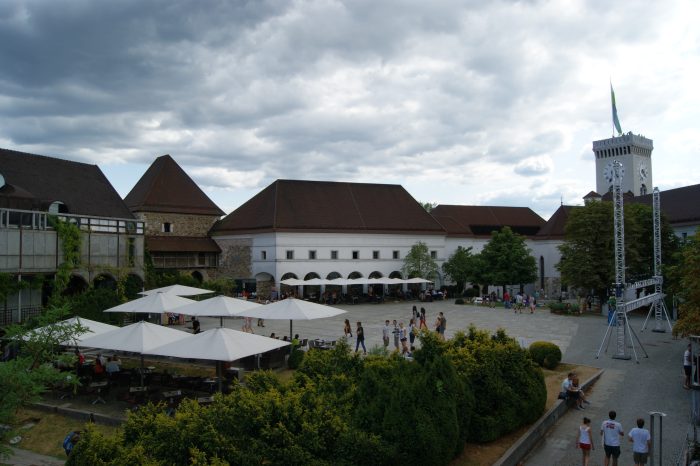
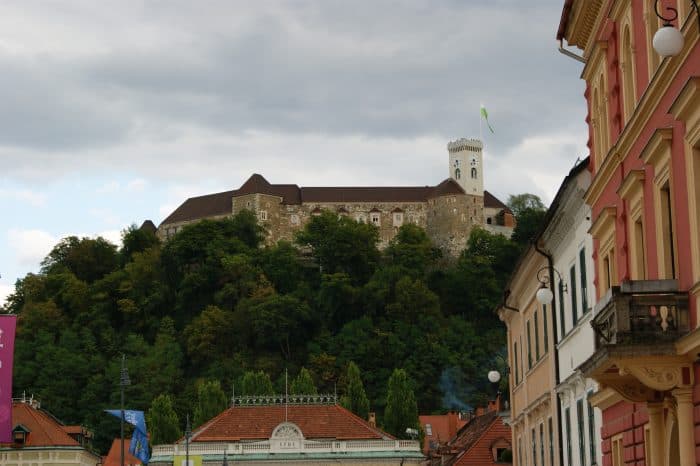
The Ljubljana Castle (Ljubljanski grad) is the city’s defining symbol, standing on a hill above the Old Town. Originally a medieval fortress constructed in the 11th century, it was rebuilt multiple times over the centuries. It has served as a defense structure, a residence for the lords of Carniola, and later a prison. Today, it is a major cultural venue. Visitors can take a modern funicular railway up to the castle from the Old Town. Inside, there are several exhibitions, including a museum of puppetry and an exhibition on Slovenian history. The castle’s Outlook Tower offers 360-degree views of the city and the distant Alps.
Zmajski Most
The Dragon Bridge (Zmajski Most) is one of Ljubljana’s most recognizable images. Completed in 1901, it was Ljubljana’s first reinforced concrete structure and one of Europe’s earliest examples of this type of bridge. The bridge is famous for the four large dragon statues that are perched on its corners. These dragons, designed by the sculptor Jurij Zaninović, have become a symbol of the city. According to local legend, Jason, the mythical Greek hero, founded Ljubljana after defeating a dragon here. The bridge is an example of Vienna Secession (Art Nouveau) architecture.
Tromostovje
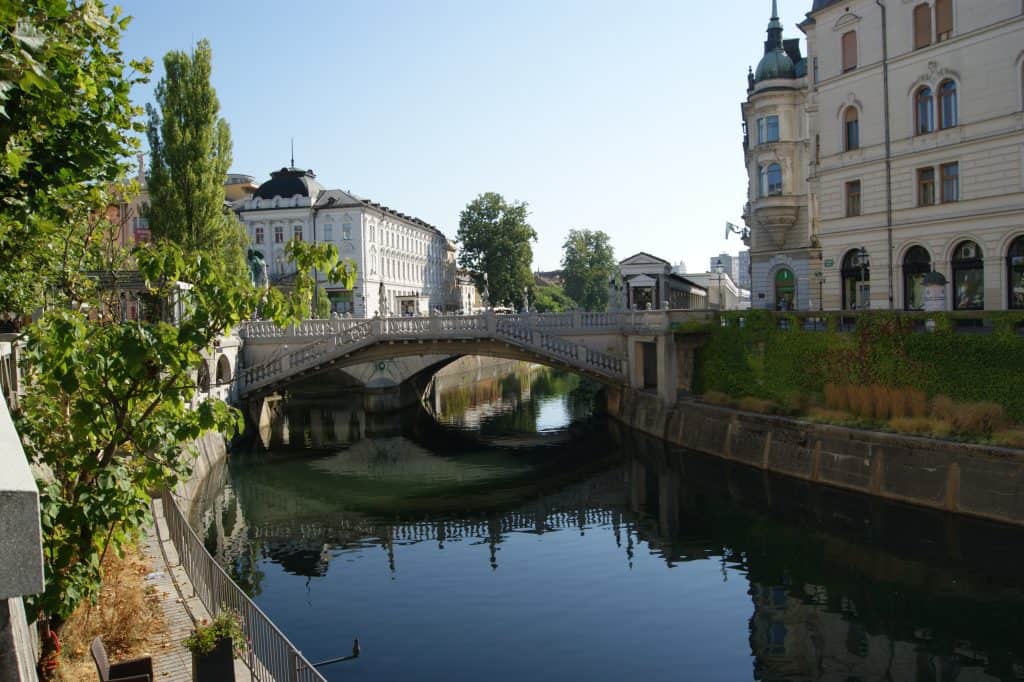
The Triple Bridge (Tromostovje) is an ensemble of three bridges that span the Ljubljanica River, connecting the historical medieval town with the modern Prešeren Square. The central stone bridge dates to 1842. In the early 1930s, the renowned Slovenian architect Jože Plečnik redesigned and expanded it. He added two pedestrian bridges on each side, decorated with stone balustrades. This created a unique fan-like shape and a grand entrance to the Old Town. This ensemble was added to the UNESCO World Heritage List in 2021 as part of Plečnik’s “Human Centred Urban Design” legacy. Since 2007, all three bridges are part of Ljubljana’s pedestrian-only zone.
Prešeren Square
Prešeren Square (Prešernov Trg) is the central square in Ljubljana. It is part of the Old Town’s pedestrian zone and serves as a major meeting point. It hosts festivals, concerts, and public events. The square is dominated by the pink, Baroque-style Franciscan Church of the Annunciation. A bronze statue of Slovenia’s national poet, France Prešeren, with a muse above him, stands at its eastern side. The square’s current circular form was redesigned in the 1980s by the architect Edvard Ravnikar. The elegant architecture of the buildings surrounding the square makes it a key urban space.
Osrednja Ljubljanska Tržnica
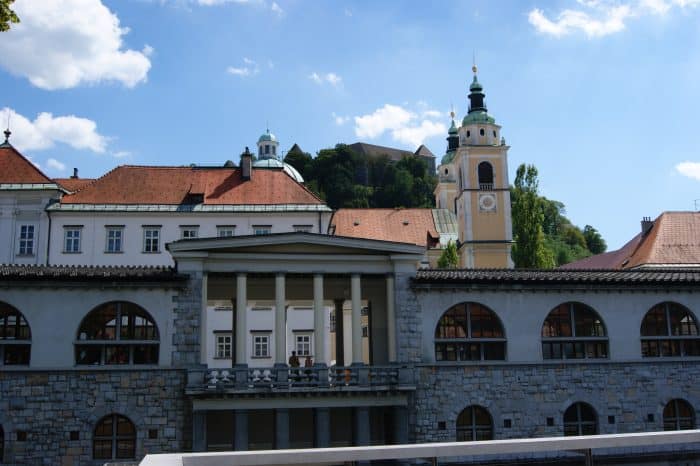
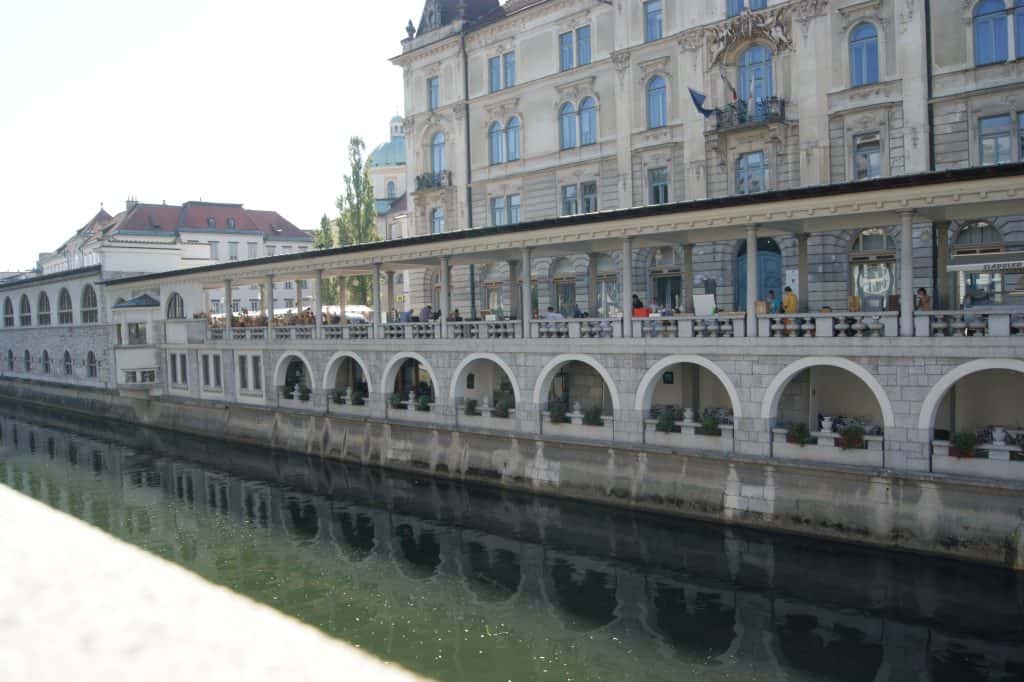
The Ljubljana Central Market (Osrednja Ljubljanska Tržnica) is more than just a place to shop; it is a traditional meeting spot for the city’s residents. The market consists of an open-air section in the Vodnik Square, a covered market, and small food shops along the Ljubljanica River. The riverside market building was designed by architect Jože Plečnik between 1940 and 1944. Its design reflects Renaissance influences. Since 2021, it has also been part of Plečnik’s UNESCO World Heritage legacy. The market is open daily except Sundays and offers local produce, meats, cheeses, and flowers.
National Gallery of Slovenia
The National Gallery of Slovenia (Narodna galerija) is the country’s main art museum for historical art. Founded in 1918, it houses Slovenia’s largest fine art collection from the late medieval period to the early 20th century. The gallery is located in the Narodni dom palace, a building constructed in the 1890s. The collection features works by prominent Slovenian artists, including Baroque painters and local Impressionists. A modern wing was added to the gallery, and the entrance hall connecting the two buildings now displays the original Robba Fountain, a famous Baroque monument.
Roman Walls (Emona)
Remains of the ancient Roman city of Emona are visible in several parts of Ljubljana. These include sections of the city walls, which were constructed around 14 AD. The walls were 6 to 8 meters high and 2.5 meters thick, with at least 26 towers. Parts of the southern city wall were redesigned in the 1930s by architect Jože Plečnik, who integrated the ancient Roman elements into a modern urban park. These visible ruins offer a direct link to Ljubljana’s past as a significant Roman settlement. The main archaeological park is located on the western side of the city center.
Mestni Park Tivoli
Tivoli City Park is Ljubljana’s largest and most central park. It stretches from the western outskirts of the city center. This extensive green space offers a variety of recreational opportunities. The park features long, tree-lined promenades, the most famous of which is the Jakopič Promenade, which was designed by Jože Plečnik and now serves as a major outdoor exhibition venue. Tivoli Castle, a 17th-century mansion, stands within the park and houses the International Centre of Graphic Arts. The park is protected as part of the Tivoli–Rožnik Hill–Šiška Hill Nature Park.


Sports in Ljubljana
Ljubljana has an active sports culture with successful professional teams in several of the country’s most popular sports. The city is home to major clubs in football, basketball, and ice hockey, which have long histories and dedicated fanbases. The city has several major venues, including the Stožice Sports Park, which contains a modern football stadium and a large indoor arena. These facilities allow the city to host major international events.
Beyond professional team sports, Ljubljana’s location and its focus on green spaces provide many opportunities for recreational activities. The city is known for its running events, including a major annual marathon. The surrounding hills and nearby Alps are destinations for hiking and winter sports. This combination of professional sport and public recreation creates an active environment throughout the year.
Football
Football holds a significant place in Ljubljana’s community. The city’s primary football club has a long and successful history, both in the former Yugoslav leagues and in the modern Slovenian league. Matches are social events that foster a strong sense of belonging among fans. The club is one of the most successful in the country and regularly competes for the national title.
NK Olimpija Ljubljana
Nogometni klub Olimpija Ljubljana is the city’s most prominent football club. The original club was founded in 1911. After it was dissolved, a new club was founded in 2005, which carries on the legacy. They play their home matches at the Stožice Stadium, which is part of a larger sports park and has a capacity of over 16,000. NK Olimpija has a rich history, being a long-standing participant in the Yugoslav First League. Since Slovenia’s independence, they have won the Slovenian championship title multiple times, most recently in 2023. They have also won the Slovenian Cup numerous times.
Basketball
Basketball enjoys significant popularity in Ljubljana, with a highly successful professional club that has achieved international recognition. The city has a rich basketball tradition, and the local club is one of the most important in the region. The team competes in several domestic and regional leagues, including top European competitions.
KK Cedevita Olimpija
Košarkarski klub Cedevita Olimpija is a professional basketball club based in Ljubljana. The current club was formed in 2019 by a merger of the Slovenian club Petrol Olimpija and the Croatian club Cedevita Zagreb. The original Olimpija club had a history of success, winning the FIBA European Cup in 1994. The merged team competes in the Slovenian League, the regional ABA League, and the EuroCup. They play their home games at the Stožice Arena, which has a capacity of over 12,000 for basketball.
Ice Hockey
Ice hockey also has a presence in Ljubljana, with a historic club that has achieved success both domestically and in regional international leagues. The sport is a key part of the city’s winter sports scene. The club has a dedicated following, and its home games are important events for local sports fans.
HDD Olimpija Ljubljana
Hokejsko drsalno društvo Olimpija Ljubljana is the city’s main ice hockey club. The original club had a long history but was dissolved due to financial issues. A new club was established that continues the legacy. They play their home games at the Hala Tivoli (Tivoli Hall), an indoor arena in Tivoli Park with a capacity of around 7,000. HDD Olimpija competes in the international ICE Hockey League, which includes top teams from Austria, Italy, and Hungary. They have also won the Slovenian Championship multiple times.



Getting Around in Ljubljana
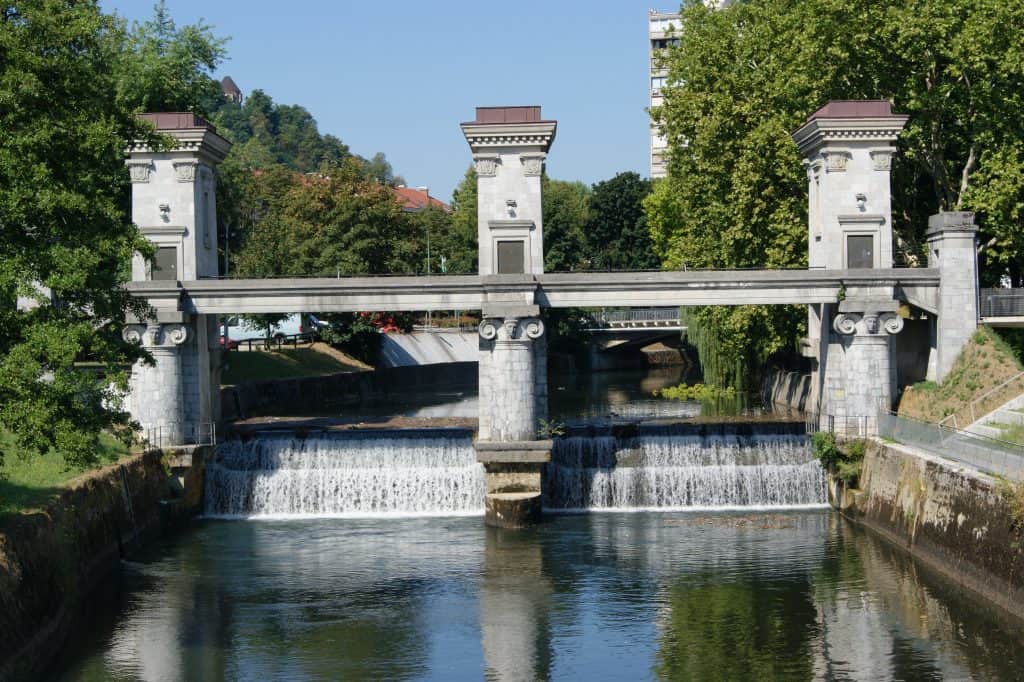
Navigating Ljubljana is straightforward due to its compact size and pedestrian-friendly center. The city has a strong focus on sustainable transport. Understanding Ljubljana’s transport system helps to explore its historic Old Town, riverside, and wider districts with ease. The public transport system is primarily based on buses.
The city’s bus network is operated by LPP (Ljubljana Passenger Transport) and uses the Urbana card. This is a rechargeable smart card that is required for riding the buses. You can load it with credit for single rides or with daily or weekly passes. One Urbana card can be used to pay for multiple people. You simply tap it on the validator when boarding. Contactless bank cards are not yet widely accepted on public buses. You can purchase Urbana cards at kiosks, post offices, and tourist information centers.
On Foot: The Pedestrian Center
Walking is often the best way to experience Ljubljana’s heart. The entire Old Town and much of the city center are part of a large pedestrianized zone. This creates a relaxed and enjoyable atmosphere. Famous landmarks like the Triple Bridge, Dragon Bridge, and Ljubljana Cathedral are all easily accessible on foot. Wear comfortable shoes, as the Old Town has cobblestone streets. Walking allows you to discover hidden alleys, riverside cafes, and the city’s architectural details.
Riding the Bus: The LPP Network
Ljubljana’s bus network covers the entire city and its suburbs. The distinctive green buses are the main form of public transport. They run frequently from early morning until late evening. Some routes extend into the night. As the city center is largely pedestrianized, buses circulate on the periphery or stop just outside the main pedestrian zone. The main bus hubs are located near the central train station. Checking routes and schedules via the LPP website or app is recommended.
A Lift to the Castle: The Funicular
For a unique and scenic ride, visitors can take the Ljubljana Castle Funicular. This modern funicular connects Krekov Square, which is near the Central Market, directly to the entrance of Ljubljana Castle. The ride takes just one minute. It offers excellent views of the Old Town’s rooftops as it ascends the hill. It is the quickest way to reach the castle without a long uphill walk. Tickets can be purchased at the lower station.
A Ride on the Kavalir
The Kavalir (Cavalier) vehicles offer a convenient and free ride within the pedestrianized city center. These are small, electric-powered vehicles that look like large golf carts. They operate on set routes within the pedestrian zone. They are intended to help residents and visitors, particularly those with limited mobility, to move around the large car-free area. You can simply wave them down, and they will stop if space is available.

How to Get to Ljubljana
Reaching Ljubljana, the capital of Slovenia, is convenient due to its central location in Europe and its modern transport infrastructure. The city is well-connected by air, road, and rail, making it an accessible destination from across the continent. Its position at the crossroads of Central Europe and the Balkans makes it a key transport hub for the region.
Arriving by Air: Ljubljana Airport
Ljubljana has its own international airport, Ljubljana Jože Pučnik Airport (LJU). It is located approximately 26 kilometers north of the city center. LJU offers connections to many major European cities, with services from carriers like Lufthansa, Turkish Airlines, and easyJet. From the airport, direct bus services provide frequent connections to the Ljubljana Central Bus Station. The journey takes about 30-40 minutes. For wider international connections, Trieste Airport (TRS) in Italy and Zagreb Airport (ZAG) in Croatia are viable alternatives.
The Open Road: Driving the Motorways
Driving to Ljubljana offers flexibility for exploring Slovenia’s diverse landscapes. The country has a modern motorway network. Ljubljana is located at the junction of several major highways. The A2 motorway connects it north to Kranj and Austria, and southeast to Zagreb, Croatia. The A1 motorway links it to Maribor in the east and the Slovenian coast (Koper) in the west. A digital vignette is required to use Slovenian motorways and can be purchased online.
Connecting by Coach
Bus services provide an economical way to reach Ljubljana from across Europe. The main bus station, Avtobusna postaja Ljubljana, is centrally located next to the train station. Companies like Arriva Slovenia and Nomago operate frequent domestic routes. International services by FlixBus and other carriers connect Ljubljana with major European cities. Direct bus connections from Zagreb, Vienna, Munich, and Venice are available.
On Track: A Central Railway Hub
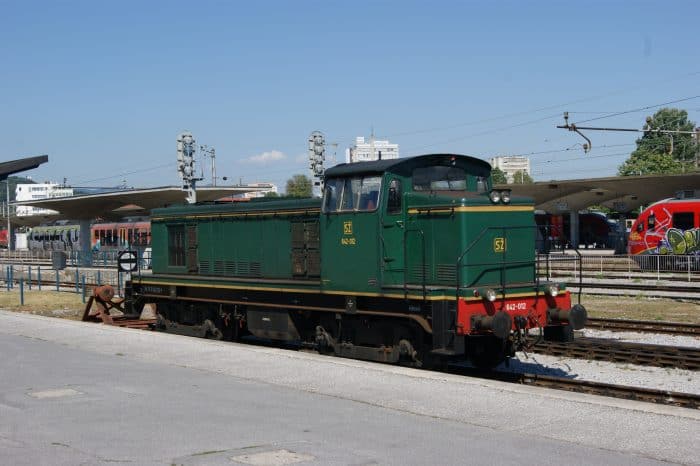
Traveling to Ljubljana by train is efficient. The Ljubljana Railway Station is the city’s main train hub. The Slovenian Railways (SŽ) operate frequent services. Direct trains connect Ljubljana to all major Slovenian cities, including Maribor and Koper. International train services also connect directly to Zagreb, Vienna, Munich, Trieste, and Budapest. The journey from Zagreb takes approximately 2 hours and 30 minutes. From Vienna, it’s about 6 hours. The station is located a short walk from the city center.
The Adriatic Route: Arriving by Ferry
Ljubljana is a landlocked city, so direct ferry access is not possible. However, you can combine ferry travel with other transport modes via nearby coastal cities. Koper, Slovenia’s only commercial port, is approximately 100 kilometers from Ljubljana. Koper has some ferry services to Italy. Further afield, major ferry ports like Trieste and Venice in Italy and Rijeka in Croatia offer more extensive ferry connections across the Adriatic Sea. From any of these ports, onward bus or train travel to Ljubljana is readily available.
Driving Distances
The driving distance from 10 regional cities, according to Google Maps:
- Celje, Slovenia – 79 kilometers (1 h 00 min)
- Trieste, Italy – 94 kilometers (1 h 30 min)
- Koper, Slovenia – 106 kilometers (1 h 10 min)
- Maribor, Slovenia – 128 kilometers (1 h 30 min)
- Zagreb, Croatia – 142 kilometers (1 h 50 min)
- Venice, Italy – 242 kilometers (2 h 50 min)
- Vienna, Austria – 383 kilometers (4 h 00 min)
- Munich, Germany – 408 kilometers (4 h 20 min)
- Bratislava, Slovakia – 454 kilometers (4 h 30 min)
- Budapest, Hungary – 463 kilometers (4 h 40 min)
Looking to Explore more of Slovenia and Europe?