
Madrid | Exploring Spain
Madrid is the capital and largest city of Spain, located almost exactly at the geographical heart of the Iberian Peninsula. The city sits on a high plateau known as the Meseta Central, and its elevation of approximately 667 meters makes it one of Europe’s highest capital cities. With a population of around 3.3 million people in the municipality, Madrid is Spain’s largest city. This figure also makes it the second-largest city in the European Union by population within city limits, after Berlin. The small Manzanares River, which flows through parts of the city, has been a key feature throughout its history.
As the nation’s political, economic, and cultural core, the city is the seat of the Spanish government and the official residence of the Spanish monarch. Its central location makes it the primary transport hub for the country, with radial roads and rail lines connecting it to all other parts of Spain. This position also makes it an ideal base for day trips to nearby destinations. The historic UNESCO-listed cities of Toledo and Segovia, along with the royal monastery of El Escorial, are all accessible from Madrid.
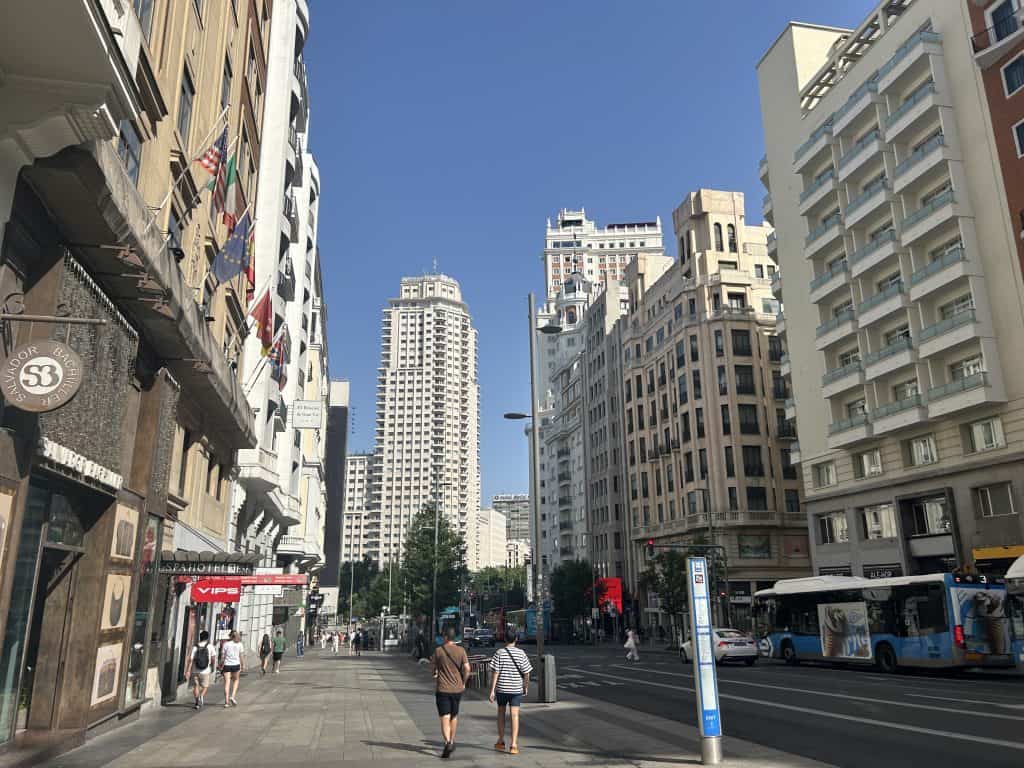
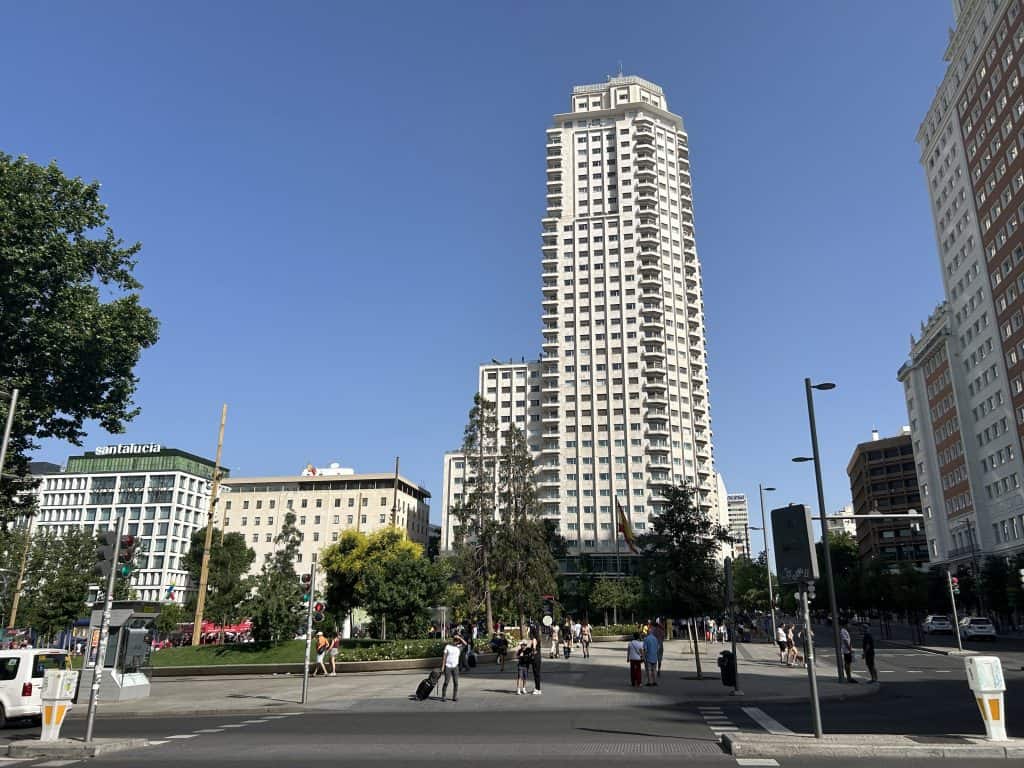
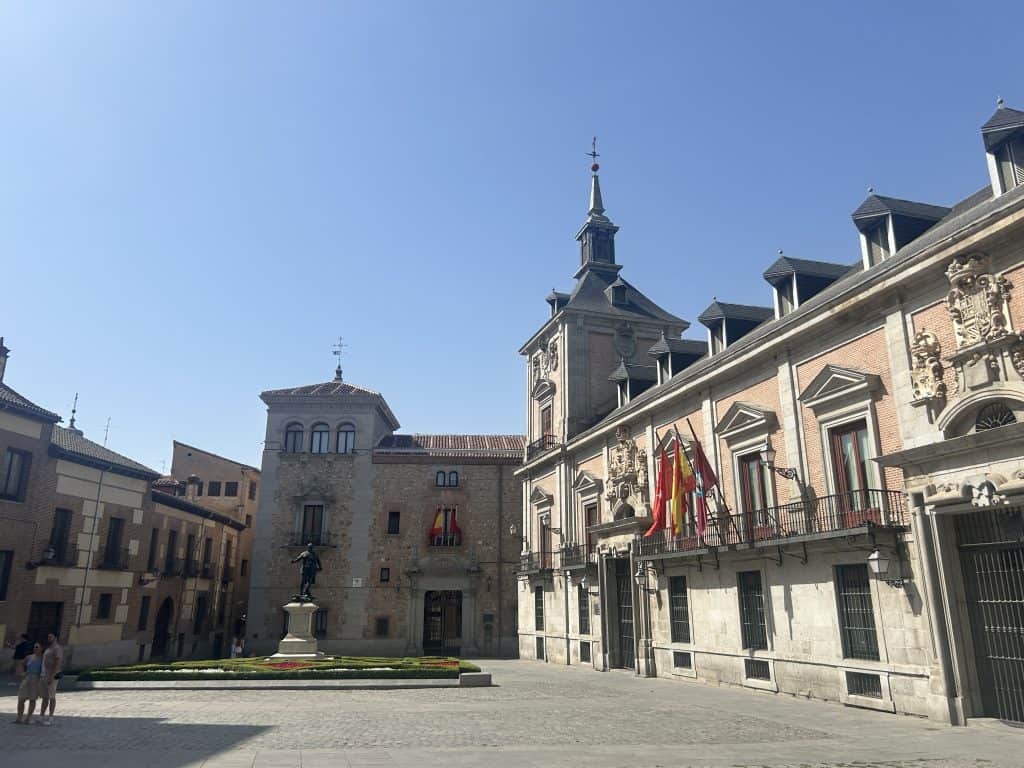
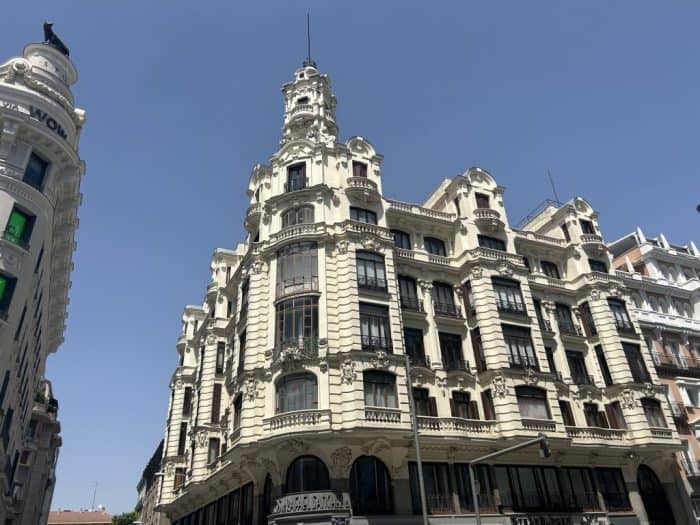
The character of Madrid is defined by a blend of its imperial past and its modern, active identity. The historic center, known as Madrid de los Austrias, contains grand plazas and historic buildings. This exists alongside the 19th-century boulevards and the modern business districts of the city’s north. As a major center for higher education, with institutions like the Complutense University of Madrid, the city also has a noticeable student population. This combination of history, art, business, and education gives the city its specific character.

Good to Know When Visiting Madrid
To help with planning a visit, here are several practical points covering daily essentials, timing, and efficient exploration of the city. Understanding these details can make a trip to Madrid more convenient. This information is intended to provide a general overview for travelers preparing to visit the city.
The Daily Essentials
The official currency used in Madrid is the Euro (EUR). While credit and debit cards are widely accepted in almost all establishments, it is advisable to carry some cash for very small purchases or at older, more traditional bars. The official language is Spanish (Castellano). English is widely spoken in tourist areas, hotels, and major restaurants, but less so in smaller, local establishments. Tipping is not obligatory and is less common than in other countries; it is standard to simply round up the bill or leave a small amount of change for good service. The tap water in Madrid is of high quality and is safe to drink. The electrical system uses Type F sockets with a standard voltage of 230V. Madrid is generally a safe city, but visitors should be mindful of pickpocketing in crowded tourist areas and on public transport.
Planning Your Calendar
Madrid is a year-round destination, but the climate varies significantly by season. The spring (April-June) and autumn (September-October) months are often considered the best time to visit. They offer mild and pleasant weather for exploring the city on foot. The summer months (July-August) can be extremely hot and dry, with temperatures often exceeding 35°C (95°F). The winter is cool and dry, with occasional colder spells. The city’s main local festival is the Fiesta de San Isidro, which takes place around May 15th and involves concerts, parades, and bullfights. For a first-time visitor, three to four days is generally sufficient time to see the main sights in the city center. A longer stay of five to seven days would allow for visits to more neighborhoods and day trips.
A Tourist’s Toolkit for Exploration
The historic center of Madrid is compact and best explored on foot. For longer distances, the city has an extensive and efficient public transport system. A key tool for visitors is the Tarjeta Multi, a reloadable smart card that can be used on the metro, buses, and commuter trains. For art lovers, the Paseo del Arte Pass provides admission to the three main art museums (Prado, Reina Sofía, and Thyssen-Bornemisza) at a reduced price. It is important to note that many museums in Madrid offer free admission hours, typically in the last two hours before closing each day. It is always a good idea to check the opening hours for specific museums in advance, as many are closed on Mondays.

A Short History of Madrid
The history of Madrid tracks its evolution from a minor Moorish fortress to the center of a global empire and finally into the modern metropolis it is today. Its development was slow for centuries before a single royal decision transformed its destiny. The city’s growth reflects the major periods of Spanish history, from the Habsburg and Bourbon dynasties to the political turmoil of the 19th and 20th centuries. This long history is visible in the city’s architecture, from its medieval street plan to its grand 18th-century avenues and modern infrastructure.
From Moorish Fortress to Capital City
Madrid’s history dates back to the 9th century. It began as a small Moorish fortress called Mayrit, built by the Emir Muhammad I of Córdoba on the banks of the Manzanares River. This fortress was part of a defensive network protecting the larger city of Toledo. Christian forces under Alfonso VI of León and Castile conquered it in 1085. For centuries after the reconquest, it remained a relatively minor town in the shadow of nearby Toledo, which was the capital of the Castilian kingdom.
This secondary status changed dramatically in 1561. King Philip II of the Habsburg dynasty chose Madrid as the permanent capital of the Spanish Empire. The reasons for this decision are debated but likely include its central geographic location on the Iberian Peninsula and its lack of strong ties to existing noble or church powers. This royal decree was the single most important event in the city’s history. It immediately sparked a period of rapid growth and development as the entire royal court and administration relocated to the town.
Development Under the Dynasties
The decision to make Madrid the capital spurred centuries of construction and growth. The city flourished under the subsequent Habsburg dynasty, which built the grand, enclosed Plaza Mayor in the 17th century to serve as the city’s public heart. After the Habsburg line ended, the Bourbon dynasty came to power in the 18th century. The Bourbons, particularly King Charles III, aimed to make Madrid a grand European capital on par with Paris or Vienna. They initiated major public works, including the construction of the new Royal Palace, the Prado Museum building, and large avenues like the Paseo del Prado.
This period of growth was interrupted by turmoil, including the War of Independence against Napoleonic forces. This conflict began with a popular uprising at the Puerta del Sol on May 2, 1808, an event famously depicted by the painter Goya. The 19th century was a period of further modernization and political instability. The city continued to expand with new residential districts and infrastructure projects like the railway.
The 20th Century and Modernity
Madrid also played a central role during the Spanish Civil War (1936-1939). As the capital of the Republic, it endured a long and brutal siege by Nationalist forces for nearly three years. Following the war and decades of dictatorship under Francisco Franco, the city re-emerged as the center of a newly democratic Spain after Franco’s death in 1975. This transition to democracy unleashed a period of great cultural and social energy known as the “Movida Madrileña” in the 1980s.
Since the late 20th century, Madrid has continued to grow into a progressive, modern, and diverse European capital. It hosted the FIFA World Cup final in 1982. The city has invested heavily in modern infrastructure, including a world-class airport, an extensive metro system, and high-speed rail links. Its ancient layers, from its medieval street plan to its grand 18th-century avenues, are still visible today alongside modern skyscrapers and cultural centers.


Things to Do and See
Madrid offers a range of historical landmarks and cultural institutions. Most of the primary sights are concentrated in the city center. This includes a “Golden Triangle of Art,” which contains three world-class art museums, all within a short distance of each other. The city’s main historic public squares, large urban parks, and the Royal Palace provide additional points of interest. This concentration of sights makes the central area of Madrid highly suitable for exploration.
The city’s architectural heritage is diverse, reflecting its history. Visitors can see the formal Habsburg-era design of the Plaza Mayor, the grand boulevards and neoclassical fountains of the Bourbon period, and modern 20th and 21st-century structures. The preserved Egyptian temple offers a connection to ancient history that is unique in Spain. The city’s museums are not only important for their collections but also for the historic buildings they occupy.
Prado Museum
The Prado Museum (Museo Nacional del Prado) is Spain’s main national art museum and is considered one of the most important art museums in the world. Opened in 1819, it houses a vast collection of European art from the 12th century to the early 20th century. The collection is based on the former Spanish Royal Collection. It is most famous for its comprehensive collection of works by Spanish masters like Diego Velázquez, Francisco de Goya, and El Greco. Key masterpieces include Velázquez’s Las Meninas and Goya’s The Third of May 1808. The museum also holds significant collections of Italian and Flemish art.
Royal Palace of Madrid
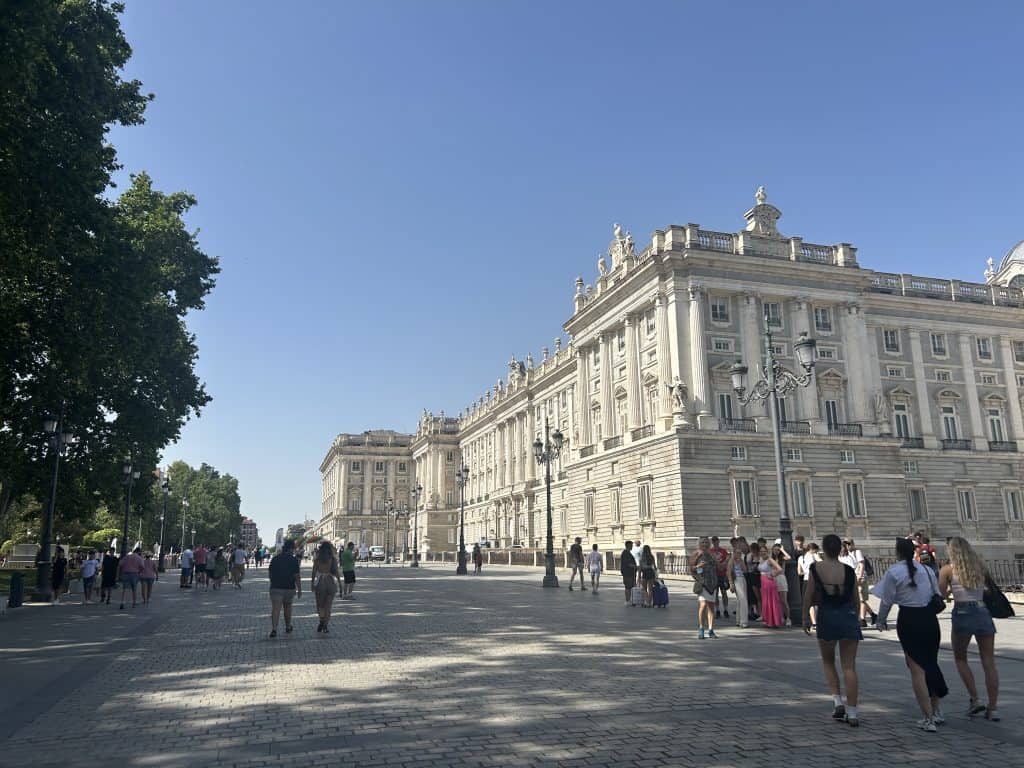
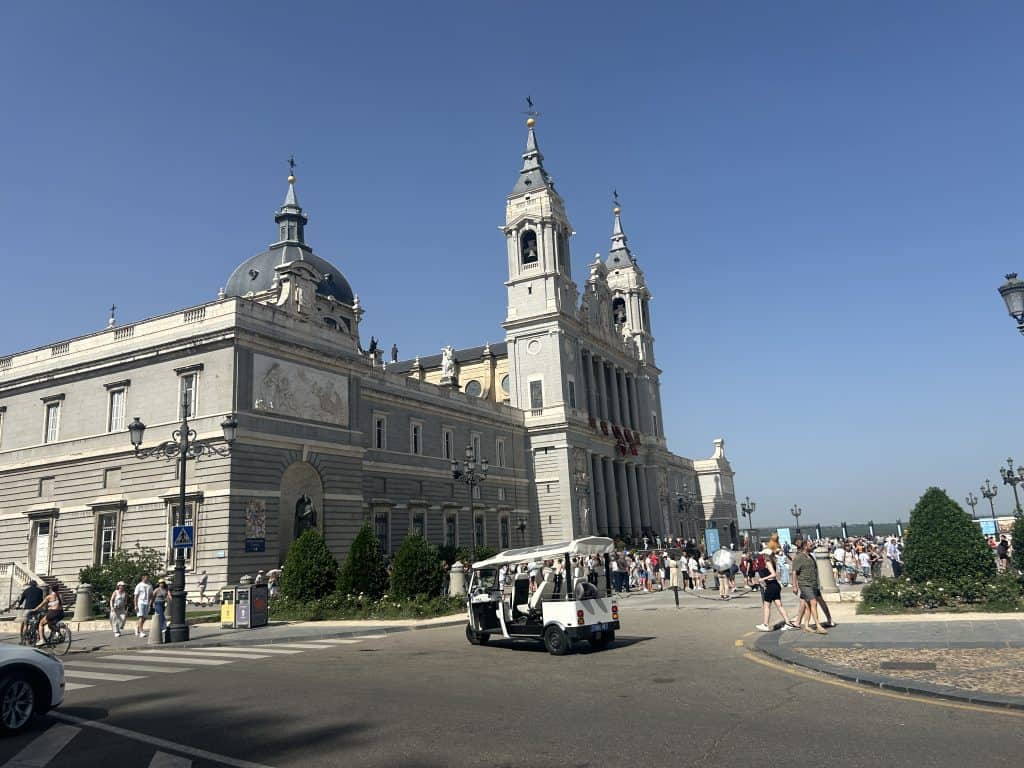
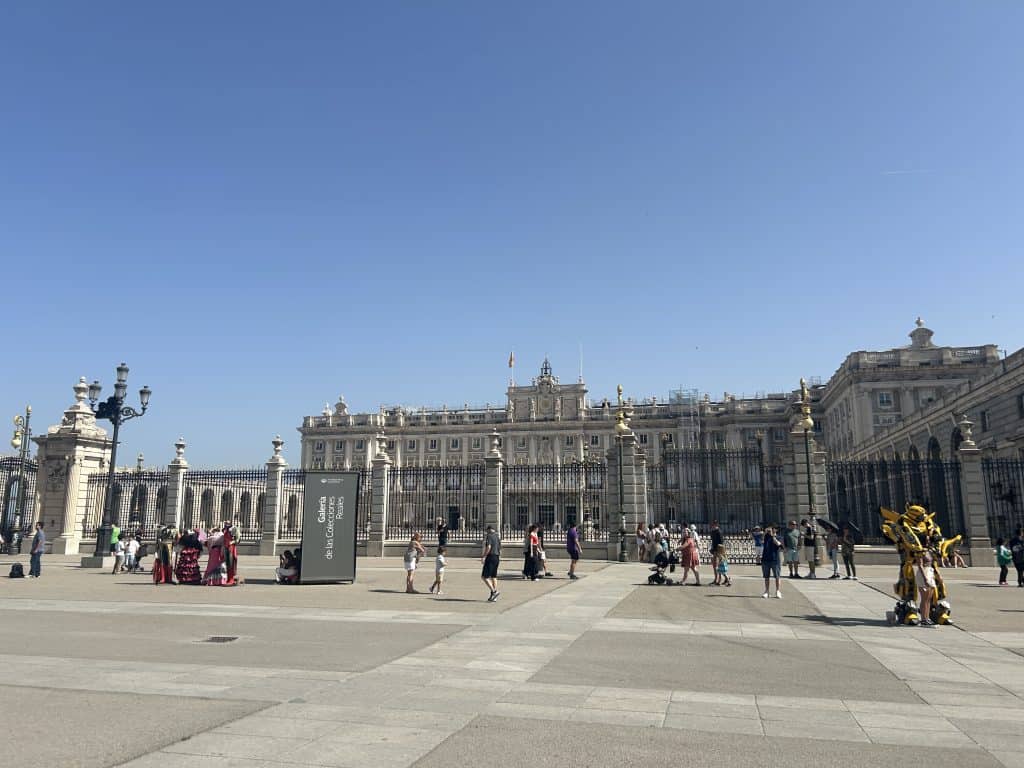
The Royal Palace of Madrid (Palacio Real de Madrid) is the official residence of the Spanish Royal Family, although it is now used only for state ceremonies. It is the largest functioning royal palace in Western Europe by floor area, boasting over 3,400 rooms. The current palace was built in the mid-18th century on the site of a former Moorish Alcázar that burned down in 1734. Its construction was ordered by King Philip V. Certain rooms in the palace are open to the public for tours, including the Throne Room, the Royal Armory, and the Royal Pharmacy. The palace is surrounded by the Sabatini Gardens and the large Campo del Moro park.
Retiro Park
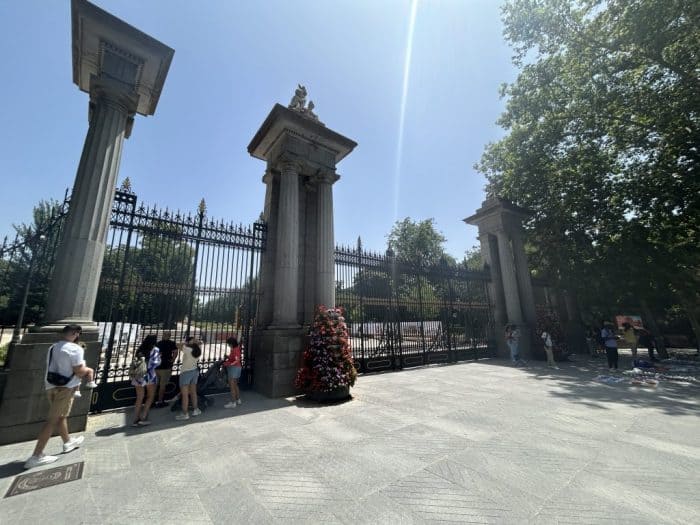
The Retiro Park (Parque del Buen Retiro) is a vast park covering over 125 hectares in the center of Madrid. The park originally served as the private gardens for a palace complex built for King Philip IV in the 17th century. It was opened to the public in the late 19th century. Key features include a large artificial lake, where visitors can rent rowboats, which is overlooked by the large Monument to Alfonso XII. The park also contains the Crystal Palace (Palacio de Cristal), a glass pavilion built in 1887 that now hosts art exhibitions. Other features include a rose garden and the statue of the Fallen Angel.
Plaza Mayor
The Plaza Mayor is a large, enclosed public square in the heart of Madrid de los Austrias, the old Habsburg center. It was built during the reign of King Philip III and completed in 1619. The rectangular square is surrounded by three-story residential buildings with balconies that face the center. An equestrian statue of King Philip III stands in the middle. The plaza has hosted markets, bullfights, public executions, and royal ceremonies over the centuries. Today, it is lined with cafes and shops and is a central point for both residents and tourists.
Puerta del Sol
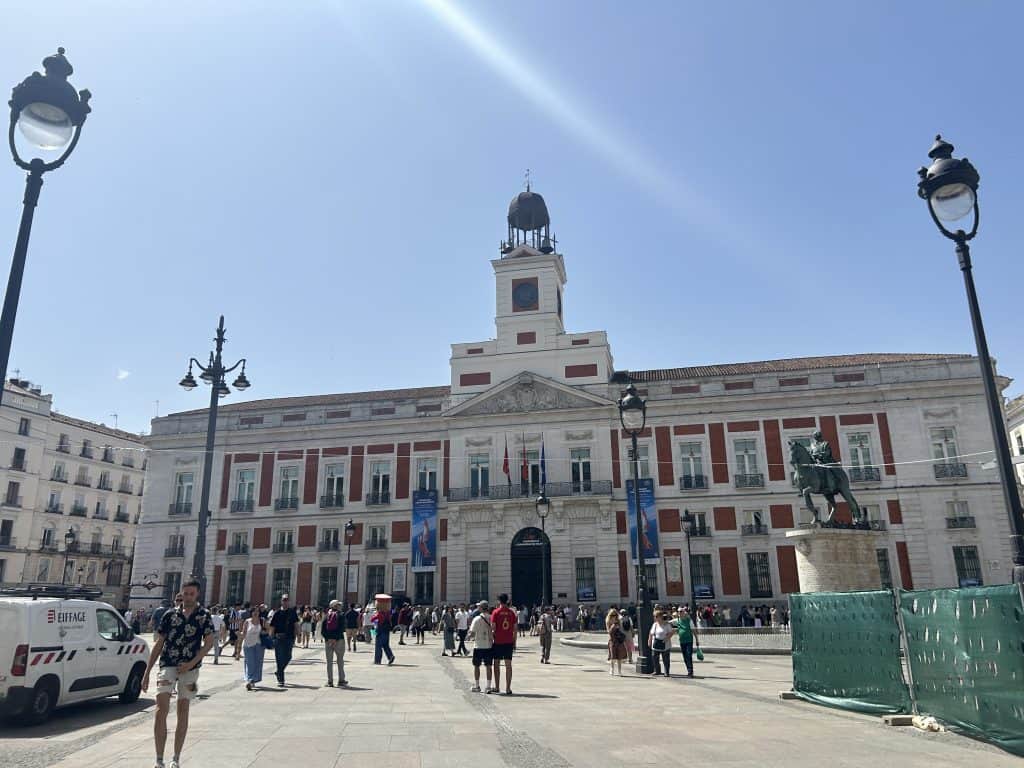
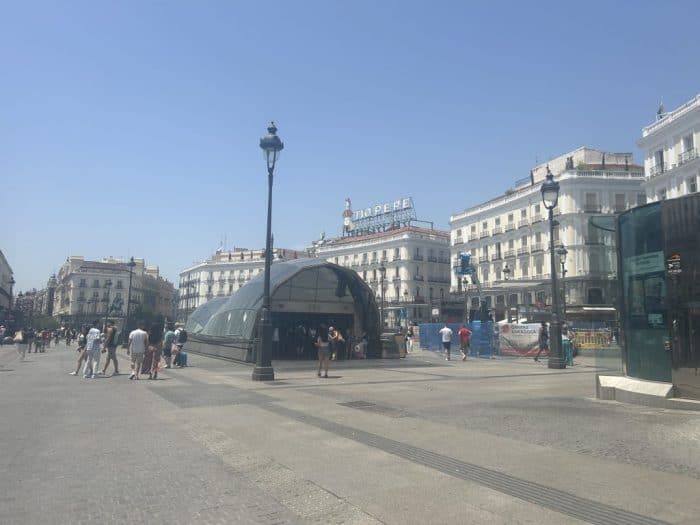
The Puerta del Sol is one of Madrid’s best-known public squares. The semi-circular plaza is one of the busiest spots in the city and a major public transport hub. It is home to the famous statue of “The Bear and the Strawberry Tree” (El Oso y el Madroño), which is the official symbol of the city. The Kilometer Zero plaque, which marks the starting point for Spain’s radial road network, is also located on the ground here. The square’s clock is famous for leading the traditional eating of the twelve grapes at midnight on New Year’s Eve.
Reina Sofía Museum
The Reina Sofía Museum (Museo Nacional Centro de Arte Reina Sofía) is Spain’s national museum of 20th-century art. Opened in 1992, its collection focuses on Spanish modern and contemporary art. The museum’s most famous work is Pablo Picasso’s monumental painting “Guernica,” which depicts the bombing of the Basque town during the Spanish Civil War. It also features significant collections of works by artists such as Salvador Dalí and Joan Miró. The main museum is located in a former 18th-century hospital building, which has been expanded with a modern wing designed by architect Jean Nouvel.
Thyssen-Bornemisza Museum
The Thyssen-Bornemisza Museum completes Madrid’s “Golden Triangle of Art” along with the Prado and the Reina Sofía. The museum houses a vast private collection that was acquired by the Spanish state in 1993. Its collection spans from the 13th century to the late 20th century, providing a comprehensive overview of Western art history. It includes works by masters like Van Gogh, Monet, and Degas, as well as major works from movements not well represented in the other two museums, such as German Expressionism. The museum fills historical gaps in the collections of its neighbors.
Temple of Debod
The Temple of Debod (Templo de Debod) is an ancient Egyptian temple located in Madrid’s Parque de la Montaña. The temple was gifted to Spain by the Egyptian government in 1968. This was done as a sign of gratitude for Spain’s help in saving the temples of Abu Simbel from flooding during the construction of the Aswan High Dam. The temple was dismantled in Egypt and rebuilt in Madrid. It dates back to the 2nd century BC and is one of the few examples of ancient Egyptian architecture that can be seen outside of Egypt. The park around the temple offers views, particularly at sunset.



Sports in Madrid
Madrid has an active sports scene, which is primarily dominated by football. The city is home to two of the world’s most globally recognized football clubs, whose rivalry is a central part of the city’s identity. Basketball is also very popular, with a team that competes at the highest European level. The city is also a major international destination for several other sports.
Beyond these major professional sports, the city hosts major annual international events in tennis, running, and cycling. The city’s infrastructure and large population support a wide range of recreational and amateur sports clubs. Starting in 2026, Madrid will also become a host for Formula 1, further cementing its status as a major European sporting capital.
Football
Football is the most followed sport in Madrid. The city is home to two of the most successful and valuable clubs in the history of the sport. Matches draw enormous domestic and international attention. The rivalry between the two main clubs, known as the Madrid Derby, is one of the most famous in world football. The success of these teams, particularly in the UEFA Champions League, has made Madrid a key center of the global football world.
Real Madrid C.F.
Founded in 1902, Real Madrid is one of the most successful football clubs globally. The club was recognized as the FIFA Club of the 20th Century. As of 2024, they hold a record 15 UEFA Champions League trophies and a record 36 La Liga titles. Their historic home ground is the Santiago Bernabéu Stadium, which has a capacity of over 81,000 and recently underwent a major renovation.
The club’s long history includes many of the sport’s most famous players, such as Alfredo Di Stéfano, Zinedine Zidane, and Cristiano Ronaldo. The team, known for its all-white home kit, has a global fanbase numbering in the hundreds of millions. Real Madrid also holds numerous records for domestic cup wins. They are a consistent force in both Spanish and European football every season. The club’s success and history have made it a symbol of the city itself. The stadium tour is one of the most visited attractions in Madrid.
Atlético de Madrid
Atlético de Madrid, founded in 1903, is the city’s other major football club. They are known as “Los Colchoneros” (The Mattress Makers) due to the resemblance of their red and white striped shirts to old-fashioned mattresses. The club has won 11 La Liga titles and 10 Copa del Rey trophies. They have also had significant success in Europe, winning the UEFA Europa League three times and reaching the Champions League final three times. Their home stadium is the modern Cívitas Metropolitano, which is known for its intense atmosphere generated by the club’s passionate supporters.
Basketball
Basketball is another very popular sport in Madrid. The city’s main club is one of the most successful in European basketball history. The sport attracts a dedicated fanbase, particularly for major domestic league games against rivals like FC Barcelona and for European competitions. The club’s consistent success has helped to cement Madrid’s status as a major European sporting capital, with a strong tradition in the sport.
Real Madrid Baloncesto
This is the basketball section of the Real Madrid club, founded in 1931. They are one of Europe’s most successful basketball teams, holding a record 11 EuroLeague championships. The team has also won a record 37 Spanish League championships. They play their home games at the WiZink Center, a major indoor arena in the city that holds up to 15,000 spectators for basketball. The team is a dominant force in both Spanish and European basketball and has featured many famous Spanish and international players.
Bullfighting
Bullfighting is a traditional spectacle in Spain with deep historical roots. In Madrid, it remains a significant cultural event, although it is the subject of public debate. The activity is governed by a specific set of rules and traditions and is presented to its audience as a display of skill. The main season for bullfights runs from March to October, with the most important events concentrated during the San Isidro festival in May.
Las Ventas Bullring
The main venue for bullfights in Madrid is the Las Ventas Bullring (Plaza de Toros de Las Ventas). Inaugurated in 1931, it is the largest bullring in Spain with a seating capacity of nearly 24,000. The building is a key example of Neo-Mudéjar architecture. Las Ventas is considered one of the most important bullrings in the world. Its most significant event is the annual San Isidro Fair in May, which features daily bullfights for several weeks and attracts the world’s top bullfighters.
Running
Major running events are common in Madrid’s sporting calendar. The city hosts several large road races that attract thousands of participants from around the world. These events range from full marathons to shorter, popular races held on specific holidays.
Rock ‘n’ Roll Running Series Madrid
The Rock ‘n’ Roll Running Series Madrid is an annual event held in the spring, typically April. Its official name is the Maratón Popular de Madrid (Mapoma). The event includes a full marathon, a half marathon, and a 10K race, attracting tens of thousands of participants. The course is known for being challenging with an undulating profile. It passes many of the city’s main landmarks, including the Royal Palace and the Prado Museum, and finishes in the Paseo de Recoletos.
San Silvestre Vallecana
The San Silvestre Vallecana is a highly popular annual 10K road race. It is held every December 31st, making it one of the most famous New Year’s Eve races in the world. The event has a unique two-race format. First, a mass-participation “popular” race is held for tens of thousands of runners, many in costume. Later in the evening, a separate elite international race features world-class athletes. The course traditionally starts near the Santiago Bernabéu stadium and finishes in the Vallecas neighborhood.
Tennis
Madrid is a prominent stop on the international tennis circuit. The city hosts a major combined men’s and women’s tournament each year. This event is part of the highest tier of professional tennis tours. It regularly attracts nearly all of the top-ranked players in the world.
Mutua Madrid Open
The Mutua Madrid Open is a major professional tennis tournament. It is part of the ATP Tour Masters 1000 series for men and the WTA 1000 series for women. It is held annually in the spring at the Caja Mágica complex. The tournament is played on outdoor clay courts and is a key event in the lead-up to the French Open. It is one of the most important tournaments on the European tennis calendar, attracting nearly all of the world’s top players.
Cycling
Cycling is a popular sport in Spain, both professionally and recreationally. Madrid often plays a role in the country’s most important professional race. The city’s streets are filled with spectators for this major annual event. The surrounding region also offers many routes for recreational cyclists.
Vuelta a España Finish
Madrid frequently hosts the final stage of the Vuelta a España, one of professional cycling’s three Grand Tours. This annual multi-stage race around Spain typically concludes with a celebratory final stage through the city’s main streets in September. The finish on the Paseo del Prado or Paseo de la Castellana draws large crowds to see the world’s top cyclists complete the three-week race.
Motorsports
Motorsports will become a significant part of the Madrid sports scene in the near future. The city has secured a contract to host a major international racing event. This marks a new chapter for motorsports in the Spanish capital. The event will take place on a new, purpose-built circuit.
Formula 1 Spanish Grand Prix
Starting in 2026, Madrid is set to host the Formula 1 Spanish Grand Prix. The annual event will be held on a new semi-permanent street circuit constructed around the IFEMA exhibition center. The contract to host the race is planned for ten years. This event will bring the highest class of international circuit racing back to the Madrid region.


Getting Around in Madrid
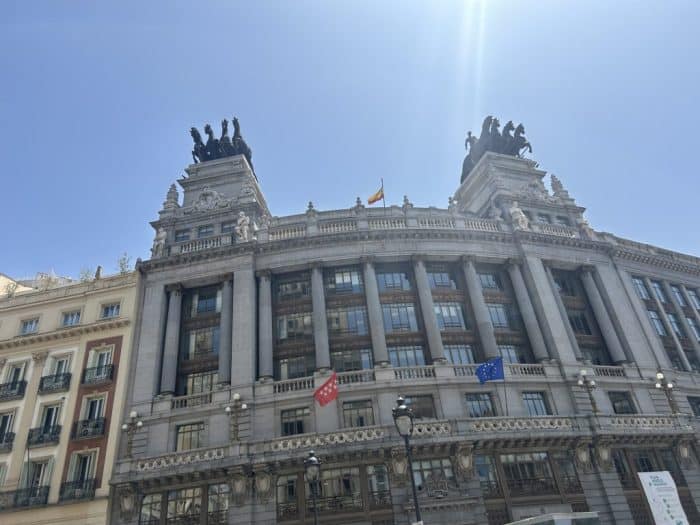
Navigating Madrid is efficient due to its extensive and integrated public transport system. The network connects every corner of the city and its metropolitan area. Whether using the metro, buses, or commuter rail, effective options are available. Understanding Madrid’s transport helps in exploring its neighborhoods and landmarks. The system is managed by the Consorcio Regional de Transportes de Madrid (CRTM).
A key tool for visitors is the Tarjeta Multi, a non-personal, reloadable smart card. This card can be topped up with single tickets, 10-trip tickets (known as Metrobús), or multi-day tourist travel passes. The card simplifies fare payment across different modes of transport. You simply tap the card at turnstiles for the metro and trains or on validators for buses. These cards can be purchased and reloaded at metro stations and other licensed retailers. Remember to always check official sources for the most up-to-date information on fares and zones.
On Foot: Exploring the Historic Core
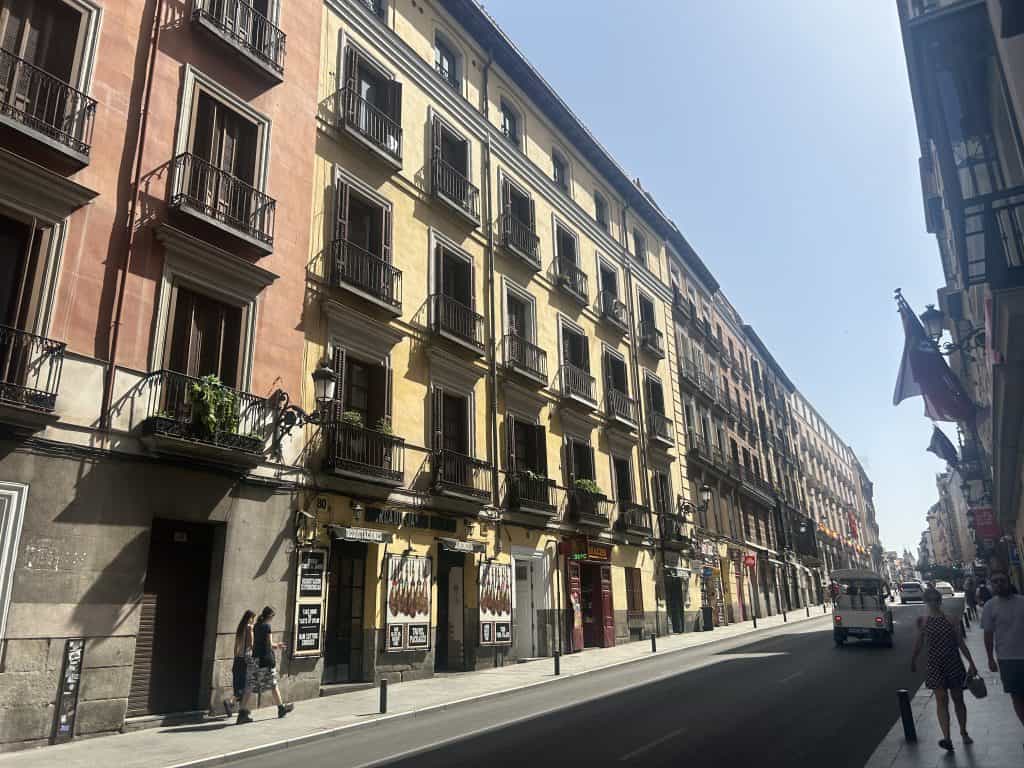
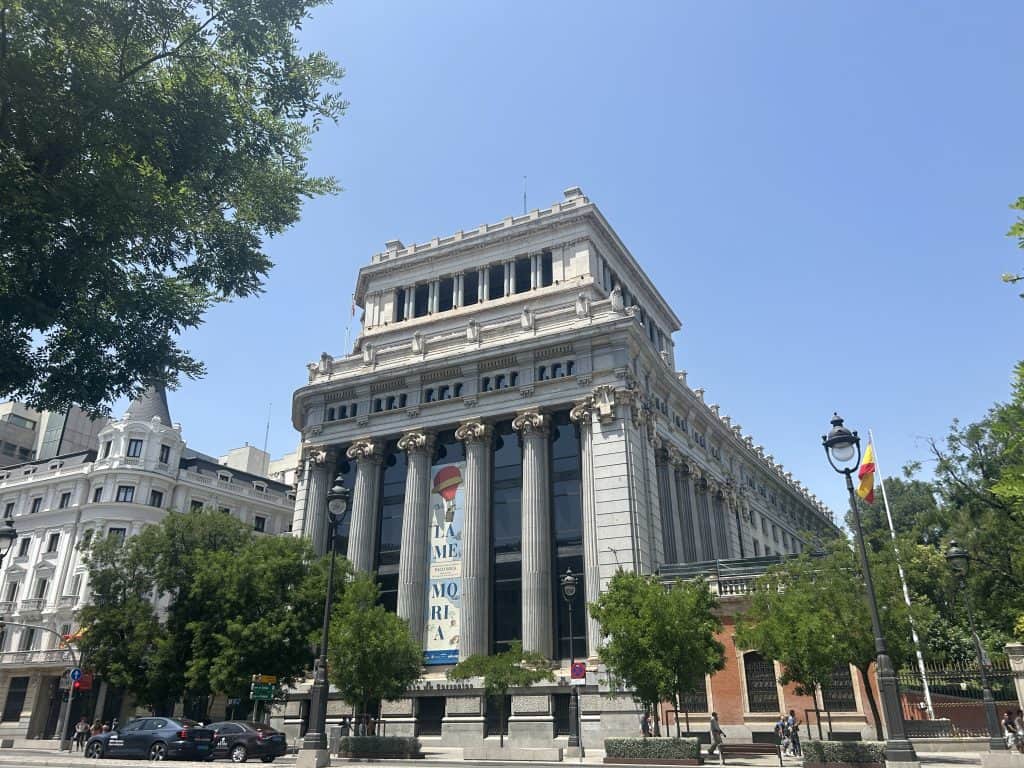
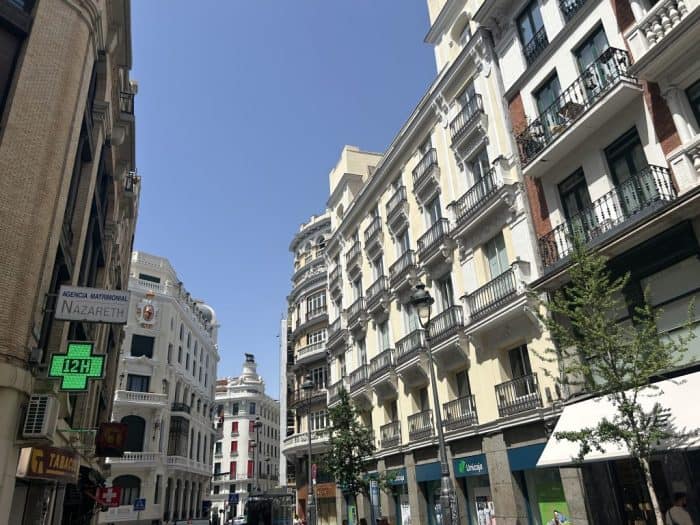
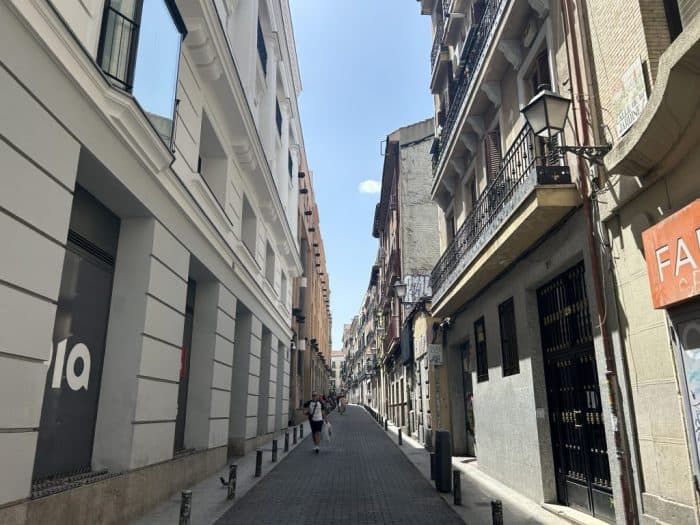
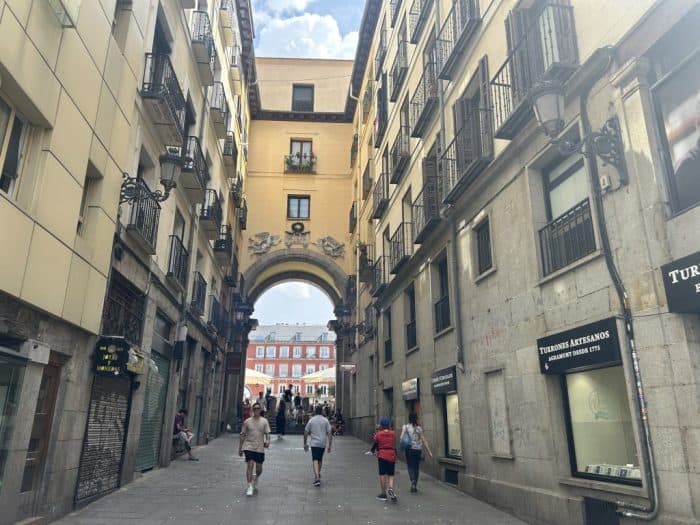
Walking is an effective way to experience Madrid’s central areas. Many of the city’s most famous landmarks are located within a compact and walkable zone. Areas like the Centro Histórico, La Latina, and the Barrio de las Letras are largely pedestrian-friendly. This allows for the discovery of smaller streets, plazas, and shops that are not accessible by vehicle. The main artery from the Prado Museum up to the Royal Palace is a common walking route. Comfortable footwear is recommended for exploring the city center this way.
Riding the Metro and Commuter Rail
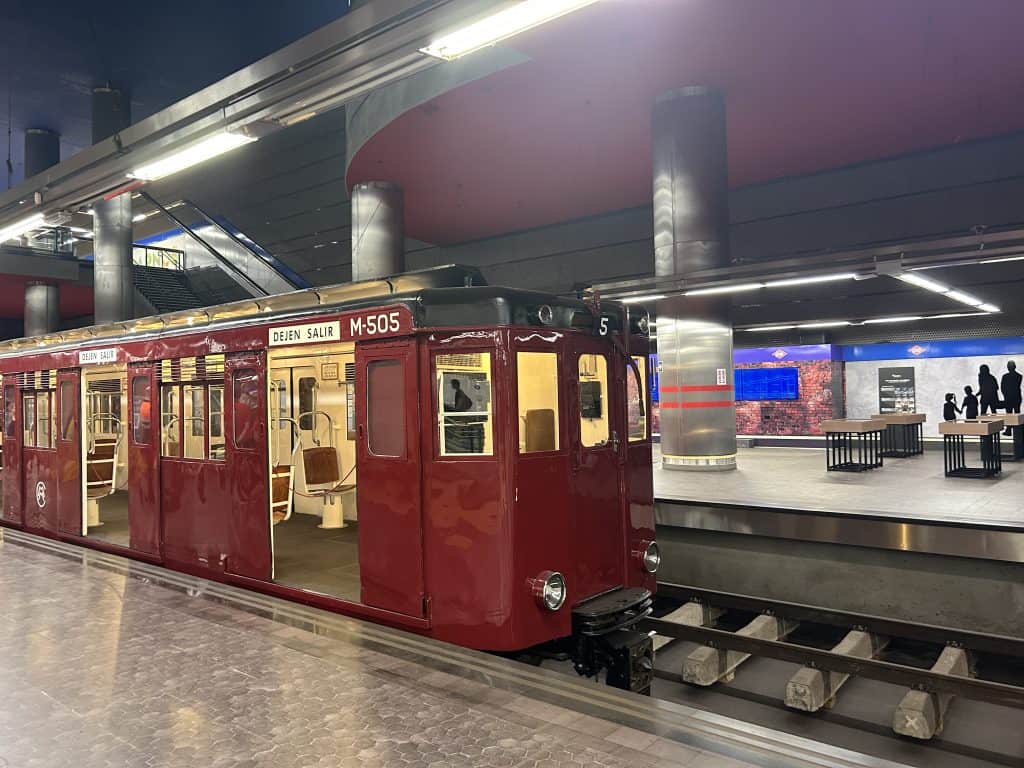
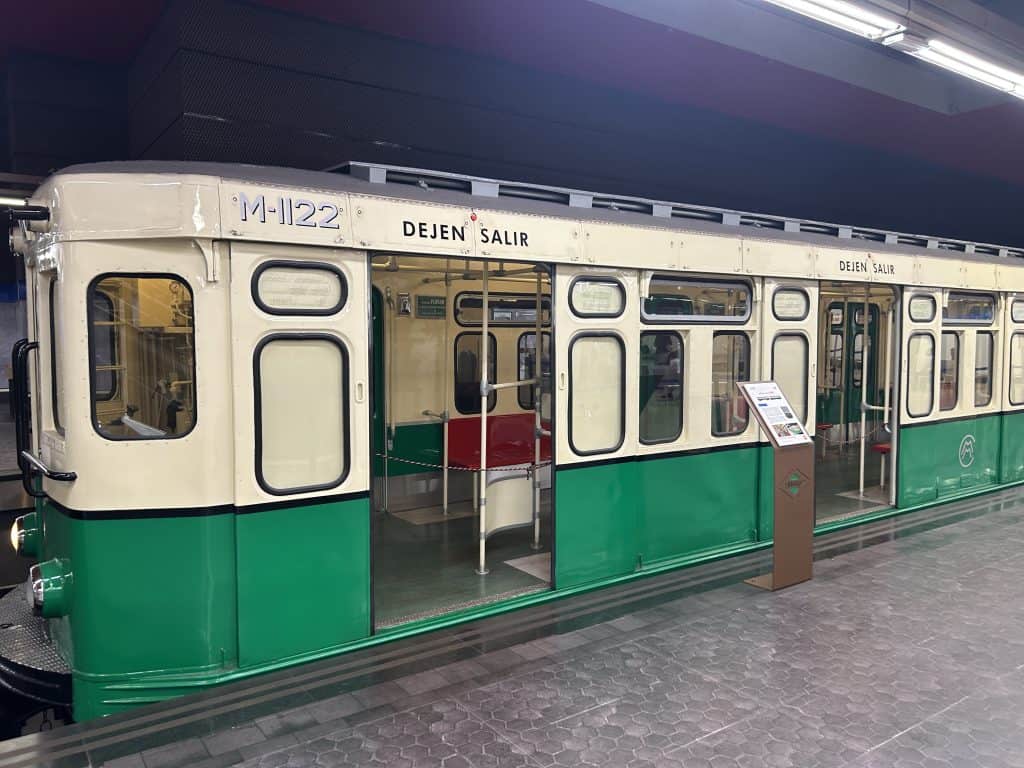
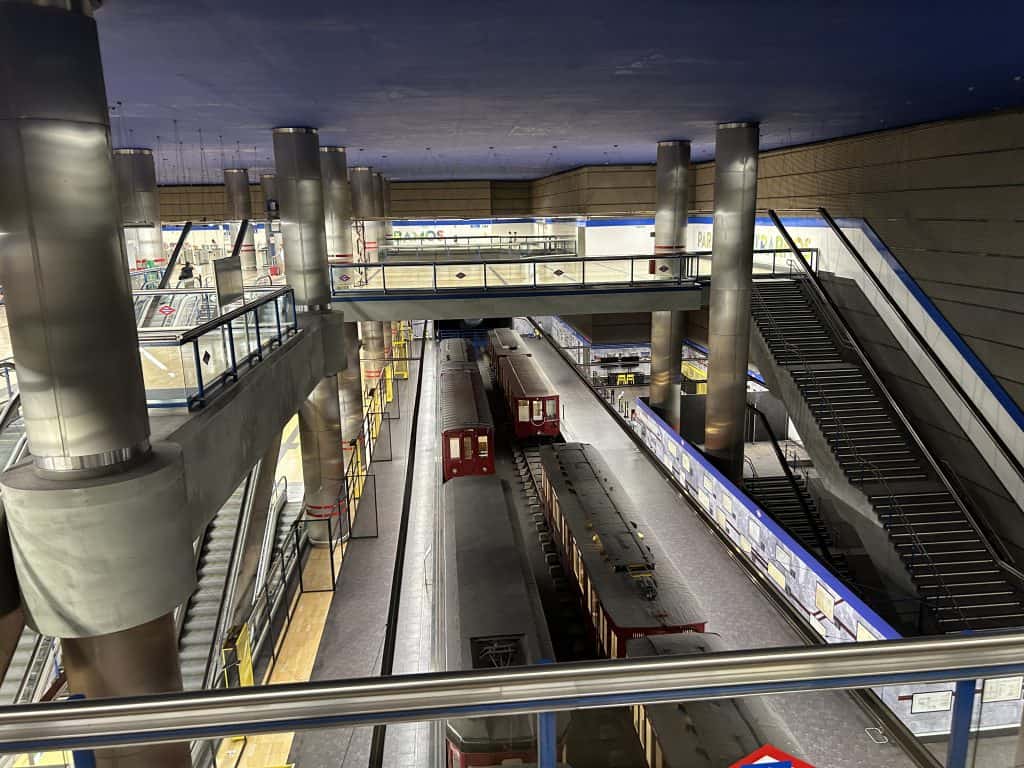
The Madrid Metro is a highly efficient and user-friendly subway network. It has 12 lines plus a branch line, covering virtually the entire city and many suburbs. Key lines, such as Line 8, connect the city center directly to all terminals at Madrid-Barajas Adolfo Suárez Airport (MAD). In addition, the Cercanías Madrid is Renfe’s commuter rail network. It connects central stations like Atocha and Chamartín to the wider metropolitan area and is useful for day trips to places like El Escorial and Aranjuez. The metro generally operates from 6:00 AM to 1:30 AM daily.
A Network Above Ground: Buses
Madrid has a comprehensive bus network operated by EMT Madrid. These distinctive blue city buses serve all parts of the city, including areas not covered by the metro. The network is very dense, and there is almost always a bus stop nearby. You can pay using the Tarjeta Multi or a single ticket purchased on board with cash. Buses run frequently throughout the day. A network of night buses, known as “Búhos” (owls), operate on numerous routes after the metro closes, ensuring 24-hour mobility.
A Lift at Your Fingertips: Taxis and Ride-Sharing
Madrid’s official white taxis, recognizable by a red stripe on the door, are readily available. You can hail them on the street when their green light is on or find them at designated ranks at transport hubs and major squares. All official taxis use meters to calculate the fare. Ride-sharing apps like Uber and Cabify also operate widely throughout the city. These provide convenient alternatives for door-to-door service and are booked via smartphone apps that show the fare upfront.
On Two Wheels: Cycling in the City
Cycling in Madrid is an increasingly popular option for both transport and recreation. The city has expanded its network of cycle lanes. It also provides a public electric bike-sharing scheme called BiciMAD. These bikes can be rented from numerous docking stations across the city center. The electric assist is particularly useful for navigating some of Madrid’s hilly areas. Cycling offers a different perspective on the city’s parks, such as the Retiro Park and the Madrid Río park along the river.

How to Get to Madrid
Madrid is highly accessible by various means. As Spain’s capital and a major international hub, it is served by one of the world’s busiest airports. The city is also the central point of Spain’s extensive motorway and high-speed rail networks. This central location makes it a primary gateway to the Iberian Peninsula.
Arriving by Air: Madrid’s International Gateway
Madrid-Barajas Adolfo Suárez Airport (MAD) is Spain’s largest and busiest airport and a major hub for travel between Europe and Latin America. Many international airlines connect Madrid to global destinations. Major carriers like Iberia use it as their primary base, while numerous low-cost airlines also operate here. The airport has four main terminals, including the large Terminal 4 and its satellite, T4S. The airport is well-connected to the city center. A dedicated metro line (Line 8), suburban trains (Cercanías), and an express bus service provide quick transfers. Taxis are also available with a fixed rate to the city center.
The Open Road: Driving to the Capital
Driving to Madrid offers flexibility. As the center of Spain, major highways converge on the capital from all directions. The radial motorways A-1 through A-6 lead directly to Madrid from all corners of the country. The city is encircled by several ring roads, such as the M-30, M-40, and M-50, which help distribute traffic. Be aware of potential traffic congestion, especially during peak hours. Note that parking can be challenging and expensive in central areas, and there are low-emissions zones that may restrict access for certain vehicles.
Connecting by Coach: A National Hub
Bus travel to Madrid is a common option. The city’s Estación Sur de Autobuses (South Bus Station) is a major hub that handles both national and international routes. Many European cities have direct bus connections. Companies like ALSA operate extensive networks across Spain. Bus travel is often a very affordable option for reaching Madrid from other parts of the Iberian Peninsula and beyond. The bus station is connected to the city’s metro system.
On Track: Spain’s High-Speed Rail Center
Madrid is the key center for Spain’s high-speed rail network, the AVE (Alta Velocidad Española). This network connects Madrid quickly to most major Spanish cities, including Barcelona, Valencia, Seville, and Malaga. Most high-speed trains arrive at Madrid Puerta de Atocha Station, the city’s largest, which also contains a tropical garden in its old hall. The city’s other major station, Chamartín, serves routes to the north of Spain. Train travel is an efficient and comfortable way to arrive.
Driving Distances
The driving distance from 10 major regional cities, according to Google Maps:
- Zaragoza, Spain – 314 kilometers (3 h 20 min)
- Valencia, Spain – 356 kilometers (3 h 50 min)
- Bilbao, Spain – 397 kilometers (4 h 00 min)
- Seville, Spain – 533 kilometers (5 h 20 min)
- Barcelona, Spain – 621 kilometers (6 h 20 min)
- Lisbon, Portugal – 624 kilometers (6 h 10 min)
- Toulouse, France – 811 kilometers (7 h 40 min)
- Paris, France – 1,265 kilometers (12 h 20 min)
- London, UK – 1,720 kilometers (18 h 10 min)
- Rome, Italy – 2,058 kilometers (20 h 20 min)
Looking to Explore more of Spain and Europe?