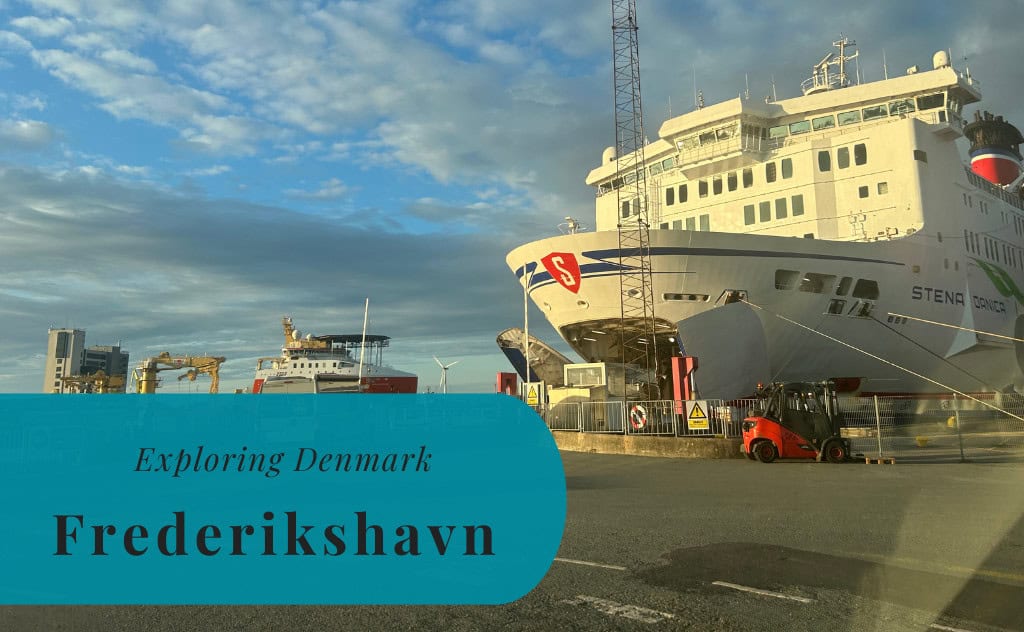
Frederikshavn | Exploring Denmark
Frederikshavn is a port town on the northeast coast of the Jutland peninsula in Denmark. The city is part of the North Jutland Region and serves as the administrative center of Frederikshavn Municipality. It is situated on the Kattegat, the sea strait that connects the Baltic Sea to the North Sea. With a population of approximately 22,800 residents, Frederikshavn is a key commercial, industrial, and transport hub for the northern part of Denmark.
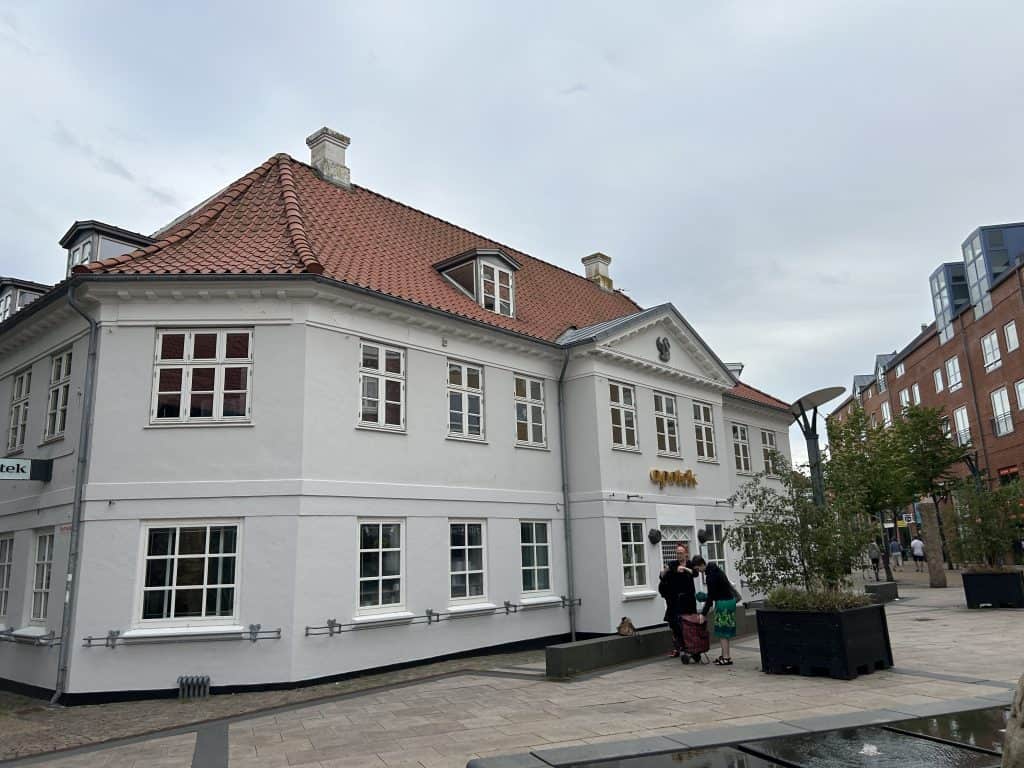
The character of Frederikshavn is defined by its function as a major ferry port and its long history as a naval base. Its harbor is one of the most important in Denmark, with daily connections to Sweden and Norway. The city’s identity is deeply connected to the sea, which has shaped its economy and culture for centuries. This maritime heritage exists alongside its role as a modern service and industrial center. The town also serves as a gateway to the northernmost tip of Denmark, including the town of Skagen.
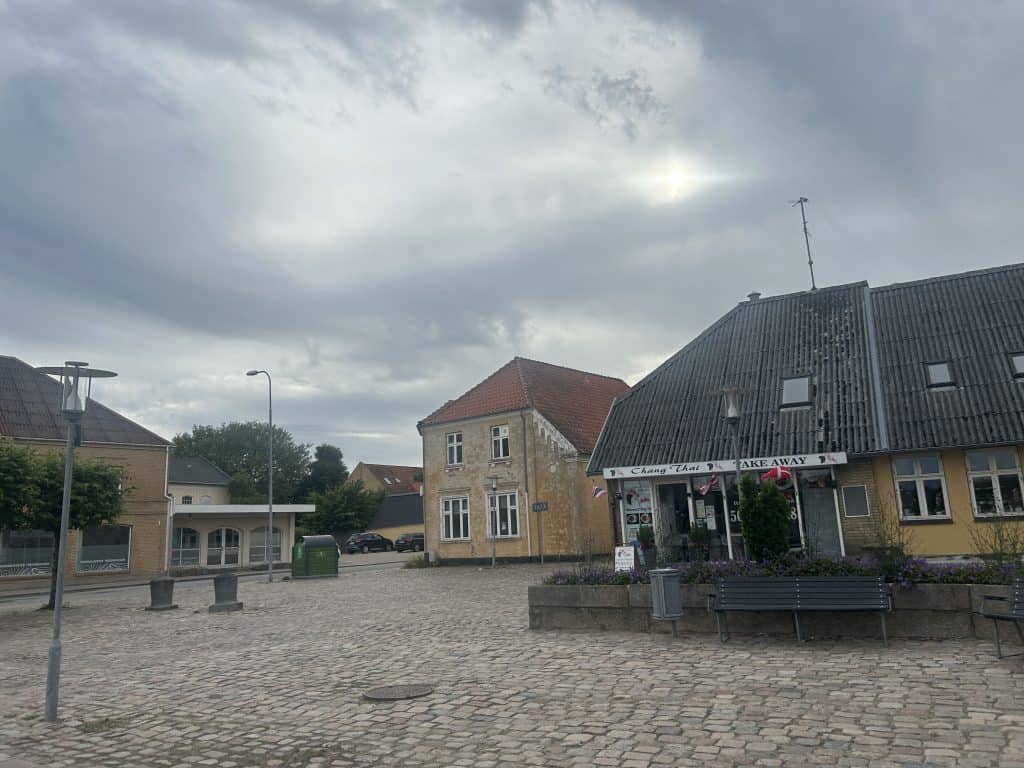
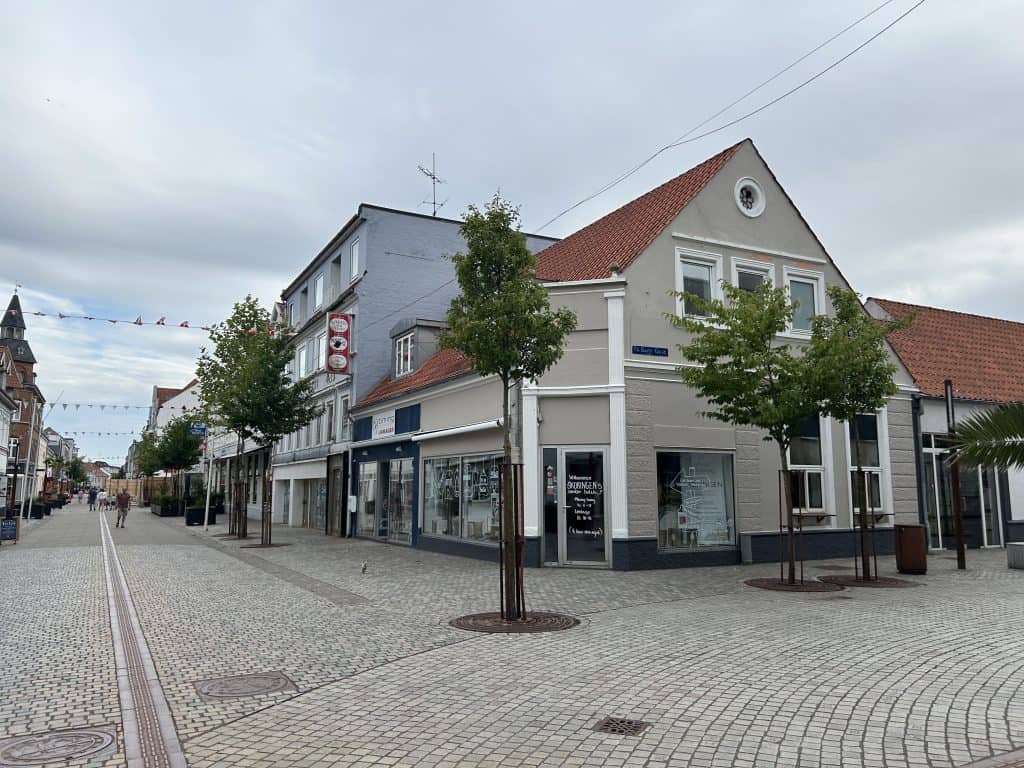

A Short History of Frederikshavn
The history of Frederikshavn is that of a small fishing village that was transformed into a strategic naval fortress and later into a major international ferry port. Its location on the northern Kattegat has been a key factor throughout its development. The town’s story reflects its military importance in the wars of the 17th and 18th centuries and its modern role as a vital transport link between continental Europe and Scandinavia. This journey has shaped the city seen today, which combines its military heritage with a busy commercial harbor.
The Fishing Village of Fladstrand
The history of settlement in the area dates back centuries, but the town’s origins are found in the small fishing village and market town known as Fladstrand. This settlement was located on the coast and had a small natural harbor. Its economy was based on fishing and local trade. For much of the medieval and early modern period, it remained a relatively small community on the northern coast of Jutland. Its strategic importance was not fully realized until the 17th century.
A Naval Base and a New Name
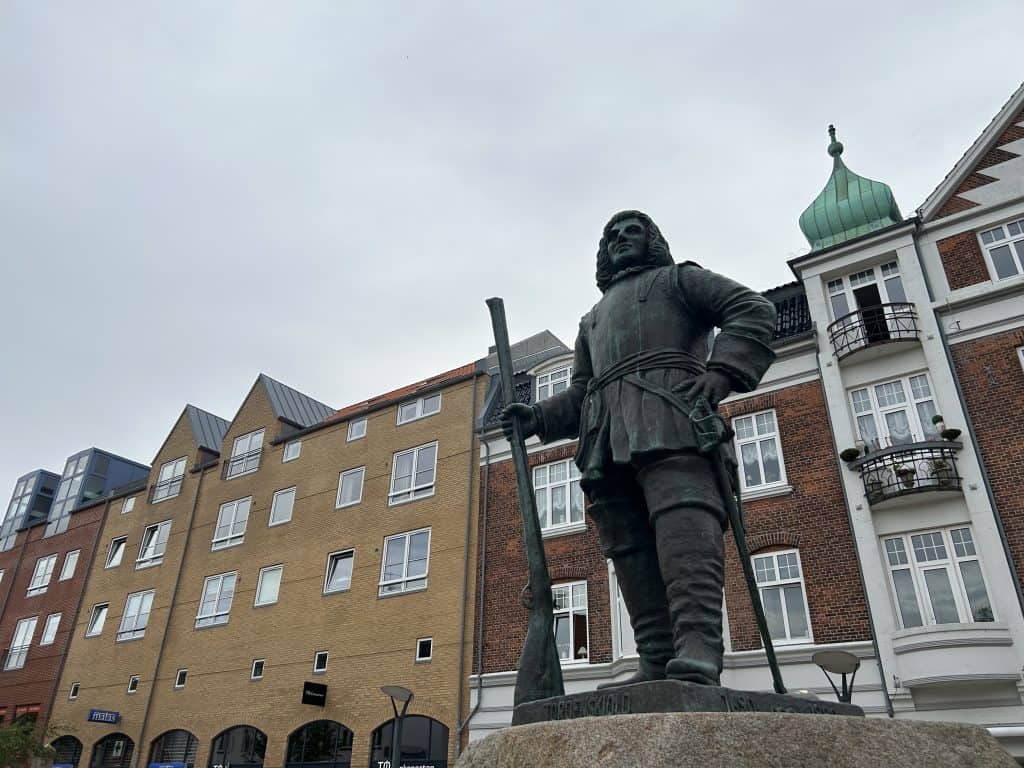
During the 17th century, the strategic value of Fladstrand’s location was recognized. A fortress, the Fladstrand Citadel, was constructed to protect the harbor and control the shipping lanes of the Kattegat. The naval hero Peter Tordenskiold was based here during the Great Northern War in the early 18th century. In 1818, the town was granted a new charter as a market town and was renamed Frederikshavn (“Frederik’s Harbour”) in honor of the reigning monarch, King Frederick VI. This confirmed its status as a key military and naval port for the Kingdom of Denmark.
Modern Port and Ferry Hub
In the 19th and 20th centuries, Frederikshavn continued to grow as a major commercial and fishing port. The harbor was expanded several times to accommodate larger vessels. The town became a center for shipbuilding and other maritime industries. Its modern importance was cemented with the establishment of regular ferry services to Sweden and Norway. This turned Frederikshavn into one of the primary transport hubs connecting Denmark with the rest of Scandinavia. Today, the port remains central to the city’s economy.
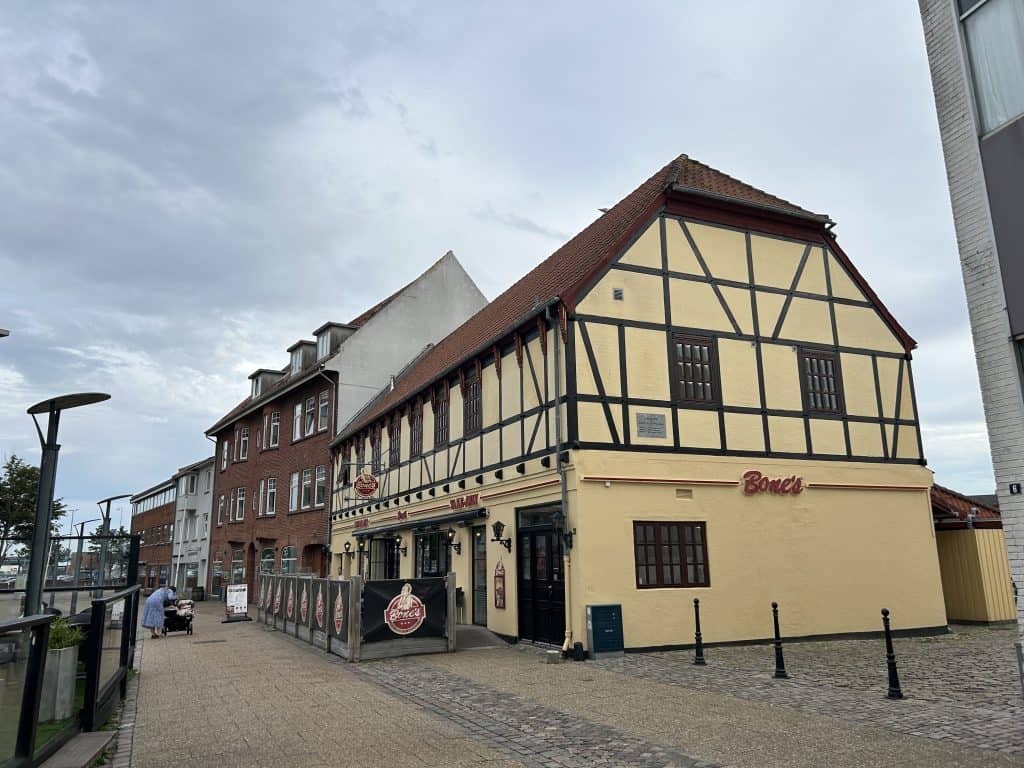
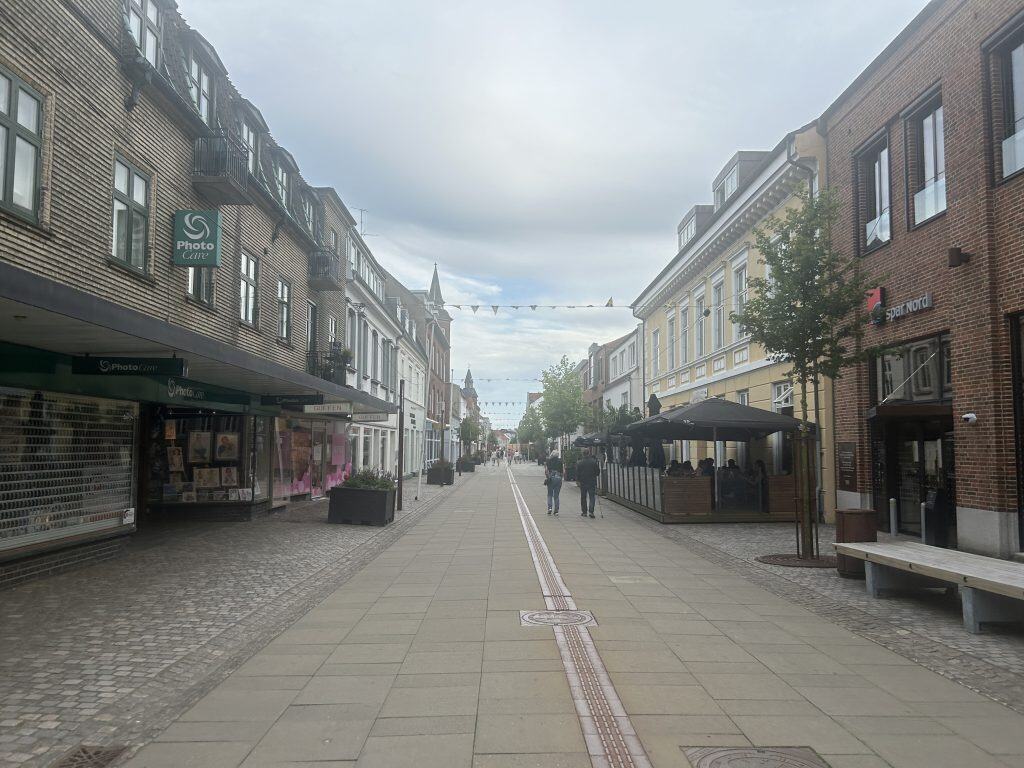
Things to Do and See
The sights in and around Frederikshavn are primarily focused on its maritime history, its military heritage, and its coastal location. The main attractions include the remnants of its old fortress, a major regional museum, and the viewpoints in the surrounding hills. These sights provide a look into the town’s past as a naval base and its modern role as a busy port city.
Krudttårnet (The Gunpowder Tower)
The Krudttårnet is Frederikshavn’s most prominent historical landmark. This white, round tower is the last remaining part of the original Fladstrand Citadel, which was built in the 17th century. The tower was used for storing gunpowder for the fortress’s cannons. It stands today in the center of the harbor area as a key symbol of the town’s long military history. The tower is open to the public during the summer months and contains a small military history exhibition.
Bangsbo Museum & Botanical Garden
The Bangsbo Museum is a major regional museum located just south of Frederikshavn. The museum is centered on the historic Bangsbo Manor, a country house with roots dating back to the 14th century. The museum’s exhibitions detail the history of the town and the region, with a particular focus on maritime history and the German occupation during World War II. The surrounding Bangsbo Botanical Garden features a large collection of plants, a rose garden, and a historic herb garden.
Pikkerbakken
Pikkerbakken is a scenic viewpoint located in the hills just south of the town. The viewpoint stands approximately 70 meters above sea level. It offers panoramic views of the entire town of Frederikshavn, its large harbor, and the Kattegat sea. On a clear day, it is possible to see a long stretch of the coastline. The area is part of a larger natural park with walking and hiking trails. It is a popular destination for both locals and visitors.
Frederikshavn Church
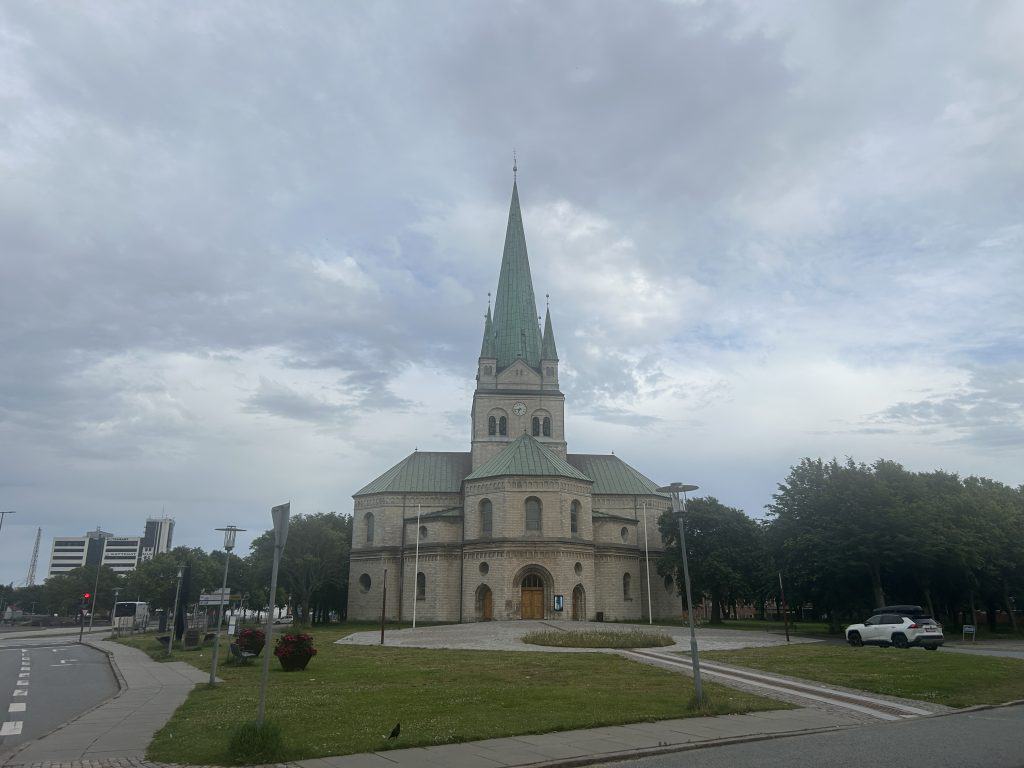
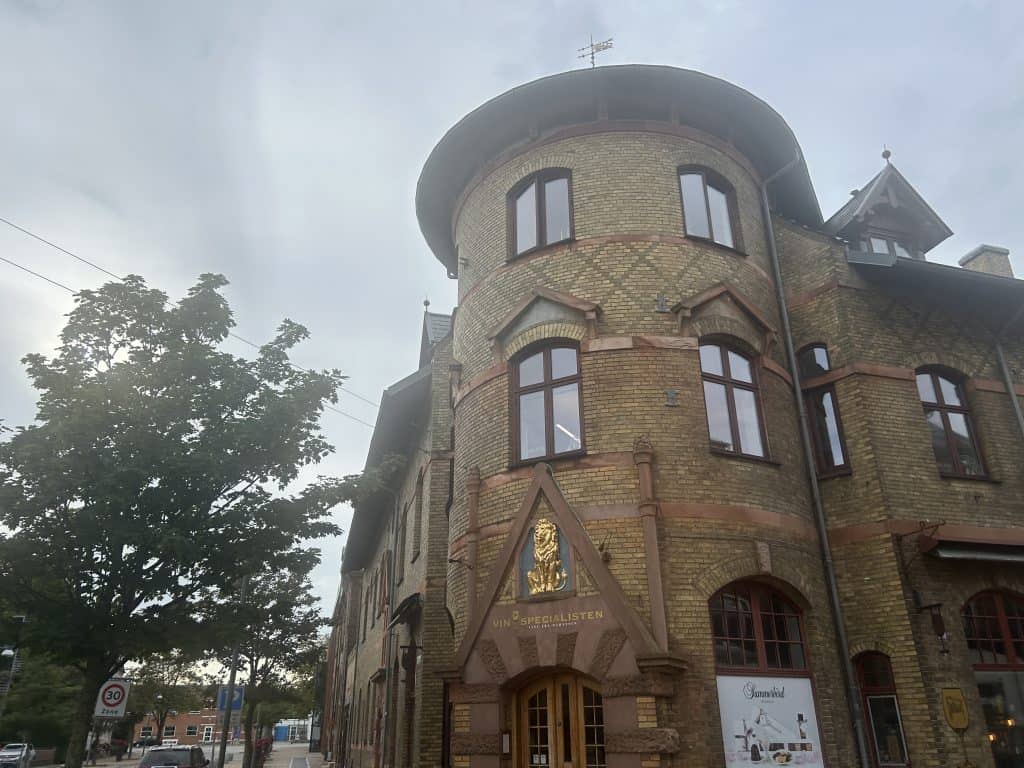
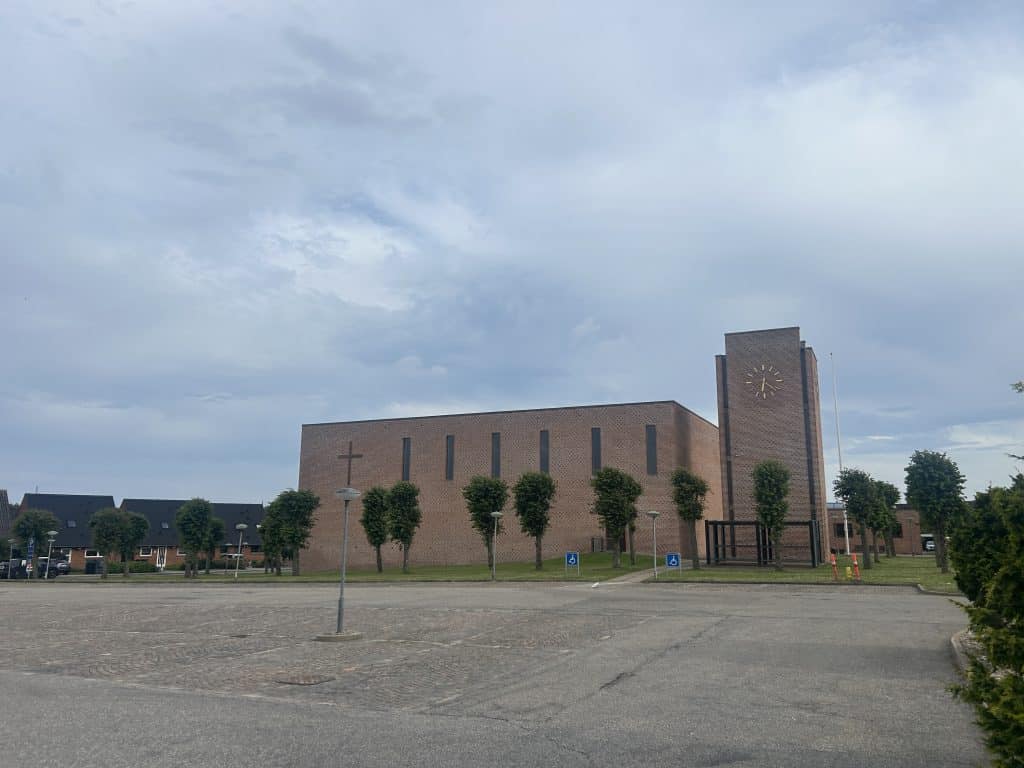
The Frederikshavn Church (Frederikshavn Kirke) is the main church in the town center. The current church was built in 1892 in the National Romantic style. It is known for its distinctive octagonal shape and its tall central spire. The church replaced an older, smaller church that was no longer large enough for the growing town. The interior features a large altarpiece and detailed woodwork. It is a key landmark in the town’s urban landscape.
The Harbour Area
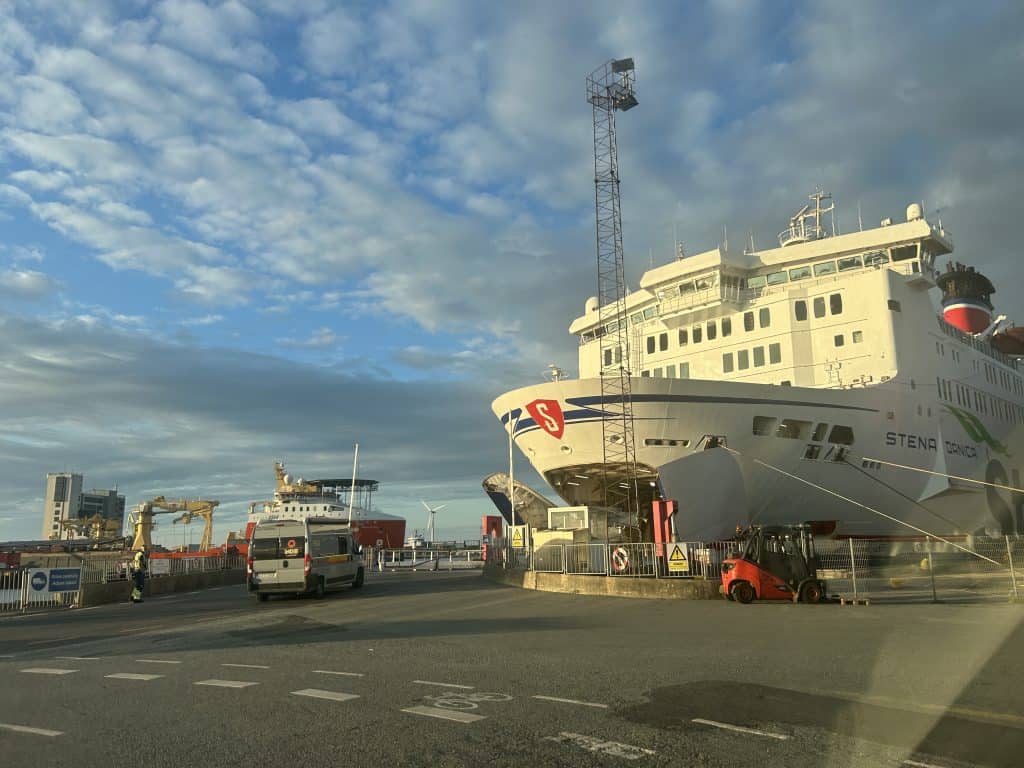
The Frederikshavn Harbour itself is a major point of interest. It is a busy, working port with several distinct areas. This includes the large ferry terminal, where visitors can watch the arrival and departure of the large ferries to Sweden and Norway. The harbor also contains a major fishing port, a commercial cargo section, and a recreational marina. A walk around the different basins of the harbor provides a direct look at the maritime activity that defines the town.
Sports in Frederikshavn
The sporting life in Frederikshavn is focused on its professional ice hockey team, which is one of the most successful in the country. The town has a strong tradition in several team sports, including handball and football. The coastal location also makes it a center for water sports like sailing.
Ice Hockey
Ice hockey is the most popular and successful sport in Frederikshavn. The city is home to a professional ice hockey team that is a dominant force in the Danish national league. The sport has a very dedicated and passionate following in the town. Home games are major community events that draw large crowds to the main ice arena.
Frederikshavn White Hawks
The professional ice hockey team is the Frederikshavn White Hawks. They compete in the Metal Ligaen, the top tier of Danish ice hockey. The club has a history of success, having won the Danish championship twice. They are a perennial contender for the national title. They play their home games at the Nordjyske Bank Arena, which has a capacity of over 4,000 spectators.
Football
Football is another popular sport in Frederikshavn, with a local club that represents the town in the Danish football league system. The club has a long history and is an important part of the local community. It has a large youth development program.
Frederikshavn fI
The town’s main football club is Frederikshavn fI (Frederikshavn forenede Idrætsklubber). The club has a history of competing at higher levels of Danish football, including seasons in the second tier. They currently compete in the lower divisions of the Danish league system. They play their home games at the Frederikshavn Stadion.
Sailing
The Rønnerhavnen is the main recreational marina in Frederikshavn. It is home to the Frederikshavn Sejlklub (Sailing Club), a key local institution. The club organizes regattas and provides training for sailors of all ages. The waters of the Kattegat off the coast of Frederikshavn provide a suitable area for recreational sailing and other water activities.
Getting Around in Frederikshavn
Navigating Frederikshavn is straightforward. The town center is compact and can be easily explored on foot. For travel to the surrounding areas, a local bus network is the primary mode of public transport. The town is also very bike-friendly.
On Foot: The Town Center
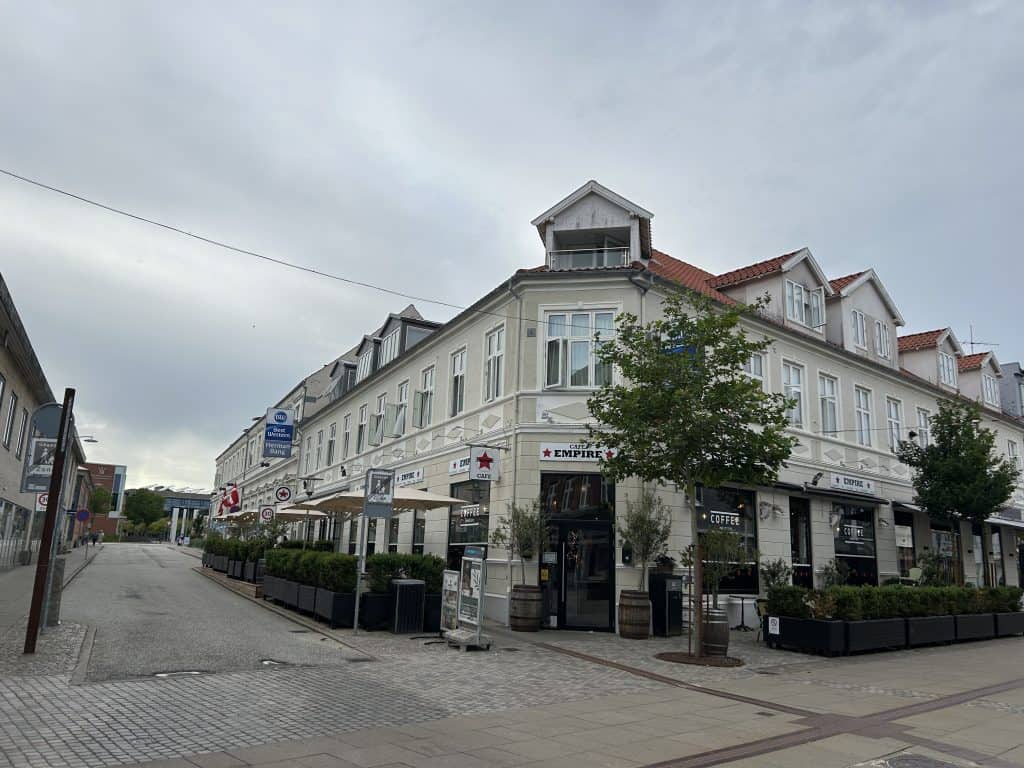
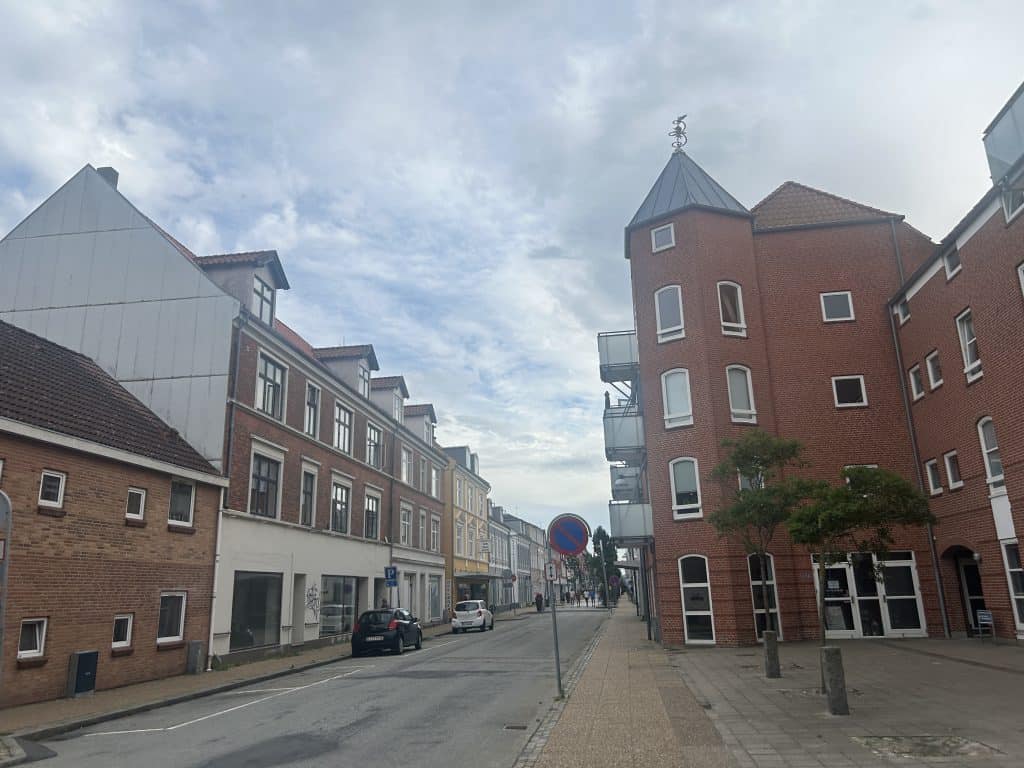
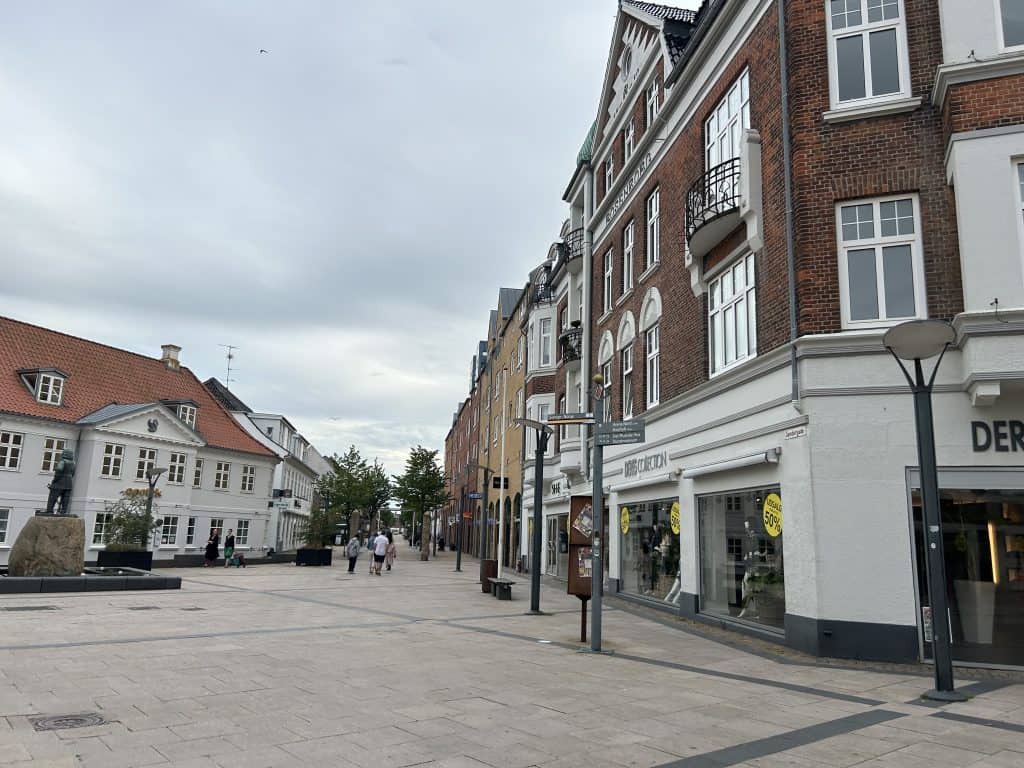
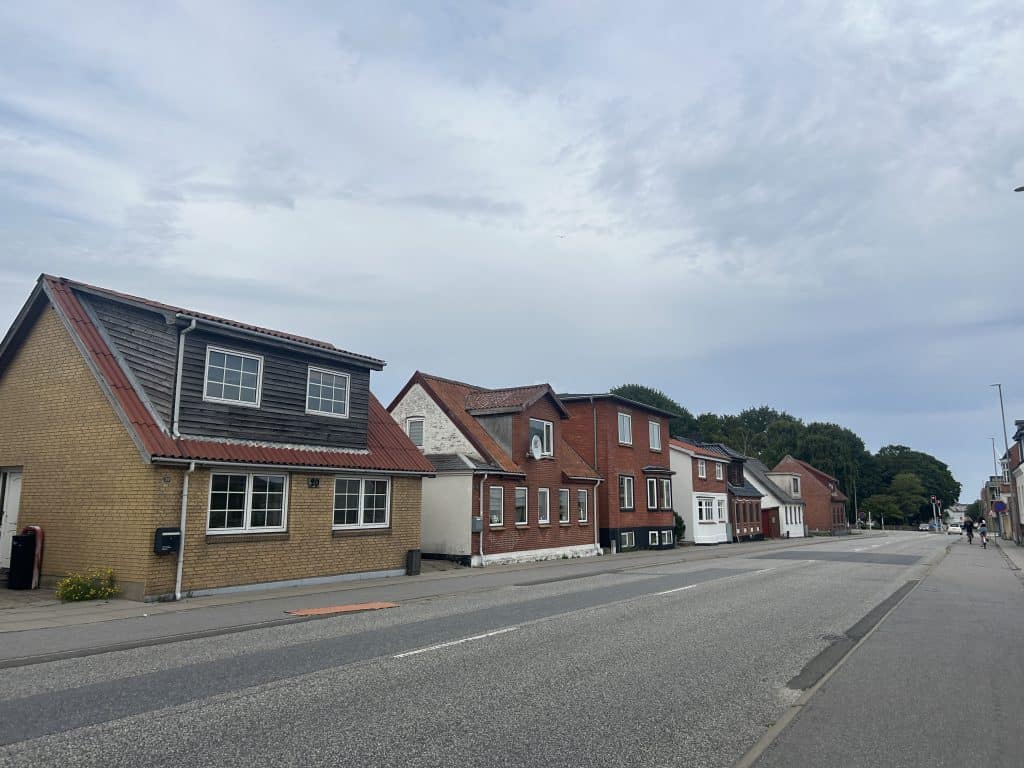
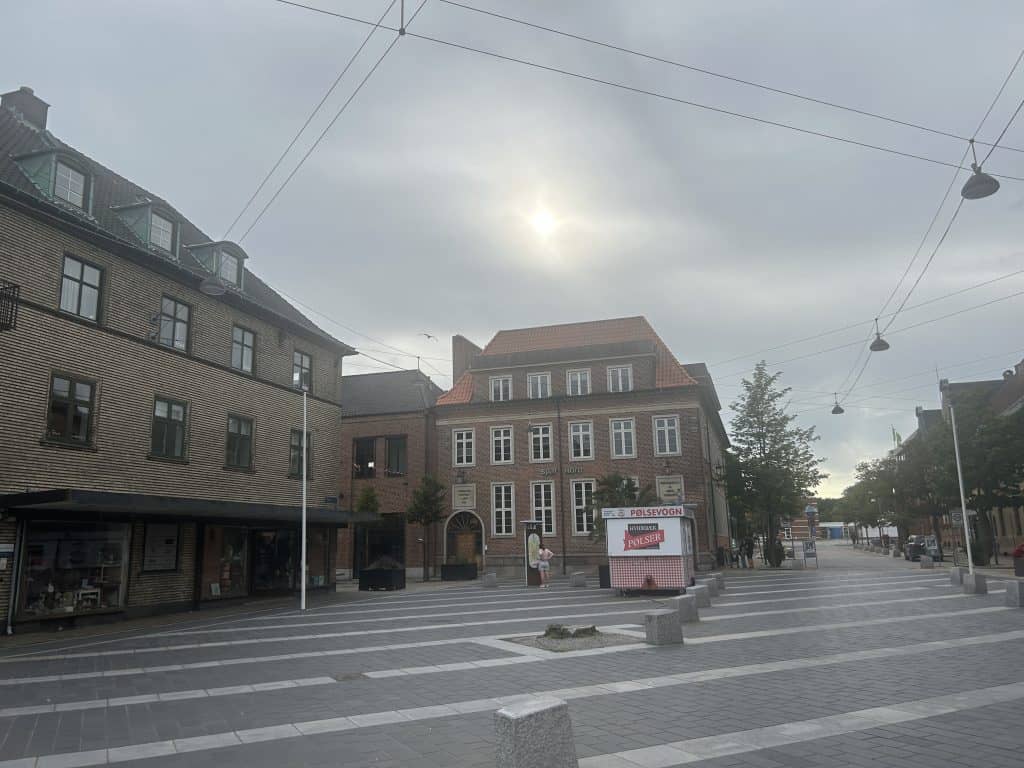
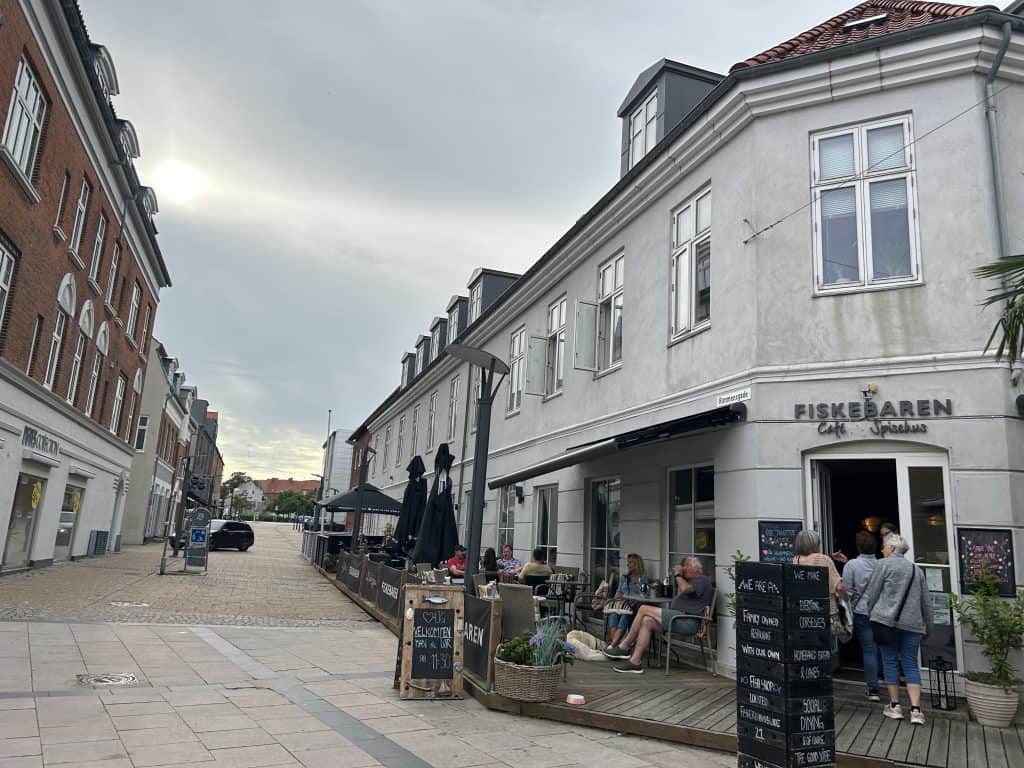
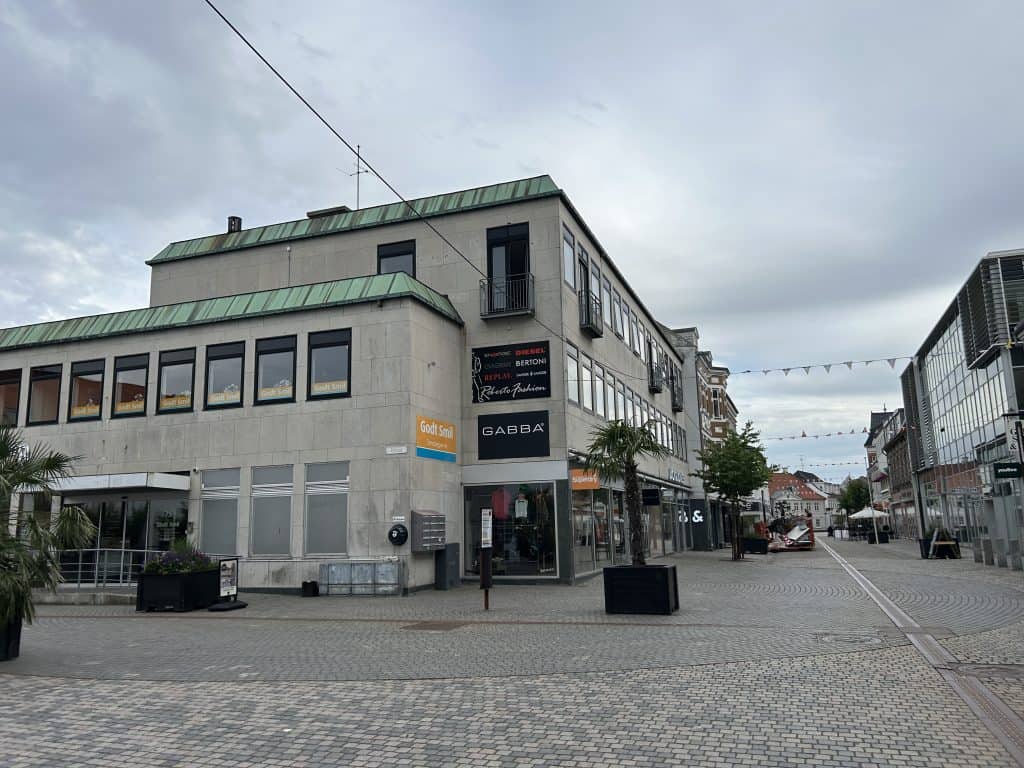
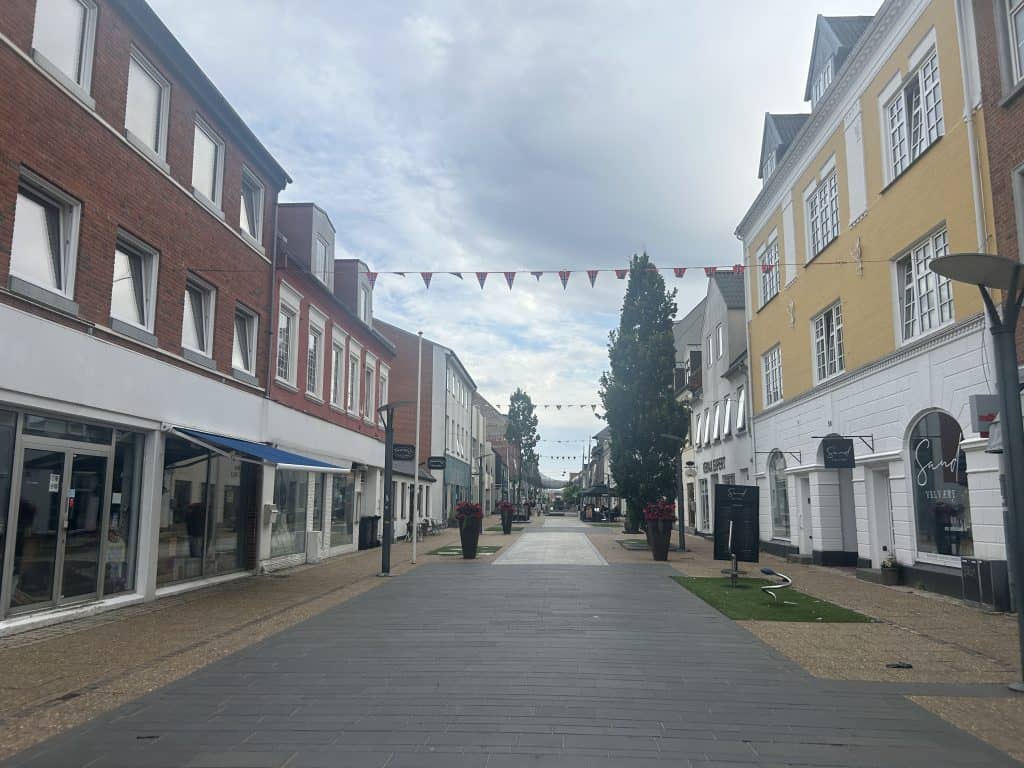
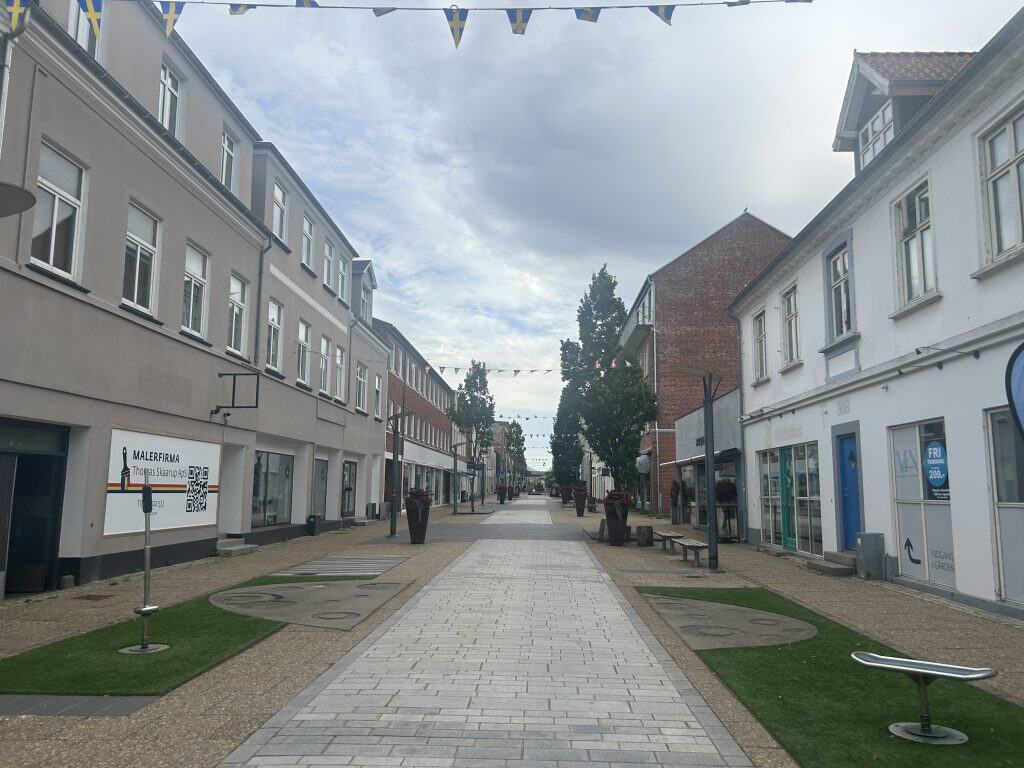
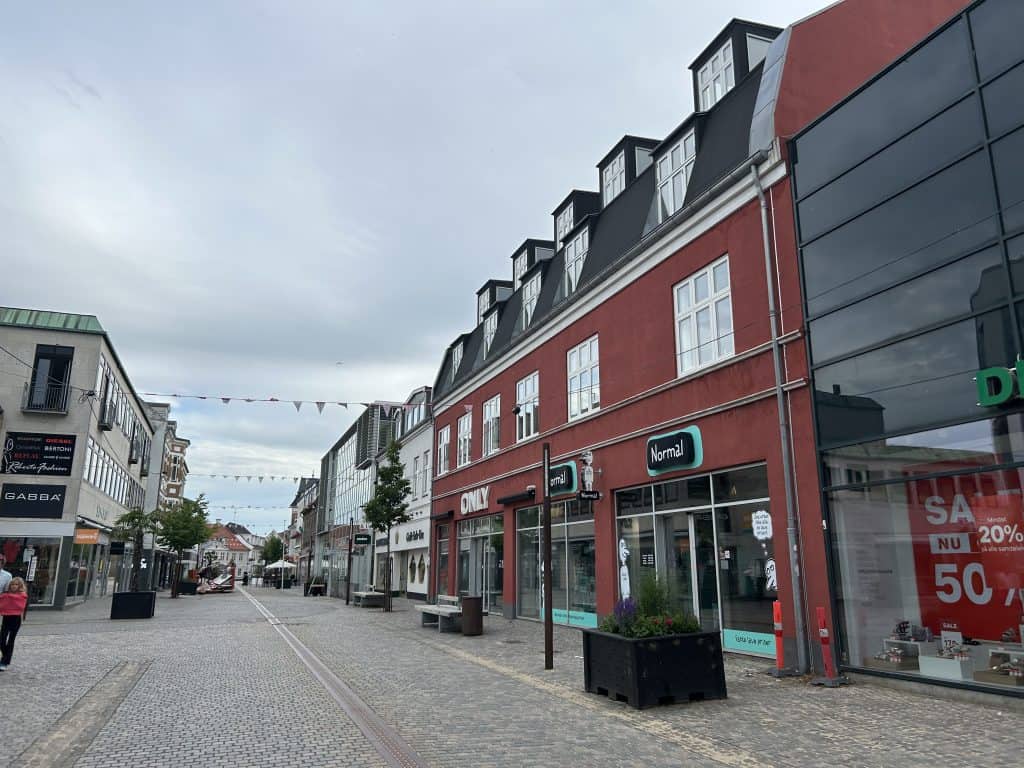
Walking is the best way to explore the central part of Frederikshavn. The main pedestrian shopping streets, the historic church, and the harbor area are all within a short walking distance of each other. This allows visitors to see the architecture and access local shops and cafes on foot. The Krudttårnet is also located in the central harbor area.
Local Buses
The public transport in Frederikshavn and the wider North Jutland region is operated by NT (Nordjyllands Trafikselskab). A network of local city buses serves all parts of Frederikshavn and its suburbs. These buses are useful for reaching attractions located outside the immediate city center, such as the Bangsbo Museum. The main bus terminal is located at the train station.
How to Get to Frederikshavn
Reaching Frederikshavn is convenient due to its role as a major transport hub in northern Denmark. The city is well-connected by road, rail, and, most importantly, by sea, with extensive ferry connections to Sweden and Norway.
The North Sea Route: Arriving by Ferry
The most common way for international travelers to arrive directly in Frederikshavn is by ferry. The city is a major ferry port with several key international routes. The company Stena Line operates frequent services between Frederikshavn and Gothenburg, Sweden. This is a major transport link across the Kattegat. Stena Line also operates a route between Frederikshavn and Oslo, Norway. These large car ferries are a primary means of transport between Denmark and the rest of Scandinavia.
Arriving by Air: Aalborg Airport
The closest major airport to Frederikshavn is Aalborg Airport (AAL), located approximately 65 kilometers to the south. Aalborg Airport offers connections to Copenhagen and several other European destinations. From the airport, a rental car or a combination of bus and train is required to complete the journey to Frederikshavn. A direct train service runs from the nearby Lindholm station to Frederikshavn.
The Open Road: Driving the E45
Driving to Frederikshavn is very efficient. The town is the northern terminus of the E45 motorway. This is Denmark’s main north-south highway, running the entire length of the Jutland peninsula from the German border. The E45 provides a direct road link to major Danish cities like Aalborg and Aarhus. This makes the town highly accessible by car.
On Track: A Mainline Rail Hub
Traveling to Frederikshavn by train is efficient. The Frederikshavn Station is a key railway hub in North Jutland. DSB (Danish State Railways) operates InterCity train services that connect Frederikshavn with Aalborg, Aarhus, and Copenhagen. The Nordjyske Jernbaner also operates local train services, including a line to the town of Skagen at the northernmost tip of Denmark.
Connecting by Coach
The Frederikshavn bus terminal is located at the train station. Regional buses, operated by NT, connect Frederikshavn with all nearby towns and cities in the North Jutland region. Long-distance bus companies like FlixBus often have stops in the larger nearby city of Aalborg. From there, a simple transfer to a regional bus or a train is required to reach Frederikshavn.
Driving Distances
The driving distance from 10 regional cities, according to Google Maps:
- Aalborg, Denmark – 64 kilometers (1 h 00 min)
- Gothenburg, Sweden – 92 kilometers (3 h 40 min, includes ferry)
- Randers, Denmark – 136 kilometers (1 h 40 min)
- Aarhus, Denmark – 181 kilometers (2 h 00 min)
- Odense, Denmark – 321 kilometers (3 h 30 min)
- Oslo, Norway – 327 kilometers (9 h 30 min, includes ferry)
- Copenhagen, Denmark – 489 kilometers (5 h 00 min)
- Malmö, Sweden – 518 kilometers (5 h 40 min)
- Hamburg, Germany – 531 kilometers (5 h 20 min)
- Berlin, Germany – 819 kilometers (8 h 30 min)
Looking to Explore more of Denmark and Europe?