Les Tendetes, Valencia | Exploring Spain
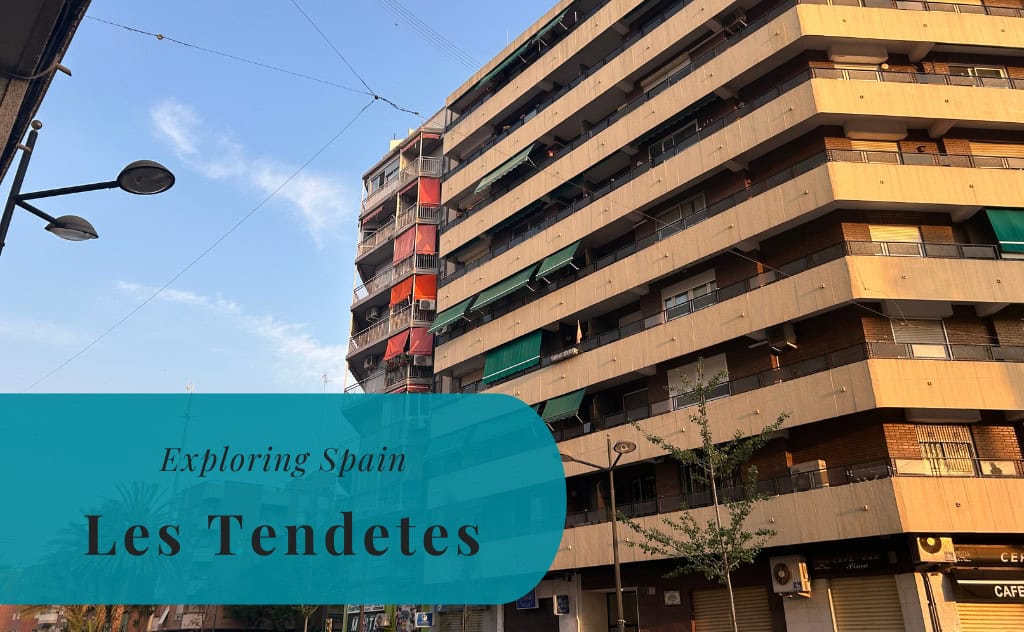
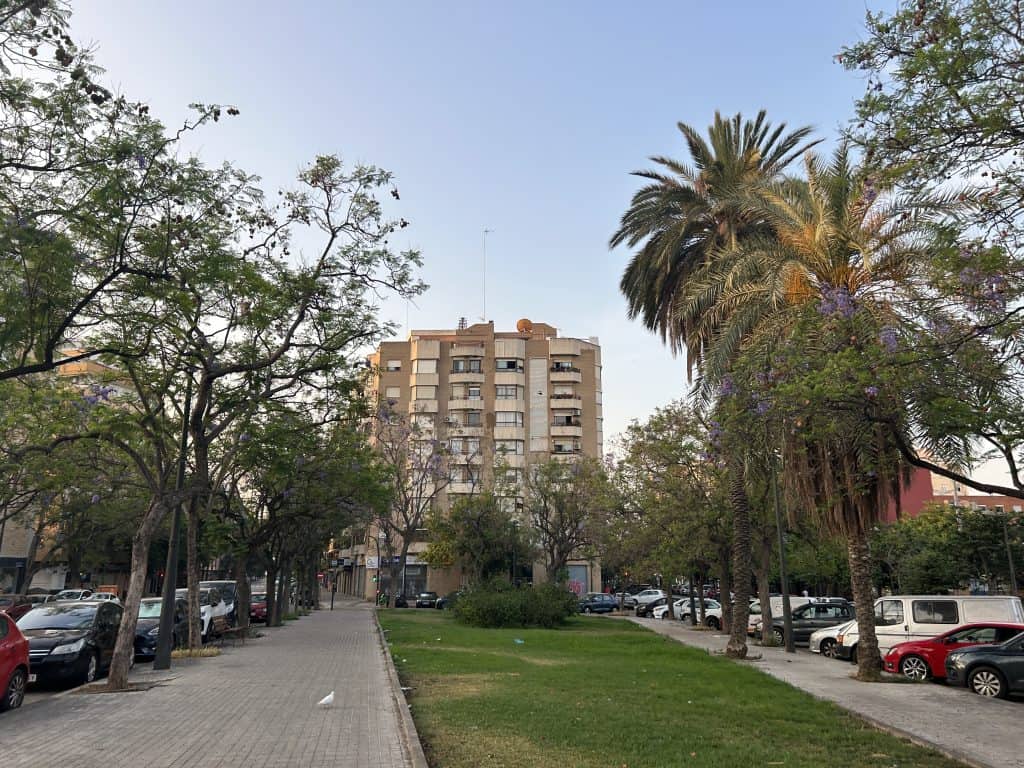
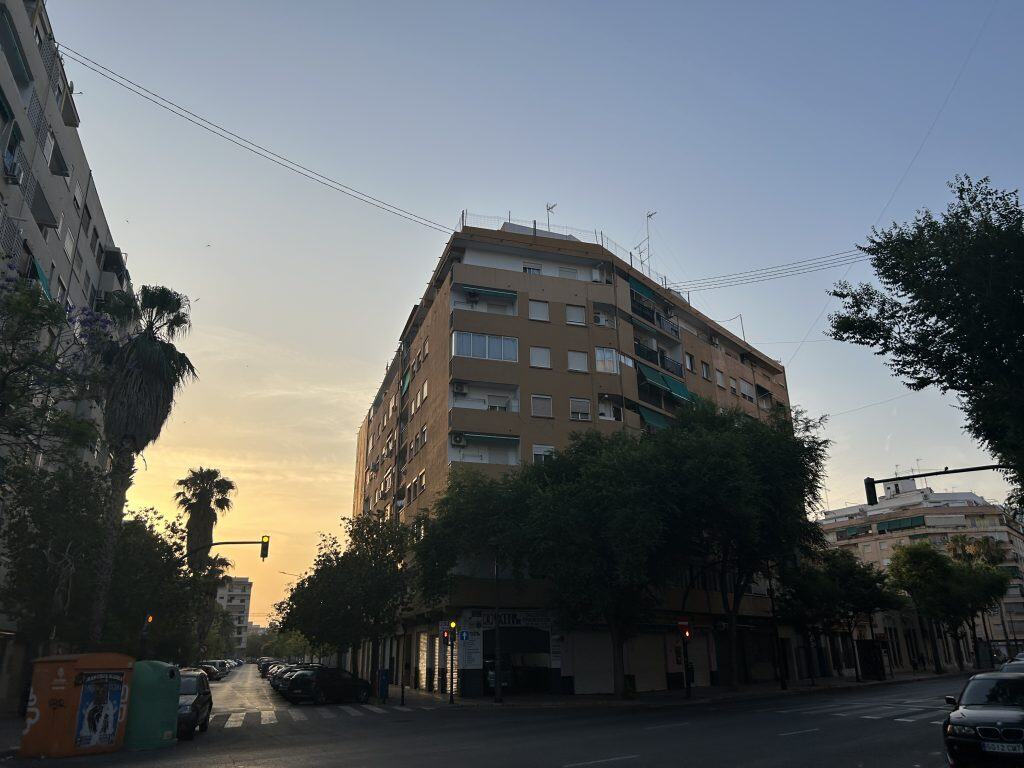
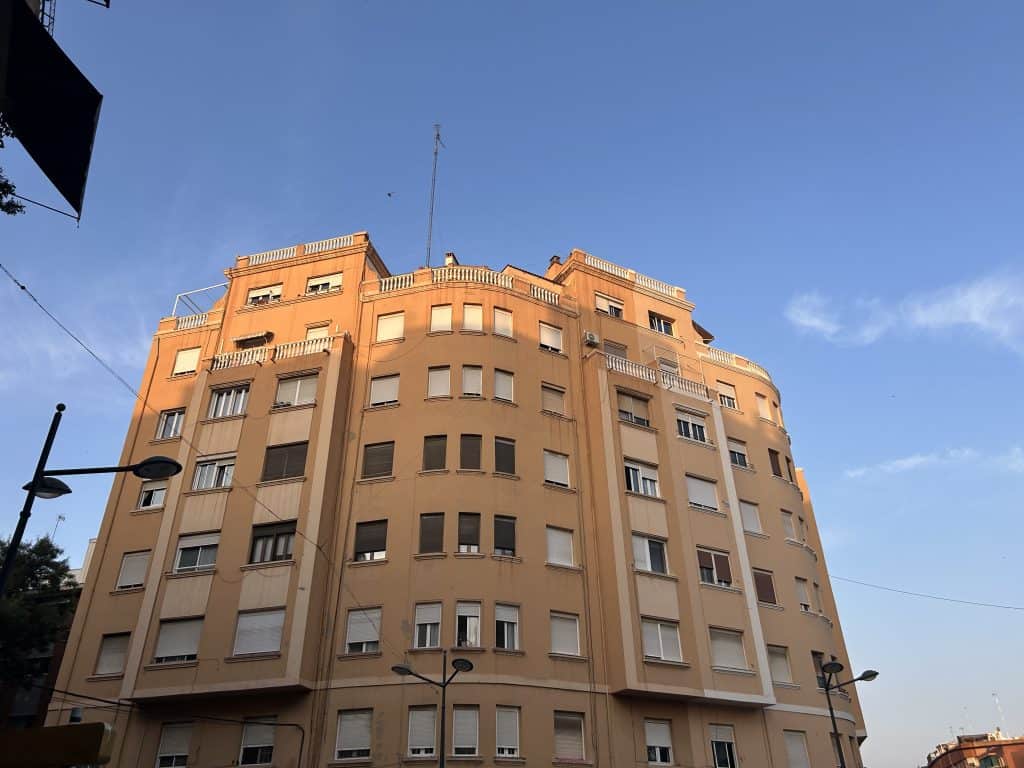
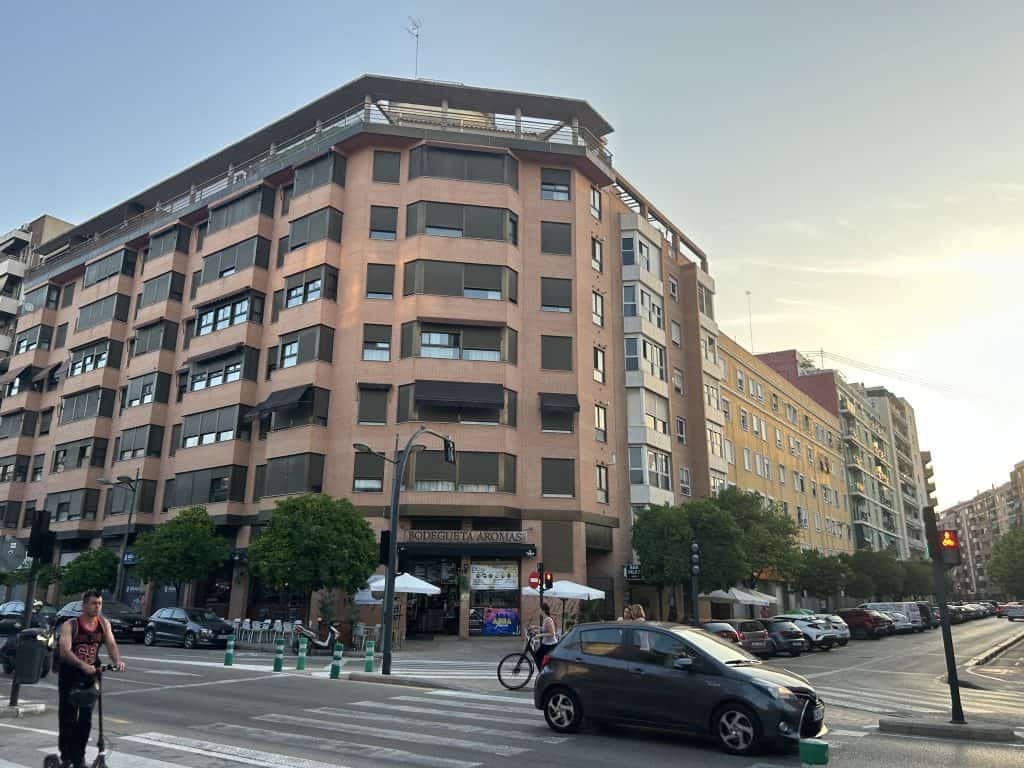
Les Tendetes is a neighborhood located in the La Saïdia district of Valencia. It sits just north of the city’s historic center, bordered by the Turia Gardens and the northern avenues. This is a primarily residential area, with streets that contain local bakeries, small shops, and tapas bars frequented by residents. The neighborhood’s name, Valencian for “The Little Shops,” refers to its history as a place of local commerce.
The character of Les Tendetes is defined by its close-knit community and its history as a working-class area. In recent years, the neighborhood has experienced a period of evolution. The conversion of a major industrial building into a contemporary art center has added a new cultural dimension to the area. This blend of the traditional and the modern gives the neighborhood its specific atmosphere, all within walking distance of the city’s main attractions.
A Short History of Les Tendetes
The history of Les Tendetes is defined by its location just outside the old medieval city walls. This position shaped its development from an outlying area of commerce into the residential neighborhood it is today. Its story reflects the growth of Valencia and the preservation of its local character over centuries.
Origins and the Monastery
For centuries, the area of Les Tendetes was open land outside Valencia’s primary defenses. It was home to convents, workshops, and small stalls or shops that served people entering and leaving the city. The neighborhood grew around the historic monastery of Sant Miquel de Soterranya. This monastery was a major religious and social landmark for over 500 years. It was eventually demolished in the 19th century, but its historical importance defined the area for much of its existence.
Urban Development in the 20th Century
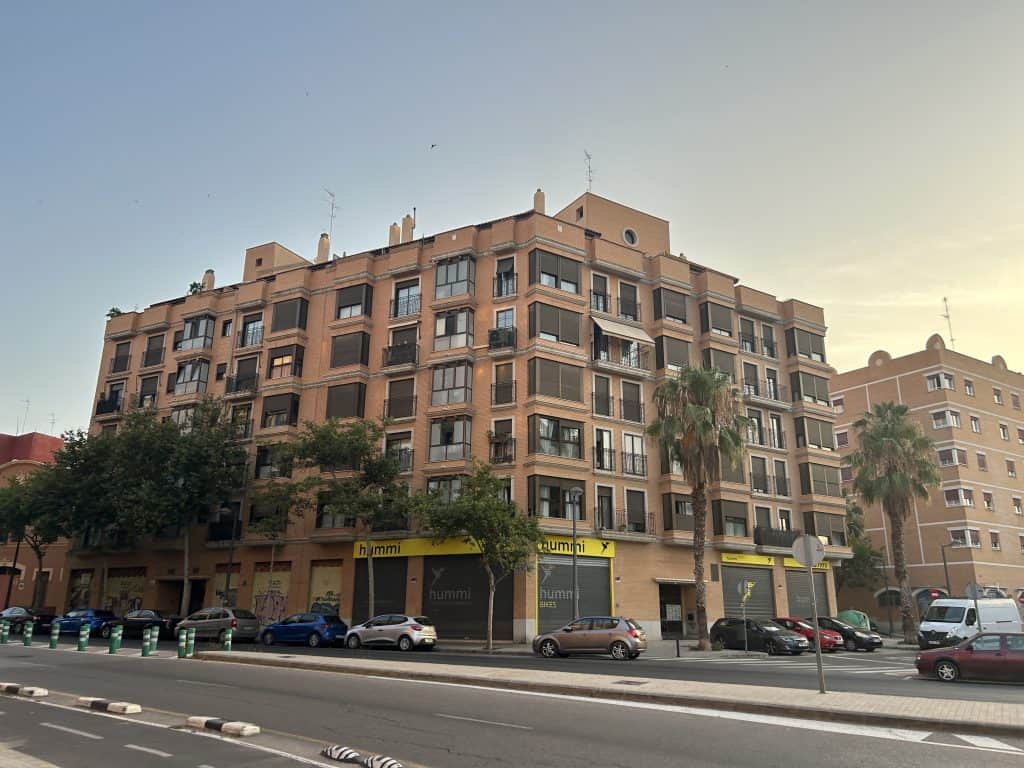
The neighborhood as it is seen today was mostly developed during the 20th century. It grew into a residential district for working families. Its proximity to the city center and the industrial areas toward the port made it a convenient place to live. The area retains much of its functional character from this period of growth. It remains a neighborhood where Valencian is spoken in the streets and local traditions are maintained.
Modern Transformation
In the 21st century, Les Tendetes has undergone a period of change. The most significant event in this modern transformation has been the restoration and conversion of a large, disused factory from the 1930s. The opening of the Bombas Gens Centre d’Art in this historic building has introduced a major cultural institution to the area. This has drawn new visitors and created a new point of interest, blending the neighborhood’s industrial past with a contemporary cultural present.
Things to Do and See
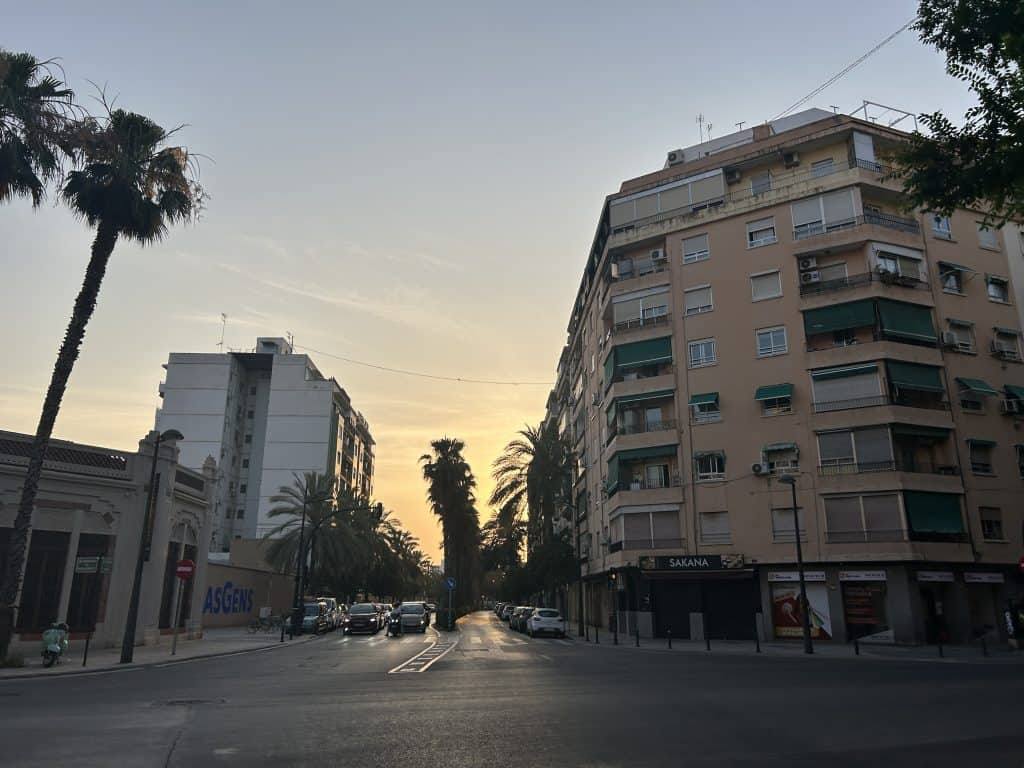
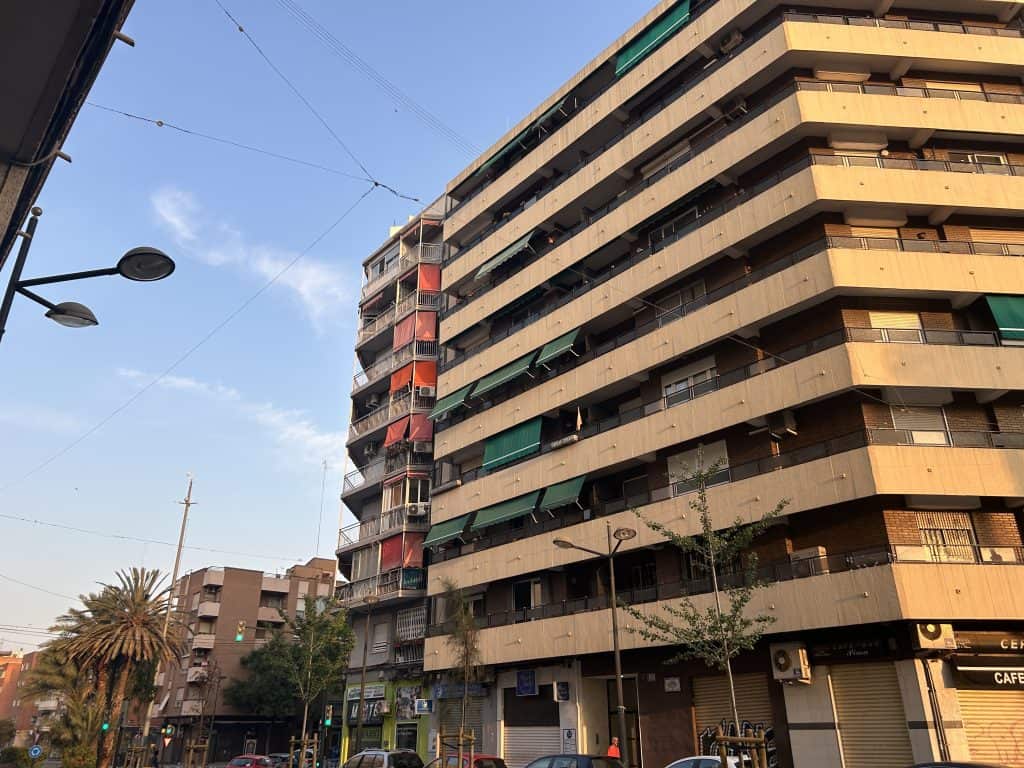
The sights in Les Tendetes reflect its character as a residential neighborhood with pockets of significant cultural and historical interest. Attractions here consist of a major art center, historic buildings, and the large public green space that forms its southern border.
Bombas Gens Centre d’Art
The most significant landmark in the area is the Bombas Gens Centre d’Art. This contemporary art center is housed in a restored former factory. The building is a key example of Art Deco architecture from the 1930s that once produced hydraulic pumps. Today, it hosts rotating exhibitions of photography and modern art from Spanish and international artists. A visit also includes the chance to see a preserved Spanish Civil War-era air-raid shelter discovered during the renovation, as well as a medieval cellar.
Turia Gardens
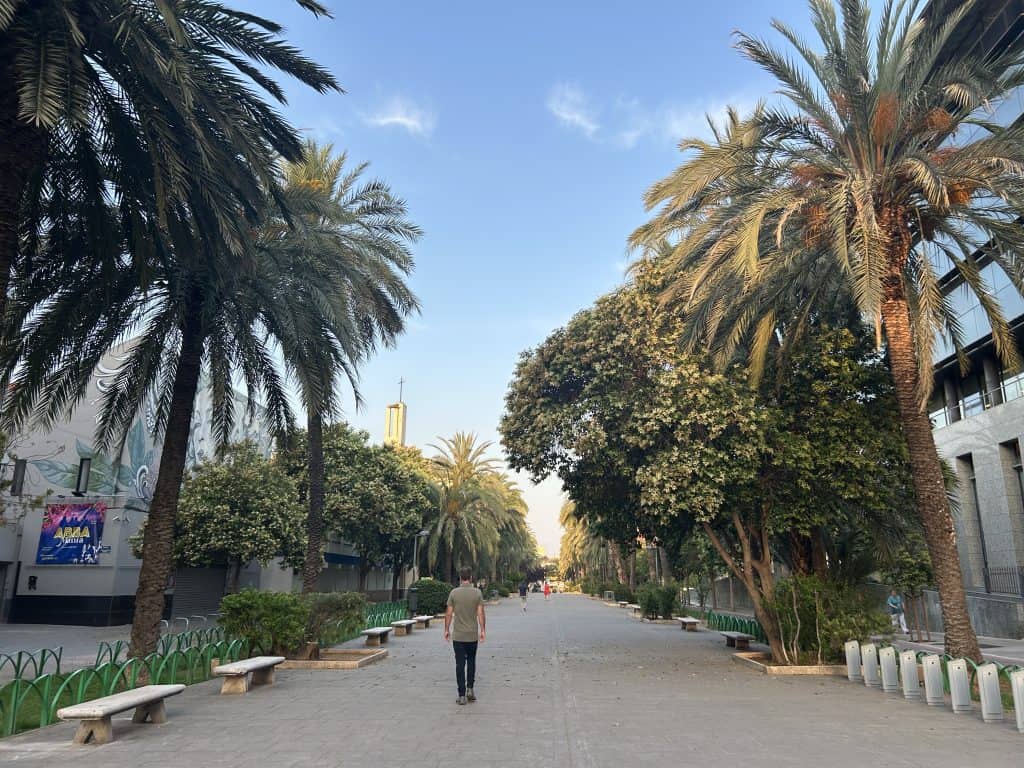
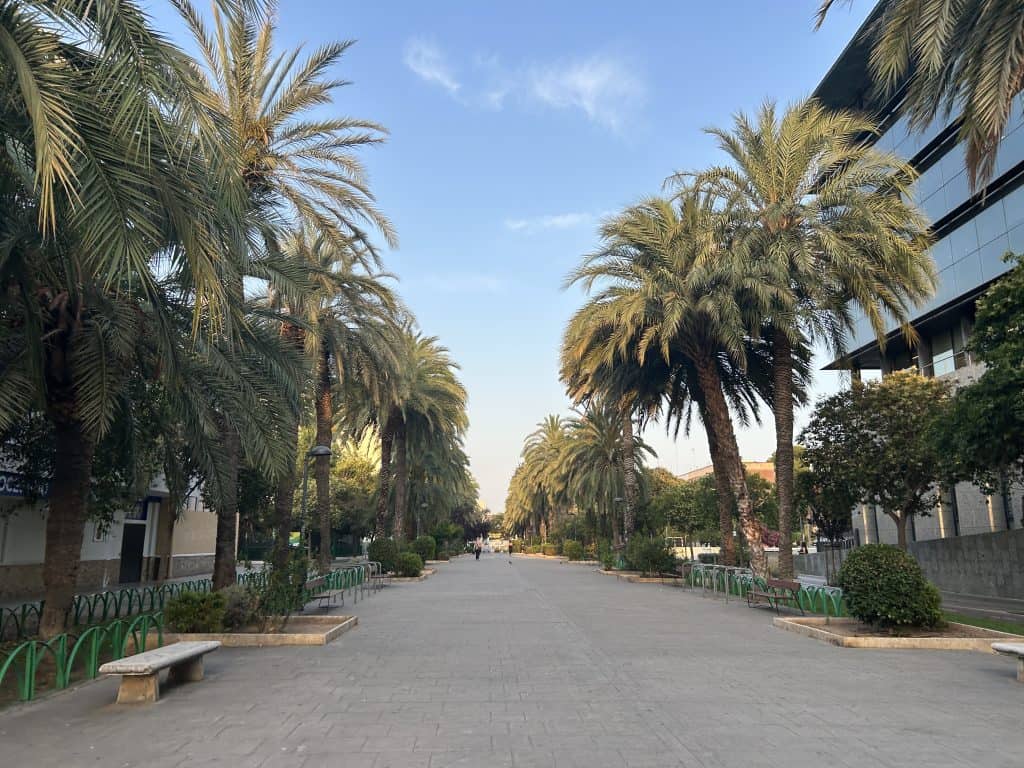
Les Tendetes borders the northern edge of the Turia Gardens (Jardí del Túria). This immense park was built in the former riverbed of the Turia River and is Valencia’s primary green space. The neighborhood’s residents use this area for recreation and leisure. The park’s paths are suitable for walking, jogging, and cycling. From Les Tendetes, one can easily walk through the park to reach other major city attractions, including the Museum of Fine Arts and the Serranos Towers.
The Church of Saint Michael
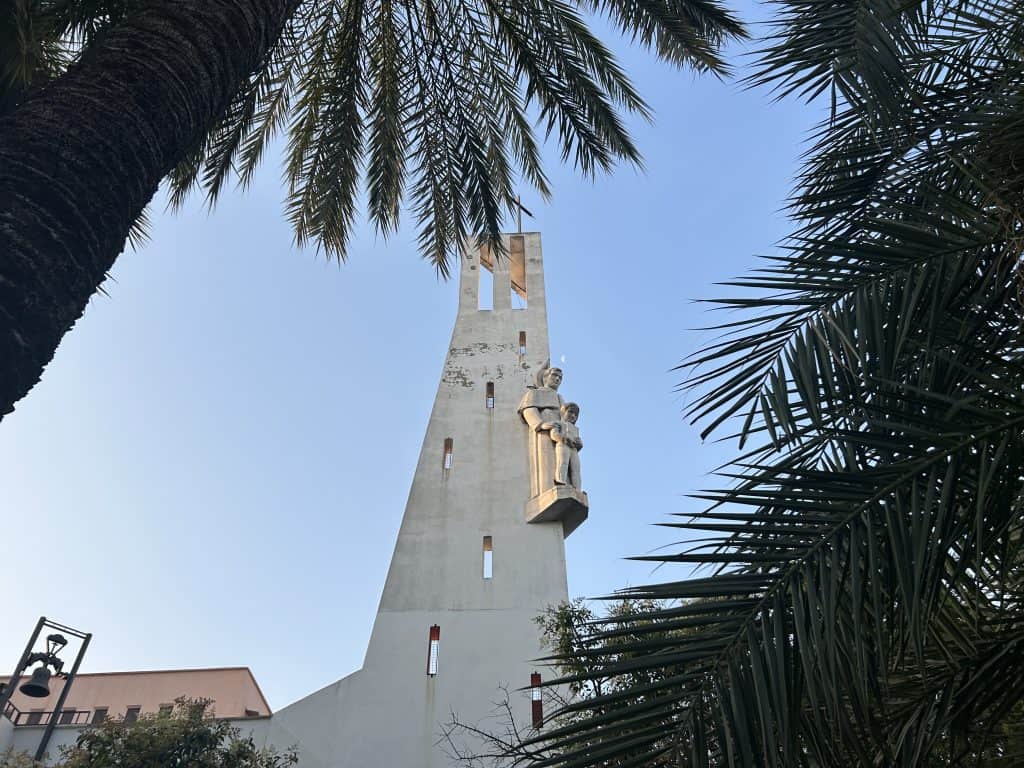
The modern parish church of Saint Michael (Parròquia de Sant Miquel de Soterranya) stands on historic ground. It was built on the site of the ancient monastery of the same name. That monastery was an important religious institution in Valencia’s history for centuries. While the current church is a 20th-century building, it serves as a link to the neighborhood’s deep past. It is a reminder of the long history that exists beneath the streets of the area.

How to Get to Les Tendetes
Navigating Les Tendetes and its surroundings is straightforward. The neighborhood is situated just across the riverbed park from the old town. This makes it simple to reach on foot or with the city’s extensive public transport system.
On Foot: A Short Walk from the Center
The easiest way to arrive is on foot. From the Serranos Towers, at the northern edge of the old town, it is just a 10-minute walk across the Pont de Sant Josep bridge. This route takes you directly into the southern part of the neighborhood. Walking is the best way to appreciate the area’s residential character and its proximity to the Turia Gardens.
Riding the Network: Bus and Tram
Several city bus (EMT) lines run along the main avenues that border the neighborhood, such as the Avinguda de la Constitució. These buses provide direct connections to other parts of Valencia. The closest tram stop is Reus, on Metrovalencia line 4. This stop is located a short walk from the northern heart of the Les Tendetes neighborhood, near the Bombas Gens Centre d’Art. Remember to check official sources for up-to-date ticket information.
An Excursion by Car
Driving into Les Tendetes can be challenging due to its system of narrow, one-way streets. On-street parking is very limited as it is a dense residential area. It is often easier to park in a public facility near the old town or in a neighboring district and walk from there. Major roads like the CV-30 ring road are a short drive away, providing access to the wider road network.
From the Airport and Main Stations
From Valencia Airport (VLC), one can take the metro to Xàtiva or Àngel Guimerà and then connect to a bus line heading north. A taxi provides the most direct route and will take around 15-20 minutes depending on traffic. From the city’s main train stations, Estació del Nord and Joaquín Sorolla, numerous bus lines and the metro system provide connections toward the area.
Driving Distances
The driving distance from 10 major regional cities, according to Google Maps:
- Zaragoza, Spain – 340 kilometers (3 h 30 min)
- Barcelona, Spain – 350 kilometers (3 h 40 min)
- Madrid, Spain – 352 kilometers (3 h 40 min)
- Bilbao, Spain – 618 kilometers (6 h 10 min)
- Seville, Spain – 654 kilometers (6 h 40 min)
- Toulouse, France – 706 kilometers (6 h 40 min)
- Lisbon, Portugal – 893 kilometers (8 h 30 min)
- Geneva, Switzerland – 1,021 kilometers (10 h 00 min)
- Paris, France – 1,355 kilometers (13 h 00 min)
- Rome, Italy – 1,489 kilometers (14 h 50 min)
Looking to Explore more of Spain and Europe?