
Boulders Beach | Exploring South Africa
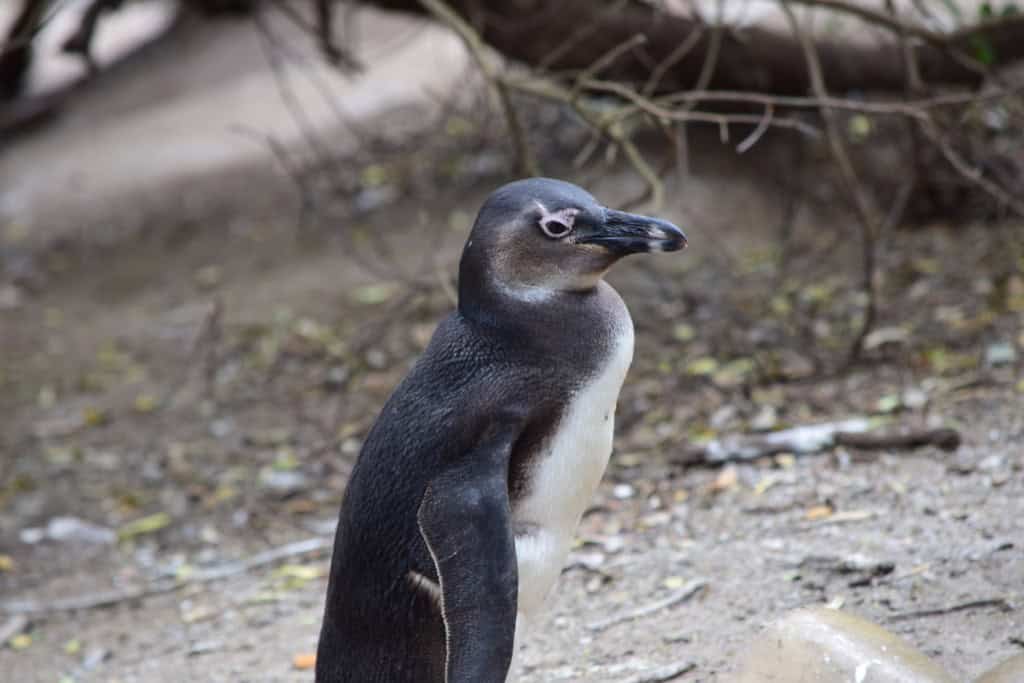
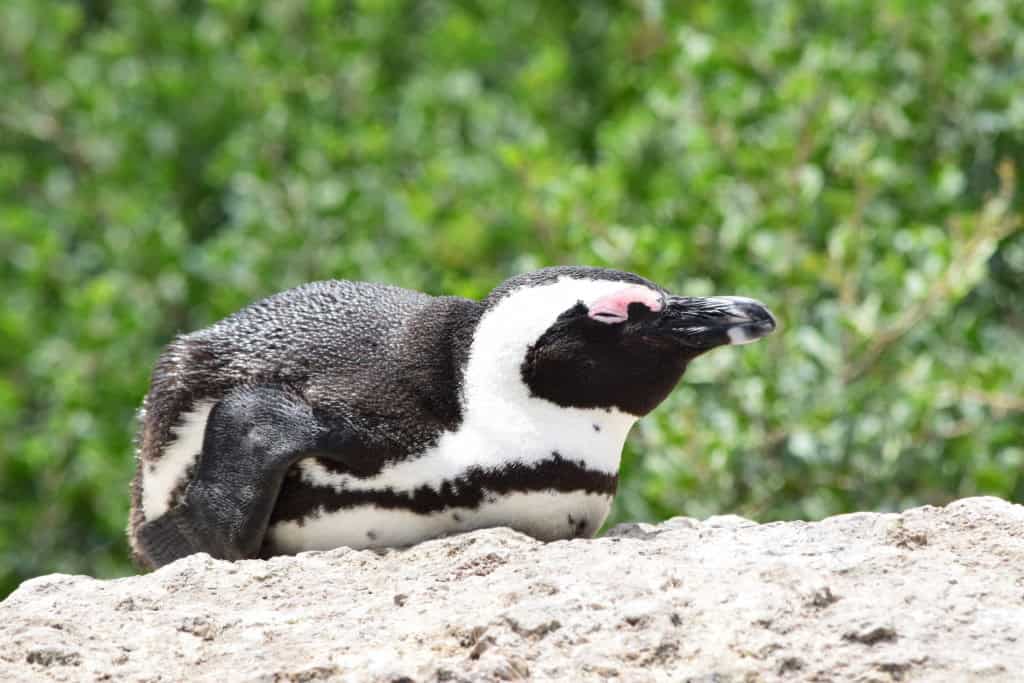
Boulders Beach is a sheltered beach located in the town of Simon’s Town, on the Cape Peninsula of South Africa. It is situated on the coast of False Bay, approximately 40 kilometers from the center of Cape Town. Boulders Beach is not a town, but rather a world-famous nature reserve. It is renowned for being home to a large and thriving colony of African penguins. The beach itself is a beautiful cove, made up of inlets between massive granite boulders from which the beach gets its name.
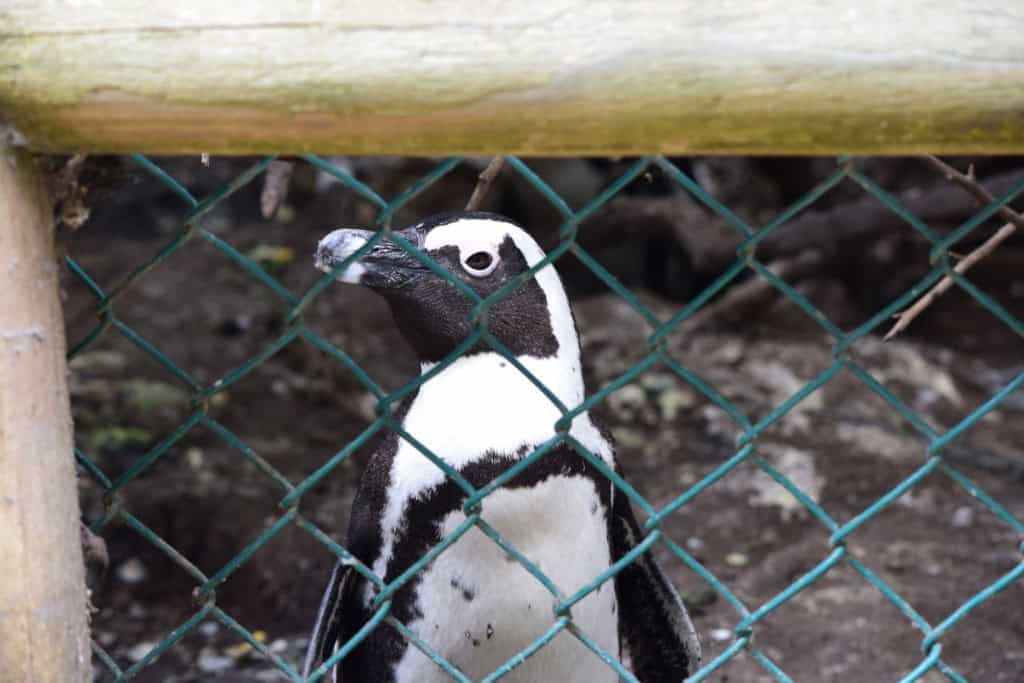
The identity of Boulders Beach is defined by this unique opportunity to see penguins up close in a protected, natural environment. The area is a part of the Table Mountain National Park. From just two breeding pairs that settled here in the early 1980s, the penguin colony has grown to a population of around 3,000 birds. Today, Boulders Beach is one of the most visited tourist attractions in the Western Cape. It offers a unique combination of a beautiful swimming beach and an incredible wildlife encounter.


History of Boulders Beach
The history of Boulders Beach as a famous destination is a modern story that began with the unexpected arrival of a few penguins. For centuries, the beach was a quiet and secluded cove, known only to local residents. The area’s transformation into a major international tourist attraction and a vital conservation site is a direct result of the establishment and growth of its famous African penguin colony. The story of the beach is a testament to how nature can reclaim a space and create a unique new identity for a place.
The Arrival of the Penguins
For most of its history, Boulders Beach was a quiet local beach. The major turning point in its history came in 1982 when two breeding pairs of African penguins arrived and settled on the beach. It is believed that the penguins came from Dyer Island, and they were likely attracted to Boulders Beach by the abundance of fish in False Bay and the shelter provided by the granite boulders. This was a significant event, as it was the beginning of one of only three mainland-based penguin colonies in South Africa.
The Growth of a Colony
From the original two pairs, the penguin colony at Boulders Beach began to grow steadily. The sheltered environment, with its protective vegetation and lack of land-based predators, proved to be an ideal breeding ground. The population of penguins grew rapidly over the following decades, and the colony expanded along the coastline. The growth of the colony also began to attract the attention of tourists, who were fascinated by the opportunity to see these charming birds up close in such a beautiful and accessible location.
A Protected National Park
As the penguin colony grew and became a major tourist attraction, the need to protect the birds and their habitat became a priority. The beach and the surrounding area were incorporated into the Table Mountain National Park. This provided the colony with official protection and a framework for sustainable management. A visitor center was built, and a series of raised boardwalks were constructed to allow visitors to view the penguins without disturbing them. Today, Boulders Beach is a successful example of how tourism and conservation can work together.

Sights at Boulders Beach
The sights at Boulders Beach are centered around the magnificent African penguin colony and the beautiful coastal scenery. The main attraction is the opportunity to see these unique birds in their natural habitat, and a series of boardwalks provides excellent viewing opportunities. Beyond the main penguin viewing area, the beach itself is a beautiful sight, with its massive, ancient granite boulders and its calm, clear water. The nearby historic naval town of Simon’s Town also offers a wealth of other sights for visitors to explore.
The Penguin Colony
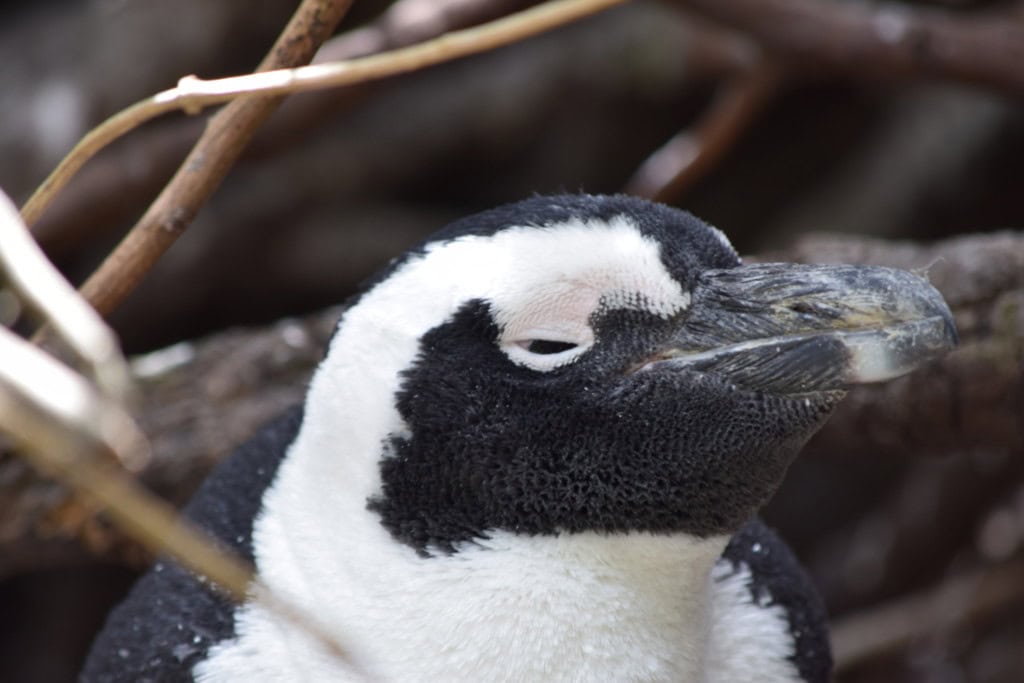
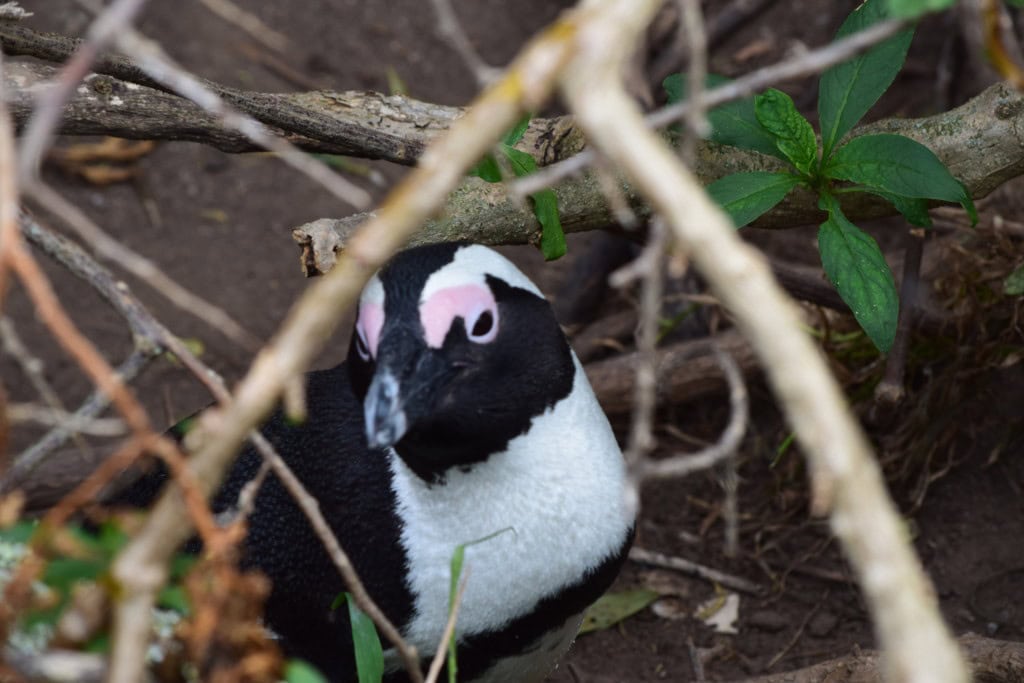
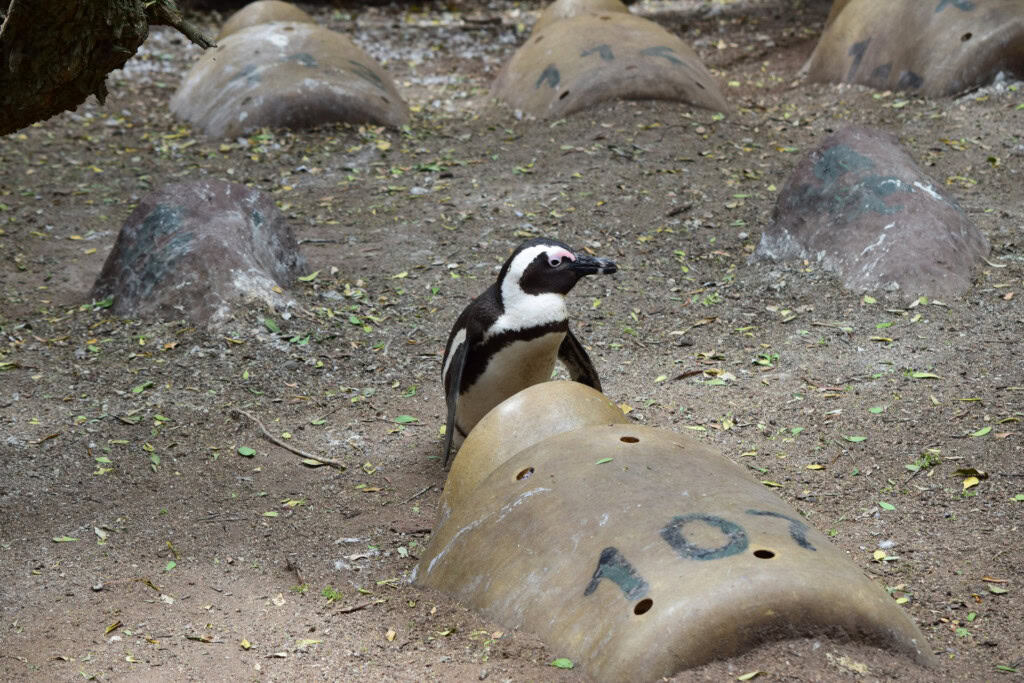
The main attraction at Boulders Beach is the colony of African penguins. These charming and charismatic birds can be seen waddling on the sand, nesting in the coastal vegetation, and swimming in the sea. The main viewing area is at Foxy Beach, which is reached via a series of raised wooden boardwalks. These boardwalks lead you through the heart of the colony and to several viewing platforms, which provide fantastic, close-up views of the penguins without disturbing them.
Boulders Beach Swimming Area
In addition to the main penguin viewing area, there is a separate section of Boulders Beach that is open to the public for swimming. This beautiful cove is also sheltered by massive granite boulders and is known for its calm and relatively warm water. What makes this beach unique is that you can actually swim in the same water as the penguins, as the birds from the colony often swim into this bay. It is a truly special and memorable experience to share the water with these amazing creatures.
The Boardwalks and Visitor Centre
A key part of the Boulders Beach experience is the network of raised wooden boardwalks. These boardwalks have been carefully designed to allow visitors to get very close to the penguin colony without disturbing the birds or their nesting sites. The boardwalks wind their way through the coastal vegetation and over the sand dunes, providing excellent vantage points. There is also a visitor center at the main entrance where you can learn more about the African penguins and the conservation efforts to protect them.
Simon’s Town
Boulders Beach is located within the historic naval town of Simon’s Town. A visit to the penguin colony can be easily combined with an exploration of this charming town. The historic high street is lined with beautiful Victorian buildings. The town is the main base for the South African Navy, and the harbor is filled with impressive warships. The South African Naval Museum is also located in the town and is well worth a visit.

How to Get to Boulders Beach?
Boulders Beach is located in the town of Simon’s Town, on the Cape Peninsula, about 40 kilometers south of the center of Cape Town. The primary gateway for international visitors is Cape Town International Airport (CPT). From the airport and the central city, Boulders Beach can be reached by car or by a combination of the suburban train and a short walk or taxi ride. The journey is a very scenic one, taking you along the beautiful coastline of False Bay.
Arriving by Air
The main airport for the region is Cape Town International Airport (CPT). It is the second-busiest airport in South Africa. The airport is located about a 45-minute drive from Simon’s Town. From the airport, the easiest way to reach Boulders Beach is to rent a car or to take a taxi or a ride-sharing service. There is no direct public transport from the airport to Simon’s Town, so you would first need to travel into the center of Cape Town.
Driving to the Beach
Driving to Boulders Beach is straightforward and very scenic. From the center of Cape Town, you would take the M3 highway south and then the M4 coastal road. The M4 follows the beautiful coastline of False Bay, passing through the charming seaside villages of Muizenberg, St. James, and Kalk Bay before reaching Simon’s Town. The entrance to Boulders Beach is located on the southern side of Simon’s Town and is well-signposted.
Journey by Rail
The suburban Metrorail train is a convenient and very scenic way to reach the area. The Southern Line runs from the main station in Cape Town all the way to Simon’s Town. The journey takes about one hour and offers spectacular views as the train runs right along the edge of the sea. From the final station in Simon’s Town, Boulders Beach is about a 30-minute walk or a short taxi ride away.
Driving Distances
The driving distance from 20 regional cities, according to Google Maps:
- Simon’s Town, South Africa – 2 kilometers (0 h 05 min)
- Fish Hoek, South Africa – 5 kilometers (0 h 10 min)
- Muizenberg, South Africa – 15 kilometers (0 h 20 min)
- Cape Town, South Africa – 40 kilometers (0 h 45 min)
- Stellenbosch, South Africa – 65 kilometers (1 h 00 min)
- Paarl, South Africa – 95 kilometers (1 h 20 min)
- Hermanus, South Africa – 125 kilometers (1 h 50 min)
- Swellendam, South Africa – 225 kilometers (2 h 30 min)
- Cape Agulhas, South Africa – 230 kilometers (2 h 50 min)
- Mossel Bay, South Africa – 400 kilometers (4 h 10 min)
- Oudtshoorn, South Africa – 430 kilometers (4 h 40 min)
- George, South Africa – 440 kilometers (4 h 40 min)
- Beaufort West, South Africa – 470 kilometers (4 h 50 min)
- Plettenberg Bay, South Africa – 530 kilometers (5 h 30 min)
- Springbok, South Africa – 590 kilometers (6 h 00 min)
- Graaff-Reinet, South Africa – 680 kilometers (6 h 50 min)
- Gqeberha, South Africa – 760 kilometers (7 h 40 min)
- Upington, South Africa – 810 kilometers (8 h 10 min)
- Kimberley, South Africa – 960 kilometers (9 h 40 min)
- Bloemfontein, South Africa – 1010 kilometers (10 h 10 min)
Looking to Explore more of South Africa and Africa?