Fathala Wildlife Reserve | Exploring Senegal
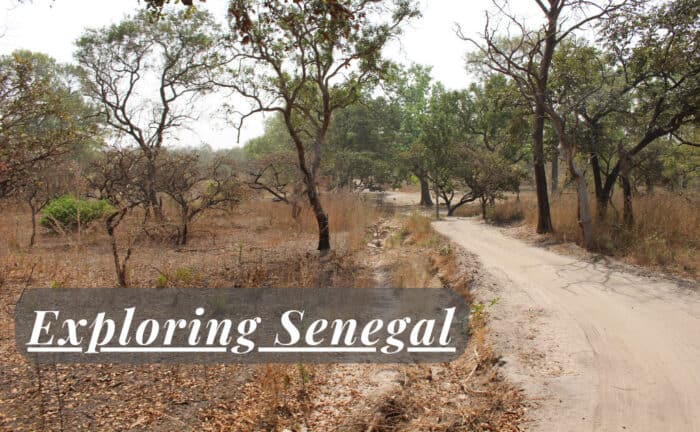
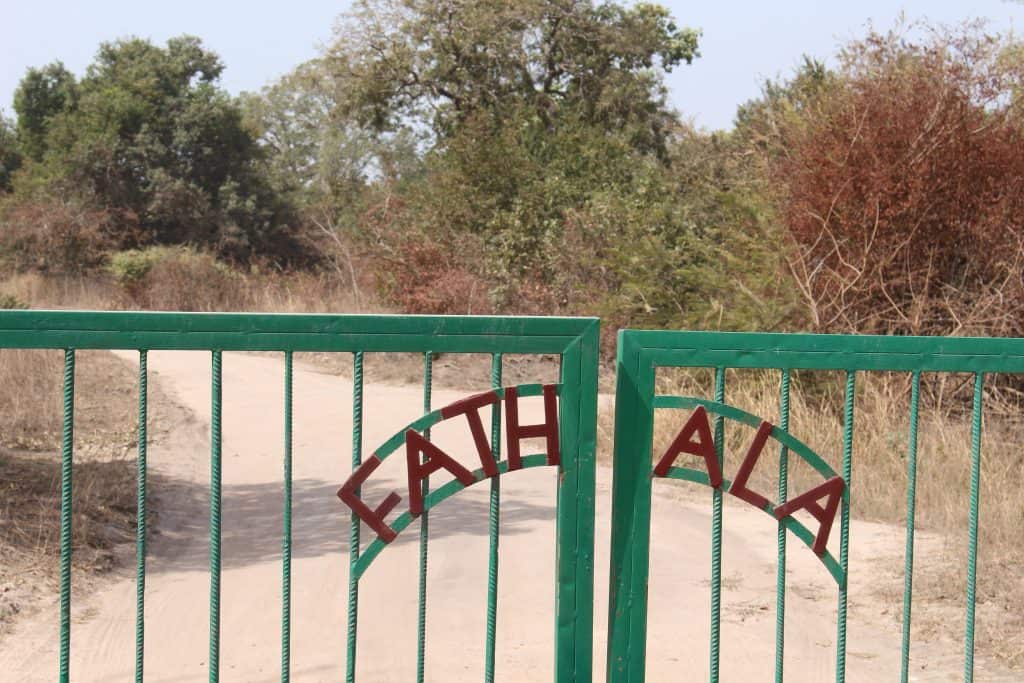
Fathala Wildlife Reserve is a protected area of indigenous forest located in the southwestern part of Senegal. The reserve is situated near the town of Karang, just north of the border with The Gambia. This large, 6,000-hectare fenced area consists of original bush and savanna habitat. It is particularly known for its important role in the conservation of the critically endangered Western Giant Eland. This antelope is the largest in the world, and the reserve provides a crucial sanctuary for a breeding herd.
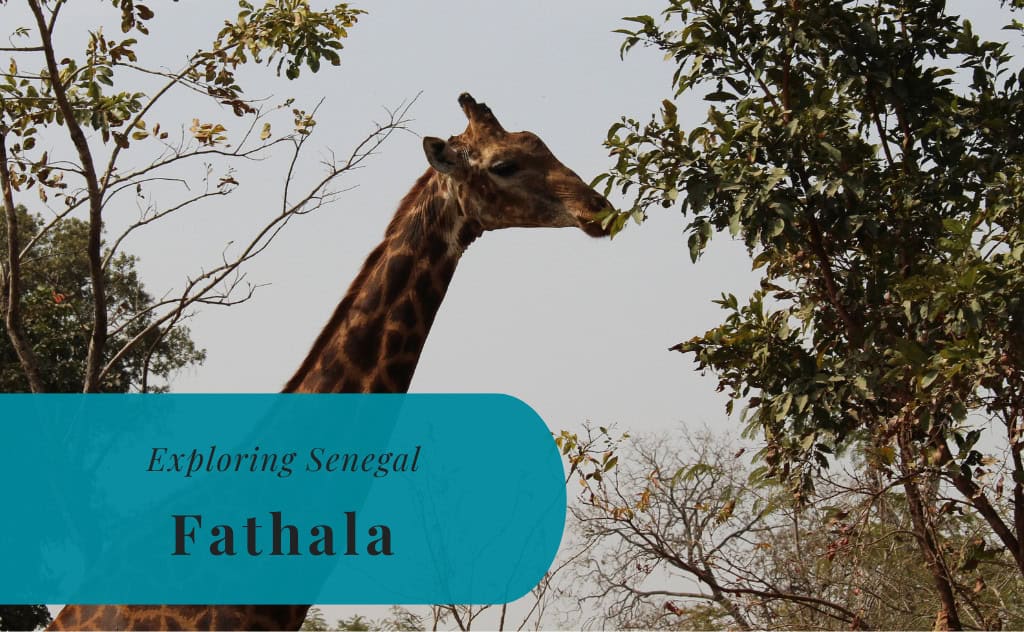
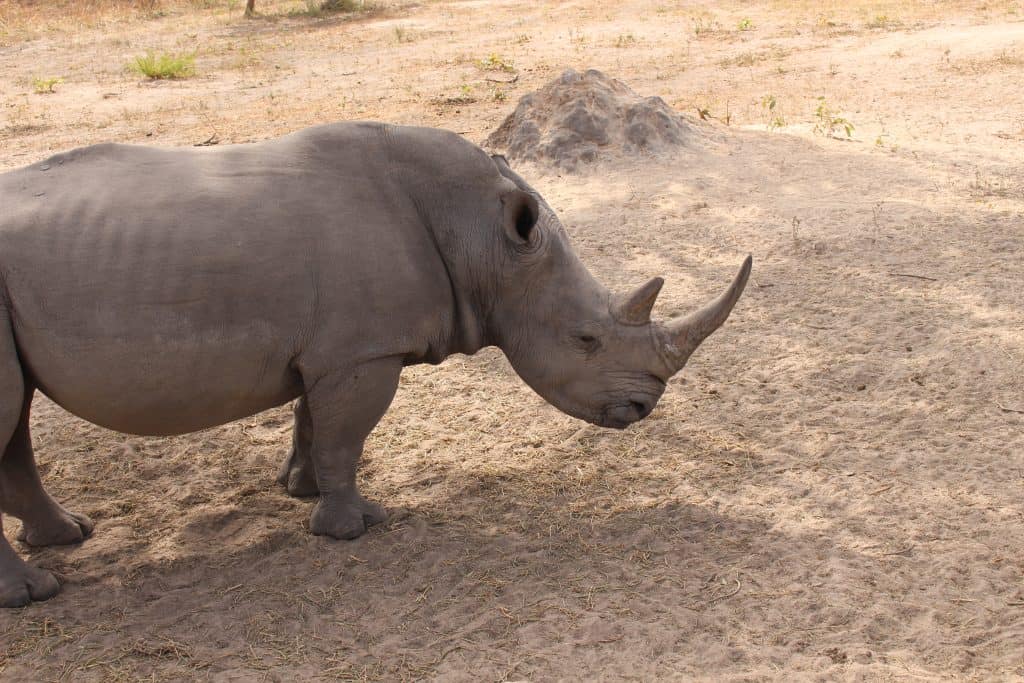
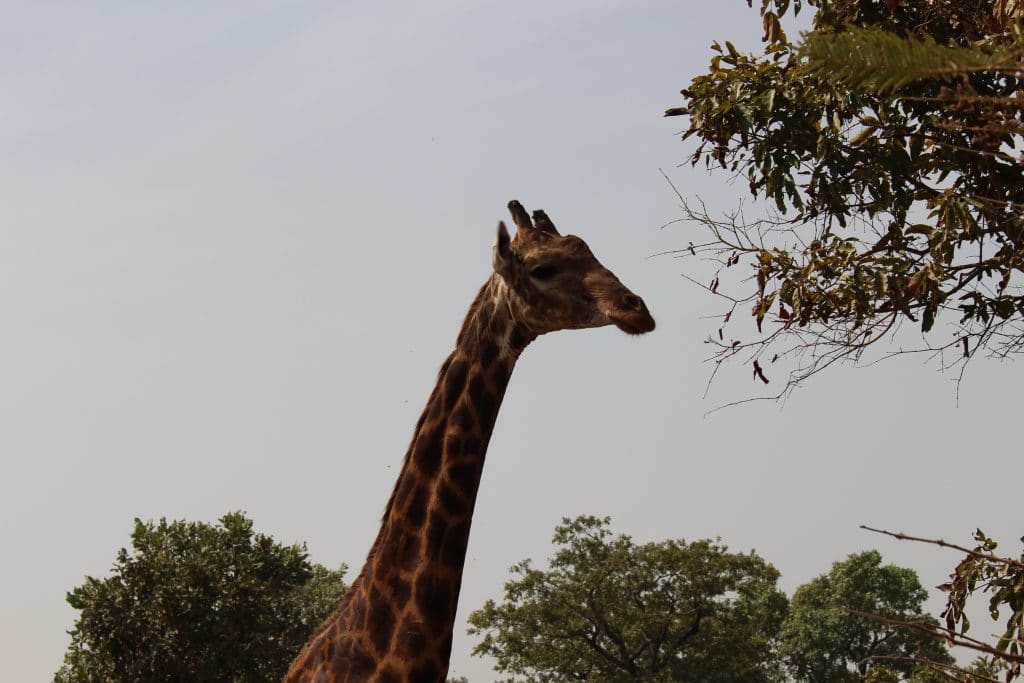
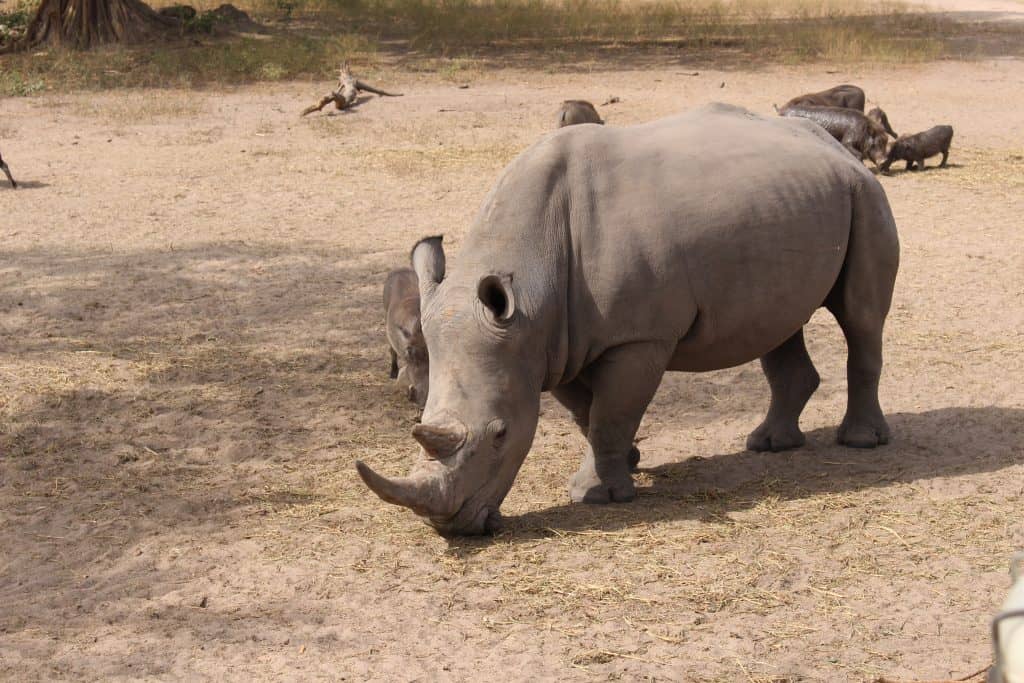
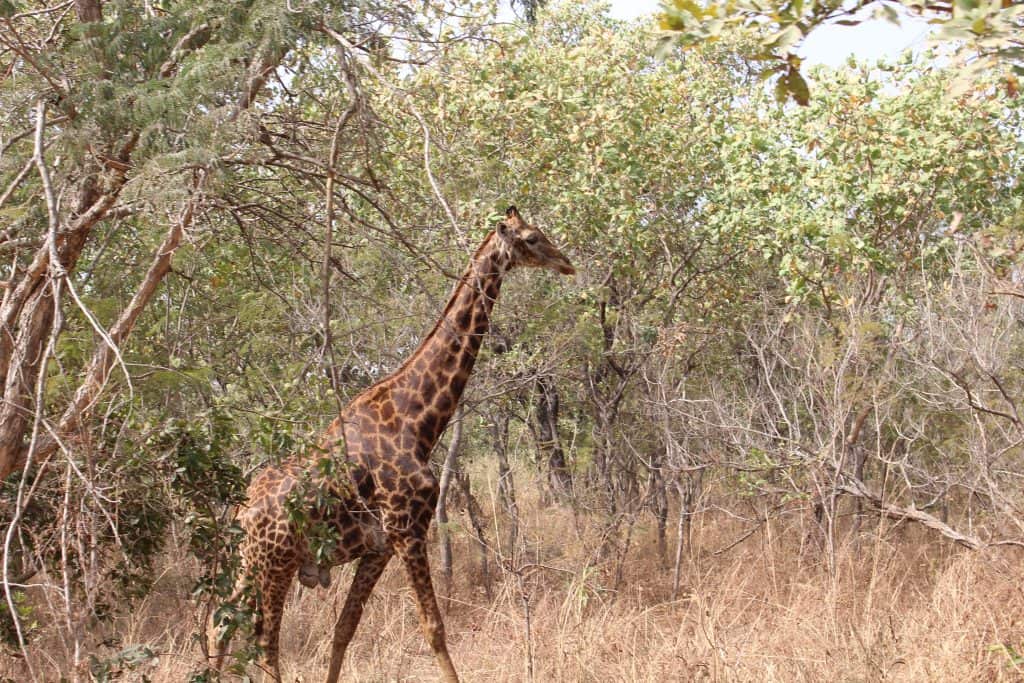
The identity of Fathala is that of a “true sanctuary,” so it has become a popular destination for those seeking a West African safari experience. The reserve is home to a variety of reintroduced wildlife, giving visitors the chance to see giraffes, rhinos, and zebras. Today, Fathala is a major eco-tourism destination in the region. It offers visitors a chance to see some of Africa’s most iconic animals in a naturalistic environment. The sanctuary successfully combines its conservation mission with a memorable wildlife experience for its visitors.
It is good to know that Fathala is a very popular day excursion for tourists staying in the coastal resorts of The Gambia. This journey involves an early start and a ferry crossing over the Gambia River to the town of Barra. From there, a short drive leads to the international border. Visitors will need to present a valid passport to cross into Senegal, and a yellow fever vaccination certificate may also be required. The excursions typically include a guided game drive in an open-air vehicle, while many also offer the unique opportunity to participate in a guided “lion walk” within the reserve.

History of Fathala Wildlife Reserve
The history of Fathala Wildlife Reserve is a modern story of conservation and habitat restoration. The land on which the reserve is located was once a part of a much larger expanse of forest. In the 20th century, much of this forest was cleared for agriculture and timber. The establishment of the reserve in the early 21st century was a major effort to protect and restore a significant area of this original habitat. The primary motivation for its creation was to establish a safe haven for the critically endangered Western Giant Eland.
A Conservation Project
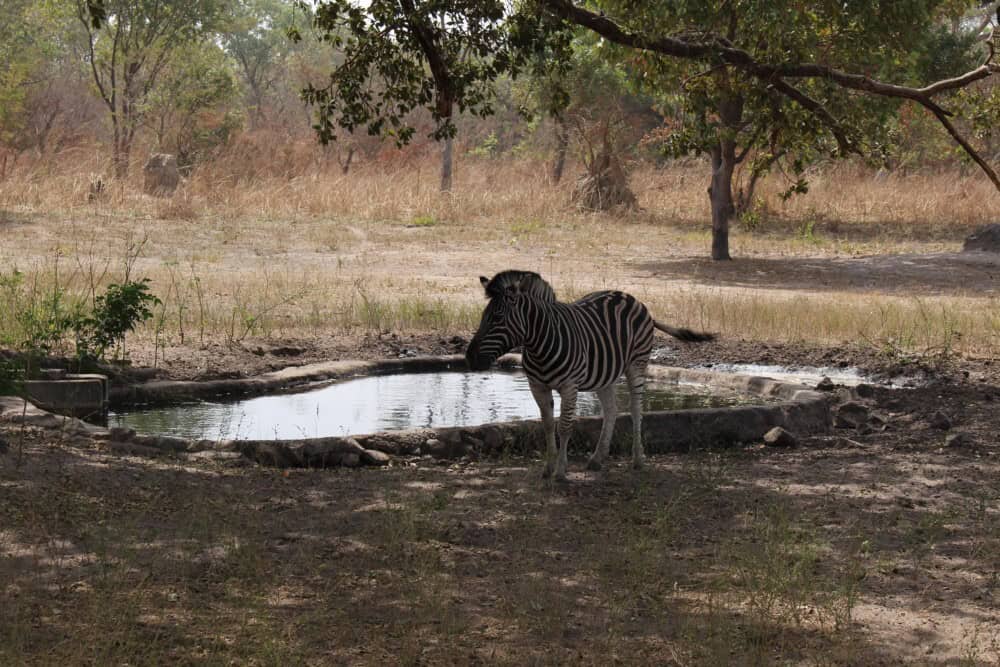
The Fathala Wildlife Reserve was created in 2006. The project was initiated to create a protected habitat for a breeding herd of the Western Giant Eland. This antelope is the largest in the world, but its wild population has been decimated by hunting and habitat loss. The reserve was fenced, and watering holes were developed to support the wildlife. In the following years, a program of reintroducing other native and iconic African animals, such as giraffes and zebras, was undertaken to restore the ecosystem.
An Eco-tourism Destination
In the modern era, Fathala has become a major eco-tourism destination in the region. The reserve offers guided game drives, guided bush walks, and a unique “lion walk” experience. In addition to its role in conservation, the reserve has also become an important source of employment for the local community. It has demonstrated how sustainable tourism can be used to support both wildlife conservation and local economic development. The reserve is a successful model for private conservation efforts in West Africa.



Sights in Fathala Wildlife Reserve
The sights in Fathala Wildlife Reserve are centered around its rich diversity of African wildlife and its beautiful natural environment. The main attraction is the opportunity to see a variety of iconic animals on a guided game drive. The reserve is home to a breeding herd of the rare Western Giant Eland. For a unique and thrilling experience, the “lion walk” offers a chance to get up close with the king of the jungle. The beautiful forest and savanna landscape is also a sight in itself.
The Wildlife
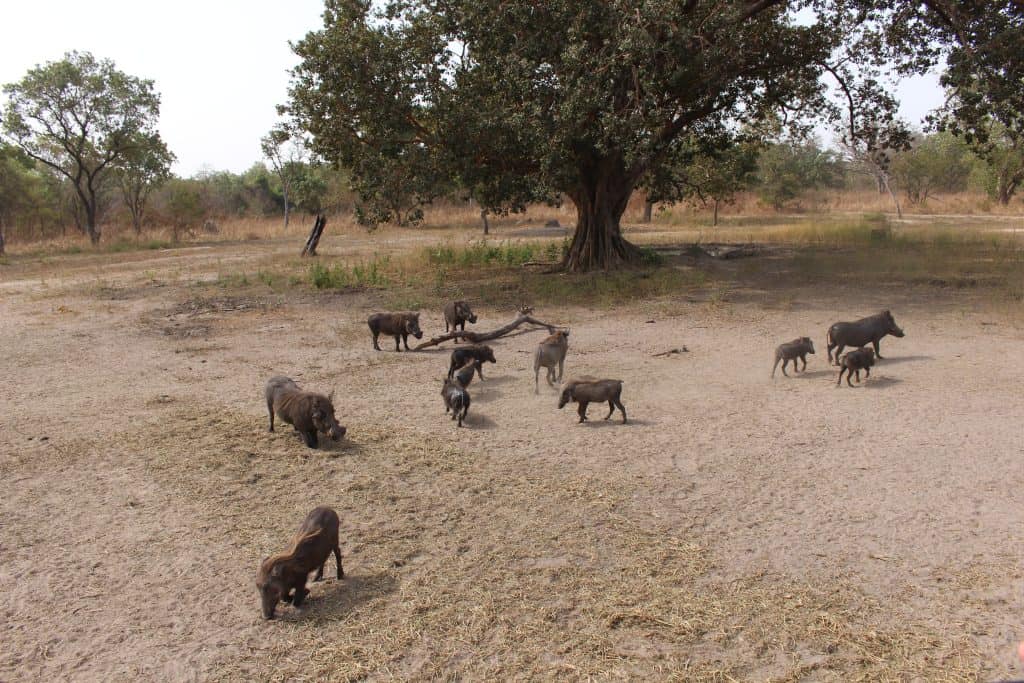
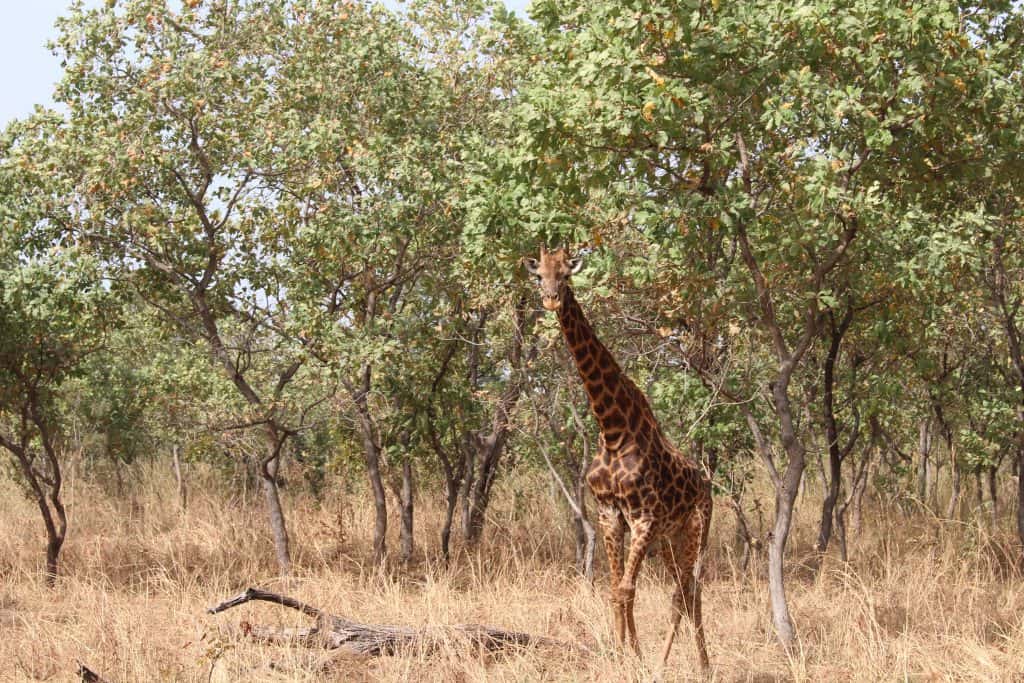
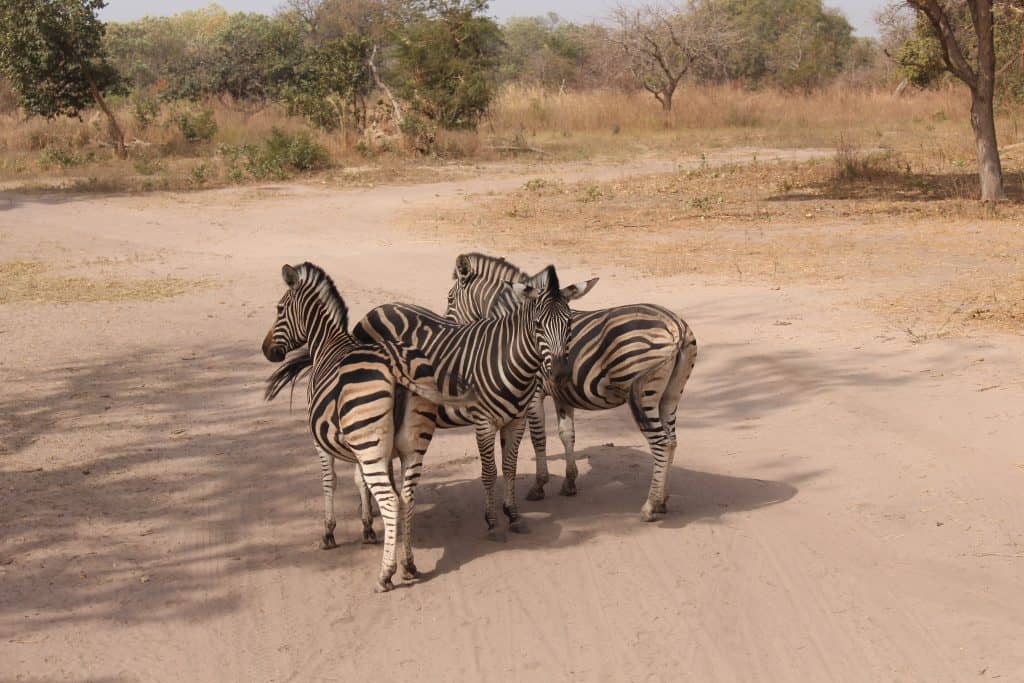
The main sight is the diverse collection of wildlife that roams freely within the 6,000-hectare reserve. Visitors on a guided game drive can expect to see a variety of animals, including giraffes, zebras, rhinos, and several species of antelope, such as the roan and the waterbuck. The reserve is also home to a variety of smaller animals, such as warthogs and monkeys, and it has a rich birdlife. The health and condition of the animals are a testament to the success of the conservation project.
The Western Giant Eland
A key highlight of a visit to Fathala is the opportunity to see the rare Western Giant Eland. This is the largest and most magnificent of all the world’s antelope species. The reserve is home to a successful breeding herd of this critically endangered animal. The conservation program at Fathala is a crucial part of the international effort to save this species from extinction. Seeing these impressive animals in a naturalistic environment is a very special and unique experience.
The “Lion Walk”
For the more adventurous, Fathala offers a unique “lion walk” experience. This is an opportunity to walk through the African bush alongside young, free-roaming lions, under the strict supervision of experienced guides. This activity provides an incredible and unforgettable opportunity to get very close to these magnificent predators. It is a thrilling and very popular activity, and it provides fantastic photo opportunities. The guides provide detailed information about lion behavior and conservation.


Getting Around in Fathala Wildlife Reserve
The Fathala Wildlife Reserve is a large, fenced area, so it can only be explored on a guided game drive in an open-sided safari vehicle. To reach the reserve, which is located in a rural area near the border with The Gambia, a car or a pre-booked tour is the most convenient option. The main roads to the reserve are paved and in good condition. Inside the reserve, the experience is fully guided for the safety of both visitors and the animals.
Exploring by Safari Vehicle
Once you are at the reserve, the only way to see the wildlife is on a guided game drive. The reserve has a network of dirt tracks that wind their way through the forest and savanna. The game drives are conducted in large, open-sided 4×4 trucks with experienced and knowledgeable guides. The guides are experts at spotting the animals and provide a wealth of information about their behavior and the local ecosystem.
How to Get to Fathala Wildlife Reserve?
Fathala Wildlife Reserve is located in southwestern Senegal, very close to the border with The Gambia. The main gateway for most visitors is Banjul International Airport (BJL) in The Gambia. From The Gambia, the journey to Fathala involves a ferry crossing and a short drive. The reserve is also accessible by road from the Senegalese capital of Dakar. Several tour operators offer organized day trips to the reserve.
From The Gambia
The most common way to visit Fathala is on a day trip from the tourist resorts in The Gambia. The journey involves taking the ferry from Banjul to Barra on the north bank of the Gambia River. From Barra, it is then a short, 30-minute drive to the Karang border crossing and on to the reserve. Several tour operators in The Gambia offer organized day trips to Fathala. These tours typically include all transportation and the safari.
Driving from Dakar
Driving to Fathala from the Senegalese capital of Dakar is a longer but possible option. The journey takes approximately four to five hours. The route involves driving south from Dakar and then taking a ferry across the Saloum River Delta. Having your own vehicle provides the most flexibility for exploring the beautiful and remote Sine-Saloum region of Senegal on the way to the reserve. The roads are generally in good condition, but the journey involves multiple stages.
Driving Distances
The driving distance from 20 regional cities, according to Google Maps:
- Karang, Senegal – 5 kilometers (0 h 10 min)
- Barra, The Gambia – 15 kilometers (0 h 25 min, plus ferry)
- Banjul, The Gambia – 20 kilometers (1 h 30 min, plus ferry)
- Serekunda, The Gambia – 30 kilometers (1 h 45 min, plus ferry)
- Kaolack, Senegal – 150 kilometers (2 h 30 min)
- Ziguinchor, Senegal – 150 kilometers (3 h 00 min)
- Touba, Senegal – 260 kilometers (4 h 00 min)
- Dakar, Senegal – 280 kilometers (4 h 30 min, plus ferry)
- Bissau, Guinea-Bissau – 300 kilometers (5 h 00 min)
- Saint-Louis, Senegal – 320 kilometers (5 h 00 min)
- Nouakchott, Mauritania – 750 kilometers (12 h 00 min)
- Conakry, Guinea – 800 kilometers (14 h 00 min)
- Bamako, Mali – 1100 kilometers (18 h 00 min)
- Freetown, Sierra Leone – 1200 kilometers (20 h 00 min)
- Monrovia, Liberia – 1600 kilometers (25 h 00 min)
- Abidjan, Ivory Coast – 2000 kilometers (30 h 00 min)
- Ouagadougou, Burkina Faso – 2300 kilometers (35 h 00 min)
- Accra, Ghana – 2400 kilometers (36 h 00 min)
- Lomé, Togo – 2600 kilometers (40 h 00 min)
- Niamey, Niger – 3000 kilometers (45 h 00 min)
Looking to Explore more of Senegal and Africa?