
Krupa na Vrbasu | Exploring Bosnia and Herzegovina
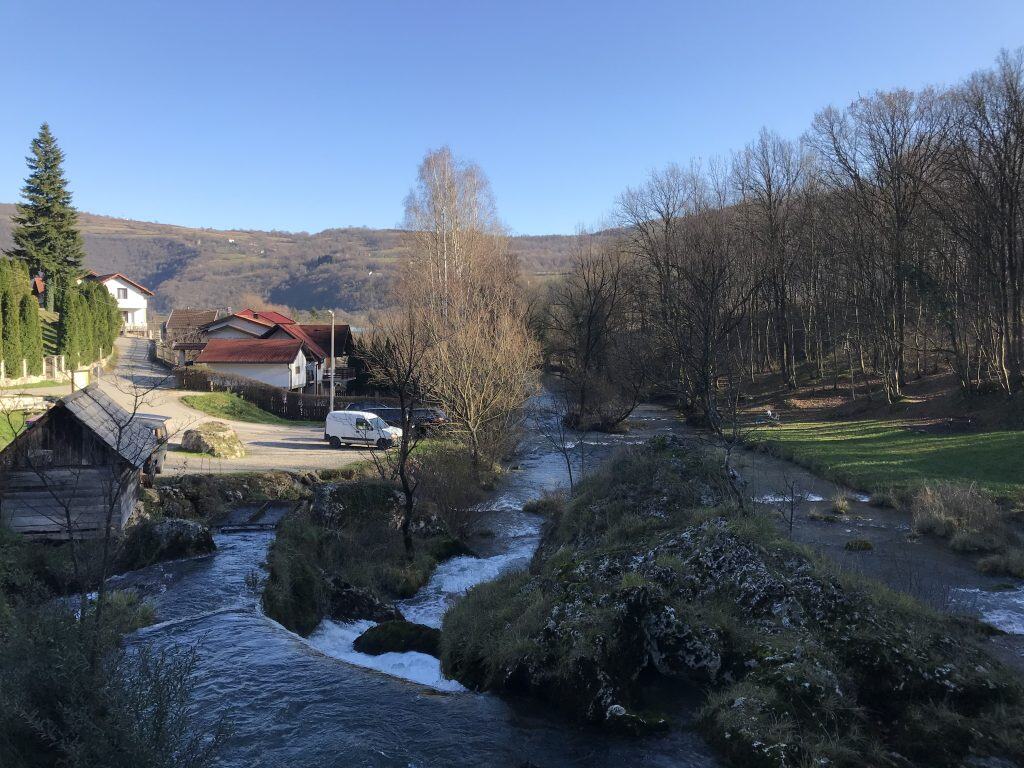
Krupa na Vrbasu is a village located in the municipality of Banja Luka, in the Republika Srpska entity of Bosnia and Herzegovina. It is situated approximately 25 kilometers south of the city of Banja Luka. With a population of around 1,200 inhabitants, the village is nestled in a beautiful valley at the confluence of the Krupa River and the magnificent Vrbas River. It is renowned for its stunning natural scenery, its historic watermills, and its medieval monastery.
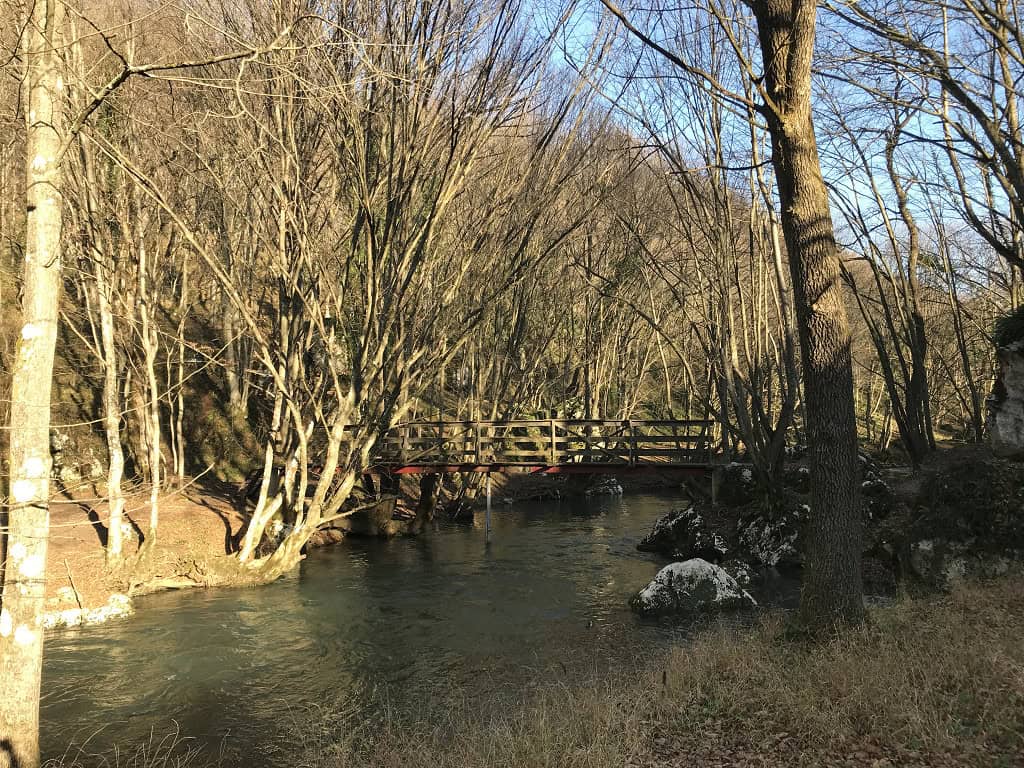
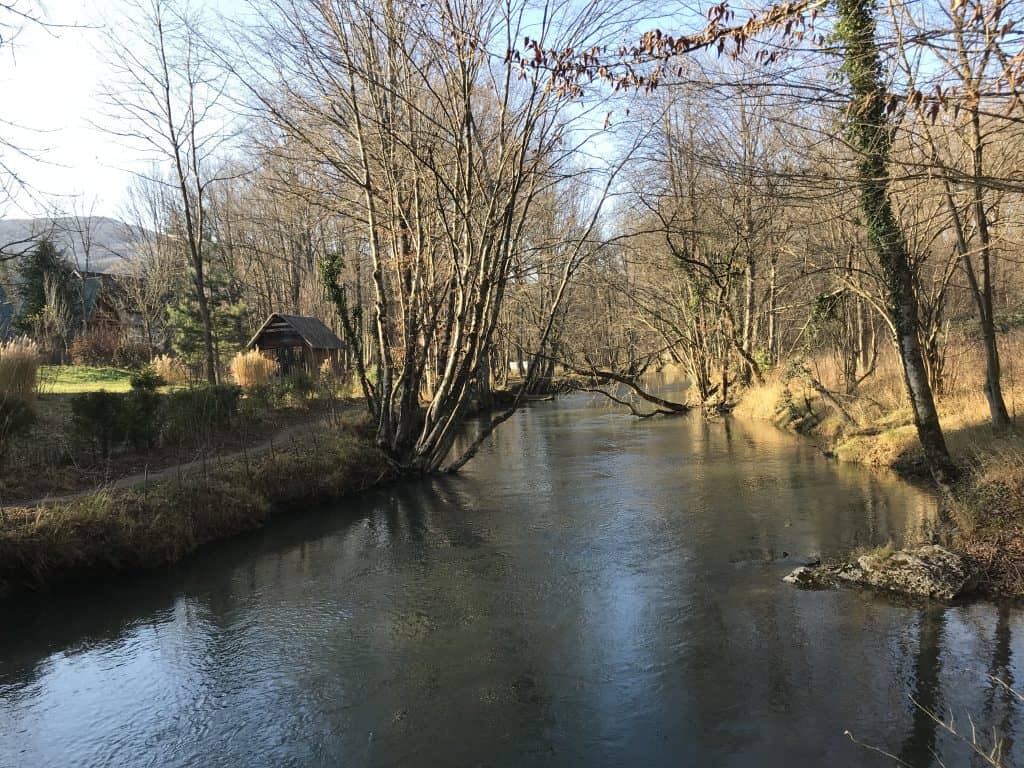
The identity of Krupa na Vrbasu is that of a tranquil and picturesque rural village that is a major center for nature and adventure tourism. The name “Krupa na Vrbasu” means “Krupa on the Vrbas,” a direct reference to its location. The crystal-clear waters of the Krupa River, with its series of cascading waterfalls, are the heart of the village. Today, Krupa na Vrbasu is a popular destination for a day trip from Banja Luka. It offers a unique combination of natural beauty, historical sights, and outdoor recreational activities.

History of Krupa na Vrbasu
The history of Krupa na Vrbasu is a story of a medieval settlement that grew in a strategic and beautiful location. The area has been inhabited since the Middle Ages, and its history is closely linked to the nearby medieval fortress of Greben. The village has been an important religious and economic center for the region for centuries. Its historic Serbian Orthodox monastery and its traditional watermills are a testament to its long and rich history.
A Medieval Stronghold
The history of the Krupa na Vrbasu area is closely tied to the medieval fortress of Greben, the ruins of which stand on a steep hill overlooking the Vrbas River gorge. This fortress was built in the 12th century, and it was a key defensive stronghold in the medieval Kingdom of Bosnia. The village of Krupa na Vrbasu likely developed in the valley below this important fortress. The nearby Krupa Monastery is also historically linked to the Greben fortress.
The Watermills of the Krupa River
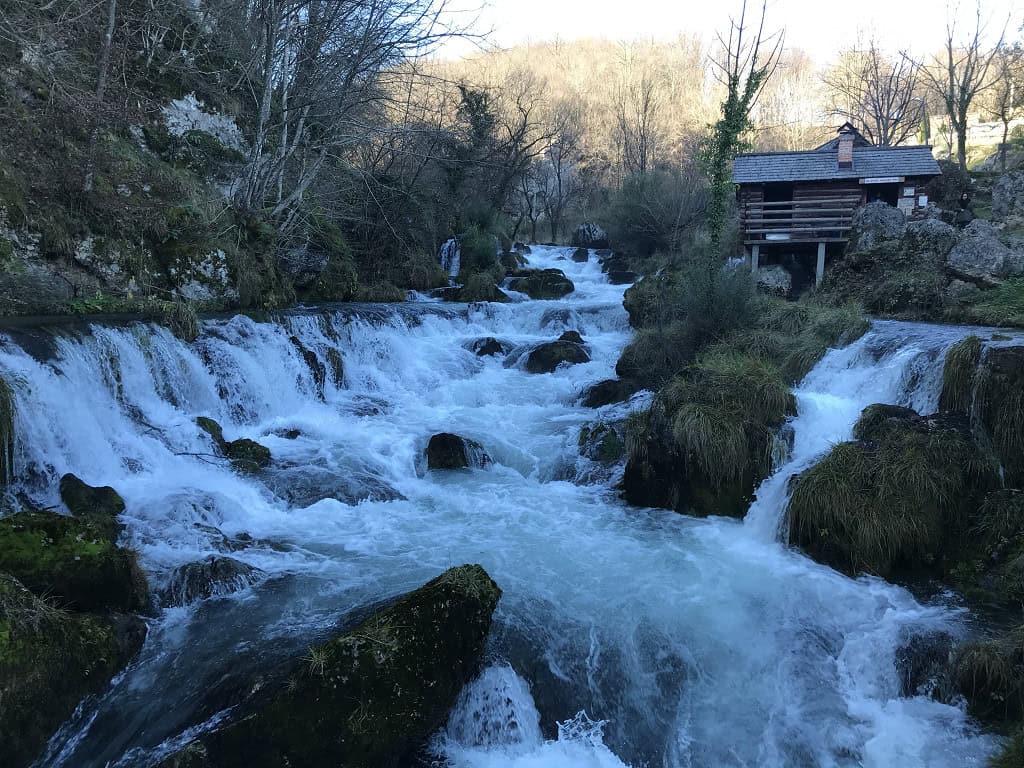
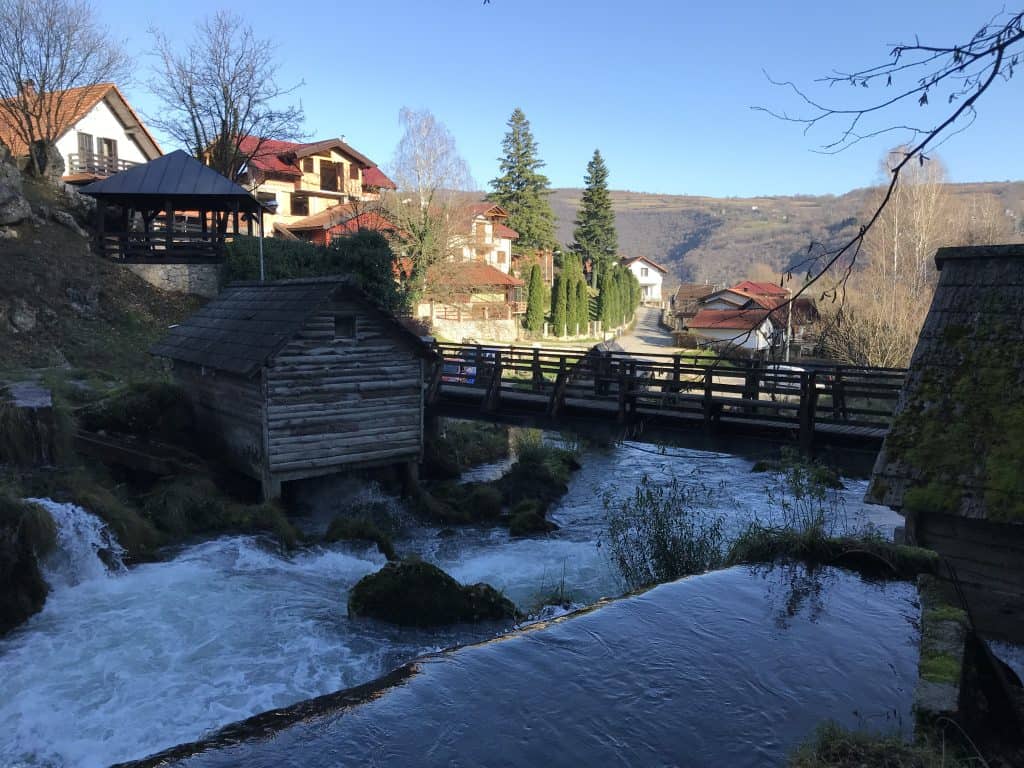
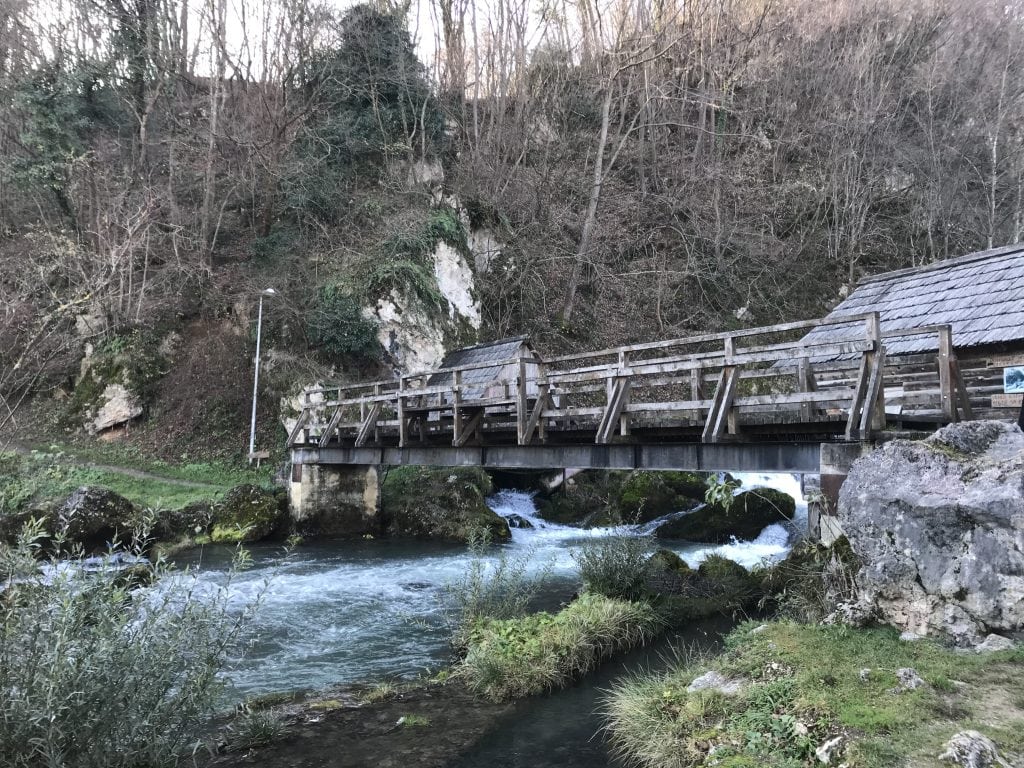
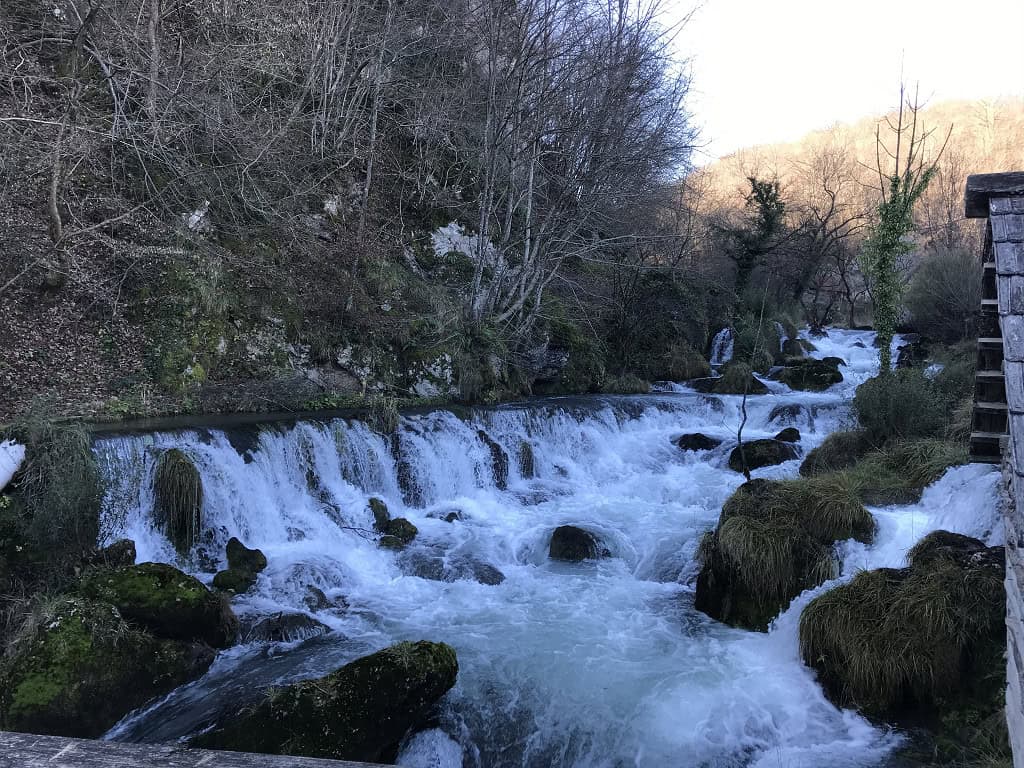
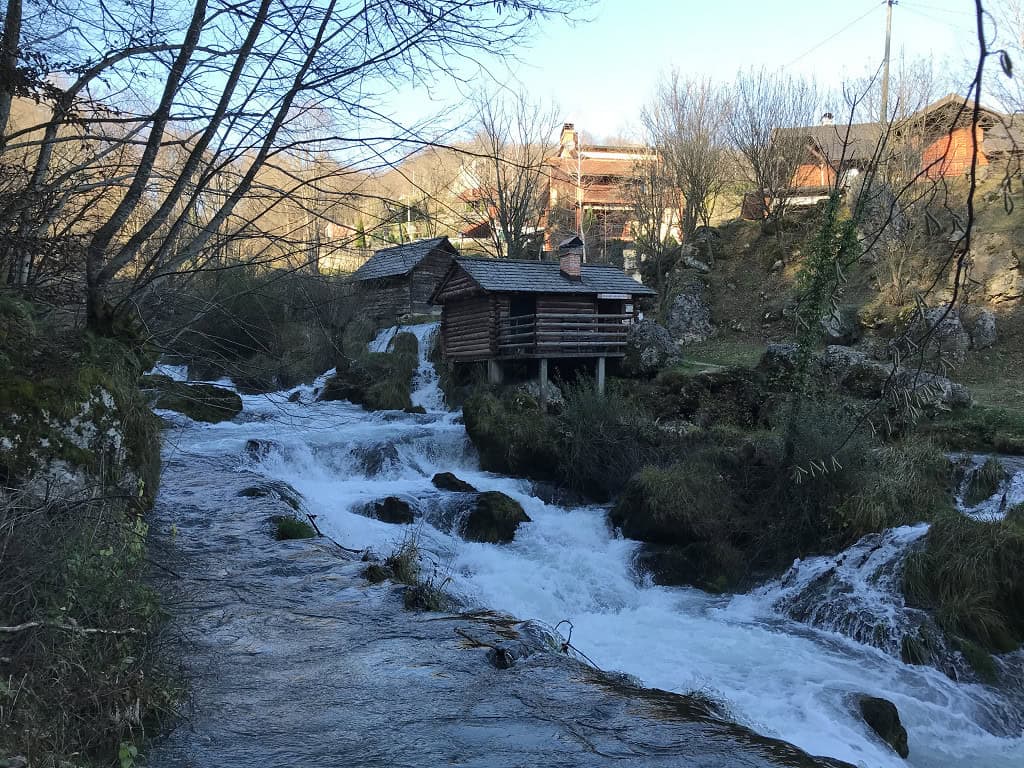
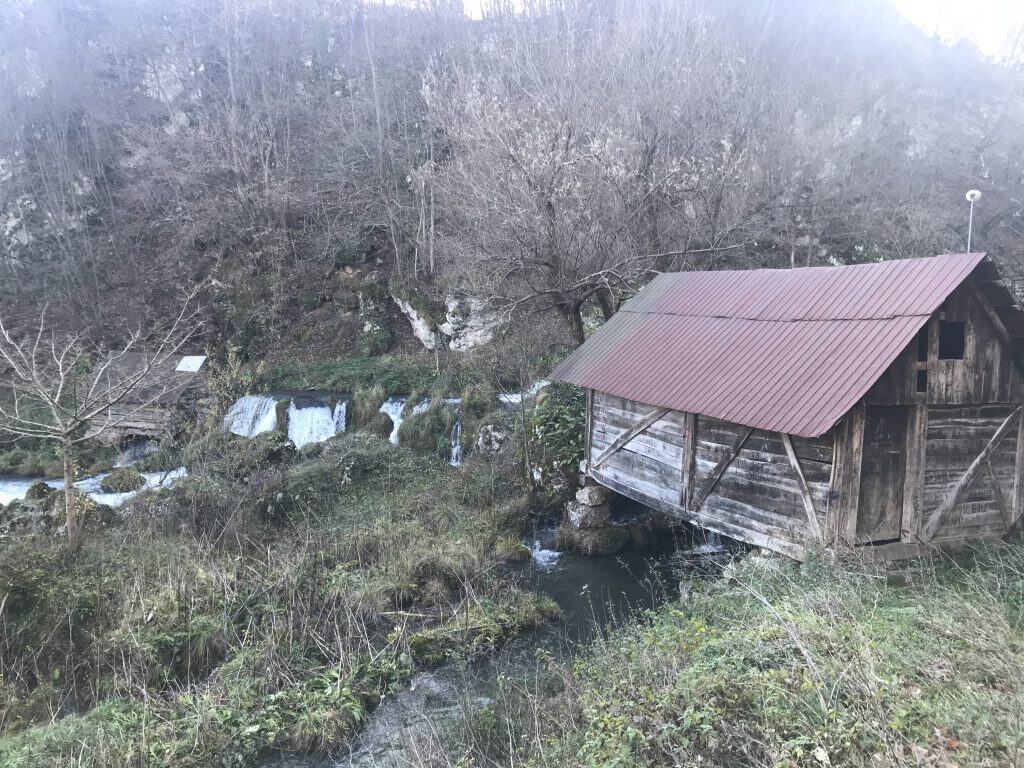
For centuries, the economy of Krupa na Vrbasu was based on the power of its river. A series of traditional watermills were built along the cascading waterfalls of the Krupa River. These watermills were used to grind wheat and corn, and they were essential to the local agricultural economy. Several of these historic watermills have been preserved and are still operational today. They stand as a beautiful and unique testament to the traditional way of life in the region.
Sights in Krupa na Vrbasu
The sights in Krupa na Vrbasu are centered around its magnificent natural scenery and its rich historical and cultural heritage. The main attraction is the beautiful Krupa Waterfalls, with their series of historic watermills. The nearby Krupa Monastery is an important religious and historical site. For those seeking spectacular views, a hike up to the ruins of the medieval Greben Fortress is a must.
Krupa Waterfalls and Watermills
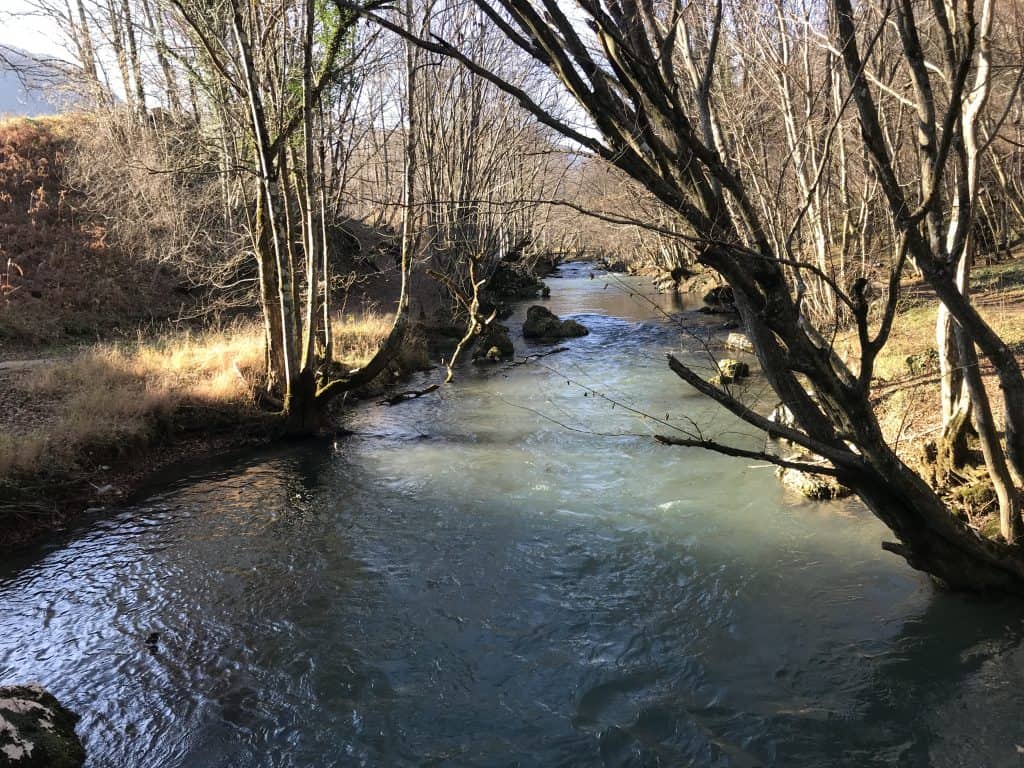
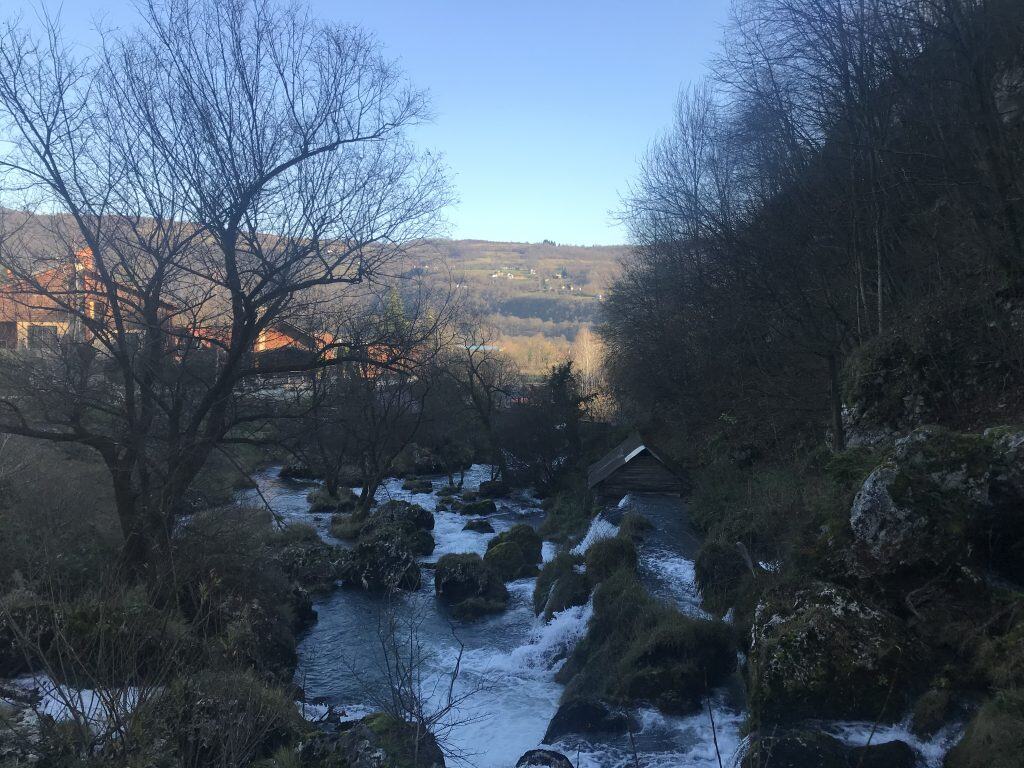
The Krupa Waterfalls are the most famous and picturesque sight in the village. This is a beautiful series of cascading waterfalls and rapids on the crystal-clear Krupa River. Nestled among the waterfalls is a collection of traditional, wooden watermills. Several of these historic watermills are still in operation, and visitors can buy freshly ground flour directly from the millers. The combination of the roaring waterfalls and the charming old mills creates a truly unique and beautiful scene.
Krupa Monastery
The Krupa na Vrbasu Monastery is a historic Serbian Orthodox monastery that is located in the village. The monastery church is dedicated to Saint Elijah. It is believed that the monastery was founded in the late 12th or early 13th century. The monastery has been destroyed and rebuilt several times throughout its long and turbulent history. The current church is a beautiful stone building. The area around the monastery also contains a necropolis with medieval tombstones known as “stećci.”
Greben Fortress
The ruins of the medieval Greben Fortress are located on a steep and dramatic cliff high above the Vrbas River, near Krupa na Vrbasu. The fortress was built in the 12th century. A hiking trail leads up to the ruins from the valley below. The hike is challenging, but the reward is a spectacular panoramic view of the Vrbas River canyon and the surrounding countryside. The ruins are an evocative reminder of the region’s long and important medieval history.
How to Get to Krupa na Vrbasu?
Krupa na Vrbasu is located in the municipality of Banja Luka, in the northern part of Bosnia and Herzegovina. The main gateway for international visitors is Banja Luka International Airport (BNX). From the city of Banja Luka, the journey to Krupa na Vrbasu is a scenic drive south along the Vrbas River. The village is easily accessible by road, and it is a popular day trip from the regional capital.
Arriving by Air
The primary airport for the region is Banja Luka International Airport (BNX). The airport is located approximately 23 kilometers north of the city of Banja Luka, which places it about 50 kilometers north of Krupa na Vrbasu. It has regular flights connecting the region with several destinations in Europe. From the airport, visitors would first need to travel to the main bus station in Banja Luka via a shuttle bus or a taxi. From the city center, a separate journey by local bus or taxi is required to reach the village.
Driving to the Village
Driving to Krupa na Vrbasu is very straightforward. The village is located directly on the main M16 road that runs from the center of Banja Luka south towards the city of Jajce. The journey from Banja Luka takes approximately 30-40 minutes and it follows the beautiful gorge of the Vrbas River. The road is paved and in good condition. This scenic drive is a major part of the experience of visiting the area.
Connecting by Bus
The public bus system in Banja Luka provides a regular and efficient connection to Krupa na Vrbasu. Several different bus companies operate services that run from the main bus station in Banja Luka to the south of the country. All of these buses pass through Krupa na Vrbasu. The journey is short and affordable, making it a convenient option for travelers who are relying on public transportation.
Driving Distances
The driving distance from 20 regional cities, according to Google Maps:
- Banja Luka, Bosnia and Herzegovina – 25 kilometers (0 h 30 min)
- Mrkonjić Grad, Bosnia and Herzegovina – 40 kilometers (0 h 45 min)
- Jajce, Bosnia and Herzegovina – 45 kilometers (0 h 45 min)
- Travnik, Bosnia and Herzegovina – 85 kilometers (1 h 30 min)
- Slavonski Brod, Croatia – 100 kilometers (1 h 30 min)
- Doboj, Bosnia and Herzegovina – 115 kilometers (1 h 50 min)
- Zenica, Bosnia and Herzegovina – 115 kilometers (1 h 45 min)
- Bihać, Bosnia and Herzegovina – 140 kilometers (2 h 30 min)
- Sarajevo, Bosnia and Herzegovina – 165 kilometers (2 h 30 min)
- Tuzla, Bosnia and Herzegovina – 185 kilometers (2 h 50 min)
- Osijek, Croatia – 195 kilometers (2 h 45 min)
- Mostar, Bosnia and Herzegovina – 210 kilometers (3 h 15 min)
- Zagreb, Croatia – 215 kilometers (2 h 45 min)
- Split, Croatia – 215 kilometers (3 h 00 min)
- Novi Sad, Serbia – 305 kilometers (3 h 15 min)
- Ljubljana, Slovenia – 355 kilometers (3 h 45 min)
- Belgrade, Serbia – 365 kilometers (4 h 00 min)
- Podgorica, Montenegro – 395 kilometers (6 h 00 min)
- Budapest, Hungary – 555 kilometers (5 h 45 min)
- Vienna, Austria – 565 kilometers (6 h 00 min)
Looking to Explore more of Bosnia and Herzegovina and Europe?